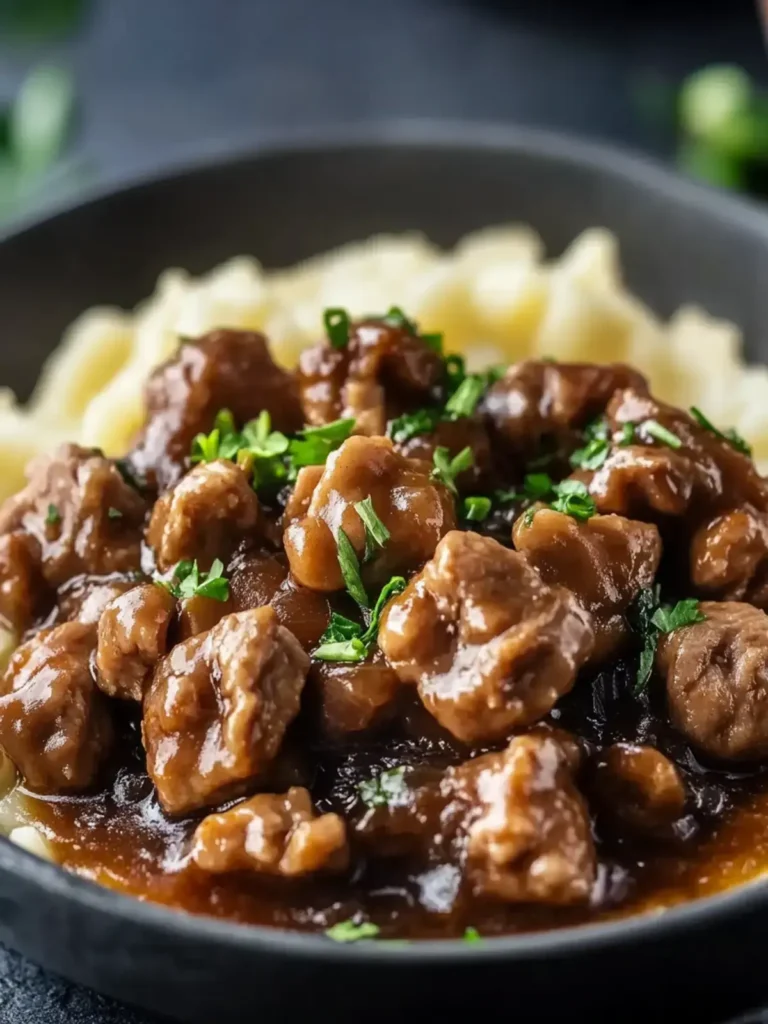
Apple Cider Braised Pork Shoulder – A Beautiful Fall Dinner!
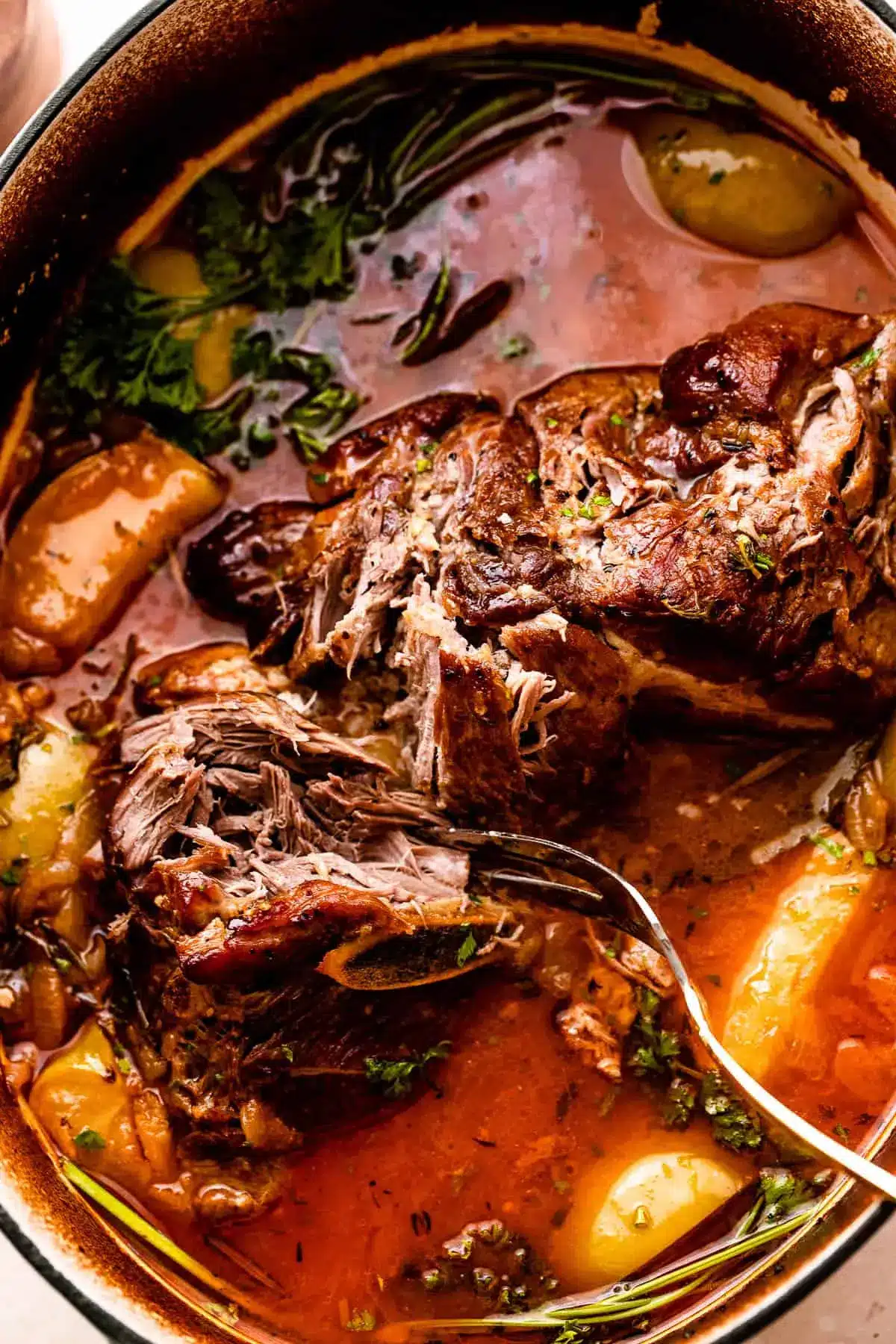
The aroma of slow-cooked pork shoulder, mingling with sweet apple cider and aromatic herbs, is the very essence of comfort food. This braised pork shoulder recipe captures that feeling perfectly, transforming a humble cut of meat into a tender, flavorful centerpiece for any meal. It’s the kind of dish that warms you from the inside out, making it ideal for crisp autumn evenings or cozy Sunday dinners.
Braising, a culinary technique as ancient as it is effective, is the secret behind the incredible tenderness of this pork shoulder. It involves searing the meat to develop deep flavors and then simmering it gently in a flavorful liquid for an extended period. This slow, moist cooking process breaks down connective tissues, rendering the pork incredibly succulent and melt-in-your-mouth delicious, far surpassing the results of quicker cooking methods.
Why You Will Love This Recipe
- Incredible Tenderness: The slow braising method ensures the pork shoulder becomes exceptionally tender, easily shredding with a fork and practically melting in your mouth with every bite.
- Rich, Complex Flavors: The combination of apple cider, white wine, sweet onions, garlic, and savory herbs creates a deeply layered flavor profile that is both comforting and sophisticated.
- Effortless Preparation: While the cooking time is substantial, the active hands-on preparation is minimal, allowing the oven to do most of the work for a truly rewarding cooking experience.
- Versatile Appeal: This dish is perfect for both casual family gatherings and more elegant dinner parties, offering a delightful taste of autumn that appeals to a wide range of palates.
- Adaptable to Different Methods: Whether you prefer the convenience of a Dutch oven or the simplicity of a slow cooker, this recipe can be adapted to suit your kitchen equipment and cooking style.
Ingredients You Need
The magic of this braised pork shoulder recipe lies in the careful selection of high-quality ingredients that work in harmony to create an unforgettable dish. Opting for fresh, seasonal produce and a good cut of pork shoulder will elevate the final result significantly, ensuring a depth of flavor that truly shines through. The ingredients listed are foundational, but feel free to explore subtle variations as you become more familiar with the recipe’s robust profile.
Braised Pork Shoulder
This braised pork shoulder recipe is a rich and flavorful dish slow-cooked to tender perfection with apple cider, tart Granny Smith apples, sweet onions, garlic, and a splash of white wine. It's an easy and beautiful autumn main course that is sure to impress.
- 3 pounds pork shoulder roast
- Kosher salt and fresh ground black pepper, to taste
- 2 tablespoons olive oil
- 4 yellow onions, thinly sliced
- 6 cloves garlic, minced
- ¼ cup dry white wine
- 1 tablespoon fresh thyme (or 1 teaspoon dried thyme)
- 1 tablespoon fresh chopped rosemary leaves (or 1 teaspoon crushed dried rosemary)
- 1 teaspoon smoked paprika
- 1½ cups apple cider (not apple cider vinegar)
- 1½ cups low sodium chicken broth
- 2 bay leaves
- 2 granny smith apples, cored and quartered
- 1Preheat the oven to 400°F.
- 2Pat the pork dry with paper towels and season all over with kosher salt and black pepper.
- 3Heat the olive oil in a large oven-safe Dutch oven over medium-high heat. Add the pork and brown it on all sides, about 5 minutes per side.
- 4Remove the pork from the pot and set it aside.
- 5Add the sliced onions to the pot and cook over medium heat for 4 to 5 minutes, stirring often, until softened. Stir in the minced garlic and cook for 20 seconds.
- 6Deglaze the pot with the white wine, scraping up all the browned bits from the bottom of the pot. Stir in the fresh thyme, rosemary, and smoked paprika.
- 7Return the pork to the pot. Add the apple cider, chicken broth, and bay leaves. Bring the mixture to a boil.
- 8Cover the pot with a tight-fitting lid and transfer to the preheated oven.
- 9Reduce the oven temperature to 350°F and cook for 2 hours.
- 10Remove the lid from the pot and add the quartered apples. Cover and continue to cook in the oven for another 30 minutes, or until the internal temperature of the pork reaches at least 145°F and up to 200°F.
- 11Remove the pot from the oven. Transfer the pork to a cutting board and let it rest for 10 minutes.
- 12Meanwhile, return the pot to the stovetop over high heat. Bring the braising liquid to a boil and cook for a couple of minutes until the sauce is slightly reduced and thickened.
- 13Slice the pork and serve it with the sauce, onions, and apples.
Keywords: pork shoulder, braised, apple cider, autumn, German, dinner, slow cooker
Please refer to the recipe card for the precise quantities of each ingredient, as they are crucial for achieving the perfect balance of flavors and textures in this dish.
Variations
This braised pork shoulder is a fantastic foundation for culinary creativity, easily adapting to various dietary preferences and flavor profiles. You can effortlessly tailor it to suit your needs, ensuring everyone can enjoy this comforting meal.
For a delightful vegan twist, consider replacing the pork shoulder with hearty root vegetables like celeriac or large portobello mushrooms. Braise them in a rich vegetable broth infused with apple cider and aromatic spices. The key is to achieve a similar tender texture and deep, savory flavor, proving that plant-based dishes can be just as satisfying and complex.
If you’re following a low-carb lifestyle, focus on minimizing the apple and apple cider components. You can substitute them with a dry white wine and a lower-sugar juice like cranberry or pomegranate for a tart, complex liquid. Ensure your accompanying sides are also low in carbohydrates, such as cauliflower mash or a vibrant green salad, to complete the meal.
Elevate the classic braise with a touch of spice for a more adventurous palate. Introduce a pinch of red pepper flakes to the braising liquid, or incorporate a smoky chipotle pepper for a Mexican-inspired flair. This adds a pleasant warmth and depth that complements the sweetness of the apples and cider beautifully, creating a truly unique flavor experience.
How to Prepare braised pork shoulder
Step 1: Preparing the Pork and Initial Searing
Begin by preheating your oven to a robust 400°F (200°C). This initial high heat is crucial for kickstarting the browning process, which develops that essential savory crust on the pork shoulder. Take a generous amount of paper towels and thoroughly pat the pork shoulder dry on all sides; moisture is the enemy of a good sear, preventing that desirable caramelization.
Once the pork is completely dry, season it liberally on all surfaces with kosher salt and freshly ground black pepper. Don’t be shy with the seasoning; the large cut of meat can handle it, and this step lays the groundwork for the entire dish’s flavor profile. The salt not only seasons the meat but also helps to draw out some moisture, further aiding in browning.
Heat about two tablespoons of olive oil in a large, heavy-bottomed Dutch oven or oven-safe pot over medium-high heat. You’ll know the oil is ready when it shimmers slightly but hasn’t started to smoke. Carefully place the seasoned pork shoulder into the hot oil, ensuring not to overcrowd the pot if you’re working with a larger piece; you might need to do this in batches, though for a 3-pound roast, it should fit comfortably. Sear the pork shoulder for approximately five minutes on each side, until a deep golden-brown crust forms all around. This browning is not just for appearance; it creates a Maillard reaction, which is responsible for a significant portion of the dish’s complex flavor.
Step 2: Building the Aromatic Braising Base
Once the pork shoulder has achieved a beautiful, even sear, carefully remove it from the Dutch oven and set it aside on a plate or cutting board. The drippings left in the pot are pure gold, containing all those delicious browned bits that will form the foundation of your braising liquid. Don’t clean the pot; these fond bits are packed with flavor.
Add the thinly sliced yellow onions to the same pot, reducing the heat to medium. Stir the onions frequently as they cook, allowing them to soften and become translucent, which should take about four to five minutes. The onions will begin to absorb the flavorful fond left from searing the pork, adding a sweet, savory depth to the sauce.
Next, add the minced garlic to the pot with the softening onions. Sauté for just about 20 seconds, until fragrant. Be careful not to burn the garlic, as it can quickly turn bitter. As soon as you smell the garlic’s aroma, it’s time to deglaze the pot.
Step 3: Deglazing and Infusing Flavors
Pour the quarter cup of dry white wine into the pot with the onions and garlic. Use a wooden spoon or spatula to vigorously scrape the bottom of the pot, loosening all those delectable browned bits that have adhered during the searing process. This step, known as deglazing, is crucial for incorporating the full spectrum of flavors into the braising liquid. The wine not only adds its own complex notes but also helps to lift those flavorful remnants from the pot’s surface.
Once the wine has cooked down slightly and the bottom of the pot is clean, stir in the fresh thyme, fresh rosemary, and smoked paprika. These herbs and spices will begin to release their aromatic oils into the heated liquid, infusing the base with fragrant notes that are characteristic of this dish. If you are using dried herbs, be sure to use a smaller quantity as their flavor is more concentrated.
Add the 1.5 cups of unfiltered apple cider and 1.5 cups of low-sodium chicken broth to the pot. The apple cider brings a touch of natural sweetness and tartness, while the chicken broth provides a savory depth. Stir everything together to ensure the herbs and spices are well distributed throughout the liquid.
Step 4: The Braising Process
Carefully return the seared pork shoulder to the Dutch oven, nestling it into the aromatic liquid. Ensure the liquid comes up at least halfway, if not two-thirds, of the way up the sides of the pork. If your liquid level seems a bit low, you can add a little more chicken broth or water to compensate, but avoid overfilling.
Bring the liquid in the Dutch oven to a gentle boil over medium-high heat on the stovetop. Once it reaches a boil, immediately turn off the heat. Place the tight-fitting lid securely onto the Dutch oven, ensuring a good seal to trap the steam and moisture inside during the long cooking process.
Transfer the covered Dutch oven to the preheated oven. Reduce the oven temperature to 350°F (175°C). Allow the pork shoulder to braise undisturbed for approximately two hours. During this time, the slow, moist heat will work its magic, tenderizing the tough muscle fibers of the pork shoulder and infusing it with the flavors of the braising liquid.
Step 5: Adding Apples and Final Cooking
After the initial two-hour braising period, carefully remove the Dutch oven from the oven. The pork should be starting to feel tender at this point, but it’s not quite done. Remove the lid, and you’ll see the braising liquid is rich and flavorful.
Now, add the cored and quartered Granny Smith apples directly into the Dutch oven around the pork shoulder. These apples will soften as they cook, absorbing the flavors of the braising liquid and adding a delightful tart-sweet contrast to the rich pork. The tartness of the Granny Smiths is particularly effective in cutting through the richness of the pork.
Replace the lid securely on the Dutch oven. Return the pot to the oven and continue to cook for another 30 minutes. The goal during this final cooking stage is to ensure the pork is cooked through and extremely tender, and the apples are soft. You can check for doneness by inserting a fork into the thickest part of the pork; it should offer very little resistance.
Step 6: Resting and Reducing the Sauce
Once the pork has reached its desired tenderness and the apples are cooked, carefully remove the Dutch oven from the oven. Using tongs or a slotted spoon, transfer the pork shoulder from the Dutch oven to a clean cutting board. Cover it loosely with foil and let it rest for at least 10 minutes. This resting period is crucial for allowing the juices to redistribute throughout the meat, ensuring that every slice remains moist and succulent.
While the pork is resting, place the Dutch oven with the braising liquid and apples back on the stovetop over high heat. Bring the liquid to a rolling boil. Allow it to simmer vigorously for several minutes, stirring occasionally, until the sauce has reduced and thickened to your desired consistency. This reduction concentrates the flavors, transforming the thin braising liquid into a luscious sauce that coats the pork beautifully. You can also remove the bay leaves at this point if you wish.
Once the sauce has thickened to your liking and the pork has rested, you are ready to serve. Slice the braised pork shoulder against the grain or shred it using two forks. Arrange the pork on a serving platter and spoon the thickened sauce, along with the softened apples and onions, over the top. The visual appeal of the glistening pork, vibrant apples, and rich sauce is as enticing as its aroma.
Pro Tips for braised pork shoulder
Choose the Right Cut: For the most tender and flavorful results, always opt for a pork shoulder roast that has good marbling. The intramuscular fat will render down beautifully during the long, slow braise, basting the meat from within and ensuring an incredibly juicy and moist finished product. Avoid lean cuts like pork loin, as they can dry out easily during this cooking method.
Don’t Skip the Sear: The browning of the pork shoulder before braising is not merely for aesthetics; it is a critical step that develops deep, complex flavors through the Maillard reaction. A well-seared crust adds a richness and savoriness that cannot be replicated by braising alone. Take your time to achieve a deep, even brown on all sides before proceeding with the braising liquid.
Deglaze Thoroughly: Those browned bits stuck to the bottom of the Dutch oven after searing the pork are packed with flavor. Ensure you scrape them all up when deglazing with the wine or broth. This step is essential for incorporating all the savory notes into your braising liquid, contributing significantly to the overall depth of the sauce.
Low and Slow is Key: Braising relies on low, consistent heat and moisture to break down the tough connective tissues in the pork shoulder. Resist the temptation to rush the process by increasing the temperature significantly. Patience during the braising period is rewarded with exceptionally tender and succulent meat that is far superior to any quick-cooking method.
Resting is Non-Negotiable: Just like with any large cut of meat, allowing the braised pork shoulder to rest after cooking is a vital step. This resting period lets the juices that have been mobilized during cooking redistribute throughout the meat, ensuring that each slice or shred remains moist and flavorful. Skipping this step will result in dry meat and wasted juices.
Serving Suggestions for braised pork shoulder
Decoration
Garnish your braised pork shoulder generously with freshly chopped parsley. The bright green flecks add a beautiful visual contrast to the rich, browned meat and deep-colored sauce, making the dish more inviting. A few extra sprigs of fresh thyme or rosemary can also be artfully placed around the platter for an aromatic and decorative touch. Consider adding a few thin slices of fresh apple around the plate for a pop of color and a hint of freshness that complements the dish’s flavors.
Side Dishes
This braised pork shoulder is a natural companion to creamy, comforting starches that can soak up its rich sauce. Classic mashed potatoes are an excellent choice, or for a lighter option, consider buttery mashed cauliflower. Hearty egg noodles, tossed with a little butter and fresh herbs, also provide a delightful base. For a vegetable component, consider serving it alongside roasted Brussels sprouts, glazed carrots, or a simple, crisp green salad to provide a refreshing counterpoint to the richness of the pork.
Creative Serving Ideas
Transform leftovers into incredibly satisfying sandwiches by shredding the pork and serving it on toasted brioche buns with a bit of the reduced sauce and perhaps some of the softened apples. You can also use the shredded pork as a filling for tacos or enchiladas, pairing it with your favorite salsa and toppings. For a truly elegant presentation, serve individual portions of the braised pork shoulder over a bed of creamy polenta or risotto, allowing the luxurious sauce to meld with the starch.
Preparation & Storage
Storing Leftovers
To store leftover braised pork shoulder, allow it to cool slightly at room temperature. Once cooled, transfer the pork and any remaining sauce to shallow, airtight containers. This helps the food to chill more quickly and evenly, reducing the risk of bacterial growth. Store the containers in the refrigerator and consume within three to four days for optimal freshness and safety.
Freezing
For longer storage, braised pork shoulder freezes exceptionally well. Ensure the pork is completely cooled before portioning it into freezer-safe bags or airtight containers. It’s a good idea to include some of the flavorful braising liquid with the pork, as this will help keep it moist when reheated. Properly sealed, the pork shoulder can be frozen for up to two to three months. Label your containers with the date to keep track of your frozen goods.
Reheating
When you’re ready to reheat frozen braised pork shoulder, the best method is to thaw it overnight in the refrigerator. Once thawed, you can gently reheat it in a saucepan over low heat on the stovetop, adding a splash of extra broth or water if it seems dry. Alternatively, you can reheat it in a covered oven-safe dish at a low temperature, around 300°F (150°C), until heated through. Avoid high heat, as this can dry out the meat.
Frequently Asked Questions
-
What is the best temperature to cook pork shoulder for braising?
For braised pork shoulder, the ideal oven temperature is typically around 350°F (175°C) after an initial sear at a higher temperature. This moderate, consistent heat allows the tough connective tissues in the pork shoulder to break down slowly and evenly over several hours. The low and slow cooking process is essential for achieving that signature fall-apart tenderness and succulent texture that makes braised pork shoulder so beloved. While some recipes might start at a higher temperature to develop a crust, the sustained braising should occur at a moderate heat to prevent the exterior from drying out before the interior is tender.
-
Can I use a different cut of pork instead of pork shoulder?
While pork shoulder is the ideal cut for braising due to its fat content and connective tissues, which render into tender, succulent meat, other cuts can be used with adjustments. A pork butt (Boston butt) is essentially part of the pork shoulder and works beautifully. However, leaner cuts like pork loin or pork tenderloin are not recommended for braising as they lack the necessary fat and collagen to remain moist and tender throughout the long cooking process, and they can become dry and tough very quickly. If you must use a slightly leaner cut, you’ll need to significantly reduce the cooking time and monitor it very closely to avoid overcooking.
-
How can I thicken the braising liquid into a sauce?
Thickening the braising liquid into a delicious sauce is a straightforward process, and there are several effective methods. The most common technique, as used in this recipe, is reduction: after removing the pork, you boil the liquid uncovered over high heat until it reduces and concentrates, naturally thickening as the water evaporates. If you desire a quicker or thicker result, you can create a slurry by mixing equal parts cornstarch or flour with a little cold water until smooth, then whisking this slurry into the simmering braising liquid until it reaches your desired consistency. For an extra rich and creamy sauce, you can whisk in a tablespoon or two of butter or a splash of heavy cream towards the end of the reduction process.