Beijing Beef – Panda Express Copycat Recipe!
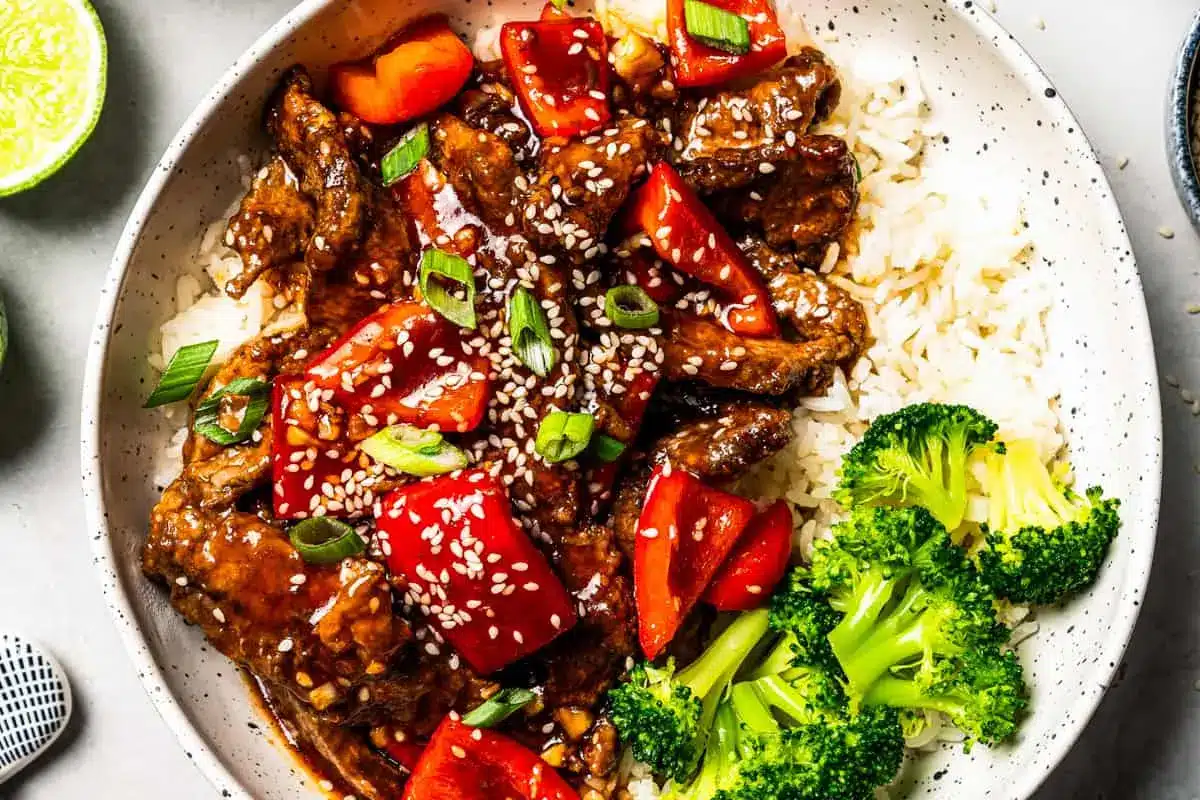
This Beijing beef recipe offers a delightful fusion of sweet, savory, and a hint of spicy, capturing the essence of a beloved takeout classic right in your own kitchen. It’s a dish that promises to impress with its vibrant flavors and satisfying textures.
Imagine tender, crispy beef strips coated in a glossy, irresistible sauce, perfectly complemented by tender-crisp bell peppers and onions. This homemade version aims to be even better than the restaurant original, bringing a touch of culinary magic to your weeknight meals or special occasions.
Why You Will Love This Recipe
- Authentic Flavor Profile: Experience the signature sweet and tangy notes, with a pleasant kick, that make Beijing beef a global favorite, meticulously recreated for your home.
- Quick Preparation: Despite its restaurant-quality taste, this dish comes together surprisingly fast, making it an ideal choice for busy evenings when you crave something delicious and satisfying.
- Customizable Heat: Easily adjust the spice level to your personal preference, ensuring every bite is exactly how you like it, from mildly warm to genuinely fiery.
- High-Quality Ingredients: By preparing this at home, you have full control over the ingredients, allowing you to opt for fresh, premium components that elevate the final dish.
- Versatile Serving Options: This Beijing beef pairs wonderfully with a variety of side dishes, offering endless possibilities for creating a complete and delightful meal.
Ingredients You Need
The foundation of an exceptional Beijing beef dish lies in the quality of its ingredients. Opting for fresh produce and good quality pantry staples will significantly enhance the final flavor and texture. You’ll find that many of these items are likely already in your kitchen, making this recipe remarkably accessible for a weeknight endeavor.
Beijing Beef
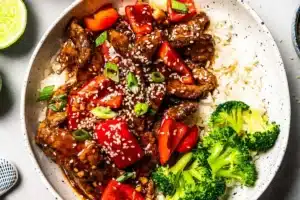
This Beijing beef features bell peppers and onions tossed in a sweet, savory, spicy homemade stir-fry sauce that tastes just like Panda Express (or even better!).
- 1 pound flank steak, cut into ¼-inch thick strips
- salt and freshly ground black pepper, to taste
- 1 tablespoon soy sauce
- 2 egg whites, lightly beaten
- ¼ cup cornstarch, + 1 tablespoon
- 1 cup vegetable oil, for frying
- ½ cup low sodium chicken broth
- 2 tablespoons soy sauce
- 3 tablespoons ketchup
- ¼ cup hoisin sauce
- 3 tablespoons sweet chilli sauce
- 2 teaspoons oyster sauce
- ¼ cup brown sugar
- 2 tablespoons white vinegar
- 2 red bell peppers, seeded and chopped
- 4 cloves garlic, minced
- sesame seeds, for garnish
- spring onions, chopped, for garnish
- 1Marinate the beef: Beat soy sauce, egg whites, and 1 tablespoon cornstarch in a large bowl. Season to taste with salt and pepper. Add the sliced steak, cover with plastic wrap, and refrigerate for 30 minutes to marinate.
- 2Make the sauce: Combine all the sauce ingredients in a bowl. Set aside.
- 3Velvet the beef: Remove the beef from the marinade and discard the marinade. Coat the beef slices with the ¼ cup of cornstarch, doing this in two batches if necessary.
- 4Cook the beef: Heat the cooking oil in a large skillet or wok to 350°F. Add the beef and cook for 3-4 minutes or until done. Remove the beef slices with a slotted spoon and move them to a paper-lined plate to drain. Cook in two batches to avoid crowding the pan.
- 5Cook the veggies: Remove most of the oil from your skillet or wok, leaving about 2 tablespoons. Add the bell pepper and cook, stirring until crisp-tender, about 2 minutes. Stir in the garlic and cook for 15 seconds, or until fragrant. Remove the veggies and transfer them to the plate with the beef.
- 6Thicken the sauce: Add the sauce to the same skillet or wok. Cook for 3 to 5 minutes or until it thickens.
- 7Put it all together: Stir the beef and veggies back into the pan with the sauce and toss to combine.
- 8Serve: Serve warm, garnished with sesame seeds and spring onions.
Keywords: Beijing Beef, Panda Express copycat, stir-fry, beef recipe, sweet and sour, spicy, easy dinner
Please refer to the recipe card above for the exact quantities of each ingredient required to achieve the perfect balance of flavors and textures in your Beijing beef.
Variations
While the classic Beijing beef is a masterpiece on its own, there are numerous ways to adapt this recipe to suit different dietary needs or flavor preferences. These variations allow you to enjoy the essence of the dish with a creative twist.
For those seeking a plant-based alternative, tofu makes an excellent substitute for beef. Press extra-firm tofu to remove excess water, then cut it into bite-sized pieces. Coat these pieces in cornstarch and fry them until golden and crispy, mirroring the texture of the beef. The tangy and sweet sauce will adhere beautifully to the crispy tofu, creating a delicious vegan Beijing-style dish.
If you’re following a low-carb lifestyle, you can still enjoy the flavors of Beijing beef. Instead of serving it with rice or noodles, pair it with cauliflower rice or a medley of stir-fried low-carb vegetables like broccoli, zucchini, and bell peppers. Ensure you use sugar substitutes if needed in the sauce, although the natural sweetness from ingredients like hoisin sauce can often suffice.
Another exciting variation involves infusing the sauce with additional aromatics. Consider adding a teaspoon of grated fresh ginger along with the garlic during the vegetable cooking stage for an extra layer of warmth and complexity. A pinch of red pepper flakes can also be added to the sauce itself for a more pronounced heat that complements the sweet and savory notes beautifully.
How to Prepare Beijing beef
Step 1: Marinate the Beef to Perfection
The initial step in creating truly exceptional Beijing beef involves marinating the thinly sliced flank steak. This process is crucial for tenderizing the meat and infusing it with foundational flavors that will complement the rich sauce later on. Begin by preparing a flavorful marinade in a medium-sized bowl. Whisk together the soy sauce, egg whites, and a tablespoon of cornstarch until well combined.
Season this mixture generously with salt and freshly ground black pepper according to your personal taste preferences. The salt enhances the savory notes, while the black pepper adds a subtle warmth. Once the marinade is thoroughly mixed, add your thinly sliced flank steak to the bowl. Ensure each piece of beef is adequately coated in the marinade. Cover the bowl tightly with plastic wrap, or transfer the contents to a resealable plastic bag, and refrigerate it for at least 30 minutes.
This marination period allows the enzymes in the soy sauce and the protein in the egg white to begin breaking down the beef’s muscle fibers, resulting in a more tender outcome. The cornstarch in the marinade also plays a vital role in the texture, contributing to a slight crispiness when the beef is later fried. Don’t rush this step; the longer the beef marinates (up to an hour is ideal), the more flavorful and tender it will become. The refrigeration ensures food safety while the flavors meld beautifully.
Step 2: Craft the Signature Stir-Fry Sauce
While the beef is marinating, turn your attention to creating the irresistible sauce that defines Beijing beef. This is where the magic happens, combining sweet, savory, and tangy elements into a harmonious blend. In a separate bowl, gather all the ingredients for the sauce. This typically includes low-sodium chicken broth, soy sauce, ketchup, hoisin sauce, sweet chili sauce, oyster sauce, brown sugar, and white vinegar.
Whisk these ingredients together thoroughly until the sugar is fully dissolved and the mixture is smooth and well-emulsified. The ketchup provides an easy shortcut to a sweet and tangy base, while the hoisin sauce adds a complex, slightly sweet, and savory depth akin to Chinese barbecue sauce. The sweet chili sauce contributes both sweetness and a gentle heat, and the oyster sauce adds an umami richness that is characteristic of many Asian stir-fries. White vinegar brings a bright, acidic counterpoint that balances the sweetness.
The careful balance of these components is key to replicating the authentic flavor of restaurant-style Beijing beef. Taste the sauce at this stage and adjust the sweetness, saltiness, or tanginess as needed. For instance, if you prefer a spicier sauce, you can add a bit more sweet chili sauce or a pinch of red pepper flakes. This preparation allows the flavors to meld while you move on to the next steps.
Step 3: Velvet the Beef for Ultimate Tenderness
Velveting is a traditional Chinese cooking technique that is the secret to achieving incredibly tender and juicy meat in stir-fries, giving it a slightly crispy exterior. After the beef has finished marinating, remove it from the marinade. It’s important to discard the used marinade, as it has now served its purpose in tenderizing and flavoring the beef.
In a clean bowl, place the remaining cornstarch (typically around ¼ cup, plus an extra tablespoon). Add the marinated beef strips to this bowl. Gently toss the beef with your hands or tongs, ensuring that each piece is evenly coated in a thin layer of cornstarch. This coating creates a protective barrier around the beef, preventing it from drying out during the high-heat cooking process and helping it to achieve a delightful crispness when fried.
You might need to do this in batches to ensure that every strip of beef is thoroughly coated without clumping. The cornstarch adheres best to the slightly damp surface of the beef after marinating. This step is critical for the texture and mouthfeel of the final dish, so take your time to ensure even coverage. The cornstarch will form a light crust that locks in the juices, making the beef exceptionally tender even after it’s cooked.
Step 4: Crisp the Beef to Golden Perfection
Now it’s time to cook the beef, transforming it into those wonderfully crispy morsels that are a hallmark of this dish. Heat a generous amount of neutral oil, such as canola, vegetable, or peanut oil, in a large skillet or wok over medium-high heat. You’re aiming for a temperature of around 350°F (175°C); using a thermometer is ideal, but you can test the oil by dropping a tiny piece of cornstarch – it should sizzle immediately.
Carefully add the cornstarch-coated beef strips to the hot oil in a single layer. Avoid overcrowding the pan, as this will lower the oil temperature and result in steamed, rather than fried, beef. Cook the beef for approximately 3-4 minutes, or until it is golden brown and delightfully crispy on all sides. The exact cooking time will depend on the thickness of your beef strips and the heat of your oil.
Using a slotted spoon or a spider strainer, carefully remove the fried beef from the oil and transfer it to a plate lined with paper towels. This step is crucial for draining off any excess oil, preventing the beef from becoming greasy. Repeat this process with any remaining beef, working in batches to ensure optimal crispiness. The goal here is to achieve a satisfying crunch that will contrast beautifully with the soft vegetables and the glossy sauce.
Step 5: Sauté the Vegetables to Crisp-Tender Perfection
With the beef beautifully crisped and set aside, it’s time to prepare the fresh vegetables that will add color, texture, and flavor to the dish. Remove most of the frying oil from the skillet or wok, leaving behind about 1 to 2 tablespoons. This residual oil is perfect for sautéing the vegetables, as it retains some of the rendered beef flavor.
Add your prepared bell peppers (seeded and chopped into bite-sized pieces) and sliced onions to the hot skillet. Stir-fry them over medium-high heat for about 2 minutes, or until they are crisp-tender. You want them to retain a slight bite and vibrant color, not become mushy. This quick cooking process preserves their freshness and texture.
Next, add the minced garlic to the skillet. Stir continuously for about 15 seconds, just until the garlic becomes fragrant. Be careful not to burn the garlic, as this can impart a bitter taste to the dish. Once the garlic is fragrant, remove the bell peppers and onions from the skillet and transfer them to the plate where you’ve placed the fried beef. This prevents them from overcooking.
Step 6: Thicken the Sauce and Combine All Elements
The final stages of preparing your Beijing beef involve bringing all the components together by thickening the luscious sauce. Pour the prepared stir-fry sauce mixture into the same skillet or wok you used for the vegetables. Bring the sauce to a simmer over medium heat.
Allow the sauce to cook and bubble gently for 3 to 5 minutes, stirring occasionally. You’ll notice it start to thicken as the cornstarch in the sauce activates and binds the ingredients. If the sauce seems too thin after this time, you can create a cornstarch slurry by whisking together 1 teaspoon of cornstarch with 1 tablespoon of cold water, then slowly adding it to the simmering sauce while stirring until it reaches your desired consistency. Be patient, as it may take a minute or two to thicken.
Once the sauce has reached the perfect glossy thickness, return the fried beef strips and the sautéed bell peppers and onions to the skillet. Toss everything together gently but thoroughly, ensuring that every piece of beef and every vegetable is beautifully coated in the warm, rich sauce. Serve immediately while hot, garnished with sesame seeds and chopped spring onions for an authentic presentation.
Pro Tips for Beijing beef
Slice Against the Grain: For the most tender beef, it’s essential to identify the grain of the flank steak. The grain refers to the direction of the muscle fibers, which appear as lines running through the meat. Slice the steak perpendicular to these lines, or against the grain. This severs the tough muscle fibers, resulting in much more tender and easier-to-chew pieces of beef.
Don’t Skip the Velveting: The cornstarch coating before frying, known as velveting, is a critical step for achieving that signature tender, slightly crispy texture. It creates a protective layer that keeps the beef moist and prevents it from becoming tough during the high-heat cooking process. This technique truly elevates the dish beyond a simple stir-fry.
Control the Heat: When frying the beef, ensure your oil is at the correct temperature (around 350°F or 175°C). If the oil is too cool, the beef will absorb too much oil and become greasy. If it’s too hot, the coating will burn before the inside is cooked through. Cook the beef in batches to maintain the oil temperature and prevent overcrowding, which leads to steaming instead of crisping.
Balance the Flavors: Taste your sauce before combining it with the beef and vegetables. This is your last chance to adjust the flavor profile to your liking. If it’s too sweet, add a touch more vinegar or soy sauce. If it’s not sweet enough, a little more brown sugar or hoisin sauce can help. The goal is a harmonious blend of sweet, savory, tangy, and a hint of spice.
Fresh Aromatics are Key: While convenient, pre-minced garlic from a jar can sometimes lack the pungent punch of fresh garlic. For this recipe, using freshly minced garlic will provide a more vibrant and aromatic foundation for the stir-fry. Add it towards the end of cooking the vegetables to prevent it from burning and becoming bitter, just long enough for its fragrance to be released.
Serving Suggestions for Beijing beef
Decoration
Elevate the visual appeal of your Beijing beef with thoughtful garnishes. A sprinkle of toasted sesame seeds adds a delightful nutty crunch and a beautiful speckled finish. Thinly sliced green onions, also known as scallions, provide a vibrant pop of color and a fresh, mild onion flavor that contrasts nicely with the richness of the dish. These simple additions transform a delicious meal into a visually stunning presentation, making it perfect for sharing.
Side Dishes
Beijing beef truly shines when paired with classic accompaniments that complement its bold flavors. Steamed jasmine rice is a perennial favorite, its fluffy texture and subtle aroma providing a perfect canvas for the saucy beef. For a more substantial meal, consider serving it alongside Cajun chicken pasta for a delightful surf-and-turf experience, or explore other Asian noodle dishes like lo mein or chow mein. Crispy fried wontons or spring rolls also offer a delightful textural contrast and an authentic takeout experience.
Creative Serving Ideas
Beyond the traditional, get creative with how you serve your Beijing beef. Consider presenting it in lettuce cups for a lighter, more interactive meal, allowing guests to assemble their own perfect bite. Another fun idea is to serve it as a filling for bao buns, creating delicious homemade Chinese steamed pork buns with a beefy twist. For a truly special occasion, you could even incorporate it into a larger dim sum-style feast, alongside other small, flavorful dishes.
Preparation & Storage
Storing Leftovers
Should you be fortunate enough to have any Beijing beef remaining, storing it properly will ensure its deliciousness for later enjoyment. Allow the dish to cool completely at room temperature. Once cooled, transfer the beef and sauce into an airtight container. This prevents any air exposure that could lead to spoilage or drying out. Properly stored, leftovers can be kept in the refrigerator for up to 3 to 4 days.
Freezing
While Beijing beef is best enjoyed fresh, freezing is an option for longer-term storage if needed. It’s advisable to freeze the beef and sauce separately from any cooked rice or noodles. Place the cooled beef and sauce mixture into freezer-safe containers or heavy-duty freezer bags, removing as much air as possible. It can be frozen for up to 2-3 months. Thawing it in the refrigerator overnight is the safest method before reheating.
Reheating
Reheating Beijing beef is straightforward and aims to restore its delightful texture and flavor. The stovetop method is often preferred for best results. Heat a tablespoon of oil or a splash of water in a skillet over medium heat, then add the leftover beef and sauce. Stir gently until heated through. Alternatively, you can microwave the leftovers in a microwave-safe dish, stirring halfway through to ensure even heating. If the sauce has become too thick during storage, add a little water or broth to loosen it up.
Frequently Asked Questions
-
What is the difference between Beijing beef and General Tso’s Chicken?
While both are popular Chinese-American dishes featuring crispy fried meat in a savory sauce, they differ significantly in flavor profiles and key ingredients. Beijing beef typically uses flank steak and is characterized by a more intense sweet, savory, and tangy flavor with a noticeable spicy kick, often achieved through sweet chili sauce. General Tso’s Chicken, on the other hand, uses chicken and features a sauce that is generally sweeter, tangier, and sometimes a bit spicier, often incorporating ingredients like soy sauce, vinegar, sugar, and chili peppers, but with a distinct flavor profile that relies on different proportions and often includes black vinegar for a deeper tang.
-
Why is my Beijing beef not crispy?
Several factors can contribute to Beijing beef not achieving the desired crispy texture. Firstly, overcrowding the pan during frying is a common culprit; it lowers the oil temperature, causing the beef to steam rather than fry, resulting in a softer, less crispy exterior. Ensure you are frying the beef in batches to maintain the oil’s heat and allow each piece adequate contact with the hot oil. Secondly, insufficient cornstarch coating or using too much marinade on the beef before coating can also hinder crispiness. The cornstarch acts as a barrier and promotes crisping, so an even, dry coating is crucial. Lastly, letting the fried beef sit for too long before being sauced can cause it to lose its crispness as it absorbs moisture from the air.
-
Can I make the sauce for Beijing beef ahead of time?
Yes, you can absolutely make the sauce for Beijing beef ahead of time, which is a fantastic strategy for simplifying the cooking process. The sauce components can be whisked together and stored in an airtight container in the refrigerator for up to 2-3 days. This allows the flavors to meld together beautifully, potentially even enhancing the overall taste. When you’re ready to cook, simply reheat the sauce gently on the stovetop until it’s warm and slightly thickened, then proceed with adding the cooked beef and vegetables as per the recipe instructions. This makes the final assembly of the dish much quicker and more efficient.