Smoky BBQ Sauce Without Ketchup
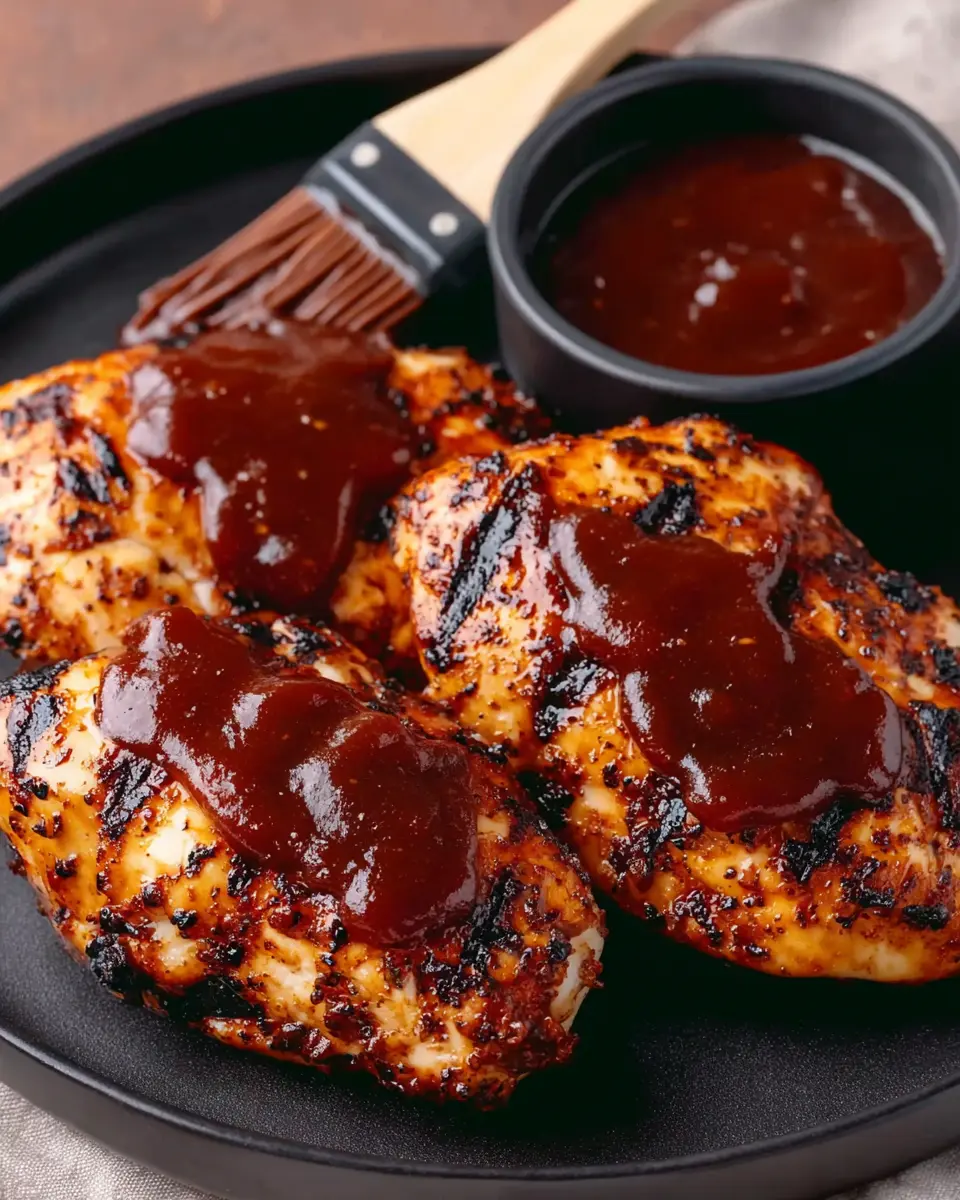
Sometimes you want barbecue sauce that tastes a little more grounded and homemade, with deeper tomato flavor and less of that familiar bottled ketchup note. This version does exactly that while staying incredibly simple and quick to prepare.
Tomato paste gives it body, molasses brings a dark sweetness, and the vinegar keeps everything lively so the sauce does not feel too heavy. The result is a balanced, glossy, and full-flavored sauce that’s perfect for countless dishes.
Why You Will Love This Recipe
- Quick Preparation: This BBQ sauce comes together in just about 10 minutes, making it ideal for weeknight meals or spontaneous grilling sessions.
- Deep Flavor: It boasts a rich, smoky-sweet profile without relying on ketchup, offering a more complex and homemade taste.
- Pantry Friendly: Most of the ingredients are common pantry staples, meaning you can likely whip this up without a special trip to the store.
- Versatile: This sauce is incredibly versatile, perfect for brushing on meats, using as a dipping sauce, or adding a flavor boost to sandwiches and leftovers.
- Customizable Heat: You can easily adjust the cayenne pepper to suit your preferred spice level, making it family-friendly or a bit more fiery.
Ingredients You Need
Crafting this exceptional BBQ sauce without ketchup relies on the quality and synergy of simple, readily available ingredients. Each component plays a crucial role in building its signature flavor profile. We aim for balance, ensuring the sweetness, tanginess, and smoky notes harmonize perfectly.
BBQ Sauce Without Ketchup

A bold, well-balanced barbecue sauce made without ketchup, featuring tomato sauce, molasses, brown sugar, and smoky spices for a deep, savory-sweet finish.
- 8 ounces tomato sauce
- 2 tablespoons apple cider vinegar
- 2 tablespoons molasses
- 1 teaspoon smoked paprika
- 2 tablespoons brown sugar
- 1 teaspoon Worcestershire sauce
- 2 tablespoons tomato paste
- 1/2 tablespoon Dijon mustard
- 1/4 teaspoon garlic powder
- 1/4 teaspoon onion powder
- 1/4 teaspoon black pepper
- 1/8 teaspoon cayenne pepper
- Salt to taste
- 1In a small saucepan, add the tomato sauce, tomato paste, molasses, brown sugar, apple cider vinegar, Dijon mustard, Worcestershire sauce, smoked paprika, black pepper, garlic powder, onion powder, and cayenne pepper. Stir thoroughly with a spoon or spatula until the mixture is evenly blended. Do not add the salt at this stage.
- 2Set the saucepan over medium heat and warm the sauce until it reaches a gentle simmer. Stir regularly as it heats so the mixture does not cling to the bottom of the pan and the ingredients incorporate evenly.
- 3Maintain a light simmer for 5 minutes, stirring often throughout. Once the time is up, taste the sauce and season with salt as needed. Additional salt may not be necessary.
Keywords: BBQ Sauce, Homemade BBQ Sauce, Ketchup-Free BBQ Sauce, Smoky Sweet BBQ Sauce
- tomato sauce: forms the smooth base and provides bright, fundamental tomato flavor.
- tomato paste: concentrates the tomato essence, adding significant depth and richness.
- molasses: imparts a dark, luxurious sweetness with subtle smoky undertones.
- brown sugar: softens any sharp edges and rounds out the overall flavor profile.
- apple cider vinegar: introduces essential brightness and prevents the sauce from becoming too cloying.
- dijon mustard: contributes a gentle tang and acts as an emulsifier, tying other flavors together.
- worcestershire sauce: offers a complex layer of umami and savory notes.
- smoked paprika: infuses a robust smoky character without the need for liquid smoke.
- garlic powder: provides a foundational savory aroma and taste.
- onion powder: complements the garlic with another layer of aromatic depth.
- black pepper: adds a mild, pleasant warmth and subtle bite.
- cayenne pepper: introduces a delicate background heat for a little kick.
- salt: essential for enhancing all other flavors, added to taste at the end.
The precise quantities for these ingredients can be found within the accompanying recipe card for perfect results.
Variations
This foundational BBQ sauce without ketchup is a fantastic base, but it also lends itself beautifully to creative variations. These twists can cater to different dietary needs or simply offer exciting new flavor dimensions.
Vegan Adaptation: To make this sauce completely vegan, you generally don’t need to make significant changes, as the core ingredients are already plant-based. Ensure your Worcestershire sauce is vegan-friendly, as some varieties contain anchovies; a vegan Worcestershire substitute or a dash of soy sauce can be used instead. This allows everyone to enjoy the rich, smoky flavor.
Low-Carb Twist: For those watching their carbohydrate intake, substituting the brown sugar with a low-carb sweetener like erythritol or stevia is a simple swap. The molasses provides natural sugars and depth, so the sweetness can be adjusted to preference with these sugar alternatives. This modification keeps the delicious smoky and tangy notes intact without the sugar load.
Spicy Kick-Up: If you love heat, amplifying the spice level is straightforward. Increase the amount of cayenne pepper significantly, or introduce a pinch of red pepper flakes during the simmering process. For an even more intense heat, consider adding a dash of your favorite hot sauce in the final stages of cooking, transforming it into a fiery condiment.
How to Prepare BBQ Sauce Without Ketchup
Step 1: Combine the Core Ingredients
Begin by gathering all your liquid and dry ingredients, excluding the salt, in a medium-sized saucepan. The foundation of this exceptional sauce is built upon a harmonious blend of tomato sauce, tomato paste, dark molasses, and granulated brown sugar. These elements provide the essential sweetness and rich tomato base that defines great BBQ sauce.
Into the saucepan, carefully pour the tomato sauce, ensuring it’s a smooth, lump-free base. Follow this with the concentrated tomato paste, which is key for building a deep, robust flavor that mimics slow-cooked richness. Next, drizzle in the dark molasses; this ingredient is crucial for that characteristic smoky sweetness and a beautiful dark hue. Add the granulated brown sugar, which will help round out the flavors and add a pleasant caramelly note.
Introduce the tangy apple cider vinegar, which cuts through the sweetness and adds a vital acidic balance. Spoon in the Dijon mustard; its subtle heat and emulsifying properties help to meld the various components seamlessly. A splash of Worcestershire sauce adds a layer of complex umami and savory depth that is difficult to replicate with other ingredients. Finally, add the dry spices: smoked paprika for that essential smoky essence, garlic powder and onion powder for aromatic depth, and a small amount of black pepper for a gentle warmth. Ensure a tiny pinch of cayenne pepper is included if you desire a hint of heat, remembering you can always add more later.
Before applying any heat, it is absolutely critical to stir all these ingredients together thoroughly. Use a whisk or a sturdy spoon to ensure the tomato paste and molasses are fully incorporated into the tomato sauce. This initial thorough mixing prevents pockets of concentrated ingredients from scorching or sticking to the bottom of the pan during the heating process, setting the stage for an even cook.
Step 2: Gentle Heating and Initial Stirring
With all the ingredients well combined in the saucepan, it’s time to apply heat. Place the saucepan over medium heat on your stovetop. The goal here is to warm the mixture gradually, allowing the sugars to dissolve and the flavors to begin their integration process without rushing.
As the sauce begins to warm, consistent stirring is paramount. Initially, stir frequently to ensure that the sugars and tomato solids are evenly dispersed and do not settle at the bottom of the pan. This diligent stirring is especially important in these early stages to prevent any sticking or burning, which could impart an undesirable burnt flavor to your finished sauce.
The visual cue to watch for is the sauce starting to heat up and perhaps a few small bubbles appearing around the edges. Resist the temptation to crank the heat to high; a steady medium heat is sufficient to achieve the desired outcome. This gentle approach respects the ingredients and allows their inherent flavors to develop harmoniously.
Continue to stir regularly, making sure to scrape the bottom of the pan gently to pick up any ingredients that might be trying to adhere. This step is fundamental to achieving a smooth, velvety texture and a perfectly balanced flavor profile in your homemade BBQ sauce. The diligence here pays off in the final product.
Step 3: Achieving the Perfect Simmer
As the sauce continues to heat, you will notice it beginning to bubble more actively. The objective now shifts from initial warming to achieving a gentle, controlled simmer. This is a critical phase where the flavors truly begin to meld and deepen.
Once the sauce reaches this point, reduce the heat slightly. You want to maintain a soft, consistent bubbling across the surface of the sauce, rather than a vigorous, rolling boil. A hard boil can cause the sauce to thicken too quickly, potentially leading to scorching, and it can also break down the delicate flavor compounds.
The gentle simmer allows the ingredients to marry beautifully. The sharpness of the apple cider vinegar will begin to soften, the molasses and brown sugar will meld into a cohesive sweetness, and the spices will release their aromatic essences. This stage is where the magic truly happens in developing that complex, layered BBQ flavor that we’re aiming for.
Keep a close eye on the saucepan during this simmering period. Your constant attention, combined with gentle stirring, ensures that the sauce cooks evenly and smoothly. The goal is a beautiful, glossy consistency that signals the sauce is developing perfectly without any adverse effects like burning or undue thickening.
Step 4: The 5-Minute Simmer for Flavor Development
With the sauce now at a gentle simmer, it’s time to let it cook for approximately five minutes. This relatively short cooking period is incredibly impactful for developing the sauce’s characteristic flavor profile and achieving a slightly thicker consistency.
During these five minutes, stir the sauce regularly. This ongoing stirring is essential for several reasons. Firstly, it prevents the sugars and solids from settling and potentially burning on the bottom of the saucepan, which can ruin the flavor. Secondly, it helps to evenly distribute the heat, ensuring the sauce cooks uniformly.
As the sauce simmers, you will notice a subtle transformation. It will begin to thicken slightly, moving from a thin liquid to a more viscous consistency that coats the back of a spoon. This thickening is a natural result of the sugars caramelizing slightly and the moisture evaporating. The flavors also become more concentrated and harmonious during this time; the sharpness of the vinegar mellows considerably, and the smoky and sweet notes become more pronounced and balanced.
The aroma filling your kitchen during this stage is wonderfully inviting, a testament to the developing BBQ essence. The goal is to reach a point where the sauce has a pleasant, smooth texture and a depth of flavor that hints at longer cooking times, all achieved in this brief but crucial period. The transformation in just five minutes is remarkable.
Step 5: The Crucial Taste and Seasoning Adjustment
Once the five-minute simmer is complete, the most critical step in achieving BBQ sauce perfection is tasting and adjusting the seasoning. Remove the saucepan from the heat source to prevent further cooking and allow the sauce to cool just slightly so you can taste it safely and accurately.
Before reaching for the salt shaker, take a small spoonful and taste the sauce. Consider the balance of flavors: is it sweet enough? Tangy enough? Does it have that smoky depth? This initial taste test is your guide to making any necessary adjustments to achieve your desired flavor profile.
The reason for tasting before salting is that ingredients like Worcestershire sauce and Dijon mustard already contribute a significant amount of saltiness. Adding too much salt at this stage can easily lead to an overly salty sauce that is difficult to correct. Therefore, if salt is needed, start with a very small pinch, stir it in thoroughly, and taste again.
It is common for this sauce to require very little, if any, additional salt after the initial ingredients have been incorporated and simmered. The aim is to enhance the existing flavors, not to overpower them. If you feel it needs a touch more sweetness, you can add a tiny bit more brown sugar. If it needs more tang, a drop more apple cider vinegar can be added. This meticulous tasting and adjusting phase ensures the final sauce is precisely to your liking.
Step 6: Cooling and Final Texture Considerations
After the sauce has been tasted and seasoned to perfection, it needs to cool. This cooling period is not just about safety; it also allows the flavors to further meld and the sauce’s texture to settle. As the sauce cools, it will continue to thicken slightly, reaching a more desirable consistency for dipping, spreading, or brushing.
You have a couple of options regarding temperature for immediate use. If you plan to brush the sauce onto grilled or baked meats right away, it can be used warm. The heat from the grill or oven will help it adhere beautifully and create a glossy finish. However, for applications like dipping or spreading on sandwiches, allowing the sauce to cool completely is preferable.
As the sauce cools, the molasses and sugars will continue to develop their full flavor. The initial sharpness of the vinegar will further mellow, leading to a smoother, more rounded taste profile. This resting period is as important for flavor development as the simmering itself. You’ll find that the sauce tastes even better after it has had a chance to sit for a while.
The final texture should be smooth, glossy, and rich. If, after cooling, the sauce is thicker than you prefer for a particular use, a small splash of water or even a little extra apple cider vinegar can be stirred in to loosen it. Conversely, if it’s too thin, you can gently simmer it for another minute or two, stirring constantly, until it reaches your desired thickness.
Pro Tips for BBQ Sauce Without Ketchup
Start with High-Quality Ingredients: While this recipe is pantry-friendly, using good quality tomato sauce and paste will make a noticeable difference in the final flavor. Opt for brands you trust and enjoy the taste of as a base.
Don’t Skip the Initial Stir: Thoroughly mixing all ingredients before heating is crucial. This prevents concentrated pockets of molasses or tomato paste from scorching on the bottom of the pan, ensuring an even cook and smooth texture throughout.
Taste, Taste, Taste (and Add Salt Sparingly): The salt content can vary significantly between different brands of tomato products and Worcestershire sauce. Always taste before adding any additional salt, and when you do add it, do so in tiny increments until the flavors are perfectly balanced.
Adjust Sweetness and Acidity: Don’t be afraid to tweak the brown sugar and apple cider vinegar to your preference. If you have a sweeter tooth, add a little more sugar; if you prefer a tangier sauce, add a touch more vinegar. This recipe is a great starting point for personalization.
Let it Meld: While you can use this sauce warm, its flavors deepen and round out beautifully after it has had a chance to cool and sit for a few hours, or even overnight. This resting period allows all the components to harmonize, resulting in a more complex and satisfying taste.
Serving Suggestions for BBQ Sauce Without Ketchup
Decoration
When serving dishes adorned with this homemade BBQ sauce, a little garnish goes a long way in enhancing visual appeal. A sprinkle of toasted sesame seeds can add a delicate nutty crunch and attractive speckles. Freshly chopped chives or thinly sliced green onions provide a vibrant splash of green and a mild, fresh onion flavor that contrasts nicely with the sauce’s richness.
For a more rustic presentation, a few sprigs of fresh parsley or cilantro can offer a burst of color and herbaceous freshness. If you’ve added a bit of spice to your sauce, a tiny drizzle of extra hot sauce on top, or a few thinly sliced jalapeño rings, can signal the heat level to your guests and add an extra visual pop. Even a simple swirl of plain yogurt or sour cream can create a beautiful contrast against the dark BBQ sauce, especially on burgers or pulled meats.
Side Dishes
This BBQ sauce without ketchup pairs wonderfully with a wide array of classic American comfort food sides. Crispy oven-baked fries or sweet potato wedges make an excellent vehicle for dipping. Creamy coleslaw offers a refreshing, cool counterpoint to the sauce’s bold flavors and the richness of grilled meats. Macaroni and cheese, with its comforting creaminess, is a natural partner for any BBQ-inspired dish.
Corn on the cob, whether grilled, boiled, or roasted, is a quintessential summer side that complements the smoky-sweet profile of the sauce. Baked beans, particularly those with a smoky or slightly spicy undertone, harmonize exceptionally well with the BBQ flavors. A simple green salad with a light vinaigrette can provide a welcome freshness to balance out a hearty meal featuring this sauce.
Creative Serving Ideas
Beyond the typical uses, this versatile sauce can elevate many dishes. Brush it onto grilled chicken wings during the last few minutes of cooking for an irresistible glaze. Mix it into pulled pork or shredded chicken for incredibly flavorful sandwiches. Use it as a dipping sauce for homemade chicken tenders or fish sticks, giving them a gourmet twist.
Consider incorporating it into a BBQ pizza sauce base or drizzling it over roasted vegetables like Brussels sprouts or cauliflower for added flavor. It’s also a fantastic addition to savory meatloaf, adding moisture and a delicious tangy-sweet crust. Even stirred into a cheese dip or used as a glaze for meatballs, this sauce proves its remarkable adaptability and flavor-boosting power.
Preparation & Storage
Storing Leftovers
Once the sauce has cooled completely, it should be transferred to an airtight container. Glass jars with tight-fitting lids are ideal for this purpose, as they prevent odor transfer and maintain the sauce’s freshness. Store the container in the refrigerator.
Properly stored, this homemade BBQ sauce will maintain its optimal flavor and quality for approximately 5 to 7 days. This makes it incredibly convenient for using throughout the week on various meals, from sandwiches to grilled meats and leftovers.
Freezing
For longer-term storage, freezing is an excellent option. Ensure the sauce has cooled entirely before transferring it to a freezer-safe container or a heavy-duty freezer bag. It’s a good idea to leave a little headspace at the top of the container, as liquids can expand when frozen.
When stored correctly in the freezer, this BBQ sauce can last for up to 2 months. This allows you to make a larger batch and have a delicious homemade sauce on hand whenever the craving strikes, significantly reducing future preparation time.
Reheating
To reheat frozen BBQ sauce, the best method is to transfer it from the freezer to the refrigerator the night before to allow it to thaw slowly and safely. Once thawed, it can be gently reheated. Place the sauce in a small saucepan over low heat, stirring occasionally until it is smooth and heated through.
Alternatively, you can reheat smaller portions in the microwave. Use short bursts of power, stirring between each interval, to prevent overheating and ensure even warming. If the sauce has become too thick after chilling or reheating, you can easily loosen it by stirring in a small splash of water or a tiny bit of apple cider vinegar until the desired consistency is achieved.
Frequently Asked Questions
-
Can I use regular tomato sauce instead of paste for added depth and richness?
While regular tomato sauce forms the base of this recipe, tomato paste is specifically added for its concentrated flavor and significant depth. Using only tomato sauce would result in a thinner, less robust flavor profile that lacks the rich, almost caramelized notes the paste provides. If you absolutely must substitute, you would need to use a considerably larger amount of tomato sauce and perhaps simmer it for longer to reduce and concentrate it, but the texture and depth will likely still differ. For the best results, it is highly recommended to use both the tomato sauce and tomato paste as specified.
-
What can I substitute for molasses if I don’t have it on hand?
Molasses is crucial for that dark, smoky sweetness and color that defines traditional BBQ sauce. If you don’t have molasses, you can try substituting it with dark brown sugar, maple syrup, or honey. However, these substitutes will alter the flavor profile slightly; dark brown sugar will provide sweetness and some color but lack the unique depth of molasses. Maple syrup and honey will offer sweetness and a different kind of nuanced flavor, with honey also contributing a slight floral note. You might need to adjust the quantity of the substitute to achieve a comparable sweetness level, and be aware that the final sauce might not have the exact same smoky undertone or deep color.
-
How can I make this BBQ sauce spicier without adding more cayenne pepper?
To increase the heat without relying solely on cayenne pepper, consider incorporating other spicy elements during the simmering process. A pinch of red pepper flakes can provide a different kind of heat and visual texture. For a more complex spicy flavor, you could also add a very small amount of finely minced fresh chili pepper, like a jalapeño or serrano, allowing its oils to infuse into the sauce. Alternatively, after the sauce has simmered and cooled slightly, you could stir in a few dashes of your favorite hot sauce, carefully tasting as you go to achieve your desired level of fiery intensity without overwhelming the other flavors.