Asiatischer Spaghettisalat mit Sojasauce Rezept – Muma’s Kitchen
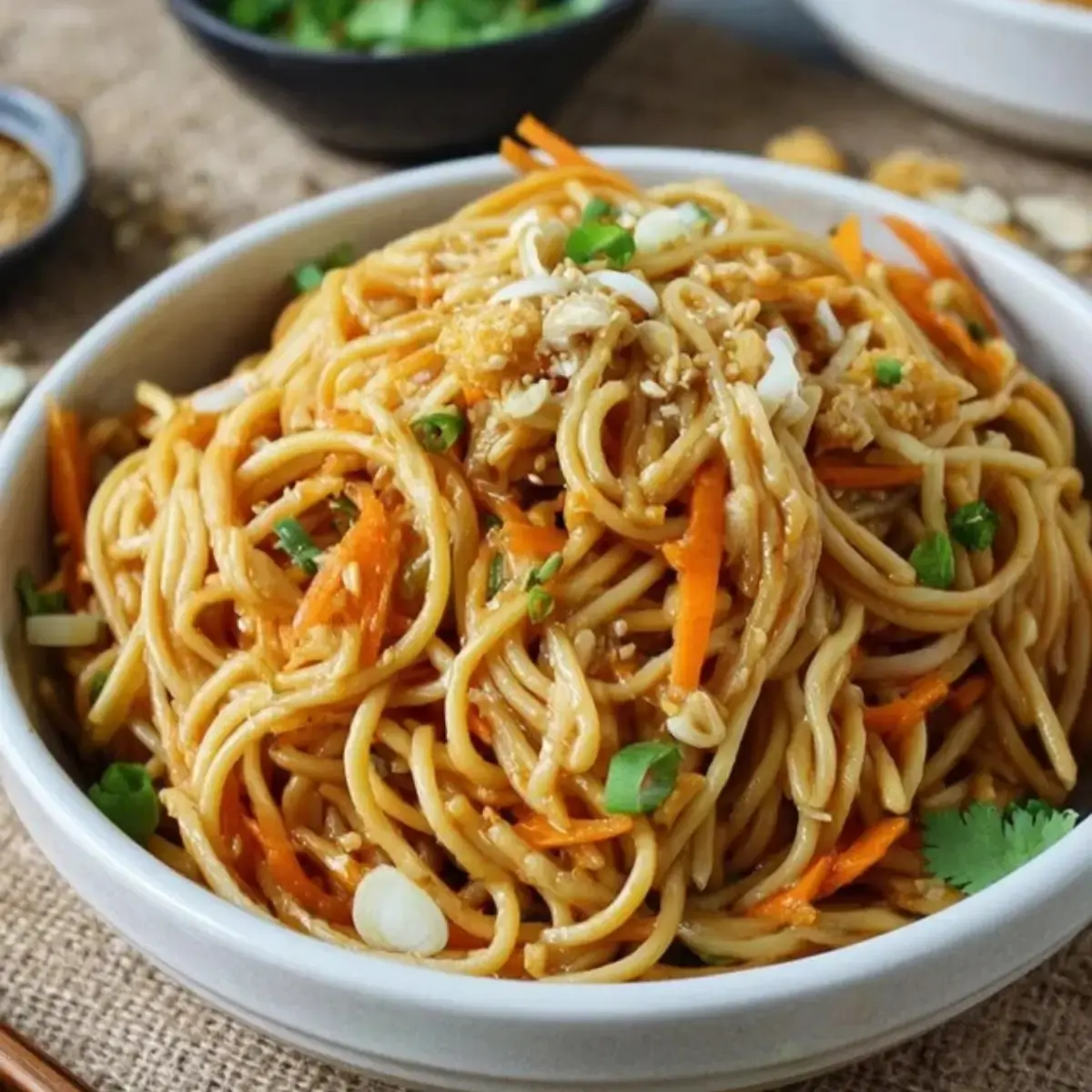
This Asiatischer Spaghettisalat mit Sojasauce, or Asian Spaghetti Salad with Soy Sauce, is a culinary masterpiece that harmoniously blends the satisfying chewiness of spaghetti with the vibrant crunch of fresh vegetables and a deeply flavorful soy-based dressing. It offers a delightful departure from traditional pasta dishes, bringing an exciting fusion of textures and tastes to your table, making it an ideal choice for a light yet fulfilling meal that caters to diverse palates and dietary preferences with its inherent adaptability. This recipe is designed for maximum enjoyment and minimal fuss, ensuring a delicious outcome even for novice cooks, and it’s a fantastic way to infuse your weeknight dinners with a touch of exotic flair and wholesome goodness.
The beauty of this salad lies not only in its immediate appeal but also in its ability to improve with time, allowing the complex flavors to meld and deepen. It’s the kind of dish that’s perfect for busy schedules, transforming leftovers into an even more delightful experience and making it an outstanding candidate for meal prepping. Its refreshing character, coupled with its satisfying nature, positions it as a go-to option for any occasion, from a quick lunch to a delightful dinner or an impressive potluck contribution that is sure to be a crowd-pleaser and spark conversations about its unique flavor profile.
Why You Will Love This Recipe
- Quick & Effortless Preparation: This dish comes together in a remarkably short amount of time, making it perfect for busy weeknights or when you need a delicious meal without extensive cooking. The steps are straightforward, ensuring a smooth and enjoyable cooking process from start to finish, so you can savor your creation sooner rather than later. Its simplicity is a major draw, proving that gourmet flavors don’t require hours in the kitchen and can be achieved with basic culinary skills and readily available ingredients.
- Explosion of Flavor: The combination of savory soy sauce, aromatic sesame oil, fresh garlic and ginger, and a touch of sweetness and acidity creates a taste sensation that is both complex and incredibly satisfying. Each bite offers a harmonious balance of umami, salty, sweet, and tangy notes, creating a dynamic and engaging flavor profile that will tantalize your taste buds. This intricate layering of tastes ensures that every forkful is an adventure, making it a memorable and craveable dish that stands out from the usual.
- Incredibly Versatile: This salad is a blank canvas for your culinary creativity, easily adaptable to include your favorite vegetables, proteins, or dietary preferences. Whether you’re aiming for a vegan delight, a protein-packed meal, or a low-carb option, the base recipe provides an excellent foundation that can be customized to suit any need. This flexibility means you can repeatedly enjoy this dish with subtle variations, keeping your meals exciting and personalized to your liking.
- Perfect for Meal Prep: The flavors in this Asian Spaghetti Salad actually enhance as it sits, making it an ideal candidate for preparing ahead of time for lunches or busy weeknights. It travels well and maintains its delicious appeal, making it a convenient and healthy option for taking to work, school, or picnics. Having a ready-to-eat, flavorful meal waiting in the fridge significantly reduces stress and encourages healthier eating habits throughout the week.
- Vibrant & Refreshing: Packed with colorful, crisp vegetables, this salad is not only visually appealing but also incredibly refreshing, making it a wonderful choice for warmer weather or as a light alternative to heavier dishes. The freshness of the ingredients contributes to its lively character, providing a pleasing contrast to the savory dressing and creating a well-rounded and invigorating culinary experience. It’s a guilt-free indulgence that feels both wholesome and satisfying, hitting all the right notes for a balanced meal.
Ingredients You Need
The success of this Asiatischer Spaghettisalat mit Sojasauce hinges on the quality of the ingredients you select; opting for fresh, vibrant produce and good-quality pantry staples will elevate the dish significantly. Ensuring that your vegetables are crisp and your soy sauce and sesame oil are fragrant will make a noticeable difference in the final flavor profile. A brief moment spent selecting the best components will pay dividends in the deliciousness of your finished salad, transforming a simple meal into a remarkable one that truly sings with flavor and texture.
Asian Spaghetti Salad with Soy Sauce
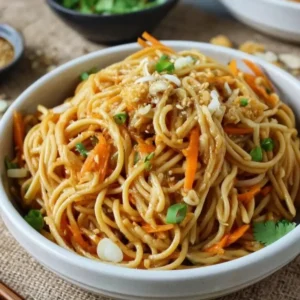
An Asian-inspired spaghetti salad that is a perfect combination of fresh ingredients, spicy aromas, and easy preparation. This dish combines the lightness of a salad with the hearty depth of Asian spices. Whether as a side dish, a quick lunch, or a light dinner – this Asian-inspired pasta salad impresses with its versatility and intense flavor. Especially practical: The Asian Spaghetti Salad with Soy Sauce can be prepared excellently and tastes even better the next day.
- 250 g Spaghetti
- 3 tbsp Soy sauce
- 2 tbsp Sesame oil
- 2 Carrots
- 1 Red bell pepper
- 3 Spring onions
- 2 Cloves garlic
- 1 tsp Fresh ginger
- 1 tbsp Honey or sugar
- 2 tbsp Rice vinegar or lime juice
- 1 tbsp Sesame seeds
- Fresh coriander (optional)
- Chili (optional)
- 1Cook spaghetti in plenty of salted water until al dente, then drain and rinse briefly with cold water.
- 2Peel and grate carrots, cut bell pepper into fine strips, and chop spring onions into rings. Finely chop garlic and ginger.
- 3For the dressing, mix soy sauce, sesame oil, honey, and rice vinegar or lime juice well.
- 4Place the spaghetti in a large bowl and mix with the chopped vegetables.
- 5Pour the dressing over it and mix everything thoroughly.
- 6Add sesame seeds and optional chili and mix again.
- 7Let the salad steep for at least 20-30 minutes and taste again before serving.
Keywords: spaghetti salad, asian salad, soy sauce, quick recipe, vegetarian, meal prep
- spaghetti: the foundational carbohydrate, chosen for its ability to perfectly absorb and carry the flavorful dressing and other ingredients, forming the comforting base of the salad.
- soy sauce: the quintessential umami-rich component, providing the primary savory and salty notes that define the salad’s Asian character and depth.
- sesame oil: a fragrant finishing oil that imparts a distinct nutty aroma and a subtle richness, crucial for achieving that authentic Asian flavor profile and adding a luxurious finish.
- carrots: finely julienned or grated, these add a welcome touch of sweetness, a vibrant color, and a satisfying crunch that balances the softer textures of the spaghetti.
- red bell pepper: thinly sliced, this brings a bright splash of color and a mild, sweet crunch, enhancing the visual appeal and the overall freshness of the salad.
- spring onions: thinly sliced, these contribute a delicate, mild onion flavor and a fresh, slightly peppery bite, adding a fresh green element to both taste and appearance.
- garlic: minced finely, this aromatic powerhouse provides a pungent kick and a foundational savory depth that is indispensable for authentic Asian cuisine.
- fresh ginger: grated or finely minced, this adds a warming, zesty spice and a bright, invigorating aroma that complements the other savory elements beautifully.
- honey or sugar: a touch of sweetness is essential to balance the saltiness of the soy sauce and the acidity of the vinegar or lime juice, creating a more rounded and palatable flavor.
- rice vinegar or lime juice: this provides a necessary touch of bright acidity, cutting through the richness of the oil and soy sauce and adding a refreshing tang that awakens the palate.
- sesame seeds: toasted, these add a delightful nutty crunch and a visual flourish, offering a textural contrast and an appealing toasted aroma to the finished salad.
- fresh cilantro (optional): for those who enjoy its distinctive herbaceous flavor, fresh cilantro adds a burst of freshness and a classic Asian aromatic note.
- chili (optional): a finely chopped fresh chili or a pinch of chili flakes can be added for a touch of heat, allowing for a customizable level of spiciness to suit individual preferences.
Quantities for each ingredient are detailed within the recipe card for precise measurements.
Variations
To adapt this delightful Asiatischer Spaghettisalat mit Sojasauce for a broader range of dietary needs and flavor preferences, several exciting variations can be explored. These modifications ensure that everyone can enjoy a version of this delicious salad, making it even more inclusive and versatile for various occasions and personal tastes.
For a completely plant-based experience, the Asiatischer Spaghettisalat mit Sojasauce can be made vegan with simple substitutions. Instead of honey, use a plant-based sweetener like maple syrup or agave nectar; these will provide the necessary sweetness without any animal products. The rest of the ingredients, being naturally vegan or easily sourced in vegan forms (like most soy sauces and rice vinegars), remain largely the same, allowing for a rich and satisfying vegan meal.
If you’re following a low-carbohydrate lifestyle, you can transform this salad by swapping the spaghetti for a low-carb alternative. Spiralized zucchini noodles (zoodles), shirataki noodles, or even finely shredded cabbage can serve as excellent bases. These alternatives will provide a delightful crunch and absorb the flavors of the dressing beautifully, offering a light and refreshing low-carb meal that doesn’t compromise on taste or satisfaction. This adaptation is perfect for those looking for a lighter, healthier option without sacrificing the beloved Asian-inspired flavors.
Boosting the protein content is another fantastic way to customize the Asiatischer Spaghettisalat mit Sojasauce, making it a more substantial and filling meal. Grilled chicken strips, pan-seared shrimp, cubes of firm tofu, or edamame are excellent additions. These proteins not only add nutritional value but also introduce complementary textures and flavors that enhance the overall dish. This makes the salad suitable as a complete lunch or a more robust dinner option, catering to those who require a higher protein intake.
How to Prepare Asiatischer Spaghettisalat mit Sojasauce
Step 1: Cook the Spaghetti to Perfection
Begin by bringing a large pot of generously salted water to a rolling boil. This initial salting is crucial for flavoring the pasta from the inside out, ensuring that the spaghetti itself is not bland. Carefully add the spaghetti to the boiling water, stirring occasionally to prevent it from sticking together as it begins to cook. The goal is to achieve an “al dente” texture, meaning the pasta should be tender but still offer a slight resistance to the bite, which is essential for a salad that will hold its structure and not become mushy. Always refer to the package instructions for the recommended cooking time, as this can vary between brands.
Once the spaghetti has reached the desired al dente consistency, it is time to drain it thoroughly. Immediately after draining, rinse the spaghetti under cold running water. This important step serves two key purposes: it stops the cooking process instantly, preventing overcooking, and it washes away excess starch, which helps to keep the strands separate and prevents them from clumping together into an unappetizing mass. This careful handling of the pasta ensures a pleasant textural foundation for your Asiatischer Spaghettisalat mit Sojasauce.
While the spaghetti is cooking and cooling, it’s the perfect time to prepare the vibrant components of your salad. Begin by peeling the carrots if they are not organic, and then julienne them into fine, matchstick-like strips or grate them using a box grater. The fine shreds or strips will integrate seamlessly into the salad, distributing their sweetness and crunch evenly. Next, take the red bell pepper, remove its seeds and membranes, and slice it into thin, delicate strips. The goal for all the vegetables is to have them cut to a size that complements the spaghetti, ensuring each forkful contains a harmonious mix of pasta and fresh ingredients.
Step 2: Prepare the Aromatic Base
The foundation of the Asiatischer Spaghettisalat mit Sojasauce’s unique flavor profile lies in its aromatic ingredients, so meticulous preparation is key. Take your fresh garlic cloves, peel them, and then mince them as finely as possible. A fine mince will ensure that the pungent flavor of the garlic is evenly distributed throughout the salad without any overpowering bites. For an even smoother integration, you can also crush the garlic cloves with the side of your knife before mincing to help break down their structure.
Similarly, prepare the fresh ginger by peeling its skin, which can be done with a spoon or a peeler, and then grating it finely or mincing it into tiny pieces. Fresh ginger provides a warming, zesty, and slightly spicy note that is quintessential to Asian cuisine and adds a bright, invigorating element to the dressing. Ensuring both the garlic and ginger are finely processed will allow their essential oils and flavors to meld beautifully into the dressing, creating a more complex and cohesive taste experience for the salad. The intensity of these aromatics is what truly elevates this dish from a simple pasta salad to an authentic Asian-inspired creation.
If you are using chili for added heat, finely chop it now, removing the seeds if you prefer a milder spice level. The goal is to have small, manageable pieces that can be easily distributed. This step allows you to control the heat precisely, ensuring it complements rather than overwhelms the other flavors in the salad. Be sure to wash your hands thoroughly after handling chili peppers to avoid any lingering irritation. Having all these aromatic elements prepared and ready to go ensures a swift and efficient assembly process for the dressing and the salad itself.
Step 3: Whisk Together the Irresistible Dressing
In a medium-sized bowl, combine the key liquid ingredients that will form the flavorful dressing for your Asiatischer Spaghettisalat mit Sojasauce. Start with a good quality soy sauce, which provides the essential savory and umami depth that is characteristic of this dish. Add the fragrant sesame oil, which lends a distinct nutty aroma and a silken texture that coats the pasta beautifully. The combination of these two will create the savory backbone of your dressing.
Next, introduce the element of sweetness to balance the saltiness; add your chosen sweetener, whether it’s honey for its floral notes or a simple sugar for pure sweetness. This sweetness is crucial for rounding out the flavors and making the dressing more palatable. Following this, incorporate the acidity by adding either rice vinegar or fresh lime juice. The acidity cuts through the richness, brightens the overall taste, and adds a refreshing zing that is vital for a salad. Whisk these ingredients together vigorously until they are thoroughly combined and the sweetener has dissolved, creating a harmonious base for the salad’s flavors.
Once the primary liquid ingredients are well blended, it’s time to incorporate the freshly minced garlic and ginger prepared in the previous step. Add them directly to the bowl with the dressing components. Whisk everything together once more, ensuring that the finely minced aromatics are evenly distributed throughout the liquid. This ensures that every strand of spaghetti and every piece of vegetable will be coated in this vibrant, flavorful mixture. Taste the dressing at this stage and adjust the balance of sweet, salty, and sour to your preference; this is your opportunity to perfect the flavor profile before it coats the salad.
Step 4: Combine All the Elements
Take the large mixing bowl containing the cooled, separated spaghetti. Ensure the spaghetti has cooled sufficiently so that it doesn’t clump together when the dressing is added, and so that it doesn’t cook the other ingredients prematurely. The slight warmth of the pasta when it’s just drained can help it absorb some initial flavor, but it should be cool enough to handle and mix without becoming sticky or mushy.
Add all of your prepared vegetables—the julienned carrots, sliced red bell pepper, and thinly sliced spring onions—directly into the bowl with the spaghetti. The vibrant colors of the vegetables will immediately make the salad visually appealing, promising a refreshing and healthy meal. Ensure the vegetables are distributed evenly amongst the pasta. If you are adding any optional ingredients like pre-cooked protein (chicken, shrimp, tofu) or other vegetables at this stage, they should also be added now to ensure they get coated in the dressing.
Pour the prepared, whisked dressing evenly over the spaghetti and vegetables. Using two large serving spoons or salad tongs, gently toss all the ingredients together. The motion should be one of lifting and folding, ensuring that every strand of spaghetti and every piece of vegetable is thoroughly coated with the delicious dressing. Continue tossing until a uniform distribution of dressing is achieved, and all components are well integrated. This step is crucial for ensuring that the flavor is consistent throughout the entire salad, making each bite as delightful as the last.
Step 5: Chill and Allow Flavors to Meld
After all the components have been thoroughly mixed and coated with the dressing, cover the bowl tightly with plastic wrap or transfer the salad to an airtight container. It is imperative to allow the Asiatischer Spaghettisalat mit Sojasauce to chill in the refrigerator for at least 20 to 30 minutes. This resting period is not merely for temperature; it is a crucial step for the flavors to meld and deepen. During this time, the spaghetti will continue to absorb the dressing, and the vegetables will soften slightly while retaining their crunch, creating a more cohesive and complex taste.
The longer the salad sits (within reason, usually up to a few hours), the more the flavors will develop and intensify. This is why this dish is an excellent candidate for meal preparation, as it often tastes even better on the second day. The initial mixing coats everything, but the resting period allows the soy sauce, ginger, garlic, and other aromatics to truly penetrate the ingredients, creating a more profound and satisfying culinary experience. This patient approach is key to unlocking the full potential of the Asiatischer Spaghettisalat mit Sojasauce.
Before serving, give the salad a final gentle stir. Sometimes, the spaghetti can absorb a significant amount of the dressing, especially if it has been refrigerated for a longer period. If the salad appears a bit dry, you can easily revive it by adding a little extra soy sauce, a splash of rice vinegar, or a drizzle of sesame oil, along with a bit more fresh lime juice if needed. Taste and adjust the seasoning one last time to ensure it perfectly suits your palate, guaranteeing a delightful and well-balanced final product for your guests or family.
Step 6: Garnish and Serve
Just before serving your Asiatischer Spaghettisalat mit Sojasauce, it’s time for the finishing touches that add both visual appeal and an extra layer of flavor and texture. Sprinkle the toasted sesame seeds generously over the top of the salad. The toasting process brings out their nutty flavor and gives them a satisfying crunch that contrasts beautifully with the soft spaghetti and crisp vegetables. Ensure the sesame seeds are evenly distributed for maximum impact.
If you opted to include fresh cilantro, scatter the chopped leaves over the salad now. Cilantro adds a burst of freshness and a distinctive herbaceous aroma that complements the savory dressing wonderfully. Its bright green color also adds another layer of visual appeal, making the dish look even more vibrant and inviting. This fresh herb component provides a refreshing counterpoint to the richness of the dressing and the heartiness of the pasta.
If you are serving the salad with optional chili, sprinkle finely chopped fresh chili or chili flakes over the top to your desired level of heat. This allows diners to add more spice if they wish, or it can be used as a decorative element. Present the salad in a beautiful serving bowl, allowing the vibrant colors and textures to be appreciated. The Asiatischer Spaghettisalat mit Sojasauce is now ready to be enjoyed as a light main course, a delicious side dish, or a perfect addition to any picnic or potluck spread, offering a taste of Asia with every bite.
Pro Tips for Asiatischer Spaghettisalat mit Sojasauce
- Embrace the “Al Dente” Method: Always cook your spaghetti until it’s perfectly al dente; this is non-negotiable for a successful salad. Overcooked pasta will turn mushy once dressed and chilled, losing its appealing texture and turning into a less enjoyable dish. The slight bite of properly cooked spaghetti provides the necessary structure and chew to hold up against the dressing and vegetables, ensuring a delightful mouthfeel in every forkful of your Asiatischer Spaghettisalat mit Sojasauce.
- Don’t Skip the Rinse: Rinsing the cooked spaghetti under cold water is a critical step to halt the cooking process and remove excess starch. This prevents the pasta from clumping together and becoming sticky, ensuring that each strand remains distinct and perfectly separated, ready to absorb the dressing. This simple technique is a game-changer for pasta salads, guaranteeing a lighter and more appealing consistency in your Asiatischer Spaghettisalat mit Sojasauce.
- Master the Dressing Balance: The secret to an outstanding Asiatischer Spaghettisalat mit Sojasauce lies in the harmonious balance of its dressing. Taste and adjust the ratio of soy sauce, sweetener, and acid (rice vinegar or lime juice) until it perfectly suits your palate; some prefer it tangier, others sweeter. This critical step ensures that the flavors are complex, well-rounded, and appealing, transforming a simple mix of ingredients into a culinary delight that truly sings.
- Let It Marinate: Patience is a virtue when preparing this salad. Allowing the Asiatischer Spaghettisalat mit Sojasauce to chill in the refrigerator for at least 30 minutes, and ideally longer, allows the flavors to meld and deepen significantly. The pasta and vegetables absorb the dressing more effectively over time, resulting in a more intense and cohesive flavor profile that is far superior to serving it immediately. This marination period is what truly elevates the dish.
- Get Creative with Add-ins: Don’t hesitate to customize your salad! For added texture and flavor, consider incorporating toasted nuts like peanuts or cashews, crunchy edamame, or even a few slices of avocado for creaminess. These additions can transform the basic Asiatischer Spaghettisalat mit Sojasauce into a more complex and satisfying meal, catering to your specific cravings and dietary needs, and making it a truly unique creation.
Serving Suggestions for Asiatischer Spaghettisalat mit Sojasauce
Decoration
Elevate the visual appeal of your Asiatischer Spaghettisalat mit Sojasauce with thoughtful garnishes that enhance its fresh, vibrant character. A final sprinkle of toasted sesame seeds adds a delightful crunch and nutty aroma, their golden-brown hue contrasting beautifully with the colorful ingredients. Freshly chopped cilantro or thinly sliced green parts of spring onions provide a vibrant splash of green, adding both color and a burst of herbaceous freshness that complements the savory dressing. A few extra julienned carrot strands or thin red bell pepper slivers can be artfully placed on top, creating an inviting presentation that promises a delightful culinary experience. For a touch of elegance, consider a very light drizzle of extra sesame oil or a few vibrant edible flowers if available, transforming the salad into a show-stopping dish perfect for any gathering.
Side Dishes
This versatile Asiatischer Spaghettisalat mit Sojasauce serves beautifully as a refreshing side dish to a wide array of main courses, bringing a delightful Asian twist to your meal. It pairs exceptionally well with grilled or baked proteins such as succulent lemon herb chicken or perfectly seared salmon, providing a light and flavorful counterpoint. For a more robust dining experience, consider serving it alongside crispy baked tofu or pan-fried pork belly, where its freshness will cut through the richness. It’s also a fantastic accompaniment to barbecue dishes, offering a cool and zesty respite from smoky flavors, or alongside other Asian-inspired fare like spring rolls or steamed dumplings, creating a cohesive and flavorful Asian-themed meal.
Creative Serving Ideas
Transform the Asiatischer Spaghettisalat mit Sojasauce into a complete and exciting meal or presentation with these creative serving ideas. Pack individual portions into bento boxes for a convenient and attractive packed lunch, layering the salad neatly with perhaps a few edamame or slices of avocado for added color and nutrition. Consider serving it in hollowed-out bell peppers or halved avocados for a visually striking and naturally portioned individual serving that feels both healthy and luxurious. It can also be incorporated into wraps or lettuce cups, offering a lighter, handheld version of the salad’s delightful flavors and textures, making it perfect for picnics or casual gatherings. For a more formal affair, use a ring mold to create perfectly portioned servings on individual plates, garnishing with extra precision to showcase its culinary artistry and unique Asian charm.
Preparation & Storage
Storing Leftovers
To ensure your leftover Asiatischer Spaghettisalat mit Sojasauce remains delicious and safe to eat, proper storage is key. Transfer any remaining salad into an airtight container, making sure it is sealed tightly to prevent exposure to air, which can lead to spoilage and drying out. Store the container in the coldest part of your refrigerator. This method will help maintain the freshness and texture of the spaghetti and vegetables, preserving the vibrant flavors for enjoyment over the next few days. Properly stored, the salad can typically last for 2 to 3 days.
It’s important to note that the flavors in this salad tend to deepen and meld further as it sits, so leftovers can be even more flavorful than when initially prepared. However, some moisture might be absorbed by the pasta over time, potentially making the salad appear a bit drier. Before serving any leftovers, it is always a good idea to give the salad a good stir to redistribute the dressing. You might also find that a little extra splash of soy sauce, a squeeze of fresh lime juice, or a tiny drizzle of sesame oil can revive its vibrancy and bring back that initial fresh taste.
Always check the appearance and smell of the salad before consuming leftovers. If you notice any signs of spoilage, such as an off odor, mold, or a slimy texture, it is best to discard it to avoid any health risks. By following these simple storage guidelines, you can confidently enjoy the deliciousness of your Asiatischer Spaghettisalat mit Sojasauce for several days, minimizing food waste and maximizing your culinary enjoyment.
Freezing
Unfortunately, Asiatischer Spaghettisalat mit Sojasauce is generally not recommended for freezing, as the texture of the spaghetti and vegetables can be significantly compromised upon thawing. Pasta, in particular, tends to become soft, mushy, and waterlogged when subjected to the freezing and thawing process, losing its desirable al dente bite. The fresh vegetables, like carrots and bell peppers, can also lose their crispness and develop a watery consistency, altering the salad’s refreshing character.
The dressing, which contains elements like soy sauce and sesame oil, may also separate or change in texture after freezing. While some dishes can withstand freezing and thawing relatively well, the delicate balance of textures and fresh ingredients in this particular salad makes it unsuitable for long-term preservation through freezing. It is best enjoyed fresh or within a few days of refrigeration to maintain its optimal quality and taste.
If you find yourself with an abundance of ingredients or a prepared salad that you won’t be able to consume within its refrigerated shelf life, consider repurposing the components if possible. For instance, the vegetables might still be usable in a stir-fry or soup, or the spaghetti could be reheated and used in a warm pasta dish. However, for the best experience of this particular Asiatischer Spaghettisalat mit Sojasauce, it is advisable to prepare only the amount you anticipate consuming within its fresh or refrigerated lifespan.
Reheating
Reheating Asiatischer Spaghettisalat mit Sojasauce is generally not the ideal approach, as this dish is best served chilled or at room temperature to preserve the crispness of the vegetables and the texture of the pasta. However, if you prefer a slightly warmer salad or find it too cold after refrigeration, you can gently warm it. The most effective method is to warm it very briefly and gently, avoiding overcooking.
For a quick warming, you can place the desired portion in a microwave-safe bowl and heat it on a low power setting for short intervals, stirring in between. The aim is to take the chill off rather than to cook it thoroughly; over-microwaving will result in mushy pasta and wilted vegetables, detracting from the salad’s appeal. Alternatively, if you have cooked protein added to your salad, you might want to ensure that is heated through while keeping the rest of the salad cool for a contrast.
Another method is to let the salad sit at room temperature for about 15-20 minutes before serving. This allows the ingredients to come to a more palatable temperature without altering their texture. If the salad seems a bit dry after refrigeration or warming, consider adding a small amount of fresh dressing or a light drizzle of soy sauce and sesame oil, along with a squeeze of lime juice, to refresh the flavors and rehydrate the pasta. Always remember that the charm of this salad lies in its fresh, crisp, and cool qualities.
Frequently Asked Questions
-
How long can I safely store Asiatischer Spaghettisalat mit Sojasauce in the refrigerator, and what are the best practices for maintaining its freshness?
Asiatischer Spaghettisalat mit Sojasauce can typically be stored in an airtight container in the refrigerator for 2 to 3 days. The flavors tend to meld and intensify over this period, making it an excellent dish for meal prepping. To maintain its freshness, ensure the container is sealed tightly to prevent air exposure, which can cause the pasta to dry out and the vegetables to lose their crispness. Upon removing it from the refrigerator for serving, give the salad a good stir to redistribute any absorbed dressing and to ensure all ingredients are evenly coated. If the salad appears a bit dry, you can easily refresh it by adding a small amount of extra soy sauce, a splash of rice vinegar or lime juice, and a tiny drizzle of sesame oil to revive its flavor and texture.
-
Can Asiatischer Spaghettisalat mit Sojasauce be made ahead of time, and if so, how far in advance can it be prepared for optimal flavor development?
Absolutely, Asiatischer Spaghettisalat mit Sojasauce is an ideal candidate for making ahead of time, and in fact, it often tastes even better after a period of refrigeration. The flavors of the soy sauce, ginger, garlic, and other dressing components have more time to meld with the pasta and vegetables, creating a more complex and robust taste. It is perfectly fine to prepare this salad up to 24 hours in advance. The chilling process allows the ingredients to absorb the dressing more thoroughly, leading to a more cohesive and satisfying flavor profile. This makes it an incredibly convenient option for busy individuals, providing a delicious and ready-to-eat meal for lunches or quick dinners throughout the week.
-
What types of pasta are best suited for Asiatischer Spaghettisalat mit Sojasauce, and are there any alternatives that would work well for a different texture or dietary requirement?
Classic spaghetti is an excellent choice for this salad due to its ability to soak up the dressing and its familiar texture. However, several other pasta shapes and types can work wonderfully, offering variations in texture and suitability for different dietary needs. For instance, linguine or fettuccine can also be used, providing a slightly wider surface area for the dressing. If you’re looking for gluten-free options, rice noodles or glass noodles (cellophane noodles) are fantastic alternatives; they absorb flavors beautifully and offer a distinctively different, often chewier, texture. Whole wheat spaghetti can also be used to boost fiber content, though it may have a slightly denser texture. For those following a low-carb diet, spiralized zucchini noodles (zoodles) or shirataki noodles offer a refreshing, crisp alternative that still captures the essence of the Asian flavors.