Colorful Air Fryer Veggie Kabobs
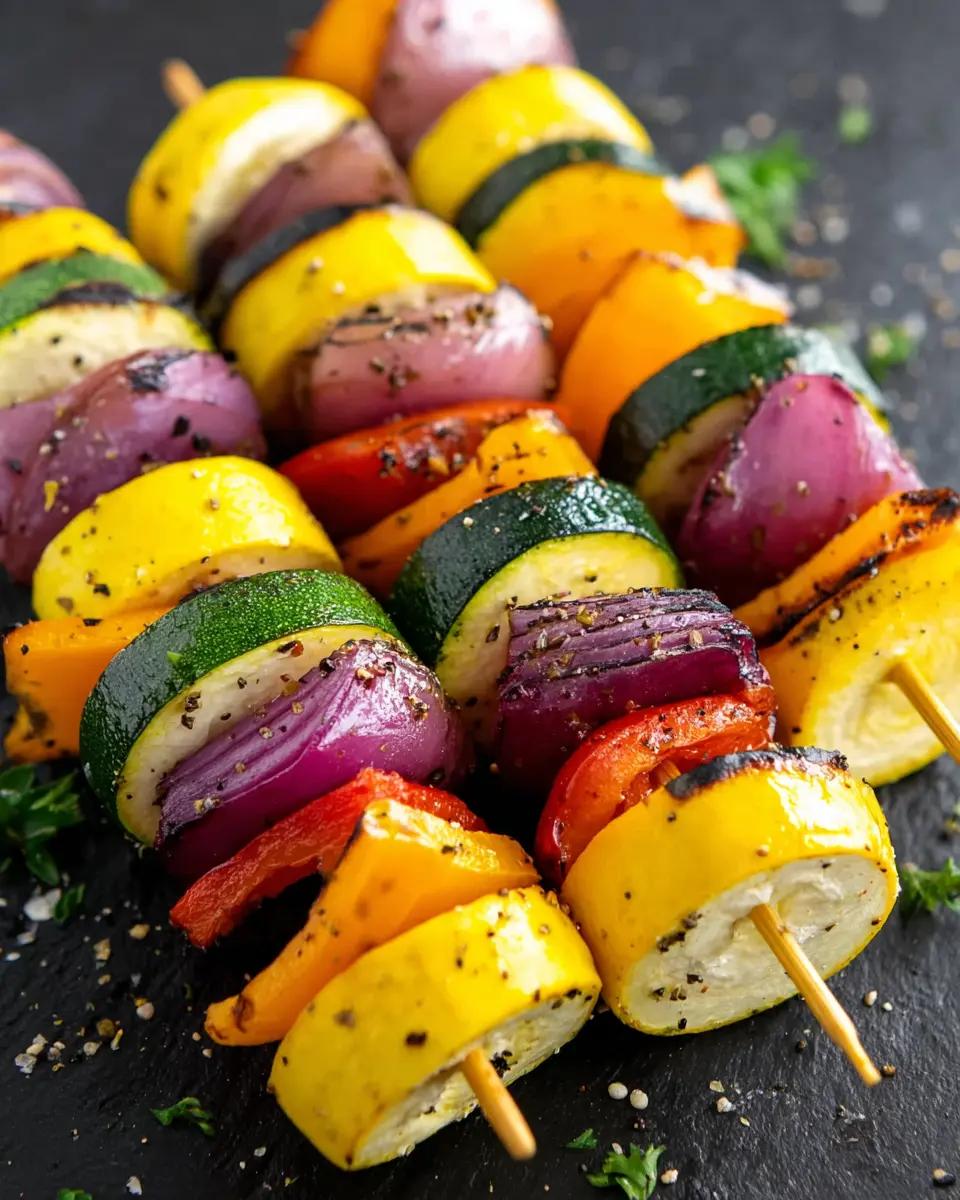
Air fryer veggie kabobs offer a delightful and incredibly straightforward method to transform everyday vegetables into a visually stunning and flavor-packed side dish. These skewers, loaded with tender zucchini, squash, vibrant peppers, and sweet onion, emerge from the air fryer with a perfect tender-crisp texture and appealingly roasted edges, all without the need to heat up your entire kitchen.
This recipe is a testament to simplicity and versatility, making it an ideal companion for a variety of main courses. Whether you’re pairing them with a succulent piece of grilled chicken, a flaky baked salmon, or even incorporating them into a simple rice bowl for a light yet satisfying meatless meal, these kabobs seamlessly integrate into any culinary vision.
Why You Will Love This Recipe
- Effortless Preparation: Minimal chopping and assembly mean these skewers are ready for the air fryer in no time, perfect for busy weeknights.
- Vibrant Visual Appeal: The colorful assortment of vegetables creates a beautiful presentation that’s as pleasing to the eye as it is to the palate.
- Balanced Textures and Flavors: Each bite offers a pleasing contrast between the tender squash and zucchini and the slightly firmer, sweeter peppers and onions.
- Healthy and Wholesome: Packed with fresh vegetables, these kabobs are a nutritious addition to any meal, offering vitamins and fiber.
- Beginner-Friendly: With straightforward steps and no complex techniques, even novice cooks can achieve delicious results with confidence.
Ingredients You Need
The success of these air fryer veggie kabobs hinges on the freshness and quality of your vegetables. Opting for firm, ripe produce will ensure the best texture and flavor development during the air frying process. It’s the simple, wholesome ingredients that truly shine in this recipe, allowing their natural sweetness and vibrant colors to take center stage.
Air Fryer Veggie Kabobs
These air fryer veggie kabobs feature a vibrant assortment of fresh vegetables cooked until tender and lightly roasted. They are simple to prepare and make an appealing side dish or light main course with excellent color and texture.
- 1 medium zucchini
- 1 medium orange bell pepper
- 1 medium purple onion
- 1 medium yellow squash
- 1 medium red bell pepper
- 1Trim wooden skewers as needed so they fit comfortably inside the air fryer basket. Submerge the skewers in water for 20 minutes before assembling the kabobs to help keep them from scorching during cooking.
- 2As the skewers soak, cut the zucchini and yellow squash into 3/4-inch slices. Next, cut the orange bell pepper, red bell pepper, and purple onion into 2-inch pieces so the vegetables cook evenly and are easy to thread.
- 3Remove the skewers from the water and begin arranging the vegetables onto each one, alternating the different varieties in any preferred order. Continue until each skewer is filled with a balanced mix of vegetables.
- 4Place the assembled kabobs into the air fryer basket in a single layer so the heat can circulate properly around them.
- 5Cook at 350°F for 14 minutes, turning the kabobs halfway through the cooking time for even browning and tenderness.
- 6When the vegetables are fully cooked, carefully remove the kabobs from the air fryer. Serve immediately while hot for the best flavor and texture.
Keywords: Air Fryer Veggie Kabobs, vegetable skewers, easy side dish, vegetarian, healthy
The precise quantities for each ingredient are detailed within the recipe card.
Variations
Elevating these basic air fryer veggie kabobs can be as simple as introducing a few key ingredient swaps or additions, opening up a world of delicious possibilities. Consider tailoring them to specific dietary needs or flavor preferences for an entirely new culinary experience.
For a Vegan Delight, focus on plant-based powerhouses that hold up well to air frying. Beyond the standard zucchini and bell peppers, think about adding chunks of firm tofu that has been marinated in soy sauce, garlic, and ginger, or cubes of cauliflower florets that will achieve a delightful crispness. You can also introduce heartier vegetables like broccoli florets or even thick slices of portobello mushrooms, ensuring they are cut into comparable sizes to the other vegetables for even cooking.
If you’re aiming for a Low-Carb Option, the focus shifts to vegetables that are naturally lower in carbohydrates. Bell peppers and onions are excellent choices, as are zucchini and yellow squash, which are already staples in this recipe. You can also incorporate asparagus spears, green beans that are cut into manageable lengths, or even Brussels sprouts that have been halved. For added flavor without the carbs, consider marinating these vegetables in a mixture of olive oil, lemon juice, garlic powder, and dried herbs like oregano or thyme before threading them onto the skewers.
To introduce a Smoky Mediterranean Twist, incorporate ingredients like cherry tomatoes that will burst with sweetness, or chunks of eggplant that will become wonderfully creamy. Add some Kalamata olives for a briny kick and perhaps some artichoke hearts. The marinade can be infused with olive oil, balsamic vinegar, minced garlic, dried oregano, rosemary, and a pinch of smoked paprika. A sprinkle of feta cheese added after cooking can provide a delightful salty counterpoint.
How to Prepare air fryer veggie kabobs
Step 1: Preparing the Foundation for Perfect Kabobs
The initial step involves ensuring your cooking tools are ready for action. Wooden skewers are a popular choice for their natural appeal and ease of use, but it’s crucial to confirm they fit comfortably within your air fryer basket. Some air fryers have a smaller capacity, so a quick check beforehand can prevent any last-minute adjustments or the need to cook in smaller batches.
Should your skewers be a touch too long, a sharp knife can easily trim them to the appropriate size, ensuring they don’t extend beyond the confines of the air fryer and risk burning. Following this, a short but essential soaking period is recommended for these wooden skewers. Submerging them in water for about 20 minutes is a simple yet effective measure.
This soaking process is particularly important because it helps to prevent the exposed ends of the skewers from scorching or igniting during the air frying cycle. By drawing in moisture, the wood becomes more resilient to the high heat, allowing your vegetables to cook to perfection without the skewers themselves becoming a fire hazard.
Step 2: Precision Vegetable Preparation for Even Cooking
With the skewers soaking, it’s time to turn your attention to the stars of the show: the vegetables. The key to achieving uniformly cooked kabobs lies in cutting the vegetables into consistent, appropriate sizes. For the zucchini and yellow squash, aim for thick, uniform rounds. These should be substantial enough to hold their shape during cooking but not so thin that they become mushy.
Similarly, the bell peppers and purple onion should be sliced into larger, manageable chunks. These pieces need to be robust enough to stay securely threaded onto the skewers and to cook at a similar rate to the squash and zucchini. The goal is to create a harmonious cooking process where all vegetables reach their optimal tenderness simultaneously, preventing some from being overcooked while others remain underdone.
The size of these pieces is crucial; too small, and they risk disintegrating or burning before they’re tender; too large, and they might not cook through completely in the allotted time. This careful preparation sets the stage for beautifully balanced kabobs.
Step 3: The Art of Skewer Assembly
Now comes the creative part: building your vibrant vegetable kabobs. Begin by threading the prepared vegetables onto the soaked skewers. The most visually appealing approach is to alternate the different types of vegetables in a colorful pattern. This not only makes the kabobs look more appetizing but also ensures a delightful variety of flavors and textures in every bite.
Pay attention to the size consistency of the vegetable pieces as you thread them. While some variation is natural, try to keep the pieces relatively close in size. This uniformity is critical for ensuring that the skewers cook evenly from end to end. When vegetables are similarly sized, they will absorb heat and cook at approximately the same pace, leading to perfectly tender results across the entire skewer.
Don’t be afraid to experiment with different color combinations and vegetable orders. Some prefer to start and end with a firmer vegetable like an onion chunk or a bell pepper piece to help secure the softer items in the middle. The goal is to create skewers that are both delicious and visually stunning, a true testament to simple, fresh ingredients.
Step 4: Optimizing Air Fryer Placement for Radiant Heat
Once your kabobs are beautifully assembled, the next step is to arrange them within the air fryer basket. Proper placement is paramount to achieving that desirable roasted texture rather than a steamed outcome. For the best results, arrange the assembled kabobs in a single layer within the air fryer basket. This means avoiding overcrowding.
It’s important to leave a little space between each skewer. This gap allows the hot air to circulate freely and efficiently around all sides of the vegetables. The air fryer works by circulating super-heated air, and if the skewers are packed too tightly, this circulation is impeded. Instead of roasting, the vegetables can end up steaming, resulting in a softer, less appealing texture and a lack of those delightful caramelized edges.
If your air fryer is on the smaller side and you find that you cannot arrange all the kabobs in a single layer with adequate spacing, it is far better to cook in batches. This ensures that each batch receives the full benefit of the circulating hot air, leading to consistently well-cooked and delicious vegetable kabobs every time. This small adjustment makes a significant difference in the final outcome.
Step 5: The Magic of Air Frying for Tender, Roasted Vegetables
Now for the transformative part: the air frying itself. Set your air fryer to a temperature of 350°F (175°C). This moderate temperature is ideal for cooking the vegetables through until they are tender without burning the exteriors too quickly. The total cooking time for these kabobs is typically around 14 minutes.
To ensure even cooking and browning on all sides, it is essential to turn the kabobs halfway through the cooking process. Around the 7-minute mark, carefully open the air fryer and use tongs to flip each skewer over. This action exposes a fresh side of the vegetables to the direct heat and circulating air, promoting consistent caramelization and tenderness.
Once the 14 minutes have elapsed, the vegetables should exhibit a beautiful transformation. They will be tender when pierced with a fork, and the edges should display a pleasingly browned and lightly roasted appearance. This visual cue indicates that the vegetables have reached their optimal cooked state, offering a delightful combination of soft interiors and subtly crisp exteriors that make these kabobs so irresistible.
Step 6: The Glorious Moment of Serving
The final and perhaps most satisfying step is serving these freshly prepared air fryer veggie kabobs. The absolute best time to enjoy them is immediately after they come out of the air fryer, while they are still piping hot. At this stage, the vegetables are at their peak in terms of texture and flavor.
The tender centers of the zucchini and squash offer a delightful, yielding bite, while the peppers and onions provide a subtle sweetness with just the right amount of gentle crispness remaining. This perfectly balanced texture, combined with the fresh, vibrant flavors that have been intensified by the air frying process, creates a truly exceptional culinary experience. Serving them promptly ensures you capture that perfect moment of warmth and deliciousness.
These kabobs are not just a side dish; they are a celebration of simple ingredients prepared with minimal effort but maximum flavor. Their vibrant appearance and appealing aroma will undoubtedly entice your guests, making them a welcome addition to any meal, from a casual weeknight dinner to a more elaborate gathering.
Pro Tips for air fryer veggie kabobs
- Uniformity is Key: For perfectly cooked kabobs, ensure all your vegetable pieces are cut to a similar size. This is the single most important factor in achieving even tenderness and preventing some pieces from becoming mushy while others remain undercooked.
- Don’t Overcrowd the Basket: Allow ample space between the kabobs in your air fryer basket. This promotes proper air circulation, which is crucial for achieving that desirable roasted, slightly crispy exterior on the vegetables instead of a steamed texture.
- Batch Cooking for Best Results: If your air fryer is small, resist the temptation to cram all the kabobs in at once. Cooking in batches ensures that each set of kabobs receives the optimal exposure to hot air, guaranteeing consistent, high-quality results every time.
- Flavor Boost with Marinades: Before threading the vegetables onto the skewers, consider tossing them in a simple marinade. A mixture of olive oil, garlic powder, dried herbs like oregano or thyme, and a squeeze of lemon juice can add an extra layer of delicious flavor.
- Consider Vegetable Hardness: When assembling kabobs with a variety of vegetables, think about their relative cooking times. Place slightly denser vegetables, like onion or peppers, closer to the ends of the skewer, and softer vegetables, like zucchini, towards the middle to ensure everything cooks evenly.
Serving Suggestions for air fryer veggie kabobs
Decoration
Garnish these colorful kabobs with a sprinkle of fresh chopped parsley or cilantro for a burst of herbaceous freshness and a vibrant green accent. A light drizzle of balsamic glaze can add a touch of elegance and a sweet-tangy finish. You could also add a scattering of toasted sesame seeds for a subtle nutty crunch and visual interest.
Side Dishes
These versatile kabobs pair wonderfully with a wide array of main courses. Consider serving them alongside grilled chicken breasts, pan-seared salmon, or even lean pork tenderloin for a complete and healthy meal. They are also an excellent accompaniment to a hearty baked lemon chicken or as a vibrant addition to a simple rice bowl or quinoa salad.
Creative Serving Ideas
For a fun and interactive meal, present the kabobs as part of a “build-your-own” bowl station. Offer a base of fluffy rice, couscous, or farro, and let guests add the vegetable kabobs, a protein of their choice, and their favorite sauces or toppings. They can also be served as a light appetizer at a summer barbecue, perhaps with a dollop of Greek yogurt dip or a spicy aioli.
Preparation & Storage
Storing Leftovers
Leftover air fryer veggie kabobs can be stored in an airtight container in the refrigerator for up to 4 days. For optimal storage and ease of packing into containers, you can gently remove the vegetables from the skewers before placing them in the container. This prevents the skewers from taking up unnecessary space and makes reheating simpler.
Freezing
While it is possible to freeze leftover kabobs for up to 1 month, it’s important to note that the texture of the vegetables, particularly the zucchini and squash, may soften considerably after thawing. For this reason, these kabobs are undeniably best enjoyed fresh. However, freezing can be a practical option if you find yourself with an abundance and wish to prevent waste.
Reheating
To reheat your air fryer veggie kabobs and recapture some of their original appeal, the air fryer is your best bet. Place the leftover vegetables back into the air fryer basket at 350°F (175°C) for approximately 3 to 5 minutes, just until they are warmed through. Alternatively, you can reheat them in a conventional oven at a similar temperature. While the microwave can be used in a pinch, be aware that it tends to result in a softer, less roasted texture compared to other methods.
Frequently Asked Questions
-
Can I use vegetables other than those listed for the air fryer veggie kabobs?
Absolutely! The beauty of these kabobs lies in their adaptability. Feel free to experiment with a wide array of vegetables that cook in roughly the same amount of time. Excellent additions include cherry tomatoes, chunks of broccoli or cauliflower florets, asparagus spears, or even mushrooms. For firmer vegetables like broccoli or cauliflower, you might consider cutting them slightly smaller than the squash or peppers to ensure they cook through evenly. Conversely, softer vegetables like cherry tomatoes will benefit from being left whole or halved to prevent them from disintegrating too quickly during the air frying process.
-
What is the best way to prevent the wooden skewers from burning in the air fryer?
The most effective method to prevent wooden skewers from scorching in the air fryer is to soak them in water for at least 20 to 30 minutes before assembling your kabobs. This allows the wood to absorb moisture, making it more resistant to the high temperatures generated by the air fryer. Ensure that all parts of the skewer, especially the ends that will be exposed, are fully submerged. If you’re in a real hurry, a quick rinse under hot water can help a little, but a proper soak is significantly more effective in preventing charring and potential fire hazards.
-
How do I ensure my air fryer veggie kabobs don’t end up soggy?
Achieving a non-soggy result comes down to a few key practices. Firstly, cut your vegetables into substantial, uniform pieces; this helps them hold their structure and cook evenly without releasing too much moisture. Secondly, avoid overcrowding the air fryer basket; this is crucial for allowing hot air to circulate properly, which promotes roasting rather than steaming. Ensure there’s a bit of space between each skewer. Lastly, remember to turn the kabobs halfway through the cooking process. This ensures even exposure to the heat on all sides, contributing to that desirable tender-crisp texture and preventing moisture buildup.