Ultimate Vegan Soup recipe
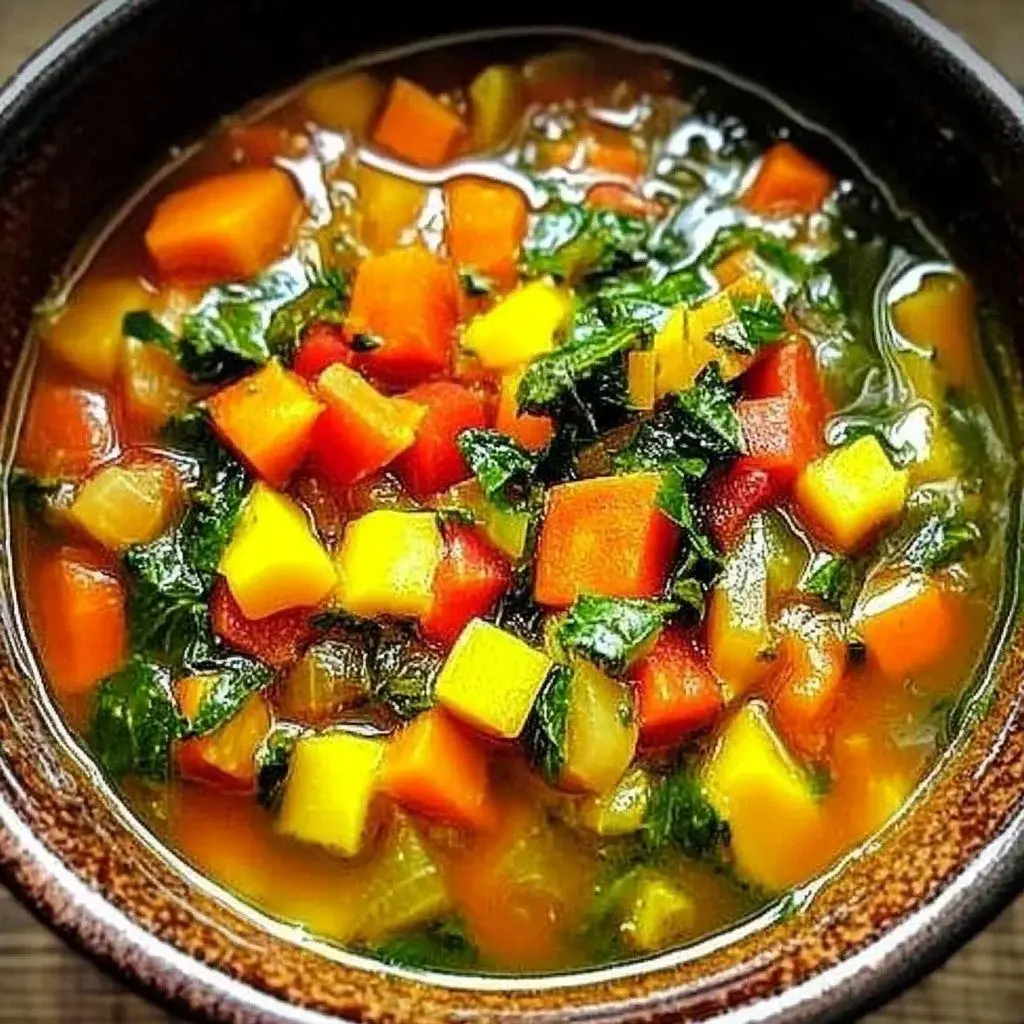
When the weather turns cool and the leaves start to fall, there’s nothing more comforting than a warm bowl of Vegan Soup. This delightful dish combines a variety of fresh vegetables and legumes to create a hearty meal that is not only satisfying but nourishing. Have you ever wondered how a simple mix of ingredients can transform into such a flavorful experience? This recipe for Vegan Soup is easy to prepare and packed with nutrients, making it a fantastic choice for any day.
What makes Vegan Soup special is its versatility. Whether you’re seeking a quick weeknight meal or a dish to share with friends, this recipe can fit any occasion. With its vibrant colors and delicious aroma, it invites everyone to the table. Plus, it’s a fabulous way to sneak more vegetables into your diet while being completely plant-based. Imagine the bliss of serving a hearty soup that cradles your body and warms your soul.
Why You Will Love This Recipe
- Flavorful and Nutritious: Packed with a vibrant medley of fresh vegetables and protein-rich chickpeas, this soup offers a wholesome and satisfying meal that nourishes your body from the inside out.
- Quick and Easy Preparation: Designed for busy lifestyles, this recipe comes together in under an hour, making it an ideal solution for a speedy weeknight dinner or a comforting lunch.
- Highly Versatile: This soup is a culinary canvas, allowing you to effortlessly customize it with your favorite seasonal vegetables, herbs, or even different types of legumes to suit your taste preferences.
- Family-Friendly Appeal: Its comforting taste and nourishing ingredients make it a crowd-pleaser for all ages, offering a delicious way for everyone to embrace plant-based eating and enjoy a healthy meal together.
- Excellent for Meal Prep: This recipe is a meal prep champion, holding its flavor and texture beautifully when made ahead, making it perfect for grab-and-go lunches or quick dinners throughout the week.
What sets this Vegan Soup apart is its fully plant-based ingredients. Unlike traditional soups that may rely on meat or dairy for flavor, this recipe embraces the natural earthiness of vegetables. The combination of tomatoes, chickpeas, and leafy greens offers not just flavor, but a rainbow of nutrients that brighten up any meal. It is a testament to how simple, wholesome ingredients can create a deeply satisfying culinary experience, proving that plant-based eating can be both incredibly delicious and deeply comforting. This soup is a wonderful example of how to create a flavorful dish that is both good for you and the planet.
This Vegan Soup is also highly customizable. Whether you prefer a twist of lemon for zing or additional spices for warmth, the recipe encourages creativity. It works well for casual lunches, cozy dinners, or even special holiday gatherings, showing that plant-based meals can be both practical and festive. Imagine adapting it with a touch of lemon zest for a brighter profile, or perhaps a pinch of smoked paprika for a deeper, earthier note. The beauty of this recipe lies in its adaptability, making it a staple for any kitchen seeking wholesome, flavorful meals.
Ingredients You Need
When choosing vegetables for this delightful soup, opt for the freshest produce available to maximize both flavor and texture. Using vibrant, seasonal vegetables will inherently make your soup more appealing and nutrient-dense. Don’t be afraid to explore different varieties; the heart of this recipe lies in its fresh, earthy components.
Ultimate Vegan Soup
A hearty and customizable soup packed with fresh vegetables and chickpeas, perfect for any occasion. This easy vegan recipe is ideal for meal prep and offers a comforting, nutritious meal.
- 1 onion, chopped
- 2 carrots, chopped
- 2 celery stalks, chopped
- 2 cloves garlic, minced
- 1 can diced tomatoes
- 4 cups vegetable broth (Ensure it's gluten-free if needed)
- 1 can chickpeas, drained and rinsed (Substitute with white beans or lentils if desired)
- 2 cups spinach or kale (Can use whichever leafy green you prefer)
- 1 teaspoon dried herbs (thyme, basil, or oregano)
- Salt and pepper to taste
- 1Start by chopping your onion, carrots, and celery into small, uniform pieces.
- 2In a large pot over medium heat, add a splash of oil and sauté the onion, carrots, and celery for about 5-7 minutes until they soften.
- 3Once the vegetables have softened, stir in the minced garlic and cook for another minute.
- 4Pour in the canned diced tomatoes and vegetable broth, stirring to combine. Bring to a gentle boil.
- 5Stir in the drained chickpeas and your choice of dried herbs. Season with salt and pepper.
- 6Reduce heat to low and let the soup simmer for about 20 minutes.
- 7Add the spinach or kale into the pot, stirring until the greens wilt down, which should take a couple of minutes.
- 8After the greens have wilted, taste the soup and adjust the seasoning if necessary.
- 9Ladle the hot soup into bowls and serve immediately. Garnish with fresh herbs or olive oil if desired.
Keywords: Comfort Food, Easy Vegan Recipe, Healthy Soup, meal prep, Vegan Soup
- onion, chopped: A foundational aromatic that provides a sweet and pungent base when sautéed.
- carrots, chopped: Adds a touch of sweetness and a lovely color, also contributing important vitamins.
- celery stalks, chopped: Offers a subtle savory note and a pleasant texture, harmonizing with other vegetables.
- cloves garlic, minced: Essential for depth of flavor, garlic provides a pungent and aromatic essence.
- can diced tomatoes: Forms the liquid base and introduces a rich, slightly acidic tomato flavor.
- cups vegetable broth: The liquid backbone that carries all the flavors and helps the ingredients meld together.
- can chickpeas, drained and rinsed: Provides a hearty texture and plant-based protein, making the soup more filling.
- cups spinach or kale: Adds a boost of vitamins and minerals, wilting down to create a tender, leafy element.
- teaspoon dried herbs (thyme, basil, or oregano): These infuse the soup with classic, comforting herbal notes.
- Salt and pepper to taste: Crucial for enhancing all the individual flavors and bringing the soup into perfect balance.
The specific quantities for each ingredient are detailed within the provided recipe card, ensuring you have all the necessary measurements for success. This ensures that even if you’re new to cooking, you can follow along precisely to achieve a delicious outcome.
Variations
Elevate this simple soup with a variety of creative twists to suit different tastes and dietary needs. Consider a fiery rendition by adding a pinch of red pepper flakes or a finely minced jalapeño pepper along with the garlic. This will introduce a pleasant warmth that lingers on the palate without overwhelming the other delicate flavors.
For those seeking a richer, more indulgent experience, a creamy vegan version is easily achievable. After the soup has simmered and the vegetables are tender, carefully transfer about one-third of the soup to a blender. Blend until completely smooth, then stir this creamy mixture back into the main pot. A swirl of unsweetened coconut milk or cashew cream stirred in at the end will further enhance its luxurious texture and flavor profile.
Embrace the seasons by incorporating seasonal vegetables. In the autumn, roasted butternut squash or sweet potato cubes can add a beautiful sweetness and vibrant color, complementing the other ingredients perfectly. During spring or summer, consider adding fresh peas or asparagus tips for a lighter, brighter flavor. These adaptations keep the soup exciting and allow you to enjoy its goodness year-round.
How to Prepare Vegan Soup
Step 1: Prepare the Foundation of Flavor
Begin this culinary journey by meticulously preparing your foundational aromatics and vegetables. Ensure your onion, carrots, and celery are chopped into small, uniform pieces, roughly of a similar size. This consistency in chopping is not merely aesthetic; it ensures that each vegetable component cooks evenly, allowing them to soften and release their flavors harmoniously throughout the simmering process.
The act of chopping itself can be a meditative part of cooking, so take your time and enjoy the process. Uniformity means that a carrot piece will cook in roughly the same time as a celery piece, preventing some vegetables from becoming mushy while others remain slightly too firm. This careful preparation sets the stage for a perfectly balanced texture in your final dish.
Consider the type of knife you are using; a sharp chef’s knife will make this task significantly easier and safer. For added convenience, some might choose to use a food processor with a chopping attachment, though handmade cuts often offer a unique charm and can sometimes better integrate into the soup’s texture.
Step 2: Build the Savory Base
In a substantial, heavy-bottomed pot or Dutch oven, introduce a modest amount of your preferred cooking oil—olive oil is an excellent choice for its flavor and health benefits. Heat this oil over medium heat until it shimmers gently, indicating it’s ready to receive the vegetables.
Add your chopped onion, carrots, and celery to the heated oil. Sauté these vegetables with gentle stirring for approximately five to seven minutes. The goal here is not to brown them aggressively, but rather to soften them considerably, allowing their natural sweetness to develop and their flavors to begin melding together. This initial sauté is a critical step in building a rich, layered flavor profile for your soup.
Listen to the gentle sizzle as the vegetables hit the pan; this sound is the beginning of deliciousness. As they soften, the vegetables will become more translucent, particularly the onions, signaling they are ready for the next aromatic addition. This step is fundamental to developing the deep, savory character that defines a truly exceptional soup.
Step 3: Infuse with Aromatic Garlic
Once your base vegetables have achieved a pleasing softness and have begun to release their enticing aromas, it’s time to introduce the pungent power of garlic. Add your minced garlic to the pot, stirring it into the sautéing vegetables. Be mindful that garlic can burn quickly, so this step requires a bit more attention.
Cook the garlic for approximately one minute, stirring constantly. The heat will release its potent fragrance, infusing the oil and vegetables with its characteristic savory notes. This brief cooking period is sufficient to mellow the raw bite of the garlic while unlocking its full flavor potential, creating an irresistible aroma that fills your kitchen.
The scent of garlic sautéing is one of the most universally recognized and beloved kitchen aromas. It signifies the imminent arrival of a deeply flavorful dish and prepares your senses for the deliciousness to come. Avoid letting the garlic brown too much, as this can impart a bitter taste to the soup.
Step 4: Introduce the Heart of the Soup
Now, pour in the can of diced tomatoes, including their juices, and the four cups of vegetable broth. Stir everything together thoroughly, ensuring that the tomatoes and broth are well combined with the sautéed vegetables. This liquid mixture forms the primary body of your soup.
Bring the entire contents of the pot to a gentle boil over medium-high heat. Allow it to bubble for a few moments, letting the initial flavors begin to meld. This brief boiling period helps to integrate the disparate elements into a cohesive base for the soup, preparing it for the subsequent additions that will build its character.
The vibrant red of the tomatoes against the softer hues of the vegetables creates a visually appealing base. This stage is where the soup truly starts to take shape, transitioning from individual components into a unified, flavorful broth.
Step 5: Add Protein and Herbs for Depth
With the broth at a gentle boil, it’s time to incorporate the substantial elements that will make this soup a satisfying meal. Stir in the drained and rinsed chickpeas, which will add a delightful texture and a robust source of plant-based protein. If you’re using alternative legumes like white beans or lentils, add them at this stage as well.
Next, introduce your chosen dried herbs. Whether you opt for the earthy notes of thyme, the sweet aroma of basil, or the slightly peppery hint of oregano, these herbs will infuse the soup with classic comforting flavors. Season generously with salt and freshly ground black pepper to taste, remembering that you can always adjust these seasonings later.
The chickpeas add a lovely visual contrast and a hearty chewiness to the soup. The dried herbs, once immersed in the hot broth, will begin to rehydrate and release their essential oils, imbuing the liquid with their signature fragrances and flavors. This is where the soup starts to feel truly complete and wonderfully aromatic.
Step 6: The Art of Slow Simmering
Once all the ingredients have been added and the seasoning is in place, reduce the heat to low. Cover the pot partially, allowing a small amount of steam to escape, and let the soup simmer gently for approximately twenty minutes. This slow simmering process is absolutely crucial for developing the depth and complexity of flavor in your soup.
During this time, the vegetables will continue to soften to perfection, and the flavors from the broth, tomatoes, herbs, and chickpeas will meld together beautifully. A gentle simmer allows the ingredients to gently exchange their essences without becoming overcooked or losing their individual integrity. Patience during this stage will be rewarded with a more profound and satisfying taste experience.
You should observe small, lazy bubbles rising occasionally from the surface of the soup, indicating a gentle simmer. Resist the urge to stir too frequently, as this can disrupt the infusion process. This quiet period of melding is where the magic truly happens, transforming simple ingredients into a comforting elixir.
Step 7: The Vibrant Addition of Greens
As the simmering period concludes, it’s time to introduce the element that brings a burst of freshness, color, and vital nutrients: leafy greens. Add your spinach or kale directly into the hot soup. Stir gently to submerge the greens into the hot liquid.
The residual heat from the soup is perfectly sufficient to wilt these delicate greens down in just a couple of minutes. The spinach will soften quickly, while kale may take slightly longer, depending on how finely it was chopped. This addition not only boosts the nutritional profile of the soup but also adds a vibrant green hue that makes the dish visually more appealing and appetizing.
Watching the greens transform from their raw, robust state to tender, vibrant strands is quite satisfying. This final cooked addition provides a fresh counterpoint to the deeper flavors that have developed during the simmer, ensuring a balanced and complete taste experience in every spoonful.
Step 8: The Crucial Taste and Adjust Moment
With all the components now cooked and melded, the absolute most critical step before serving is to taste and adjust the seasoning. Carefully ladle a small amount of the soup into a tasting spoon, let it cool slightly, and then taste it critically. Assess the balance of salt, pepper, and the overall flavor profile.
Does it need more salt to bring out the flavors? Perhaps a bit more pepper for a subtle kick? This is your opportunity to fine-tune the soup to your exact preferences. You might even find that a small dash of hot sauce, a squeeze of fresh lemon juice, or a pinch of your favorite spice can elevate the dish to new heights.
This step is non-negotiable for achieving a truly delicious result. It’s where you take a good soup and make it exceptional, ensuring that every bite is perfectly seasoned and utterly delightful. Trust your palate; it knows best.
Step 9: Serve with Warmth and Garnish
Once you are completely satisfied with the seasoning, ladle the hot, steaming Vegan Soup into your chosen bowls. The warmth of the soup is part of its comforting appeal, so serving it immediately after its final taste test is ideal. This ensures that the textures and flavors are at their peak.
For an extra touch of elegance and flavor, consider garnishing your soup. A swirl of good quality olive oil, a sprinkle of fresh chopped parsley or chives, or even a dollop of vegan sour cream or a sprinkle of nutritional yeast can add visual appeal and a final layer of taste. These small additions can transform a simple bowl of soup into a culinary masterpiece.
The visual presentation matters just as much as the taste. A well-garnished bowl of soup is an invitation to savor every moment. The aroma that wafts up from a freshly garnished bowl is simply irresistible, promising a deeply satisfying dining experience. Enjoy the fruits of your labor!
Step 10: Savor the Deliciousness!
Finally, the moment you’ve been waiting for: enjoy your homemade Vegan Soup! Relish in the warm, nourishing goodness that you’ve created from scratch. This soup is a testament to the fact that healthy, plant-based meals can be incredibly flavorful, comforting, and deeply satisfying.
Take a moment to appreciate the vibrant colors, the rich aroma, and the comforting warmth of this wholesome dish. It’s a perfect example of how simple ingredients can combine to create something truly special, offering both physical nourishment and a sense of well-being.
Whether you’re enjoying it on a cool evening, sharing it with loved ones, or simply treating yourself to a healthy and delicious meal, this Vegan Soup is sure to become a favorite. Its ease of preparation and incredible flavor make it a go-to recipe for any occasion.
Pro Tips for Vegan Soup
Don’t Skip the Sauté: The initial step of sautéing your onions, carrots, and celery is crucial for developing a deep, sweet flavor base. Rushing this step will result in a less nuanced soup.
Quality Broth Matters: The vegetable broth you use significantly impacts the final taste. Opt for a low-sodium, high-quality broth, or consider making your own for the best flavor. A good broth can elevate your soup from good to extraordinary.
Taste and Adjust Meticulously: Never underestimate the power of tasting and adjusting seasonings throughout the cooking process, and especially at the end. Salt and pepper are essential for bringing out the full flavor of all the ingredients.
Herbs Are Key: While dried herbs are convenient and effective, consider finishing your soup with a sprinkle of fresh herbs like parsley or chives. This adds a burst of brightness and a more vibrant aroma right before serving.
Blend for Creaminess: If you crave a creamier texture without dairy, blend a portion of the soup until smooth and then stir it back into the pot. This creates a velvety consistency that is incredibly satisfying.
Incorporate Umami: For an extra layer of savory depth, consider adding a tablespoon of nutritional yeast or a teaspoon of tamari/soy sauce towards the end of cooking. These ingredients boost the umami flavor profile.
Serving Suggestions for Vegan Soup
Decoration
A simple garnish can elevate the presentation of your Vegan Soup beautifully. A swirl of good-quality olive oil provides a glossy sheen and a hint of richness. Freshly chopped herbs like parsley, chives, or cilantro add a pop of color and a burst of freshness. A sprinkle of toasted seeds, such as pumpkin or sunflower seeds, can add an appealing crunch and visual interest.
For a more decadent touch, consider a dollop of dairy-free sour cream or a drizzle of tahini. A few microgreens can also add an elegant and fresh finishing touch. Even a simple grind of black pepper on top makes a difference.
The key is to add garnishes just before serving to maintain their texture and vibrant appearance. These small additions not only enhance the visual appeal but also contribute subtle layers of flavor and texture to each spoonful.
Side Dishes
This hearty soup pairs wonderfully with a variety of side dishes. Crusty bread, such as a baguette or a rustic whole-grain loaf, is an absolute classic for dipping into the flavorful broth. A simple green salad with a light vinaigrette offers a refreshing contrast to the warmth of the soup.
For a more substantial meal, consider serving the soup alongside cooked grains like quinoa or brown rice. You could also serve it with a side of roasted vegetables or even some hearty vegan biscuits. The possibilities are endless, allowing you to tailor the meal to your appetite.
A small portion of pasta can also be a delightful accompaniment, especially if you’re serving a thinner broth. The goal is to complement the soup without overpowering its flavors, creating a balanced and satisfying dining experience.
Creative Serving Ideas
Present your Vegan Soup in individual bread bowls for a unique and charming presentation. This makes the soup a self-contained, edible meal that’s both fun and practical. You could also serve the soup in small shooter glasses as an elegant appetizer or part of a tasting menu.
For a more casual gathering, consider a “soup bar” where guests can customize their bowls with various garnishes and toppings. This interactive approach adds an element of fun and allows everyone to tailor their soup exactly to their liking. Imagine a spread of different herbs, spices, seeds, and even some vegan cheese crumbles.
If you’re serving a larger crowd, individual mason jars filled with the soup make for easy transport and serving, perfect for picnics or outdoor events. The versatility of this soup allows for numerous creative serving opportunities to suit any occasion and style.
Preparation & Storage
Storing Leftovers
To keep your Vegan Soup fresh and delicious for future enjoyment, store it in an airtight container in the refrigerator. Ensure the soup has cooled down to room temperature before sealing the container. This prevents condensation from forming inside, which can affect the texture and longevity of the soup.
Properly stored, this soup can typically last for up to five days in the refrigerator. The vegetables will soften slightly over time, but the flavors will continue to meld and deepen, often making leftovers even more flavorful. It’s a fantastic option for planned meals throughout the week.
Avoid storing the soup in the pot it was cooked in, as this can lead to uneven cooling and potential spoilage. Using dedicated food storage containers ensures optimal freshness and safety. Always check for any signs of spoilage before reheating and consuming.
Freezing
This Vegan Soup freezes exceptionally well, making it an ideal candidate for batch cooking and stocking your freezer. Allow the soup to cool completely before transferring it to freezer-safe containers or heavy-duty freezer bags. Leave a little headspace in the container, as liquids expand when frozen.
When stored properly in the freezer, this soup can maintain its quality for up to three months. For best results, portion the soup into individual servings, which makes thawing and reheating much more convenient. Label each container with the date of freezing to keep track of your frozen inventory.
Certain textures might change slightly upon thawing, but the overall flavor profile remains remarkably intact. This is a perfect strategy for ensuring you always have a healthy, homemade meal ready to go at a moment’s notice.
Reheating
Reheating your Vegan Soup is a straightforward process. The best method for reheating is typically on the stovetop. Transfer the desired amount of soup from the refrigerator or freezer into a saucepan. Heat it over medium heat, stirring occasionally, until it is piping hot throughout.
If reheating from frozen, you can either thaw the soup overnight in the refrigerator or use the defrost setting on your microwave before transferring it to the stovetop. Be patient; a gradual reheating process usually yields the best texture and flavor retention. Avoid boiling the soup vigorously, as this can break down the ingredients.
For a quicker reheat, you can use the microwave, stirring every minute or so to ensure even heating. Regardless of the method, ensure the soup is heated to a safe internal temperature before serving. The comforting warmth of reheated soup is almost as satisfying as when it’s freshly made.
Frequently Asked Questions
-
Can I prepare this Vegan Soup ahead of time for meal prep?
Absolutely! This Vegan Soup is an excellent candidate for meal preparation. You can make a large batch at the beginning of the week and store it in airtight containers in the refrigerator. It will keep well for up to five days, making it convenient for grab-and-go lunches or quick dinners throughout the busy week. The flavors tend to meld and deepen over time, often improving the taste on subsequent days.
-
Is it possible to freeze leftovers of this soup, and if so, for how long?
Yes, this soup freezes beautifully. After allowing it to cool completely, transfer it into freezer-safe containers or heavy-duty freezer bags, ensuring to leave a little headspace for expansion. When stored properly in a freezer, it can retain its quality and flavor for approximately three months. Freezing in individual portions makes it easier to thaw and reheat just what you need.
-
What are the best substitutions for the ingredients if I have dietary restrictions or can’t find certain items?
The beauty of this soup lies in its adaptability. For the chickpeas, you can easily substitute them with other legumes like cannellini beans, kidney beans, or lentils for a different texture and flavor profile. If you need to avoid nightshades, consider pureeing roasted carrots with a little extra broth to replace the diced tomatoes, adjusting sweetness as needed. Any sturdy leafy green like Swiss chard or collard greens can be used in place of spinach or kale, though cooking times might vary slightly.
-
How long does this soup typically last in the refrigerator when stored correctly?
When stored correctly in an airtight container in the refrigerator, this Vegan Soup will typically last for 4 to 5 days. It’s important to allow the soup to cool down to room temperature before sealing the container to prevent excess moisture buildup. The flavors continue to develop over these days, making it a delicious and convenient option for multiple meals.
-
Is this recipe suitable for families, including picky eaters or children?
Yes, this soup is wonderfully family-friendly. Its mild, savory flavor is generally appealing to most palates, and the soft texture of the cooked vegetables and chickpeas is easy for children to manage. It’s also a fantastic way to introduce more vegetables into a child’s diet in a disguised and delicious format. You can even make it more appealing by serving it with fun toppings or in colorful bowls.
-
Can I add grains or other starches to make the soup even heartier?
Absolutely! This soup is a perfect base for adding grains or other starches to make it even more substantial. Cooked brown rice, quinoa, or even small pasta shapes like ditalini or orzo can be stirred into the soup during the last few minutes of cooking or added when serving. This transforms it into a complete meal that’s incredibly filling and satisfying.
-
How can I make this soup spicier if I prefer a little heat?
It’s very easy to add a spicy kick to this soup. You can incorporate red pepper flakes along with the dried herbs, adjusting the amount to your desired level of heat. Alternatively, finely mincing a fresh jalapeño or serrano pepper and sautéing it with the garlic and other base vegetables will infuse the soup with a more complex heat. A dash of your favorite hot sauce added just before serving is another quick way to amp up the spice.
-
Is this soup suitable for slow cooker preparation, and what would be the general method?
Yes, this soup is perfectly suited for a slow cooker. Simply add all the chopped vegetables, canned tomatoes, vegetable broth, drained chickpeas, and dried herbs to your slow cooker. Stir everything together, then cook on low for 6-8 hours or on high for 3-4 hours, or until the vegetables are tender. Stir in fresh greens during the last 30 minutes of cooking. This method requires minimal hands-on time and is ideal for busy days.
-
Will this soup be filling enough on its own for a main dinner course?
Definitely! The combination of hearty vegetables and protein-rich chickpeas makes this soup quite filling and satisfying on its own. It provides a good balance of fiber, protein, and complex carbohydrates, which contribute to satiety. If you desire an even more substantial meal, pairing it with a side of crusty bread or a small salad will ensure you’re completely satisfied.