Irresistible Mango Sago Recipe for a Delicious Treat
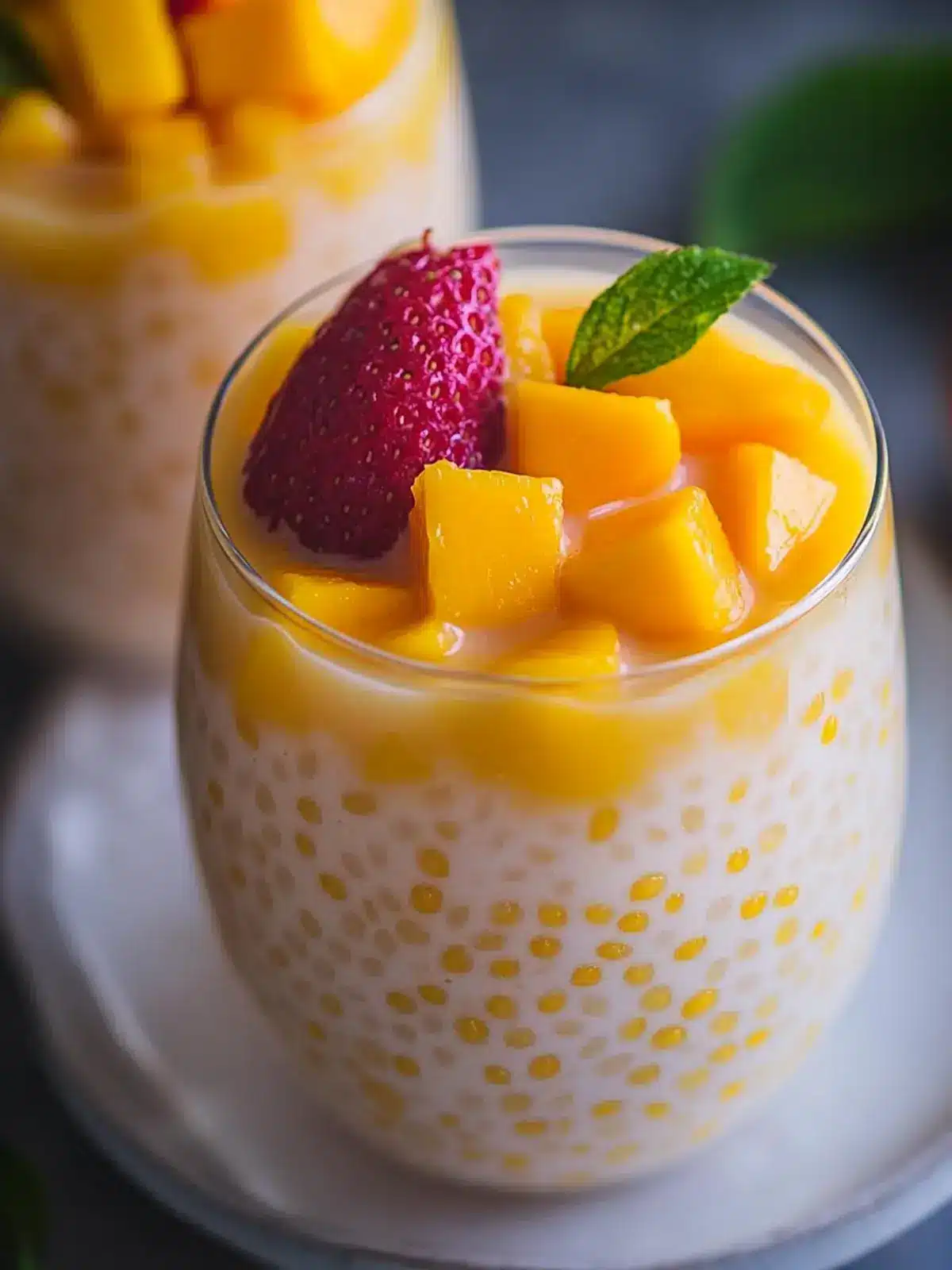
There’s an undeniable charm that comes with creating something beautiful in your own kitchen, and this Mango Sago Recipe is just the gem you need to elevate your dessert game. Picture this: a vibrant blend of luscious mangoes and succulent strawberries, swirling together in a dreamy coconut milk base. This delightfully light dessert not only satisfies your sweet tooth but also transports you to a tropical paradise with every spoonful.
As I sat down after a long day, the thought of a quick indulgence pulled me towards the pantry. With just a handful of ingredients—ripe fruit, creamy coconut milk, and those charming little sago pearls—I discovered a soothing balance of flavors and textures that transformed my evening. The best part? This recipe is not only incredibly simple but also impressively refreshing, making it a showstopper for gatherings or just a special treat for yourself. So grab your ingredients and let’s dive into making this delightful Mango and Strawberry Coconut Dessert that promises to brighten any day!
Why You Will Love This Recipe
- Tropical Flavor Burst: This delightful dessert combines the sweet, tropical essence of mangoes and strawberries for a wonderfully refreshing treat that’s both vibrant and invigorating.
- Effortless Preparation: With just a few straightforward steps, you’ll have a stunning and delicious dessert ready to impress your family and friends in minimal time.
- Unique Textural Delight: The combination of creamy coconut milk and delightfully chewy sago pearls creates a truly unique and satisfying mouthfeel that’s both smooth and intriguing.
- Ideal Make-Ahead Option: It requires very little active cooking time, and the best part is that it tastes even better chilled, making it perfect for busy schedules or spontaneous entertaining needs.
- Highly Customizable: You can easily customize the types of fruits or toppings used, making this a wonderfully versatile option that suits any palate or occasion.
Ingredients You Need
To create this tropical sensation, focus on sourcing the freshest and most flavorful components. Using ripe, sweet mangoes is paramount for achieving that signature tropical taste, while vibrant, fresh strawberries will provide a delightful tartness and visual appeal. The sago pearls, often referred to as tapioca pearls, are essential for that characteristic chewy texture that defines this dessert; ensure they are cooked until perfectly translucent and tender, not mushy or hard. A high-quality, full-fat coconut milk will form the rich and creamy base, infusing the entire dessert with its luscious tropical essence. Finally, a touch of sweetened condensed milk will perfectly balance the flavors, adding a subtle sweetness that enhances the fruitiness without overpowering it.
Mango Sago Tropical Bliss

A refreshing and creamy tropical dessert featuring luscious mangoes, succulent strawberries, and chewy sago pearls in a coconut milk base.
- 3 cups Water (for boiling sago pearls)
- 1 cup Sago pearls (can substitute with tapioca pearls)
- 1 cup Coconut milk
- 1/2 cup Condensed milk
- 2 cups Ripe mangoes, cubed
- 1 cup Strawberries, sliced
- 1Boil 3 cups of water in a pot.
- 2Add the sago pearls and cook for 10 minutes until translucent.
- 3Remove from heat, cover, and let rest for 10 minutes.
- 4Strain and rinse under cold water to remove excess starch.
- 5In a large bowl, combine the sago pearls, coconut milk, condensed milk, mango cubes, and strawberry slices.
- 6Chill in the refrigerator for 30 minutes.
- 7Serve in glasses or bowls, garnished with extra fruit if desired.
Keywords: Mango Sago, Tropical Dessert, Fruit Dessert, Coconut Milk, Vegetarian Dessert
- sago pearls: small, translucent spheres that provide a delightful chewy texture.
- ripe mangoes: cubed for a burst of sweet, tropical flavor and vibrant color.
- strawberries: sliced to add a refreshing tartness and beautiful contrast.
- coconut milk: full-fat variety for a rich, creamy, and exotic base.
- sweetened condensed milk: to add the perfect touch of sweetness and balance.
- water: for cooking the sago pearls to perfection.
The exact quantities for these exquisite ingredients are conveniently listed in the recipe card below, ensuring your preparation is precise and successful.
Variations
The beauty of this Mango Sago Recipe lies in its inherent flexibility, inviting you to experiment and personalize it. Consider a vegan adaptation by substituting the sweetened condensed milk with a rich coconut cream and a touch of agave nectar or maple syrup for sweetness, ensuring a wholly plant-based indulgence that remains decadently creamy and tropical.
For those seeking a lighter, lower-carbohydrate option, you can significantly reduce the condensed milk or omit it entirely, relying on the natural sweetness of ripe mangoes. In this variation, perhaps incorporate a small amount of a sugar-free sweetener like erythritol or stevia to achieve the desired sweetness level without the added sugars, while still enjoying the delightful combination of fruits and coconut milk.
Elevate the flavor profile further by infusing aromatic elements. A hint of finely grated lime zest stirred into the coconut milk base can introduce a bright citrus note that beautifully complements the tropical fruits. Alternatively, a whisper of cardamom or a tiny pinch of ginger powder can add a warm, exotic spice that adds another dimension of complexity to this already delightful dessert, making each spoonful a unique experience.
How to Prepare Mango Sago Recipe
Step 1: Cooking the Sago Pearls
Begin the delightful journey of creating your Mango Sago Recipe by focusing on the sago pearls, the tiny textural stars of this dish. You will need a medium-sized saucepan and approximately three cups of fresh, cold water to start. Place the saucepan on your stovetop over medium-high heat and bring the water to a vigorous, rolling boil before proceeding to the next crucial step.
Once the water has reached a full boil, carefully add one cup of sago pearls to the bubbling water. It is important to stir the sago pearls gently and continuously for the initial few minutes to prevent them from sticking together at the bottom of the pan. Allow these pearls to simmer in the boiling water for about ten minutes, ensuring you continue to stir occasionally.
The key indicator that the sago pearls are perfectly cooked is when they become almost entirely translucent, with only a tiny white dot remaining in the very center. Once this visual cue is achieved, immediately remove the saucepan from the heat. Cover the pot tightly with a lid and let the sago pearls rest undisturbed in the hot water for another ten minutes; this resting period is vital for them to fully absorb the liquid and achieve their signature chewy texture without becoming overly soft or mushy.
Step 2: Rinsing and Preparing the Sago
Following the resting period, the sago pearls are almost ready to be incorporated into the creamy dessert base. To ensure the best texture and prevent any undesirable clumping, you must thoroughly rinse the cooked sago pearls. Prepare a fine-mesh sieve and place it over a large bowl or directly under a cold running water tap.
Carefully pour the contents of the saucepan, including the sago pearls and remaining water, into the fine-mesh sieve. Gently run cold water over the sago pearls for about 30 seconds, continuously tossing them with a spoon or your fingers to wash away any excess starch. This rinsing step is absolutely critical for achieving a light, separated texture in your final Mango Sago creation and preventing the pearls from forming a sticky mass.
Once thoroughly rinsed, allow the sago pearls to drain for a minute or two, ensuring most of the water has dripped away. You can then gently shake the sieve to further remove any residual moisture. Transfer the now-cooled and separated sago pearls into a clean, dry bowl, ready to be combined with the other delicious components of this tropical delight.
Step 3: Preparing the Fruit Components
While the sago pearls are cooling and draining, focus your attention on preparing the vibrant fruit elements that will bring the signature tropical essence to your dessert. Select two large, ripe mangoes for this recipe, ensuring they are soft to the touch but not overly mushy, indicating peak ripeness and sweetness. You can use a sharp knife to carefully peel the mangoes, then slice the flesh away from the large central pit.
Cut the mango flesh into bite-sized cubes, aiming for pieces that are roughly uniform in size for consistent texture and visual appeal in every spoonful. Set aside approximately one cup of these beautifully cubed mangoes for garnishing the dessert just before serving, ensuring a fresh burst of mango flavor and a beautiful presentation. The remaining mango cubes will be gently folded into the main dessert mixture.
Next, take one cup of fresh strawberries. Wash them thoroughly under cool running water and gently pat them dry with a paper towel. Remove the green leafy tops (hulls) from the strawberries and then slice them into thin, appealing rounds or halves, depending on your preference. The vibrant red of the strawberries will provide a stunning visual contrast to the golden mangoes and the creamy white base, adding another layer of sensory delight to your Mango Sago.
Step 4: Creating the Creamy Base
With your sago pearls drained and your fruits prepped, it’s time to bring together the luscious creamy base that forms the heart of this dessert. In a large mixing bowl, combine the cooled and rinsed sago pearls with one cup of full-fat coconut milk. The richness of the coconut milk is essential for achieving that signature tropical creaminess that makes this dessert so irresistible.
Add approximately half a cup of sweetened condensed milk to the bowl. Adjust this quantity slightly based on your preference for sweetness; you can add a little more if you have a particularly sweet tooth or a little less if you prefer a less sweet dessert. Stir gently to incorporate the condensed milk into the coconut milk and sago mixture, ensuring it dissolves smoothly.
Now, carefully fold in the cubed mangoes (excluding the portion reserved for garnish) and the sliced strawberries into the coconut milk and sago mixture. Use a spatula or a large spoon to gently combine all the ingredients, ensuring the fruits and sago pearls are evenly distributed throughout the creamy base without bruising the delicate fruit.
Step 5: Chilling for Optimal Flavor
This is a critical step that allows the flavors to meld together beautifully and ensures the dessert is served at its most refreshing. Once all the components have been gently mixed in the large bowl, cover the bowl tightly with plastic wrap or a lid. This prevents any odors from the refrigerator from affecting the dessert’s delicate tropical aroma.
Place the covered bowl into the refrigerator. Allow the Mango Sago mixture to chill for at least 30 minutes. For the best results and a truly invigorating experience, aim for an hour of chilling time if your schedule permits. This duration allows the coconut milk to thicken slightly and the flavors of the mango and strawberry to infuse deeply into the sago pearls and the creamy base.
The chilling process is not just about temperature; it’s about allowing the diverse elements of the dessert to harmonize. The subtle sweetness of the condensed milk, the tropical fragrance of the coconut milk, the vibrant sweetness of the mango, and the slight tartness of the strawberry will all come together in a perfectly balanced symphony of flavors. This makes the final dessert exceptionally refreshing and satisfying, particularly on a warm day or after a rich meal.
Step 6: Serving and Garnishing
The final step in creating your exquisite Mango Sago Recipe is to present it beautifully. Remove the chilled dessert from the refrigerator. You can serve this delightful treat in individual glasses, small bowls, or even in larger serving dishes, depending on the occasion. Use a large spoon or ladle to scoop the chilled mixture into your chosen serving vessels, ensuring each portion gets a good distribution of sago pearls and fruit.
Now, take the reserved cubed mangoes and sliced strawberries that you set aside earlier. Artfully arrange these fresh fruit pieces on top of each serving. This garnish not only enhances the visual appeal of the dessert with its vibrant colors but also adds a delightful fresh fruit element to each bite. It’s the perfect finishing touch that makes the dessert look as good as it tastes.
For an optional, yet highly recommended, final flourish that adds another layer of texture and tropical flair, consider sprinkling a small amount of toasted coconut flakes over the top of each serving. The light crunch and intensified coconut flavor of the flakes provide a wonderful contrast to the creamy, smooth texture of the dessert, elevating it to a truly gourmet experience. Your beautiful and refreshing Mango Sago is now ready to be enjoyed!
Pro Tips for Mango Sago Recipe
Perfectly Cooked Pearls: The secret to excellent sago texture lies in their cooking. Ensure the sago pearls become completely translucent, with no chalky white centers visible, before moving to the resting phase. Overcooking can lead to mushy pearls, while undercooking leaves them hard and unpleasant.
The Importance of Rinsing: Don’t skip the cold water rinse after cooking the sago. This vital step removes excess starch, preventing the pearls from clumping together and ensuring they remain delightfully separate and chewy in the final dessert. A fine-mesh sieve is your best friend here.
Fruit Selection is Key: For the most authentic and vibrant flavor, always choose ripe, sweet mangoes and fresh, firm strawberries. The quality of your fruit directly impacts the overall taste and appearance of the Mango Sago, so opt for the best you can find. Consider a variety of mango for depth of flavor if possible.
Embrace the Chill: The chilling process is not merely for temperature; it’s essential for flavor development. Allowing the dessert to chill for at least 30 minutes, or ideally an hour, permits the sweet and creamy flavors to meld beautifully, resulting in a more harmonious and refreshing taste experience.
Creative Fruit Swaps: While mango and strawberry are classic, feel empowered to experiment with other fruits. Cubed pineapple, chunks of ripe kiwi, or even fresh berries like blueberries can add exciting new dimensions of flavor and color. Just ensure they are cut into similar, bite-sized pieces for optimal enjoyment.
Serving Suggestions for Mango Sago Recipe
Decoration
A beautifully decorated Mango Sago is a feast for the eyes before it even touches your lips. Use the reserved fresh mango cubes and sliced strawberries for a vibrant, natural topping. You can arrange them artfully in a small mound on top or scatter them delicately across the surface.
For an extra touch of tropical elegance, consider adding a sprig of fresh mint or a tiny edible flower to each serving. Toasted coconut flakes offer a delightful textural contrast and enhance the coconut aroma, making the presentation more sophisticated and appealing to all senses. A light dusting of powdered sugar can also add a touch of sweetness and visual softness.
If you want to add a surprising element, a very fine sprinkle of chili flakes (just a whisper!) can be visually striking against the creamy background and hint at a delightful flavor complexity. Ensure any garnishes are fresh and complement the existing flavors of the dessert rather than competing with them.
Side Dishes
Complementing your Mango Sago Recipe with the right side dishes can transform a simple dessert into a complete culinary experience. Consider serving it alongside light, fluffy coconut rice; the subtle savory notes of the rice create a wonderful balance against the dessert’s sweetness.
For a more substantial pairing, a simple grilled shrimp skewers offer a delightful contrast. The smoky char of the shrimp harmonizes surprisingly well with the sweet, tropical flavors, creating a unique and memorable combination that excites the palate.
A refreshing iced green tea or a sparkling citrus beverage also serves as an excellent palate cleanser. These light drinks cut through the richness of the coconut milk and enhance the overall tropical sensation without being too heavy. The choice of beverage can significantly elevate the entire dessert experience.
Creative Serving Ideas
Beyond traditional bowls, think outside the box for unique serving presentations. Serve individual portions in hollowed-out pineapple halves or coconuts for an intensely tropical and visually stunning effect that screams island getaway. This method not only looks impressive but also infuses a subtle fruity aroma into the dessert.
Consider layering the Mango Sago mixture in clear glasses or jars. Alternate layers of the creamy sago mixture with more fresh mango cubes and strawberry slices, perhaps adding a thin layer of crushed graham crackers or toasted desiccated coconut between layers for added texture. This layered approach makes for an elegant and appetizing individual presentation.
For a more interactive dessert experience, set up a “Mango Sago Bar” at a party. Offer bowls of plain sago pearls, various chopped fruits (mango, strawberry, kiwi, pineapple), different drizzles (condensed milk, coconut cream), and various toppings (toasted coconut, mint leaves, crushed nuts). Guests can then build their own custom dessert, making it a fun and engaging activity for all ages.
Preparation & Storage
Storing Leftovers
Should you be fortunate enough to have any Mango Sago Recipe leftovers, proper storage is key to maintaining its delightful texture and flavor. Transfer any remaining dessert into an airtight container immediately after serving. Ensure the container has a tight-fitting lid or cover it very securely with plastic wrap to prevent air exposure, which can lead to staleness and the absorption of refrigerator odors.
The refrigerator is the best place for storing these leftovers. Consume the Mango Sago within 2 to 3 days for the optimal eating experience. While it remains safe to eat for a bit longer, the texture of the sago pearls may begin to soften slightly, and the fruits might lose some of their initial firmness over time.
When you are ready to enjoy the leftovers, give the container a gentle stir before serving. This helps to reincorporate any liquid that may have separated slightly during storage and ensures a consistent texture throughout the dessert. Serve it cold, just as you would when it’s freshly made, for the most refreshing taste.
Freezing
Freezing Mango Sago is possible, but it’s important to manage expectations regarding texture, especially for the sago pearls. The starch in the sago pearls can break down when frozen and thawed, potentially resulting in a softer, less chewy consistency than when it’s fresh.
If you choose to freeze it, ensure you use a freezer-safe airtight container. Leave a little headspace at the top of the container, as liquids expand when frozen. You can freeze the dessert for up to one month. It’s advisable to freeze smaller portions if you don’t anticipate eating the entire batch, allowing for more controlled thawing.
When you’re ready to consume the frozen Mango Sago, the best method for thawing is to transfer it from the freezer to the refrigerator. Allow it to thaw slowly overnight. This gradual thawing process helps to minimize further textural changes and allows the flavors to re-settle. Do not attempt to thaw at room temperature, as this can promote bacterial growth.
Reheating
The Mango Sago Recipe is best enjoyed cold, as its refreshing qualities are a significant part of its appeal. Therefore, reheating is generally not recommended, as it will likely alter the texture of the sago pearls and the creaminess of the coconut milk base, potentially making it watery or gummy.
However, if you find yourself in a situation where a slightly warmer dessert is desired, proceed with extreme caution. You could attempt to gently warm it in the microwave on a very low power setting for short intervals of 15-20 seconds at a time. Stir in between each interval to ensure even warming and to prevent overheating, which can lead to the ingredients separating or becoming overly soft.
Alternatively, you could very gently warm the coconut milk and condensed milk mixture separately, then add the cooked sago and fruit just before serving. This approach aims to achieve a slightly warmed dessert without compromising the integrity of the other components too severely. Still, the cold, refreshing state is unequivocally the preferred way to experience this delightful tropical treat.
Frequently Asked Questions
-
How do I know when mangoes are ripe for this recipe?
Determining the ripeness of mangoes is crucial for the sweet, tropical flavor profile of this dessert. Look for mangoes that yield slightly to gentle pressure when squeezed; they should feel soft but not mushy, indicating a succulent interior. A sweet, fragrant aroma near the stem is another excellent indicator of ripeness, often described as a perfumed, fruity scent. While color can be a guide—often vibrant yellow, orange, or red hues suggest ripeness—it’s important to remember that some varieties remain green even when ripe, so touch and smell are your most reliable indicators. If your mangoes are slightly firm, you can easily ripen them at room temperature for a few days until they reach that perfect, yielding stage.
-
What is the best way to store leftover Mango Sago?
Storing leftover Mango Sago properly will help maintain its delightful texture and fresh flavor for as long as possible. The most critical step is to place any remaining dessert into an airtight container. This prevents the dessert from drying out and stops it from absorbing any unwanted smells from other foods in your refrigerator. For the best quality and taste, it is highly recommended to consume the leftovers within 2 to 3 days. While it will remain safe to eat for a little longer, the sago pearls may become softer and the fruits could start to lose their crispness over an extended period. Before serving, give the stored dessert a gentle stir to ensure the ingredients are well-mixed, as some separation might occur.
-
Can I freeze Mango Sago, and what is the outcome?
Yes, you can freeze Mango Sago, but it’s essential to be aware that the texture of the sago pearls can change significantly upon thawing. The freezing and thawing process can break down the starches in the pearls, leading to a softer, less distinctively chewy texture compared to a freshly made batch. If you decide to freeze it, ensure you use a freezer-safe container that seals tightly, leaving a small amount of space at the top to accommodate expansion. The dessert can typically be stored in the freezer for up to one month. For the best results upon thawing, transfer the frozen dessert to the refrigerator the night before you plan to serve it; this slow thawing process helps to minimize further textural degradation and allows the flavors to meld together again.