Irresistible Mango Sticky Rice Cookies for a Tropical Treat
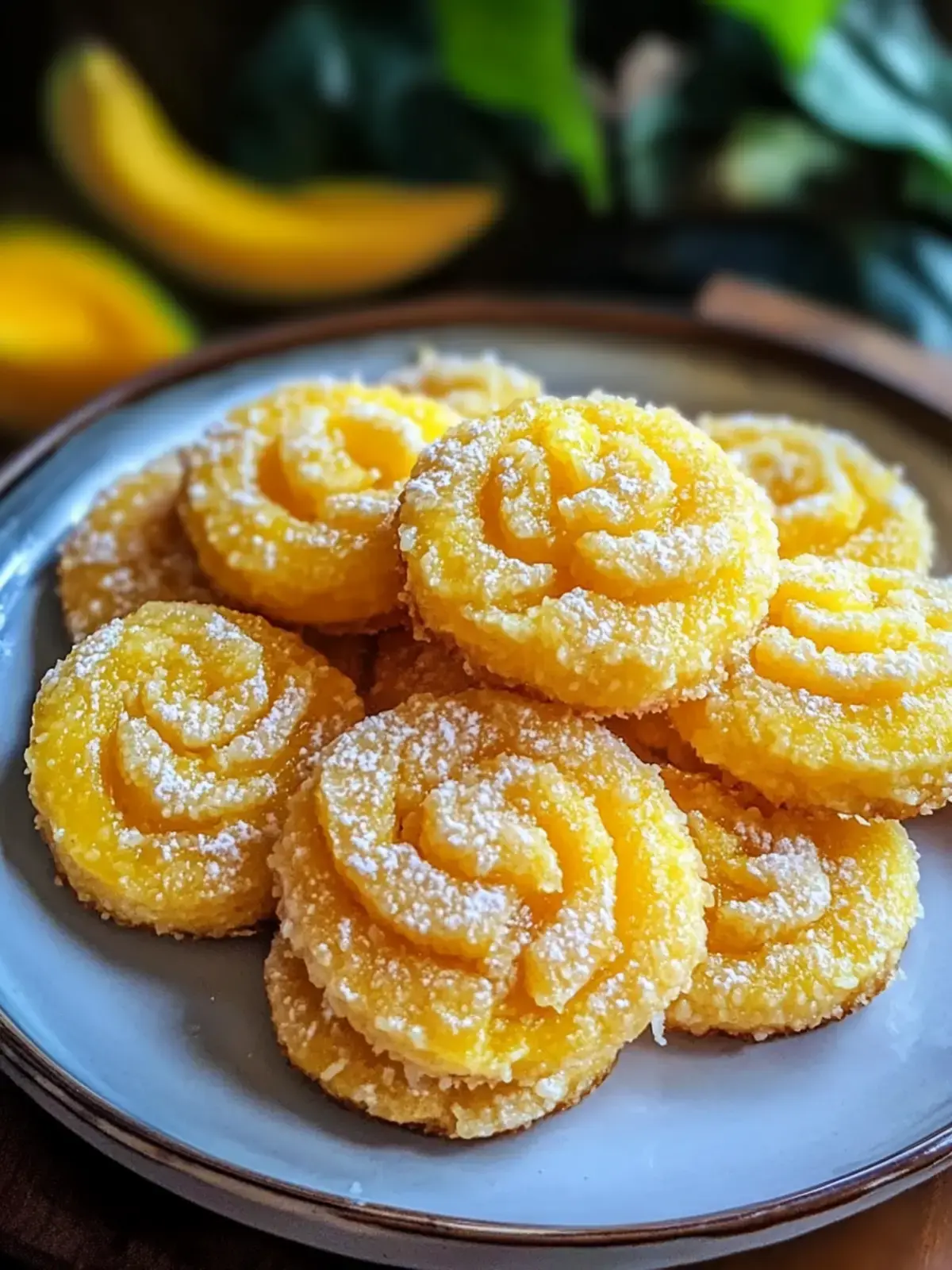
There’s something utterly captivating about the combination of sweet, juicy mango paired with the creamy texture of coconut. Imagine, if you will, the sun-drenched beaches of Thailand, where this delightful pairing comes to life in a traditional dessert.
Well, I’m thrilled to bring a taste of that tropical paradise to your kitchen with my Mango Sticky Rice Cookies! These cookies are a unique twist on the beloved mango sticky rice, merging a chewy and slightly crispy cookie base with luscious mango jam and soft sticky rice. Not only do they radiate flavor, but their vibrant appearance makes for an irresistible treat that will surely impress your family and friends. Whether you’re a seasoned baker or someone just venturing into the baking realm, this recipe is designed for ease and enjoyment, with the promise of bringing a little sunshine to your day. So, grab your ingredients, and let’s dive into a baking adventure that’s bound to become a new favorite!
Why You Will Love This Recipe
- Tropical Delights: These cookies uniquely capture the essence of Thailand’s beloved dessert, bringing sunny flavors into your home. They are a perfect escape to paradise in every bite, reminiscent of warm breezes and exotic locales.
- Easy Baking: No advanced skills are needed! This simple recipe is perfect for bakers of all levels, ensuring success and enjoyment from start to finish. The straightforward steps make it accessible even for beginners.
- Versatile Options: Feel free to customize with optional toppings like toasted coconut or a dash of cinnamon for added flair. This allows for a personal touch, tailoring the cookie to individual preferences and occasions.
- Crowd-Pleasers: Their vibrant appearance and delightful taste will surely impress guests at any gathering. These cookies are guaranteed to be a hit, bringing smiles and compliments wherever they are shared.
- Quick Prep: With just a few simple steps, you can whip up these cookies in no time. This makes them an ideal treat for spontaneous cravings or when you need a delightful dessert in a hurry.
Ingredients You Need
Crafting these Mango Sticky Rice Cookies begins with selecting high-quality ingredients that will ensure a truly authentic and delicious flavor experience. Using fresh, ripe mangoes for the jam will impart a brighter, more intense fruity note, while good quality sweet rice is crucial for achieving that signature chewy texture. The butter and sugars form the foundation of a perfect cookie, providing that delightful balance of chewiness and a hint of crispness. Each component plays a vital role in bringing the tropical essence of mango sticky rice into cookie form, creating a treat that is both familiar and excitingly new.
Mango Sticky Rice Cookies
Experience the delightful fusion of sweet mango and creamy coconut in these Mango Sticky Rice Cookies. This recipe brings a taste of Thailand's beloved dessert to your kitchen with a unique cookie twist.
- For the Mango Jam: 200g Frozen Mangoes, 1 tbsp White Sugar
- For the Sticky Rice: 0.25 cup Sweet Rice, 0.33 cup Coconut Milk, 3 tbsp Sweetened Condensed Milk
- For the Cookie Dough: 113g Unsalted Butter, 100g Light Brown Sugar, 50g White Sugar, 1 large Egg Yolk + Thick Egg White, 0.5 tsp Vanilla Extract, 0.5 tsp Baking Soda, 0.25 tsp Salt, 1 tbsp Reserved Coconut Cream, 180g All-Purpose Flour
- Optional Toppings: Flaky Sea Salt, Black Sesame Seeds
- 1Prepare Mango Jam: In a medium saucepan, cook frozen mangoes over medium heat until softened. Mash with white sugar until combined. Refrigerate to thicken.
- 2Cook Sticky Rice: Soak sweet rice in water for at least 4 hours, then drain. Steam for 20 minutes until slightly underdone. Combine with coconut milk and condensed milk, reserving 1 tablespoon.
- 3Make Cookie Dough: Cream softened unsalted butter with light brown and white sugars until fluffy. Blend in egg yolk, thick egg white, vanilla extract, and reserved coconut cream.
- 4Combine and Chill: Gradually mix in all-purpose flour, baking soda, and salt until just combined. Do not overmix. Chill dough in the refrigerator for at least 30 minutes.
- 5Assemble & Bake: Preheat oven to 350°F (175°C). Scoop tablespoons of dough, flatten slightly, and swirl in sticky rice and a dollop of mango jam. Bake for 13-15 minutes until edges are golden.
- 6Cool & Serve: Let cookies cool on the baking tray for 10 minutes before transferring to a wire rack to cool completely. Optionally, sprinkle with flaky sea salt or black sesame seeds.
Keywords: Mango, Sticky Rice, Cookies, Tropical, Thai, Dessert, Baking
The quantities for all these essential components are meticulously detailed in the recipe card below, ensuring you have everything you need for baking success.
Variations
For an extra layer of indulgence, consider incorporating toasted coconut flakes into the cookie dough itself. This adds a wonderful subtle crunch and a deeper toasted coconut flavor that complements the mango beautifully. The act of toasting unlocks aromatic compounds, making the coconut more pronounced and engaging.
Another delightful variation involves adding finely chopped macadamia nuts or cashews to the dough. These nuts bring a rich, buttery texture and a satisfying crunch that contrasts wonderfully with the chewy cookie base. Always be mindful of potential nut allergies when serving these to a group, perhaps offering a nut-free version as well.
For those who adore a touch of decadence, a drizzle of melted dark or white chocolate over the cooled cookies offers an elegant finish. The contrast between the fruity mango, creamy coconut, and rich chocolate is truly irresistible. This adds a visual appeal and an extra layer of complex flavor that elevates the cookie to a gourmet level.
You can also introduce a hint of spice by adding a tiny pinch of cayenne pepper or a touch of ground ginger to the cookie dough. This subtle warmth can surprisingly enhance the tropical fruit flavors, creating a more complex and intriguing taste profile. It’s a bold move that pays off in surprising deliciousness.
Exploring different extracts can also lead to exciting new flavor combinations. Substituting vanilla extract with almond extract, for example, can lend a nutty undertone that harmonizes exceptionally well with the sweet mango and coconut. This subtle shift can make the cookies feel both familiar and entirely new.
Consider infusing a bit of citrus zest, like lime or orange, directly into the cookie dough. The bright, zesty notes will cut through the sweetness, adding a refreshing lift that enhances the overall tropical feel. This is especially effective if you’re aiming for a more vibrant and invigorating cookie experience.
For a heartier texture, you can mix in some rolled oats into the cookie dough. This adds a delightful chewiness and a slightly rustic character to the cookies. The oats absorb moisture differently, contributing to a substantial bite that still allows the tropical flavors to shine through.
A creative approach is to fold in small pieces of dried mango into the dough itself. This intensifies the mango flavor throughout the cookie and provides little pockets of chewy, concentrated fruitiness. It’s like having mini mango bursts within each bite.
For a truly unique twist, consider adding a whisper of cardamom to the dough. This aromatic spice, often used in South Asian and Middle Eastern cuisines, has a subtle floral and slightly citrusy note that pairs surprisingly well with mango and coconut. It adds an unexpected layer of exotic complexity.
How to Prepare Mango Sticky Rice Cookies
Step 1: Crafting the Luscious Mango Jam
Begin by preparing the vibrant mango jam that will be the heart of your cookies. In a medium saucepan, combine the frozen mangoes with a tablespoon of white sugar. Place this mixture over medium heat. You’ll want to cook it gently, stirring occasionally, until the mangoes have completely softened and are easily mashable. This process typically takes about 5-7 minutes, depending on the size of the mango pieces.
Once the mangoes are tender, use a fork or a potato masher to mash them directly in the saucepan until you achieve a relatively smooth consistency. It’s perfectly fine if there are a few small chunks remaining, as this adds to the rustic charm of the jam. Stir in the white sugar until it is fully incorporated and the mixture starts to thicken slightly as it warms. The sugar helps to sweeten the jam and also aids in its preservation and texture.
Remove the saucepan from the heat and let the mango jam cool completely. You can then transfer it to a small bowl or container and place it in the refrigerator to chill. Allowing the jam to cool and thicken in the fridge is crucial. It ensures that when you add it to the cookie dough later, it won’t melt the butter or make the dough too soft to handle. Aim for a consistency that is spreadable but not overly runny, almost like a thick fruit preserve.
The chilling process for the jam is not just about texture; it also allows the flavors to meld together more harmoniously. As the jam cools, the natural sweetness of the mango and the sugar will combine, creating a more balanced and intense fruity flavor profile. This concentrated mango goodness will be a star component in every cookie.
Ensure the jam is cool before proceeding to the next steps. If it’s still warm, it can negatively impact the cookie dough’s structure. Patience here will pay off in the final cookie’s overall quality and appeal. This careful preparation sets the stage for the delightful mango bursts in your cookies.
Step 2: Preparing the Perfect Sticky Rice
The sticky rice component is essential for capturing the authentic essence of mango sticky rice in cookie form. Begin by soaking your sweet rice (also known as glutinous rice) in cool water for at least 4 hours, or preferably overnight. This soaking period is critical for softening the rice grains, allowing them to cook evenly and develop that signature chewy, sticky texture. Without adequate soaking, the rice can remain hard and chalky, which would compromise the cookie’s texture.
After soaking, drain the rice thoroughly in a fine-mesh sieve. You want to remove as much excess water as possible before steaming. Place the drained rice in a steamer basket lined with cheesecloth or parchment paper to prevent the rice from sticking. Steam the rice over simmering water for approximately 20-25 minutes, or until it is tender and cooked through but still retains a slight chewiness. It should be slightly underdone, as it will continue to cook slightly when mixed with the warm liquids.
In a separate small saucepan, gently heat the coconut milk with the sweetened condensed milk. Stir this mixture until it is warm and well combined, but do not let it boil. The goal is to warm the liquids to help them absorb into the steamed rice without cooking it further. This warm, sweet, coconutty liquid is the key to creating the creamy, flavorful sticky rice base for your cookies.
Carefully pour the warm coconut milk mixture over the steamed sweet rice. Gently fold the liquids into the rice using a spatula or spoon until everything is evenly distributed. At this stage, reserve about 1 tablespoon of this luscious sticky rice mixture to incorporate into your cookie dough later. This reserved portion will add an extra layer of coconutty moisture and flavor directly into the cookie dough itself.
Cover the remaining sticky rice mixture and let it sit for about 10-15 minutes. This allows the rice to absorb the remaining liquid and become perfectly sticky and creamy. You want a consistency that is moist and slightly clumpy, not wet or soupy. It should be pliable enough to be swirled into the cookie dough.
The texture of the sticky rice is paramount; it should be soft and yielding, but with a distinct chewiness that is characteristic of this beloved dessert. Overcooking the rice can make it mushy, while undercooking will leave it too hard. The combination of soaking and steaming for the right duration, followed by absorption of the coconut milk mixture, is the secret to achieving this balance.
Step 3: Whipping Up the Cookie Dough Base
Now, let’s create the foundation for our delightful cookies: the dough. In a large mixing bowl, combine the softened unsalted butter with both the light brown sugar and the white sugar. Using softened butter is crucial; it should be pliable but not melted. This allows for optimal creaming, incorporating air into the mixture which contributes to the cookie’s texture.
Using an electric mixer (handheld or stand mixer), cream the butter and sugars together until the mixture is light in color and wonderfully fluffy. This process, known as creaming, can take anywhere from 2 to 5 minutes. It’s essential for developing a tender cookie crumb and a pleasant chewiness. Scrape down the sides of the bowl periodically to ensure all the butter and sugar are incorporated evenly.
Next, incorporate the wet ingredients into the creamed butter and sugar mixture. Add the egg yolk, the thick egg white (this helps bind and provide moisture without making the dough too wet), and the vanilla extract. Also, stir in the reserved 1 tablespoon of the prepared coconut cream from the sticky rice mixture. This addition contributes a subtle coconut flavor and extra moisture directly into the cookie dough.
Beat these ingredients together until they are just combined and the mixture is smooth. Be careful not to overmix at this stage, as overworking the dough can lead to tougher cookies. The goal is to emulsify the ingredients, creating a rich and cohesive base for your cookie dough. Ensure all the ingredients are well blended before proceeding to the dry ingredients.
The aroma of vanilla and butter at this stage is incredibly inviting, hinting at the deliciousness to come. This creamy, fragrant mixture is the perfect canvas for the dry ingredients and the exciting tropical elements you’ll add soon. It’s a significant step towards achieving that perfect cookie texture.
The sweetness from both types of sugar contributes to the cookie’s characteristic chewiness. Light brown sugar contains molasses, which adds moisture and a slightly caramel-like flavor, while white sugar contributes to crispness and sweetness. The balance between them is key to a superior cookie texture.
Step 4: Bringing It All Together and Chilling the Dough
In a separate medium bowl, whisk together the all-purpose flour, baking soda, and salt. Whisking these dry ingredients ensures that the baking soda and salt are evenly distributed throughout the flour, preventing pockets of saltiness or uneven leavening in your cookies. The salt is crucial for balancing the sweetness and enhancing the overall flavor of the cookies.
Gradually add the dry ingredients to the wet ingredients in the large mixing bowl. Mix on low speed or by hand with a spatula until just combined. It is very important not to overmix the dough at this point. Overmixing can develop the gluten in the flour too much, resulting in tough, dense cookies rather than the chewy ones we desire. Stop mixing as soon as you no longer see streaks of dry flour.
Once the dough is just combined, it will likely be quite soft and slightly sticky. This is normal, especially with the addition of the coconut cream. To make the dough easier to handle and to allow the flavors to meld and deepen, it’s essential to chill it. Cover the bowl tightly with plastic wrap or transfer the dough to an airtight container.
Refrigerate the cookie dough for at least 30 minutes. This chilling period allows the fats in the butter to firm up, making the dough less sticky and easier to scoop and shape. It also gives the flour a chance to hydrate properly and the flavors to develop, leading to a more flavorful and texturally superior cookie. For an even more intense flavor, you can chill the dough for longer, even up to 24 hours.
The chilling step is a crucial part of the cookie-making process, particularly for recipes like this where a balanced texture is key. It helps prevent the cookies from spreading too much during baking, ensuring they hold their shape and that delightful swirl of mango and sticky rice. This patient approach truly elevates the final product.
When the dough is chilled, it should be firm enough to scoop and shape without excessive sticking. If you find it is still a little too soft after chilling, you can briefly place it in the freezer for about 10-15 minutes, or until it reaches a workable consistency. This is a common technique for achieving perfect cookie shapes.
Step 5: Assembling and Baking the Tropical Cookies
Preheat your oven to 350°F (175°C). Line baking sheets with parchment paper or silicone baking mats. This prevents the cookies from sticking to the baking sheets and ensures even baking and easy removal. Make sure your baking sheets are cool before placing the scooped dough onto them, as hot baking sheets can cause the cookies to spread too quickly.
Scoop rounded tablespoons of the chilled cookie dough onto the prepared baking sheets, leaving about 2 inches of space between each cookie to allow for spreading. Gently flatten each scoop of dough slightly with the palm of your hand or the bottom of a glass. This creates a surface that will easily accommodate the sticky rice and mango jam swirl.
Now for the fun part: creating the signature swirl. Take a small amount of the prepared sticky rice (about half a teaspoon) and place it in the center of each flattened cookie dough disc. Then, add a small dollop of the cooled mango jam on top of the sticky rice. Using a toothpick or the tip of a small knife, gently swirl the sticky rice and mango jam into the cookie dough. Be creative with your swirls; they don’t need to be perfect, as the natural patterns will look beautiful once baked.
Bake the cookies in the preheated oven for 13 to 15 minutes, or until the edges are lightly golden brown. The centers should still appear slightly soft. These cookies are meant to be slightly chewy, so avoid overbaking, which will result in dry, crisp cookies. Keep a close eye on them during the last few minutes of baking, as oven temperatures can vary.
The aroma filling your kitchen at this point will be absolutely divine – a tropical blend of mango, coconut, and sweet baked goods. This is the moment where all your preparation comes to fruition, creating a truly unique and aromatic baking experience. The visual appeal of the swirls will be evident even before they are fully cooled.
The combination of the chewy cookie base, the creamy sticky rice, and the intensely fruity mango jam creates a delightful symphony of textures and flavors in every bite. It’s this interplay that makes these cookies so uniquely satisfying and reminiscent of the beloved dessert they are inspired by.
Step 6: Cooling and Finishing Touches
Once the cookies are baked, remove the baking sheets from the oven. Allow the cookies to cool on the baking sheets for about 10 minutes. This resting period is important because the cookies are very soft and fragile when they first come out of the oven. Letting them sit on the hot baking sheet allows them to firm up slightly, making them easier to transfer without breaking.
After the initial cooling period on the baking sheet, carefully use a spatula to transfer the cookies to a wire cooling rack. Let them cool completely on the wire rack. Cooling on a rack allows air to circulate around the cookies, preventing the bottoms from becoming soggy. This is essential for achieving the desired texture: a slightly crisp edge with a delightfully chewy center.
As the cookies cool, the flavors will continue to meld and develop further. The intense sweetness of the mango and the richness of the coconut will become even more pronounced. This cooling phase is as critical as the baking itself in achieving the perfect final product.
For an optional, yet highly recommended, finishing touch, sprinkle a tiny pinch of flaky sea salt over the warm cookies just before they are completely cool. The salt provides a beautiful counterpoint to the sweetness, enhancing all the flavors and adding a sophisticated savory note. It really makes the tropical flavors pop and creates a more complex taste experience that is utterly irresistible.
Alternatively, you could sprinkle some toasted black sesame seeds over the cookies for a visual contrast and a subtle nutty flavor. These seeds not only add a decorative element but also provide a slight crunch that complements the soft textures of the cookie. They also tie back to the visual aesthetic of traditional mango sticky rice.
Ensure the cookies are completely cool before storing them. Storing warm cookies can lead to condensation inside the storage container, making them soft and potentially causing them to stick together or spoil faster. Patience during the cooling process ensures the best texture and longevity for your Mango Sticky Rice Cookies.
Pro Tips for Mango Sticky Rice Cookies
Achieve the Perfect Jam Consistency: For your mango jam, aim for a thick, spreadable consistency before adding it to the cookies. If it seems too runny, continue cooking it over low heat, stirring frequently, until it reduces and thickens. This prevents the jam from making the cookie dough too wet or causing the cookies to spread excessively during baking. A jam that’s too thin can seep out, compromising the visual appeal and texture.
Master the Sticky Rice Texture: The key to authentic mango sticky rice cookies is the sticky rice itself. Ensure it’s slightly underdone when steamed; it should be tender but still have a satisfying chew. Oversteamed rice will become mushy and lose its distinct texture within the cookie. The soaking step is also non-negotiable for optimal results, as it ensures even cooking and the perfect gummy consistency.
Don’t Skip the Dough Chill: Chilling the cookie dough for at least 30 minutes is a critical step that cannot be overstated. This allows the butter to firm up, making the dough much easier to handle and shape. Furthermore, chilling allows the flavors to meld and deepen, resulting in a more delicious cookie. It also helps prevent the cookies from spreading too much in the oven, ensuring they maintain their delightful shape and texture.
Gentle Mixing is Key: When combining the dry ingredients with the wet ingredients, mix only until just combined. Overmixing the flour can develop the gluten excessively, leading to tough, hard cookies. We are aiming for a tender, chewy texture, so a light hand during this stage is paramount. Stop mixing as soon as you no longer see any dry flour streaks.
Embrace Experimentation: These cookies are a fantastic canvas for creativity! Don’t hesitate to experiment with different toppings or slight additions to the dough. A sprinkle of lime zest, a few drops of coconut extract, or a touch of cardamom can all add unique dimensions to the flavor profile. Feel free to adapt the recipe to your personal taste preferences and discover new favorite combinations.
Temperature Control is Crucial: Ensure your butter is properly softened, not melted, for the cookie dough. Similarly, the mango jam must be completely cooled before adding it to the dough. Working with ingredients at the correct temperature significantly impacts the dough’s consistency and the final cookie’s texture. This attention to detail ensures optimal baking conditions.
Balance Sweetness with Salt: The subtle addition of salt in the cookie dough and the optional flaky sea salt on top are not just for flavor enhancement; they are crucial for balancing the sweetness. This contrast makes the tropical flavors of mango and coconut even more pronounced and enjoyable, preventing the cookies from being cloyingly sweet. It elevates the entire sensory experience.
Visual Appeal Matters: While flavor is paramount, the visual appeal of these cookies is also important. Take a moment to create appealing swirls with the mango jam and sticky rice. A little effort in presentation can make these cookies even more enticing, transforming them from a simple bake into a delightful culinary art piece.
Serving Suggestions for Mango Sticky Rice Cookies
Decoration
Elevate the visual appeal of your Mango Sticky Rice Cookies with simple yet striking decorations. A dusting of powdered sugar can give them a delicate, snow-kissed appearance, reminiscent of a cool tropical evening. For a more vibrant look, consider a light drizzle of melted white chocolate or a contrasting dark chocolate over the tops. This adds both visual interest and an extra layer of indulgence.
Toasted coconut flakes are an absolute must-consider for decoration. They not only enhance the tropical theme but also add a pleasing crunch and a beautiful golden-brown hue. A careful sprinkle of these can transform an already delicious cookie into a work of art. Consider using finely shredded coconut for a delicate touch or larger flakes for a more pronounced texture.
A sprinkle of edible gold dust or edible glitter can add a touch of luxury and festivity, perfect for special occasions or celebrations. For a pop of color, especially if you’ve used a particularly vibrant mango jam, consider topping the cookies with a tiny sliver of fresh mango or a small candied ginger piece. These small touches make a big impact.
Black sesame seeds provide a striking visual contrast against the lighter cookie base and the mango swirl. Their small size makes them easy to scatter, and they offer a subtle nutty flavor that complements the other ingredients. Arrange them in patterns or simply scatter them for an artistic flair. This is particularly effective when paired with a light-colored glaze or frosting.
Side Dishes
Complement your Mango Sticky Rice Cookies with refreshing side dishes that enhance the tropical experience. A vibrant tropical fruit salad, featuring pineapple, papaya, kiwi, and dragon fruit, offers a burst of freshness that beautifully balances the sweetness of the cookies. The varied textures and natural sweetness of the fruits create a delightful palate cleanser.
For a truly decadent pairing, serve these cookies alongside a scoop of creamy coconut macadamia nut ice cream or a refreshing mango sorbet. The cold, smooth texture of the ice cream or sorbet provides a wonderful contrast to the chewy cookie. This combination amplifies the tropical flavors, creating a harmonious dessert experience that is both comforting and exotic.
A glass of chilled Thai iced tea or a refreshing iced green tea makes an excellent beverage accompaniment. The creamy, aromatic notes of Thai iced tea or the subtle, grassy flavor of green tea beautifully complement the rich flavors of the cookies without overpowering them. These beverages offer a welcome respite from the sweetness.
Consider a light, sparkling beverage like a passion fruit spritzer or a ginger ale infused with lime. The effervescence and subtle tartness of these drinks can cut through the richness of the cookies, making each bite feel fresh and invigorating. They are perfect for a warm afternoon treat. This enhances the overall sensory journey.
For a more substantial pairing, a light and airy chiffon cake or a delicate pound cake with a hint of citrus can provide a complementary texture and flavor profile. These items offer a softer bite, allowing the intense flavors of the mango sticky rice cookies to remain the star while providing a complete dessert experience. They act as a gentle stage for the cookies’ bold flavors.
Creative Serving Ideas
Transform your Mango Sticky Rice Cookies into an elegant dessert platter by arranging them artfully with fresh mango slices and small bowls of coconut cream for dipping. This presentation highlights the cookies’ origin and allows guests to customize their experience. Adding a few edible flowers can further enhance the visual appeal, creating a truly tropical tableau.
Package them in decorative tins or boxes tied with a ribbon for a thoughtful and delicious homemade gift. These cookies travel well and are always appreciated, making them perfect for birthdays, holidays, or as a thank-you gesture. A handwritten tag detailing the ingredients and inspiration adds a personal touch that guests will cherish.
Create mini versions of these cookies for a charming addition to a tea party or a children’s birthday celebration. Their small size makes them incredibly appealing and easy for little hands to manage. They are a delightful way to introduce children to unique flavor combinations in a fun and accessible format.
Serve these cookies as part of a larger dessert buffet, perhaps alongside other tropical-themed treats like passion fruit tarts or pineapple upside-down cupcakes. This allows guests to explore a range of flavors and textures, creating a cohesive and memorable dessert experience. The cookies can serve as a delightful anchor to a tropical theme.
For a unique twist, crumble the cooled cookies and use them as a base for mini no-bake cheesecakes, layering them with a cream cheese filling and a mango topping. This transforms the cookie into an integral component of another delightful dessert, showcasing its versatility and rich flavor in a new context. It’s a way to reinvent a beloved treat.
Preparation & Storage
Storing Leftovers
To keep your Mango Sticky Rice Cookies delightfully chewy and flavorful, proper storage is key. Once completely cooled, store them in an airtight container at room temperature. This prevents them from drying out and maintains their ideal texture for up to 3 days. Ensure the container is indeed airtight to lock in moisture and prevent staleness. Avoid placing them in direct sunlight or near heat sources, which can affect their consistency.
If you live in a particularly humid climate, you might find that storing the cookies in the refrigerator for a slightly longer period, up to 5 days, can be beneficial. However, it’s important to ensure they are well-covered in the refrigerator to prevent them from absorbing unwanted odors from other foods. When stored in the fridge, the cookie’s texture might firm up slightly, but this can be easily remedied.
It’s best to store them in a single layer if possible, especially if they have a lot of toppings, to prevent them from sticking to each other. If stacking is unavoidable, placing a piece of parchment paper between layers can help maintain their individual integrity. This simple step prevents any damage to the cookies’ delicate structure and toppings.
Always check the cookies before consuming them after extended storage. Look for any signs of spoilage, although if stored correctly in an airtight container, they should remain fresh and delicious for the recommended period. The primary goal is to preserve that wonderful balance of chewy and slightly crisp textures.
These cookies are best enjoyed fresh, but knowing how to store them properly ensures you can savor their tropical goodness over several days. The airtight container is your best friend in preserving their delightful chewiness and preventing them from becoming hard or stale.
Freezing
Mango Sticky Rice Cookies freeze exceptionally well, making them a perfect candidate for make-ahead baking. You can freeze both the unbaked cookie dough and the fully baked and cooled cookies. For unbaked cookie dough, scoop it into balls, place them on a parchment-lined baking sheet, and freeze until solid. Once frozen, transfer the cookie dough balls to a freezer-safe airtight container or a heavy-duty freezer bag, separating layers with parchment paper if necessary.
Baked and cooled cookies can also be frozen. Ensure they are completely cool before wrapping them individually in plastic wrap, then placing them in a freezer-safe container or bag. This double-layer protection helps prevent freezer burn and maintains the cookies’ quality. Properly frozen, both dough and baked cookies can be stored for up to 2 months, retaining their excellent flavor and texture.
When you are ready to bake from frozen dough, there’s no need to thaw completely. You can bake the frozen dough balls directly in a preheated oven, likely adding a few extra minutes to the baking time. For baked cookies, allow them to thaw at room temperature or gently reheat them.
Freezing is an excellent strategy for having these delightful tropical treats on hand for unexpected guests or cravings. It’s a way to prepare in advance and ensure you always have a delicious homemade dessert ready to go. The freezer is a true ally for any baker who likes to be prepared.
The key to successful freezing is ensuring a good seal to prevent air exposure, which can lead to drying out or freezer burn. Invest in good quality freezer bags or containers for the best results. This step ensures that the flavor and texture are as close to freshly baked as possible when you’re ready to enjoy them.
Reheating
If you have frozen baked cookies, or if your room-temperature cookies have become a bit firm, reheating is a simple process that will revive their delightful texture. Preheat your oven to a low temperature, around 300°F (150°C). Place the cookies directly on a baking sheet or on a piece of parchment paper on the baking sheet.
Reheat the cookies for 3-5 minutes, or just until they are warmed through. Be careful not to overheat them, as this can cause them to become dry or overcooked. The goal is to gently warm them, softening the cookie and reawakening the flavors, especially the chewy elements. This quick reheat can make them taste almost as good as when they were first baked.
For frozen dough balls that you are baking from frozen, preheat your oven as usual to 350°F (175°C). Place the frozen dough balls on a prepared baking sheet and bake. You will likely need to add an additional 2-4 minutes to the baking time compared to baking thawed dough. Keep an eye on them to ensure they bake to a lovely golden brown without becoming too crisp.
If your cookies have simply become a little too firm at room temperature, a brief warming in a toaster oven on a low setting for a minute or two can also do wonders. The quick, gentle heat can help soften the cookie without overcooking it. This is a quick fix for a slightly less-than-perfect texture.
After reheating, allow the cookies to cool for a minute or two before enjoying. They will be soft and fragrant, and the mango and coconut flavors will be beautifully aromatic. This reheating method is especially effective at bringing back that desirable chewy texture that is characteristic of these special cookies.
Frequently Asked Questions
-
What kind of mangoes should I use for the jam?
For the mango jam, you can use either frozen mango chunks or fresh, ripe mangoes. Frozen mangoes are often more convenient and provide a consistent flavor and texture, as they are typically picked when ripe and flash-frozen. If you opt for fresh mangoes, choose ones that are slightly soft to the touch and have a sweet, fragrant aroma, as these will yield the best flavor. Varieties like Ataulfo (honey mango) or Kent are excellent choices due to their sweetness and smooth texture. When using fresh mangoes, be sure to peel and chop them into similar-sized pieces for even cooking.
-
How long can I store my Mango Sticky Rice Cookies?
Mango Sticky Rice Cookies can be stored in an airtight container at room temperature for up to 3 days, which is ideal for preserving their chewy texture. If you’re in a warmer climate or want them to last a bit longer, storing them in the refrigerator can extend their life to around 5 days. Just ensure they are well-covered in the fridge to prevent them from absorbing other food odors. For longer storage, freezing is the best option, allowing them to be kept for up to 2 months when properly packaged.
-
Can I freeze the cookie dough or baked cookies?
Absolutely! Freezing is an excellent way to keep these delightful cookies on hand. You can freeze the cookie dough for up to 2 months. To do this, scoop the dough into balls, place them on a parchment-lined baking sheet, and freeze until solid before transferring them to an airtight freezer container or bag. Baked cookies should be cooled completely, then individually wrapped in plastic wrap and placed in a freezer-safe container or bag for up to 2 months. When ready to enjoy, baked cookies can be thawed at room temperature or gently reheated, and frozen dough can be baked directly from frozen, usually requiring a few extra minutes of baking time.
-
What should I do if my cookie dough feels too sticky?
If your cookie dough feels too sticky to handle, it’s often due to humidity or variations in ingredient moisture. The best immediate solution is to chill the dough in the refrigerator for about 30 minutes. This will help the fats solidify, making the dough firmer and easier to scoop and shape. If it remains slightly sticky after chilling, you can lightly dust your hands or your cookie scoop with a small amount of flour before shaping. Avoid adding too much extra flour to the dough itself, as this can alter the texture and make the cookies dry.
-
Are there any dietary considerations I should be aware of?
Yes, while the recipe is delicious as is, some dietary modifications are possible. For a dairy-free version, you can substitute the unsalted butter with a high-quality vegan butter alternative and ensure your condensed milk is also dairy-free. When adding optional toppings like nuts or coconut, always be mindful of common allergies; it’s wise to offer a nut-free variation if serving to a group with diverse dietary needs. Always check ingredient labels to ensure they meet your specific dietary requirements, especially for allergens like dairy, gluten (if using gluten-free flour), and nuts.