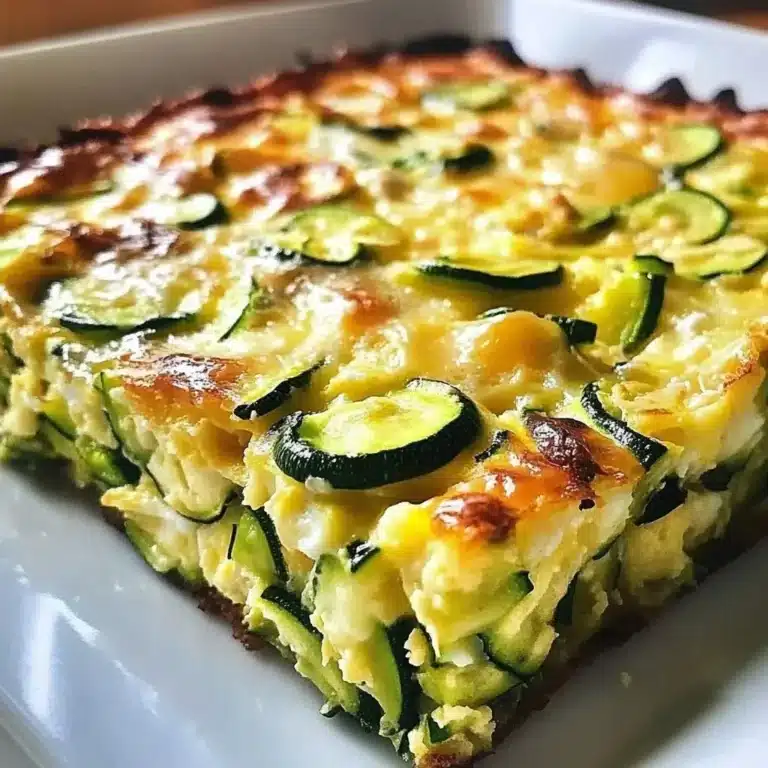
Cottage Cheese Flatbread (High-Protein): The Ultimate Delicious Wrap

Discovering a healthy, high-protein alternative to traditional wheat bread can feel like a culinary revelation for those monitoring their carbohydrate intake. This cottage cheese flatbread recipe provides a remarkably simple solution that delivers both satisfying texture and impressive nutritional value for your daily lunch routine. By utilizing the unique properties of cottage cheese and eggs, you can create a versatile base that works perfectly for almost any meal.
Whether you are strictly following a low-carb lifestyle or simply looking to increase your protein intake, this bread is a game-changer. It is light, pliable enough to roll into wraps, and sturdy enough to handle your favorite sandwich fillings without falling apart. The best part is how incredibly quick it is to prepare, allowing you to enjoy fresh, warm bread without the long waiting times associated with yeast-based recipes.
Why You Will Love This Recipe
- High Protein Content: Packed with quality protein from cottage cheese and eggs, this flatbread supports muscle health and keeps you feeling full for hours.
- Gluten-Free Goodness: Made entirely without wheat flour or grains, it is the perfect choice for anyone with gluten sensitivities or those following a strictly gluten-free lifestyle.
- Low-Carb Delight: With a significantly lower carbohydrate count compared to standard loaves, it fits perfectly into keto or low-carb meal plans for your dinner ideas.
- Quick and Easy: With minimal pantry staples and a straightforward blending process, you can have this nutritious bread ready in very little time.
- Versatile Application: Use it as a base for healthy pizzas, wrap it around grilled vegetables, or toast it as a unique sandwich bread to elevate your breakfast experience.
Ingredients You Need
High-quality ingredients are the secret to achieving the best possible texture and flavor in this simple recipe. Using fresh cottage cheese and good-quality eggs ensures a consistent result every time you step into the kitchen. Please note that exact quantities and measurements can be found in the recipe card provided below for your convenience.
Cottage Cheese Flatbread (High-Protein)

Cottage Cheese Flatbread is a delightful, healthy, and high-protein alternative to traditional bread. Perfect as a wrap, pizza crust, or sandwich bread, this gluten-free and low-carb option is both nutritious and versatile.
- 1 cup cottage cheese (full-fat, reduced-fat, or fat-free)
- 2 large eggs
- 1 tsp Italian seasoning
- Optional: Oregano for topping
- 1Preheat your oven to 350°F (176°C).
- 2In a food processor or blender, combine cottage cheese, eggs, garlic powder, and Italian seasoning. Blend until the mixture is perfectly smooth.
- 3Line a baking sheet with parchment paper and lightly spray with cooking oil.
- 4Pour the batter onto the prepared baking sheet and spread evenly with a spatula. If desired, sprinkle some oregano on top.
- 5Bake for 30–35 minutes until the edges are golden brown.
- 6Remove from the oven and let it cool completely for 30–40 minutes to ensure it sets properly before slicing.
Keywords: Cottage Cheese Flatbread, High-Protein Bread, Gluten-Free Bread, Low-Carb Recipe, Healthy Wraps, Keto Bread
- cottage cheese: the foundation of the recipe, providing structure and protein while keeping the bread moist and flavorful.
- large eggs: essential for binding the ingredients together and helping the flatbread rise slightly while maintaining its pliability.
- garlic powder: adds a savory depth of flavor that pairs beautifully with the creamy base of the cottage cheese.
- italian seasoning: provides a complex blend of aromatic herbs like basil, oregano, and thyme to enhance the overall taste.
- oregano: an optional topping that adds a pop of Mediterranean flair and a fragrant finish to the crust.
Variations
If you want to experiment with flavor profiles, try adding fresh minced herbs like parsley or chives directly into the blender for a vibrant, herbaceous flatbread. These fresh additions turn a standard recipe into something much more specialized and aromatic.
For a dairy-free or specific dietary twist, you can explore plant-based cottage cheese alternatives, though results may vary based on moisture content. Always ensure your alternative is thick and well-drained to maintain the proper structural integrity of your flatbread.
If you enjoy a bit of heat, add a pinch of red pepper flakes or smoked paprika into the batter. This slight infusion of spice pairs exceptionally well with savory fillings like turkey, avocado, or roasted red peppers.
How to Prepare Cottage Cheese Flatbread
Step 1: Preparing Your Equipment
Start by preheating your oven to 350°F (176°C) to ensure a consistent baking environment. While the oven is warming up, gather your food processor or high-speed blender, as these are essential for achieving the necessary smooth consistency. Preparation is key to ensuring your baked lemon chicken side dishes or other mains are ready to be served alongside the bread.
Make sure your baking sheet is prepared by lining it with high-quality parchment paper. This step is vital to prevent the high-protein batter from sticking to the metal surface. A light coating of cooking spray on top of the parchment paper further guarantees that your flatbread will peel away perfectly once baked.
Step 2: Blending the Ingredients
Add your cottage cheese, large eggs, garlic powder, and Italian seasoning into the bowl of your food processor. Ensure you are using the correct ratios to maintain the right balance of fats and proteins. Using a high-speed setting, blend the mixture for at least one minute until it reaches a uniform, silky texture.
Stopping to scrape down the sides of the bowl with a silicone spatula is a helpful trick to incorporate all the cottage cheese curds. A perfectly smooth batter will result in a more cohesive and professional-looking flatbread. If you notice any large chunks remaining, continue pulsing until the mixture is completely homogeneous.
Step 3: Spreading the Batter
Pour your prepared batter directly onto the center of the lined baking sheet. Using your spatula, gently spread the liquid towards the edges until you have a thin, even layer across the entire pan. Consistency in thickness is crucial for ensuring that the bread cooks evenly without burning on one side.
If you have chosen to use extra oregano or other seasonings, sprinkle them evenly across the surface at this time. This gives the bread an appetizing look and adds a delicious crust. Try to keep the edges slightly thicker if you prefer a sturdier wrap, or spread it thin for a crispy cracker-style base.
Step 4: The Baking Process
Place your baking sheet carefully into the center rack of your preheated oven. Bake for approximately 30 to 35 minutes, keeping a close eye on the appearance of the crust. You are looking for a beautiful golden-brown color that signifies the proteins have set and the moisture has evaporated.
If you find that your oven runs hot, you may want to check on the progress at the 25-minute mark. A slightly thicker pour of batter will naturally require more time in the heat, sometimes reaching up to 50 minutes. Trust your visual cues more than the timer, ensuring the edges are firm and slightly toasted.
Step 5: The Cooling Phase
Once the baking time is complete, remove the sheet from the oven and let it sit at room temperature. Allowing the bread to cool for 30 to 40 minutes is absolutely essential for the final structure. This cooling period allows the steam to release and the proteins to firm up, preventing the bread from crumbling or tearing when you finally slice it.
During this time, you might feel tempted to cut into it, but patience will yield the best results for your easy lobster bisque pairing. Once completely cooled, you can easily peel the parchment paper away from the base. You now have a flexible, high-protein bread ready for any creative culinary application.
Pro Tips for Cottage Cheese Flatbread
Tip: Always ensure your cottage cheese is well-drained if it is particularly watery, as excess liquid can make the batter too thin and prevent it from crisping properly. A quick strain through a fine-mesh sieve can make a world of difference for the final texture.
The Best Part: Don’t be afraid to experiment with the thickness of your pour to suit your specific meal needs. A thinner pour creates a flexible wrap, while a thicker pour provides a sturdy foundation for pizza or open-faced sandwiches.
Avoid the Burn: Since the cottage cheese contains natural sugars and proteins, keep a watchful eye during the final stages of baking. If you notice the edges browning too quickly, you can tent a piece of aluminum foil over the top to protect the center.
Storage Strategy: If you plan to store the bread for more than a day, keep it in an airtight container with a paper towel to absorb any residual moisture. This simple step keeps the texture perfect for a longer duration.
Serving Suggestions for Cottage Cheese Flatbread
Decoration
Enhance the visual appeal of your flatbread by garnishing it with fresh herbs like chopped parsley, chives, or even microgreens. A light drizzle of high-quality olive oil just before serving adds a luxurious mouthfeel and a beautiful sheen. You can also sprinkle a bit of grated parmesan or feta cheese on top for an extra salty kick.
Side Dishes
Pair this bread with a vibrant, crunchy salad featuring cucumbers, tomatoes, and kalamata olives to complement the creamy flavor of the cottage cheese. A side of roasted root vegetables or a zesty citrus-infused slaw also works wonders. For a heartier meal, consider serving a bowl of warm soup, which is often a fantastic way to enjoy the bread as a dipping component.
Creative Serving Ideas
Use the bread as the base for a quick Mediterranean pizza by adding tomato sauce, mozzarella, and spinach before a quick re-heat in the oven. For breakfast, spread some almond butter and sliced strawberries on a warm piece of flatbread for a high-protein start to your day. You can even cut the bread into small triangles and bake them longer to create homemade, protein-packed crackers for your favorite dips.
Preparation & Storage
Storing Leftovers
Leftover flatbread should be stored in an airtight container to prevent it from drying out. Keep it in the refrigerator for up to three days for the best quality and safety. Always ensure it has reached room temperature before sealing it, as trapping heat can create condensation and make the bread soggy.
Freezing
For longer storage, you can freeze individual slices of the flatbread for up to three months. Wrap each piece tightly in plastic wrap and then place them into a freezer-safe bag to prevent freezer burn. When you are ready to use them, they can be easily separated and thawed individually.
Reheating
To restore the original texture, reheat the flatbread in a 350°F (176°C) oven for about 10 minutes until it is warmed through. If you are in a rush, a quick turn in a dry skillet over medium heat will also crisp up the edges nicely. Avoid the microwave if possible, as it tends to make the high-protein bread slightly chewy rather than toasted.
Frequently Asked Questions
-
Why is my cottage cheese flatbread crumbling after baking?
Crumbling usually occurs when the flatbread has not been allowed to cool long enough before slicing. It is crucial to let it set at room temperature for at least 30 to 40 minutes, as this allows the protein structure to fully stabilize. Additionally, ensure that you haven’t underbaked the bread, as a wet center will lack the necessary structural integrity.
-
Can I use fat-free cottage cheese for this recipe?
Yes, you can use fat-free, reduced-fat, or full-fat cottage cheese successfully with this method. While full-fat options often provide a slightly richer flavor and softer texture, the chemistry of the protein remains effective for binding regardless of the fat content. Ensure you blend the mixture until very smooth to achieve the best consistency for your specific choice of cheese.
-
Is it possible to use this as a pizza crust for a family meal?
Absolutely, this flatbread makes an excellent, nutrient-dense pizza crust that is much lighter than traditional dough. After the initial bake, simply add your desired tomato sauce, toppings, and cheese, then bake at 400°F (204°C) for another 10 to 15 minutes. It is a fantastic way to satisfy pizza cravings while maintaining a healthier, higher-protein diet. You can find more inspiration for your culinary projects at Pinterest.