Sticky Beef Noodles: The Ultimate Quick Dinner Delight
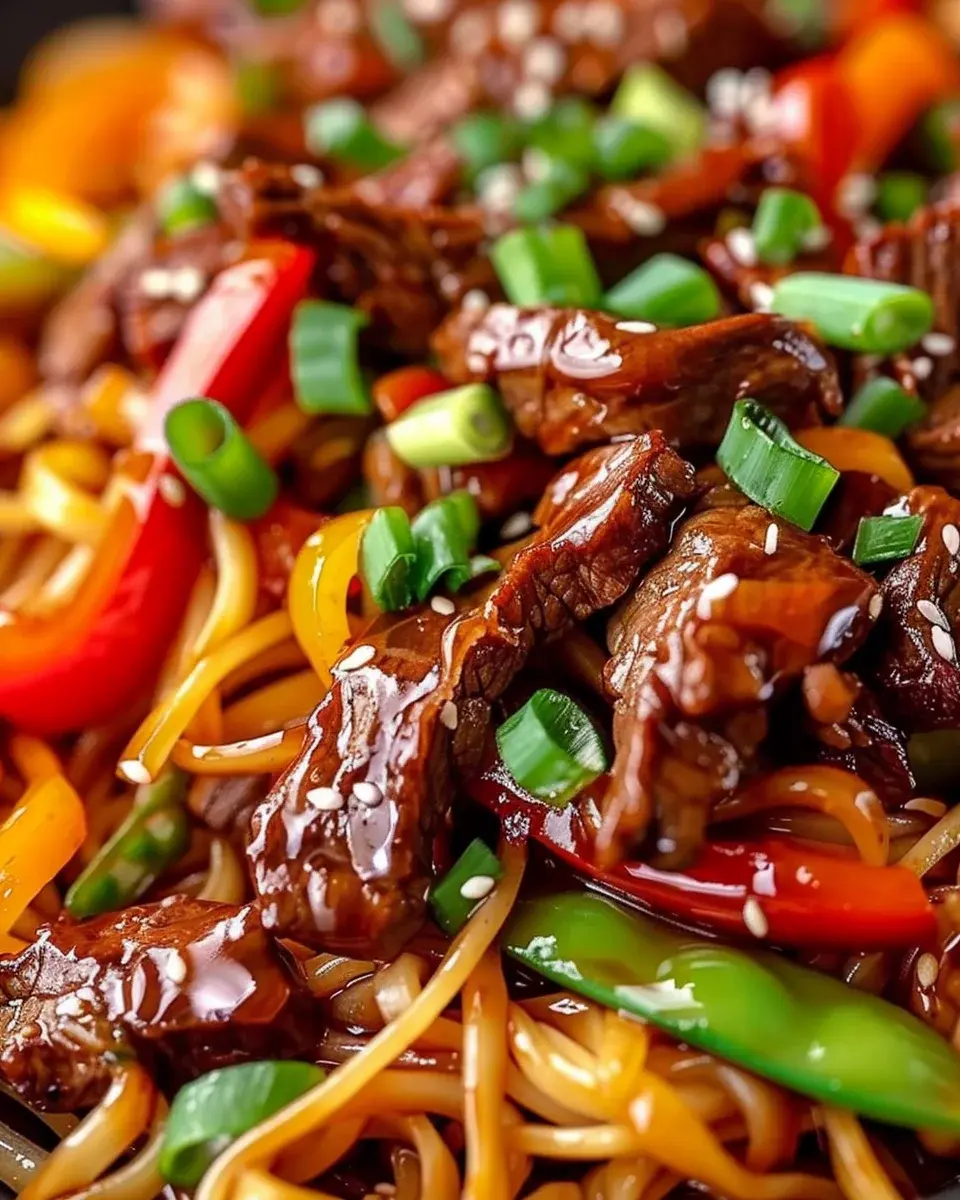
Indulge in the irresistible allure of tender beef, coated in a luscious, savory sauce, all intertwined with perfectly cooked noodles. This Sticky Beef Noodles recipe is a symphony of sweet and savory notes, designed to captivate your taste buds and bring a comforting warmth to your table. It’s the kind of dish that transforms a simple weeknight into a culinary celebration.
Imagine the rich aroma filling your kitchen, promising a meal that’s both incredibly satisfying and surprisingly easy to bring to life. This dish isn’t just about sustenance; it’s about creating a moment of pure culinary bliss. Prepare yourself for a truly delectable experience that will have you reaching for seconds.
Why You Will Love This Recipe
- Quick Preparation: This flavor-packed meal comes together in a mere 25 minutes, making it an ideal solution for busy weeknights when time is of the essence.
- Unforgettable Flavor: A masterful blend of soy sauce, oyster sauce, and hoisin sauce creates a deep, umami-rich taste that is both complex and incredibly moreish.
- Customizable Ingredients: Easily adapt this recipe to your personal preferences by incorporating your favorite vegetables or experimenting with different types of noodles.
- Guaranteed Crowd-Pleaser: With its universally loved combination of tender beef and sticky noodles, this dish is perfect for pleasing families and impressing guests alike.
- Budget-Friendly Appeal: Crafted from readily available and affordable ingredients, this recipe delivers exceptional taste without straining your budget.
Ingredients You Need
The foundation of any great dish lies in the quality of its ingredients, and these Sticky Beef Noodles are no exception. Choosing fresh, high-quality components will elevate the final flavor profile, ensuring a truly memorable culinary experience. Even simple pantry staples, when selected with care, can transform into something extraordinary.
Sticky Beef Noodles
Savor the irresistible combination of tender beef, savory sauce, and perfectly cooked noodles in this Sticky Beef Noodles recipe. Quick and full of flavor, it’s an easy weeknight dinner that’ll satisfy your cravings for something sweet, savory, and satisfying.
- For the Beef: 1 pound flank steak, thinly sliced against the grain; 2 tablespoons soy sauce; 1 tablespoon cornstarch
- For the Sauce: 3 tablespoons soy sauce; 2 tablespoons oyster sauce; 1 tablespoon hoisin sauce; 1 tablespoon brown sugar; 1 tablespoon rice vinegar; 2 teaspoons sesame oil; 2 garlic cloves, minced; 1 teaspoon fresh ginger, grated
- For the Noodles: 8 ounces egg noodles (or other noodles of choice)
- For Vegetables: 1 bell pepper, thinly sliced; 1 small onion, thinly sliced; 1/2 cup snap peas or green beans, trimmed
- For Garnish: 2 tablespoons sesame seeds (optional); 2 green onions, chopped
- 1Prepare the Beef: In a small bowl, toss the sliced beef with soy sauce and cornstarch until evenly coated. Set aside to marinate for 10-15 minutes.
- 2Make the Sauce: In a separate bowl, whisk together soy sauce, oyster sauce, hoisin sauce, brown sugar, rice vinegar, sesame oil, minced garlic, and grated ginger. Set aside.
- 3Cook the Noodles: Cook the noodles according to the package instructions. Drain and set aside.
- 4Stir-Fry the Beef and Vegetables: Heat vegetable oil in a large skillet or wok over medium-high heat. Add the marinated beef. Cook for 2-3 minutes until browned and nearly cooked through. Add the bell pepper, onion, and snap peas. Stir-fry for another 2-3 minutes until vegetables are tender-crisp.
- 5Combine and Serve: Add the cooked noodles to the pan along with the sauce. Toss everything together until the noodles are coated and heated through.
- 6Garnish: Garnish with sesame seeds and chopped green onions before serving.
Keywords: beef noodles, stir-fry, Asian, quick dinner, weeknight meal
- flank steak: 1 pound, thinly sliced against the grain for optimal tenderness
- egg noodles: 8 ounces, or your preferred noodle variety for the perfect bite
- soy sauce: 5 tablespoons, divided, forming the savory backbone of the sauce
- oyster sauce: 2 tablespoons, adding a depth of umami and subtle sweetness
- hoisin sauce: 1 tablespoon, contributing a rich, slightly sweet and tangy dimension
- brown sugar: 2 tablespoons, balancing the savory elements with a touch of caramel sweetness
- rice vinegar: 1 tablespoon, providing a bright, acidic counterpoint
- sesame oil: 2 teaspoons, infusing a nutty aroma and distinct flavor
- garlic cloves: 2, minced finely to release their pungent aroma
- fresh ginger: 1 teaspoon, grated to add a warming, zesty kick
- bell pepper: 1, thinly sliced into vibrant strips for color and crunch
- onion: 1 small, thinly sliced to add a savory depth
- snap peas or green beans: 1/2 cup, trimmed for a fresh, crisp texture
- sesame seeds: 2 tablespoons, optional garnish for added texture and visual appeal
- green onions: 2, chopped for a fresh, pungent finish
The precise quantities for these ingredients can be found within the accompanying recipe card, ensuring you have everything you need for success.
Variations
One of the most delightful aspects of Sticky Beef Noodles is their inherent versatility, allowing for numerous creative adaptations to suit different dietary needs and flavor preferences. This adaptability ensures that everyone can enjoy a version of this beloved dish.
For those seeking a vegan twist, the beef can be masterfully replaced with firm tofu or hearty king oyster mushrooms. The tofu should be pressed and cubed, then pan-fried until golden and slightly crisp before being added to the stir-fry. King oyster mushrooms, when sliced and scored, can mimic the texture of meat quite remarkably, absorbing the sauce beautifully.
A low-carb iteration involves swapping traditional noodles for spiralized zucchini noodles (zoodles) or shirataki noodles. These alternatives offer a satisfying texture while significantly reducing the carbohydrate count. Ensure the zucchini noodles are sautéed briefly to remove excess moisture before combining them with the sauce and beef.
To introduce an element of spicy heat, consider incorporating thinly sliced fresh chilies, such as jalapeños or Thai bird’s eye chilies, into the vegetable stir-fry. Alternatively, a drizzle of sriracha or chili garlic sauce over the finished dish can provide that desired fiery kick, allowing for personalized heat levels.
How to Prepare sticky beef noodles
Step 1: Prepare the Beef for Maximum Flavor
The initial step in creating truly exceptional Sticky Beef Noodles involves meticulously preparing the beef to ensure it absorbs the marinade beautifully. Thinly slicing the flank steak against the grain is paramount; this technique breaks down the tough muscle fibers, resulting in exceptionally tender pieces of meat. A sharp knife is your best friend here, allowing for clean, precise cuts that will make a noticeable difference in texture.
In a small, non-reactive bowl, combine the thinly sliced beef with 2 tablespoons of soy sauce and 1 tablespoon of cornstarch. Gently toss these ingredients together until every piece of beef is evenly coated in the flavorful marinade. The cornstarch acts as a tenderizer and also helps to create a subtle, velvety coating that clings to the beef during cooking, enhancing the overall richness of the sauce.
Allow the beef to marinate for at least 10 to 15 minutes at room temperature while you proceed with preparing the other components of the dish. This brief marination period is crucial for infusing the meat with the initial layer of savory flavor and ensuring its succulence. For an even deeper flavor infusion, you can extend this marination time to 30 minutes or even refrigerate it for up to a couple of hours, though for a quick weeknight meal, 15 minutes is perfectly sufficient.
Step 2: Craft the Irresistible Sticky Sauce
While the beef is getting acquainted with its marinade, it’s time to assemble the star of the show: the sticky sauce. This complex yet harmonious blend of ingredients is what gives the dish its name and its undeniable allure. Precision in measuring here will pay dividends in the final flavor balance.
In a separate medium-sized mixing bowl, gather the remaining ingredients for the sauce: 3 tablespoons of soy sauce, 2 tablespoons of oyster sauce, 1 tablespoon of hoisin sauce, 1 tablespoon of brown sugar, and 1 tablespoon of rice vinegar. Add the 2 teaspoons of sesame oil, which will lend its distinctive nutty aroma and flavor to the sauce. Finally, incorporate the finely minced garlic cloves and the grated fresh ginger, ensuring they are distributed evenly throughout the mixture.
Using a whisk, thoroughly combine all the sauce ingredients until they are completely integrated and the sugar has dissolved. This simple but essential step ensures that the sauce will coat the noodles and beef evenly, creating a uniform and delectable flavor profile in every bite. Set this flavor-packed sauce aside, ready to be introduced to the stir-fried components.
Step 3: Perfectly Cook the Noodles
The noodles serve as the perfect canvas for the rich, sticky sauce and tender beef, so their preparation is just as important as the other elements. Using egg noodles is highly recommended for their slightly richer flavor and pleasing texture, but feel free to substitute with your favorite type, such as udon or even spaghetti in a pinch. The key is to achieve a perfectly al dente texture that will hold up well in the stir-fry.
Bring a large pot of generously salted water to a rolling boil. Carefully add the 8 ounces of egg noodles (or your chosen noodles) to the boiling water. Stir the noodles gently immediately after adding them to prevent them from sticking together. Refer to the noodle package instructions for the recommended cooking time; typically, egg noodles cook quite quickly, often in 3 to 5 minutes.
Cook the noodles until they are tender but still possess a slight bite, or al dente. Overcooked noodles will become mushy and lose their structure, detracting from the overall appeal of the dish. Once cooked to perfection, drain the noodles thoroughly in a colander, reserving a small amount of the starchy cooking water if desired – this can be used later to loosen the sauce if needed. Set the drained noodles aside, ready to be combined with the beef and vegetables.
Step 4: Master the Stir-Fry Technique
The heart of this recipe lies in the dynamic stir-frying process, where ingredients are rapidly cooked over high heat to preserve their textures and flavors. This technique requires a hot pan and quick, continuous movement to achieve the best results.
Place a large skillet or a wok over medium-high heat. Add about 1 to 2 tablespoons of neutral cooking oil, such as vegetable or canola oil. Allow the oil to heat up until it shimmers; this indicates it’s hot enough for stir-frying. Carefully add the marinated beef to the hot skillet in a single layer, ensuring not to overcrowd the pan, which can lead to steaming rather than searing. Cook the beef for about 2 to 3 minutes, stirring occasionally, until it is browned on all sides and mostly cooked through.
Once the beef is nicely seared, add your prepared vegetables: the thinly sliced bell pepper, onion, and trimmed snap peas (or green beans). Continue to stir-fry for another 2 to 3 minutes, or until the vegetables are tender-crisp. You want them to retain a slight bite and vibrant color, not become overly soft. The high heat helps to caramelize the natural sugars in the vegetables, adding another layer of delicious flavor.
Ensure you are constantly moving the ingredients around the pan. This constant motion promotes even cooking and prevents any one piece from burning. The goal is to achieve a beautiful sear on the beef and a perfect tender-crisp texture on the vegetables, setting the stage for the final, glorious combination.
Step 5: Bring It All Together for Ultimate Stickiness
This is the moment where all the meticulously prepared components unite to create the signature sticky texture and rich flavor of the dish. It’s a quick and exciting transition from individual elements to a cohesive, mouthwatering meal.
Add the cooked and drained noodles directly into the skillet or wok with the stir-fried beef and vegetables. Pour the prepared sticky sauce evenly over everything in the pan. Using a pair of tongs or large spoons, gently toss all the ingredients together. Ensure that the noodles, beef, and vegetables are thoroughly coated with the luscious sauce.
Continue to toss and stir over the heat for about 1 to 2 minutes, allowing the sauce to thicken slightly and cling beautifully to every strand of noodle and piece of beef. This process warms everything through and melds the flavors together harmoniously. If the sauce appears too thick, you can add a tablespoon or two of the reserved noodle cooking water to loosen it to your desired consistency, creating that perfect glossy finish.
The goal here is to create a beautifully cohesive dish where each component is enveloped in the rich, savory, and slightly sweet sticky sauce. It should look glossy and inviting, promising a truly satisfying culinary experience. This final step is where the magic truly happens, transforming simple ingredients into a spectacular meal.
Step 6: Garnish and Serve with Flair
The final touch that elevates Sticky Beef Noodles from delicious to absolutely stunning involves a thoughtful garnish. These finishing elements not only add visual appeal but also contribute delightful textural contrasts and fresh flavor notes.
Before serving, generously sprinkle the prepared dish with 2 tablespoons of toasted sesame seeds. The seeds add a subtle nutty flavor and a satisfying crunch that complements the tender beef and soft noodles beautifully. Their golden-brown hue also adds an attractive visual element to the plate.
Next, scatter the chopped green onions over the top of the noodles. The vibrant green color provides a striking contrast against the rich, dark sauce, and their fresh, slightly pungent flavor cuts through the richness, offering a welcome burst of brightness. This simple garnish adds a professional polish to your homemade Sticky Beef Noodles.
Serve immediately while piping hot. The aroma alone is enough to whet the appetite, and the combination of textures and flavors will leave everyone at the table utterly delighted. Enjoy the fruits of your culinary labor!
Pro Tips for sticky beef noodles
Achieving restaurant-quality Sticky Beef Noodles at home is entirely possible with a few expert insights. These tips focus on enhancing flavor, texture, and presentation, ensuring your dish is always a success.
Marinate for Depth: While 10-15 minutes of marination is adequate, allowing the beef to sit in the soy sauce and cornstarch mixture for at least 30 minutes, or even up to two hours in the refrigerator, will significantly deepen its flavor and improve tenderness. Ensure it’s covered tightly if refrigerating.
High Heat is Key: Stir-frying requires high heat to achieve that desirable sear on the beef and a crisp-tender texture on the vegetables. Don’t be afraid to turn up the heat; this rapid cooking method locks in juices and prevents sogginess.
Noodle Nuances: For the best texture, opt for fresh egg noodles if possible. If using dried, cook them just until al dente, as they will continue to cook slightly in the pan with the sauce. Avoid overcooking at all costs.
Batch Cooking: If you’re making a large quantity, cook the beef and vegetables in batches rather than overcrowding the pan. This ensures that each piece gets properly seared and stir-fried, preventing a steamy, soggy outcome. Reintroduce everything to the pan at the end to coat with sauce.
Sauce Sweetness Adjustment: Taste the sauce before adding it to the pan and adjust the brown sugar to your preference. If you prefer a sweeter sauce, add a touch more; if you like it less sweet, reduce it slightly.
Serving Suggestions for sticky beef noodles
Decoration
Elevate the visual appeal of your Sticky Beef Noodles with thoughtful garnishes. Toasted sesame seeds offer a delightful crunch and a nutty aroma, their golden-brown hue adding warmth to the dish. Freshly chopped green onions provide a vibrant splash of color and a fresh, sharp contrast to the rich sauce. For an optional touch of elegance, a few sprigs of fresh cilantro can add an herbaceous note and a visually appealing flourish.
Side Dishes
Sticky Beef Noodles pair wonderfully with a variety of side dishes that complement their savory profile. Lightly steamed or blanched broccoli or asparagus provides a healthy, vibrant green counterpoint and a satisfying crunch. A simple Asian cucumber salad, dressed with rice vinegar and a hint of sugar, offers a refreshing, palate-cleansing element. Crispy spring rolls or delicate steamed dumplings make for excellent appetizers or additional components to a more substantial meal.
Creative Serving Ideas
Consider serving your Sticky Beef Noodles in individual bowls for a more elegant presentation, allowing each diner to appreciate the glossy coating of the noodles and beef. For a family-style approach, a large platter piled high with noodles, beef, and vegetables is always impressive and encourages communal dining. Another creative idea is to serve the beef and sauce mixture over a bed of fluffy steamed rice or quinoa for a heartier, more complete meal, especially if you’re looking to stretch the dish further.
Preparation & Storage
Storing Leftovers
Should you be fortunate enough to have leftovers of this delectable Sticky Beef Noodles, proper storage is key to maintaining its quality. Allow the dish to cool completely at room temperature before transferring it to an airtight container. This prevents condensation from forming, which can lead to a soggy texture upon reheating.
Once in an airtight container, the leftovers can be stored in the refrigerator for up to 3 days. Ensure the container is sealed tightly to prevent the noodles from drying out and to keep them fresh. The rich flavors of the sauce often meld and deepen even further overnight, making leftovers quite delightful.
Freezing
Sticky Beef Noodles can also be a fantastic candidate for freezing, making meal prep even more convenient. It’s best to freeze individual portions in freezer-safe containers or heavy-duty freezer bags. This allows you to thaw and reheat only what you need.
Before freezing, ensure the noodles are not overly saucy, as excess liquid can sometimes lead to a slightly different texture upon thawing. Once portioned, seal the containers or bags tightly, removing as much air as possible to prevent freezer burn. Frozen Sticky Beef Noodles can be stored for up to 3 months.
Reheating
Reheating Sticky Beef Noodles is a straightforward process, and several methods can be employed to bring them back to their delicious original state. For the best results, especially if you want to restore some of the sauciness, reheating on the stovetop is recommended.
Stovetop: Place the desired portion in a skillet over medium heat. Add a tablespoon or two of water or broth to help loosen the sauce and prevent sticking. Stir occasionally until the noodles and beef are heated through and the sauce is glossy again. This method typically takes about 5-7 minutes.
Microwave: Transfer the leftovers to a microwave-safe dish. Cover loosely to allow steam to escape. Heat on medium power in 1-minute intervals, stirring between each interval, until thoroughly heated. This is a quick option for when you’re in a hurry, though the texture might be slightly softer.
Oven: For larger quantities or if you prefer a less mushy texture, you can reheat in the oven. Place the noodles in an oven-safe dish, add a splash of water or broth, cover tightly with foil, and bake at 350°F (175°C) for about 15-20 minutes, or until heated through. This method is more gentle and can help maintain some of the original texture.
Frequently Asked Questions
-
How can I make this recipe gluten-free?
To transform Sticky Beef Noodles into a gluten-free delight, several simple substitutions are necessary. Ensure you use a certified gluten-free soy sauce, which is readily available in most supermarkets and specialty stores. Many brands now offer excellent gluten-free alternatives that provide the same savory depth without the gluten. Furthermore, opt for gluten-free noodles, such as rice noodles, shirataki noodles, or even spiralized vegetable noodles like zucchini or sweet potato. Always double-check the labels of all your ingredients, including any pre-made sauces or marinades, to confirm they are certified gluten-free before use.
-
What are the best beef cuts to use if flank steak is unavailable?
If flank steak isn’t readily available or your preference leans towards other cuts, several excellent alternatives can be used to achieve similarly tender and flavorful results in your Sticky Beef Noodles. Skirt steak is a fantastic substitute, known for its rich flavor and slightly looser grain, which also benefits from being sliced thinly against the grain. Sirloin steak, particularly top sirloin, offers a good balance of tenderness and flavor and is usually more budget-friendly than flank steak. For a more economical yet still delicious option, consider using thinly sliced ribeye or even chicken thighs, which absorb marinades beautifully. The key is to slice any cut thinly against the grain to maximize tenderness and ensure quick cooking.
-
Can I prepare some components of this dish in advance to save time on busy weeknights?
Absolutely! Sticky Beef Noodles are remarkably amenable to advance preparation, making them a perfect candidate for streamlining your weeknight cooking routine. You can slice the beef and marinate it a few hours ahead of time, storing it covered in the refrigerator. The vegetables can also be washed, chopped, and stored in separate airtight containers in the fridge. The sauce mixture can be whisked together and kept in a sealed jar or container in the refrigerator for up to two days. On the night of cooking, you’ll simply need to cook the noodles and stir-fry everything, significantly reducing your active cooking time.