Sweet Potato Casserole with Marshmallows: 5 Comforting Steps
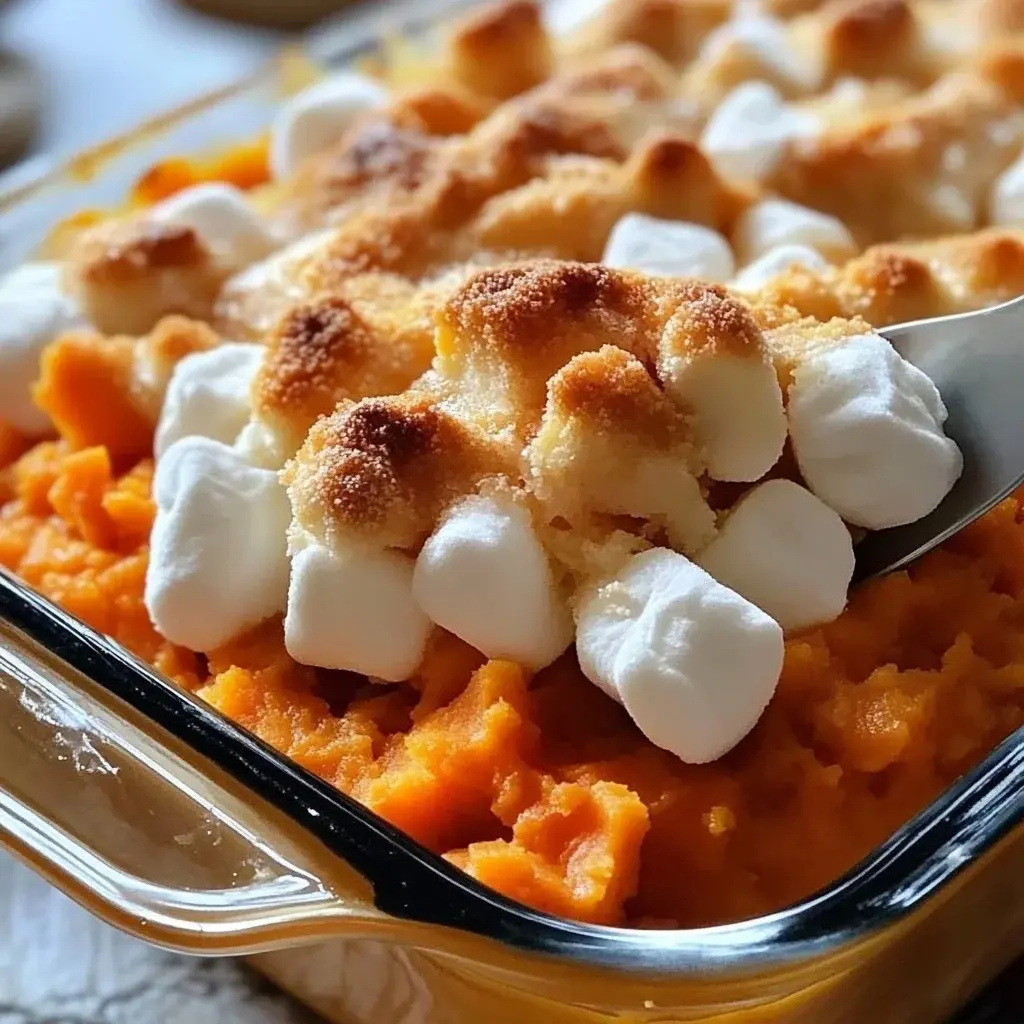
Sweet potatoes, with their rich, warm flavor and natural sweetness, are truly a comfort food staple. When you transform them into a Sweet Potato Casserole with Marshmallows, you’re not just creating a side dish; you’re crafting a beloved family tradition.
Have you ever tasted that delightful balance of creamy sweetness topped with toasted marshmallows? If you haven’t, you’re truly in for a treat! This recipe is special not just for its taste but also for its simplicity, requiring only a handful of common ingredients and straightforward steps, making it accessible for both novice cooks and seasoned chefs.
Why You Will Love This Recipe
- Delicious Flavor: The natural sweetness of sweet potatoes perfectly pairs with the toasted marshmallows to create a delightful, comforting dish that appeals to all ages.
- Easy to Prepare: With straightforward steps, anyone can master this comfort food classic, making it suitable for all cooking levels and perfect for busy weeknights or holiday preparations.
- Family Favorite: Its unique taste and texture make it a hit among both kids and adults, ensuring everyone at your table will enjoy this beloved side dish.
- Versatile Options: This recipe can be easily customized based on dietary needs or personal preferences, allowing for adaptations like vegan or low-carb versions.
- Perfect for Any Occasion: Be it holidays like Thanksgiving and Christmas, potlucks, or simple family dinners, this casserole fits right in and elevates any meal.
Ingredients You Need
Crafting this delightful Sweet Potato Casserole with Marshmallows begins with selecting quality ingredients that ensure a rich and comforting flavor profile. The natural sweetness of the sweet potatoes forms the perfect foundation, complemented by pantry staples that enhance their inherent deliciousness. Every component plays a crucial role in achieving that signature blend of creamy texture and toasted marshmallow topping.
Sweet Potato Casserole with Marshmallows
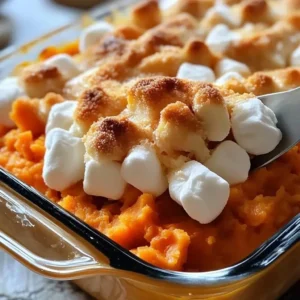
A comforting dish featuring creamy sweet potatoes topped with toasted marshmallows, perfect for holidays or family gatherings. This recipe is easy to prepare and a guaranteed family favorite.
- 2 cups mashed sweet potatoes
- 1/2 cup brown sugar
- 1/4 cup milk
- 1/4 cup butter, melted
- 1 teaspoon vanilla extract
- 1/2 teaspoon cinnamon
- 1/4 teaspoon nutmeg
- 2 cups mini marshmallows
- 1Cook sweet potatoes until fork-tender, then mash.
- 2In a large bowl, combine mashed sweet potatoes, brown sugar, milk, melted butter, vanilla extract, cinnamon, and nutmeg. Stir until smooth.
- 3Preheat oven to 350°F (175°C). Grease a baking dish and transfer the sweet potato mixture into it, smoothing the surface.
- 4Spread mini marshmallows evenly over the top of the sweet potato mixture.
- 5Bake for 25-30 minutes, until marshmallows are golden brown.
- 6Let the casserole rest for 5 minutes before serving.
Keywords: Comfort Food, Holidays, Marshmallows, Sweet Potato Casserole, Thanksgiving, Side Dish, Dessert
- sweet potatoes: peeled and cooked until tender for a smooth base
- brown sugar: provides a deep, caramel-like sweetness that balances the earthy notes of the potatoes
- milk: adds creaminess and helps achieve a luscious, smooth consistency
- butter, melted: enriches the flavor and contributes to a silky-smooth texture
- vanilla extract: a classic addition that enhances the overall sweetness and adds warmth
- cinnamon: imparts a warm, aromatic spice that beautifully complements the sweet potato flavor
- nutmeg: a subtle yet essential spice that adds depth and complexity to the flavor profile
- mini marshmallows: the star topping that melts and toasts to a golden perfection
The exact quantities for these wonderful ingredients can be found in the detailed recipe card above.
Variations
For those seeking a plant-based alternative, transforming this classic into a vegan delight is wonderfully simple. Substitute the butter with a rich, melted coconut oil or a good quality vegan butter alternative. For the milk component, opt for unsweetened almond milk, oat milk, or soy milk, each lending its own subtle character to the creamy base. The brown sugar can be swapped for maple syrup to maintain that lovely sweetness with a hint of natural flavor.
Exploring a low-carbohydrate route offers another exciting avenue for this beloved casserole. While sweet potatoes are naturally higher in carbohydrates, you can create a delightful lower-carb version by incorporating mashed cauliflower or zucchini into the mix. This not only reduces the carb count but also adds a subtle, earthy undertone. Ensure to thoroughly drain any excess moisture from these vegetables before mashing them with the sweet potatoes to maintain the desired consistency.
Adding an extra layer of texture and flavor can elevate this casserole even further. Consider a crunchy pecan topping by combining roughly chopped pecans with a little extra brown sugar and a pinch of cinnamon, then sprinkling it over the marshmallows before baking. Alternatively, a sprinkle of shredded coconut can add a tropical flair and a delightful chewiness to the topping, offering a unique twist on the traditional marshmallow finish.
How to Prepare Sweet Potato Casserole with Marshmallows
Step 1: Cook and Mash the Sweet Potatoes
Begin by preparing the sweet potatoes, which form the heart of this comforting dish. You can achieve this by boiling, steaming, or even baking them until they are exceptionally tender. If boiling, peel and chop the sweet potatoes into uniform pieces to ensure even cooking. Place them in a large pot, cover with water, and bring to a rolling boil.
Cook the sweet potato pieces for approximately 15-20 minutes, or until a fork can easily pierce through them with no resistance. Once tender, carefully drain all the water from the pot. Transfer the cooked sweet potatoes to a large mixing bowl and mash them thoroughly with a potato masher or a sturdy fork until they are smooth and creamy, with no fibrous lumps remaining.
For an even smoother texture, you might consider using a ricer or passing the cooked sweet potatoes through a food mill. This initial step is crucial for the final texture of your casserole. Ensure that all excess moisture has been drained from the potatoes before mashing to prevent a watery final product, which is especially important when aiming for that dense, creamy casserole consistency.
Step 2: Combine the Base Ingredients
In the large bowl containing your perfectly mashed sweet potatoes, it’s time to introduce the flavor-building elements. Add the brown sugar, which contributes a rich, caramel sweetness that is indispensable to this dish. Follow this with the milk, which will lend a luscious creaminess to the mixture. Ensure you are using milk that suits your dietary preferences if you are adapting the recipe.
Next, pour in the melted butter; this liquid gold enhances the richness and ensures a silky-smooth texture throughout the casserole. Introduce the vanilla extract for its aromatic warmth and to amplify the overall sweetness. Finally, add the spices: the fragrant cinnamon and the subtly complex nutmeg. These spices are fundamental to creating that classic, comforting flavor profile associated with sweet potato dishes.
Using a sturdy spoon or a spatula, vigorously mix all these ingredients together until they are thoroughly combined and the mixture is consistently smooth and creamy. It’s important to ensure there are no pockets of unmixed sugar or spice, and that the sweet potato mash is fully integrated with the wet ingredients. A well-mixed base guarantees an even flavor distribution in the final casserole.
Step 3: Prepare the Baking Dish and Transfer the Mixture
Preheat your oven to 350°F (175°C) well in advance. This ensures that your oven is at the optimal temperature when it’s time to bake, promoting even cooking and preventing the casserole from taking too long to heat through. While the oven heats, prepare your chosen baking dish. A standard 8×8 inch or 9×13 inch baking dish usually works perfectly for this recipe, depending on how deep you prefer your casserole.
Grease the baking dish generously with butter or a non-stick cooking spray. This step is absolutely vital to prevent the sweet potato mixture from sticking to the bottom and sides of the dish, which can make serving a messy affair. Ensure all surfaces are well-coated, especially the corners and edges. A thorough greasing will allow for easy scooping and presentation later on.
Carefully transfer the creamy sweet potato mixture from the mixing bowl into the prepared baking dish. Use a spatula or the back of a spoon to spread the mixture evenly across the bottom of the dish, creating a smooth and consistent layer. This even distribution is key to ensuring the marshmallows will bake uniformly over the top.
Step 4: Top with Marshmallows
This is where the magic truly begins to happen for the signature sweet potato casserole experience. Take your mini marshmallows and begin distributing them evenly over the entire surface of the sweet potato mixture that you just spread in the baking dish. Aim for a single, relatively dense layer of marshmallows that covers the sweet potato base completely.
Ensure that there are no gaps or bare spots, as the goal is to create a delightful, gooey blanket that will transform into a golden-brown topping. You might want to slightly press down on the marshmallows to help them adhere to the sweet potato layer, although this is not strictly necessary. The heat from the casserole and the oven will do most of the work in melding them together.
The visual appeal of this step is quite charming, seeing the fluffy white marshmallows ready to embark on their delicious transformation. The marshmallows are what give this dish its iconic status, offering a sweet, slightly chewy contrast to the creamy, earthy sweet potatoes underneath. Getting this topping right is fundamental to the overall success and enjoyment of the casserole.
Step 5: Bake to Golden Perfection
Carefully place the prepared baking dish into the preheated oven. It’s crucial to position it in the center of the oven to ensure even heat circulation, promoting uniform baking of both the sweet potato base and the marshmallow topping. Set a timer for approximately 25 to 30 minutes, but remember that oven temperatures can vary.
During the baking process, keep a close eye on the casserole, especially during the last 10-15 minutes. You are looking for the marshmallows to puff up, melt, and develop a beautiful golden-brown color. This toasting process is what adds that characteristic caramelized flavor and delightful visual appeal. Avoid overbaking, which can lead to burnt or excessively hard marshmallows.
Once the marshmallows have reached your desired shade of golden brown and the sweet potato mixture is heated through and bubbling slightly around the edges, the casserole is ready to come out of the oven. The aroma filling your kitchen at this point will be absolutely irresistible, a true testament to the comforting nature of this dish.
Step 6: Cool Slightly Before Serving
Upon removing the beautifully baked Sweet Potato Casserole with Marshmallows from the oven, resist the urge to dig in immediately. It is essential to allow the casserole to rest for at least five to ten minutes before serving. This crucial resting period allows the components to settle and firm up slightly, making it much easier to serve neat portions.
During this brief cooling time, the molten marshmallows will achieve a more manageable, gooey consistency rather than being a completely liquid mess. The sweet potato base also benefits from this rest, as it continues to set and develop its final texture. This waiting period ensures that your servings will hold their shape and look as appealing as they taste.
While it cools, you can prepare serving dishes or get other components of your meal ready. The slight cooling also prevents the dish from being excessively hot, making it more pleasant and safer to eat, especially for younger diners. This simple step significantly enhances the overall serving experience and presentation of your homemade casserole.
Pro Tips for Sweet Potato Casserole with Marshmallows
Don’t Skimp on the Spices: While simple, the cinnamon and nutmeg are key to unlocking that warm, comforting flavor. Using freshly ground nutmeg can add an extra layer of aromatic depth that truly makes a difference.
Ensure Sweet Potato Tenderness: Overcooked and mushy is better than undercooked and lumpy. Make sure your sweet potatoes are fork-tender before mashing to guarantee a smooth, creamy base. If you mash them too early, they might not be soft enough.
Watch the Marshmallows Like a Hawk: The marshmallow topping can go from perfectly golden to burnt in a matter of minutes. Keep a close eye on it during the last part of baking and consider tenting with foil if it’s browning too quickly.
Taste and Adjust Sweetness: Sweet potatoes can vary in natural sweetness. Before topping with marshmallows, taste your sweet potato mixture and add a touch more brown sugar if needed. Remember, the marshmallows will add significant sweetness as well.
Uniform Marshmallow Layer is Key: Distribute the mini marshmallows evenly across the entire surface of the casserole. This ensures consistent topping in every bite, preventing any dry spots or overwhelming sweetness in one area.
Serving Suggestions for Sweet Potato Casserole with Marshmallows
Decoration
While the toasted marshmallows provide a naturally beautiful topping, a few thoughtful additions can elevate its visual appeal. A light dusting of extra cinnamon or a sprinkle of nutmeg over the puffed marshmallows just before serving adds a touch of color and enhances the aroma. For a more sophisticated look, consider adding a few strategically placed whole marshmallows or even a sprinkle of chopped toasted pecans for textural contrast and visual interest. A tiny sprig of fresh rosemary or thyme can also offer an unexpected, elegant garnish that complements the earthy sweet potato flavor.
Side Dishes
This rich and sweet casserole shines brightest when paired with savory counterparts that create a delightful balance on the plate. Roasted turkey or chicken are classic choices that offer a savory, hearty foundation, allowing the casserole to play its role as a comforting, sweet side. Consider serving it alongside classic dinner staples like green bean casserole, Brussels sprouts with bacon, or a simple garden salad with a tangy vinaigrette to cut through the richness. Another excellent pairing is homemade cornbread or a crusty loaf of bread, perfect for sopping up any delicious, melty bits.
Creative Serving Ideas
Beyond the traditional plating, get creative with how you present this beloved dish. Consider serving individual portions in small ramekins or oven-safe bowls, topping each with marshmallows just before baking. This adds an elegant, personal touch, perfect for more formal gatherings or a special family meal. For a fun, family-friendly presentation, try creating a “sweet potato bar” where guests can customize their casserole with various toppings like candied pecans, toasted coconut flakes, or even a dollop of whipped cream.
Preparation & Storage
Storing Leftovers
Once your delicious Sweet Potato Casserole with Marshmallows has cooled completely, it’s time to think about storing any remaining portions. The best way to store leftovers is in an airtight container. This prevents the casserole from drying out and protects it from absorbing any unwanted odors from other foods in your refrigerator. You can also cover the original baking dish tightly with plastic wrap, followed by a layer of aluminum foil for an extra seal.
Properly stored leftovers will maintain their quality and delicious flavor for up to three to four days in the refrigerator. It’s always a good practice to label your container with the date it was stored, so you can easily keep track of its freshness. This allows you to enjoy this comforting dish again without compromising on taste or texture.
Ensure that the casserole has cooled down to room temperature before refrigerating it. Placing warm food directly into the refrigerator can raise the internal temperature of the fridge, potentially affecting the safety of other stored items. Letting it cool on the counter for about an hour is usually sufficient before transferring it to its storage container.
Freezing
For longer-term storage, freezing this delightful casserole is an excellent option, especially if you’ve made a larger batch. You can freeze the entire unbaked casserole or individual portions. If freezing unbaked, prepare the casserole as usual but omit the marshmallow topping. Wrap the unbaked casserole tightly in plastic wrap, then in aluminum foil, or place it in a freezer-safe container. Add the marshmallows just before baking when you’re ready to use it.
If freezing baked leftovers, allow the casserole to cool completely. Portion it into freezer-safe containers or wrap individual servings tightly. Freezing baked casserole may slightly alter the texture of the marshmallows upon reheating, but the sweet potato base will remain delicious. Properly frozen, the casserole can last for up to two to three months.
When you are ready to use a frozen casserole, it’s best to thaw it in the refrigerator overnight. This gradual thawing process helps to maintain the integrity of the dish and ensures more even reheating. Avoid thawing at room temperature for extended periods, as this can lead to bacterial growth and compromise food safety.
Reheating
Reheating your Sweet Potato Casserole with Marshmallows is straightforward and ensures you can enjoy it as if it were freshly made. For the best results, preheat your oven to a moderate temperature, around 325°F to 350°F (160°C to 175°C). If reheating from refrigerated, place the casserole in an oven-safe dish, cover it loosely with foil to prevent the marshmallows from burning, and heat for about 20-30 minutes, or until heated through.
If reheating from frozen, the process will take a bit longer. Ensure the casserole has thawed completely in the refrigerator overnight. Then, proceed with reheating as you would for refrigerated leftovers, likely requiring an additional 15-25 minutes in the oven. You may want to uncover the casserole for the last few minutes of reheating to help re-toast the marshmallows slightly, though they won’t be as perfectly puffy as when first baked.
For a quick reheat of a small portion, you can use a microwave. Place a serving in a microwave-safe dish and heat on medium power in 30-second intervals, stirring occasionally, until warm. Be aware that microwaving may result in a softer, less toasted marshmallow topping compared to oven reheating. Always check the internal temperature to ensure it’s safely heated before serving.
Frequently Asked Questions
- Can I prepare the Sweet Potato Casserole with Marshmallows ahead of time, and if so, how?
Yes, you absolutely can prepare this casserole ahead of time, which is a fantastic strategy for busy holidays or gatherings. You can assemble the entire casserole, including the sweet potato base and the marshmallow topping, up to 24 hours in advance. Ensure it is covered tightly with plastic wrap and refrigerated promptly. When you’re ready to serve, you may need to add a few extra minutes to the baking time to ensure it’s heated through completely, as it will be starting from a colder temperature. Be mindful that the marshmallows might not look as perfectly toasted and puffy as when baked fresh, but they will still be delicious.
- What are the best methods for storing and reheating leftovers of this casserole to maintain its texture and flavor?
Storing leftovers properly is key to enjoying them later. After the casserole has cooled to room temperature, transfer any remaining portions to an airtight container and refrigerate for up to 3-4 days. For reheating, the oven is your best friend for optimal results. Preheat your oven to 325°F (160°C), place the leftover casserole in an oven-safe dish, and cover loosely with foil to prevent the marshmallows from burning. Reheat for 20-30 minutes, or until heated through. You can remove the foil for the last few minutes if you wish to slightly re-toast the marshmallows, though they may not achieve their original crispness. Microwaving is a quicker option for small portions, but it can make the marshmallows softer and the casserole a bit soggier.
- Are there any common pitfalls or mistakes to avoid when making this Sweet Potato Casserole with Marshmallows, and what are some advanced tips for an exceptional result?
A common pitfall is not cooking the sweet potatoes thoroughly enough, leading to a lumpy casserole. Ensure they are very tender before mashing. Another mistake is overbaking the marshmallow topping, which can result in a burnt, bitter layer; keep a close eye on it during the final baking stages. For an exceptional result, consider adding a pinch of cayenne pepper or a teaspoon of bourbon to the sweet potato mixture for a surprising depth of flavor. Toasting the marshmallows under the broiler for a minute or two at the very end of baking (watching them constantly!) can achieve a deeper caramelization and a more appealing visual. Also, tasting and adjusting the sweetness of the base before adding marshmallows is crucial, as the natural sweetness of potatoes varies.