Easy Fritto Misto – A Restaurant Quality Italian Classic
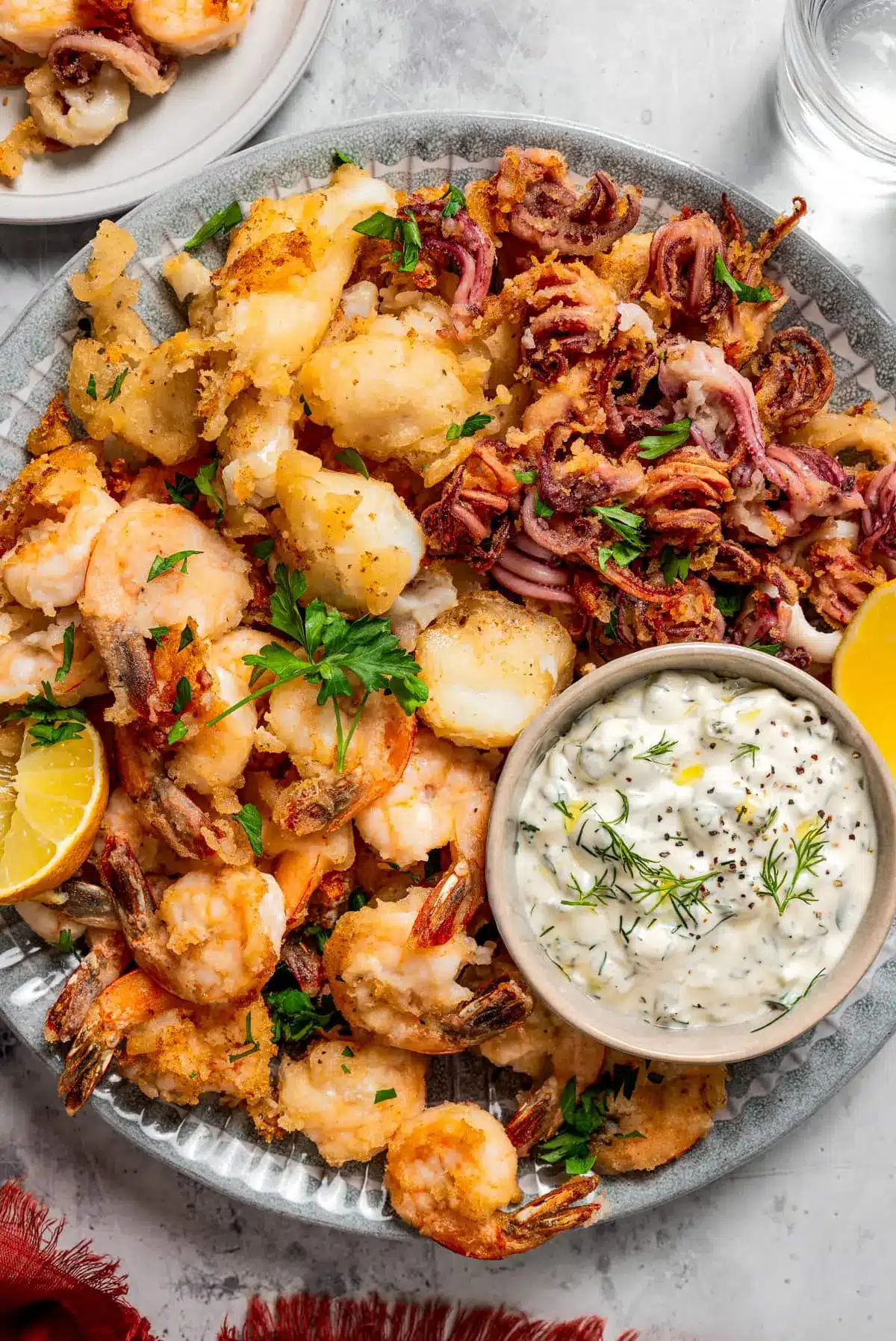
Get ready to experience a taste of authentic Italian seaside charm right in your own kitchen with this exquisite seafood fritto misto recipe. Imagine perfectly crisp, golden-brown morsels of succulent shrimp, tender calamari, and flaky cod, all encased in a delicate, airy batter. This dish transports you directly to a bustling Venetian piazza, offering a delightful crunch that perfectly complements the fresh, high-quality seafood within.
This isn’t just any fried seafood; it’s an experience. The secret lies in the light, rice-flour-based batter, enhanced with a touch of baking powder for that signature puffiness, ensuring every bite is a symphony of texture and flavor. Paired with a zesty, homemade tartar sauce, this fritto misto is destined to become a cherished favorite, whether served as an impressive appetizer or a satisfying main course.
Why You Will Love This Recipe
- Authentic Italian Flavors: Capture the essence of a traditional Italian seaside meal with this classic “fried mix” dish, bringing a taste of Venice to your table.
- Incredibly Crispy Texture: The unique rice flour and baking powder batter creates an unparalleled light and crispy coating that’s utterly addictive.
- Fresh & Flavorful Seafood: A harmonious blend of shrimp, calamari, and cod ensures a delightful variety of tastes and textures in every bite.
- Easy Homemade Tartar Sauce: Elevate your fritto misto with a quick, vibrant tartar sauce made from simple, fresh ingredients, providing the perfect tangy counterpoint.
- Customizable Delight: This recipe serves as a fantastic base, allowing you to easily incorporate your favorite seafood or even add delightful fried vegetables.
Ingredients You Need
Crafting this exceptional fritto misto begins with selecting the freshest, highest-quality ingredients. The magic truly happens when the delicate seafood meets the light, airy batter, creating a textural masterpiece. Ensuring you have the right components, from the precise flours to the perfectly chosen seafood, is key to achieving that authentic, crave-worthy crunch and succulence that defines this beloved Italian dish.
Fritto Misto

Restaurant-quality Fritto Misto made at home! Succulent shrimp, calamari, and cod are coated in a light batter, fried to a crispy golden bite, and served with creamy homemade tartar sauce. This easy recipe is perfect for beginners and is a satisfying taste of classic Italian fare.
- For the Tartar Sauce:
- 1 cup mayonnaise
- ½ cup minced dill pickles
- 2 tablespoons fresh dill
- 1 teaspoon fresh lemon juice
- 1 teaspoon granulated sugar
- Salt and freshly ground black pepper, to taste
- For the Fried Seafood:
- Canola oil, for frying
- 2 cups rice flour
- 1½ teaspoons baking powder
- 2 teaspoons salt
- ½ teaspoon freshly ground black pepper
- 1¼ cups dry white wine (like Pinot Grigio or Chardonnay)
- 1 cup water
- 1 pound medium shrimp, peeled and deveined
- ½ pound calamari, cut into rings and tentacles
- ½ pound cod filet, cubed
- Lemon wedges, for serving
- 1Make the tartar sauce: Whisk together the mayonnaise, minced dill pickles, fresh dill, lemon juice, and sugar. Season with salt and pepper to taste. Cover and chill in the fridge until ready to serve.
- 2Heat the oil: In a large, heavy-bottomed saucepan, heat 3 inches of canola oil over medium heat until it reaches 375°F. Use a candy thermometer to monitor the temperature.
- 3Prep: Line one baking sheet with parchment paper and another with paper towels.
- 4Make the batter: In a large mixing bowl, whisk together the rice flour, baking powder, salt, and pepper. Gradually whisk in the dry white wine and water until the mixture resembles a very thin pancake batter. Add more water, 1 tablespoon at a time, if the batter is too thick.
- 5Batter the seafood: Add the shrimp, calamari, and cod to the bowl with the batter and toss to coat evenly. Remove the seafood from the batter, allowing any excess batter to drip off. Transfer the battered seafood to the baking sheet lined with parchment paper.
- 6Fry the seafood: Fry the seafood in batches for 3 minutes per batch, or until golden brown and cooked through. Use a spider-skimmer to turn the seafood periodically. Transfer the fried seafood to the baking sheet lined with paper towels.
- 7Serve: Serve the fritto misto warm with the homemade tartar sauce and lemon wedges.
Pat dry: Ensure the seafood is well-patted dry with paper towels before breading. Moisture prevents the batter from adhering.
Temperature: Maintain oil temperature at 375°F for frying. Use a candy thermometer to check.
Don't crowd the oil: Fry in batches to prevent the oil temperature from dropping, which results in soggy breading.
Storage: Seal cooled leftovers in an airtight container and store in the fridge for up to 3 days or in the freezer for up to 3 months. Reheat in a 350°F oven or air fryer.
Keywords: Fritto Misto, Italian, Seafood, Fried, Shrimp, Calamari, Cod, Tartar Sauce, Appetizer, Dinner
The exact quantities for all these wonderful ingredients are detailed within the provided recipe card.
Variations
Exploring the endless possibilities of fritto misto is where the real fun begins, allowing you to tailor this classic dish to your specific tastes and dietary needs. Imagine transforming the traditional seafood mix into a vibrant vegetarian delight, showcasing the earthy flavors of seasonal vegetables.
For a low-carb alternative, consider experimenting with different coatings that omit traditional flour. Perhaps a fine almond flour or a seasoned blend of nutritional yeast and spices could offer a delightful crunch without the carbs. This approach maintains the satisfying texture while catering to specific dietary goals.
A vegan version opens up a world of plant-based treasures. Think of beautifully battered and fried king oyster mushroom “scallops,” zucchini blossoms, or even delicate slices of artichoke hearts. Each vegetable offers a unique texture and flavor profile, creating a compelling and delicious meat-free fritto misto.
You could also explore a gluten-free route by ensuring all your ingredients, particularly the flour, are certified gluten-free. This ensures that everyone can enjoy the crispy, delightful experience of fritto misto without compromise, making it a truly inclusive dish for any gathering.
Furthermore, don’t shy away from infusing your batter with aromatic herbs or spices. A pinch of smoked paprika, a whisper of garlic powder, or the subtle notes of dried oregano can add an extra layer of complexity. This allows for endless creativity, ensuring your fritto misto is always a unique and exciting culinary adventure.
How to Prepare seafood fritto misto recipe
Step 1: Crafting the Perfect Tartar Sauce
The foundation of any great fritto misto experience is a complementary dipping sauce, and our homemade tartar sauce is precisely that. Begin by gathering your ingredients: creamy mayonnaise, finely minced dill pickles, fresh dill, bright lemon juice, a touch of sugar for balance, and of course, salt and freshly ground black pepper to taste.
In a medium bowl, gently whisk together the mayonnaise, minced dill pickles, and chopped fresh dill. This combination provides the classic creamy base with delightful bursts of briny pickle and herbaceous dill. The key here is to ensure the pickles are minced very finely so they integrate smoothly into the sauce, offering texture without overwhelming individual bites.
Next, incorporate the fresh lemon juice, adding a vital layer of brightness that cuts through the richness of the mayonnaise. Follow this with a small amount of sugar; this might seem unconventional, but it acts as a flavor enhancer, subtly balancing the tartness of the lemon and the saltiness of the pickles. Season generously with salt and freshly ground black pepper, tasting and adjusting as needed to achieve your ideal flavor profile.
Once all the ingredients are thoroughly combined and the sauce is to your liking, cover the bowl tightly with plastic wrap or a lid. Place it in the refrigerator to allow the flavors to meld and deepen. Chilling the sauce for at least 30 minutes, or even longer, will significantly enhance its taste and texture, making it the perfect accompaniment when the crispy fritto misto is ready to be served.
Step 2: Preparing the Frying Station and Ensuring Optimal Oil Temperature
Success in frying hinges on meticulous preparation, especially concerning the oil temperature and the setup of your frying station. For this fritto misto recipe, you will need a substantial amount of frying oil, ideally about three inches deep, in a large, heavy-bottomed saucepan or Dutch oven. This depth ensures the seafood can be fully submerged, promoting even cooking and that signature crispiness. Canola oil is a great choice for its neutral flavor and high smoke point, but any neutral frying oil like vegetable oil or peanut oil will work effectively.
It is absolutely crucial to monitor the oil temperature accurately. Use a reliable candy thermometer or an instant-read thermometer, and aim for a consistent temperature of 375°F (190°C). This precise temperature is the sweet spot for achieving a perfectly golden and crisp exterior without burning the delicate seafood within. If the oil is too cool, your fritto misto will absorb too much grease, resulting in a soggy and unappealing dish. If it’s too hot, the batter will burn before the seafood has a chance to cook through.
While the oil heats, prepare your “landing zones” for the fried seafood. Line one baking sheet with parchment paper; this will be where you initially place the battered seafood before frying to prevent it from sticking together. Have a second baking sheet or a large platter ready, lined with a generous layer of paper towels. This second setup is vital for draining excess oil from the fried seafood immediately after it comes out of the fryer, which is key to maintaining its crispiness.
The preparation of your frying station is a critical step that cannot be overlooked. Having everything organized and within easy reach before you start frying will ensure a smooth and efficient cooking process, minimizing any potential stress and maximizing the quality of your final dish. This attention to detail in the setup phase directly translates to a superior fritto misto.
Step 3: Creating the Light and Airy Batter
The heart of a perfect fritto misto lies in its batter, and this recipe’s unique blend promises an incredibly light and crispy coating. In a large mixing bowl, combine the dry ingredients: the rice flour, baking powder, salt, and freshly ground black pepper. Rice flour is a star here, as it naturally produces a lighter and crispier result compared to all-purpose flour, making the batter less dense.
The baking powder acts as a leavening agent, introducing tiny air bubbles into the batter. As the seafood fries, these bubbles expand, contributing to the airy, almost ethereal crispness that defines excellent fritto misto. Whisk these dry ingredients together thoroughly to ensure they are evenly distributed, preventing any clumps of baking powder or salt in the final batter.
Next, gradually introduce the wet ingredients. Pour in the dry white wine, which adds a subtle sweetness and acidity without weighing down the batter. Follow with the water. Whisk these wet components into the dry mixture until you achieve a smooth, homogenous batter. The ideal consistency for this batter is quite thin, resembling that of a pourable pancake batter or crepe batter. It should be thin enough to coat the seafood lightly without becoming heavy or clumpy.
If your batter seems too thick, don’t hesitate to add more water, one tablespoon at a time, whisking well after each addition until the desired consistency is reached. Conversely, if it appears too thin, you can add a little more rice flour, again, tablespoon by tablespoon, until it’s just right. The goal is a delicate coating that enhances the seafood rather than overpowering it, ensuring every bite is a perfect balance of crispy exterior and tender interior.
Step 4: Battering and Frying the Seafood
Now comes the exciting part where the prepared seafood meets its delightful coating. Take your cleaned and dried shrimp, calamari rings and tentacles, and cubed cod, and gently add them to the bowl containing the prepared batter. Using a fork or your hands, toss the seafood gently to ensure each piece is thoroughly coated in the light batter. It’s important not to overmix at this stage; a gentle coating is precisely what you’re aiming for.
Once the seafood is nicely coated, it’s time to introduce it to the hot oil. Using a spider skimmer or a slotted spoon, carefully lift each piece of battered seafood from the bowl, allowing any excess batter to drip back into the bowl for a moment. This is a crucial step to prevent large, doughy globs of batter from forming during frying, ensuring a delicate, crispy texture.
Gently lower the battered seafood into the preheated oil (remember, maintained at 375°F/190°C). Do this in small batches to avoid overcrowding the pan. Overcrowding the fryer will cause the oil temperature to drop significantly, leading to greasy, soggy results instead of the desired crispiness. Fry each batch for approximately 3 minutes, or until the seafood is beautifully golden brown and perfectly cooked through.
As each batch of fritto misto is ready, use your spider skimmer to carefully remove it from the oil. Immediately transfer the fried seafood to the prepared baking sheet lined with paper towels. This allows any excess oil to drain away, maintaining the crispness of the batter. Continue this process with the remaining seafood, ensuring the oil temperature is brought back up to 375°F between each batch for consistent results. The aroma of perfectly fried seafood filling your kitchen at this stage is truly intoxicating!
Step 5: Serving Your Masterpiece
The moment of truth has arrived: your restaurant-quality seafood fritto misto is ready to be savored! Carefully transfer the freshly fried seafood from the paper towel-lined baking sheet onto a warm serving platter. You want to serve it immediately while it’s at its absolute crispiest and hottest, as this is when the textural contrast between the delicate batter and tender seafood is at its peak.
Arrange the golden-brown morsels attractively on the platter. The visual appeal of a well-made fritto misto is part of its charm, with the varied shapes and sizes of the seafood creating an enticing presentation. Ensure you have your chilled, homemade tartar sauce readily available for dipping. Place a generous bowl of the tartar sauce either in the center of the platter or alongside it, inviting your guests to dive in.
Don’t forget the essential final touch: fresh lemon wedges. Offer several wedges of lemon on the side. A gentle squeeze of fresh lemon juice over the hot, crispy fritto misto adds a burst of vibrant acidity that cuts through the richness and brightens all the flavors, elevating the entire dish to another level. This simple addition makes a remarkable difference and is an integral part of the authentic fritto misto experience.
Encourage your diners to enjoy the fritto misto immediately, experiencing the delightful crunch, the succulent seafood, and the tangy coolness of the tartar sauce, all brightened by a squeeze of lemon. This dish is best enjoyed fresh out of the fryer, making it perfect for sharing as a lively appetizer or a satisfying main course. The combination of textures and flavors is simply irresistible and sure to impress.
Pro Tips for seafood fritto misto recipe
Master the Batter Consistency: The batter should flow like thin pancake batter; too thick and it becomes heavy, too thin and it won’t coat well. Adjust with a touch more water or rice flour as needed, ensuring it’s light and airy.
Dry Your Seafood Thoroughly: Before battering, pat all your seafood pieces completely dry with paper towels. Excess moisture is the enemy of crispiness, preventing the batter from adhering properly and leading to a less-than-ideal texture.
Shake Off Excess Batter: After coating the seafood, gently shake off any large drips of excess batter. This prevents the formation of fried batter clumps, ensuring each piece has a delicate, even coating.
Maintain Oil Temperature Religiously: Use a thermometer to keep your frying oil consistently at 375°F (190°C). This is the single most crucial factor for achieving crispy, non-greasy results and preventing burnt or undercooked food.
Do Not Crowd the Pan: Fry the seafood in small batches. Overloading the pot lowers the oil temperature, resulting in soggy food. Allow the oil to return to 375°F between each batch for optimal crispness.
Cook Seafood Quickly and Evenly: Seafood cooks very fast. Keep an eye on the batches and use a spider skimmer to periodically move and turn the pieces for even browning and cooking. Don’t overcook, as seafood can become tough.
Serving Suggestions for seafood fritto misto recipe
Decoration
Elevate your fritto misto presentation with vibrant touches that enhance its visual appeal. Generous sprigs of fresh parsley, roughly chopped or left whole, offer a pop of bright green and a fresh aroma. Delicate lemon slices, artfully arranged around the platter, not only serve as a garnish but also remind diners of the essential zesty element.
Consider adding a scattering of edible flowers, if available, for a truly restaurant-style presentation. Their vibrant colors can add an unexpected and elegant flourish. A light dusting of flaky sea salt over the finished dish just before serving can also add a subtle textural contrast and a touch more visual interest, making the golden morsels sparkle.
Side Dishes
To complement the rich, crispy fritto misto, opt for side dishes that offer a refreshing contrast. A simple green goddess salad or a vibrant tomato burrata salad provides a welcome lightness and acidity. These salads cut through the richness of the fried seafood, creating a balanced meal that isn’t overly heavy.
For those who enjoy a bit more texture, consider serving it with a side of crispy garlic bread or a slice of crusty focaccia. These can be perfect for soaking up any extra tartar sauce or enjoying alongside the fried delights. Air fryer potato chips offer another layer of crunch, leaning into the fried theme while providing a familiar comfort food element.
Creative Serving Ideas
Transform your fritto misto into a more substantial meal by serving it alongside a classic Italian lobster bisque or a light, flaky branzino dish. These can create a sophisticated seafood feast. Another option is to serve it as part of a larger tapas-style meal, offering a variety of small plates for guests to explore.
Consider a fun “seafood board” concept, where the fritto misto is the star surrounded by other delights like chilled oysters, crab-stuffed mushrooms, or even some mini crab cakes. This creates an interactive and decadent dining experience. For a delightful twist, you could also present it alongside other fried treats, like funfetti cookies for a sweet and savory contrast, or even a plate of air fryer zucchini fries.
Preparation & Storage
Storing Leftovers
Should you be fortunate enough to have any leftover fritto misto, proper storage is key to preserving its quality. Once the seafood has completely cooled to room temperature, carefully place it in an airtight container. Avoid stacking too many pieces on top of each other, as this can cause the delicate breading to stick and become soggy.
Store the sealed container in the refrigerator for up to three days. While fritto misto is undeniably best enjoyed fresh, proper refrigeration will allow you to enjoy it again within this timeframe. Ensure the container is truly airtight to prevent the fried seafood from drying out or absorbing other odors from the refrigerator.
Freezing
While freezing is not the most ideal method for fritto misto due to potential changes in texture, it is still an option if you need to store it for a longer period. The primary concern with freezing and reheating fried foods is that the breading can sometimes lose its crispness and may become a bit soggy or even fall off.
If you decide to freeze it, ensure the fritto misto is completely cooled first. Place the individual pieces in a single layer on a parchment-lined baking sheet and freeze them until solid. Once frozen, transfer them to a heavy-duty freezer bag or airtight container, removing as much air as possible. Properly stored, it can be kept in the freezer for up to three months.
Reheating
Reheating fritto misto requires a method that will help restore its crispiness. The oven or air fryer are your best options for this. If using an oven, arrange the thawed (if frozen) leftover seafood in a single layer on a parchment-lined baking sheet. Reheat at 350°F (175°C) for approximately 10 minutes, or until heated through and the breading has regained some of its crispness.
An air fryer is an excellent alternative for reheating. Place the thawed leftovers in the air fryer basket in a single layer, ensuring not to overcrowd it. Air fry at 350°F (175°C) for about 3 to 5 minutes. Keep a close eye on it, as air fryers can reheat food very quickly. Both methods aim to revive the delightful crunch that makes fritto misto so appealing, so be patient and reheat gently.
Frequently Asked Questions
-
What kind of seafood is best for fritto misto?
The beauty of fritto misto lies in its versatility, allowing you to use a variety of seafood. For this recipe, a combination of medium-sized shrimp (peeled and deveined), calamari rings and tentacles, and a firm white fish like cod is highly recommended. Other excellent choices include halibut, tilapia, smelts, or even small whole fish like sardines. When selecting your seafood, aim for pieces that are roughly similar in size to ensure they cook evenly. Fresh seafood will always yield the best flavor and texture, but high-quality frozen seafood that has been properly thawed and thoroughly patted dry is also a perfectly acceptable option for this dish.
-
How can I ensure my fritto misto batter stays crispy and doesn’t become soggy?
Achieving and maintaining crispiness is paramount for fritto misto. Several factors contribute to this. Firstly, the batter’s composition is key; using rice flour, as in this recipe, creates a lighter, crispier coating than traditional wheat flour. Secondly, ensuring the oil temperature is consistently maintained at 375°F (190°C) is critical; too cool, and the food absorbs excess oil, leading to sogginess. Conversely, oil that’s too hot will burn the batter before the seafood cooks through. Thirdly, never overcrowd the frying pan; fry in small batches to prevent the oil temperature from dropping. Finally, draining the fried seafood immediately on paper towels after it comes out of the oil is essential for removing excess grease and preserving that delightful crunch. Reheating should also be done in an oven or air fryer to help crisp it up again.
-
Can I add vegetables to my fritto misto, and if so, which ones work best?
Absolutely! Adding vegetables to fritto misto is a traditional and delicious variation that adds color, flavor, and an extra layer of texture. When choosing vegetables, opt for those that can be thinly sliced or cut into bite-sized pieces, similar to the seafood. Excellent choices include thinly sliced fennel bulbs, which offer a delicate anise flavor when fried, zucchini or summer squash cut into thin rounds or sticks, and small broccoli or cauliflower florets. Bell pepper strips or even sage leaves can also be successfully battered and fried. Ensure that the vegetables are also patted dry before battering and that you adjust your frying time accordingly, as denser vegetables may require slightly longer to cook through than the seafood. You might need to make a little extra batter if you plan to include a significant amount of vegetables.