Shrimp Parmigiana – Crispy Baked Shrimp Parmesan!
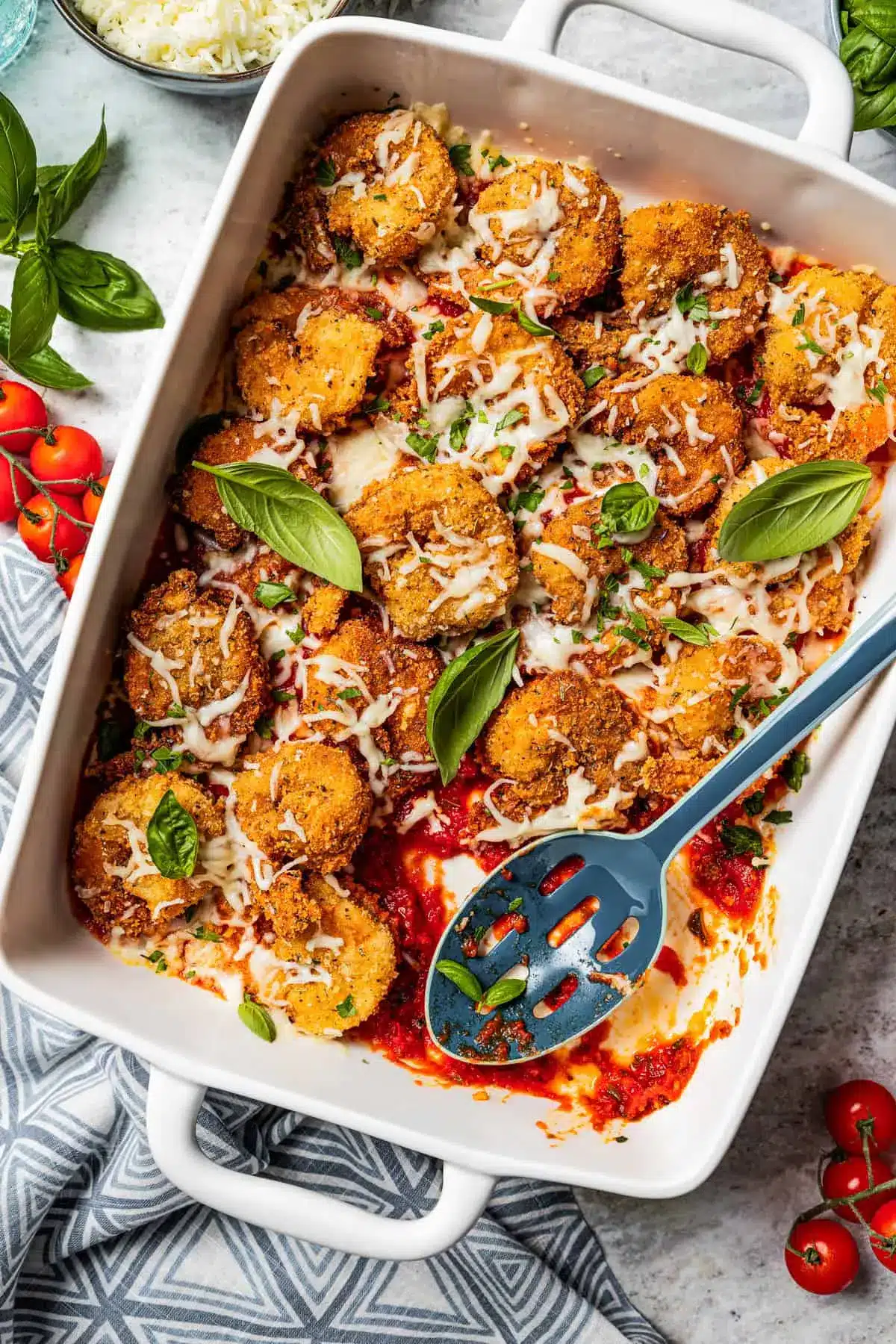
Embark on a culinary adventure with this delightful Shrimp Parmigiana recipe, a vibrant twist on a beloved classic. Imagine succulent, perfectly breaded shrimp, golden and crisp, nestled in a rich marinara sauce and blanketed with bubbling, melted mozzarella cheese. This dish promises a symphony of flavors and textures that will transport your taste buds straight to the heart of Italy, right from your own kitchen.
Whether you’re a seasoned home cook or just beginning your journey in the culinary arts, this recipe is designed to be approachable and incredibly rewarding. It’s the kind of meal that brings smiles to the table, perfect for a weeknight family dinner or a special occasion gathering. Get ready to impress your loved ones with a dish that’s as visually stunning as it is delicious, a true testament to the simple beauty of well-prepared seafood.
Why You Will Love This Recipe
- Flavor Explosion: Each bite offers a delightful combination of savory, tangy, and cheesy notes, creating a truly satisfying culinary experience.
- Impressive Texture: The contrast between the crispy, golden-brown breaded shrimp and the soft, melted cheese and rich sauce is utterly irresistible.
- Simplicity and Speed: Despite its restaurant-quality appeal, this recipe is surprisingly straightforward and comes together in a reasonable amount of time, making it ideal for busy evenings.
- Versatile Serving Options: This dish shines on its own, but also pairs beautifully with a variety of sides, making it a flexible addition to any meal plan.
- Crowd-Pleasing Appeal: Shrimp parmigiana is a universally loved dish that appeals to a wide range of palates, ensuring everyone at your table will enjoy it.
Ingredients You Need
The foundation of any exceptional dish lies in the quality of its ingredients. For this Shrimp Parmigiana, we’re focusing on fresh, vibrant components that will sing together in harmony. Opting for plump, fresh jumbo shrimp will provide the best texture and flavor, ensuring each piece is juicy and tender. Similarly, using good quality marinara sauce, whether homemade or your favorite store-bought variety, will elevate the overall taste profile. Freshly grated Parmesan cheese offers a superior nutty depth compared to pre-shredded options, and vibrant fresh basil provides a fragrant, aromatic finish.
Shrimp Parmigiana
Juicy shrimp parmigiana is an easy baked shrimp recipe with parmesan-crusted jumbo shrimp smothered in tangy marinara sauce and melted mozzarella. We love it with pasta!
- ½ cup flour
- 2 large eggs
- 1 cup breadcrumbs
- ½ cup finely grated parmesan cheese
- 1 tablespoon Italian seasoning
- 1 teaspoon salt
- ½ teaspoon freshly ground black pepper
- 1½ pound jumbo shrimp, peeled and deveined
- vegetable oil, for frying
- 1¾ cups marinara sauce
- ¾ cup shredded mozzarella
- ¹⁄&sbsp; cup chopped fresh basil
- 1Preheat the oven to 425°F and grease a 9X13-inch baking pan with non-stick cooking spray.
- 2Set up 3 small-medium bowls, one next to another. Put the flour in one, beat the eggs in another, and whisk together the breadcrumbs, parmesan, Italian seasoning, salt, and pepper in the third. Place a large plate at the end of the row of bowls.
- 3Dip one shrimp in the flour to coat. Shake it off. Dip the shrimp in the beaten eggs to coat. Shake it off. Dip the shrimp in the breadcrumb mixture to coat. Place it on the plate. Repeat with the remaining shrimp.
- 4Heat about 2 inches of oil over medium-high heat in a large, heavy-bottomed saucepan. Use a candy thermometer to measure the oil temperature. Once it reaches 370°F, you are ready to fry. Place a large plate near the stove and spread a couple of paper towels over it.
- 5Add several shrimp to the oil. Be careful not to crowd the pan (you can fry in batches if needed). Fry for 2-3 minutes and then flip and fry for an additional 2-3 minutes or until golden brown. Transfer the shrimp to the plate lined with paper towels.
- 6Spread the marinara sauce over the bottom of the baking dish and arrange the shrimp in a single layer over the sauce. Sprinkle with mozzarella.
- 7Bake uncovered at 425°F for 5 minutes or until cheese has melted.
- 8Serve over pasta, garnished with fresh basil.
Keywords: Shrimp Parmigiana, Baked Shrimp, Italian, Seafood, Dinner, Easy Recipe
- flour: all-purpose flour is perfect for coating the shrimp to create a crisp base for frying.
- eggs: large eggs, lightly beaten, serve as the binder for the breadcrumb coating, ensuring it adheres beautifully to the shrimp.
- breadcrumbs: plain or Italian-seasoned breadcrumbs provide the essential crispy texture.
- parmesan cheese: finely grated, this adds a wonderfully savory and nutty element to the breadcrumb coating.
- italian seasoning: a blend of herbs like oregano, basil, and thyme that infuses the coating with classic Italian aromatics.
- salt: to enhance all the other flavors and bring out the natural sweetness of the shrimp.
- black pepper: freshly ground black pepper adds a subtle warmth and complexity.
- jumbo shrimp: the star of the show, peeled and deveined, providing a substantial and satisfying bite.
- vegetable oil: a neutral oil like canola or avocado oil is ideal for shallow frying, achieving that perfect golden crisp.
- marinara sauce: a rich, tangy tomato sauce that forms the flavorful base for the parmigiana.
- shredded mozzarella: this creamy cheese melts beautifully, creating that iconic gooey, cheesy topping.
- fresh basil: fragrant leaves provide a burst of freshness and a beautiful garnish.
You’ll find the precise quantities for each ingredient listed in the accompanying recipe card for your convenience.
Variations
This classic Shrimp Parmigiana is a fantastic starting point, but it’s also incredibly adaptable to various dietary preferences and flavor profiles. Think about how you can transform this delicious dish into something uniquely yours.
For a delightful Vegan Shrimp Parmigiana, the magic lies in creative substitutions. Instead of shrimp, consider using large king oyster mushroom stems, which have a remarkably similar texture when prepared correctly. You would bread and fry these just as you would shrimp. For the “cheese,” a cashew-based mozzarella or a good quality vegan mozzarella shred would work wonders. Ensure your marinara sauce is also vegan, and top with nutritional yeast for an extra cheesy flavor boost before baking.
If you’re following a Low-Carb or Keto lifestyle, the breadcrumbs are the main component to address. You can achieve a fantastic crispy coating by using finely crushed pork rinds or a blend of almond flour and coconut flour. Season this mixture generously with Parmesan cheese, Italian herbs, salt, and pepper. The shrimp and sauce remain largely the same, though you might opt for a low-sugar marinara sauce if you’re being particularly strict with carb intake. This modification maintains the delightful textures and flavors.
Exploring Spicy Variations is another exciting avenue. For those who love a little heat, consider incorporating red pepper flakes directly into the breadcrumb mixture. You could also add a pinch of cayenne pepper for a more pronounced kick. Once the shrimp is assembled with marinara and mozzarella, a generous sprinkle of sliced jalapeños or a drizzle of hot sauce before baking will add an extra layer of spicy complexity that complements the savory shrimp and cheese beautifully.
How to Prepare shrimp parmigiana
Step 1: Setting Up Your Breading Station
Before you begin the hands-on process of breading the shrimp, it’s crucial to have your “dredging station” meticulously organized. This efficiency will make the entire process smoother and less chaotic. You’ll need three shallow dishes or bowls, arranged in a logical sequence. The first dish should contain all-purpose flour, seasoned lightly with salt and pepper to give the shrimp an initial layer of savory flavor and provide a better surface for the egg to adhere to. Ensure the flour is evenly distributed.
In the second dish, you’ll have your beaten eggs. Whisk them thoroughly until the yolks and whites are completely combined, creating a smooth, homogenous liquid. This liquid acts as the adhesive for the breadcrumbs, ensuring they stick firmly to the shrimp. Some cooks like to add a splash of milk or water to the eggs, but it’s not strictly necessary for this recipe; just ensure they are well-beaten. Have a separate plate or baking sheet nearby, ideally lined with parchment paper, on which you will place the breaded shrimp.
The third and final dish is for your breadcrumb mixture. This is where a lot of the flavor and crunch comes from, so don’t skimp on seasoning. Combine your breadcrumbs (plain or Italian-seasoned), finely grated Parmesan cheese, and Italian seasoning. A pinch of salt and freshly ground black pepper will further enhance the savory notes. Whisk these ingredients together until they are evenly distributed, ensuring that every piece of shrimp gets coated in this flavorful blend. This organized setup is the first secret to perfectly breaded and fried shrimp.
Step 2: Bread and Fry the Shrimp
Now comes the engaging part of coating the shrimp. Take each peeled and deveined shrimp one at a time and begin the three-step coating process. First, gently dredge the shrimp in the seasoned flour, ensuring it’s lightly coated on all sides. Shake off any excess flour; you want a thin, even layer, not a thick paste, as this will help the egg adhere better. This initial flour coating also helps to absorb any residual moisture from the shrimp.
Next, dip the flour-coated shrimp into the beaten eggs, allowing any excess to drip back into the dish. The egg wash will create a sticky surface that is perfect for the breadcrumbs to cling to. Ensure the entire shrimp is submerged in the egg mixture. Immediately transfer the egg-coated shrimp to the breadcrumb mixture. Press the shrimp gently into the breadcrumbs, turning to ensure it is thoroughly coated on all sides. The combination of flour, egg, and breadcrumbs creates that signature crispy crust.
Once breaded, place the shrimp on the prepared plate or baking sheet. Repeat this process with all the shrimp. Then, it’s time to fry. Heat about two inches of vegetable oil in a large, heavy-bottomed skillet or Dutch oven over medium-high heat until it reaches approximately 370°F (188°C). Carefully add the breaded shrimp to the hot oil in batches, being careful not to overcrowd the pan. Overcrowding will lower the oil temperature and result in soggy, unevenly cooked shrimp.
Fry the shrimp for about 2-3 minutes per side, until they are golden brown and beautifully crisp. The shrimp will curl into a “C” shape and turn a rosy pink when cooked through. Use a slotted spoon or spider strainer to carefully remove the fried shrimp from the oil and place them on a plate lined with paper towels to drain any excess grease. This step is crucial for achieving that perfect crunch that contrasts so wonderfully with the soft interior of the shrimp. You’ll be amazed at how quickly this process happens.
Step 3: Assemble in a Baking Dish
With your perfectly golden and crispy shrimp ready, it’s time to bring all the delicious elements of Shrimp Parmigiana together. Preheat your oven to 425°F (220°C) to ensure it’s hot and ready to melt the cheese to perfection. Lightly grease a 9×13-inch baking dish with non-stick cooking spray or a little olive oil. This prevents the sauce from sticking and makes for easier cleanup later. A casserole dish of this size is ideal for arranging the shrimp in a single layer without too much crowding.
Begin by spreading a generous layer of your chosen marinara sauce evenly across the bottom of the prepared baking dish. This sauce layer not only adds flavor but also prevents the shrimp from sticking directly to the dish and provides a moist environment for baking. Make sure the sauce covers the entire base of the dish, creating a luscious bed for the shrimp. You can use more or less sauce depending on your preference; some people like a lot of sauce, while others prefer just enough to coat the bottom.
Next, carefully arrange the fried shrimp in a single layer over the marinara sauce. Try to space them out evenly so that each piece of shrimp gets its fair share of melted cheese and sauce. This even distribution is key to ensuring that every bite is a perfect combination of shrimp, sauce, and cheese. If you have a lot of shrimp, you might need to slightly overlap them, but aim for a single layer as much as possible to allow for even cooking and melting of the cheese.
The aroma starting to fill your kitchen at this stage is simply divine, a tantalizing preview of the delicious meal to come. The vibrant red of the marinara sauce contrasts beautifully with the golden-brown hue of the breaded shrimp, creating a visually appealing foundation for the final layer of cheesy goodness. This simple assembly is a testament to how straightforward yet impactful this dish can be, proving that elegance in cooking often lies in its simplicity.
Step 4: Top with Mozzarella and Bake
The penultimate step in creating your spectacular Shrimp Parmigiana involves crowning the dish with a generous blanket of mozzarella cheese. Take your shredded mozzarella cheese and sprinkle it evenly over the arranged shrimp and marinara sauce. Ensure that the cheese covers the shrimp as much as possible, creating a delightful cheesy crust that will bubble and melt into a glorious, gooey topping. The amount of cheese can be adjusted to your personal preference; more cheese is always a welcome addition for many!
For an extra touch of Italian authenticity and flavor, you can also sprinkle a little more grated Parmesan cheese over the mozzarella. This adds another layer of savory depth and helps the mozzarella to brown more evenly in the oven. Some people also like to add a few extra dollops of marinara sauce on top of the cheese, which can help keep the shrimp moist during baking and add more sauce to the finished dish. The goal here is to create a harmonious blend of flavors and textures.
Place the assembled baking dish into the preheated 425°F (220°C) oven. Bake for approximately 5 to 7 minutes, or until the mozzarella cheese is fully melted, bubbly, and lightly golden brown. The short baking time is intended to heat the shrimp through and melt the cheese, not to overcook the shrimp which are already cooked from frying. Keep an eye on it to prevent the cheese from burning; you’re looking for a beautiful golden melt, not a charred mess. The heat from the oven will also allow the flavors of the sauce and cheese to meld beautifully with the crispy shrimp.
The transformation in the oven is almost magical: the cheese melts and becomes a luscious blanket, the sauce gently simmers, and the aroma becomes truly irresistible. This brief baking period is the final flourish that brings all the components together into a cohesive and incredibly appetizing dish. It’s a moment of anticipation before the grand reveal of your culinary creation. The visual appeal of the bubbling cheese and vibrant sauce is a promise of the deliciousness that awaits.
Step 5: Garnish and Serve
Once the Shrimp Parmigiana emerges from the oven, adorned with perfectly melted, golden-brown mozzarella, it’s almost ready to be enjoyed. The most crucial finishing touch, and one that truly elevates the dish, is fresh basil. Immediately after taking the dish out of the oven, generously scatter freshly chopped basil leaves over the top. The residual heat will slightly wilt the basil, releasing its fragrant oils and vibrant aroma, which is essential for the authentic Parmigiana experience. The bright green of the basil against the red sauce and white cheese is also visually stunning.
Allow the Shrimp Parmigiana to rest for a few minutes before serving. This resting period is important as it allows the sauce to settle slightly and the cheese to firm up just enough so that it doesn’t completely slide off when you serve the dish. While it rests, you can prepare your side dishes or finalize your plating. The goal is to serve it hot, with the cheese still wonderfully gooey and the shrimp perfectly tender within their crispy coating.
Serve the Shrimp Parmigiana immediately, spooning generous portions onto plates. It is traditionally served over a bed of al dente pasta, such as spaghetti or linguine, which acts as the perfect vehicle for soaking up the delicious marinara sauce and cheese. Alternatively, it can be served with crusty bread for dipping, a fresh green salad, or roasted vegetables. The versatility of this dish means it can be adapted to various meal styles, ensuring it’s a welcome addition to any dining occasion. Enjoy every delightful, flavorful bite!
Pro Tips for shrimp parmigiana
To ensure your Shrimp Parmigiana is an absolute triumph, here are some expert tips to guide you. Don’t be afraid to get a little hands-on; the reward is immense.
- Fry in Batches: This is paramount for achieving perfectly crispy shrimp. Overcrowding the pan lowers the oil temperature, leading to greasy, soggy breading. Fry in manageable batches, giving each piece enough space to crisp up evenly.
- Maintain Oil Temperature: Use a candy thermometer to keep your frying oil at a consistent 370°F (188°C). If the oil is too hot, the breading will burn before the shrimp cooks. If it’s too cool, the shrimp will absorb too much oil and become greasy.
- Don’t Overcook the Shrimp: Shrimp cooks very quickly. Overcooked shrimp becomes tough and rubbery. They only need 2-3 minutes per side for frying and a brief moment in the oven to melt the cheese. Watch for the characteristic pink color and “C” curl.
- Use Freshly Grated Parmesan: While pre-grated cheese works in a pinch, freshly grated Parmesan has a superior flavor and melts more beautifully. It makes a significant difference in the overall taste profile of the dish.
- Season Every Layer: Don’t just season the breadcrumbs. A light seasoning of salt and pepper in the flour and even a touch in the egg wash will ensure flavor is distributed throughout the dish, rather than being concentrated in just one component.
Serving Suggestions for shrimp parmigiana
Decoration
The simplest and most impactful garnish for Shrimp Parmigiana is fresh basil. A generous scattering of chopped fresh basil leaves over the hot, melted cheese adds a burst of vibrant green color and a wonderfully aromatic freshness. This not only enhances the visual appeal but also provides a delightful contrast to the richness of the dish. For an extra touch, consider a few whole basil leaves placed strategically on top, especially if serving as a centerpiece.
A light dusting of finely grated Parmesan cheese over the top, after the mozzarella has melted, can add another layer of savory complexity and a beautiful golden hue. If you enjoy a hint of spice, a very light sprinkle of red pepper flakes can add visual interest and a promise of heat. Ensure any added garnishes are used judiciously to complement, not overpower, the main flavors of the dish.
Side Dishes
Shrimp Parmigiana is often served over pasta, making it a complete meal. Spaghetti or linguine are classic choices, as their strands are perfect for catching the rich marinara sauce and melted cheese. Other pasta shapes like fettuccine or even penne work equally well. Ensure the pasta is cooked al dente to maintain a pleasant chewiness.
Beyond pasta, a crisp green salad provides a refreshing counterpoint to the richness of the parmigiana. A simple Caesar salad with its creamy dressing and crunchy croutons, or a lighter arugula salad with a lemon vinaigrette, would be excellent. For those seeking vegetables, roasted asparagus, steamed broccoli, or sautéed green beans with garlic offer healthy and flavorful accompaniments.
Creative Serving Ideas
For a more casual gathering or appetizer, consider serving individual portions in small ramekins or oven-safe dishes. This allows each guest to have their own perfectly portioned Shrimp Parmigiana, with crispy edges and a cheesy top. You can also serve it in hollowed-out crusty bread loaves, creating a delicious, edible bread bowl that soaks up all the flavors.
Another unique serving idea is to create mini Shrimp Parmigiana sliders. Serve the shrimp and sauce on small toasted buns, topped with melted mozzarella. This is a fun twist for parties or game days. For a lighter meal, serve it atop a bed of zucchini noodles (zoodles) for a low-carb option, or alongside crusty garlic bread for dipping into the flavorful sauce. The versatility of Shrimp Parmigiana means it can be adapted to suit almost any occasion or dining preference.
Preparation & Storage
Storing Leftovers
Leftover Shrimp Parmigiana can be stored in an airtight container in the refrigerator for 3 to 4 days. Ensure the dish has cooled down to room temperature before sealing the container to prevent condensation buildup, which can make the breading soggy. While refrigerating is the best method for short-term storage, be mindful that the breading may lose some of its crispness over time as it absorbs moisture from the sauce.
When storing, it’s advisable to keep the shrimp, sauce, and cheese together as they were baked. If you have a large quantity, consider portioning it into smaller containers to make reheating easier and to avoid exposing the entire batch to air each time you take some out. Properly stored, leftovers can still be quite delicious, offering a convenient and satisfying meal for the following days.
Freezing
Shrimp Parmigiana can be frozen for longer-term storage, ideally for up to 1 to 2 months. It’s best to freeze it before the cheese has become too browned or crispy, as freezing and reheating can alter the texture of the cheese. Allow the dish to cool completely to room temperature before packaging it for the freezer. Use a freezer-safe airtight container or heavy-duty aluminum foil, wrapping the dish tightly to prevent freezer burn.
If you plan to freeze it, consider freezing individual portions in smaller containers or freezer bags. This makes it much easier to thaw and reheat only what you need. When freezing, it’s important to remove as much air as possible from the container or bag. This practice helps maintain the quality and flavor of the dish throughout its freezer life.
Reheating
Reheating Shrimp Parmigiana requires a gentle approach to revive its deliciousness without compromising its texture. The best method is often in the oven. Place the leftovers in an oven-safe dish, cover loosely with foil to prevent further browning, and reheat at a moderate temperature, around 350°F (175°C), until heated through. This typically takes about 15-20 minutes, depending on the portion size. The foil helps to steam the dish and keep it moist, which can help soften the breading a bit.
Alternatively, you can reheat individual portions in a skillet over medium-low heat. This method can help to re-crisp the breading slightly, especially if you add a tiny bit of oil or butter to the pan. Be careful not to overheat, as the shrimp can become tough. Microwaving is the quickest option, but it often results in a softer, less crispy breading. If using a microwave, heat in short intervals, stirring or flipping the food halfway through, to ensure even heating without drying it out.
Frequently Asked Questions
-
Can I make Shrimp Parmigiana ahead of time?
Yes, you can prepare many components of Shrimp Parmigiana ahead of time, making assembly quicker for baking. You can peel and devein the shrimp, set up your breading station ingredients, and even prepare the marinara sauce in advance. The shrimp are best breaded and fried just before assembling and baking for optimal crispiness. The dish can be assembled up to a few hours before baking and kept refrigerated, though the breading might soften slightly. For the best texture, it’s recommended to bake it fresh.
-
What kind of shrimp is best for Shrimp Parmigiana?
Jumbo shrimp are generally preferred for Shrimp Parmigiana because their larger size holds up well to the breading and frying process, and they remain succulent even after baking. Look for shrimp that are fresh and firm, with a vibrant color. If using frozen shrimp, ensure they are fully thawed and thoroughly patted dry before you begin the breading process. Excess moisture on the shrimp can prevent the breading from adhering properly and lead to a less crispy coating. Medium-large shrimp can also be used, but adjust frying times accordingly.
-
Why is my Shrimp Parmigiana breading not crispy after baking?
There are several reasons why the breading might not be crispy. Overcrowding the frying pan is a common culprit, as it lowers the oil temperature and steams the breading instead of frying it. Ensure your oil is at the correct temperature (around 370°F / 188°C) and fry in batches. Additionally, if the shrimp is not patted dry before breading, or if the breaded shrimp sits for too long before frying, the moisture can make the coating soggy. Finally, baking for too long or at too low a temperature can also diminish crispiness; the baking stage is primarily for melting the cheese, not cooking the shrimp further.