Sautéed Kale
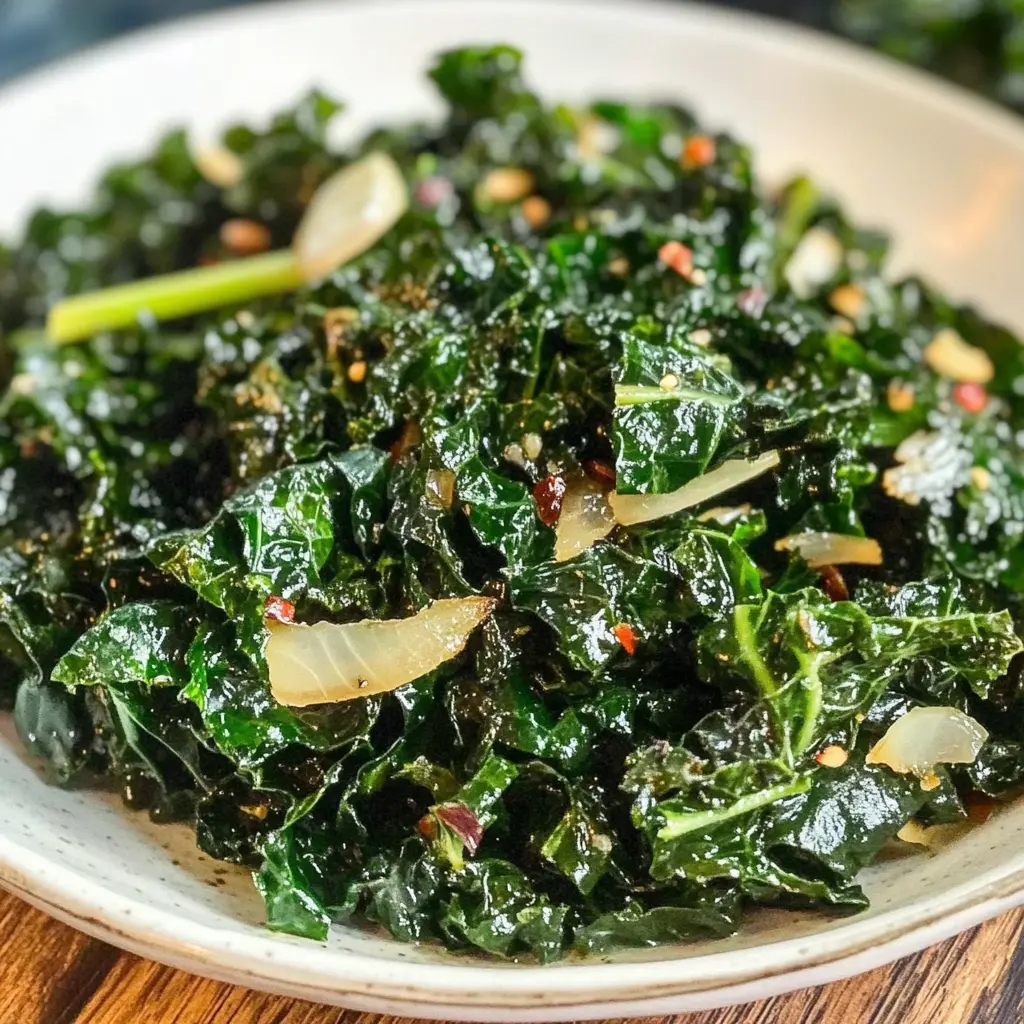
Kale is a vibrant green superfood that makes for a delightful and healthy side dish. Sautéed Kale is not only quick to prepare but also packed with nutrients, making it perfect for any meal or occasion. Its versatility allows it to complement various main dishes, from grilled chicken to pasta, and the simple ingredients bring out the natural flavor of kale for a truly delicious experience.
This recipe is designed to be accessible for cooks of all skill levels, transforming humble kale into a culinary star. The process is straightforward, focusing on bringing out the best in this nutrient-dense leafy green with minimal fuss and maximum flavor. Get ready to elevate your side dish game with this simple yet impactful preparation.
Why You Will Love This Recipe
- Quick Preparation: This dish is ready in a mere 13 minutes, making it an absolute lifesaver for busy weeknights when time is of the essence and you still crave something healthy and delicious.
- Nutrient-Rich: Packed with essential vitamins like A, C, and K, along with beneficial antioxidants, sautéed kale is a powerhouse of nutrition that contributes positively to your overall well-being.
- Flavorful and Versatile: The simple yet effective seasoning and the addition of apple cider vinegar create a delightful balance of savory and tangy notes that complement a wide array of main courses, making it incredibly adaptable.
- Minimal Ingredient List: You likely have most, if not all, of the necessary ingredients in your pantry already, making this a convenient and budget-friendly option for a healthy side dish.
- Excellent for Meal Prep: Sautéed kale holds up wonderfully when stored, making it an ideal candidate for preparing ahead of time for lunches or dinners throughout the week, saving you precious time on busy days.
Ingredients You Need
The quality of your ingredients plays a significant role in the final flavor and texture of any dish, and sautéed kale is no exception. Opting for fresh, vibrant kale, fragrant garlic, and good quality olive oil will truly make a difference in the overall taste experience. The broth you choose, whether vegetable or chicken, also adds a subtle depth that elevates the greens beyond plain steamed or wilted varieties.
Sautéed Kale
Sautéed Kale is a vibrant and nutritious side dish that brings both flavor and health benefits to your table. This quick and easy recipe features fresh kale sautéed with aromatic garlic, seasoned to perfection, and finished with a splash of apple vinegar for a delightful tang. In just 13 minutes, you can create a satisfying accompaniment that pairs beautifully with grilled chicken, quinoa bowls, or even pasta dishes. Whether you're looking to boost your meal prep or simply add more greens to your diet, this sautéed kale recipe is versatile enough to suit any occasion.
- 1 tablespoon olive oil
- 1 tablespoon minced garlic
- 10 ounces chopped kale
- 1/2 cup vegetable or chicken broth
- 1/4 teaspoon salt
- 1/8 teaspoon black pepper
- 1/4 teaspoon crushed red pepper flakes
- 1 1/2 tablespoons apple vinegar
- 1Heat olive oil in a large skillet over medium heat. Add minced garlic and sauté until fragrant, about one minute.
- 2Add chopped kale and increase the heat to high; pour in the broth and stir to coat. Cover the skillet and cook for 5 minutes.
- 3Uncover, add salt, black pepper, and crushed red pepper flakes, then cook for an additional 2-3 minutes until liquid is absorbed.
- 4Remove from heat, stir in apple vinegar, and toss the kale to coat evenly. Serve immediately and enjoy!
Keywords: kale, sautéed kale, healthy side dish, quick recipe, vegetarian, vegan option
- olive oil: a fundamental base for sautéing, providing a smooth cooking surface and helping to develop the initial flavors with the aromatics.
- minced garlic: essential for its pungent aroma and savory taste, garlic is the star aromatic that infuses the kale with classic flavor.
- chopped kale: the main event, choose fresh, firm kale with vibrant leaves and remove the tough central stems before chopping into bite-sized pieces for even cooking.
- vegetable or chicken broth: adds moisture and a layer of subtle flavor, preventing the kale from drying out and contributing to a more complex taste profile than water alone.
- salt: a universal flavor enhancer that brings out the natural sweetness and earthiness of the kale.
- black pepper: provides a gentle warmth and a hint of spice that complements the other flavors in the dish.
- crushed red pepper flakes: introduce a pleasant, mild heat that can be adjusted to your personal preference, adding a touch of excitement to the simple greens.
- apple cider vinegar: this is the secret weapon for brightness, its acidity cuts through the richness and earthiness of the kale, adding a tangy finish that lifts the entire dish.
The precise quantities for each ingredient are conveniently detailed within the associated recipe card, ensuring you have the perfect balance for optimal results.
Variations
Transforming this basic sautéed kale recipe into something truly unique is incredibly simple, allowing you to tailor it to specific dietary needs or flavor preferences. The core of the recipe provides a fantastic canvas for culinary creativity.
For a delightful vegan twist, simply ensure you are using vegetable broth instead of chicken broth. You can also amplify the protein and texture by adding a can of rinsed and drained chickpeas or some pan-fried tofu cubes towards the end of the cooking process. A sprinkle of nutritional yeast before serving will lend a cheesy, umami flavor without any dairy.
If you’re aiming for a low-carb option, this recipe is already quite suitable, but you can enhance it further. Consider adding other low-carb vegetables like thinly sliced bell peppers (any color for visual appeal), finely diced zucchini, or even some chopped mushrooms for added depth. A squeeze of fresh lemon juice in place of or in addition to the apple cider vinegar also offers a bright, refreshing finish.
To create a heartier, more substantial dish, you can incorporate elements like toasted slivered almonds or sunflower seeds for a satisfying crunch and healthy fats. A dollop of your favorite dairy-free yogurt or a drizzle of tahini sauce can also add a creamy element, turning this side into a light lunch or a component of a larger grain bowl. The possibilities are truly endless with this adaptable green.
How to Prepare Sautéed Kale Recipe
Step 1: Sauté Garlic
Begin by selecting a large skillet, one that offers ample surface area for the kale to spread out without becoming overcrowded. Place this skillet over a medium heat setting on your stovetop, allowing it to warm up gradually. This initial warming phase is crucial for ensuring that the ingredients cook evenly and efficiently, preventing any part from burning or remaining undercooked.
Once the skillet is adequately preheated, add your tablespoon of olive oil. Swirl the oil around to coat the bottom of the pan evenly. Immediately after, add the minced garlic to the oil. You want to sauté this garlic gently, stirring it occasionally with a wooden spoon or spatula, for about one minute. The goal here is to coax out the fragrant aromas of the garlic without allowing it to turn brown or bitter, which can happen quite quickly if the heat is too high or it’s cooked for too long.
The aroma of the garlic should become noticeably more intense and pleasant as it cooks. This fragrance is the first layer of flavor being built for your sautéed kale. Pay close attention to the color; it should remain a pale golden hue, indicating it’s perfectly aromatic and ready for the next step. This foundational step sets the stage for a truly delicious and well-seasoned outcome.
Step 2: Cook Kale
As soon as the garlic is fragrant and lightly toasted, it’s time to introduce the star ingredient: the chopped kale. Add the entire quantity of chopped kale directly into the hot skillet, on top of the garlic and oil mixture. Once the kale is in the pan, immediately turn the heat up to high. This surge in temperature is essential for wilting the kale quickly and achieving that desirable tender-crisp texture, rather than a mushy consistency.
Next, pour in the 1/2 cup of vegetable or chicken broth. The broth will begin to steam and help the kale soften. Use your wooden spoon or spatula to stir everything together, ensuring that each piece of kale is coated with the garlic-infused oil and the broth. This stirring action also helps to distribute the heat evenly throughout the greens.
Once the kale is well-mixed and coated, cover the skillet with a lid. Allow the kale to steam and cook undisturbed for approximately 5 minutes. During this time, the kale will dramatically reduce in volume and begin to soften, absorbing the flavors from the garlic and broth. This covered cooking period is vital for tenderizing the kale properly before the final sautéing and seasoning steps.
Step 3: Season and Finish Cooking
After the 5-minute steaming period, carefully remove the lid from the skillet. You’ll notice that the kale has wilted significantly and the liquid from the broth has reduced. Now is the time to introduce the core seasonings that will enhance the kale’s natural flavor. Sprinkle the 1/4 teaspoon of salt, the 1/8 teaspoon of black pepper, and the 1/4 teaspoon of crushed red pepper flakes evenly over the kale.
Stir the ingredients together thoroughly with your spatula, ensuring that the salt, pepper, and red pepper flakes are distributed across all the kale leaves. Once seasoned, continue to cook the kale uncovered. This phase is crucial for allowing any remaining moisture to evaporate and for the kale to develop a slightly more concentrated flavor. Continue cooking for an additional 2 to 3 minutes, stirring occasionally.
The goal during this final sautéing stage is to achieve a consistency where there is no longer any visible liquid pooling at the bottom of the skillet. The kale should look glossy and tender, but not waterlogged. This step ensures the kale has the perfect texture and flavor, ready for its final finishing touch.
Step 4: Add Apple Vinegar
Once you’ve reached the desired consistency with no excess liquid remaining in the pan, the next crucial step is to turn off the heat entirely. This prevents any further cooking and allows the final flavor infusion to happen gently. Immediately after turning off the burner, add the 1 1/2 tablespoons of apple cider vinegar directly to the skillet.
The addition of apple cider vinegar at this stage is deliberate and impactful. Its bright, acidic notes are essential for cutting through the slight bitterness of the kale and the richness from the olive oil and garlic. It acts as a flavor brightener, elevating all the other tastes in the dish. Toss the kale thoroughly to ensure that every leaf is coated with the vinegar.
This final toss with the vinegar is what gives the sautéed kale its signature tangy finish. It’s a quick step, but one that makes a significant difference in the overall deliciousness and balance of the dish. The residual heat from the pan will help to distribute the vinegar’s flavor without overcooking the greens.
Step 5: Serve
With the apple cider vinegar beautifully incorporated and the kale perfectly tender and seasoned, your delicious sautéed kale is now ready to be served. Transfer the kale from the skillet onto your serving dish. It is best enjoyed immediately while it is still warm, as this is when the flavors are most vibrant and the texture is at its peak.
This versatile side dish can be presented in numerous ways, complementing a wide range of main courses. Its vibrant green color also adds a beautiful visual appeal to any plate, making meals look as good as they taste. Whether you are serving it for a casual weeknight dinner or a more formal gathering, this sautéed kale is sure to be a hit.
Enjoy the simple yet profound flavors of this healthy and satisfying dish. The combination of garlic, savory broth, and the tangy finish of apple cider vinegar makes it a stand-out side that can easily become a regular in your meal rotation. It’s a testament to how humble ingredients can create something truly spectacular with just a little bit of care and technique.
Pro Tips for Sautéed Kale Recipe
Choose the Right Kale: For the best results, select kale that has firm, vibrant leaves and sturdy stems. Avoid any kale that looks wilted or has yellowing spots. Types like Lacinato (Dinosaur) kale or Curly kale are excellent choices, each offering a slightly different texture and flavor profile, with Lacinato often being a bit more tender.
Wash and Dry Thoroughly: Kale can sometimes hide grit between its leaves, so washing it very well under cold running water is essential. After washing, ensure it’s dried as much as possible, either with a salad spinner or by gently patting with paper towels. Excess water can lead to steaming rather than sautéing, affecting the final texture.
Don’t Overcrowd the Pan: If you’re making a large batch, it’s better to sauté the kale in two or more batches. Overcrowding the skillet will lower the temperature and cause the kale to steam, resulting in a less desirable, soggy texture. Working in smaller portions ensures each leaf gets direct contact with the hot pan for proper sautéing.
Adjust Seasoning to Taste: The listed amounts of salt, pepper, and red pepper flakes are a starting point. Always taste your kale towards the end of cooking and adjust the seasoning as needed. You might prefer more salt for depth, more pepper for a kick, or extra red pepper flakes for heat.
Embrace the Vinegar Finish: The apple cider vinegar is crucial for balancing the flavors. Don’t skip this step! It brightens everything up and adds a delicious tang that makes the kale irresistible. You can experiment with other vinegars like red wine vinegar or even a squeeze of fresh lemon juice for a slightly different profile.
Serving Suggestions for Sautéed Kale Recipe
Decoration
To add a touch of elegance to your sautéed kale, consider a simple yet effective garnish. A sprinkle of toasted sesame seeds can provide a lovely crunch and nutty aroma. Alternatively, a few fresh, thinly sliced red chili flakes can not only add visual appeal but also hint at the subtle spice within the dish. For a vibrant burst of color, a few finely chopped fresh parsley or cilantro leaves can be added just before serving.
Side Dishes
Sautéed kale is exceptionally versatile and pairs beautifully with a wide array of main courses. It’s a perfect accompaniment to lean proteins like grilled chicken breast, baked salmon, or pan-seared pork chops, providing a nutritious balance to richer flavors. For vegetarian and vegan meals, it shines alongside roasted vegetables, hearty lentil loaves, or as a flavorful addition to grain bowls, such as those featuring quinoa or farro.
Consider pairing it with dishes that have complementary textures and flavors. For instance, the earthy notes of the kale work wonderfully with the sweetness of roasted sweet potatoes or butternut squash. Its slight bitterness can also cut through the richness of creamy dishes like risotto or macaroni and cheese, offering a refreshing contrast. A simple scoop alongside a hearty stew or chili also provides a welcome green element.
The beauty of sautéed kale lies in its ability to bridge different culinary styles. It can elevate a simple baked lemon chicken to a more complete and balanced meal. Its adaptability means it can be a staple side that complements everything from classic American comfort food to more sophisticated Mediterranean-inspired dishes. The key is to think about how its earthy, slightly peppery notes and tender texture can enhance the overall dining experience of the main dish.
Creative Serving Ideas
Think beyond just serving it alongside your main dish. Sautéed kale can be incorporated into other recipes to boost their nutritional value and flavor profile. Try layering it into omelets or frittatas for a nutrient-dense breakfast or brunch option. It can also be stirred into pasta dishes, like a simple aglio e olio or a creamy Alfredo, adding a healthy green dimension.
Another exciting way to use it is as a base or topping for various bowls. Create a vibrant Buddha bowl by layering the sautéed kale with grains, beans, avocado, and a flavorful dressing. It also makes a fantastic filling for quesadillas or empanadas, adding a unique twist to these handheld delights. Don’t underestimate its potential as a pizza topping, scattered over a white pizza or alongside traditional red sauce for a healthier slice.
For a truly elegant presentation, consider using it in appetizer bites. Small crostini topped with ricotta cheese, a sprinkle of lemon zest, and a dollop of sautéed kale can be an impressive starter. It can also be folded into savory muffins or scones for a flavorful baked good. The possibilities are extensive, encouraging you to experiment and discover new ways to enjoy this versatile vegetable.
Preparation & Storage
Storing Leftovers
Properly storing leftover sautéed kale is key to maintaining its quality and freshness for future enjoyment. Allow the cooked kale to cool down completely at room temperature before transferring it into an airtight container. This cooling step is important to prevent condensation from forming inside the container, which can make the kale soggy and potentially promote bacterial growth.
Once cooled and sealed in its container, store the sautéed kale in the refrigerator. It will typically remain fresh and delicious for up to 3 to 4 days. The flavor might even deepen slightly during this time, making it a convenient and tasty option for meal prep throughout the week. Just ensure the container is truly airtight to prevent any odors from escaping or other food smells from being absorbed.
When you’re ready to enjoy the leftovers, simply take out the container from the refrigerator. You can then proceed to reheat the kale using your preferred method, ensuring it’s heated through before serving. The resilience of sautéed kale makes it an excellent candidate for planned leftovers.
Freezing
Freezing sautéed kale is a great strategy for long-term storage, allowing you to enjoy this healthy side dish even further down the line. It’s important to cool the kale completely before packaging it for the freezer. Once cool, portion the kale into freezer-safe airtight containers or heavy-duty freezer bags.
Squeeze out as much air as possible from the bags before sealing them to prevent freezer burn. You can freeze the kale in individual serving sizes, which makes it incredibly convenient for quick meals. Properly frozen sautéed kale can maintain good quality for up to 3 months. Labeling the containers with the date of freezing is also a helpful practice.
When you decide to use frozen sautéed kale, it’s best to plan ahead slightly, as it will need time to thaw before reheating. You can thaw it overnight in the refrigerator. This method of freezing ensures that you always have a healthy and flavorful green option readily available in your freezer, saving you time and effort on busy days.
Reheating
Reheating sautéed kale is a straightforward process, and the best method often depends on your available appliances and desired outcome. One effective method is using the oven; preheat your oven to 350°F (175°C) and spread the kale in a single layer on a baking sheet. Heat for approximately 10 minutes, or until it is thoroughly warmed through. This method often yields a texture closest to freshly sautéed kale.
Alternatively, the microwave offers a very quick and convenient reheating option. Place the kale in a microwave-safe dish, cover it loosely to trap some moisture, and heat on medium power for 1 to 2 minutes. Stir the kale halfway through the heating process to ensure it warms evenly. Be cautious not to overheat, which can make the kale mushy.
For a stovetop reheating method, place the kale in a skillet over medium heat. Add a small splash of broth or water if the kale seems dry. Stir occasionally until the kale is heated through. This method allows you to control the heat and texture precisely. Regardless of the method chosen, ensure the kale is heated thoroughly before serving to enjoy its best flavor and texture.
Frequently Asked Questions
-
What is Sautéed Kale?
Sautéed Kale is a popular and health-conscious method of preparing kale, transforming its sturdy leaves into a tender, flavorful side dish. The process involves cooking chopped kale in a hot skillet with a bit of fat, typically olive oil, alongside aromatics like garlic. It’s often finished with a liquid, such as broth or water, to help it wilt, and seasoned to perfection, with a touch of acidity from vinegar or lemon juice added at the end to brighten the flavors. This technique makes kale more palatable and digestible for many, while retaining its impressive nutrient profile, including vitamins A, C, and K, as well as antioxidants and fiber.
-
How do I make Sautéed Kale without oil?
Making sautéed kale without oil is absolutely achievable by utilizing broth or water as your cooking liquid. To start, you can sauté your minced garlic in a tablespoon or two of vegetable broth or water over medium heat until it’s fragrant. This provides a base flavor without needing oil. Then, add your chopped kale and the rest of the broth or water as the recipe directs. Cover the pan to allow the kale to steam and wilt, and then uncover to finish cooking and evaporate excess liquid. Season as usual, and you’ll achieve a delicious, oil-free sautéed kale that is both healthy and flavorful.
-
Can I add other vegetables to Sautéed Kale?
Absolutely! Adding other vegetables to sautéed kale is a fantastic way to boost the dish’s color, texture, and nutritional complexity. Consider incorporating thinly sliced bell peppers (any color for visual appeal), diced onions or shallots (sautéed before the garlic for a deeper flavor base), chopped mushrooms for an earthy depth, or even finely shredded carrots for a hint of sweetness and crunch. Other great additions include zucchini, spinach (which cooks very quickly), or even small florets of broccoli or cauliflower, though these may require a slightly longer initial cooking time or smaller cuts to ensure they cook through with the kale. Experimenting with different vegetable combinations allows for endless flavor possibilities and makes your sautéed kale a more substantial and exciting dish.
Sautéed Kale is not just nutritious; it’s also incredibly versatile and easy to prepare, making it a staple in healthy cooking. You can customize it by adding different spices or vegetables according to your taste preferences and what you have on hand. Give this delicious side dish a try today, and you’ll find yourself reaching for it again and again as a perfect complement to a wide variety of meals.