Knoblauch Brötchen Rezept – Einfach & Schnell – Muma’s Kitchen
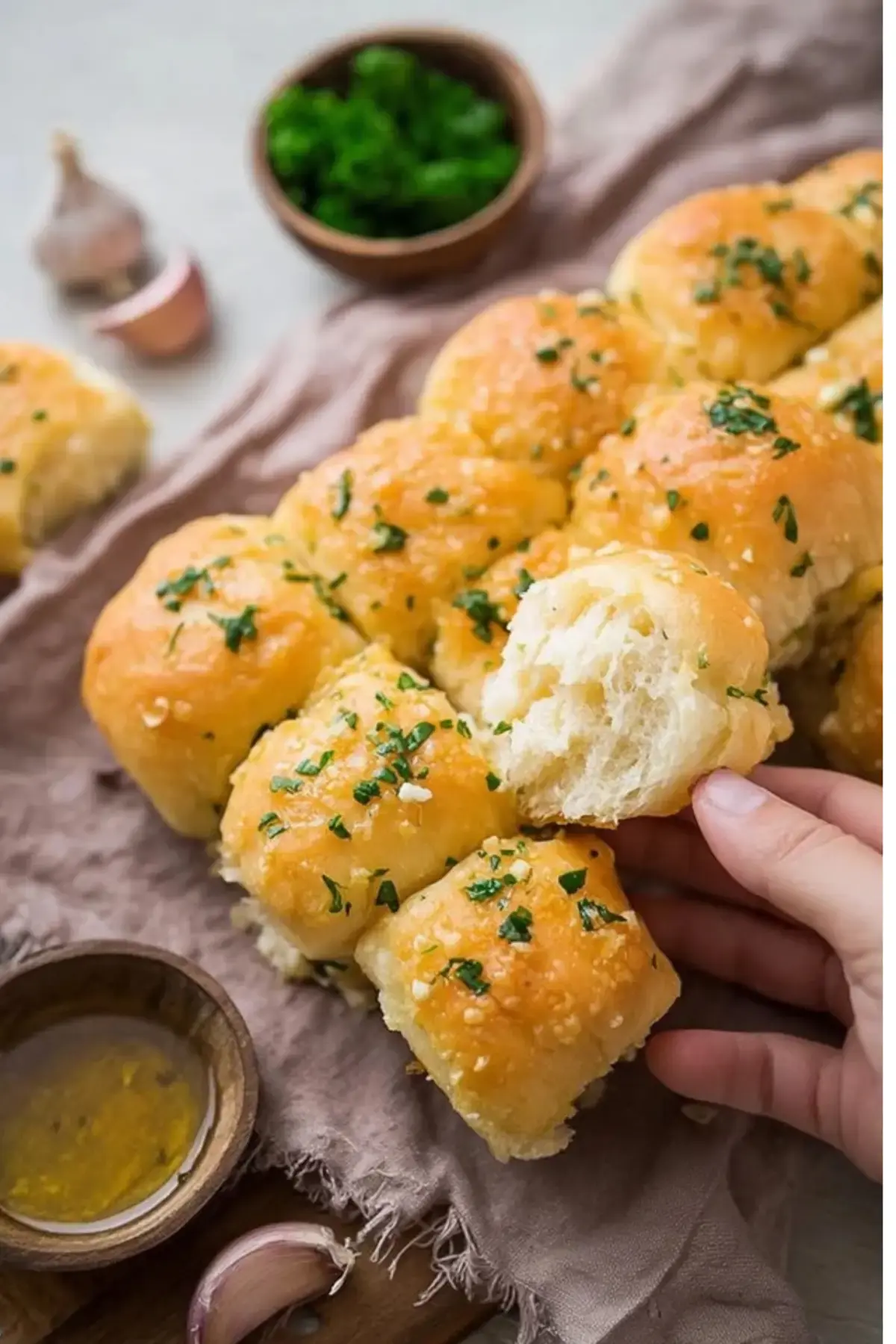
Knoblauch Brötchen, or garlic rolls, are a universally loved accompaniment to almost any meal, from casual barbecues to elegant dinners. Their irresistible combination of a golden, crisp exterior and a soft, fragrant interior, infused with the pungent aroma of garlic and rich butter, makes them a true crowd-pleaser. This particular recipe stands out for its straightforward preparation, minimal ingredients, and an intensely satisfying flavor that elevates any dining experience.
These delightful rolls are more than just a side dish; they are a culinary experience in themselves. The simplicity of the recipe means that even novice bakers can achieve professional-quality results, making them accessible to everyone. Their versatility ensures they are always a welcome addition to the table, promising a delightful taste and texture that guests will adore.
Why You Will Love This Recipe
- Simple Ingredients: You likely have most of the necessary components already in your pantry, making spontaneous baking a breeze.
- Quick Preparation: From mixing to baking, these garlic rolls come together efficiently, perfect for busy weeknights or last-minute entertaining.
- Incredible Aroma: The scent of baking garlic and butter filling your kitchen is an unparalleled sensory delight that promises deliciousness.
- Customizable Flavor: While the classic garlic and parsley combination is divine, this recipe provides a fantastic base for your own creative additions and spice levels.
- Perfect Texture: Achieve that sought-after balance of a wonderfully crisp crust and a tender, fluffy interior with this well-tested method.
Ingredients You Need
The secret to exceptional Knoblauch Brötchen lies in the quality and simplicity of its components. Using fresh, good-quality ingredients will undoubtedly result in a more flavorful and satisfying final product. Opt for fresh garlic, vibrant parsley, and good butter to ensure each bite is bursting with authentic taste.
Garlic Bread Rolls

These Garlic Bread Rolls are the ideal accompaniment to any barbecue, a cozy dinner, or a savory snack. With their crispy crust and aromatic, buttery garlic flavor, they are among the most popular bread variations. This recipe convinces with its simple preparation, few ingredients, and an especially intense aroma that enhances any meal.
- 500 g Wheat flour – for a loose and fluffy dough structure
- 1 packet Dry yeast (7 g) – so the dough rises nicely
- 1 tsp Sugar – supports yeast activation
- 1 1/2 tsp Salt – for balanced flavor
- 300 ml Lukewarm water – binds ingredients and activates yeast
- 3 tbsp Olive oil – makes the dough smooth and juicy
- 60 g Soft butter – for the aromatic garlic butter
- 4 Garlic cloves – provide the typical strong flavor
- 2 tbsp Fresh parsley, chopped – brings freshness and color
- 1 Pinch of salt – for seasoning the garlic butter
- 1In a bowl, mix the lukewarm water with sugar and dry yeast. Let the mixture stand for 5 to 10 minutes until small bubbles form.
- 2In a large bowl, combine the flour, salt, and olive oil. Add the yeast mixture and knead everything into a smooth dough.
- 3Knead the dough for 8 to 10 minutes until it is elastic and smooth. Cover the bowl and let the dough rise in a warm place for about 60 minutes until it has significantly increased in size.
- 4Meanwhile, finely chop the garlic and mix it with the soft butter, parsley, and a pinch of salt to create an aromatic garlic butter.
- 5Divide the risen dough into 8 to 10 equal portions and shape them into round rolls. Place them on a baking sheet lined with parchment paper.
- 6Loosely cover the shaped rolls and let them rest for another 20 minutes.
- 7Preheat the oven to 200 °C (400 °F) conventional heat. Lightly score the rolls and generously brush them with some of the garlic butter.
- 8Bake the garlic bread rolls for 15 to 20 minutes until they are golden brown and the surface appears slightly crispy.
- 9Remove the rolls from the oven and immediately brush them with the remaining garlic butter. Serve warm.
Keywords: Garlic bread, rolls, homemade, bread, side dish, baking, German, vegetarian, easy
- all-purpose flour: the foundational element for a light and airy crumb.
- active dry yeast: essential for achieving that perfect rise and fluffy texture.
- warm water: crucial for activating the yeast and binding the dough together.
- sugar: aids in yeast activation and contributes a subtle sweetness to the dough.
- salt: enhances all the flavors and balances the richness of the butter and garlic.
- olive oil: adds a touch of richness and helps keep the dough supple.
- butter: softened to create a luscious, spreadable garlic butter for filling and topping.
- fresh garlic: minced finely to infuse the butter with its characteristic pungent flavor.
- fresh parsley: chopped to add a burst of freshness and vibrant color to the garlic butter.
Precise quantities for these ingredients can be found within the recipe card for perfect execution.
Variations
While the classic Knoblauch Brötchen are undeniably delicious, there are countless ways to adapt this recipe to suit different tastes and dietary needs. Experimenting with variations can lead to exciting new flavor profiles and make these rolls suitable for even more occasions.
For a delightful vegan option, simply swap the dairy butter for a high-quality vegan butter or a blend of refined coconut oil and olive oil. This substitution maintains the creamy texture and richness without compromising on flavor, making these rolls inclusive for plant-based eaters. Ensure the vegan butter has a neutral flavor profile so as not to overpower the garlic.
To create a low-carb version, consider using a blend of almond flour and coconut flour as the base for the dough, adjusting the liquid content as needed. You might also explore using a sugar substitute to feed the yeast. For a cheesy twist, generously sprinkle grated Parmesan, Gruyère, or even a sharp cheddar over the garlic butter before baking, or mix it directly into the butter for an even more integrated flavor.
Adding other herbs like rosemary, thyme, or even a pinch of red pepper flakes to the garlic butter can introduce different aromatic dimensions. A sprinkle of smoked paprika can add a subtle smoky depth. You could also incorporate finely chopped sun-dried tomatoes or roasted red peppers into the butter for a Mediterranean flair. Consider a sweet and savory variation by adding a touch of honey or maple syrup to the garlic butter, which pairs beautifully with certain cheeses.
How to Prepare Knoblauch Brötchen
Step 1: Activate the Yeast
Begin by gently warming your water; it should feel comfortably warm to the touch, not hot. Too hot water will kill the yeast, preventing your dough from rising properly. In a small bowl, combine the warm water, a pinch of sugar, and the active dry yeast. Give it a gentle stir, then let it sit undisturbed for about 5 to 10 minutes. You’ll know the yeast is active and ready when it becomes frothy and bubbly on the surface, indicating that it’s alive and working.
This initial step is crucial for a successful dough. If you don’t see any activity after 10 minutes, it’s best to discard the yeast and start again with fresh yeast and correctly warmed water. The sugar acts as food for the yeast, helping to kickstart its activity and ensuring a good, consistent rise for your bread. This simple activation process sets the foundation for light and airy Knoblauch Brötchen.
Step 2: Combine Dough Ingredients
In a large mixing bowl, combine the all-purpose flour and salt. Whisk them together briefly to ensure the salt is evenly distributed throughout the flour. This prevents pockets of saltiness in your finished rolls. Make a well in the center of the flour mixture. Pour the activated yeast mixture into this well, along with the olive oil.
The olive oil contributes to the dough’s texture, making it softer and more pliable, and also adds a subtle richness. Using a sturdy spoon or a dough whisk, begin to incorporate the wet ingredients into the dry ingredients from the center outwards. Continue mixing until a shaggy, cohesive dough begins to form. At this stage, it will likely be quite sticky and messy, which is perfectly normal.
Step 3: Knead the Dough
Turn the dough out onto a lightly floured surface. Begin the kneading process, which is vital for developing the gluten structure in the flour. Gluten is what gives bread its chewiness and elasticity. Push the dough away from you with the heels of your hands, then fold it back over itself. Rotate the dough a quarter turn and repeat this motion.
Continue kneading for at least 8 to 10 minutes. The dough will transform from a sticky, unmanageable mass into a smooth, elastic, and supple ball. It should spring back slowly when gently pressed with a finger. If the dough becomes too sticky during kneading, lightly dust your hands and the work surface with a small amount of flour, but avoid adding too much, as this can make the rolls dense.
Once the dough has reached the desired consistency, shape it into a smooth ball. Lightly grease the mixing bowl with a little olive oil or cooking spray. Place the dough ball into the greased bowl, turning it to coat all sides with oil. This prevents the dough from drying out as it rises.
Step 4: First Rise (Proofing)
Cover the bowl tightly with plastic wrap or a clean, damp kitchen towel. Find a warm, draft-free spot in your kitchen for the dough to rise. This could be in a slightly warmed (but turned off) oven, near a sunny window, or simply on your countertop if your kitchen is warm. Allow the dough to rise for approximately one hour, or until it has visibly doubled in size.
The duration of the rise can vary depending on the ambient temperature. During this time, the yeast ferments, producing carbon dioxide gas, which creates the air pockets that make the rolls light and fluffy. It’s essential to be patient during this stage, as a proper first rise is critical for the final texture of your Knoblauch Brötchen. The dough should feel noticeably lighter and puffier.
Step 5: Prepare the Garlic Butter
While the dough is on its first rise, prepare the irresistible garlic butter. In a small bowl, combine the softened butter, finely minced fresh garlic, chopped fresh parsley, and a pinch of salt. Ensure the butter is soft enough to be easily mashed and mixed. Using a fork, thoroughly mash and mix all the ingredients together until they are well combined and form a fragrant, cohesive paste.
Taste the garlic butter and adjust seasoning if necessary. You can add more garlic if you prefer a stronger flavor, or more parsley for a fresher taste. Some people like to add a tiny pinch of black pepper to the mix as well. This garlic butter is the heart of the flavor, so don’t skimp on the quality of your ingredients here. Set this mixture aside at room temperature.
Step 6: Shape and Second Rise
Once the dough has doubled in size, gently punch it down to release the trapped air. Turn the dough out onto a lightly floured surface. Divide the dough into 8 to 10 equal portions, depending on how large you want your Knoblauch Brötchen to be. Roll each portion into a smooth ball.
Arrange the dough balls on a baking sheet lined with parchment paper, leaving a little space between each roll to allow for expansion. Cover the rolls loosely with plastic wrap or a clean kitchen towel. Let them rest and rise for another 20 to 30 minutes. This second, shorter rise ensures they bake up into beautifully puffed rolls.
Step 7: Score and Butter
Preheat your oven to 200°C (400°F) during the second rise. Once the rolls have puffed up slightly, use a sharp knife or a bench scraper to make a shallow cut across the top of each roll. This scoring helps them bake more evenly and provides an attractive appearance. Be careful not to cut too deep, as you don’t want to deflate the dough.
Generously spread a portion of the prepared garlic butter over the top of each scored roll. Ensure you get a good amount of the garlic and parsley mixture onto each one. This butter will melt and seep into the dough as it bakes, infusing it with incredible flavor and creating a slightly crisp, golden-brown topping.
Step 8: Bake to Golden Perfection
Place the baking sheet into the preheated oven. Bake for 15 to 20 minutes, or until the Knoblauch Brötchen are beautifully golden brown and sound hollow when tapped on the bottom. The exact baking time will depend on your oven and the size of the rolls. Keep an eye on them to prevent burning, especially towards the end of the baking period.
As soon as the rolls come out of the oven, while they are still hot, generously brush them with the remaining garlic butter. This second application of butter melts into the hot crust, intensifying the garlic flavor and adding an extra layer of richness and shine. The aroma that fills your kitchen at this point is simply divine. Serve immediately for the best texture and flavor experience.
Pro Tips for Knoblauch Brötchen
Yeast Activation is Key: Always ensure your yeast is fresh and properly activated. Lukewarm water (around 105-115°F or 40-46°C) is ideal; water that is too hot will kill the yeast, while water that is too cold won’t activate it effectively. A foamy, bubbly surface after 5-10 minutes is your sign of success.
Develop the Gluten: Proper kneading is non-negotiable for achieving that perfect chewy, airy texture. Aim for at least 8-10 minutes of kneading until the dough is smooth and elastic. You should be able to stretch a small piece of dough thinly without it tearing (the windowpane test).
Patience with Proofing: Don’t rush the rising process. The dough needs time to develop flavor and texture. A warm, draft-free environment helps the yeast work efficiently. If your kitchen is cool, consider using a slightly warmed oven (turned off) or placing the bowl in a larger bowl of warm water.
Garlic Butter Quality Matters: Use fresh garlic, not pre-minced jarred garlic, for the best flavor. Softened, good-quality butter creates a smoother, more spreadable mixture that coats the bread beautifully. Don’t be shy with the garlic and parsley!
Crisp Crust Technique: For an extra-crispy crust, place a small, oven-safe dish filled with water on the bottom rack of your oven while it preheats and bakes. The steam generated will help create a wonderfully crisp exterior. Remove the water dish before it evaporates completely.
Double Butter for Maximum Flavor: The technique of buttering the rolls twice—once before baking and again immediately after they come out of the oven—significantly boosts the garlic flavor and creates a wonderfully glossy finish. The second buttering melts into the hot crust for maximum absorption.
Serving Suggestions for Knoblauch Brötchen
Decoration
While Knoblauch Brötchen are beautiful in their simplicity, a little extra adornment can elevate their presentation. A final flourish of fresh, finely chopped parsley sprinkled over the hot, melted garlic butter adds a vibrant pop of color and a fresh aroma. For a touch of elegance, a very light dusting of smoked paprika can provide a subtle reddish hue and hint at the flavor within.
If you’ve added cheese, ensure it’s visible and slightly browned on top for visual appeal. A few small sprigs of fresh rosemary or thyme placed artfully on the serving platter can also enhance the visual theme, especially if those herbs were incorporated into the garlic butter. The golden-brown crust itself is already a beautiful sight, promising deliciousness.
Side Dishes
These garlic rolls are incredibly versatile, acting as the perfect foil for a wide array of dishes. They are an absolute must-have alongside rich seafood bisques, hearty vegetable soups, or a comforting bowl of chili. Their savory nature makes them an excellent partner for Italian-inspired meals, pairing wonderfully with pasta dishes, lasagna, or spaghetti bolognese.
For barbecue season, they are the quintessential accompaniment to grilled meats like steak, chicken, or sausages, their garlicky goodness cutting through the richness of the grilled flavors. They also complement lighter fare, such as large green salads, roasted chicken, or even lemon herb roasted chicken. Their ability to absorb sauces makes them ideal for sopping up extra juices from stews and casseroles.
Creative Serving Ideas
Elevate your Knoblauch Brötchen by serving them as a base for mini open-faced sandwiches. Top them with a smear of cream cheese, a slice of smoked salmon, and a caper for a sophisticated appetizer. Alternatively, a dollop of tapenade or pesto can offer a delightful Mediterranean twist.
For a fun twist, hollow out larger rolls slightly and fill them with a cheesy garlic dip or a warm spinach and artichoke dip. These make for a fantastic shareable appetizer. Consider serving them as part of a tapas spread, alongside olives, cured meats, and other small bites. They can even be cut into bite-sized pieces and served as croutons in a hearty salad or soup for a more substantial crunch.
Preparation & Storage
Storing Leftovers
Knoblauch Brötchen are best enjoyed fresh, ideally within a few hours of baking when their crust is at its crispest. However, if you have leftovers, proper storage is key to maintaining their quality. Allow the rolls to cool completely to room temperature before storing them. This prevents condensation from making them soggy.
Once cooled, place them in an airtight container or a resealable plastic bag. This will help to keep them from drying out. Store them at room temperature for up to two days. For longer storage, refrigeration can be an option, but it tends to make the crust a bit chewier rather than crisp. If refrigerated, they can typically last for 3-4 days.
Freezing
Knoblauch Brötchen freeze exceptionally well, making them a fantastic option for preparing ahead of time. To freeze them, ensure they are completely cooled after baking. Wrap each individual roll tightly in plastic wrap, then place them in a freezer-safe bag or container. This double layer of protection helps prevent freezer burn.
They can be stored in the freezer for up to 2-3 months. When you’re ready to enjoy them, you can either thaw them at room temperature for a few hours or reheat them directly from frozen. Freezing them before they become stale ensures you always have delicious garlic rolls on hand for an impromptu meal or gathering.
Reheating
Reheating is simple and can restore much of the original texture and flavor. For best results, reheat the rolls in a conventional oven. Place them on a baking sheet and warm them in a preheated oven at around 175°C (350°F) for about 5-10 minutes, or until they are heated through and the crust is re-crisped. If you want to bring back that freshly baked shine and extra garlicky punch, you can brush them with a little melted butter or garlic-infused oil halfway through reheating.
If you’re in a hurry, you can also reheat them in a toaster oven or even the microwave. Be cautious with the microwave, as it can sometimes make the bread slightly chewy. A short burst of 20-30 seconds is usually sufficient. For frozen rolls, you can often reheat them directly in the oven at the same temperature, but they will likely require a slightly longer reheating time, perhaps 10-15 minutes.
Frequently Asked Questions
-
How can I ensure my Knoblauch Brötchen are not soggy?
Sogginess in Knoblauch Brötchen is often a result of moisture trapped within the bread, either from underbaking, storing them while still warm, or improper storage. To prevent this, make sure your rolls are baked until golden brown and slightly firm to the touch, indicating they are cooked through. Always allow them to cool completely on a wire rack before storing them in an airtight container. Using parchment paper during baking also helps prevent the bottoms from becoming soggy. If you notice any condensation in your storage container, wipe it dry before sealing.
-
Can I make the dough ahead of time and refrigerate it overnight?
Yes, absolutely! This is a great way to save time. Prepare the dough as usual, including the first rise. After the first rise, punch down the dough and place it in a lightly oiled bowl or an airtight container. Refrigerate it overnight. The cold temperature slows down the yeast activity, but it still develops flavor. In the morning, let the dough come to room temperature for about 30-60 minutes before shaping and proceeding with the second rise and baking. This method can even result in a more complex flavor profile due to the longer fermentation.
-
My garlic butter mixture seems too dry or too oily. How can I fix it?
The consistency of your garlic butter can be adjusted. If it’s too dry and crumbly, it likely needs more softened butter or a small drizzle of olive oil to achieve a smooth, spreadable paste. If it’s too oily, it might be because the butter was too melted, or too much oil was added. You can try incorporating a little more softened butter or a tiny pinch of cornstarch (which will absorb some excess oil) and mixing thoroughly. For a less oily mixture, ensure your butter is truly softened (room temperature) rather than melted, as melted butter can separate more easily.