Texas Roadhouse Rolls – Easy Copycat Recipe!
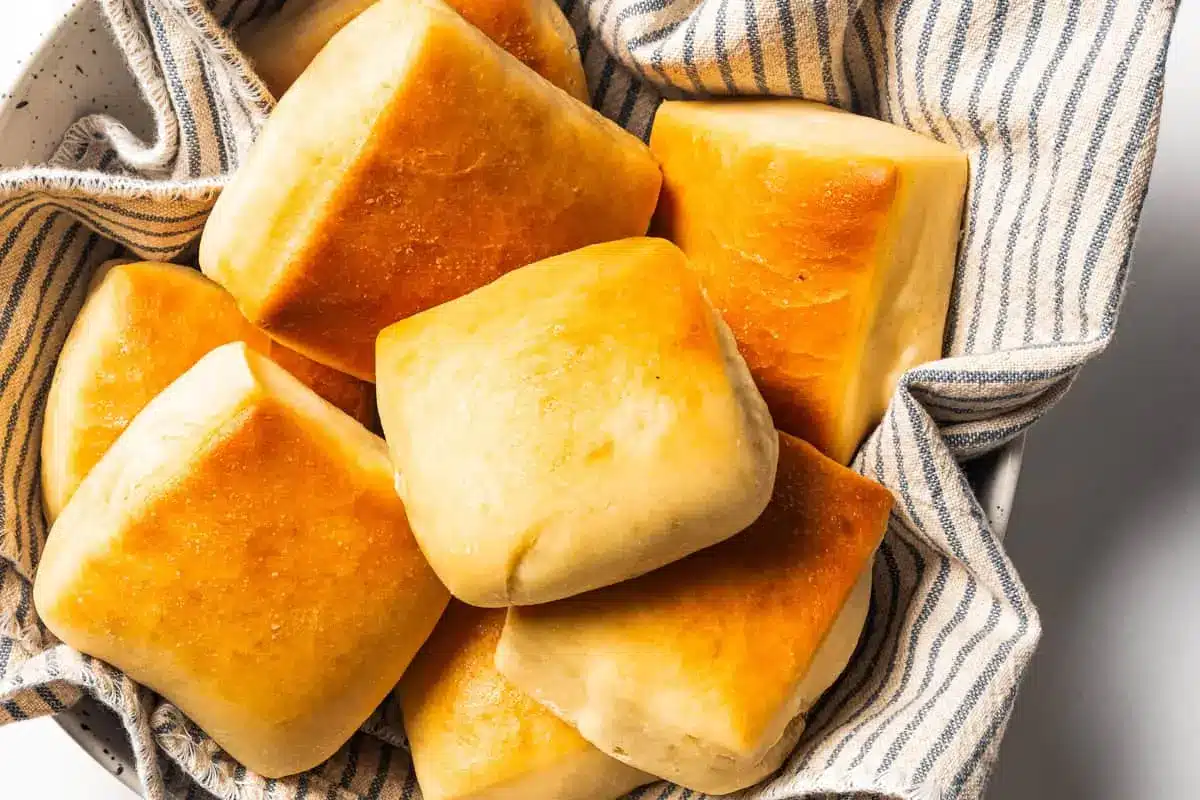
Imagine sinking your teeth into a warm, impossibly soft, and slightly sweet roll, reminiscent of those beloved restaurant favorites. This recipe brings that delightful experience right into your own kitchen, promising a batch of homemade perfection that will have everyone asking for seconds. They are the ideal accompaniment to any meal, elevating the ordinary to something truly special.
These rolls are more than just a side dish; they’re a culinary hug, a testament to the simple joy of freshly baked goods. The aroma alone as they bake is enough to transform your home into the coziest of kitchens. Get ready to discover your new go-to recipe for ultimate comfort food.
Why You Will Love This Recipe
- Incredibly Soft and Fluffy Texture: Each bite offers a pillowy cloud of tender dough, achieved through careful ingredient balance and rising times.
- Easy to Make: Despite their gourmet taste and texture, these rolls are surprisingly straightforward, perfect even for beginner bakers.
- Perfectly Sweet and Savory Balance: The subtle sweetness of the dough is beautifully complemented by an optional cinnamon butter, making them versatile for any meal.
- Impressive Presentation: With their golden-brown tops and airy crumb, these rolls look as good as they taste, making them a hit at any gathering.
- Customizable Flavor Profile: While the cinnamon butter is classic, feel free to experiment with garlic butter or other savory toppings for a different twist.
Ingredients You Need
The magic of these Texas Roadhouse rolls lies in their simplicity and the quality of the ingredients used. By focusing on fresh, accessible items, you can achieve an authentic and delicious result that rivals any bakery. Ensure your yeast is active for the best rise and your milk and water are at the correct temperatures to nurture its growth.
Copycat Texas Roadhouse Rolls

These copycat Texas Roadhouse rolls are soft and fluffy, and you can serve them warm with homemade cinnamon butter as a side with any meal.
- 2 teaspoons active dry yeast
- ½ teaspoon granulated sugar
- ¼ cup warm water, between 100ºF and 110ºF
- 1 cup milk, lukewarm, about 105ºF
- 2 tablespoons unsalted butter, melted and cooled
- 1 large egg
- 1 teaspoon salt
- 3¾ cup all purpose flour
- 1½ tablespoons unsalted butter, melted and cooled (for brushing)
- Cinnamon butter (recipe in notes)
- 1Bloom the yeast: Add the active dry yeast and sugar to a bowl. Add the warm water and stir. Cover and set aside for 5-10 minutes, or until foamy.
- 2Add the wet ingredients: To the bowl of a stand mixer, add the warm milk, melted butter, and yeast mixture. Add the egg and salt and mix until well combined.
- 3Add flour: Attach the dough hooks and gradually add the flour to the milk mixture while mixing. The dough should start to pull away from the sides of the bowl as it comes together. If the dough is still sticky, add a little more flour as needed.
- 4Rise the dough: Transfer the dough to a slightly oiled bowl and cover it with a clean kitchen towel. Let the dough rise for 1½ hours or until doubled in size.
- 5Roll out the dough: Punch down the dough and roll it to a ½-inch thickness rectangle.
- 6Cut out the dough: Cut your dough into 15 squares or rectangles. Transfer the square rolls to a parchment paper-lined baking sheet.
- 7Second rise: Cover them with a clean kitchen towel and let them rise until doubled in size, about 30 to 45 minutes.
- 8Baking time: Preheat your oven to 350ºF. Then, bake the rolls for 20 minutes.
- 9Serve: Once baked, remove the dinner rolls from the oven and immediately brush them with melted butter. Let them cool for about 5 to 10 minutes. Serve as desired or with cinnamon butter.
Keywords: rolls, bread, texas roadhouse, copycat, dinner, side dish, baking, german
The quantities for all ingredients are detailed within the provided recipe card, ensuring you have precise measurements for success.
Variations
While the classic Texas Roadhouse roll is undeniably delightful, its versatile nature opens doors to exciting variations that cater to diverse preferences and dietary needs. These adaptations ensure that everyone can enjoy a taste of this comforting baked good, regardless of their culinary inclinations.
For those seeking a plant-based option, a vegan version can be achieved by substituting the milk with a creamy non-dairy alternative like oat milk or soy milk, and the egg can be replaced with a flax egg or a commercial egg replacer. Ensure your butter is also plant-based. The resulting rolls will retain their characteristic softness and flavor, making them a delicious choice for vegan diners.
If you’re watching your carbohydrate intake, a low-carb variation is possible, though it will significantly alter the texture and traditional flavor profile. This would involve experimenting with almond flour or coconut flour blends and utilizing sugar substitutes. The goal here is to mimic the tenderness, which can be a challenge with alternative flours, but the effort can yield a surprisingly satisfying result for those adhering to a low-carb lifestyle.
Another creative avenue is to infuse the dough itself with subtle flavors. Imagine adding a hint of honey or maple syrup to the dough for an enhanced natural sweetness, or perhaps a touch of finely grated orange or lemon zest for a bright, aromatic twist. These subtle additions can elevate the rolls to a new level of sophistication, making them suitable for even more diverse culinary occasions.
How to Prepare texas roadhouse rolls
Step 1: Bloom the Yeast
The foundation of any successful yeast bread lies in properly activating the yeast. This crucial first step ensures that your dough will rise beautifully, creating those signature fluffy rolls. Begin by gathering a small bowl, your active dry yeast, a pinch of granulated sugar, and some warm water. The water temperature is paramount here; it should be between 100°F and 110°F (38°C – 43°C).
This specific temperature range is ideal because it’s warm enough to awaken the yeast’s dormant state but not so hot that it kills the delicate microorganisms. Add the yeast and sugar to the warm water, giving it a gentle stir. Then, cover the bowl loosely with a clean kitchen towel or plastic wrap and let it sit undisturbed for about 5 to 10 minutes. During this time, you should observe the mixture becoming foamy and bubbly, indicating that the yeast is alive and active and ready to work its magic on your dough.
Step 2: Combine the Wet Ingredients
Once your yeast has bloomed into a frothy testament to its vitality, it’s time to bring together the primary liquid components of your dough. In the bowl of your stand mixer, or a large mixing bowl if you’re using a hand mixer or kneading by hand, combine the lukewarm milk, the melted and slightly cooled unsalted butter, and the activated yeast mixture. The milk should also be lukewarm, ideally around 100°F to 105°F (38°C – 40°C), as with the water for the yeast, to avoid shocking the yeast.
Gently whisk these ingredients together until they are well incorporated. Then, crack in your large egg and add the teaspoon of salt. The egg adds richness and helps with the binding of the dough, contributing to a softer crumb. The salt not only enhances the flavor but also controls the rate of yeast fermentation, ensuring a more even rise. Whisk everything again until the mixture is homogenous and ready to welcome the dry ingredients.
Step 3: Incorporate the Flour and Knead the Dough
Now it’s time to introduce the flour, the structure of your rolls. If you’re using a stand mixer, attach the dough hooks. Gradually add the all-purpose flour to the wet ingredients, mixing on a low speed. Start with the recommended amount of flour, but be prepared to adjust it slightly. The goal is to achieve a dough that is soft and slightly sticky but pulls away from the sides of the bowl as it comes together.
Kneading is essential for developing the gluten in the flour, which gives the bread its structure and chewy texture. If the dough seems too wet and sticky after mixing, add a tablespoon of flour at a time until it reaches the desired consistency. Conversely, if it seems too dry, you can add a tiny bit more milk. Knead for about 8-10 minutes in a stand mixer, or 10-12 minutes by hand, until the dough is smooth, elastic, and no longer sticks excessively to your hands or the bowl. It should feel pliable and slightly tacky.
Step 4: First Rise – Let the Dough Ascend
Once your dough has been perfectly kneaded to a smooth and elastic consistency, it’s time to give it the space and warmth it needs to rise. Lightly grease a clean, large bowl with a little bit of oil – a neutral oil like vegetable or canola works well. Gently place the dough ball into the greased bowl, turning it once to coat the entire surface with oil. This prevents a dry, crusty layer from forming on top of the dough as it rises.
Cover the bowl tightly with plastic wrap or a clean, damp kitchen towel. Find a warm, draft-free spot in your kitchen for the dough to rest. An ideal place is a slightly warmed oven (turned off after a couple of minutes) or near a sunny window. Allow the dough to rise for approximately 1.5 to 2 hours, or until it has visibly doubled in size. This slow, steady rise is critical for developing the rich flavor and airy texture that characterizes these rolls. You’ll know it’s ready when it looks impressively puffy and has increased significantly in volume.
Step 5: Shape the Rolls
After the dough has completed its first luxurious rise, it’s time to deflate it and prepare it for shaping. Gently punch down the risen dough to release the trapped air. Turn the dough out onto a lightly floured surface. For Texas Roadhouse style rolls, the dough is typically rolled into a rectangular shape. Using a rolling pin, flatten the dough into a rectangle approximately ½-inch thick. The exact dimensions aren’t critical, as long as the thickness is consistent.
Next, prepare a large baking sheet by lining it with parchment paper. This ensures that the rolls won’t stick and makes for easy cleanup. Using a sharp knife or a pizza cutter, cut the rolled-out dough into individual squares or rectangles. Aim for about 15 pieces, depending on your desired roll size. Carefully transfer each cut piece of dough onto the prepared baking sheet, leaving a little space between them. This spacing allows them room to expand during their second rise and while baking.
Step 6: Second Rise and Baking
Just like the first rise, a second proofing period is essential for achieving the perfect texture. Once your rolls are cut and arranged on the baking sheet, cover them again with a clean kitchen towel or plastic wrap. Let them rest in a warm spot for another 30 to 45 minutes, or until they appear noticeably puffy and have nearly doubled in size again. This second rise helps to ensure maximum lightness and airiness.
While the rolls are undergoing their second rise, preheat your oven to 350°F (175°C). Once the rolls have finished their second rise and your oven is preheated, it’s time to bake. Place the baking sheet into the preheated oven and bake for approximately 20 minutes. The rolls are ready when they are a beautiful golden-brown on top and sound hollow when tapped lightly on the bottom. The aroma filling your kitchen at this stage is simply irresistible, signaling that deliciousness is moments away. Once out of the oven, immediately brush the tops of the warm rolls with a little melted butter for an extra touch of richness and shine.
Pro Tips for texas roadhouse rolls
- Accurate Flour Measurement: Always measure flour accurately. Using too much flour can result in dry, dense rolls. A kitchen scale is the most precise method.
- Yeast Viability Check: If your yeast doesn’t foam after blooming, it’s likely dead. Don’t proceed with the recipe; start with fresh yeast to ensure proper rising.
- Temperature Control is Key: Pay close attention to the temperature of your liquids. Water or milk that is too hot will kill the yeast, while water that is too cool will not activate it effectively.
- Don’t Over-Knead: While kneading develops gluten, over-kneading can lead to tough rolls. Stop once the dough is smooth, elastic, and pulls away from the bowl.
- Warm Rising Environment: A consistently warm, draft-free environment is crucial for a good rise. Consider using your oven with just the light on, or the method described in the preparation steps.
- Second Rise is Important: Don’t skip the second rise. This step is what gives the rolls their final light and airy texture before baking.
- Freshness Matters: For the best taste and texture, serve these rolls warm, ideally within a few hours of baking.
Serving Suggestions for texas roadhouse rolls
Decoration
Elevate the visual appeal of your Texas Roadhouse rolls with simple yet effective decorative touches. A light brushing of melted butter right after they come out of the oven provides a beautiful sheen and a hint of golden color. For an extra savory note, consider sprinkling a tiny pinch of flaky sea salt over the buttered tops before they set. If you’re aiming for a slightly more artisanal look, a very light dusting of paprika or finely chopped fresh parsley can add a pop of color and a subtle aromatic element just before serving.
Side Dishes
These warm, fluffy rolls are the perfect foil for a wide array of dishes, acting as an essential component of a satisfying meal. They are particularly divine when served alongside hearty soups and stews; think of a rich creamy lobster bisque, a robust Italian wedding soup, or a comforting bowl of slow-cooker chili. Their soft texture makes them ideal for soaking up every last drop of flavorful broth or sauce, ensuring no deliciousness goes to waste.
They also pair exceptionally well with saucy main courses. Imagine using them to mop up the delectable gravy from a classic Salisbury steak, the rich sauce from a smothered steak with gravy, or the savory juices from a slow cooker crack chicken. For those who love classic comfort food, these rolls are a perfect partner for dishes like one-pot chili mac, tender Mississippi chicken, or a hearty goulash. Their mild, slightly sweet flavor profile complements a vast range of savory preparations beautifully.
Creative Serving Ideas
Beyond their traditional role as a side, these Texas Roadhouse rolls can be transformed into delightful appetizers or creative meal components. Consider slicing them in half horizontally and toasting them lightly before topping with various spreads. A popular choice, of course, is the signature cinnamon butter, but also experiment with savory toppings like whipped herb butter, a creamy garlic spread, or even a dollop of flavored cream cheese.
For a unique twist, transform them into mini sandwich buns. Cut them small and fill them with pulled pork, shredded chicken, or even a simple ham and cheese for a delightful bite-sized appetizer or a fun addition to a picnic lunch. You can also hollow out slightly larger rolls and fill them with creamy dips like spinach artichoke dip or buffalo chicken dip for a fun, edible serving vessel. Don’t forget to explore the sweet side; a drizzle of honey or a light dusting of powdered sugar can turn these humble rolls into a simple yet elegant dessert option, perhaps served alongside a warm fruit crumble or tart.
Preparation & Storage
Storing Leftovers
To keep your delicious homemade Texas Roadhouse rolls tasting their best after the initial enjoyment, proper storage is key. Once the rolls have cooled completely to room temperature, transfer them to an airtight container or a resealable plastic bag. This helps to prevent them from drying out and maintains their soft, fluffy texture for as long as possible. Store them at room temperature for up to 3 to 4 days.
It’s important to note that the humidity and temperature of your environment can affect how long they remain fresh. If your kitchen is particularly warm or humid, it might be best to consume them within the first 2 days for optimal quality. Avoid storing them in the refrigerator, as this can actually accelerate the staling process and make them tough.
Freezing
For longer storage and to enjoy these delightful rolls at a later date, freezing is an excellent option. Ensure the rolls have cooled completely before beginning the freezing process. Wrap each individual roll tightly in plastic wrap to create a barrier against freezer burn. For added protection, place the individually wrapped rolls into a heavy-duty freezer bag or an airtight container.
Label the bag or container with the date to keep track of how long they have been in the freezer. Properly stored, these homemade rolls can maintain their quality for up to 2 to 3 months. Freezing them soon after baking, rather than after several days at room temperature, will result in the best thawed texture and flavor. This makes them a convenient option for having freshly baked-style rolls on hand whenever a craving strikes or guests arrive unexpectedly.
Reheating
When you’re ready to enjoy your frozen or previously stored rolls, reheating them properly will bring back that delightful fresh-from-the-oven warmth and softness. If reheating from frozen, it’s best to let them thaw slightly at room temperature for about 30 minutes before heating. For rolls that have been stored in the refrigerator or at room temperature for a day or two, you can reheat them directly.
The best method for reheating is in a moderate oven. Preheat your oven to 300°F (150°C). Place the rolls on a baking sheet and warm them for about 5 to 8 minutes, or until they are heated through. If you prefer a softer crust, you can lightly brush them with a little water or milk before placing them in the oven. Alternatively, a quick zap in the microwave for 10-15 seconds can also work for a single roll, but be cautious not to overheat, as this can make them rubbery. A brief warming in a toaster oven is also a good option.
Frequently Asked Questions
-
Can I make the dough ahead of time and refrigerate it overnight?
Yes, you can absolutely prepare the dough for these Texas Roadhouse rolls ahead of time and refrigerate it for an overnight rise. After completing the kneading process and letting the dough rise for its initial period (Step 4), punch it down gently and place it in a lightly oiled bowl. Cover it tightly and refrigerate for 8 to 24 hours. The cold temperature will slow down the yeast activity, allowing for a slow fermentation that can develop even richer flavors. When you’re ready to bake, remove the dough from the refrigerator and let it come to room temperature for about 1 to 2 hours before proceeding with shaping and the second rise as outlined in the recipe. This method is a fantastic way to plan ahead and reduce last-minute preparation time.
-
What is the best way to ensure my rolls are perfectly golden brown and not pale?
Achieving that desirable golden-brown color on your Texas Roadhouse rolls involves a few key factors, primarily related to oven temperature and finishing touches. Ensure your oven is accurately preheated to the specified 350°F (175°C); an oven thermometer can confirm accuracy. The second rise is also crucial, as properly proofed dough bakes more evenly. Immediately after the rolls emerge from the oven, brushing them generously with melted butter is the most traditional and effective method for creating a glossy, golden finish and enhancing their flavor. For an even deeper color, you can briefly place the rolls under the broiler for the last minute or two of baking, watching them very carefully to prevent burning. Another trick is to use a slightly higher sugar content in the dough, as sugar caramelizes during baking, contributing to browning.
-
My dough didn’t rise as much as expected; what could be the reason and how can I fix it?
Several factors can contribute to a dough that doesn’t rise sufficiently. The most common culprits are inactive yeast or incorrect liquid temperatures. If the yeast was old or exposed to extreme temperatures, it might be dead and unable to produce the necessary carbon dioxide for rising. Always check the expiration date on your yeast and ensure the water or milk used is within the optimal temperature range (100-110°F or 38-43°C for blooming yeast, slightly cooler for milk). Another reason could be insufficient kneading, which means the gluten network isn’t developed enough to trap the gases produced by the yeast. If you suspect an issue with the yeast or liquid temperature, it’s often best to start over with fresh ingredients. If the dough has simply been slow to rise due to a cool kitchen, try placing it in a warmer spot, like your oven with the light on, to encourage it to continue its fermentation process.