Pineapple Upside-Down Bundt Cake
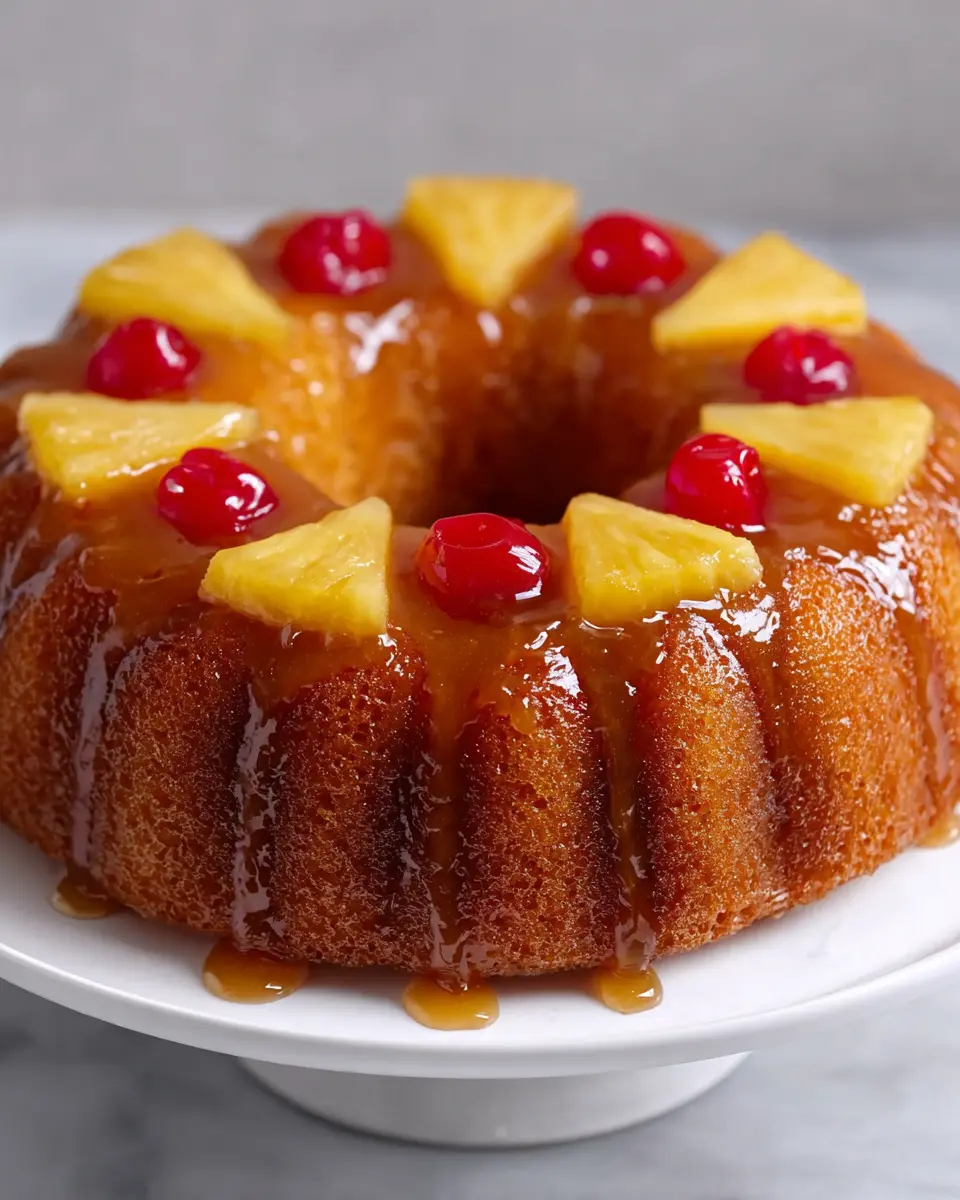
The aroma of warm, spiced pineapple and rich caramel is a scent that instantly evokes comfort and celebration. This Pineapple Upside-Down Bundt Cake captures that nostalgic magic, transforming a simple cake mix into an impressively beautiful and incredibly delicious dessert. Its glossy topping, studded with vibrant cherries and tender pineapple rings, promises a delightful experience with every single bite, making it a perfect centerpiece for any occasion.
What truly sets this Bundt cake apart is its delightful combination of textures and flavors. The moist, tender crumb of the yellow cake provides a comforting base, perfectly complementing the sweet, slightly caramelized pineapple and the delicate warmth of cinnamon. It’s a dessert that effortlessly balances sophistication with ease, ensuring you can create a showstopper without spending hours in the kitchen.
Why You Will Love This Recipe
- Effortless Elegance: The Bundt shape elevates the classic pineapple upside-down cake into a stunning presentation that looks sophisticated and festive with minimal fuss.
- Speedy Preparation: Utilizing a cake mix as a base significantly cuts down on preparation time, making it an ideal choice for busy weeknights or spontaneous gatherings.
- Irresistible Flavor: The combination of buttery caramel, sweet pineapple, and a hint of cinnamon creates a deeply satisfying and comforting flavor profile that appeals to everyone.
- Moist & Tender Crumb: The cake batter, enriched with pineapple juice and butter, bakes into an incredibly moist and tender crumb that perfectly complements the sticky fruit topping.
- Make-Ahead Marvel: This cake is perfect for preparing in advance, allowing you to enjoy a delicious, homemade dessert without the last-minute rush.
Ingredients You Need
Crafting this delightful cake begins with selecting high-quality ingredients that will ensure a superior taste and texture. The simplicity of the components belies the richness of the final product, highlighting how thoughtful choices can elevate even the most straightforward recipes into something truly special. Using fresh, flavorful elements is key to achieving that perfect balance of sweet, tart, and buttery notes.
Pineapple Upside-Down Bundt Cake
This Pineapple Upside-Down Bundt Cake features a buttery brown sugar topping layered with pineapple rings and maraschino cherries, then finished with a tender yellow cake baked until golden. Once inverted, the fruit and glaze create a glossy, classic presentation suitable for serving either warm or at room temperature.
- 1 can sliced pineapple rings (20 ounces, juice drained and reserved for the batter)
- 8 to
- 24 maraschino cherries, stems removed
- 3/4 cup unsalted butter, melted and allowed to cool slightly, divided
- 1/2 teaspoon ground cinnamon
- 3/4 cup packed light brown sugar
- 3 large eggs, at room temperature
- 1 package yellow cake mix (15 ounces)
- 3/4 cup reserved pineapple juice (or enough pineapple juice topped off with water or milk to equal 3/4 cup)
- 1/2 cup melted butter
- 1Preheat oven to 350°F. Thoroughly grease a 12-cup Bundt pan. Dust lightly with flour and tap out any excess.
- 2Pour 1/4 cup of the melted butter into the bottom of the prepared Bundt pan.
- 3In a small bowl, stir together the brown sugar and cinnamon. Scatter this mixture evenly over the butter.
- 4Drain the pineapple slices, reserving the juice for the batter. Arrange the pineapple rings over the brown sugar mixture.
- 5Tuck the maraschino cherries decoratively among the pineapple rings.
- 6In a mixing bowl, combine the yellow cake mix, 1/2 cup melted butter, 3/4 cup reserved pineapple juice, and the eggs. Mix until smooth and evenly blended.
- 7If the pineapple juice does not quite reach 3/4 cup, add water or milk to make up the difference.
- 8Carefully pour the batter over the arranged fruit in the Bundt pan, spreading it evenly.
- 9Place the pan on the center oven rack and bake for 30 to 35 minutes, or until a toothpick inserted into the center comes out clean.
- 10Remove the cake from the oven and let it rest in the pan on the counter for 15 to 20 minutes.
- 11Set a serving plate or cake stand over the pan, then carefully invert the cake. Lift the pan away slowly and allow any remaining glaze to run down over the cake before serving.
Keywords: Pineapple Upside-Down Bundt Cake, Bundt Cake, Pineapple Cake, Upside-Down Cake, Dessert, Easy Baking, Cake Mix Hack
Specific quantities for each ingredient can be found within the detailed recipe card, ensuring you have precisely what you need for a flawless bake.
Variations
For those seeking a dairy-free delight, a vegan adaptation of this cake is wonderfully achievable. Simply substitute the unsalted butter with a good quality vegan butter alternative, ensuring it melts and caramelizes similarly. When it comes to the cake batter, opt for a vegan yellow cake mix or prepare a vegan yellow cake from scratch, using plant-based milk like almond or soy milk and a flax egg or commercial egg replacer. This version maintains the delightful pineapple topping and the comforting texture, making it a fantastic treat for a wider audience without compromising on flavor.
The low-carb enthusiast can also find joy in a modified version of this classic. For the topping, while brown sugar is out, a carefully chosen sugar-free caramel syrup or a blend of erythritol and a touch of molasses can create a similar sticky sweetness. The pineapple rings can be replaced with thinly sliced peaches or even grilled pineapple for a smoky depth, and the maraschino cherries can be substituted with fresh berries or omitted. For the cake base, a good quality keto-friendly yellow cake mix or a homemade almond flour and coconut flour blend, sweetened with erythritol or stevia, will offer a delicious, sugar-free crumb. This allows for indulgence while adhering to specific dietary needs, proving that deliciousness knows no bounds.
To introduce a tropical twist, consider infusing the cake with coconut. For the topping, you can sprinkle toasted shredded coconut over the brown sugar and butter mixture before adding the pineapple rings. Within the cake batter itself, replacing some of the pineapple juice with unsweetened coconut milk will add a subtle yet distinct tropical note. A sprinkle of toasted coconut flakes over the finished, inverted cake as a garnish can further enhance this delightful flavor profile, transporting your taste buds to a sunny paradise with every mouthful.
How to Prepare Pineapple Upside Down Bundt Cake
Step 1: Prepare the Oven and Bundt Pan
Begin by preheating your oven to a steady 350 degrees Fahrenheit (175 degrees Celsius). This ensures that the cake bakes evenly from the moment it enters the oven, promoting a consistent rise and golden-brown crust. A properly preheated oven is fundamental for achieving the perfect bake, preventing dense spots or uneven cooking.
Next, give your Bundt pan the utmost attention when preparing it. Generously grease every nook and cranny with softened butter or baking spray, paying particular attention to any decorative ridges or the center tube. A thorough greasing is the first line of defense against the cake sticking, ensuring that the beautiful shape of the Bundt is preserved upon inversion.
Following the greasing, lightly dust the inside of the Bundt pan with all-purpose flour. Tilt and tap the pan to ensure the flour coats all the greased surfaces evenly, then carefully tap out any excess flour. This flour coating creates a barrier that further helps the cake release cleanly, crucial for showcasing the caramelized fruit topping without damage.
Step 2: Create the Delectable Topping Base
In the prepared Bundt pan, start by pouring about 1/4 cup of the melted unsalted butter. This forms the initial, rich foundation upon which the caramel topping will develop during baking. Ensure this butter is spread across the bottom of the pan to coat the greased and floured surface.
In a separate small bowl, combine the packed light brown sugar and the ground cinnamon. Whisk these together until they are well incorporated, creating a fragrant and sweet mixture. The cinnamon adds a subtle warmth that beautifully complements the sweetness of the brown sugar and the tang of the pineapple.
Evenly scatter this brown sugar and cinnamon mixture over the melted butter in the Bundt pan. This creates the initial layer of the iconic upside-down topping, which will melt and caramelize into a glossy glaze as the cake bakes. The goal is an even distribution so that every slice receives a generous amount of this delightful glaze.
Step 3: Arrange the Pineapple and Cherries
Carefully drain the sliced pineapple rings, reserving the delicious juice for the cake batter. The liquid is brimming with pineapple flavor and essential sugars that will contribute to the cake’s moistness and overall taste. Make sure to drain them thoroughly to prevent excess moisture from making the topping too watery.
Artfully arrange the drained pineapple rings directly on top of the brown sugar and butter layer in the Bundt pan. You can place them whole for a classic, circular pattern or cut them into halves or quarters to fit the curves of the pan more precisely. The arrangement here sets the visual stage for the finished cake, so take a moment to make it appealing.
Next, tuck the maraschino cherries into the spaces between the pineapple rings, and into the center of each pineapple ring if you desire. These bright red jewels not only add a pop of vibrant color but also contribute a unique sweetness and a delightful chewy texture. They are a quintessential element of the traditional pineapple upside-down cake, adding that nostalgic touch.
Step 4: Mix the Luscious Cake Batter
In a large mixing bowl, combine the contents of the yellow cake mix. This serves as the convenient and reliable base for your tender cake crumb. Ensure you are using the correct size package as specified in the recipe to maintain the intended cake consistency.
Add the remaining melted butter to the cake mix. The butter enriches the batter, contributing to a tender crumb and adding a delightful depth of flavor. Ensure the butter has cooled slightly so it doesn’t cook the eggs prematurely when they are added.
Incorporate the three large eggs into the mixture. Eggs provide structure, richness, and act as a leavening agent, contributing to the cake’s rise and tender texture. Whisk them in thoroughly until they are well combined with the dry ingredients and butter.
Pour in the reserved 3/4 cup of pineapple juice. This liquid is key to infusing the cake with extra pineapple flavor and ensuring it bakes up incredibly moist. If, for any reason, you do not have quite enough pineapple juice, you can top it off with a little water or milk to reach the required measurement, though pure pineapple juice is preferred for maximum flavor.
Gently stir all the ingredients together until just combined and the batter is smooth. It is important not to overmix at this stage, as overmixing can develop the gluten in the flour too much, resulting in a tougher cake. A few lumps are perfectly acceptable; the goal is a homogeneous mixture without excessive stirring.
Step 5: Assemble and Smooth the Batter
Carefully spoon the prepared cake batter over the arranged pineapple and cherry layer in the Bundt pan. Work gently to avoid disturbing the fruit and caramel topping underneath, which is crucial for maintaining the cake’s signature look. Start by dolloping spoonfuls around the edges and then filling in the center.
Once all the batter has been added, use a spatula to gently spread it evenly over the fruit layer. Ensure the batter covers the fruit completely, reaching all the way to the edges of the pan. A smooth, even surface on top of the batter will promote uniform baking and prevent any high spots or uneven browning.
Take your time to smooth the top of the batter as much as possible. This step is vital for ensuring the cake bakes through evenly and has a nice flat surface once inverted. A well-leveled batter leads to a more professional-looking finished product, making it a pleasure to serve.
Step 6: Bake to Golden Perfection
Place the Bundt pan onto the center rack of your preheated oven. Positioning the pan in the center ensures that heat circulates evenly around the entire cake, promoting consistent baking and preventing the edges from over-browning while the center remains undercooked.
Bake the cake for approximately 30 to 35 minutes, or until a wooden skewer or toothpick inserted into the center of the cake comes out clean. This is the most reliable indicator that the cake is fully baked and the internal structure has set properly. Avoid opening the oven door too early, as this can cause the cake to sink.
As the cake bakes, your kitchen will fill with an irresistible aroma of warm butter, sweet pineapple, and spices. The edges of the cake will begin to pull away slightly from the sides of the pan, and the top surface should appear golden brown and spring back lightly when touched. These visual cues also indicate that the cake is nearing completion and ready to be removed.
Step 7: Rest and Anticipate the Flip
Once the cake is removed from the oven, resist the urge to invert it immediately. Allow the Bundt cake to rest in its pan on a wire cooling rack for a crucial 15 to 20 minutes. This resting period is absolutely vital; it allows the cake to firm up slightly and the caramelized topping to set just enough.
During this rest time, the sticky caramel glaze will begin to adhere more firmly to the cake itself. If you were to invert the cake too soon, the topping would likely remain stuck in the pan, leaving your beautiful cake bare and disappointing. Patience here is key to a successful outcome.
This short cooling period allows the sugars in the topping to cool and slightly firm, creating a cohesive layer that will release with the cake. It’s a small but incredibly important step that bridges the baking process to the exciting reveal.
Step 8: The Grand Inversion and Serving
After the cake has rested sufficiently, select a sturdy serving plate or cake stand that is slightly larger than the Bundt pan. Place this serving plate upside down directly over the Bundt pan, ensuring it is centered.
With one hand firmly on the serving plate and the other supporting the bottom of the Bundt pan, confidently and swiftly invert the entire assembly. The goal is a quick, decisive flip to encourage the cake and its topping to slide out smoothly onto the plate.
Slowly and carefully lift the Bundt pan away from the cake. As you lift, watch as the glossy, caramelized pineapple and cherry topping is revealed, cascading down the sides of the tender cake. Allow any residual syrup to drip down over the cake before presenting it. Serve this masterpiece warm or at room temperature for an unforgettable dessert experience.
Pro Tips for Pineapple Upside Down Bundt Cake
Generous Pan Preparation is Non-Negotiable: The single most critical factor in ensuring your pineapple upside-down Bundt cake releases perfectly is meticulous pan preparation. Do not skimp on greasing and flouring every single detail of the Bundt pan. This creates a non-stick surface that the caramel topping cannot penetrate, guaranteeing a clean release of your beautiful creation.
Drain Pineapple Adequately: While the reserved pineapple juice is essential for the cake batter, excess liquid from the fruit itself can make the topping too loose and runny. Ensure your pineapple rings are drained thoroughly to allow the brown sugar and butter to caramelize properly, creating that desirable glossy glaze rather than a watery mess.
Center Rack Baking is Key: Always place your Bundt pan on the center rack of your oven. This placement ensures even heat distribution from all sides, promoting consistent baking throughout the cake. It helps to prevent the edges from becoming overcooked and dry while the center is still underbaked, leading to a perfectly cooked cake.
Confidence in the Flip: When it’s time to invert the cake, do so with confidence and a steady hand. A hesitant flip can cause the cake to break or the topping to slide unevenly. A swift, deliberate motion is far more likely to result in the topping adhering beautifully to the cake and sliding out flawlessly.
Allow Adequate Cooling Time: Patience is a virtue, especially when it comes to inverting this cake. Allowing the cake to cool in the pan for the recommended 15-20 minutes after baking is crucial. This brief rest period lets the caramelized sugar set slightly, helping it to cling to the cake rather than remaining stubbornly in the pan.
Serving Suggestions for Pineapple Upside Down Bundt Cake
Decoration
The beauty of a Pineapple Upside-Down Bundt Cake lies in its inherent decoration provided by the caramelized fruit topping. However, a few enhancements can elevate its visual appeal even further. A light dusting of powdered sugar over the top just before serving can add a touch of elegance, reminiscent of a gentle snowfall. Fresh mint leaves tucked strategically around the base or a few extra maraschino cherries placed artfully can provide vibrant pops of color. For an extra touch of luxury, a delicate drizzle of melted white chocolate or a glaze made with a hint of rum can add another layer of visual interest and flavor complexity, making each slice a work of edible art.
Side Dishes
This cake is wonderfully rich and flavorful on its own, but certain accompaniments can enhance the dessert experience. A dollop of freshly whipped cream, light and airy, provides a refreshing contrast to the dense, sweet topping, cutting through the richness with its subtle creaminess. For those who love a classic pairing, a scoop of high-quality vanilla bean ice cream served alongside a warm slice of the cake creates a delightful temperature and textural play. Consider a light, unsweetened whipped coconut cream for a dairy-free option that complements the tropical notes of the pineapple beautifully.
Creative Serving Ideas
Beyond the traditional slice, this versatile Bundt cake can be presented in several creative ways. For an afternoon tea, cut smaller wedges and serve them on delicate doilies alongside a pot of Earl Grey or a floral herbal tea. During the holiday season, a Bundt cake served warm with a side of brandy butter or a warm caramel sauce can be an incredibly comforting and festive dessert. For a brunch setting, consider individual servings: slice the cake and place a warm slice in a small ramekin, topping it with a spoonful of crème fraîche or a small dollop of mascarpone cheese for a sophisticated twist. You could even transform it into a base for a trifle by cubing the cake and layering it with pudding and whipped cream.
Preparation & Storage
Storing Leftovers
Once the Pineapple Upside-Down Bundt Cake has cooled completely, proper storage is essential to maintain its delightful texture and flavor. The best method is to cover the cake tightly with plastic wrap or aluminum foil to prevent it from drying out. Alternatively, you can place the cake in an airtight cake carrier or container. Due to the fruit and caramelized topping, it’s advisable to store any leftovers in the refrigerator to ensure freshness and safety, especially if the ambient temperature is warm. It will typically keep well in the refrigerator for up to 4 days.
Freezing
For longer-term storage, this Bundt cake freezes remarkably well, making it an excellent candidate for batch baking. It is best to freeze individual slices rather than the whole cake to allow for easier thawing and portion control. Wrap each slice securely in plastic wrap, then in aluminum foil, or place them in a freezer-safe container or resealable bag, ensuring they are well-protected from freezer burn. Properly frozen, the cake can maintain its quality for up to 2 months.
Reheating
When you’re ready to enjoy a frozen or refrigerated slice, reheating is simple and effective. If reheating from the refrigerator, you can serve it as is, at room temperature, or gently warm it. To warm a slice, place it on a microwave-safe plate and heat in 10-second intervals until just warmed through; be careful not to overheat, as this can make the cake rubbery. For frozen slices, it’s best to thaw them overnight in the refrigerator before reheating or serving at room temperature to ensure the topping remains intact and the cake does not become soggy. A very gentle warming can revive the glossy sheen of the caramel topping.
Frequently Asked Questions
-
What is the best way to ensure the caramel topping doesn’t stick to the Bundt pan?
The absolute key to a clean release of your Pineapple Upside-Down Bundt Cake is thorough pan preparation. Before adding any ingredients, generously grease every crevice of the Bundt pan with softened butter or baking spray. Follow this with a light dusting of all-purpose flour, ensuring it coats all the greased surfaces, and then tap out any excess. Allowing the cake to rest in the pan for the recommended 15-20 minutes after baking is also crucial; this rest period allows the caramelized topping to set slightly, making it less likely to adhere to the pan upon inversion.
-
Can I use fresh pineapple instead of canned for this recipe?
Yes, you can use fresh pineapple, but it requires a bit more preparation. Canned pineapple rings are convenient because they are pre-sliced, uniform, and packed in juice that can be used in the batter. If using fresh pineapple, select a ripe, firm pineapple and slice it into rings about 1/2-inch thick. It’s essential to pat the fresh pineapple slices very dry with paper towels before placing them in the pan. This removes excess moisture that could make the topping watery and prevent proper caramelization. You will also need to measure out about 3/4 cup of fresh pineapple juice to substitute for the canned juice in the batter.
-
Why is the cake sinking in the middle, and how can I prevent this?
A sinking cake in the middle can be attributed to a few common issues. Firstly, if the oven temperature is too low, the cake may not set properly before it starts to collapse. Ensure your oven is accurately preheated to the correct temperature of 350°F (175°C) and consider using an oven thermometer to verify accuracy. Secondly, overmixing the cake batter can develop gluten excessively, leading to a weaker structure that struggles to hold its shape. Mix the batter only until the ingredients are just combined. Lastly, opening the oven door too early or too frequently during baking can cause a sudden drop in temperature, which can shock the cake and make it fall. Try to resist peeking until closer to the end of the baking time.