Easy Maki Roll Recipe – Make Your Own Sushi
Embark on a culinary adventure that transforms simple ingredients into edible works of art. This Maki Roll recipe offers a delightful journey into the heart of Japanese cuisine, accessible right in your own kitchen.
Forget the hassle of dining out; today, we’re demystifying the process of creating authentic, delicious maki sushi that will impress your family and friends. Get ready to experience the satisfaction of crafting these vibrant, flavorful rolls from scratch.
Why You Will Love This Recipe
- Fresh and Flavorful: Each bite delivers a harmonious blend of perfectly seasoned sushi rice, crisp vegetables, and savory imitation crab, creating a light yet satisfying meal.
- Customizable Creations: This recipe serves as a fantastic base, allowing you to experiment with a wide array of fillings, from different seafood options to unique vegetable combinations, making every roll your own masterpiece.
- Engaging Activity: Rolling sushi is a wonderfully interactive experience, perfect for turning an ordinary dinner into a memorable gathering where everyone can participate in the creation process.
- Convenient Meal Prep: Prepare the components ahead of time, making it incredibly easy to assemble fresh, healthy meals for lunches or quick dinners throughout the week.
- Visually Appealing: The colorful assortment of fillings nestled within the dark nori and white rice makes these maki rolls a feast for the eyes, adding a touch of elegance to any table setting.
Ingredients You Need
Crafting exceptional maki rolls begins with selecting the freshest, highest-quality ingredients. The foundation of any great sushi is the rice, so opt for short-grain sushi rice known for its sticky texture. Complementing the rice, fresh vegetables like crisp cucumber, vibrant carrots, and creamy avocado provide essential texture and flavor. Imitation crab offers a classic, accessible taste, but feel free to explore other protein options. The subtle tang of rice vinegar and a touch of sugar will perfectly season the rice, while the nori sheets bind everything together beautifully.
Homemade Maki Rolls

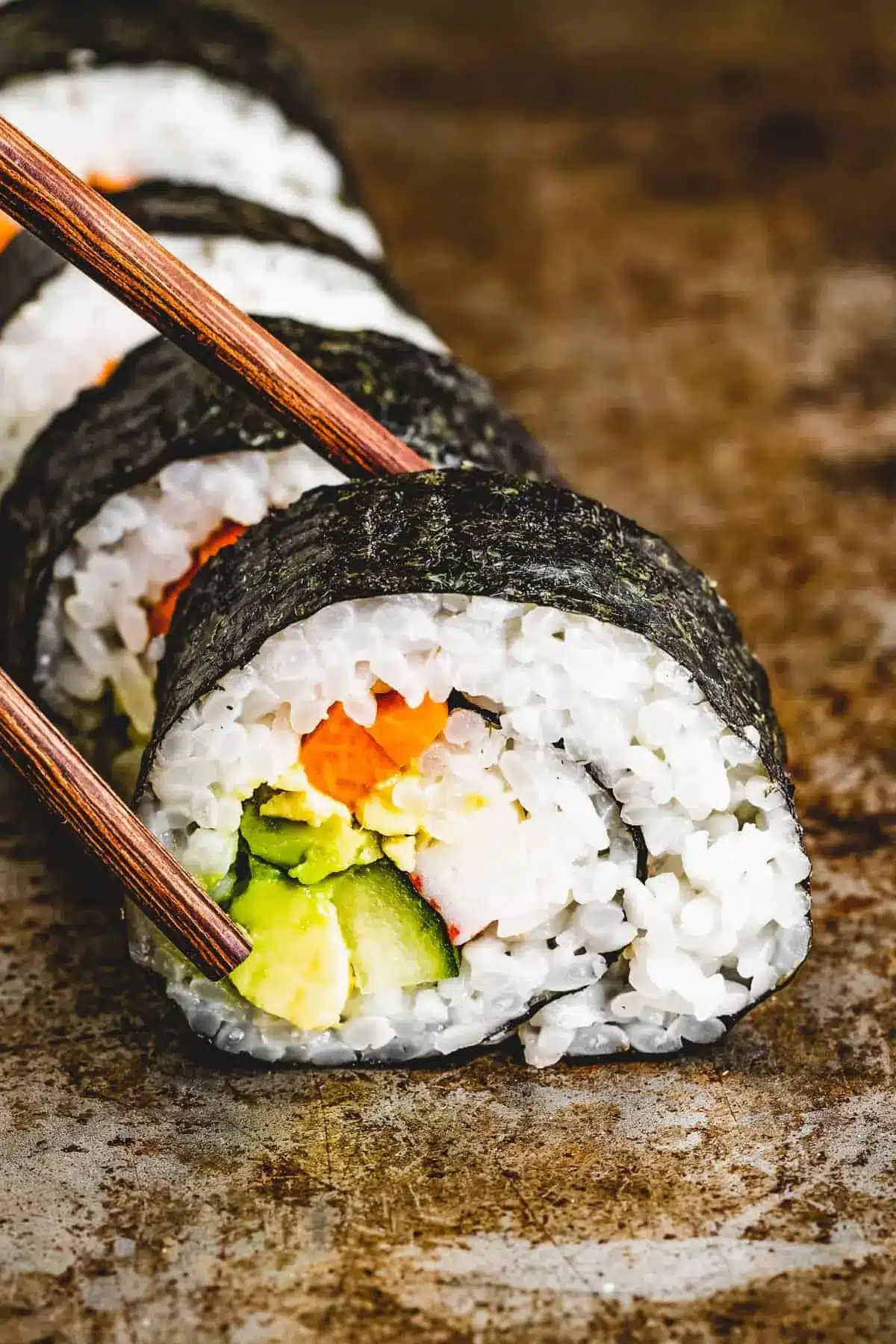
Master the art of homemade sushi with this easy Maki Roll recipe! Featuring nori and perfectly cooked sushi rice wrapped around a colorful combo of imitation crab, cucumber, avocado, and carrots, these rolls promise a fun and flavorful dining experience!
- 1½ cups sushi rice
- 1½ cups water
- 1½ tablespoons granulated sugar
- 4 sheets sushi Nori
- 1 English cucumber, peeled and sliced into thin strips
- 1 medium carrot, peeled and sliced into thin strips
- 1 avocado, sliced
- 4 sticks imitation crab, cut in half, longwise
- 1For the sushi rice: Rinse the rice until the water runs clear. Combine the rice and water in an Instant Pot and cook on high pressure for 10 minutes. Allow pressure to release naturally for 12 minutes. Meanwhile, combine rice wine vinegar and sugar in a small saucepan and cook over medium heat until sugar dissolves. Fold the vinegar mixture into the cooked rice and allow it to cool.
- 2To assemble: Place a sheet of nori over a bamboo sushi mat. Wet your fingers with warm water. Spread about ¾ cup of sushi rice evenly over the nori.
- 3Layer 1 row of cucumber, 1 row of carrot, 1 row of imitation crab, and 1 row of avocado slices at one end of the mat.
- 4Fold the nori and rice over the filling, then squeeze the bamboo mat to create a tight cylinder. Continue folding and squeezing until the roll is complete. Repeat with remaining ingredients.
- 5Wet a sharp knife with warm water and slice the rolls into ½ inch slices, wetting the knife between cuts. Serve with your favorite sushi dipping sauce.
Keywords: sushi, maki, japanese, seafood, crab, cucumber, avocado, carrot, rice
The precise measurements for each component are detailed within the recipe card above, ensuring you have all the necessary information for a successful culinary endeavor.
Variations
Elevate your maki game with these exciting variations, designed to cater to diverse tastes and dietary preferences. For those seeking a plant-based option, consider a vegan maki roll.
Replace the imitation crab with marinated baked tofu or grilled portobello mushrooms, and add edamame or pickled ginger for an extra layer of flavor and texture. This vegan version is as satisfying and visually appealing as the original. It’s a testament to how versatile these rolls can truly be.
If you’re watching your carbohydrate intake, a low-carb maki roll offers a delicious alternative. Instead of rice, use finely shredded cauliflower that has been lightly steamed and squeezed to remove excess moisture. This clever substitute mimics the texture of rice while significantly reducing carbohydrates. Load it with your favorite low-carb fillings like thinly sliced bell peppers, avocado, and grilled shrimp.
For an adventurous twist, explore a spicy tuna maki roll. Combine finely chopped sushi-grade tuna with a spicy mayonnaise mixture, sriracha, and a touch of sesame oil. This creates a wonderfully piquant filling that provides a delightful kick. Ensure your tuna is indeed sushi-grade for safety and optimal flavor.
You could also introduce a sweet and savory mango and avocado maki. The tropical sweetness of ripe mango pairs exceptionally well with the creamy avocado, offering a refreshing contrast to the savory elements. This combination is particularly delightful during warmer months.
Another exciting idea is to incorporate tempura-battered shrimp or vegetables for added crunch and a rich flavor profile. The contrast between the crispy tempura and the soft rice and vegetables is simply divine. This variation adds a touch of indulgence to your homemade sushi.
How to Prepare maki roll recipe
Step 1: Prepare the Sushi Rice
The journey to perfect maki rolls begins with meticulously preparing the sushi rice. Start by thoroughly rinsing the short-grain sushi rice under cold running water. This crucial step removes excess starch, which is vital for achieving the ideal sticky yet distinct texture required for sushi. Continue rinsing until the water runs clear, indicating that most of the surface starch has been washed away.
Once rinsed, combine the cleaned rice with the specified amount of water in your cooking vessel. Whether you are using an Instant Pot or a stovetop, follow the recommended cooking instructions precisely. For an Instant Pot, sealing and cooking on high pressure for 10 minutes, followed by a natural pressure release of 12 minutes, typically yields perfectly cooked rice. If using a stovetop, adhere to the package directions for your specific sushi rice.
While the rice is cooking, prepare the essential seasoning mixture. In a small saucepan, gently heat the rice wine vinegar and granulated sugar over medium heat. Stir continuously until the sugar is completely dissolved, creating a smooth, syrupy liquid. This sweet and tangy mixture will infuse the rice with its signature flavor.
After the rice has finished cooking, carefully transfer it to a large, shallow non-metallic bowl. Gradually pour the prepared rice wine vinegar mixture over the hot rice. Using a rice paddle or a flat spatula, gently fold the seasoning into the rice using a cutting motion. Avoid stirring vigorously, as this can break the rice grains and make them mushy. Continue this folding and fanning process until the rice is cooled to just above room temperature.
Fanning the rice while folding helps to evaporate excess moisture and gives the rice a glossy sheen. This careful cooling and seasoning process ensures that each grain of rice is perfectly seasoned, delightfully sticky, and ready to form the base of your delicious maki rolls. This foundational step is paramount to the success of your entire maki-making endeavor.
Step 2: Prepare the Fillings
With the sushi rice cooling, it’s time to prepare the vibrant and fresh fillings that will bring your maki rolls to life. Begin with the English cucumber; peel it thoroughly to remove any tough outer skin and then slice it into thin, uniform strips. Aim for pieces that are about ¼ inch thick and run the length of the nori sheet. The crispness of the cucumber adds a refreshing crunch to every bite.
Next, prepare the carrot. Peel the medium-sized carrot and cut it into similarly thin strips, mirroring the size of the cucumber. Blanching the carrot strips for about a minute in boiling water before cooling them in ice water can soften them slightly, making them easier to roll and digest, though this step is optional if you prefer them crisper. Ensure the strips are of a consistent size for even distribution within the roll.
The avocado should be ripe but still firm enough to hold its shape when sliced. Halve the avocado, remove the pit, and carefully peel it. Slice the avocado into thin, uniform strips, similar in size to the cucumber and carrot. Drizzle a tiny bit of lemon or lime juice over the avocado slices to prevent browning, especially if you are preparing the fillings in advance.
Finally, prepare the imitation crab sticks. If your crab sticks are long, you may want to cut them in half lengthwise. This makes them easier to manage and distribute evenly within the roll, ensuring a balanced ratio of crab to rice and vegetables. The imitation crab provides a subtly sweet and savory element that is a hallmark of classic maki rolls.
Having all your fillings prepped and ready before you begin rolling is essential. This organized approach ensures a smooth and efficient rolling process, allowing you to concentrate on creating perfectly formed sushi. The variety of colors and textures from these ingredients will make your maki rolls visually appealing and deliciously complex.
Step 3: Assemble the Maki Rolls
Now for the exciting part: assembling the maki rolls! Lay a bamboo sushi rolling mat flat on your work surface. If you don’t have a bamboo mat, a clean kitchen towel covered tightly with plastic wrap works as an excellent substitute. Place a sheet of sushi nori, shiny side down, onto the bamboo mat, aligning its bottom edge with the edge of the mat closest to you.
Keep a small bowl of warm water nearby. Dip your fingertips into the warm water and lightly moisten them. This simple trick prevents the sticky sushi rice from adhering to your hands, making the spreading process much smoother and less messy. You’ll want to re-wet your fingers periodically as you work.
Take approximately ¾ cup of the prepared sushi rice and gently spread it evenly over the surface of the nori sheet. Leave about a ½-inch border of nori exposed at the top edge (farthest from you). Use your fingertips to press the rice down, creating a uniform layer that covers the nori almost entirely, except for that top border. Avoid pressing too hard, which can crush the rice grains.
Next, carefully arrange your prepared fillings in a horizontal line across the rice, about an inch from the bottom edge (closest to you). Layer one row of English cucumber strips, followed by one row of carrot strips, then one row of imitation crab sticks, and finally, a row of avocado slices. Ensure the fillings are neatly aligned and don’t extend beyond the edges of the rice layer.
The careful placement of ingredients ensures that each maki roll will have a balanced distribution of flavors and textures. This methodical approach contributes to both the aesthetic appeal and the deliciousness of the final product, making the assembly process a rewarding step in creating your own sushi masterpiece.
Step 4: Roll the Maki
With the nori spread with rice and the fillings meticulously placed, it’s time to roll. Begin by lifting the edge of the bamboo mat closest to you, along with the nori and rice. Gently fold this edge over the filling, tucking it in snugly. Apply gentle pressure with your fingers to enclose the filling with the nori and rice.
As you continue to roll, use the bamboo mat to guide and shape the roll into a tight cylinder. After each small fold, give the mat a gentle squeeze. This ensures that the rice and nori are compressed firmly around the filling, creating a compact and well-formed roll that won’t unravel. The goal is to create a tight seal and an even cylinder shape.
Continue rolling the mat forward, peeling it away as you go, until you reach the end of the nori sheet. Use the remaining exposed nori border at the top to help seal the roll; the moisture from the rice should be enough to hold it in place. Once the roll is complete, gently press the entire cylinder within the mat one last time to ensure it’s firm and perfectly shaped.
Repeat this entire rolling process with the remaining sheets of nori and the prepared ingredients. Aim for consistency in your rolling technique to produce uniformly shaped maki rolls. This meticulous rolling ensures that each piece will hold together beautifully when sliced, making for a delightful presentation and eating experience. The practice of rolling will become more intuitive with each subsequent roll you create.
Step 5: Slice and Serve
The final stages of preparing your maki rolls involve slicing them into perfect portions and presenting them for enjoyment. Before you begin slicing, it is crucial to have a very sharp knife. A dull knife will tear and crush the delicate rolls, resulting in an unappealing presentation. Dip the blade of your sharp knife into a glass of warm water.
Wipe the blade lightly with a damp cloth to remove excess water, which helps the knife glide smoothly through the rice and nori. Slice the maki roll in half first, then slice each half into three or four pieces, aiming for uniform ½-inch thick slices. Between each cut, re-dip and wipe your knife to maintain its sharpness and prevent sticking. This ensures clean, distinct slices.
Arrange the sliced maki rolls attractively on a serving platter. You can stand them up on their cut sides or lay them flat, depending on your preference for presentation. The vibrant colors of the fillings should be clearly visible, showcasing the beautiful craftsmanship of your homemade sushi.
Serve the maki rolls immediately with traditional accompaniments such as soy sauce, wasabi, and pickled ginger. These condiments are essential for enhancing the flavors and providing a classic sushi experience. Encourage your guests to customize their dipping sauces and enjoy the fruits of their labor. This final step brings the entire culinary journey to a delicious and satisfying conclusion.
Pro Tips for maki roll recipe
Master the Rice Texture: The key to successful maki is perfectly cooked and seasoned sushi rice. Ensure you rinse the rice thoroughly to remove excess starch and use the correct ratio of rice to water. The rice should be sticky enough to hold together but not mushy. Fanning the rice as you season it is an important step for achieving the ideal consistency.
Keep Hands Dampened: Sticky rice can be a challenge, but a simple trick makes all the difference. Keep a bowl of warm water near your rolling station and dip your fingertips in it before handling the rice. This prevents the rice from sticking to your hands, allowing for a much smoother and more efficient spreading process.
Don’t Overfill: While it’s tempting to pack your rolls with generous amounts of filling, overfilling can make them difficult to roll tightly and may cause them to break apart. Aim for a balanced ratio of rice to filling, ensuring everything can be neatly enclosed within the nori sheet.
Roll Tightly and Evenly: The bamboo mat is your best friend when it comes to rolling. Apply consistent, firm pressure as you roll to create a compact cylinder. Squeeze gently between each fold to ensure the roll holds its shape and the ingredients are securely encased. An evenly rolled maki is easier to slice and more pleasing to eat.
Sharp, Wet Knife is Essential: Slicing is the final hurdle to a perfect presentation. Use a very sharp knife and dip the blade in warm water between each cut. This simple technique prevents the knife from sticking to the rice and nori, ensuring clean, professional-looking slices every time. Wipe the blade with a damp cloth to remove any excess rice or filling.
Practice Makes Perfect: Don’t be discouraged if your first few rolls aren’t perfectly formed. Sushi making is a skill that improves with practice. The more you make maki rolls, the better you’ll become at controlling the rice, arranging the fillings, and achieving that perfect roll. Enjoy the process and the delicious results!
Serving Suggestions for maki roll recipe
Decoration
Elevate the visual appeal of your maki rolls by incorporating thoughtful decorative elements. A sprinkle of toasted sesame seeds, either black or white, adds a subtle nutty flavor and a beautiful contrast against the white rice and dark nori. For a touch of vibrant color, consider garnishing with finely chopped chives or fresh cilantro leaves.
A small drizzle of unagi sauce or a spicy mayo swirl on top of the sliced rolls can add both visual interest and an extra layer of flavor. Thinly sliced radishes or edible flowers can also provide an elegant, artistic touch to your presentation, transforming a simple meal into a culinary masterpiece.
For a more elaborate presentation, consider arranging the maki rolls in a circular pattern on the plate or creating intricate designs with the different colored fillings. Small, artfully placed slices of pickled ginger or a dollop of bright green wasabi paste can also serve as decorative accents.
Side Dishes
Complement your homemade maki rolls with a selection of traditional and complementary side dishes. A simple Miso soup is a classic accompaniment, offering a warm, savory broth that perfectly balances the flavors of the sushi. For a refreshing contrast, a crisp Asian cucumber salad, dressed with rice vinegar, soy sauce, and a hint of sesame oil, provides a welcome crunch and tang.
Edamame, steamed and lightly salted, is another excellent choice, offering a healthy and satisfying snack that pairs well with sushi. Consider serving a small portion of pickled daikon radish (takuan) for its unique sweet and sour flavor profile and crisp texture. A light seaweed salad can also add another layer of oceanic flavor and a pleasant chewiness.
If you’re looking for a more substantial side, consider a small portion of Yakitori, grilled skewers of chicken or vegetables, or a flavorful noodle dish like Shrimp Lo Mein. These heartier options can transform your maki roll meal into a more complete and diverse dining experience. Remember to keep the side dishes relatively light so they don’t overpower the delicate flavors of the sushi.
Creative Serving Ideas
Transform your maki roll serving into an interactive and fun experience. Consider a “sushi bar” setup where guests can assemble their own rolls from a variety of prepared fillings, allowing for maximum customization and engagement. This is particularly enjoyable for parties and gatherings, turning dinner into an activity.
For a bento-box style presentation, arrange your maki rolls alongside other small, colorful dishes like teriyaki chicken cubes, small portions of marinated tofu, and fresh fruit slices. This creates a visually stunning and varied meal. You could also serve individual portions of maki rolls alongside a larger main dish like baked lemon chicken, offering a delightful combination of textures and flavors.
Another creative approach is to deconstruct the maki roll elements and serve them as a “sushi bowl” or “chirashi-style” dish. Arrange the sushi rice at the bottom of a bowl, then artfully top it with the various fillings, drizzles of sauce, and garnishes. This offers a more relaxed way to enjoy all the flavors of maki without the rolling and slicing.
For a playful touch, serve the maki rolls with personalized dipping sauce stations, allowing each guest to mix their preferred blend of soy sauce, wasabi, and other flavorings. You can even use small, decorative dishes for each guest to create their own custom sauce. This adds a personal element to the dining experience and encourages culinary experimentation.
Preparation & Storage
Storing Leftovers
If you find yourself with leftover maki rolls, proper storage is key to maintaining their freshness and safety. It’s best to wrap each individual roll tightly in plastic wrap. This prevents the rice from drying out and the nori from becoming soggy. Once wrapped, place the rolls in an airtight container to further protect them from air exposure and odors in the refrigerator.
Consume leftover maki rolls within 1-2 days for optimal quality. While they can be stored for slightly longer, the texture of the rice and nori may degrade over time. Always check for any signs of spoilage before consuming, such as an off smell or slimy texture. It’s generally advisable to eat sushi made with cooked ingredients or vegetables soon after preparation.
Avoid storing maki rolls at room temperature for extended periods, as this can lead to bacterial growth and spoilage. Refrigeration is crucial for preserving the quality and safety of your leftover sushi. If you plan to store them for more than a day, consider removing any garnishes that might wilt or lose their appeal.
Freezing
Unfortunately, maki rolls are generally not ideal for freezing. The texture of the sushi rice changes significantly upon thawing; it tends to become mushy and lose its desirable sticky consistency. The nori wrapper can also become leathery and unappetizing.
If you are determined to freeze components, it is best to freeze the prepared fillings separately if they are suitable for freezing. For example, cooked imitation crab or blanched vegetables might hold up reasonably well. However, it is always recommended to prepare maki rolls fresh for the best taste and texture.
The delicate nature of sushi ingredients means that freezing and subsequent thawing will compromise the integrity of the dish. It’s far better to enjoy your maki rolls fresh and, if necessary, prepare smaller batches to avoid excessive leftovers that would need to be frozen. For the best experience, skip the freezing step.
Reheating
Maki rolls are best enjoyed fresh and are not typically reheated. Reheating sushi can significantly alter the texture and flavor of the ingredients, often resulting in a less appealing dish. The rice can become gummy or dry, and the nori may become tough or soggy.
If you must consume a maki roll that has been refrigerated, it is generally recommended to eat it cold or at room temperature. Allow the rolls to sit out for about 15-20 minutes after refrigeration to reach a more palatable temperature. This will help soften the rice slightly without compromising its structure too much.
Some people might lightly warm certain components of their sushi, such as cooked fillings, but this is not standard practice for maki rolls as a whole. The beauty of maki is in its fresh, cool presentation. Experimentation with reheating is generally discouraged, as it is unlikely to yield a satisfactory result for this type of dish. The goal is to savor the inherent qualities of the ingredients.
Frequently Asked Questions
-
What is the best type of rice to use for maki rolls?
The absolute best type of rice for making maki rolls is short-grain Japanese sushi rice. This particular variety of rice is naturally high in starch, which gives it the essential sticky quality needed to hold the rolls together. When cooked correctly, it forms a cohesive mass that can be molded and sliced without falling apart. While other short-grain rice varieties might be a passable substitute in a pinch, true sushi rice is specifically cultivated and processed to have the ideal texture and adherence properties for sushi making. It’s crucial to rinse this rice thoroughly before cooking to remove excess starch, ensuring it’s sticky but not gummy.
-
Can I use fresh fish instead of imitation crab in my maki rolls?
Absolutely! Using fresh, sushi-grade fish is a fantastic way to elevate your maki rolls. It’s imperative, however, that the fish you choose is specifically labeled as “sushi-grade” or “sashimi-grade.” This designation indicates that the fish has been handled and frozen under strict conditions to eliminate parasites, making it safe for raw consumption. Popular choices include salmon, tuna, yellowtail, and halibut. Always source your fish from a reputable fishmonger or seafood supplier to ensure its quality and safety. If you are unsure about the safety of raw fish, opting for cooked seafood like shrimp, crab meat, or smoked salmon is also a delicious alternative.
-
How can I make sure my maki rolls are tightly rolled and don’t fall apart?
Achieving tightly rolled maki rolls is a combination of proper technique and attention to detail. First, ensure you don’t overfill the nori sheet with rice or fillings; a balanced amount is key to successful rolling. As you begin to roll, use the bamboo mat to guide and apply consistent, firm pressure, tucking the filling in snugly. Squeeze gently between each fold to compact the roll, creating a cohesive cylinder. The final squeeze within the mat helps to seal the roll and give it structure. Wetting your fingers when spreading the rice also helps create a better base that adheres to the nori. Practice is also a significant factor; the more you roll, the more intuitive the technique becomes, leading to tighter, more stable rolls.