Yuzu Coconut Layer Cake
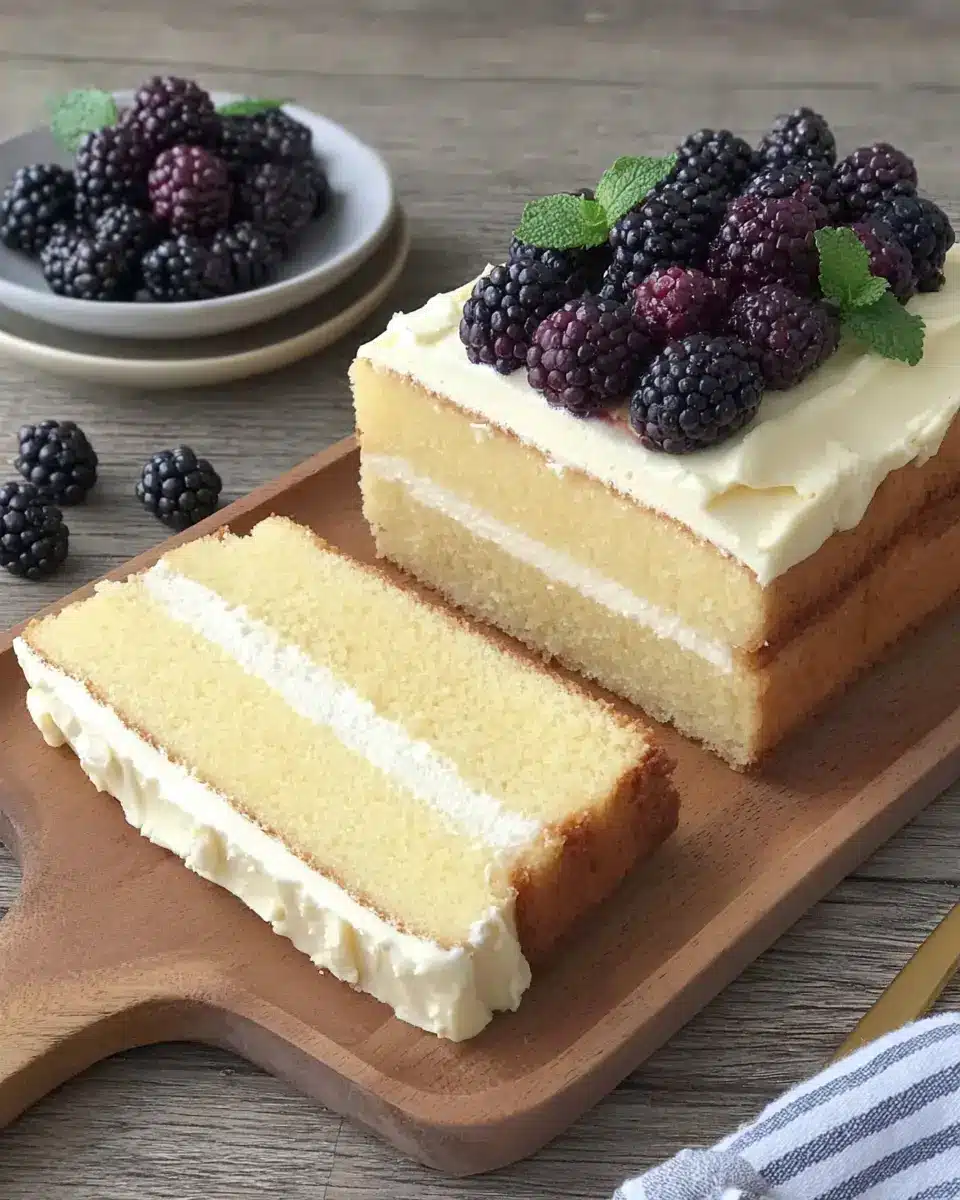
Creamy, bright, and make-ahead friendly, Yuzu Coconut Cake brings together airy citrus sponge, cool coconut mascarpone cream, and a light fruit finish for a dessert that feels elegant without being overly heavy. This is the kind of cake that fits beautifully into spring gatherings, birthdays, or any meal where you want something soft, chilled, and a little different from the usual vanilla or chocolate option.
The yuzu note keeps the sponge lively, while the coconut cream gives every slice a mellow, silky finish. What makes this one work so well is the contrast; you get a delicate sponge that is not too rich, a filling that sets just enough for neat layers, and a garnish that adds both freshness and texture.
Why You Will Love This Recipe
- Delicate Citrus Flavor: The unique floral and slightly tart notes of yuzu (or yuja cha) infuse the sponge with a bright, refreshing taste that’s truly captivating. This isn’t your everyday lemon cake; it offers a more complex and aromatic citrus experience.
- Luxuriously Creamy Filling: A rich yet light coconut mascarpone cream provides a smooth, velvety contrast to the airy sponge. It’s decadent without being heavy, ensuring every bite is a delightful balance of textures.
- Elegant Presentation: The combination of vibrant yuzu sponge, creamy white filling, jewel-toned blackberries, and golden toasted coconut creates a visually stunning dessert perfect for special occasions. It looks as delightful as it tastes.
- Make-Ahead Convenience: This cake is an excellent candidate for preparing in advance. The sponge can be baked a day ahead, and the entire cake can be assembled and chilled, allowing flavors to meld beautifully before serving.
- Refreshing and Light: Despite its elegant appearance, the cake is surprisingly light and refreshing. The bright yuzu and cool coconut cream make it an ideal dessert for warmer months or when you desire something delightful yet not overly filling.
Ingredients You Need
Crafting this Yuzu Coconut Cake relies on selecting high-quality ingredients to ensure the best possible outcome in both flavor and texture. Freshness is key for the vibrant yuzu and the luscious coconut cream. Sourcing good mascarpone cheese and cold whipping cream is crucial for the filling’s perfect consistency. Utilizing cake flour ensures an exceptionally tender crumb for the sponge, making every bite melt in your mouth.
Yuzu Coconut Layer Cake
Creamy, bright, and make-ahead friendly, Yuzu Coconut Cake brings together airy citrus sponge, cool coconut mascarpone cream, and a light fruit finish for a dessert that feels elegant without being overly heavy. This is the kind of cake that fits beautifully into spring gatherings, birthdays, or any meal where you want something soft, chilled, and a little different from the usual vanilla or chocolate option. The yuzu note keeps the sponge lively, while the coconut cream gives every slice a mellow, silky finish.
- For the sponge cake:
- 53 g cake flour, sifted
- 3 tsp yuja cha
- 10 g brown sugar
- 30 g brown sugar
- 3 egg whites, at room temperature
- 10 ml whole milk
- 3 egg yolks
- For the coconut mascarpone cream:
- 50 g superfine sugar
- 35 ml water
- 2 large egg yolks
- 180 g cold mascarpone cheese
- 2 tsp unsweetened grated coconut
- 135 g cold whipping cream
- 4.8 g powdered gelatin, bloomed in the water
- For the garnish:
- 2 tbsp shredded coconut, toasted
- 10 frozen blackberries, thawed
- 1Prepare the yuzu sponge cake using your preferred basic sponge cake method with the listed sponge ingredients. After baking, leave the cake to cool fully before continuing, as a warm cake may cause the cream to soften.
- 2For the coconut mascarpone cream, scatter the powdered gelatin over the cold water in a small bowl. Set it aside so the gelatin can absorb the liquid and soften.
- 3Pour the whipping cream into a chilled mixing bowl and beat on high speed until it reaches a very soft ribbon stage. Do not whip it to peaks. Transfer it to the refrigerator while the remaining filling components are prepared.
- 4Bring a small amount of water to a boil in a saucepan, then lower the heat to a gentle simmer. In a separate heatproof bowl, whisk together the egg yolks, the measured water, and the superfine sugar. Set the bowl over the simmering water and whisk continuously until the mixture reaches at least 74°C. Remove it from the heat once the temperature is reached.
- 5Whisk the softened gelatin into the warm yolk mixture until thoroughly incorporated. Add the mascarpone and mix until the texture is smooth and free from lumps. Stir in the grated coconut to complete the base of the filling.
- 6Remove the softly whipped cream from the refrigerator and fold it gently into the mascarpone mixture. Continue folding until the cream is evenly combined and reaches a soft-peak consistency. Refrigerate the coconut mascarpone cream for about 30 minutes so it can firm slightly.
- 7Slice the cooled sponge cake into two layers. Spread a generous portion of the chilled coconut mascarpone cream over one layer, then place the second layer on top and press lightly. Additional cream may be spread over the top, or reserved for serving.
- 8Finish the cake with the thawed blackberries and a scattering of toasted shredded coconut before serving.
Keywords: Yuzu Coconut Cake, citrus sponge, coconut mascarpone, make-ahead, spring dessert, elegant dessert
The precise quantities for each component are detailed within the provided recipe card, guiding you through the perfect ratios for this exquisite dessert.
Variations
For those seeking to adapt this delightful Yuzu Coconut Cake, several creative avenues exist to cater to different dietary preferences and flavor profiles. Consider a vegan adaptation by utilizing plant-based alternatives for the eggs, dairy, and gelatin.
Vegan egg substitutes like a flax egg or commercial egg replacer can work for the sponge, while a rich coconut cream or cashew cream can stand in for the mascarpone. Gelatin can be replaced with agar-agar, a seaweed-derived gelling agent, ensuring a similar setting property for the cream.
A low-carb or keto-friendly version is also achievable, though it requires careful ingredient substitution. Sugar can be replaced with a keto-approved sweetener like erythritol or stevia, adjusting quantities as needed. Almond flour or coconut flour can be used in place of cake flour for the sponge, though this will alter the texture significantly, potentially requiring more binders.
For an even more intense citrus experience, consider incorporating finely grated yuzu zest into both the sponge batter and the coconut cream. This will amplify the fragrant oils and add an extra layer of aromatic complexity. Alternatively, a touch of ginger or cardamom could be introduced to the sponge to lend a warm, spicy undertone, complementing the yuzu and coconut.
How to Prepare Yuzu Coconut Cake
Step 1: Crafting the Bright Yuzu Sponge
The foundation of this exquisite cake lies in its light and airy yuzu-infused sponge. Begin by meticulously whisking together the egg yolks with the larger portion of brown sugar. Continue this process until the mixture achieves a slightly thickened consistency and a noticeably lighter hue, indicating that sugar crystals have begun to dissolve and air has been incorporated.
Concurrently, gently stir together the yuja cha (Korean citron tea marmalade) and the whole milk in a separate small vessel. This step ensures the vibrant citrus flavor is evenly dispersed throughout the liquid component, ready to be seamlessly integrated into the batter. The goal here is a harmonious blend of sweet and tart that will define the cake’s unique character.
Once these components are prepared, the next crucial phase involves aerating the egg whites. In a spotlessly clean and dry bowl, whip the egg whites until they transform into a foamy, cloud-like texture. Gradually introduce the smaller amount of brown sugar while continuing to beat the egg whites. This controlled addition helps to stabilize the foam and build structure, aiming for glossy, firm peaks that hold their shape when the whisk is lifted.
The art of folding is paramount at this stage to preserve the airiness of the egg whites. Gently incorporate the prepared yolk and yuja cha mixture into the whipped egg whites. Employ a large spatula or whisk and use an under-and-over motion, cutting through the center and scraping the sides of the bowl. The objective is to combine the ingredients thoroughly without deflating the delicate foam.
Following this, sift the cake flour directly over the combined wet and dry ingredients. Sifting prevents lumps and ensures an even distribution of flour throughout the batter. Again, employ the gentle folding technique until just combined; overmixing will develop gluten, leading to a tougher cake, so stop as soon as no dry streaks of flour are visible. This careful approach ensures a supremely tender crumb.
Bake the sponge cake using your preferred standard sponge cake method, paying close attention to oven temperature and timing to avoid over-baking. Once baked to golden perfection, carefully turn the cake out onto a wire rack to cool completely. It is absolutely imperative that the cake is thoroughly cooled before proceeding to the slicing and assembly stages; a warm cake will cause the delicate mascarpone cream to melt, compromising the cake’s structure.
Step 2: Preparing the Silky Coconut Mascarpone Cream
The filling for this Yuzu Coconut Cake is where richness meets lightness, creating a truly sublime textural experience. Begin by preparing the gelatin, which acts as the stabilizing agent for the cream. In a small, heatproof bowl, sprinkle the powdered gelatin evenly over the measured cold water. Allow it to sit undisturbed for about five to ten minutes, or until the gelatin granules have fully absorbed the water and have softened into a translucent, jelly-like mass.
Next, focus on the whipping cream, the component that will lend airiness to the filling. Pour the cold whipping cream into a chilled mixing bowl; chilling the bowl and the whisk attachment beforehand can significantly aid in achieving optimal volume. Whip the cream on medium-high speed. It is crucial to stop whipping at the soft ribbon stage—when the cream falls from the whisk in ribbons that slowly disappear back into the mixture—rather than whipping to stiff peaks. Over-whipped cream can result in a grainy texture or a filling that is too firm.
Once the cream reaches the desired soft ribbon stage, transfer the bowl to the refrigerator to keep it thoroughly chilled. This prevents it from deflating or becoming over-whipped while you prepare the mascarpone base. Maintaining cold temperatures throughout the cream preparation is key to achieving the ideal smooth and stable consistency for layering.
The next phase involves creating a rich, stable base using mascarpone cheese. Set a heatproof bowl over a saucepan containing about an inch of gently simmering water, ensuring the bottom of the bowl does not touch the water. In this bowl, whisk together the egg yolks and the superfine sugar. Continuous whisking over the gentle heat will cook the egg yolks, creating a thick and safe custard-like mixture. For added safety, the mixture should reach an internal temperature of at least 74°C (165°F).
Remove the heatproof bowl from the simmering water and whisk in the bloomed gelatin. Continue whisking until the gelatin is completely dissolved and smoothly incorporated into the warm yolk mixture. This step ensures the gelatin is activated and will properly set the cream later.
Now, introduce the cold mascarpone cheese to the warm, gelatin-infused yolk mixture. Stir or whisk gently until the mascarpone is completely smooth and thoroughly combined. It is essential to work quickly here to prevent the mascarpone from becoming overly warm, which can affect its texture. Finally, stir in the unsweetened grated coconut. This adds a subtle, nuanced coconut flavor and a very light texture to the cream, without making it overly sweet or cloying.
With the mascarpone base prepared and chilled, it’s time to combine it with the softly whipped cream. Retrieve the bowl of chilled whipped cream from the refrigerator. Add about one-third of the whipped cream to the mascarpone mixture. Gently fold it in using a spatula, incorporating it evenly. Then, add the remaining whipped cream in two more additions, continuing to fold gently until just combined. The aim is to maintain as much airiness as possible, resulting in a light and fluffy filling. Take care not to overmix, as this can deflate the cream and make the filling dense.
Once the filling is smoothly combined, it needs a brief period to firm up slightly before assembly. Cover the bowl and place it in the refrigerator for approximately 30 minutes. This chilling time allows the gelatin to begin its setting process, making the cream easier to spread and preventing it from oozing out between the cake layers. It should reach a consistency that is spreadable but holds its shape.
Step 3: Assembling and Finishing the Cake
With both the yuzu sponge cake and the coconut mascarpone cream perfectly prepared and chilled, the final assembly can commence. Carefully slice the cooled sponge cake into two even, horizontal layers. Using a long, serrated knife and a gentle sawing motion, or a cake leveler, will ensure clean, uniform layers. If the cake has a domed top, you may wish to trim it slightly to create a flat surface for easier layering.
Place the bottom cake layer onto your serving plate or cake stand. Using an offset spatula or a regular spatula, spread a generous and even layer of the chilled coconut mascarpone cream over the entire surface of this bottom layer. Aim for a thickness that complements the cake’s height, ensuring a good ratio of cake to cream.
Gently place the second cake layer on top of the creamed bottom layer. Press down very lightly to ensure the cake layers adhere and the cake remains level. If you have any reserved cream, you can opt to spread a thin, even layer over the top of the cake for a cohesive finish, or keep it as is to let the cake layers show through.
The final flourish involves garnishing the cake. Scatter the thawed blackberries artfully over the top of the cake. Their jewel-like color and slightly tart flavor provide a beautiful contrast to the creamy sweetness. Follow this by sprinkling the toasted shredded coconut over the blackberries and any exposed cream. The toasted coconut adds a delightful aroma, a subtle crunch, and a warm, nutty flavor note that rounds out the overall taste profile.
For the ultimate sensory experience, it is highly recommended to chill the assembled cake for at least one hour, or preferably longer, before serving. This crucial chilling period allows the cream to fully set and the flavors to meld together, resulting in a cake that slices cleanly and tastes even better. Serve the cake well-chilled.
Pro Tips for Yuzu Coconut Cake
Maintain Cold Temperatures: For the creamiest and most stable coconut mascarpone filling, ensure both the mascarpone cheese and the whipping cream are thoroughly chilled before you begin. Cold ingredients whip better and are less likely to curdle or become grainy, leading to a smoother, more luxurious texture. This principle extends to chilling your mixing bowl and whisk attachment as well.
Toast Coconut Wisely: To achieve a deeper, more aromatic flavor for your shredded coconut garnish, toast it gently. Spread the shredded coconut in a single layer on a dry baking sheet and bake in a preheated oven at a low temperature (around 150°C / 300°F) or toast it in a dry skillet over medium-low heat, stirring constantly. Watch it very carefully as it can burn quickly, aiming for a light golden-brown color and a fragrant aroma. This small step significantly elevates the finished cake.
Gentle Folding Technique: When combining the whipped egg whites with the yolk mixture for the sponge, and when folding the whipped cream into the mascarpone base, embrace a gentle folding technique. Use a large spatula to lift ingredients from the bottom of the bowl and fold them over the top. This method preserves the air incorporated into the egg whites and cream, ensuring a light, airy, and tender final product for both the sponge and the filling.
Cool Cake Completely: Patience is a virtue when it comes to baking. Ensure your yuzu sponge cake is entirely cooled before you attempt to slice or assemble it. A warm cake is fragile and can easily break apart, and more importantly, it will cause the mascarpone cream to melt prematurely, leading to a runny and unstable filling. Allowing it to cool fully on a wire rack is essential for structural integrity.
Chill for Perfection: While it can be tempting to serve the cake immediately after assembly, allowing it to chill in the refrigerator for at least a few hours, or ideally overnight, makes a significant difference. This chilling period allows the gelatin to fully set the cream, the flavors to meld beautifully, and the cake to become more cohesive, resulting in cleaner slices and a more pleasant eating experience.
Serving Suggestions for Yuzu Coconut Cake
Decoration
The visual appeal of this Yuzu Coconut Cake is already quite striking with its interplay of colors and textures. To elevate its presentation, consider adding a few fresh mint leaves strategically placed amongst the blackberries and toasted coconut for a vibrant green contrast. A delicate dusting of powdered sugar can add a touch of elegance, especially around the edges of the cake, creating a frosted effect. For an extra layer of luxury, a few edible flowers that complement the color palette, such as violets or pansies, can be sparingly used.
Side Dishes
This cake is a star on its own, but pairing it with simple accompaniments can enhance the dining experience. A light, refreshing beverage like a chilled glass of sparkling water with a twist of lime, or a delicate herbal tea, would provide a palate cleanser. For those who enjoy a more traditional pairing, a warm cup of green tea or a mild black tea works wonderfully, its subtle notes complementing the citrus and coconut without overpowering them. Avoid heavy or overly sweet beverages that might compete with the cake’s nuanced flavors.
Creative Serving Ideas
Move beyond the standard slice by serving individual portions in elegant dessert glasses. Layer cubes of the sponge cake with dollops of the coconut mascarpone cream and a scattering of fresh blackberries and toasted coconut for a deconstructed parfait. Another idea is to serve a slice with a small scoop of coconut sorbet or a mild vanilla bean ice cream, the cold temperature providing a delightful contrast to the cake’s texture. For a truly special occasion, consider a drizzle of yuzu syrup or a light passionfruit coulis around the plate to add another dimension of tropical fruitiness.
Preparation & Storage
Storing Leftovers
To preserve the delightful texture and flavor of your Yuzu Coconut Cake, proper storage is essential. Always store any leftover cake in an airtight container or tightly covered with plastic wrap. This prevents the cake from drying out and protects it from absorbing any unwanted odors from other foods in the refrigerator. Due to the presence of mascarpone cheese and whipped cream in the filling, the cake must be refrigerated. It can be kept in the refrigerator for up to 3 days.
For optimal taste and texture, it’s best to serve the cake directly from the refrigerator. However, if you prefer a slightly softer cream consistency, you can allow the cake to sit at room temperature for about 10 to 15 minutes before slicing and serving. This brief resting period will soften the cream just enough without compromising the cake’s structure or allowing it to become too warm.
Freezing
Freezing the fully assembled Yuzu Coconut Cake is generally not recommended, as the mascarpone cream and whipped cream filling can alter in texture upon thawing, potentially becoming watery or grainy. The delicate balance of airiness and creaminess can be compromised. Therefore, it is best to freeze components of the cake rather than the whole dessert.
The baked and completely cooled yuzu sponge cake layers can be frozen successfully. Wrap each cooled layer tightly in a double layer of plastic wrap, followed by a layer of aluminum foil to prevent freezer burn. Label with the date and freeze for up to one month. Thaw the frozen sponge layers slowly in the refrigerator overnight before assembling the cake with fresh cream and garnishes.
Reheating
This Yuzu Coconut Cake is designed to be served chilled and does not require reheating. In fact, any attempt to reheat the cake would likely be detrimental to its texture and structure, particularly the delicate mascarpone cream and airy sponge. The flavors and textures are at their best when the cake is cold or slightly chilled.
If you have thawed frozen sponge layers, ensure they are fully thawed in the refrigerator before proceeding with the filling and assembly. If you choose to freeze a slice of the assembled cake (though not ideal), allow it to thaw completely in the refrigerator before consuming. The cream may not regain its original silky smoothness, but the flavor will still be enjoyable. Add fresh berries and toasted coconut after thawing for the best visual and textural appeal.
Frequently Asked Questions
-
Can I make the Yuzu Coconut Cake entirely ahead of time?
Yes, this cake is an excellent candidate for make-ahead preparation, making it ideal for entertaining or busy schedules. The yuzu sponge cake can be baked up to 24 hours in advance and stored at room temperature, wrapped tightly. The coconut mascarpone cream can also be prepared a few hours ahead and kept refrigerated until ready for assembly. Assembling the cake a few hours before serving allows the layers to settle and the flavors to meld beautifully, resulting in a more cohesive and delicious dessert. For best results, refrigerate the assembled cake for at least 2-3 hours before slicing.
-
What is the best way to substitute yuzu or yuja cha if I can’t find it?
While yuzu offers a unique floral and complex citrus profile, there are viable substitutes if it’s unavailable. A good alternative is to use a mixture of lemon and lime juice and zest. Approximately 2 parts lemon to 1 part lime, with zest from both, can mimic some of the bright tang. Alternatively, high-quality orange marmalade can provide a similar citrus sweetness and slight bitterness, though it will lack the distinct floral notes of yuzu. If using lemon or orange marmalade, ensure it is finely pureed or strained to avoid large pieces in the cake batter. Adjust sugar content as marmalades can be quite sweet. Using fresh grapefruit juice and zest can also offer a pleasant tartness and aroma, though it leans more tart than floral.
-
Why did my coconut mascarpone cream turn out too soft, and how can I fix it?
A common reason for a soft mascarpone cream is temperature or insufficient setting of the gelatin. Ensure your mascarpone cheese and whipping cream are kept very cold throughout the preparation process; even a slight warming can impact the final consistency. It’s also crucial that the gelatin is bloomed properly and fully dissolved in the warm mixture. If the cream is too soft after mixing, do not despair; try chilling the mixture in the refrigerator for an additional 30-60 minutes, stirring occasionally, to allow the gelatin to set further. If it’s still too loose to spread, you may need to re-bloom a small additional amount of gelatin and gently whisk it into the chilled mixture until dissolved. For future attempts, ensure your whipping cream is only whipped to a soft ribbon stage, not stiff peaks, as over-whipped cream can create an unstable base.