Sheet Pan Steak and Veggies
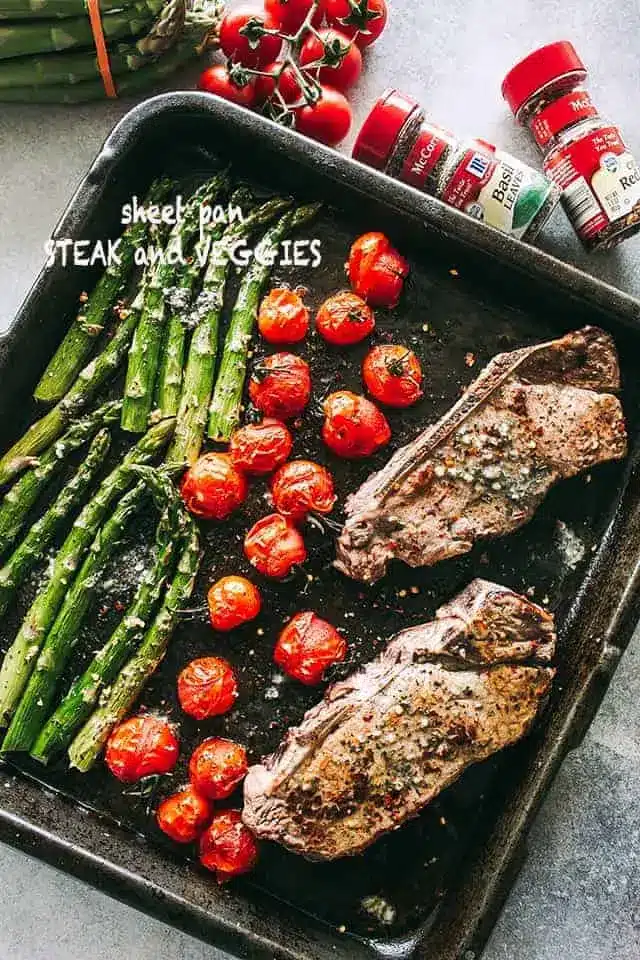
Welcome to a culinary adventure that promises exceptional flavor with minimal effort. This recipe transforms simple ingredients into a gourmet meal, perfect for any occasion, from a quick weeknight dinner to a more relaxed weekend gathering.
Prepare to be amazed by how easily you can create a stunning dish that tastes like it came from a high-end restaurant. It’s a testament to the power of simple techniques and quality ingredients.
Why You Will Love This Recipe
- Effortless Preparation: This dish is designed for ultimate convenience, requiring minimal active cooking time and allowing the oven to do most of the work.
- One-Pan Wonder: Say goodbye to extensive dishwashing! Everything cooks together on a single sheet pan, making cleanup a breeze.
- Flavor Explosion: A masterful blend of savory steak, vibrant vegetables, and aromatic seasonings creates a truly memorable taste experience.
- Quick to Table: With a total preparation and cooking time of around 30 minutes, this recipe is ideal for those busy evenings when time is of the essence.
- Highly Customizable: Feel free to adapt the vegetables and seasonings to suit your personal preferences or whatever you have on hand, ensuring endless delicious variations.
Ingredients You Need
The foundation of any great dish lies in the quality of its ingredients. For this sheet pan steak and veggies, we focus on fresh, vibrant components that bring out the best in each other. Selecting good quality sirloin steak will ensure a tender and flavorful result, while crisp asparagus and sweet cherry tomatoes offer a delightful contrast. Don’t underestimate the power of simple seasonings; they are key to unlocking the full potential of this meal.
Sheet Pan Steak and Veggies
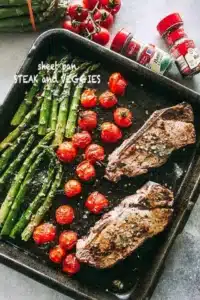
An easy sheet pan steak and veggies recipe featuring juicy sirloin, tender asparagus, and cherry tomatoes, all cooked on one pan and ready in approximately 30 minutes. Perfect for busy weeknights!
- For the Vegetables:
- 1 pound asparagus, trimmed
- 3 cups cherry tomatoes
- ½ tablespoon olive oil
- 1 teaspoon dried basil
- Salt and freshly ground black pepper, to taste
- For the Steaks:
- 1 pound top sirloin steaks, about 1-inch thick
- Salt and fresh ground pepper, to taste
- ¼ to ½ teaspoon crushed red pepper flakes, or to taste
- For the Basil Garlic Butter:
- 1 to 2 tablespoons butter, room temperature
- 1 teaspoon dried basil
- 1 clove garlic, minced
- Salt and freshly ground black pepper, to taste
- Dried basil, for garnish
- Crushed red pepper flakes, for garnish
- 1Prepare the Vegetables: Preheat oven to 400°F. Place asparagus and cherry tomatoes on a large sheet pan. Season with olive oil, dried basil, salt, and pepper. Toss to coat evenly. Roast for 10 minutes.
- 2Prepare the Steaks: While vegetables roast, season the sirloin steaks with salt, pepper, and crushed red pepper flakes.
- 3Cook the Steaks: Remove the sheet pan from the oven. Push the vegetables to the sides to make space for the steaks. Place the seasoned steaks on the sheet pan. Return to the oven and roast for 10 more minutes, or until desired doneness is reached. Flip the steaks halfway through cooking.
- 4Make the Basil Garlic Butter: In a small bowl, combine room temperature butter, dried basil, minced garlic, salt, and pepper. Mix well with a fork until incorporated.
- 5Finish and Serve: Remove the sheet pan from the oven. Spoon dollops of the basil garlic butter over the steaks and vegetables. Let the steaks rest for 5 minutes before slicing and serving.
Keywords: Sheet Pan, Steak, Asparagus, Cherry Tomatoes, Easy, Weeknight Dinner, Katerina Petrovska
Quantities for these essential ingredients can be found within the recipe card above, ensuring you have precisely what you need for a perfect outcome.
Variations
Elevate your sheet pan steak and veggies experience with these inspired variations, designed to cater to different tastes and dietary needs. Each suggestion offers a unique twist while maintaining the ease and appeal of the original recipe.
For a plant-based option, consider a vegan rendition. Swap the sirloin steak for thick slices of marinated portobello mushrooms or firm tofu. Marinate them in a mixture of soy sauce, balsamic vinegar, garlic powder, and a touch of maple syrup for at least 30 minutes before roasting. The asparagus and cherry tomatoes remain fantastic, but you could also incorporate hearty vegetables like broccoli florets or bell pepper strips, tossed in the same olive oil and herb mixture.
If you’re embracing a low-carb lifestyle, focus on non-starchy vegetables. While asparagus and cherry tomatoes are already excellent choices, consider adding zucchini ribbons, cauliflower florets, or Brussels sprouts. Ensure they are cut to a size that will roast evenly alongside the steak. You might also opt for a lean cut of steak, like flank or skirt steak, and pair it with a simple lemon-herb butter or a vibrant chimichurri sauce for added flavor without the carbs.
Another exciting possibility is to infuse international flavors. Try a Mediterranean-inspired variation by adding Kalamata olives, chopped artichoke hearts, and a sprinkle of feta cheese during the last few minutes of roasting. Alternatively, create an Asian-inspired version with sliced bell peppers, snow peas, and a drizzle of sesame oil and soy sauce before serving. A touch of ginger and garlic in the seasoning mix would also complement this profile beautifully.
How to Prepare sheet pan steak and veggies
Step 1: Preheat the Oven and Prepare the Vegetables
Begin by preheating your oven to a robust 400°F (200°C). This high temperature is crucial for achieving that desirable roast on both the vegetables and the steak, ensuring they cook through beautifully without becoming soggy. Meanwhile, take your fresh asparagus and meticulously trim off the woody ends. This simple step guarantees that every bite of asparagus will be tender and enjoyable.
Next, gather your vibrant cherry tomatoes, ensuring they are clean and dry. Place the trimmed asparagus and the whole cherry tomatoes onto a large, sturdy baking sheet or roasting pan. It’s important to arrange them in a single layer, avoiding any overlap as much as possible. This careful spacing allows hot air to circulate freely around each piece, promoting even roasting and preventing steaming, which would diminish their delicious texture and flavor.
Once the vegetables are neatly arranged, it’s time to season them generously. Drizzle them with half a tablespoon of good quality olive oil. This oil acts as a conductor for flavor and helps achieve a beautiful, slightly crisped exterior. Sprinkle them with one teaspoon of dried basil, which imparts a lovely herbaceous aroma and taste. Finally, season liberally with salt and freshly ground black pepper to your preference. Using your hands or a pair of tongs, gently toss the vegetables until they are thoroughly coated with the oil and seasonings, ensuring every piece is perfectly prepped for the oven.
With the vegetables seasoned and spread out, place the sheet pan into the preheated oven. Allow them to roast for a solid 10 minutes. This initial roasting period starts the cooking process for the vegetables, softening them slightly and beginning to concentrate their natural sweetness, especially for the cherry tomatoes which will begin to burst and release their juices. This preparatory step ensures that the vegetables will be perfectly tender by the time the steak is cooked.
Step 2: Season the Steak
While the vegetables are undergoing their initial roast, it’s time to turn your attention to the star of the show: the sirloin steaks. Retrieve the pound of top sirloin steaks, ensuring they are roughly one inch thick for optimal and even cooking. Pat them thoroughly dry with paper towels. This step is surprisingly important, as excess moisture can prevent the steak from searing properly and achieving that desirable golden-brown crust. A dry surface allows for better contact with the hot pan and seasonings.
Now comes the crucial seasoning phase. Generously season both sides of each steak with salt and freshly ground black pepper. Don’t be shy with the salt; it’s essential for drawing out the natural flavors of the beef and creating a delicious crust. For an added layer of warmth and a subtle kick, sprinkle the steaks with a quarter to half a teaspoon of crushed red pepper flakes. Adjust this amount based on your personal heat preference. The red pepper flakes not only add a touch of spice but also a beautiful visual contrast to the deep red of the steak.
Using your hands, gently rub all the seasonings into the surface of the steaks. Ensure that every nook and cranny is covered. This hands-on approach helps the seasonings adhere to the meat and penetrate slightly, creating a more robust flavor profile. Take your time with this step; it’s one of the most impactful ways to ensure your steak is delicious from the first bite to the last. The well-seasoned steaks are now ready to join their vegetable companions on the sheet pan.
Step 3: Roast the Vegetables and Add the Steak
After the vegetables have had their initial 10-minute head start in the oven, it’s time to carefully remove the sheet pan. Be sure to use oven mitts, as the pan will be hot. The asparagus should be starting to turn a brighter green, and the cherry tomatoes might be showing the first signs of softening and slight wrinkling, indicating they are well on their way to becoming deliciously tender and sweet. Their juices will also begin to pool slightly on the pan.
Now, you need to make space on the sheet pan for the seasoned steaks. Gently push the roasted vegetables to one side of the pan. You can do this by nudging them with the spatula or tongs you’ve been using. Aim to create a clear area that is large enough to accommodate the steaks without them being crowded. Proper spacing is key here; if the steaks are too close together or too close to the vegetables, they might steam rather than roast, which is not the desired outcome for a beautiful sear.
Carefully place the seasoned sirloin steaks onto the cleared portion of the sheet pan. Ensure they are positioned so that they have direct contact with the hot pan surface. This direct contact is essential for achieving a good sear. Once the steaks are in place, return the entire sheet pan, now laden with both vegetables and steaks, back into the preheated 400°F (200°C) oven. The steaks will now roast alongside the vegetables for approximately 10 more minutes, or until they reach your desired level of doneness.
During this roasting period, it’s highly recommended to flip the steaks halfway through the cooking time. This ensures that both sides of the steak develop a beautiful, caramelized crust. For medium-rare, aim for an internal temperature of around 130-135°F (54-57°C), for medium, 140-145°F (60-63°C), and for well-done, 150-155°F (65-68°C). Using an instant-read meat thermometer is the most accurate way to check for doneness. The vegetables will continue to roast, becoming tender and slightly caramelized, absorbing some of the steak’s juices.
Step 4: Prepare the Basil Garlic Butter
While the steaks and vegetables are finishing their roast in the oven, you can prepare the final flavor component: the basil garlic butter. This compound butter is simple to make but adds an incredible layer of richness and aroma that perfectly complements the savory steak and roasted vegetables. In a small mixing bowl, combine one to two tablespoons of softened, room-temperature butter. Using butter that is at room temperature makes it much easier to mix and spread.
To the softened butter, add one teaspoon of dried basil. Dried basil offers a concentrated, herbaceous flavor that holds up well to cooking. Next, mince one clove of fresh garlic finely. The fresh garlic provides a pungent, aromatic kick that is essential to this compound butter. Season the mixture with a pinch of salt and freshly ground black pepper to enhance all the flavors. These seasonings will balance the richness of the butter and the intensity of the garlic.
Using a fork, vigorously mix and mash all the ingredients together until they are thoroughly combined and form a homogenous mixture. You want to ensure that the basil, garlic, salt, and pepper are evenly distributed throughout the butter. The texture should be smooth and spreadable. This compound butter can be made ahead of time and stored in the refrigerator, allowing it to firm up. If you prefer not to use butter, a good alternative is to stir the minced garlic, dried basil, salt, and pepper into about two tablespoons of olive oil instead.
Step 5: Finish and Serve the Dish
Once the steaks have reached your desired internal temperature and the vegetables are tender and slightly caramelized, carefully remove the sheet pan from the oven. The aroma filling your kitchen at this point should be absolutely divine, a rich blend of roasted meat, sweet vegetables, and aromatic herbs. The steaks will have a beautiful sear, and the vegetables will be perfectly cooked, with the cherry tomatoes slightly burst and glistening.
Immediately after removing the pan from the oven, take the prepared basil garlic butter and spoon a few small dabs directly over the hot steaks and vegetables. The residual heat from the pan will begin to melt the butter, allowing it to gently coat and infuse the ingredients with its delicious basil and garlic essence. This final touch adds a luxurious richness and a wonderful aroma that elevates the entire dish. Ensure the butter is distributed somewhat evenly across the top of the steaks and vegetables.
Now comes the crucial resting period for the steaks. Allow the steaks to rest on the sheet pan for at least 5 minutes before slicing and serving. This resting time is absolutely vital for juicy steak. It allows the meat fibers to relax and redistribute the juices throughout the steak; if you cut into it too soon, all those delicious juices will run out onto the pan, leaving you with a drier steak. Patience here will be handsomely rewarded with a more tender and flavorful steak.
After resting, you can optionally garnish the dish with a little extra dried basil for visual appeal and another subtle burst of herby flavor, along with a few more crushed red pepper flakes if you desire extra heat. Slice the rested steaks against the grain for maximum tenderness. Serve the sliced steak immediately alongside the perfectly roasted asparagus and cherry tomatoes, allowing the melted basil garlic butter to coat everything beautifully. This completes your incredibly flavorful and easy sheet pan meal.
Pro Tips for sheet pan steak and veggies
Invest in a heavy-duty sheet pan: A good quality, thick gauge sheet pan is paramount. It ensures even heat distribution, preventing hot spots that can lead to uneven cooking or burnt edges. A sturdy pan is also less likely to warp under high oven temperatures, which can cause food to spill or cook unevenly. Look for pans made of aluminum or stainless steel for optimal performance and durability over time. This one simple upgrade can significantly improve your roasting results.
Uniformity in vegetable cuts: Aim to cut your vegetables into pieces that are roughly the same size. This is especially important for vegetables like asparagus or any additions like broccoli or bell peppers. Uniform sizing ensures that all the vegetable pieces will cook at the same rate, preventing some from becoming mushy while others remain undercooked. Consistent cuts lead to a more visually appealing and texturally satisfying dish.
Don’t underestimate resting time: As mentioned, allowing the steak to rest after cooking is non-negotiable for a tender and juicy result. The heat forces the muscle fibers to contract, squeezing out moisture. Resting allows these fibers to relax and reabsorb the juices. A minimum of 5-10 minutes is recommended for steaks of this thickness. This simple step makes a world of difference in the final texture and overall enjoyment of the steak.
Utilize an instant-read thermometer: For perfectly cooked steak every time, an instant-read thermometer is your best friend. Ovens can vary, and the exact cooking time depends on steak thickness and starting temperature. A thermometer takes the guesswork out of it, allowing you to achieve your desired doneness with precision. Simply insert it into the thickest part of the steak, avoiding bone or fat, and cook until it reaches your target temperature.
Slice against the grain: This is a crucial technique for tenderizing steak, regardless of how it’s cooked. Look for the direction of the muscle fibers in the steak and slice perpendicular to them. This shortens the tough muscle fibers, making the steak much easier to chew and enjoy. Properly slicing can make even a slightly tougher cut of meat incredibly tender and palatable.
Serving Suggestions for sheet pan steak and veggies
Decoration
To elevate the presentation of your sheet pan steak and veggies, consider a few simple decorative touches. A sprinkle of freshly chopped parsley or chives over the finished dish adds a vibrant burst of green and a fresh, herbaceous aroma. If you used crushed red pepper flakes for heat, a final, light dusting can also add a visually appealing speckling of color. For an extra touch of elegance, especially if you’ve made the basil garlic butter, a few fresh basil leaves placed artfully on top can make the dish look truly restaurant-quality.
Side Dishes
While this sheet pan meal is quite complete on its own, a few carefully chosen side dishes can further enhance the dining experience. For a simple yet satisfying addition, consider serving it with a crisp salad, like a light lemon vinaigrette or a creamy cucumber salad, to add a refreshing counterpoint to the richness of the steak. If you’re looking for something to soak up any delicious pan juices, consider a side of fluffy rice, couscous, or even crusty bread like my no knead skillet bread or garlic breadsticks. These sides are perfect for turning a weeknight dinner into a more substantial meal.
Creative Serving Ideas
For a more interactive meal, present the sheet pan directly at the table and let everyone serve themselves. This casual approach adds a rustic charm to the dining experience. You could also serve the sliced steak and vegetables over a bed of quinoa or farro for a more filling and nutritious base. Another idea is to serve the steak and veggies as a delicious filling for tacos or wraps, perhaps with a dollop of sour cream or a spicy aioli.
Preparation & Storage
Storing Leftovers
Should you be fortunate enough to have any delicious leftovers, proper storage is key to maintaining their quality. Ensure the steak and vegetables have cooled down completely before transferring them to an airtight container. Store the container in the refrigerator. Properly stored leftovers will typically remain fresh and safe to eat for about 2 to 3 days.
Freezing
While this dish is best enjoyed fresh, freezing is an option for longer-term storage, though texture may be slightly altered upon thawing. Cool the cooked steak and vegetables completely. Portion them into freezer-safe containers or heavy-duty freezer bags, removing as much air as possible to prevent freezer burn. Frozen leftovers should be consumed within 1 to 2 months for optimal quality.
Reheating
Reheating this sheet pan meal requires a gentle approach to preserve its texture and flavor. The best method for reheating is in a moderate oven, around 325°F (160°C), for about 10-15 minutes, or until heated through. If using a microwave, reheat in short 30-second intervals, stirring in between, to prevent overcooking the steak. For a crispier finish on the vegetables, you can briefly place them under a broiler after reheating.
Frequently Asked Questions
-
What is the best type of steak to use for this sheet pan recipe?
For this sheet pan steak and veggies recipe, several cuts of steak work exceptionally well, providing a balance of flavor and tenderness. Top sirloin steak is an excellent choice due to its robust beefy flavor and relatively lean profile, making it ideal for quick cooking without becoming overly tough. Ribeye and New York strip steaks are also superb options, offering a richer marbling that results in even more tender and juicy steak, though they can be more expensive. When selecting your steak, aim for cuts that are approximately 1 inch thick; this thickness is perfect for achieving a beautiful sear on the outside while ensuring the inside cooks to your desired doneness within the recommended timeframe. Avoid very thin cuts, as they tend to overcook quickly, and overly thick cuts may require a longer cooking time that could lead to the vegetables becoming overdone.
-
Can I marinate the steak before cooking, and if so, how?
Absolutely! While this recipe’s seasoning provides ample flavor, marinating the steak can introduce another dimension of taste and potentially enhance tenderness. If you choose to marinate, a simple yet effective marinade can be created using ingredients like olive oil, soy sauce or tamari, Worcestershire sauce, minced garlic, and herbs such as rosemary or thyme. A common ratio is about 1/4 cup of olive oil to 2 tablespoons of soy sauce or Worcestershire sauce, with added aromatics. Submerge the steak in the marinade and refrigerate for at least 30 minutes, or up to 4 hours for more intense flavor. Be mindful that acidic ingredients in the marinade can begin to “cook” the steak if left too long, so avoid marinating for excessive periods. Before cooking, it’s advisable to pat the steak dry thoroughly after removing it from the marinade, as excess moisture can hinder the formation of a good sear.
-
How can I ensure the vegetables are perfectly cooked and not mushy?
Achieving perfectly cooked, tender-crisp vegetables is key to this dish’s success. The most critical step is to ensure they are not overcrowded on the sheet pan; overcrowding leads to steaming rather than roasting, resulting in a soggy texture. Ensure your sheet pan is large enough to accommodate the vegetables in a single layer. Secondly, cutting vegetables into uniform sizes, as previously mentioned, is crucial for even cooking. For vegetables like asparagus, trimming the woody ends is essential for tenderness. If you are adding heartier vegetables like broccoli or cauliflower, consider giving them a 5-10 minute head start in the oven before adding the steak, as they require a slightly longer cooking time. Finally, don’t overcook; roasting at a high temperature like 400°F (200°C) helps to achieve a lovely caramelization and slight crispness quickly. Keep an eye on them during the last few minutes of cooking.