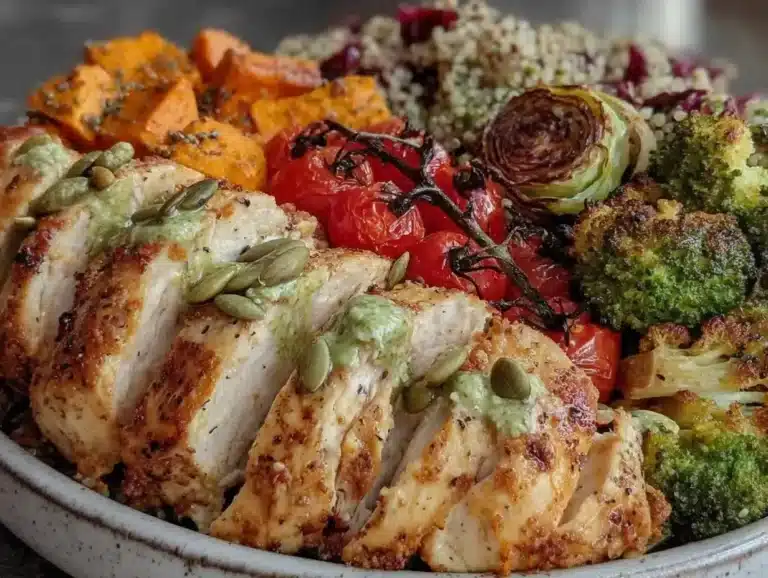
Sheet Pan Chicken Dinner – Easy Meal Prep Idea!
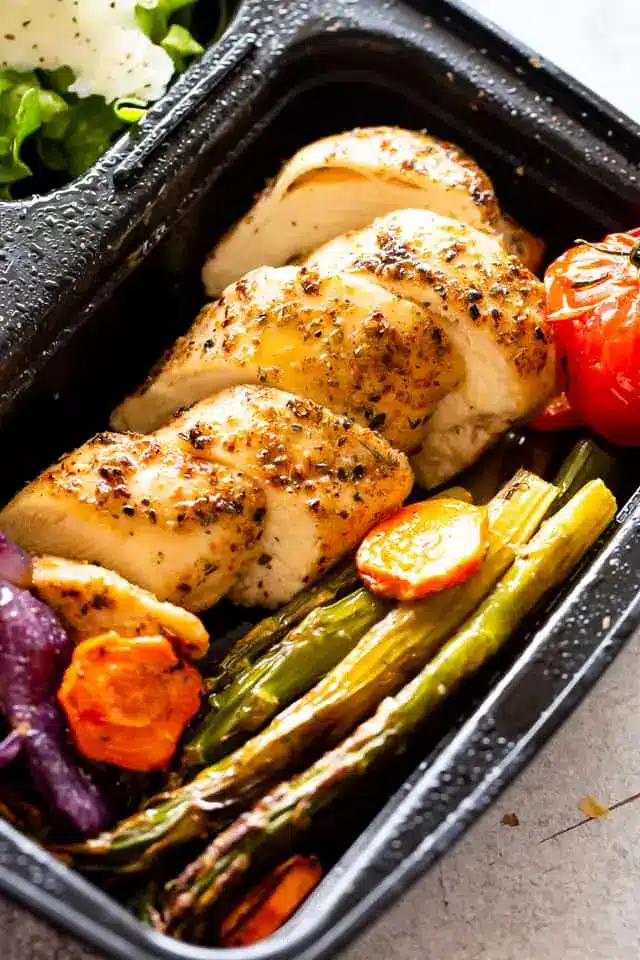
Welcome to a culinary adventure that promises ease, flavor, and minimal cleanup! This sheet pan chicken recipe is designed to be your new weeknight warrior, transforming simple ingredients into a magnificent meal with very little fuss. Get ready to discover a dish that will have you asking for seconds, and perhaps even thirds.
Imagine a symphony of perfectly cooked chicken, tender potatoes, and vibrant vegetables, all coming together on a single baking sheet. It’s a meal that feels special yet is achievable for even the busiest of evenings. Prepare yourself for a delightful experience that will redefine your expectations of a convenient dinner.
Why You Will Love This Recipe
- Effortless Preparation: With just 10 minutes of hands-on time, you can have this meal prepped and ready for the oven, allowing you more time for yourself and your loved ones.
- One-Pan Wonder: The beauty of this recipe lies in its simplicity; everything cooks together on one sheet pan, drastically reducing your post-dinner cleanup time.
- Versatile Veggies: Feel free to customize the vegetable selection based on what’s in season or what your family enjoys most, making every iteration unique and exciting.
- Flavorful & Juicy: The combination of herbs, garlic, and a touch of butter ensures that the chicken remains incredibly moist and flavorful, while the vegetables roast to perfection.
- Meal Prep Friendly: This dish is a fantastic candidate for meal prepping, allowing you to create healthy, delicious lunches or dinners for the week ahead with minimal effort.
Ingredients You Need
The key to an outstanding sheet pan chicken dinner lies in the quality of your ingredients and their preparation. Using fresh, vibrant produce and well-seasoned chicken will elevate this simple dish to extraordinary heights. We’ve chosen a selection of robust vegetables that hold up well to roasting and complement the chicken beautifully.
Sheet Pan Chicken with Vegetables
This flavorful sheet pan chicken recipe is ready in under an hour, with juicy seasoned chicken breasts, tender potatoes, and vegetables all baked together. It's perfect for an easy weeknight chicken dinner, and I love it as a meal prep idea!
- 4 boneless, skinless chicken breasts (about 1 to 1½ pounds total)
- 3 cups diced potatoes
- 1 pound asparagus, ends trimmed
- 2 large carrots, diced or thinly sliced
- 1 large red onion, quartered
- 2 cups cherry tomatoes (optional)
- 2 tablespoons olive oil, divided
- 2 cloves garlic, minced, divided
- 1 teaspoon garlic powder
- 1½ teaspoons dried rosemary, divided
- 1½ teaspoons dried thyme, divided
- salt and freshly ground black pepper, to taste
- 1 tablespoon butter, cut into 4 pats
- 1Preheat oven to 425°F. Line a large sheet pan with parchment paper or foil; set aside.
- 2Cut up the potatoes, Brussels sprouts, asparagus, carrots, and red onion. Place each in a separate corner of the prepared sheet pan. DO NOT add the cherry tomatoes yet.
- 3Drizzle olive oil over the veggies. Season with garlic powder, ½ teaspoon dried rosemary, ½ teaspoon dried thyme, salt, and pepper.
- 4Place 2 chicken breasts over a large piece of parchment paper. Rub both sides of the chicken with a bit of olive oil, and season with salt, pepper, ½ teaspoon rosemary, ½ teaspoon thyme, and half of the minced garlic.
- 5Place a pat of butter on top of each chicken breast and tightly seal the parchment paper around the chicken breasts. Repeat the same process with the remaining 2 chicken breasts.
- 6Bake for 30 minutes, or until the chicken is cooked through. Chicken is done when its internal temperature reaches 165°F.
- 7Optionally, 10 minutes before it’s done cooking, add cherry tomatoes to the sheet pan.
- 8Remove from oven and let stand 5 minutes. Unwrap the chicken and serve.
Keywords: sheet pan chicken, chicken breast, sheet pan dinner, easy weeknight dinner, meal prep, roasted vegetables, oven baked chicken
The precise quantities for each ingredient are detailed in the recipe card, ensuring you have all the information needed for a perfect outcome.
Variations
This versatile sheet pan chicken forms the perfect canvas for a multitude of flavor profiles and dietary adjustments. You can effortlessly transform this base recipe to suit your specific needs or cravings. It’s a culinary chameleon that adapts beautifully to different tastes and preferences.
Vegan Delight: To create a delicious vegan alternative, swap the chicken breasts for firm or extra-firm tofu that has been pressed and cubed. Marinate the tofu in a similar blend of olive oil, garlic, herbs, and spices for at least 30 minutes before roasting. For the “butter” element, you can use a vegan butter alternative or a small drizzle of extra olive oil within the parchment packet. This allows plant-based eaters to enjoy the convenience and flavor of a sheet pan meal.
Low-Carb Adaptation: For a lower-carbohydrate version, omit the potatoes entirely. Instead, you can double up on the Brussels sprouts and asparagus, or introduce other low-carb vegetables like broccoli florets, cauliflower, or zucchini chunks. Bell peppers also make a great addition, offering a touch of sweetness and vibrant color. Ensure the remaining ingredients are low in carbohydrates, and you’ll have a satisfying, guilt-free meal.
Spice It Up: If you enjoy a little heat, consider adding a pinch of red pepper flakes to your vegetable and chicken seasoning mix. You could also incorporate diced jalapeños or a swirl of sriracha into the parchment packets with the chicken for an extra kick. For a smoky flavor, add a teaspoon of smoked paprika to the spice blend. This variation brings an exciting new dimension to the familiar sheet pan experience.
How to Prepare sheet pan chicken
Step 1: Orchestrating the Oven and Pan
Your culinary journey begins by preheating your oven to a robust 425°F (220°C). This high heat is crucial for achieving that perfect roast on both the chicken and vegetables, ensuring they cook through efficiently while developing delicious caramelization. Simultaneously, prepare your trusty sheet pan by lining it with parchment paper or aluminum foil.
This step is paramount for minimizing cleanup and preventing any sticking. Parchment paper offers a non-stick surface and makes transferring everything a breeze, while foil provides a sturdy barrier. Once lined, set your prepared pan aside, ready to receive its flavorful cargo.
This initial preparation sets the stage for the entire cooking process. A properly preheated oven and a well-lined pan are the foundational elements for successful sheet pan cooking. They ensure even heat distribution and make the entire experience, from cooking to cleanup, significantly more enjoyable.
Step 2: The Art of Vegetable Preparation
Now, turn your attention to the vibrant ensemble of vegetables that will accompany your chicken. Begin by washing and thoroughly drying each vegetable; excess moisture can lead to steaming rather than roasting, which is not the desired outcome here. For potatoes, ensure they are diced into roughly uniform, 1-inch cubes. This size ensures they cook evenly and become tender without burning.
The Brussels sprouts should be halved, and for the asparagus, simply trim off any tough, woody ends to make them more palatable. Carrots can be diced or sliced thinly, depending on your preference for texture and cooking time; thinner slices will cook faster. Finally, quarter the large red onion, separating its layers slightly so they roast independently.
It is important to note that the cherry tomatoes, if you are using them, are intentionally excluded from this initial prep. They are more delicate and will be added later in the cooking process to prevent them from becoming mushy. Arrange these prepared vegetables in separate sections or corners on your prepared sheet pan, keeping them distinct for now.
Step 3: Seasoning the Vegetable Chorus
With your vegetables neatly arranged on the sheet pan, it’s time to imbue them with flavor. Drizzle the olive oil evenly over all the prepared vegetables, ensuring each piece is lightly coated. This oil acts as a conductor for the seasonings, helping them adhere and promoting that desirable crispness during roasting.
Next, generously season the vegetables. Sprinkle them with garlic powder, half a teaspoon each of dried rosemary and dried thyme, and a good pinch of salt and freshly ground black pepper. Don’t be shy with the seasonings; roasting tends to mellow flavors, so it’s better to season a bit more generously than you might think necessary. Gently toss the vegetables on the pan to distribute the oil and seasonings evenly.
This seasoning step is crucial for building the foundational flavor profile of your sheet pan dinner. The aromatic herbs and savory garlic powder will meld beautifully with the natural sweetness of the vegetables as they roast. This careful seasoning ensures that every bite is packed with delicious taste, making the vegetables as much a star as the chicken.
Step 4: Preparing and Enveloping the Chicken
Now, let’s focus on the star of the show: the chicken. Take two of the boneless, skinless chicken breasts and place them on a large piece of parchment paper. Rub both sides of each chicken breast with a little olive oil; this helps the seasonings adhere and contributes to a juicy, tender result. Season the chicken generously with salt, pepper, the remaining half teaspoon of rosemary, the remaining half teaspoon of thyme, and about half of the minced garlic.
Once seasoned, place a pat of butter on top of each chicken breast. This might seem unconventional, but the butter melts and bastes the chicken as it roasts, locking in moisture and adding a wonderful richness. Carefully fold the parchment paper up and around the chicken breasts, sealing it tightly to create a packet. This steaming method within the parchment paper ensures incredibly tender and moist chicken.
Repeat this entire process with the remaining two chicken breasts. This meticulous preparation of the chicken ensures it cooks perfectly alongside the vegetables, resulting in a harmonious and delicious meal. The parchment-wrapped chicken also protects it from direct heat, preventing it from drying out.
Step 5: The Grand Bake and Tomato Toss
With all components prepped, it’s time to unite them on the baking sheet. Place the sealed parchment packets of chicken directly in the center of the large sheet pan, nestled amongst the seasoned vegetables that now occupy the perimeter. This arrangement allows for optimal heat circulation around both the chicken and the vegetables, ensuring even cooking.
Carefully transfer the sheet pan into the preheated oven. Allow everything to bake for approximately 30 minutes. During this time, the chicken will cook through to juicy perfection, and the vegetables will become tender and slightly caramelized. The internal temperature of the chicken should reach 165°F (74°C) when tested with a meat thermometer.
About 10 minutes before the scheduled end of the cooking time, it’s time to add the cherry tomatoes, if you’re using them. Gently open the oven door and scatter the cherry tomatoes around the vegetables on the sheet pan. They will roast quickly, becoming slightly softened and bursting with flavor. Close the oven door and allow them to finish cooking alongside the chicken and other vegetables.
Step 6: The Final Flourish: Rest and Serve
Once the 30 minutes have elapsed and your sheet pan chicken and vegetables are cooked to perfection, carefully remove the pan from the oven. The aroma filling your kitchen at this stage is truly delightful. Allow the chicken to rest inside its parchment packet for about 5 to 10 minutes. This resting period is crucial; it allows the juices within the chicken to redistribute, resulting in a more tender and succulent final product.
After the resting period, carefully unwrap the parchment packets. Be cautious of the hot steam that will escape as you open them. The chicken should be beautifully cooked and nestled amongst the perfectly roasted vegetables. You can serve the chicken and vegetables directly from the sheet pan, or plate them individually for a more formal presentation.
This final step ensures that every element of your sheet pan chicken dinner is at its peak of flavor and texture, ready to be enjoyed. The simple act of resting the chicken makes a significant difference in its overall quality.
Pro Tips for sheet pan chicken
Even Cutting is Key: To ensure all your vegetables cook at the same rate, aim for uniform sizing when dicing and chopping. This is especially important for dense vegetables like potatoes and carrots. For quicker-cooking vegetables such as asparagus and Brussels sprouts, slightly thicker cuts can prevent them from becoming too soft.
Don’t Overcrowd the Pan: Giving your ingredients enough space on the sheet pan is vital for proper roasting. Overcrowding will cause the vegetables to steam rather than crisp up, leading to a less desirable texture. If your pan is too full, consider using two smaller pans or a larger one to ensure adequate airflow.
Embrace the Parchment: While foil works, parchment paper offers a superior non-stick surface and is generally easier to handle. It also makes for incredibly easy cleanup. If you don’t have parchment paper, ensure your foil is well-greased to prevent sticking.
Season Generously: Roasting can sometimes mute flavors, so don’t be afraid to season your chicken and vegetables liberally. Taste and adjust seasoning as needed before placing the pan in the oven. Remember, you can always add more salt and pepper at the table, but you can’t take it away.
Internal Temperature is Your Friend: While the 30-minute cooking time is a good guideline, always rely on a meat thermometer to ensure your chicken is safely cooked. Insert it into the thickest part of the chicken breast; it should register 165°F (74°C). This guarantees a perfectly cooked, safe, and juicy chicken every time.
Serving Suggestions for sheet pan chicken
Decoration
Elevate the presentation of your sheet pan chicken with simple yet effective garnishes. A sprinkle of fresh, finely chopped parsley or chives adds a burst of color and a hint of freshness that brightens the entire dish. For an extra touch of elegance, a light drizzle of balsamic glaze over the chicken and vegetables can add a beautiful sheen and a complementary tangy-sweet note. Consider a few edible flowers scattered around the plate for a truly special occasion.
Side Dishes
This sheet pan chicken is wonderfully self-sufficient, but it pairs beautifully with a variety of complementary side dishes. For a lighter option, serve it alongside a crisp green salad with a zesty vinaigrette, perhaps incorporating ingredients like cucumber, bell peppers, and avocado. Creamy polenta or a fluffy bed of mashed potatoes can provide a comforting base, soaking up any delicious pan juices. Alternatively, consider a simple side of quinoa or brown rice for a wholesome and filling meal.
Creative Serving Ideas
Transform your sheet pan chicken into a variety of exciting meals beyond just plating it. You can shred or dice the cooked chicken and mix it with the roasted vegetables to create a flavorful filling for wraps or pita pockets, perfect for a portable lunch. Another creative idea is to deconstruct the components and serve them over a bed of mixed greens with your favorite dressing for a hearty salad. For a weekend brunch option, consider topping a portion of the chicken and vegetables with a perfectly poached or fried egg.
Preparation & Storage
Storing Leftovers
To store any leftover sheet pan chicken and vegetables, allow the meal to cool completely at room temperature. Transfer the cooled components into an airtight container; this is crucial for maintaining freshness and preventing the absorption of odors from other foods in the refrigerator. Properly stored, leftovers will remain delicious and safe to eat for up to 3 to 4 days.
Ensure the container is well-sealed to minimize exposure to air, which can contribute to drying out. If you’ve separated the chicken and vegetables, store them in separate containers or together, depending on your preference for reheating. The key is to keep them protected from the elements within your fridge.
This careful storage ensures that you can enjoy the delicious flavors of your home-cooked meal even days after it was initially prepared. It’s a testament to the versatility and convenience of this wonderful recipe, making it ideal for busy individuals and families.
Freezing
Sheet pan chicken and vegetables can indeed be frozen for longer-term storage, though some texture changes may occur upon thawing. It’s best to freeze the components separately if possible, as this allows for more control when reheating. Ensure all components are completely cooled before packaging them in freezer-safe bags or airtight containers.
When freezing, remove as much air as possible from the packaging to prevent freezer burn. Label the containers with the date of freezing and the contents. Properly frozen, this meal can maintain good quality for up to 2 months. Remember that while the flavors will largely remain intact, the texture of some vegetables might soften slightly after thawing and reheating.
This freezing option provides an excellent backup for those nights when cooking is simply not an option. Having pre-portioned meals ready to go in the freezer can be a lifesaver, offering a convenient and healthy alternative to takeout.
Reheating
Reheating your leftover sheet pan chicken and vegetables can be done using a few different methods, depending on your preference and available equipment. For a quick reheat, place the desired portion in a microwave-safe dish and heat on medium power, stirring occasionally, until thoroughly warmed through. Be mindful not to overheat, as this can lead to dry chicken.
Alternatively, for a more even and crisp result, you can reheat the leftovers in a skillet on the stovetop over medium-low heat. Add a splash of water or broth to help steam and prevent sticking. If you prefer oven reheating, spread the leftovers on a baking sheet and warm them in a preheated oven at around 350°F (175°C) until hot. This method is excellent for restoring some of the crispness to the vegetables.
The goal with reheating is to bring the meal back to a pleasant temperature without compromising its integrity. Whichever method you choose, ensure the food is heated through to a safe temperature before consuming.
Frequently Asked Questions
-
Can I use chicken thighs instead of chicken breasts?
Yes, you absolutely can use chicken thighs! Bone-in, skin-on chicken thighs will require a longer cooking time, approximately 40-45 minutes at 425°F (220°C), to ensure they are cooked through and tender. Boneless, skinless thighs will cook slightly faster than bone-in but will still likely need a few extra minutes compared to breasts. Adjust the cooking time based on the size and type of thigh you are using, and always confirm doneness with a meat thermometer, aiming for an internal temperature of 165°F (74°C).
-
What other vegetables work well in this recipe?
This recipe is incredibly versatile when it comes to vegetables! Besides the ones listed, consider adding broccoli florets, cauliflower florets, zucchini, bell peppers (add these in the last 15-20 minutes of cooking as they cook faster), or sweet potatoes. Root vegetables like parsnips and turnips also roast beautifully, though they may require a slightly longer cooking time or smaller dice. For a pop of freshness, cherry tomatoes are a fantastic addition, best added in the final 10-15 minutes of baking so they soften but don’t turn to mush. The key is to ensure vegetables are cut to a similar size for even cooking.
-
How can I make this recipe spicier?
To inject some heat into your sheet pan chicken, there are several easy methods. You can add a pinch or more of red pepper flakes directly to the spice mixture for the chicken and vegetables. For a more pronounced heat, consider adding thinly sliced jalapeños or serrano peppers to the pan along with the other vegetables. Another option is to toss the chicken with a tablespoon or two of your favorite hot sauce before seasoning, or to serve the finished dish with a dollop of sriracha or a spicy aioli on the side. Experiment to find the perfect level of heat for your palate.