Broccoli Ground Turkey Alfredo Pasta: Creamy Comfort in 30 Mins!
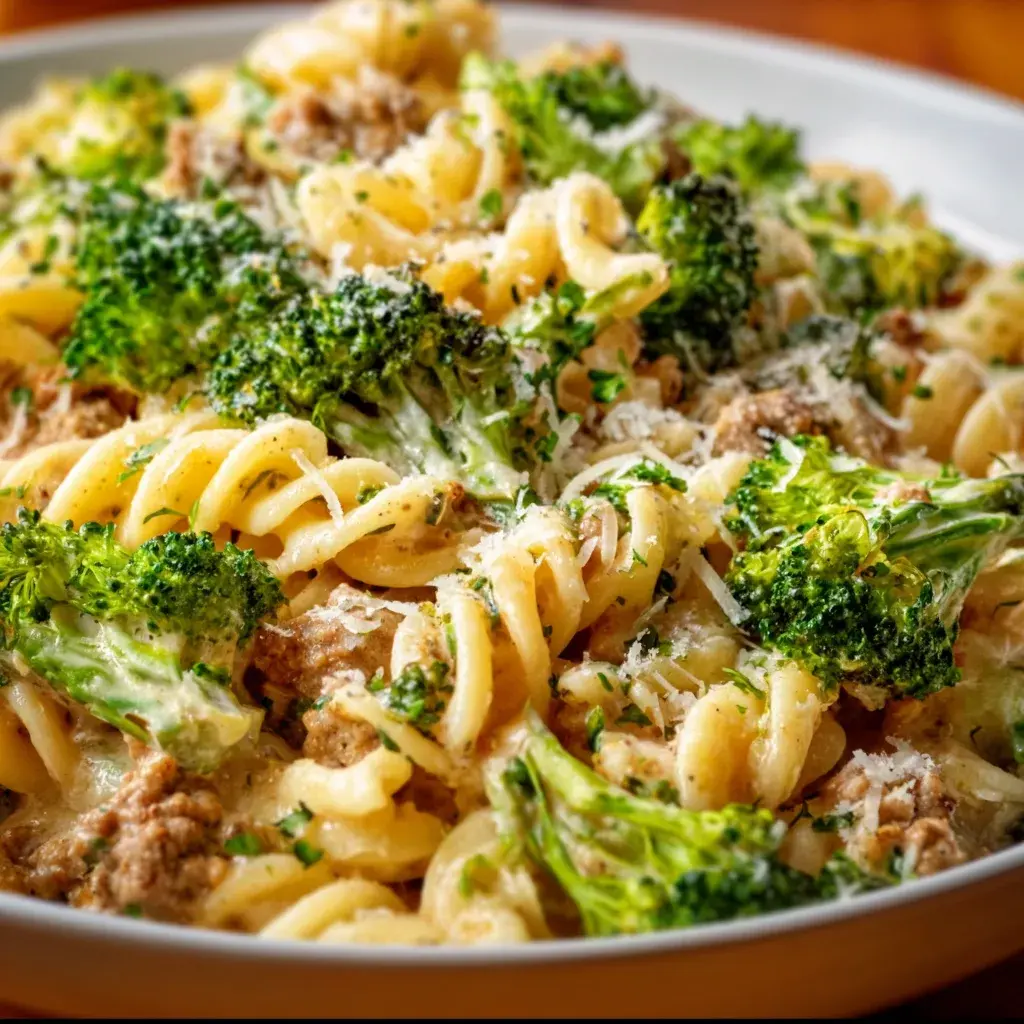
Broccoli Ground Turkey Alfredo Pasta has become my absolute go-to for those evenings when comfort food calls but I still want something nourishing. The first time I made this dish, my kitchen filled with the rich aroma of garlic and parmesan that had my family hovering around the stove before I could even set the table. There’s something magical about the way the creamy alfredo sauce clings to every spiral of pasta, surrounding tender bites of ground turkey and vibrant broccoli florets. This dish reminds me of the pasta my grandmother used to make, but with my own healthier spin that doesn’t sacrifice an ounce of flavor.
This recipe truly captures the essence of a weeknight winner: quick, incredibly satisfying, and packed with nutrients. It’s the kind of meal that transforms a chaotic day into a moment of shared comfort and deliciousness around the dinner table. You’ll find yourself returning to this recipe time and time again, especially on those busy evenings when time is of the essence but you refuse to compromise on taste or quality. It’s a testament to how simple ingredients can come together to create something truly spectacular and deeply comforting.
Why You Will Love This Recipe
- Perfect Balance of Flavor and Nutrition: This dish strikes that elusive sweet spot between indulgent comfort and wholesome goodness. The lean ground turkey provides protein without the heaviness of beef, while the broccoli adds a fresh, earthy note that cuts through the richness of the alfredo sauce. I love how the florets catch little pockets of the creamy sauce in their tiny tree-like tops! The combination creates a satisfying mouthfeel that hits all the right notes—creamy, savory, with just enough texture from the perfectly cooked broccoli to keep every bite interesting. It’s the kind of meal that leaves you feeling nourished rather than weighed down.
- Quick and Adaptable for Busy Weeknights: On those nights when I’ve got soccer practice drop-offs and homework help competing for my attention, this 30-minute wonder saves dinner time. The components cook simultaneously—pasta boiling, turkey browning, and sauce coming together—making efficient use of precious evening minutes. I’ve made this with whole wheat pasta when I’m feeling extra virtuous, gluten-free pasta when my sister visits, and classic fettuccine when I’m craving that traditional alfredo experience. The recipe forgives substitutions beautifully, which means you can adapt based on what’s already in your pantry without an emergency grocery run.
- Incredibly Creamy Alfredo Sauce: The heart of this dish is undeniably the silky alfredo sauce that brings everything together. My secret? Room temperature cream cheese and freshly grated parmesan—never the pre-shredded stuff that contains anti-caking agents. When adding the heavy cream, do it gradually while whisking continuously to prevent any separation or graininess. A tiny pinch of nutmeg might sound strange, but it adds that *je ne sais quoi* that has guests wondering what makes your sauce special. For a lighter version that still maintains creaminess, you could try my Crockpot Chicken Broccoli Alfredo technique with half-and-half instead.
- Perfect Broccoli Texture: Achieving the perfect broccoli texture is crucial—no one wants mushy florets that disintegrate into the sauce. I blanch mine separately for exactly 2 minutes, then shock in ice water to maintain that vibrant green color and slight crunch. For the turkey, a cast iron skillet creates the best browning, which equals flavor. Break the meat into small, even pieces as it cooks and season progressively—salt and pepper at the beginning, then garlic and Italian herbs halfway through. This layering of flavors makes the turkey anything but bland, a common complaint with ground turkey dishes.
- Versatile and Flavorful: The beauty of this dish lies in its versatility. Swap the turkey for Italian chicken sausage for a flavor punch, or use ground chicken if that’s what you have on hand. Vegetable variations are endless—peas, spinach, sun-dried tomatoes, or mushrooms all work beautifully. For a spicy kick, add red pepper flakes or a dollop of pesto swirled into the finished dish. My personal favorite twist is adding roasted red peppers and a handful of toasted pine nuts for texture contrast. These small adjustments keep the dish feeling fresh even when it appears on your weekly rotation.
Ingredients You Need
The success of any dish hinges on the quality of its ingredients, and this Broccoli Ground Turkey Alfredo Pasta is no exception. Opting for fresh, vibrant produce and good-quality staples will elevate the final taste and texture significantly, ensuring a restaurant-worthy meal right in your own kitchen. Paying attention to the details, like using freshly grated parmesan and properly cooking your vegetables, makes all the difference in creating a truly memorable dining experience for yourself and your loved ones.
Broccoli Ground Turkey Alfredo Pasta
This Broccoli Ground Turkey Alfredo Pasta is a comforting and nourishing go-to for busy weeknights. It perfectly balances creamy alfredo sauce with lean ground turkey and vibrant broccoli florets, offering a satisfying meal that's both delicious and wholesome.
- 1 pound fettuccine pasta
- 1 tablespoon olive oil
- 1 pound ground turkey
- 1 teaspoon salt
- 1 teaspoon black pepper
- 2 cloves garlic, minced
- 1 teaspoon Italian seasoning
- 1 cup broccoli florets
- 1 (8 ounce) package cream cheese, softened
- 1 cup heavy cream
- 1 cup grated Parmesan cheese
- Pinch of nutmeg (optional)
- 1Cook fettuccine according to package directions. Reserve about 1 cup of pasta water before draining.
- 2While pasta is cooking, heat olive oil in a large skillet over medium-high heat. Add ground turkey, salt, and pepper. Cook, breaking up the meat, until browned. Drain off any excess fat.
- 3Add minced garlic and Italian seasoning to the skillet with the turkey. Cook for 1 minute more until fragrant.
- 4In a separate pot, bring about an inch of water to a boil. Add broccoli florets and blanch for 2 minutes. Immediately drain and shock in ice water to maintain color and crunch. Drain well.
- 5Reduce the heat in the skillet with the turkey to low. Add the softened cream cheese and whisk until smooth and melted.
- 6Gradually whisk in the heavy cream until the sauce is smooth.
- 7Stir in the grated Parmesan cheese and nutmeg (if using) until the cheese is melted and the sauce is creamy. Do not boil.
- 8Add the cooked fettuccine and blanched broccoli to the skillet with the sauce. Toss to coat evenly. If the sauce is too thick, add a splash of reserved pasta water until desired consistency is reached.
- 9Serve immediately.
Keywords: Broccoli, Ground Turkey, Alfredo, Pasta, Comfort Food, Weeknight Dinner, Italian, Creamy, Easy
- ground turkey: lean ground turkey is preferred for a lighter, healthier alfredo sauce, but you can also use regular ground turkey for a richer flavor profile.
- broccoli florets: fresh broccoli florets are ideal for their bright green color and crisp texture, though frozen can be used with slight adjustments.
- fettuccine pasta: a classic choice for alfredo, its broad surface area perfectly captures the creamy sauce, but other pasta shapes work well too.
- garlic: minced fresh garlic is essential for building a foundational aromatic base for the sauce.
- unsalted butter: provides richness and helps to meld the flavors of the sauce together smoothly.
- heavy cream: the backbone of a luxurious alfredo sauce, it creates that signature velvety texture.
- cream cheese: softened cream cheese adds an extra layer of creaminess and helps to stabilize the sauce, preventing it from becoming too thin.
- grated parmesan cheese: freshly grated parmesan cheese is crucial for authentic alfredo flavor; avoid pre-shredded varieties.
- salt: to season the pasta water and the sauce to perfection.
- black pepper: freshly ground black pepper adds a gentle warmth and depth to the overall flavor profile.
- nutmeg: a tiny pinch of freshly grated nutmeg is a secret ingredient that enhances the savory notes of the alfredo sauce subtly.
- olive oil: a touch of olive oil is used for sautéing the ground turkey, ensuring it browns evenly without sticking.
The specific quantities for each ingredient are detailed within the recipe card, ensuring you have all the necessary measurements for a successful preparation. Refer to the dedicated recipe card for precise amounts to achieve the perfect balance of flavors and textures.
Variations
One fantastic way to adapt this dish is by embracing a Vegan alternative. This involves swapping out the ground turkey for crumbled firm tofu or tempeh, which will absorb the flavors beautifully. For the creamy alfredo sauce, a base of blended cashews or sunflower seeds, combined with nutritional yeast for a cheesy flavor and unsweetened plant-based milk, can create a remarkably rich and satisfying vegan version.
For those following a Low Carb lifestyle, consider substituting the traditional pasta with spiralized zucchini noodles (zoodles) or shirataki noodles. These lower-carbohydrate alternatives offer a satisfying texture and absorb the alfredo sauce just as effectively. You can also increase the amount of broccoli and other low-carb vegetables like cauliflower or spinach to bulk up the dish without adding significant carbohydrates.
Introducing different proteins can also be a fun and flavorful twist. Instead of ground turkey, try using crumbled Italian sausage (pork or chicken) for a spicier, more robust flavor profile. Another excellent option is finely diced chicken breast or thigh, sautéed until golden brown. For a seafood lover, cooked shrimp or pan-seared scallops can add an elegant touch to the alfredo sauce, transforming it into a gourmet experience suitable for special occasions.
You can also experiment with different vegetables beyond broccoli. Roasted red peppers, sautéed mushrooms, sun-dried tomatoes, or even a handful of fresh spinach wilted into the sauce can add new dimensions of flavor and texture. A sprinkle of toasted pine nuts or chopped walnuts can provide a delightful crunch that contrasts wonderfully with the creamy sauce and tender ingredients.
For a bit of heat, a pinch of red pepper flakes added during the sautéing of the turkey or stirred into the sauce can provide a pleasant warmth that complements the richness of the alfredo. Alternatively, a swirl of pesto into the finished dish adds a vibrant herby note and a beautiful visual appeal. The possibilities for customization are truly endless, allowing you to tailor this dish to your specific preferences and dietary needs.
How to Prepare Broccoli Ground Turkey Alfredo Pasta
Step 1: Prepare the Pasta and Broccoli
Begin by bringing a large pot of generously salted water to a rolling boil over high heat. Once boiling, add your chosen pasta, whether it’s classic fettuccine, whole wheat, or gluten-free, and cook according to package directions until al dente, ensuring it retains a slight bite. While the pasta cooks, prepare your broccoli florets by washing them thoroughly and trimming any thick stems.
For the broccoli, you’ll want to achieve a tender-crisp texture that holds up well in the sauce. A quick blanching method works perfectly for this. In a separate pot, bring a few cups of water to a boil, and once it’s bubbling vigorously, add the broccoli florets. Let them cook for precisely two minutes, just enough to turn them bright green and slightly tender.
Immediately after blanching, use a slotted spoon to transfer the broccoli florets into a bowl filled with ice water. This ice bath, also known as shocking the vegetables, is a crucial step to halt the cooking process instantly, preserving their vibrant color and crisp texture. Once cooled, drain the broccoli thoroughly and set aside, ensuring no excess water remains, which could dilute your alfredo sauce.
Step 2: Brown the Ground Turkey
While the pasta and broccoli are being prepared, heat a large skillet or Dutch oven over medium-high heat. Add a tablespoon of olive oil to the hot skillet, allowing it to shimmer slightly. Carefully add the ground turkey to the skillet, breaking it up with a spoon or spatula into smaller, manageable pieces. It’s important to avoid overcrowding the pan, as this can lead to steaming rather than browning.
Season the ground turkey generously with salt and freshly ground black pepper as it begins to cook. Continue to cook, stirring and breaking up the meat, until it is fully browned and no pink remains. This process typically takes about 6-8 minutes, depending on the heat of your stove and the leanness of the turkey. The browning process is key to developing deep, savory flavor in the dish.
Once the turkey is thoroughly cooked and nicely browned, drain off any excess grease from the skillet. Leaving a little bit of the rendered fat can add flavor, but too much will make the final dish greasy. Add minced garlic to the skillet with the browned turkey. Cook for another minute, stirring constantly, until the garlic is fragrant, being careful not to burn it, as burnt garlic can impart a bitter taste to the entire dish. This step infuses the turkey with aromatic garlic notes.
Step 3: Create the Alfredo Sauce Base
In the same skillet where you browned the turkey (after draining most of the grease), reduce the heat to medium-low. Add the unsalted butter and let it melt completely. Once the butter has melted and is shimmering, whisk in the softened cream cheese. Continue to whisk until the cream cheese is mostly incorporated into the butter, creating a smooth, pale yellow base for your sauce. This step requires patience to ensure a lump-free foundation.
Gradually pour in the heavy cream, whisking continuously as you add it. It’s important to add the cream slowly to prevent the sauce from separating and to ensure a smooth, emulsified consistency. Continue to whisk gently as the sauce begins to warm through. You’ll notice the mixture starting to thicken slightly as it heats up and combines with the butter and cream cheese.
Once the cream has been added and is starting to heat, begin incorporating the freshly grated parmesan cheese. Add the parmesan cheese a handful at a time, whisking constantly after each addition. Continue to whisk until the cheese has melted completely into the sauce, creating a luxurious, creamy consistency. Taste the sauce and season with additional salt and freshly ground black pepper if needed. This is also the point where you can add a tiny pinch of freshly grated nutmeg, which subtly enhances the savory flavors.
Step 4: Combine All Components
Before you add the cooked pasta to the sauce, reserve about a cup of the starchy pasta water. This reserved water is a secret weapon for adjusting the sauce’s consistency later on. Then, drain the cooked pasta thoroughly. Make sure no excess water is clinging to the pasta, as this can also dilute the sauce and make it watery.
Add the drained pasta directly into the skillet with the Alfredo sauce. Gently toss the pasta in the sauce using tongs or two large spoons, ensuring that every strand is thoroughly coated with the creamy mixture. The warmth of the pasta will help the sauce adhere beautifully, creating a cohesive and inviting dish.
Now, add the blanched and drained broccoli florets to the skillet with the sauced pasta and ground turkey. Toss everything together gently to distribute the broccoli evenly throughout the pasta and turkey mixture. If the sauce seems a little too thick at this stage, gradually add small amounts of the reserved pasta water, a tablespoon at a time, while tossing. This starchy water will help to loosen the sauce to your desired consistency without watering down the flavor.
Step 5: Final Touches and Serving
Once all the components are combined and the sauce has reached your preferred consistency, taste the dish one last time. Adjust seasonings as necessary, adding more salt, pepper, or even a pinch more parmesan if you desire a stronger cheesy flavor. Ensure that the ground turkey and broccoli are heated through and evenly distributed amongst the pasta.
The dish is now ready to be served. Ladle generous portions of the Broccoli Ground Turkey Alfredo Pasta into individual bowls. The vibrant green of the broccoli against the creamy white sauce and savory turkey creates a visually appealing meal that is as delightful to look at as it is to eat.
For an extra touch of elegance and flavor, garnish each serving with additional freshly grated parmesan cheese. A sprinkle of fresh parsley or chopped chives can also add a burst of color and a hint of freshness. Serve immediately while piping hot, allowing everyone to enjoy the comforting warmth and rich flavors of this delicious meal.
Step 6: Enjoy Your Delicious Creation
Take a moment to admire your culinary accomplishment. The rich aroma of the creamy alfredo sauce, savory ground turkey, and fresh broccoli promises a truly satisfying dining experience. This dish is a testament to how simple ingredients and a few key techniques can come together to create something extraordinary.
Serve this delightful pasta dish with your favorite sides and enjoy the symphony of flavors and textures. It’s perfect for a weeknight family dinner or a more intimate gathering with friends. The hearty nature of the dish makes it a complete meal that’s sure to please even the pickiest eaters.
This meal is not just about sustenance; it’s about creating moments of joy and connection. Share the experience of this comforting and delicious pasta with your loved ones. Remember to savor each bite, appreciating the balance of savory, creamy, and fresh elements that make this dish a true winner.
Pro Tips for Broccoli Ground Turkey Alfredo Pasta
Use Freshly Grated Parmesan Cheese: The difference in flavor and meltability between pre-shredded and freshly grated Parmesan cheese is significant. Pre-shredded cheeses often contain anti-caking agents that can prevent the cheese from melting smoothly into the sauce, leading to a grainy texture. Always opt for a block of good quality Parmesan and grate it yourself just before you need it for the creamiest, most authentic alfredo sauce.
Don’t Overcook the Pasta: Al dente is the golden rule for pasta in any sauce-based dish. The pasta will continue to cook slightly when combined with the hot sauce. If you cook it too soft initially, it will become mushy and lose its appealing texture. Aim for a pasta that still has a slight firmness to the bite, ensuring it complements the creaminess of the sauce.
Control the Heat for the Sauce: Alfredo sauce is delicate. Once the cream and cheese have been added, it’s crucial to keep the heat on low to medium-low. High heat can cause the dairy to separate or curdle, ruining the silky texture. Whisk gently and continuously as the sauce heats through, and avoid bringing it to a rapid boil after the cheese has been incorporated.
Reserve Pasta Water: This is perhaps one of the most valuable tips for achieving the perfect sauce consistency. The starchy water left behind from cooking the pasta is a natural emulsifier. If your sauce seems too thick, a tablespoon or two of this reserved water will help loosen it without diluting the flavor, creating a beautifully cohesive sauce that coats the pasta perfectly. This technique is a game-changer for many pasta dishes.
Blanch Broccoli for Vibrant Color: To keep your broccoli bright green and slightly crisp, blanching is key. A quick dip in boiling water followed by an ice bath sets the vibrant color and prevents it from turning a dull olive shade. This also ensures the broccoli isn’t mushy when mixed with the pasta and sauce, providing a delightful textural contrast. Proper cooking of the vegetables is as important as the sauce itself.
Serving Suggestions for Broccoli Ground Turkey Alfredo Pasta
Decoration
A final flourish of freshly grated Parmesan cheese is almost non-negotiable for this dish, adding an extra layer of savory depth and a beautiful snowy topping. For a pop of color and freshness, sprinkle chopped fresh parsley or chives over the top. A tiny pinch of red pepper flakes can be added for those who enjoy a hint of heat, offering a visual contrast as well.
Side Dishes
To balance the richness of the alfredo sauce, consider a bright, crisp green salad. A simple arugula salad with a lemon vinaigrette or a classic garden salad with a light dressing works wonderfully. Crusty garlic bread is always a welcome addition, perfect for sopping up any extra delicious sauce left on the plate. Roasted asparagus or green beans also make excellent partners, adding a healthy vegetable component.
Creative Serving Ideas
For a more elegant presentation, serve the pasta in shallow bowls, ensuring a generous portion of turkey and broccoli is visible. You could also top individual servings with toasted pine nuts for a delightful crunch and nutty flavor. If you’re hosting a larger gathering, consider serving this pasta as part of a buffet, alongside other Italian-inspired dishes. Another idea is to serve it in individual ramekins for a charming, portion-controlled presentation that looks both sophisticated and inviting.
Preparation & Storage
Storing Leftovers
Leftover Broccoli Ground Turkey Alfredo Pasta can be stored in an airtight container in the refrigerator for up to 3 days. It’s best to allow the pasta to cool slightly before transferring it to the container to prevent condensation, which can make the pasta soggy. Ensure the container is properly sealed to maintain freshness and prevent the absorption of other odors from your refrigerator.
Freezing
While this dish can be frozen, the texture of the sauce and pasta may change slightly upon reheating. For best results, portion the cooled pasta into freezer-safe containers or heavy-duty freezer bags. It’s recommended to separate the pasta and sauce if possible, or ensure the sauce is well distributed. Properly frozen, it can last for up to 1-2 months.
Reheating
When reheating, it’s crucial to revive the creaminess of the alfredo sauce. For refrigerated leftovers, gently reheat on the stovetop over low heat, stirring constantly and adding a splash of milk or cream to loosen the sauce as needed. Microwave reheating is also an option; use a medium power setting and stir halfway through to ensure even heating and prevent scorching. For frozen portions, thaw overnight in the refrigerator before reheating using the stovetop method for the best texture.
Frequently Asked Questions
-
Can I use different types of pasta?
Absolutely! While fettuccine is traditional for Alfredo and holds the sauce beautifully, many other pasta shapes work wonderfully. Penne, rotini, farfalle (bow-tie pasta), or even rigatoni are excellent choices. The key is to select a pasta with nooks, crannies, or ridges that can capture and hold the rich Alfredo sauce. For whole wheat or gluten-free options, cook them according to package directions, as cooking times can vary significantly.
-
How can I make this recipe healthier or lighter?
To make this dish healthier, consider using leaner ground turkey or even ground chicken. For the sauce, you can substitute some of the heavy cream with half-and-half or even milk, although this may result in a slightly less rich sauce. Using reduced-fat cream cheese is another option, but be mindful that it might not provide the same level of creaminess. Incorporating a greater volume of broccoli and other vegetables like spinach or zucchini noodles instead of some of the pasta can also significantly increase the fiber content and reduce the overall carbohydrate load. Opting for whole wheat pasta provides more fiber than refined white pasta.
-
My Alfredo sauce is too thick or too thin. What can I do?
If your Alfredo sauce is too thick, the easiest solution is to thin it out with a little bit of the reserved starchy pasta water. Add it gradually, a tablespoon at a time, while gently stirring until you achieve your desired consistency. The starch in the water helps to emulsify the sauce and create a smooth texture without diluting the flavor. If the sauce is too thin, you can try simmering it over low heat for a few extra minutes to allow some of the liquid to evaporate, which will help it thicken. Alternatively, you can whisk in a bit more grated Parmesan cheese, which will help thicken the sauce as it melts.