Pico de Gallo – Easy and Classic Pico de Gallo Recipe!
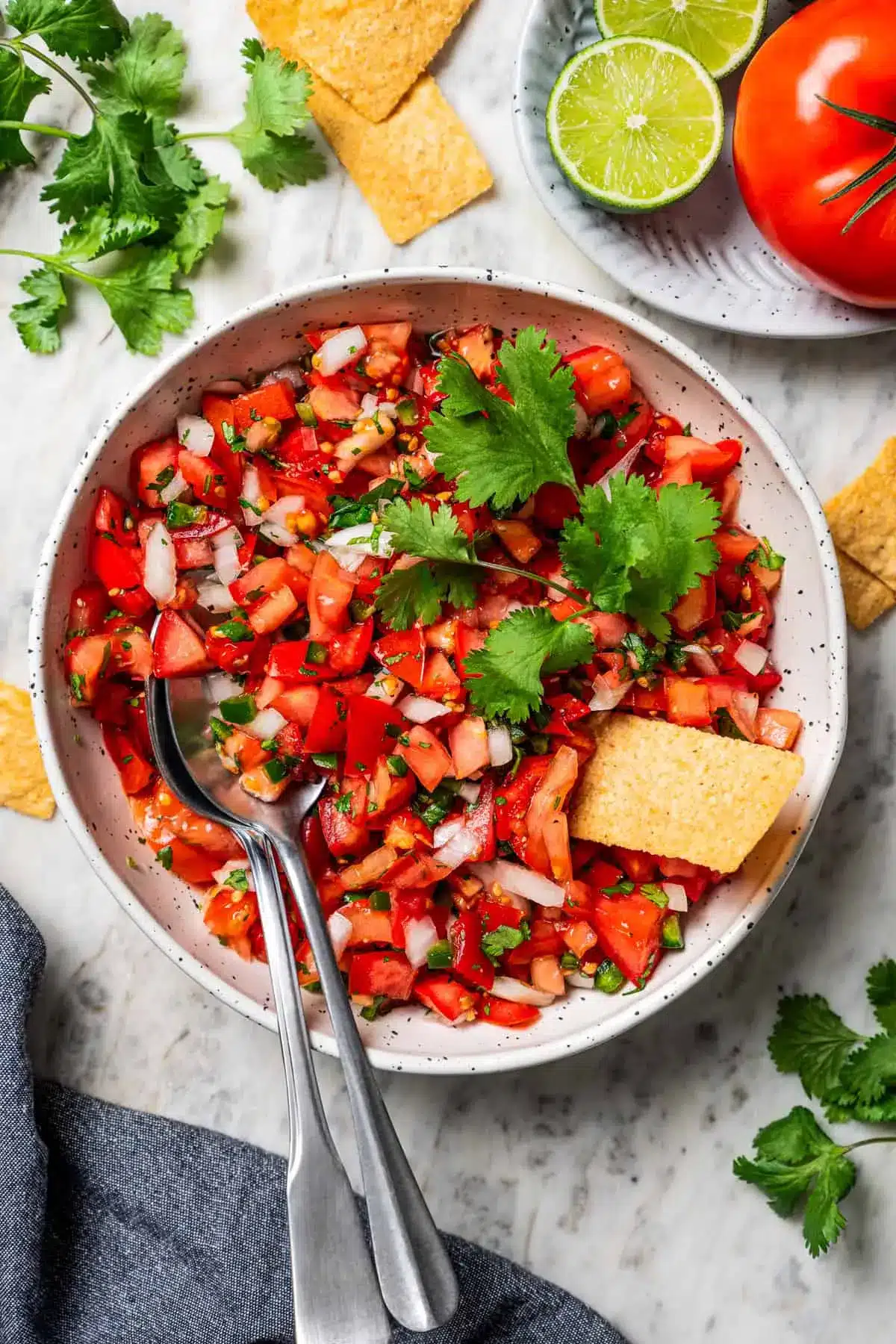
The vibrant colors and zesty aroma of freshly made pico de gallo are an instant invitation to any gathering. It’s a staple in Mexican cuisine, celebrated for its simplicity and its ability to elevate even the most basic dishes. This classic salsa fresca, bursting with garden-fresh ingredients, is more than just a dip; it’s a celebration of flavor and texture that can transform your meals.
Imagine the bright red of ripe tomatoes, the crisp white of finely diced onion, the subtle kick of jalapeño, the herbaceous notes of cilantro, and the refreshing tang of lime, all coming together in perfect harmony. Making your own pico de gallo at home is incredibly rewarding, offering a level of freshness and quality that store-bought versions simply can’t match. It’s a testament to how a few humble ingredients, when treated with care, can create something truly spectacular.
Why You Will Love This Recipe
- Incredibly Fresh Flavors: This recipe champions the natural taste of its core components, delivering a bright and invigorating salsa experience that is unparalleled.
- Remarkably Easy to Prepare: With just a few simple steps, you can whip up a batch of this delightful salsa in under 30 minutes, making it perfect for impromptu gatherings or quick meal enhancements.
- Unbelievably Versatile: Beyond its role as a classic tortilla chip dip, pico de gallo is a chameleon, seamlessly complementing a vast array of dishes from tacos and quesadillas to grilled meats and salads.
- Customizable Heat Level: Easily adjust the spice to your preference by modifying the amount of jalapeño or removing its seeds and membranes, ensuring a perfect balance for every palate.
- Health-Conscious Choice: Packed with vitamins and fiber from fresh vegetables and lime, this salsa is a guilt-free way to add zest and excitement to your diet.
Ingredients You Need
The magic of traditional pico de gallo lies in the quality of its straightforward ingredients. Selecting the freshest, ripest produce will profoundly impact the final taste, ensuring a vibrant and authentic flavor profile. Each component plays a crucial role, from the juicy sweetness of the tomatoes to the sharp bite of the onion and the refreshing zest of the lime.
Pico de Gallo
A fresh and authentic Mexican pico de gallo recipe with only 5 simple ingredients: tomatoes, onion, jalapeño, cilantro, and lime juice. It's quick, easy, and incredibly versatile as a dip or topping.
- 1 to 1.5 pounds ripe tomatoes, diced (use room temperature tomatoes)
- 1 jalapeño, finely diced (ribs and seeds removed)
- 3 tablespoons fresh lime juice
- 1In a bowl, combine the diced tomatoes, onions, jalapeño, salt, and pepper. Let it sit for about 5 minutes.
- 2Stir in the lime juice and cilantro and toss to combine. Taste and adjust accordingly.
- 3Let it rest for about 15 to 20 minutes before serving. You can also refrigerate it, covered, for up to 4 days.
Keywords: Pico de Gallo, Salsa Fresca, Mexican, Tomato Salsa, Fresh Salsa, Dipping Sauce, Topping, Easy Recipe, Vegetarian
You’ll find the precise quantities for each ingredient within the detailed recipe card provided below; these are the foundational elements for your perfect pico de gallo.
Variations
While the classic pico de gallo is undeniably perfect as is, its inherent simplicity makes it a fantastic canvas for creative variations. Don’t be afraid to experiment and discover new favorite flavor combinations that cater to specific dietary needs or personal preferences.
For a delightful Vegan Pico de Gallo, the base recipe is already entirely plant-based, making it incredibly accessible. However, you could introduce additional vegan-friendly ingredients to enhance its heartiness and complexity. Consider adding finely diced avocado for a creamy texture, or perhaps some black beans or corn for extra protein and a satisfying bite. A sprinkle of nutritional yeast can also add a subtle cheesy note, further enriching the salsa without any dairy.
If you’re following a Low-Carb or Keto lifestyle, this recipe is already an excellent choice due to its minimal carbohydrate content. You can further tailor it by being mindful of the onion quantity, as onions do contain some natural sugars. Some might choose to reduce the amount of onion slightly or opt for a more robustly flavored, less sweet variety. Additionally, introducing ingredients like diced bell peppers (especially lower-carb varieties like green or red) or even some finely chopped jicama can add crunch and flavor while keeping carbohydrates in check.
Another exciting avenue for variation is to explore Fruity Pico de Gallo. Swapping out some or all of the tomatoes for diced mango, pineapple, or even ripe peaches can create a wonderfully sweet and tangy salsa. This is particularly fantastic alongside grilled fish or pork, offering a tropical counterpoint to richer flavors. Consider adding a hint of a different chili, like a habanero for a spicier fruit salsa, or a milder poblano for a smoky undertone. These fruity twists transform the humble pico into an exotic delight.
How to Prepare Pico de Gallo recipe
Step 1: The Foundation of Freshness
Begin by preparing your foundational ingredients with precision. The key to an exceptional pico de gallo is the quality and preparation of its core components. Take your time to select the ripest, most vibrant tomatoes available; this is where much of the flavor will originate. Roma tomatoes are often favored for their meaty texture and lower water content, making them ideal for this application, but any good quality, ripe tomato will suffice.
Next, it’s time to address the onion. You want to achieve a very fine dice for both the onion and the jalapeño. A finely minced onion will integrate seamlessly into the salsa, providing a pleasant sharpness without overwhelming other flavors. White or yellow onions are traditional choices, offering a crisp bite and a slightly pungent aroma. Red onion can also be used, lending a beautiful color and a milder, sweeter profile to the mix.
The jalapeño is where you control the heat. To prepare it, slice the pepper in half lengthwise. For a milder salsa, carefully scrape out all the seeds and the white pithy membranes that run along the inside of the pepper. These membranes contain the majority of the capsaicin, the compound responsible for the heat. If you desire a spicier salsa, you can leave some or all of these in, or even add a second jalapeño. Remember to wash your hands thoroughly after handling jalapeños.
Step 2: The Art of the Chop
Now, the crucial dicing begins. Aim for a uniform, small dice for all your main ingredients: tomatoes, onion, and jalapeño. Consistency in size ensures that each spoonful of pico de gallo offers a balanced medley of flavors and textures. Imagine tiny, perfect cubes that meld together beautifully without becoming mushy. This meticulous dicing elevates the visual appeal and the overall eating experience of your salsa.
Start with the tomatoes. Core them if necessary and then dice them into uniform pieces, roughly ¼-inch to ½-inch in size. If you notice a lot of watery seeds, you can gently scoop them out with a spoon after dicing. This step is optional but can result in a less watery pico de gallo, especially if you plan to make it ahead of time. The goal is to have tender, juicy pieces of tomato that form the bulk of your salsa.
Continue with the onion and jalapeño. Ensure they are finely diced to match the tomato size as closely as possible. The finer the chop, the better these ingredients will distribute throughout the salsa, providing bursts of flavor and a pleasant crunch in every bite. This painstaking chopping is the heart of creating that authentic, chunky texture that defines true pico de gallo. The aroma filling your kitchen at this stage is a sure sign of deliciousness to come.
Step 3: The Flavor Infusion
Once all your vegetables are meticulously diced, it’s time to bring them together. In a medium-sized mixing bowl, combine the diced tomatoes, finely chopped onion, and the prepared jalapeño. Add your salt and freshly ground black pepper at this stage. Salt is not just for seasoning; it also begins to draw out some of the moisture from the vegetables, allowing the flavors to meld and concentrate. Pepper adds a subtle depth and warmth.
Let this mixture sit for about 5 minutes. This brief resting period allows the salt to work its magic, initiating the marination process. You might notice a small pool of liquid forming at the bottom of the bowl; this is perfectly normal and indicates that the salt is starting to draw out the natural juices from the tomatoes and onions. This initial step is vital for building the foundational flavor profile of your pico de gallo.
After the initial rest, it’s time to introduce the vibrant elements that will truly awaken the salsa. Add the freshly squeezed lime juice and the finely chopped fresh cilantro to the bowl. Lime juice is non-negotiable for authentic pico de gallo; its bright acidity cuts through the richness of the tomatoes and onions, adding a refreshing zest that is characteristic of this salsa. Cilantro provides its unique herbaceous, slightly peppery notes, a flavor many associate intrinsically with Mexican cuisine.
Step 4: The Harmonizing Marination
Gently toss all the ingredients together until they are well combined. Ensure that the lime juice and cilantro are evenly distributed throughout the diced vegetables. At this point, it’s crucial to taste your pico de gallo. This is your opportunity to adjust the seasoning to your personal preference. You might find it needs a little more salt to enhance the flavors, an extra squeeze of lime for more tang, or perhaps a touch more jalapeño if you’re craving more heat.
The marination process is where the magic truly happens. Cover the bowl with plastic wrap or a lid and let the pico de gallo rest for at least 15 to 20 minutes. This resting period allows the flavors to meld and harmonize. The lime juice and salt continue to break down the vegetables slightly, tenderizing them and allowing the flavors to penetrate. This marination also helps to mellow the sharpness of the raw onion and jalapeño, creating a more balanced and cohesive taste.
If you are preparing the pico de gallo ahead of time, this resting period is even more beneficial. You can make it several hours, or even a day, in advance. Simply store it in an airtight container in the refrigerator. The flavors will deepen and become even more complex as it sits. Remember that as it rests, more liquid may accumulate at the bottom of the bowl. This is where smart serving comes into play, as we’ll discuss later.
Step 5: The Presentation and Enjoyment
When it’s time to serve, consider how you’ll present your beautiful homemade pico de gallo. While it’s often served in a casual bowl, a more elegant presentation can enhance the dining experience. You could spoon it into a small, attractive serving dish, perhaps garnished with an extra sprig of cilantro or a lime wedge. The vibrant colors alone make it a visually appealing addition to any table, promising a burst of fresh flavor.
A critical tip for serving is to use a slotted spoon or fork. As the pico de gallo rests, especially if it has been made ahead, a natural liquid will form at the bottom of the container. This liquid, while flavorful, can make dishes like tacos or nachos soggy. By using a slotted utensil, you can lift the chunky salsa, leaving the excess liquid behind. This ensures that your pico de gallo adds texture and flavor without compromising the integrity of other components in your dish.
Now, the best part: enjoy your delicious, homemade pico de gallo! It’s ready to be scooped up with crispy tortilla chips, piled onto tacos, generously spread over quesadillas, or used as a bright topping for almost any Mexican-inspired meal. Its freshness is particularly delightful with grilled meats, fish, or even as a vibrant addition to a simple salad. Savor the bright, clean flavors and the satisfying crunch – you’ve created a culinary masterpiece with just a few simple ingredients.
Pro Tips for Pico de Gallo recipe
Embrace Ripe Tomatoes: The foundation of outstanding pico de gallo is undeniably the quality of the tomatoes. Seek out tomatoes that are deep red, firm yet yielding to gentle pressure, and fragrant. During peak tomato season, this recipe truly shines. If out-of-season tomatoes are your only option, consider using high-quality canned diced tomatoes (drained exceptionally well) or cherry tomatoes, which often have a more concentrated flavor.
Uniformity is Key: When dicing your tomatoes, onions, and jalapeños, strive for consistent, small pieces. This meticulous chopping ensures that every bite offers a balanced combination of all the ingredients. It also contributes to a more appealing texture and presentation. Think of tiny, jewel-like cubes that integrate beautifully without any single ingredient dominating.
The Power of Fresh Lime Juice: Never compromise on using fresh lime juice. Bottled lime juice often contains preservatives and a less vibrant flavor profile that can detract from the freshness of your pico de gallo. Juicing 1-2 fresh limes will yield the bright, tangy liquid essential for this salsa’s character. The acidity is crucial for balancing the other flavors and adding that signature zesty punch.
Control Your Heat: The jalapeño’s heat can be managed by removing its seeds and inner membranes. If you’re sensitive to spice, thoroughly scrape these out. For more heat, leave some seeds in, or even consider using a spicier pepper like a serrano. You can also omit the jalapeño entirely for a mild, kid-friendly version. Experiment to find your perfect level of warmth.
Let it Marinate: Patience is a virtue, especially with pico de gallo. Allowing the ingredients to sit and marinate for at least 15-20 minutes before serving is crucial. This resting period allows the flavors to meld, the salt to draw out excess moisture, and the lime juice to gently tenderize the vegetables, resulting in a more cohesive and flavorful salsa. It can even be made the day before for deeper flavor development.
Serving Suggestions for Pico de Gallo recipe
Decoration
Elevate your pico de gallo’s visual appeal with simple garnishes. A few whole cilantro leaves or a sprig of fresh cilantro can add a pop of green and a hint of aroma. A thin lime wheel or wedge placed artfully on top not only looks attractive but also signifies the fresh citrus flavor within. For a touch of color contrast, a sprinkle of finely diced red bell pepper, added just before serving, can create a beautiful visual effect.
Side Dishes
Pico de gallo is the quintessential sidekick to a vast array of dishes. It’s the perfect cooling accompaniment to spicy baked lemon chicken or any grilled meats like steak, chicken, or fish. Serve it alongside German pancakes for a surprising savory twist, or pair it with a hearty lentil soup for an added fresh element. It also brightens up a simple dinner, transforming ordinary meals into something more vibrant and exciting.
Creative Serving Ideas
Beyond the standard chip dip, consider using your pico de gallo as a vibrant topping for lunch bowls, such as burrito bowls or taco salads. Spoon it generously over scrambled eggs or huevos rancheros for a zesty breakfast. It makes an excellent filling for quesadillas, adding a fresh counterpoint to the melted cheese. You can even use it as a “salsa” for grilled corn on the cob, transforming it into a Mexican street corn experience.
Preparation & Storage
Storing Leftovers
Pico de gallo is best enjoyed fresh, but leftovers can be stored in an airtight container in the refrigerator for up to 3 to 4 days. As it sits, it will continue to release moisture. This is normal, but it’s worth noting if you plan to use it in dishes where sogginess is a concern.
Freezing
Due to its high water content from the fresh tomatoes and vegetables, pico de gallo does not freeze well. When thawed, the ingredients will become mushy and lose their fresh texture. It’s best to make only the amount you anticipate consuming within a few days and store it in the refrigerator.
Reheating
Pico de gallo is a fresh, uncooked salsa and is not intended to be reheated. Reheating would destroy its vibrant, crisp texture and fresh flavor. If you find yourself with excess liquid after storing, you can drain it off before serving or incorporate the liquid into salad dressings or soups where its flavor can be appreciated without the texture.
Frequently Asked Questions
-
What is the literal translation of “Pico de Gallo” and why is it called that?
The literal translation of “pico de gallo” from Spanish is “rooster’s beak.” The exact origin of this name is debated, but a popular theory suggests it comes from the way people used to eat salsa with their fingers, picking at it much like a rooster pecks at its food. Another theory relates it to the vibrant, bold colors of the salsa, reminiscent of a rooster’s plumage. Regardless of the precise etymology, the name evokes a lively and distinctive culinary creation.
-
Can I substitute other types of peppers for jalapeños in pico de gallo, and how will it affect the heat?
Absolutely, you can substitute other peppers, and it will significantly impact the heat. For a milder salsa, consider using poblano peppers (which have a smoky flavor and minimal heat) or even bell peppers (though they lack the traditional chili flavor). For more heat, serrano peppers are a common alternative, offering a sharper and more intense spice than jalapeños. Habanero peppers will provide extreme heat, so use them sparingly and with caution. Always consider removing seeds and membranes if you want to reduce the spice level, regardless of the pepper type.
-
How does pico de gallo differ from other salsas, and in which recipes can it be used interchangeably?
The primary difference between pico de gallo and other salsas lies in their preparation and texture. Pico de gallo is always made with raw, finely chopped ingredients, resulting in a chunky, fresh salsa with distinct pieces. Many other salsas, like salsa roja or salsa verde, often involve cooked or blended ingredients, leading to a smoother, sometimes puréed consistency. While pico de gallo can often be used interchangeably with other salsas as a dip or topping for dishes like tacos, nachos, or lobster bisque, it’s not ideal for recipes that rely on the liquid content of a smoother salsa, such as slow-cooker chicken dishes or marinades, where its chunkiness might affect the cooking process.