Easy Patty Melt Recipe – Classic Comfort Food at Home!
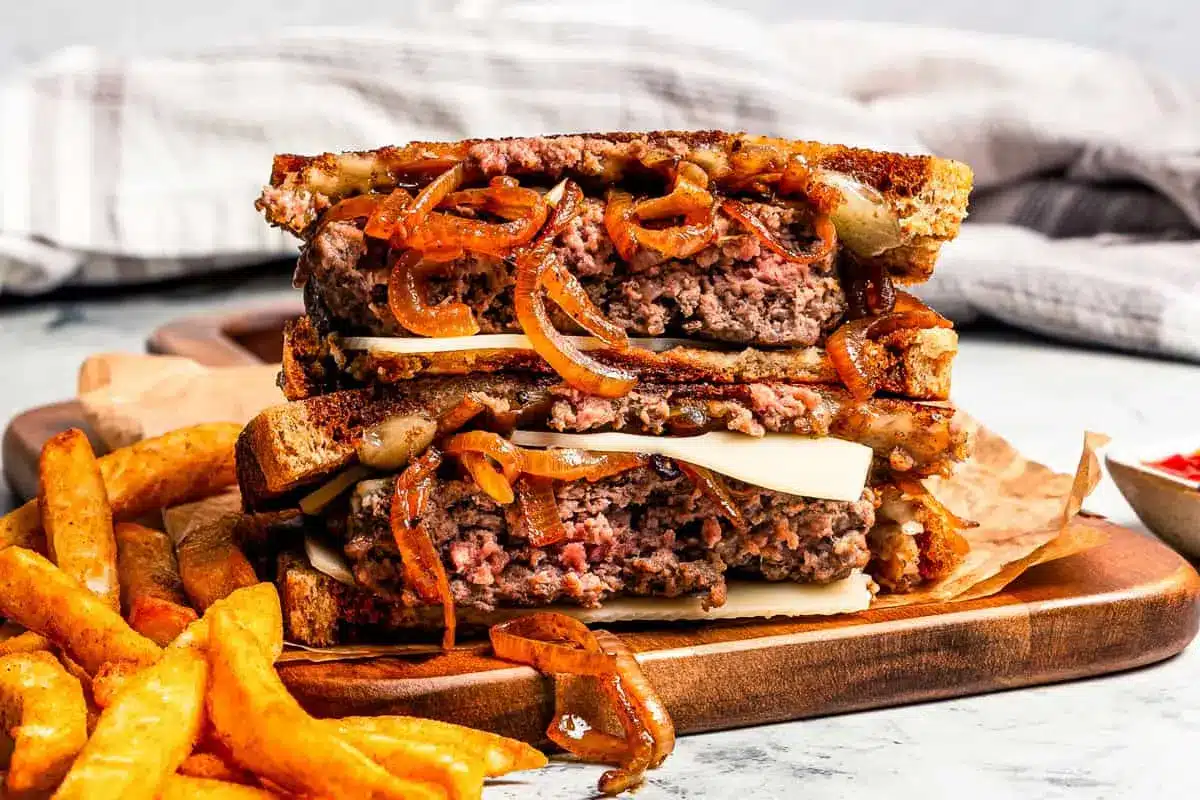
There’s a certain magic to a perfectly executed diner classic, and the patty melt is a prime example of comfort food elevated to an art form. Imagine the satisfying crunch of toasted rye bread giving way to a juicy, flavorful beef patty, all brought together with the sweet intensity of caramelized onions and the luxurious melt of gooey cheese. It’s a symphony of textures and tastes that transports you straight to a bustling, retro eatery, but with the added bonus of being crafted in your own kitchen.
This recipe aims to capture that authentic diner experience, offering a delightful twist on both the classic burger and the beloved grilled cheese. It’s a dish that’s both incredibly simple to assemble and remarkably rewarding to eat, making it a fantastic choice for weeknight dinners or lazy weekend lunches. Prepare to fall in love with this straightforward yet incredibly satisfying meal.
Why You Will Love This Recipe
- Quick Assembly: While caramelizing onions takes patience, the overall preparation and cooking time for this patty melt is surprisingly efficient, allowing for a delicious meal with minimal fuss.
- Flavorful Layers: The combination of savory beef, sweet caramelized onions, and rich, melted cheese creates a complex and deeply satisfying flavor profile in every bite.
- Comfort Food Classic: This recipe taps into the nostalgia and pure joy of diner-style food, delivering an experience that is both familiar and exceptionally delicious.
- One-Skillet Wonder: Most of the cooking can be done in a single skillet, simplifying the cooking process and significantly reducing the amount of cleanup afterward.
- Versatile & Customizable: While this recipe provides a fantastic foundation, it’s also incredibly adaptable, allowing you to tailor it to your specific preferences with different cheeses, breads, or even additions.
Ingredients You Need
The beauty of a truly great patty melt lies in its ability to transform humble, everyday ingredients into something extraordinary. Focusing on quality for each component ensures a superior final product. Fresh ground beef provides the hearty foundation, while perfectly caramelized onions lend a deep, sweet complexity that is simply irreplaceable. The choice of bread and cheese further enhances the overall experience, offering a delightful textural contrast and rich flavor notes.
Patty Melt Recipe
This classic patty melt recipe features caramelized onions, gooey, melty cheese, and juicy ground beef patties grilled between slices of toasted rye bread. It's a diner-style comfort food that's easy to make at home.
- For the patties:
- ½ pound ground chuck
- salt and freshly ground black pepper, to taste
- 1½ tablespoons cooking oil
- For the onions:
- 1 large onion
- 1 tablespoon butter
- salt and freshly ground black pepper, to taste
- 2-3 tablespoons water, or as needed
- Additional:
- 4 slices rye bread
- 2 tablespoons mayonnaise
- 4 slices Provolone cheese
- 2 slices Emmental cheese
- 1Make the patties: Season the ground beef with salt and pepper. Shape the meat into two patties, trying to mimic the shape of your bread slices.
- 2Cook the patties: Heat oil in a skillet over medium-high heat. Add the patties and cook for 3-4 minutes per side or until cooked through. Remove the patties from the skillet and set aside, covered on a plate to collect the meat juices.
- 3Prepare the onions and butter: Peel and thinly slice the onions into half-moons. Melt the butter in a large skillet over medium-high heat.
- 4Caramelize the onions: Season the onions with salt and pepper, and cook for 5 minutes. Then reduce the heat to medium and cook the onions, stirring, until they start to change color. At this point, add some water to prevent burning. Scrape down any browned bits. Continue to cook the onions for 20 minutes, adding water as needed. Finally, stir any meat juices into the onions. Remove the onions from the skillet and set aside.
- 5Get ready to assemble: Spread mayonnaise over one side of the bread slices. Add the bread slices to the skillet, mayonnaise side down. Place the skillet on the stove over medium-high heat.
- 6Assemble the sandwiches and cook: Add 2 slices of Provolone cheese on top of a slice of bread, followed by half of the onions and a cooked patty. Add the Emmental cheese on top of the meat patty, and close the sandwich with another piece of bread, mayonnaise side up. Cook for 2-3 minutes per side or until the bread is browned and the cheese is melted. Repeat the same with the second sandwich.
- 7Serve: Slice the patty melt in half and serve.
Keywords: patty melt, burger, grilled cheese, rye bread, caramelized onions, diner food, comfort food, beef sandwich
The specific quantities and detailed preparation instructions for these essential ingredients can be found within the comprehensive recipe card provided below.
Variations
For those seeking a plant-based indulgence, transforming this patty melt into a delightful Vegan masterpiece is remarkably achievable. Begin by substituting the ground beef with a robust plant-based mince or crafting your own hearty patties from ingredients like mushrooms, chickpeas, or black beans. The key to mimicking the savory depth lies in seasoning your plant-based patty generously with umami-rich ingredients such as soy sauce, nutritional yeast, or smoked paprika. For the cheese, an array of excellent vegan cheddar or Swiss-style shreds are readily available, melting beautifully under heat.
To cater to those embracing a Low Carb lifestyle, the classic rye bread can be swapped for lower-carbohydrate alternatives. Consider using large lettuce leaves, such as iceberg or romaine, to wrap the filling, or opt for specially designed low-carb bread slices that offer a satisfying texture without the high carbohydrate count. Alternatively, some enjoy serving the patty melt components open-faced atop a large Portobello mushroom cap, grilled or roasted until tender. This approach still delivers all the delicious flavors and textures of a traditional patty melt while adhering to low-carb principles.
Injecting a touch of Southwestern flair can create an exciting new dimension for your patty melt. Embrace the spirit of a Texas-style sandwich by incorporating thinly sliced jalapeños directly into the patty mixture or layering them on top of the cheese before grilling. A zesty Monterey Jack cheese becomes an excellent partner here, offering a mild, creamy, and slightly spicy profile that complements the heat. Consider serving this spicy variation with a dollop of creamy chipotle mayonnaise or a tangy salsa verde to further enhance its vibrant character, reminiscent of a gourmet burger experience.
How to Prepare patty melt recipe
Step 1: Crafting the Perfect Patties
The foundation of any great patty melt is, of course, the patty itself. Begin by selecting your ground beef; an 80/20 blend of ground chuck is highly recommended for its ideal balance of richness and flavor, ensuring a juicy and tender result. You don’t need much in the way of adornment; a simple yet effective seasoning of salt and freshly ground black pepper is often all that’s required. This minimalist approach allows the inherent quality of the beef to shine through, especially when complemented by the other flavorful elements of the sandwich.
When shaping the meat, aim for consistency and an even thickness. Gently form the ground beef into two equally sized patties, attempting to match the dimensions of your chosen bread slices as closely as possible. This thoughtful shaping ensures even cooking and a more aesthetically pleasing final sandwich. Avoid overworking the meat, as this can lead to tougher patties; a light touch is key to maintaining tenderness. The goal is to create a substantial yet manageable patty that will grill beautifully.
The cooking process for these patties is straightforward but crucial for developing that desirable sear. Heat a tablespoon and a half of cooking oil in a sturdy skillet, ideally cast iron, over medium-high heat until it shimmers. Carefully place the seasoned patties into the hot skillet, ensuring not to overcrowd the pan. Allow them to cook undisturbed for approximately 3 to 4 minutes per side. This duration is typically sufficient to achieve a beautiful golden-brown crust while ensuring the interior is cooked through to a safe and appetizing temperature.
Once cooked to perfection, remove the patties from the skillet. It’s essential to let them rest briefly, and the best way to do this is to place them on a plate and cover them loosely. This resting period allows the juices to redistribute throughout the meat, resulting in a more succulent and flavorful patty. The residual heat will also continue to cook the patties slightly, ensuring they are perfectly done. The accumulated juices on the plate are a bonus, ready to be incorporated into the onions later for an extra layer of savory goodness.
Step 2: The Art of Caramelizing Onions
Caramelizing onions is a culinary alchemy that transforms a humble allium into a sweet, intensely flavorful ingredient, and it’s a vital component of an exceptional patty melt. Start by selecting a large, ripe yellow onion; these varieties possess a natural sweetness that is perfectly suited for this slow-cooking process, preventing them from becoming watery or mushy. With a sharp knife, carefully peel the onion and then slice it thinly into uniform half-moons. Consistency in slicing ensures that all the onion pieces cook evenly.
In the same skillet you used for the patties (or a clean one if preferred), melt one tablespoon of butter over medium-high heat. Add the thinly sliced onions to the skillet, and season them with a pinch of salt and freshly ground black pepper. The salt will help draw out moisture from the onions, initiating the softening and sweetening process. Stir the onions occasionally to prevent any sticking, allowing them to begin softening and turning translucent.
Once the onions have softened and begun to take on a pale golden hue, it’s time to reduce the heat to medium. This is where the magic of caramelization truly begins, and patience is your most valuable ingredient. Continue to cook the onions, stirring them regularly, allowing them to slowly transform. As they begin to brown and develop deeper flavors, you may notice them sticking to the bottom of the pan. To prevent burning and to help scrape up any delicious browned bits, add 2 to 3 tablespoons of water as needed.
This slow simmering process should continue for at least 20 minutes, and potentially longer, depending on your desired level of caramelization. The onions will gradually deepen in color from golden brown to a rich, dark caramel hue, their sweetness intensifying with every minute. The consistency should become soft and jammy. Finally, in a move that amplifies the savory notes, stir any reserved meat juices from the cooked patties into the caramelized onions. This infusion of beefy flavor elevates the onions to a new level of deliciousness, making them an irresistible topping for your patty melt.
Step 3: Assembling Your Masterpiece
With your perfectly cooked patties and lusciously caramelized onions ready, it’s time to bring all the elements together for the ultimate sandwich construction. Take your chosen slices of rye bread; while rye is traditional and offers a wonderful earthy flavor, feel free to experiment with other hearty breads like sourdough or pumpernickel for a slightly different profile. Spread a thin, even layer of mayonnaise on one side of each slice of bread. Many people opt for butter, but mayonnaise provides a delightful tang and browns exceptionally well, creating a beautiful, crisp crust.
Place the bread slices, mayonnaise-side down, into the skillet you used for the onions. You want to get this assembly started on a moderately heated surface to begin the grilling process. Set the skillet over medium-high heat; this will allow the bread to toast to a perfect golden-brown while the cheese inside melts into gooey perfection. Ensure the heat is not too high, as you want to toast the bread without burning it before the cheese has a chance to melt properly.
Now, begin layering your ingredients onto one of the bread slices currently in the skillet. Start with two slices of Provolone cheese, allowing them to begin softening from the gentle heat. Next, generously spread half of your beautifully caramelized onions over the Provolone. Follow this with one of your perfectly cooked beef patties, positioning it evenly over the onions. For an extra layer of cheesy goodness, place two slices of Emmental cheese directly on top of the beef patty.
Carefully place the second slice of bread on top of the Emmental cheese, ensuring the mayonnaise-coated side faces upwards. This completes the construction of your first delectable patty melt. Gently press down on the sandwich with a spatula to help everything meld together. You are now ready to grill this masterpiece to perfection, transforming it into a golden, cheesy delight.
Step 4: Grilling to Golden Perfection
The final stage of preparing your patty melt involves the crucial step of grilling, which transforms a collection of delicious ingredients into a cohesive and irresistible sandwich. Once your patty melt is assembled in the skillet, continue to cook it over medium-high heat. The goal here is to achieve that quintessential grilled cheese aesthetic: a beautifully golden-brown, crispy exterior and a warm, gooey interior where the cheese has fully melted.
Allow the sandwich to grill for approximately 2 to 3 minutes per side. Keep a close eye on it during this time, as the bread can brown quickly. The mayonnaise-coated exterior will crisp up beautifully, creating a delightful textural contrast to the soft fillings. Use a spatula to carefully flip the sandwich, revealing a gorgeously toasted side. Repeat the grilling process on the second side, again aiming for that perfect golden hue.
As the second side grills, the heat will ensure that the Emmental cheese on top of the patty, along with the Provolone underneath, melts completely. You want to see that glorious cheese oozing slightly from the sides of the sandwich, indicating it’s perfectly melty and ready to be enjoyed. The aroma filling your kitchen at this point will be absolutely intoxicating, a testament to the simple yet profound deliciousness of this classic dish.
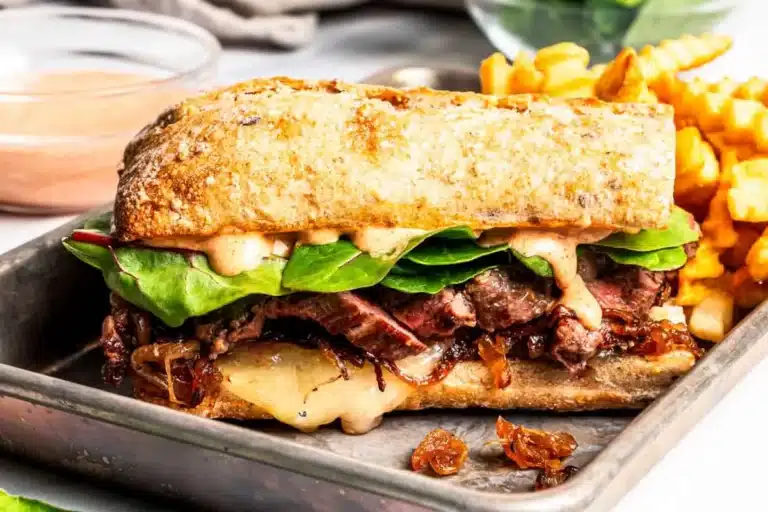
Once both sides are perfectly golden brown and the cheese is wonderfully melted, your first patty melt is ready to be served. Carefully remove it from the skillet and place it on a cutting board. For the most satisfying presentation and ease of eating, it is traditional to slice the patty melt in half diagonally. This reveals the tempting layers of juicy beef, sweet onions, and molten cheese within. Serve immediately to enjoy it at its absolute best.
Step 5: Repeat and Serve
Since the recipe typically makes two substantial patty melts, the process of assembly and grilling needs to be repeated for the second sandwich. If your skillet is large enough, you may be able to cook both patties simultaneously in Step 1, and then assemble and grill both sandwiches at the same time in Step 4, provided your skillet has adequate space for two assembled sandwiches. However, if space is limited, it is often best to cook them one at a time to ensure even browning and proper melting of the cheese for each individual sandwich.
Prepare the second sandwich following the exact same assembly and grilling instructions as the first. Ensure each component – the bread, mayonnaise, cheese, onions, and patty – is layered correctly. Grill this second patty melt with the same attention to detail, monitoring the heat and flipping it to achieve that signature golden-brown crust and perfectly melted cheese. The goal is for both sandwiches to be equally delicious and visually appealing.
Once the second patty melt is grilled to perfection, remove it from the skillet. Like the first, slice it in half diagonally to showcase its inviting interior. Serve this second sandwich immediately alongside the first. Presenting them side-by-side allows everyone at the table to enjoy a hot, fresh, and perfectly cooked patty melt. The visual appeal of the two halved sandwiches, with their golden bread and visible layers, is sure to be a crowd-pleaser.
The ultimate satisfaction comes from seeing the delighted reactions as people take their first bite. This classic patty melt recipe is designed to evoke a sense of nostalgic comfort and pure culinary pleasure. It’s a dish that proves simple ingredients, prepared with care and attention, can yield truly extraordinary results. Enjoy every savory, cheesy, and carby bite of this diner-style delight, perhaps pairing it with some crispy fries or a refreshing beverage for a complete meal experience that’s both hearty and immensely satisfying.
Step 6: Enjoying Your Culinary Creation
The moment of truth has arrived – the patty melt is cooked, sliced, and ready to be devoured. The visual appeal alone is captivating: the perfectly toasted, golden-brown rye bread provides a beautiful contrast to the rich fillings within. As you lift a half of the sandwich, you’ll likely see the delicious cheese beginning to stretch and melt, a tantalizing preview of the flavors to come. The aroma itself is a delightful blend of savory beef, sweet caramelized onions, and toasted bread, promising a truly satisfying experience.
Take your first bite and savor the complex symphony of textures and tastes. The initial crispness of the bread gives way to the tender, juicy beef patty, which is perfectly complemented by the soft, sweet caramelized onions. The melted Provolone and Emmental cheeses bind everything together, adding a creamy, rich dimension that ties all the flavors together harmoniously. It’s a balanced combination that hits all the right notes – savory, sweet, rich, and deeply satisfying.
This patty melt is best enjoyed immediately while it’s still warm and the cheese is at its meltiest. It’s a robust and filling meal that stands on its own but is also wonderfully enhanced by simple accompaniments. Consider pairing it with classic sides that complement its diner-style origins. The entire experience, from preparation to the final, delicious bite, is designed to be a comforting and joyful culinary adventure, a testament to the enduring appeal of well-executed comfort food.
Pro Tips for patty melt recipe
Onion Patience is Key: Don’t rush the caramelization process for the onions. Low and slow is the mantra here; it takes time to draw out their natural sugars and develop that deep, sweet, and savory flavor profile. Rushing this step will result in undercooked, sharp-tasting onions rather than the jammy sweetness you’re aiming for.
Bread Choice Matters: While rye bread is the classic and highly recommended choice for its robust flavor and sturdy texture that holds up to the fillings, don’t be afraid to experiment. Sourdough offers a pleasant tang, and pumpernickel provides an even deeper, darker flavor. Whichever you choose, ensure it’s a bread that can withstand grilling without becoming soggy.
The Fat is Flavor: When choosing your ground beef, don’t shy away from a little fat. An 80/20 lean-to-fat ratio is ideal for burgers and patty melts, as the fat contributes significantly to moisture, tenderness, and overall flavor. Leaner meats can result in a drier, less satisfying patty.
Don’t Overcrowd the Pan: When cooking the beef patties, give them enough space in the skillet. Overcrowding will cause the meat to steam rather than sear, preventing the development of that delicious golden-brown crust. Cook in batches if necessary to ensure each patty gets direct contact with the hot pan for optimal results.
Rest Your Patties: After cooking the beef patties, let them rest for a few minutes before assembling the sandwiches. This crucial step allows the juices to redistribute throughout the meat, ensuring a more tender and flavorful bite. Skipping this can lead to juices running out when you bite into the sandwich.
Serving Suggestions for patty melt recipe
Decoration
While a patty melt is a hearty dish that needs little adornment, a few thoughtful touches can elevate its presentation. A small cluster of fresh chives or finely chopped parsley sprinkled over the top can add a vibrant pop of color and a subtle fresh note. Alternatively, a drizzle of your favorite burger sauce or a swirl of creamy Thousand Island dressing on the side can enhance the visual appeal and offer an extra flavor dimension.
Side Dishes
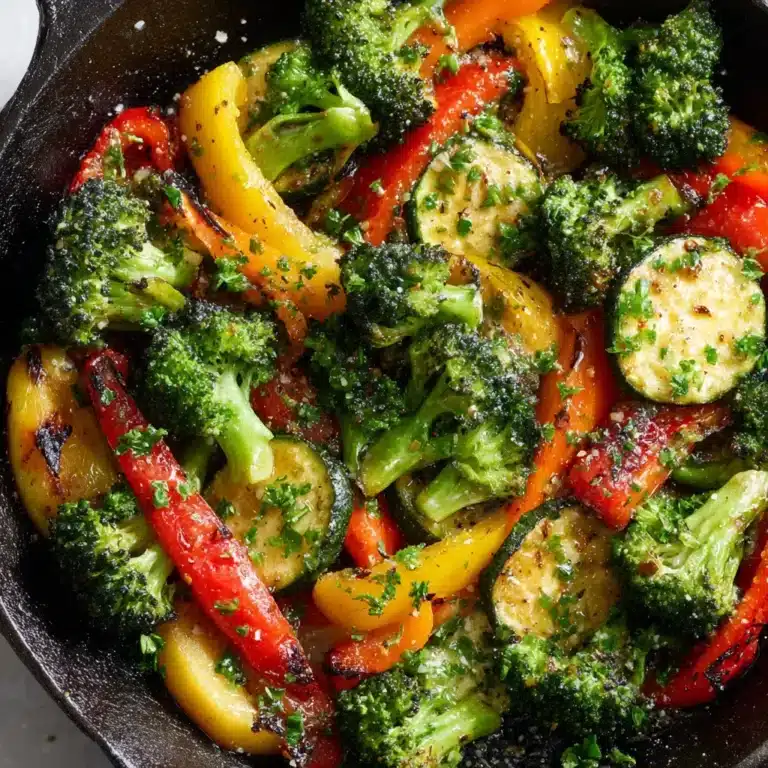
The classic pairing for a patty melt is undoubtedly a side of crispy, golden fries, whether they are traditional potato fries, sweet potato wedges, or even seasoned curly fries. For a lighter option, consider a simple side salad with a light vinaigrette, or a refreshing coleslaw that offers a cool, crunchy contrast. Roasted vegetables like broccoli or asparagus also make for a wholesome and complementary side dish.
Creative Serving Ideas
To elevate your patty melt experience, consider serving it “au jus” style, reminiscent of a French dip sandwich. Offer a small bowl of rich beef broth on the side for dipping the sandwich, adding an extra layer of savory depth. Another creative approach is to serve it open-faced on a platter, allowing the beautifully layered ingredients to be fully showcased, perhaps accompanied by a dollop of gourmet aioli or a side of pickled onions for a gourmet twist.
Preparation & Storage
Storing Leftovers
Should you be fortunate enough to have any leftover patty melt components, proper storage is key to maintaining their quality. It is best to store the cooked beef patties and the caramelized onions separately in airtight containers. Refrigerate these components promptly. Properly stored, they should remain fresh and flavorful in the refrigerator for approximately 3 to 4 days. It is generally not recommended to store fully assembled sandwiches, as the bread tends to become soggy over time.
Freezing
For longer-term storage, both the cooked beef patties and the caramelized onions can be frozen. Ensure they are cooled completely before packaging them in freezer-safe containers or heavy-duty freezer bags. When stored correctly, these components can maintain their quality in the freezer for up to 2 months. Before you plan to use them, it is best to thaw them overnight in the refrigerator to allow them to gradually return to a usable state.
Reheating
Reheating your leftover patty melt components is straightforward and ensures you can enjoy the delicious flavors again. Gently warm the beef patties and caramelized onions. You can achieve this either in a microwave for a quick reheat or on the stovetop over low heat for better texture control. Once reheated, you can assemble a fresh sandwich by grilling the components between two slices of rye bread, just as you would with a freshly made patty melt, to recapture that desirable toasted crunch.
Frequently Asked Questions
-
What is the best type of bread for a patty melt?
Traditionally, rye bread is the hallmark of an authentic patty melt due to its distinctive, slightly sour flavor and sturdy texture, which holds up well to the rich fillings and grilling process. However, other hearty breads like sourdough, pumpernickel, or even a good quality whole wheat can also be used, offering slight variations in taste and texture. The key is to choose a bread that is substantial enough to contain the juicy patty and melted cheese without falling apart.
-
Can I make a patty melt with ground turkey or chicken instead of beef?
Absolutely! While beef is traditional for its rich flavor and fat content, substituting with ground turkey or chicken is a viable and often delicious alternative, especially for those looking for a leaner option. It’s important to note that leaner ground meats may require a little extra moisture and flavor enhancement. Consider adding a tablespoon or two of olive oil or melted butter to the ground poultry mixture before forming patties, and don’t hesitate to use a bit more seasoning or even a touch of Worcestershire sauce to boost the savory notes. Cook these patties until they are thoroughly cooked through, as poultry requires careful attention to internal temperature for safety.
-
What kind of cheese is best for a patty melt?
The classic patty melt often features a combination of cheeses that melt well and offer complementary flavors. Swiss cheese (such as Emmental) and Provolone are excellent choices, providing a delightful balance of nutty, slightly sweet, and sharp notes that pair wonderfully with the beef and onions. However, you can certainly customize this to your preference. Other popular and delicious options include sharp cheddar, Monterey Jack, or even American cheese for that ultimate gooey, nostalgic melt. The goal is to select a cheese that melts smoothly and contributes a rich, creamy texture to the sandwich.