Fresh Spring Garden Soup: A Delicious Seasonal Delight
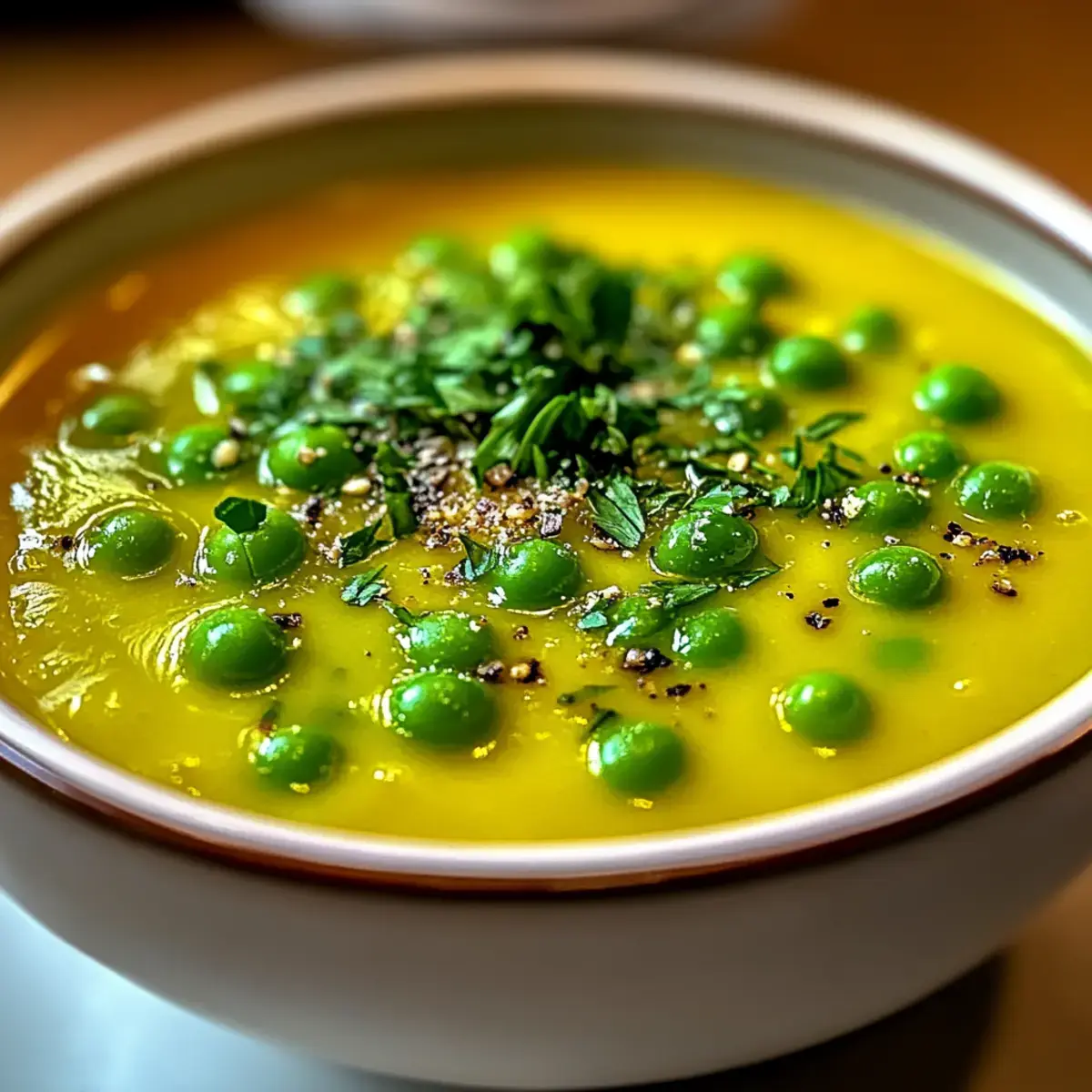
As I stirred the pot, the sweet aroma of fresh vegetables danced through the air, instantly transporting me to sun-soaked gardens in full bloom. This Fresh Spring Garden Soup is my go-to recipe for embracing the vibrant flavors of the season.
Packed with tender asparagus, sweet peas, and creamy zucchini, it’s a delightful celebration of plant-based goodness that never fails to impress. Not only is it incredibly simple to whip up on a busy weeknight, but this nutritious dish serves as a wonderful reminder to savor the joys of home-cooked meals. Plus, with its flexible ingredients, you can easily tailor it to suit your pantry’s offerings. Are you ready to dive into a bowl of seasonal bliss? Let’s get cooking!
Why You Will Love This Recipe
- Fresh, Seasonal Ingredients: Embrace the flavors of spring with a soup bursting with locally-sourced, vibrant veggies that make every spoonful a delight.
- Quick and Easy: In under 30 minutes, enjoy a comforting meal that’s perfect for busy weeknights or leisurely weekends, making it a staple for any home cook.
- Nutrient-Packed: This dish is naturally vegan and loaded with vitamins, making it a satisfying option for everyone, including fans of Italian Meatball Soup.
- Customizable Delights: Easily swap ingredients based on what you have at hand—whether it’s a different green or a splash of citrus for extra zing, this recipe adapts beautifully to your preferences.
- Crowd-Pleaser: Serve as a main course or a side dish and watch it quickly disappear at your next gathering, much like a warm bowl of Veggie Pot Pie Soup.
Ingredients You Need
Dive into a vibrant medley of flavors with high-quality, fresh ingredients that truly shine. Choosing the freshest produce will elevate your Fresh Spring Garden Soup from good to absolutely spectacular. For the best taste, seek out crisp asparagus, sweet, plump peas, and firm zucchini. Using good quality vegetable broth, whether homemade or store-bought, is crucial for building a robust flavor foundation. A final flourish of fresh parsley and a drizzle of good olive oil will tie all the vibrant elements together.
Fresh Spring Garden Soup

This Fresh Spring Garden Soup is a vibrant and light celebration of seasonal produce. Packed with tender asparagus, sweet peas, and creamy zucchini, it's a nutritious, vegan-friendly dish that's quick to prepare and endlessly customizable. Perfect for a healthy weeknight meal or a refreshing starter.
- 1 bunch Asparagus (Tender crunch; substitutable with green beans or fresh spinach.)
- 1 cup Peas (Sweetness and color; frozen peas can work if fresh isn't available.)
- 1 medium Zucchini (Mild taste and creamy texture; yellow squash is a great swap.)
- 4 cups Vegetable Broth (Homemade enhances depth; store-bought is convenient.)
- 1 bunch Fresh Parsley (Bright, herbal finish; dill or chives are alternatives.)
- 2 tablespoons Olive Oil (Drizzle on top before serving.)
- Optional: 1 scoop Crème Fraîche (For creaminess; yogurt is a lighter substitute.)
- 1Wash, peel (if needed), and chop fresh vegetables. Cut asparagus into bite-sized pieces and dice zucchini evenly.
- 2In a large pot, heat olive oil over medium heat. Add onions or garlic for extra flavor and sauté until translucent, about 3-4 minutes.
- 3Pour in vegetable broth and bring to a gentle boil. Add asparagus, peas, and zucchini. Reduce heat and simmer for 10-15 minutes, stirring occasionally.
- 4Before serving, stir in fresh parsley. Drizzle olive oil or add crème fraîche if desired. Serve hot with crusty bread.
Keywords: spring soup, vegetable soup, healthy, vegan, light, fresh, seasonal, asparagus, peas, zucchini, quick
- asparagus: tender crunch; substitutable with green beans or fresh spinach for variety.
- peas: sweetness and a pop of color; frozen peas can work if fresh isn’t available.
- zucchini: offers a mild taste and creamy texture; yellow squash is an excellent swap if you prefer.
- vegetable broth: acts as the flavorful base; homemade veggie broth enhances depth, while store-bought is convenient.
- fresh parsley: elevates the dish with a bright, herbal finish; dill or chives make fantastic alternatives.
- olive oil: adds richness and depth; drizzle on top before serving for an extra layer of flavor.
- crème fraîche (optional): a spoonful provides creaminess; yogurt is a great lighter substitute for a refreshing touch.
Quantities for each ingredient can be found within the comprehensive recipe card above.
Variations
Looking to make this Fresh Spring Garden Soup uniquely yours? Dive into these delightful twists that will elevate every spoonful with exciting flavors and textures, transforming this classic into something truly special.
Broccoli Boost: Substitute asparagus with fresh broccoli florets for a hearty crunch that brings a different texture and taste to the mix. Broccoli is not only incredibly nutritious but also adds a vibrant splash of green, making your soup even more inviting and visually appealing.
Pasta Twist: For a heartier meal that feels more substantial, incorporate cooked orzo or small pasta shapes during the final simmer. This simple addition effectively turns your soup into a filling dish, perfect for a cozy family night or an adventurous weeknight dinner when you need something more robust.
Citrus Zing: Add a generous splash of fresh lemon juice or some finely grated lemon zest right before serving for a refreshing burst of tanginess. Enhancing the soup with citrus not only lifts all the delicate flavors but also perfectly complements the natural sweetness of the peas and zucchini, creating a brighter profile.
Spiced Up: Sprinkle in a pinch of red pepper flakes or a dash of your favorite hot sauce to introduce a subtle or significant hint of heat. If you’re a spice lover, this variation will undoubtedly give your soup that extra kick that warms the soul on cooler days and adds an exciting dimension.
Creamy Cashew: Blend in a handful of soaked cashews with a bit of water to create a rich, wonderfully creamy texture without any dairy. This option not only adds a lovely smoothness to the soup’s consistency but also infuses it with additional healthy fats and plant-based protein, making it even more satisfying.
Herb Sensation: Swap the traditional parsley for fresh dill or chives for a distinctly different herbal flavor profile. This simple change can completely refresh the whole dish, adding a delightful complexity while still embracing that essential fresh garden taste that defines the soup.
Vegetable Variations: Feel free to use whatever greens you have on hand—spinach, kale, or even Swiss chard all work beautifully in this recipe. Each green adds its unique characteristics and nutritional benefits, ensuring that your soup is as diverse in flavors as spring itself is in colors.
Savory Add-Ins: Consider adding some sautéed mushrooms or diced bell peppers for an extra layer of earthiness and depth. These ingredients not only deepen the overall flavor profile but also add delightful textures that keep every bite interesting and engaging.
Feel free to explore these variations and discover new favorites, or try them alongside the classic flavors to keep mealtime fresh and exciting. For more inspiration, check out this comforting Italian Meatball Soup or the delightful warmth of Veggie Pot Pie Soup. Happy cooking!
How to Prepare Fresh Spring Garden Soup
Step 1: Prepare Vegetables
Start by washing, peeling (if needed), and chopping your fresh vegetables with care and precision. Cut the asparagus into uniform, bite-sized pieces, and dice the zucchini evenly to ensure they cook consistently. If using fresh peas, carefully shell them and set them aside, keeping them ready for the next stage of preparation. Take a moment to appreciate the vibrant colors of the raw veggies; this is a joyful and visually appealing start to your Fresh Spring Garden Soup, a true celebration of nature’s bounty.
Ensuring uniformity in your vegetable cuts is a key step towards achieving a perfectly balanced soup. When all the pieces are roughly the same size, they will absorb flavors and cook at a similar rate, preventing some parts from becoming overcooked while others remain underdone. This attention to detail significantly impacts the final texture and overall eating experience of your soup.
Consider how each vegetable contributes to the soup’s character. The asparagus offers a slightly grassy, tender-crisp element, while the zucchini provides a subtle sweetness and a pleasing softness that melts into the broth. Peas are little bursts of sugary delight, adding pops of color and flavor that are undeniably spring-like.
Step 2: Sauté Aromatics
In a large, sturdy pot or Dutch oven, heat a generous drizzle of good quality olive oil over medium heat. This is where the foundational flavors begin to develop, so don’t rush this step. If you’re adding aromatic ingredients like finely chopped onions or minced garlic for an extra layer of savory depth, toss them into the hot oil now. Sauté them gently, stirring frequently, until they turn beautifully translucent and fragrant, which usually takes about 3-4 minutes.
The fragrant aroma that fills your kitchen at this stage is the first sign of the delicious soup that lies ahead. This initial sautéing process softens the aromatics, releasing their essential oils and creating a more complex base for the broth. Properly sautéed onions and garlic impart a sweetness and a savory undertone that store-bought broth alone cannot achieve.
If you opt for adding other aromatics like leeks or celery, ensure they are finely diced to cook evenly with the onions and garlic. The key is to coax out their flavor without browning them too aggressively, which can lead to a bitter taste. A gentle, steady heat is your best friend here.
Step 3: Simmer Soup
Once your aromatics are beautifully softened and fragrant, it’s time to introduce the liquid. Pour in the vegetable broth, ensuring it’s a good quality one for the best flavor, and bring the mixture to a gentle, rolling boil. Once the broth reaches a boil, carefully add in all your prepared fresh vegetables: the tender asparagus pieces, the sweet peas, and the diced zucchini. Reduce the heat to low, cover the pot loosely, and let the mixture simmer gently for approximately 10-15 minutes.
Stir the soup occasionally to ensure even cooking and to prevent any ingredients from sticking to the bottom of the pot. Keep a close eye on the vegetables; you want them to become tender but still retain their vibrant colors and a slight, pleasing crunch. This perfect balance showcases the essence of the season in your Fresh Spring Garden Soup, ensuring a delightful texture in every spoonful.
The simmering time is crucial for allowing the flavors to meld together beautifully without overcooking the delicate spring vegetables. Over-simmering can lead to mushy vegetables and a duller flavor profile, diminishing the soup’s freshness. Aim for that sweet spot where the vegetables are tender to the bite but still have integrity and vibrancy.
Step 4: Garnish and Serve
Just before you are ready to serve your magnificent Fresh Spring Garden Soup, stir in the freshly chopped parsley. This final addition of fresh herbs will brighten up all the flavors of the soup, adding a burst of freshness that is truly invigorating. If you desire a richer, more luxurious finish, consider drizzling a little extra high-quality olive oil over each individual bowl or adding a small spoonful of crème fraîche for an extra layer of creamy indulgence.
Serve the soup piping hot, ideally alongside some warm, crusty bread that is perfect for dipping and soaking up every last drop of the flavorful broth. This comforting meal is sure to impress your family and friends with its vibrant colors, fresh flavors, and simple elegance. It’s a dish that truly celebrates the best of spring produce and home cooking.
Presentation matters, even with a simple soup. A few extra sprigs of parsley or a swirl of crème fraîche can make the dish look as appealing as it tastes. The contrast between the warm, savory soup and the fresh, bright garnishes is what makes this dish so delightful.
Make Ahead Options
These Fresh Spring Garden Soup makes meal prep an absolute breeze, allowing you to enjoy a delicious, homemade meal even on your busiest days. You can efficiently chop and store your asparagus, peas, and zucchini in an airtight container in the refrigerator up to 24 hours in advance, saving precious minutes when it’s time to cook.
For the best possible flavor development, you can also prepare the soup base – the sautéed aromatics and the vegetable broth – up to 3 days ahead of time. Ensure you cool it completely before refrigerating it in a sealed container. This allows the flavors to meld beautifully, ensuring every bowl is just as delicious when you finally serve it, making it perfect for planned meals.
When you’re ready to serve, simply reheat the soup base on the stovetop over medium heat, add your prepped vegetables, and simmer until they are perfectly tender. This method allows you to enjoy a wholesome, homemade meal that fits seamlessly into your busy schedule without compromising on taste or quality, embodying the convenience of smart meal preparation.
Pro Tips for Fresh Spring Garden Soup
Veggie Prep: Cut vegetables to uniform sizes; this ensures even cooking and a pleasing texture in your Fresh Spring Garden Soup, making every bite consistent and enjoyable. This small detail makes a big difference in the final presentation and eating experience.
Timing Matters: Don’t over-simmer your vegetables! Keep a close eye on them to maintain their bright colors and delightful crunch, which enhances both the flavor and the nutritional value of your soup. Freshness is key here.
Broth Boost: For a deeper, more nuanced flavor, consider sautéing a bay leaf or a sprig of thyme with your aromatic ingredients before adding the vegetable broth. These simple additions can significantly elevate the soup’s complexity.
Creamy Consistency: If you desire a creamier texture without adding dairy, you can blend a portion of the soup using an immersion blender or a regular blender, or add a splash of unsweetened plant-based milk. This technique creates a lovely richness and body.
Flavor Fusion: Letting the soup sit for a few hours or even overnight allows the flavors to meld beautifully and deepen, making each bowl even more delicious when reheated. This is a great strategy for making ahead.
Herb Power: Always add fresh herbs like parsley, dill, or chives at the very end of cooking or as a garnish. This preserves their bright flavor and aroma, ensuring they add a vibrant note rather than becoming muted.
Salt Wisely: Taste and adjust seasoning, particularly salt, towards the end of the cooking process. Vegetable broths can vary in sodium content, so it’s best to season gradually.
Optional additions: Consider adding a squeeze of lemon juice right before serving to brighten the flavors, or a pinch of red pepper flakes for a subtle kick. These small additions can transform the soup.
Serving Suggestions for Fresh Spring Garden Soup
Decoration
Elevate the visual appeal of your Fresh Spring Garden Soup with thoughtful garnishes. A generous sprinkle of finely chopped fresh parsley or chives adds a vibrant green contrast and a pop of freshness. A delicate swirl of crème fraîche or a drizzle of high-quality olive oil can add a touch of elegance and richness, making the soup look as inviting as it tastes.
Consider adding a few toasted croutons or a sprinkle of toasted seeds like pumpkin or sunflower for added texture and visual interest. A few edible flowers, if available and in season, can also provide a charming and sophisticated touch, truly capturing the essence of a spring garden.
For a heartier garnish, a dollop of plain Greek yogurt or a spoonful of pesto can offer a different flavor dimension and creamy texture. The goal is to add elements that complement the soup’s flavors while enhancing its overall presentation.
Side Dishes
Brighten your dining table with delightful pairings that beautifully complement the vibrant flavors of this seasonal soup. Crusty whole-grain bread is absolutely perfect for dipping and wiping the bowl clean, its hearty texture adding a satisfying counterpoint to the soup’s delicate broth.
A refreshing mixed green salad with a light lemon vinaigrette adds a crisp, clean contrast, balancing the warmth of the soup, especially when paired with a sprinkle of nuts for extra crunch. Roasted vegetables, such as sweet, caramelized carrots and tender Brussels sprouts, further enhance the garden theme while providing a hearty and wholesome side option.
A citrusy quinoa salad, light and zesty, brings a beautiful tang and interesting texture that wonderfully complements the soup’s fresh notes. For a lighter crunch, herbed grissini (breadsticks) are perfect for snacking on while enjoying the soup, adding an enjoyable textural element.
Creative Serving Ideas
Serve your Fresh Spring Garden Soup in charming individual ramekins for an elegant appetizer, perhaps with a tiny sprig of dill perched on top. For a light lunch, pair it with a simple open-faced sandwich or a vibrant slice of focaccia bread. You can also present it as part of a larger spring-themed meal, alongside a delicate lemon chicken dish or a light pasta salad.
Consider serving it chilled on a warm spring day for a refreshing twist, transforming it into a delightful gazpacho-style soup. This adaptability makes it perfect for various occasions and weather conditions. Another creative idea is to serve it as a first course in a multi-course meal, setting a fresh and vibrant tone.
For a fun family meal, serve it in small, colorful bowls and let everyone add their own preferred garnishes. This interactive approach can make mealtime more engaging, especially for younger eaters. The soup’s versatility allows it to be a star performer in many different dining scenarios.
Preparation & Storage
Storing Leftovers
Store any leftover Fresh Spring Garden Soup in a sealed, airtight container in the refrigerator for up to 3 days. Make sure to allow the soup to cool completely to room temperature before sealing it up to prevent condensation from forming inside the container, which can affect the texture and shorten its shelf life. Properly stored leftovers will maintain their delicious flavor and freshness.
When you are ready to enjoy your stored soup, gently reheat it on the stovetop over low to medium heat. Stir occasionally to ensure even warming and to prevent any sticking. You may need to add a splash of water or vegetable broth to adjust the consistency if it has thickened during its time in the refrigerator.
Avoid reheating the soup multiple times, as this can degrade the quality of the ingredients and the overall flavor. It’s best to reheat only the amount you plan to consume to preserve the remaining soup’s integrity.
Freezing
Absolutely! Freezing is an excellent way to preserve the deliciousness of your Fresh Spring Garden Soup for a longer period. To freeze, cool the soup completely to room temperature. Transfer the cooled soup into airtight containers or heavy-duty freezer bags, making sure to leave a little headspace at the top to allow for expansion during the freezing process. Properly sealed, it will keep well in the freezer for up to 3 months.
When you’re ready to enjoy your frozen soup, the best method is to thaw it overnight in the refrigerator. This gradual thawing helps to maintain the texture of the vegetables and the broth more effectively than quick thawing methods. Once thawed, proceed to reheat it as you normally would.
Ensure the container you use for freezing is specifically designed for freezer storage to prevent freezer burn. Labeling the container with the date of freezing can also be helpful for tracking freshness.
Reheating
Always reheat your Fresh Spring Garden Soup on low to medium heat, whether on the stovetop or in the microwave. Stir frequently to prevent sticking and to ensure even heating of all the ingredients. If the soup has thickened during storage or freezing, add a splash of vegetable broth or water to achieve your desired consistency. This step is crucial for bringing the soup back to its ideal texture and serving temperature.
Avoid bringing the soup to a rapid boil when reheating, as this can overcook the delicate spring vegetables, leading to a mushy texture and a loss of vibrancy. A gentle simmer is all that’s needed to warm it through thoroughly. Taste and adjust seasonings if necessary, as flavors can sometimes mellow slightly after storage.
If using a microwave, heat in short intervals, stirring between each interval, until the soup is heated through. This method is quick but requires careful attention to avoid hot spots and overcooking.
Frequently Asked Questions
-
What’s the best way to select fresh asparagus for the soup?
Absolutely! When picking asparagus, look for firm, bright green stalks with closed tips. Avoid any that have dark spots, are limp, or have open, splayed tips, as these indicate older or less fresh produce. If you can bend a stalk slightly without it snapping cleanly, it’s usually a good sign of freshness and tenderness. Fresh asparagus should also have a pleasant, slightly earthy scent and vibrant color, ensuring they bring that delightful crunch and fresh flavor to your Fresh Spring Garden Soup, making it truly sing with spring goodness.
-
How should I store leftover Spring Garden Soup?
Very! Store any leftovers in a sealed, airtight container in the refrigerator for up to 3 days to maintain optimal freshness. Make sure to let the soup cool completely to room temperature before sealing it up to prevent condensation from forming, which can affect the texture and shorten its shelf life. When ready to enjoy again, gently reheat it on the stovetop over low to medium heat, stirring occasionally, and you may need to add a splash of water or broth to adjust the consistency if it has thickened during storage.
-
Can I freeze my Fresh Spring Garden Soup?
Absolutely! Freezing is an excellent way to preserve the deliciousness of your Fresh Spring Garden Soup for a longer period. To freeze, cool the soup completely to room temperature and then transfer it into airtight containers or heavy-duty freezer bags, making sure to leave a little headspace at the top for expansion. It will keep well in the freezer for up to 3 months. When you’re ready to enjoy, thaw it overnight in the fridge, and then reheat gently on the stove, stirring occasionally for even heating and to restore its perfect consistency.
-
How can I adjust for allergies or dietary restrictions?
Of course! For a gluten-free version, simply ensure your vegetable broth is certified gluten-free, as some broths can contain hidden gluten ingredients. If you have a nut allergy, avoid any garnishes or additions that may contain nuts, such as toasted nuts for crunch. If you’d like to make it nut-free and dairy-free, opt for plain, unsweetened yogurt (dairy or non-dairy) instead of crème fraîche. This Fresh Spring Garden Soup is inherently vegan-friendly, making it suitable for plant-based diets—just be mindful of any specific allergies related to the vegetables themselves.
-
What should I do if my vegetables become mushy while cooking?
Absolutely! If you find that your vegetables become mushy, it likely means that they’ve been overcooked beyond their ideal tender-crisp stage. To prevent this in the future, I recommend always checking your veggies for tenderness after about 10 minutes of simmering, aiming for them to be tender but still bright and vibrant. If they are already mushy, you can try to scoop out the overcooked ones and then blend a portion of the soup to add a creamy consistency—this can turn a potential setback into a lovely, velvety texture that still tastes delicious!
-
Can I make this soup ahead of time for meal prep?
Very! In fact, I often make this soup a day or two in advance, as the flavors deepen beautifully when they have time to meld together. Just let it cool completely, store it in the fridge in an airtight container, and when you’re ready to enjoy, reheat gently on the stovetop over low heat, stirring occasionally. This method makes your weeknight meals a breeze and lets you savor a bowl of seasonal bliss without the hassle of cooking from scratch every time, embodying the true convenience of smart meal preparation for busy lifestyles.