Flavorful Vietnamese Bánh Mì with Lemongrass Pork Pâté Easy Homemade Recipe
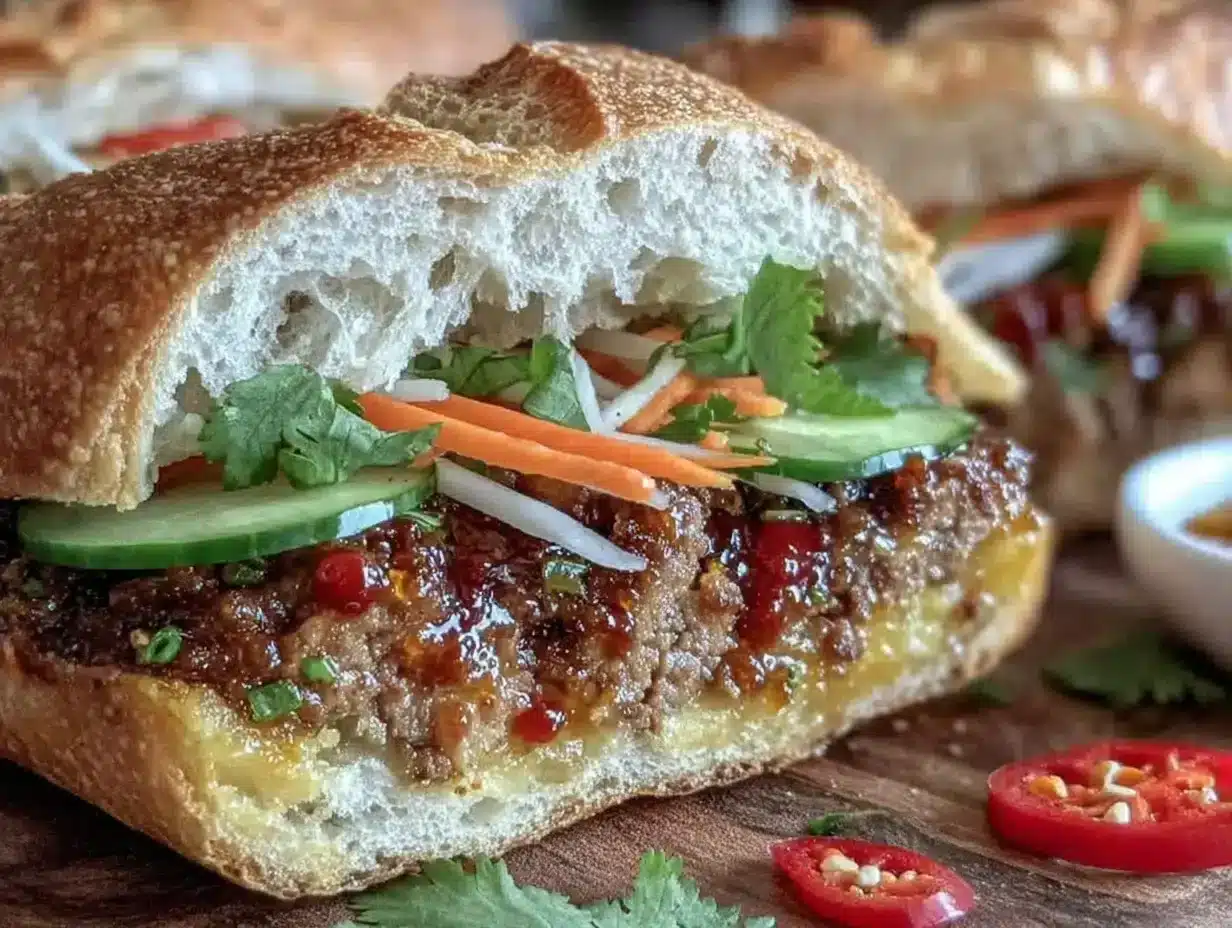
“You really have to try this pâté,” my coworker said, sliding a small container across the breakroom table. I wasn’t expecting much from the usual deli spread, but the moment I took a bite of that lemongrass pork pâté on a crusty baguette, I was hooked. That tangy brightness paired with the savory richness was unlike anything I’d tasted before.
It wasn’t fancy or complicated, but it felt special, the kind of thing you want to make again and again at home instead of heading out for takeout. Turns out, the secret was in the lemongrass—a fragrant kick that makes the pork pâté sing. I spent a few weekends tweaking the recipe, trying different spice balances and textures, and finally nailed a version that’s bursting with flavor yet surprisingly simple. The best part? It’s a homemade Vietnamese bánh mì that captures all the street food magic in your own kitchen.
There’s something about biting into a sandwich that’s crunchy, creamy, herbaceous, and just a little spicy that hits the reset button on a hectic day. This bánh mì recipe stuck with me because it’s the perfect balance of comfort and excitement. Plus, it’s a little adventure in every bite, without the need for exotic ingredients or hours in the kitchen. Honestly, it became my go-to when I wanted a quick but memorable meal that friends actually ask me to bring over.
If you’ve ever wondered how to make authentic Vietnamese flavors shine at home, this lemongrass pork pâté bánh mì will quietly convince you it’s worth the effort. It brings a vibrant taste of Southeast Asia right to your dining table, making every meal an occasion. This sandwich is a testament to how simple ingredients, when prepared with care, can create extraordinary culinary experiences that delight the senses and satisfy deep cravings for authentic flavors.
Why You’ll Love This Flavorful Vietnamese Bánh Mì with Lemongrass Pork Pâté
- Quick Preparation: Dinner is on the table in about 45 minutes, making it an ideal choice for busy weeknights or relaxed weekend lunches when you crave something special without the wait.
- Simple, Accessible Ingredients: You won’t need a special shopping trip for exotic items; most components are common pantry staples or readily available at your local grocery store, ensuring ease and convenience.
- Impressive but Effortless Entertaining: These bánh mì sandwiches are perfect for casual get-togethers or spontaneous potlucks, consistently impressing guests with their complex flavors and delightful textures without requiring advanced culinary skills.
- Universal Crowd-Pleaser: The harmonious blend of crunchy pickled vegetables, aromatic fresh herbs, and the rich, creamy pork pâté appeals to a wide range of palates, delighting both children and adults alike.
- Unbelievably Delicious Flavor Profile: The star ingredient, lemongrass, infuses a bright, citrusy note that beautifully counterbalances the richness of the pork, creating a layered and deeply satisfying culinary experience in every single bite.
What sets this recipe apart is the homemade pork pâté, which is gently infused with lemongrass and subtly spiced, offering an authentic Vietnamese flavor profile that store-bought alternatives can’t quite match. Making it yourself allows for precise adjustments to seasoning and texture, whether you prefer it silky smooth or delightfully rustic. The sandwich is further elevated by the contrast of crisp cucumber, tangy pickled carrots and daikon, and the fresh, herbaceous notes of cilantro, creating a symphony of sensations. It truly captures the essence of the bánh mì you might discover at a bustling street cart in Saigon, but with the personal touch and quality control of your own kitchen.
This recipe transcends being merely a meal; it evolves into a small celebration of diverse flavors that encourages you to pause and savor the moment. After crafting dishes like the comforting creamy one-pot chicken alfredo with broccoli or the incredibly easy and flavorful five-dollar chicken fried rice, this bánh mì introduces a wonderfully refreshing and exciting twist to the typical weekly dining rotation. It offers an authentic taste that connects you to a rich culinary heritage.
Ingredients You Need
This bánh mì recipe masterfully combines simple, wholesome ingredients to achieve a bold flavor and satisfying texture without unnecessary complexity. The majority of the ingredients are likely already in your pantry, complemented by a few fresh additions that bring vibrant life to the sandwich. Preparing these components with care ensures the final product is an authentic delight that speaks to the heart of Vietnamese street food.
Flavorful Vietnamese Bánh Mì with Lemongrass Pork Pâté

A quick and easy homemade Vietnamese bánh mì sandwich featuring a fragrant lemongrass pork pâté, crunchy pickled vegetables, and fresh herbs for a perfect balance of flavors. This recipe offers a delightful street food experience in your own kitchen.
- 1 lb ground pork (lean but not too dry)
- 2 fresh lemongrass stalks, finely minced (tender white parts only)
- 3 garlic cloves, minced
- 2 shallots, finely chopped
- 1 tbsp fish sauce
- 1 tsp light soy sauce
- 1/2 tsp ground black pepper
- 1 large egg
- 2 tbsp butter, softened
- 1 French baguette (about 12 inches / 30 cm)
- 1 cup pickled carrots and daikon (homemade or store-bought)
- 1/2 cup fresh cucumber slices
- A small bunch fresh cilantro leaves
- 2 tbsp mayonnaise (Japanese mayo preferred)
- Optional: sliced jalapeño to taste
- For quick pickling: 1/2 cup rice vinegar, 1 tbsp sugar, 1/2 tsp salt
- 1In a large bowl, combine ground pork, minced lemongrass, garlic, and shallots.
- 2Add fish sauce, light soy sauce, ground black pepper, egg, and softened butter. Mix gently but thoroughly until well combined and sticky, about 5 minutes.
- 3Preheat oven to 350°F (175°C). Transfer mixture to a greased loaf pan or baking dish, pressing evenly. Cover loosely with foil.
- 4Bake for 40–45 minutes until firm and cooked through (internal temp ~160°F / 71°C). Remove foil in last 10 minutes to brown top. Let cool before slicing thinly.
- 5While pâté bakes, julienne carrots and daikon (1/2 cup each). Mix rice vinegar, sugar, and salt until dissolved. Submerge veggies in brine and let sit at least 20 minutes at room temperature.
- 6Slice baguette lengthwise without cutting all the way through. Lightly toast or warm if desired.
- 7Slice cucumbers thinly and wash cilantro leaves. Slice jalapeños if using.
- 8Spread mayonnaise inside baguette. Layer with lemongrass pork pâté slices, pickled carrots and daikon, cucumber slices, cilantro, and jalapeño slices if desired.
- 9Close sandwich gently, slice into portions, and serve immediately.
- 10Store leftovers wrapped tightly in refrigerator for up to 2 days; reheat pâté gently before assembling fresh sandwiches.
Keywords: Vietnamese bánh mì, lemongrass pork pâté, homemade bánh mì, Vietnamese sandwich, pickled vegetables, lemongrass recipe, pork pâté sandwich
For the pickled vegetables, a quick brine of rice vinegar, sugar, and a pinch of salt is often my go-to method; it’s incredibly straightforward, and the vegetables maintain their delightful crunch. You can easily source excellent-quality baguettes from your local bakery, or for an extra layer of texture, lightly toasting them at home can achieve that perfect crispness. Should you require dietary accommodations, almond flour or gluten-free baguettes are readily available options, and for a dairy-free twist, coconut yogurt makes a surprisingly good substitute in the pâté mixture. The quantities for each ingredient are clearly detailed within the accompanying recipe card.
Variations
For those following a plant-based lifestyle, transforming this bánh mì into a vegetarian delight is wonderfully simple. You can create a savory pâté by blending sautéed mushrooms with firm tofu, seasoned generously with lemongrass, garlic, ginger, and a touch of soy sauce to mimic the umami depth of the pork. This mushroom-tofu mixture, when finely processed, achieves a surprisingly rich and spreadable texture that holds up beautifully within the baguette, offering a satisfying meat-free alternative that doesn’t compromise on flavor. You might also consider adding toasted walnuts for a bit of crunch and richness to the vegetarian pâté, further enhancing its complex texture.
If you crave an extra layer of heat and spice, this bánh mì is the perfect canvas for culinary experimentation. Incorporating thinly sliced fresh chilies, such as bird&rsquos eye or serrano, directly into the sandwich adds an immediate fiery kick that awakens the palate. Alternatively, a generous smear of spicy mayonnaise, either store-bought or homemade by mixing sriracha or chili garlic sauce into regular mayonnaise, provides a more nuanced heat that infuses every bite. For those who enjoy a subtle warmth, a pinch of chili flakes can be mixed directly into the pork pâté during its preparation, ensuring the spice is integrated throughout the entire flavorful filling.
Adapting this recipe for those with gluten sensitivities is remarkably straightforward and yields equally delicious results. Instead of a traditional French baguette, opt for a high-quality gluten-free baguette or a sturdy gluten-free roll that can maintain its structure when filled and handled. Many brands now offer excellent gluten-free bread options that provide the necessary crusty exterior and soft interior. You might also consider serving the components separately with gluten-free crackers or rice paper wraps for a deconstructed approach, ensuring everyone can enjoy the vibrant flavors without compromise. Experimenting with different gluten-free bread options will help you find the perfect vessel for this delightful sandwich.
How to Prepare lemongrass pork pâté bánh mì
Step 1: Prepare the Lemongrass Pork Pâté Mixture
Begin by gathering all your ingredients for the pâté base, ensuring the lemongrass is finely minced and only the tender white parts are used, as fibrous green sections can introduce an unpleasant texture. In a spacious mixing bowl, combine one pound of ground pork with the finely minced lemongrass, three cloves of minced garlic, and two finely chopped shallots. This aromatic foundation is crucial for the dish’s characteristic flavor.
Next, introduce the liquid seasonings to the mixture: one tablespoon of fish sauce for that essential umami depth, one teaspoon of light soy sauce to balance the saltiness, and half a teaspoon of freshly ground black pepper for a subtle warmth. Crack in one large egg, which acts as a binder, and add two tablespoons of softened butter to lend richness and a smooth consistency to the final pâté. The key is to mix these ingredients gently but thoroughly, ensuring everything is evenly distributed without overworking the pork, which could lead to a dense texture.
Using your hands or a sturdy spoon, continue to combine the ingredients for approximately five minutes until the mixture feels cohesive and holds its shape when pressed together. This thorough integration is vital for ensuring the flavors meld beautifully and the pâté bakes evenly. The resulting mixture should be slightly sticky, indicating it’s ready for shaping and the next stage of cooking, promising a wonderfully flavorful and aromatic pork pâté.
Step 2: Shape and Bake the Pâté
Preheat your oven to a moderate 350°F (175°C), creating the ideal environment for the pâté to cook through gently and develop a lovely texture. Prepare a greased loaf pan or a small baking dish; this will help prevent sticking and give the pâté a neat shape. Transfer the prepared pork mixture into your chosen pan, pressing it down evenly to create a smooth surface for consistent cooking.
Cover the pan loosely with aluminum foil; this is essential to trap steam and moisture, preventing the pâté from drying out during the initial baking period. Place the covered pan into the preheated oven and bake for approximately 40 to 45 minutes. During this time, the pâté will firm up and cook thoroughly, reaching an internal temperature of around 160°F (71°C).
For the final 10 minutes of baking, remove the aluminum foil. This allows the top of the pâté to develop a slight, appealing golden-brown crust, enhancing its visual appeal and adding a subtle textural contrast. Once baked, remove the pâté from the oven and let it cool completely before attempting to slice it. This cooling period is critical as it allows the pâté to firm up further, ensuring clean, neat slices that don’t crumble apart.
Step 3: Quick-Pickle the Vegetables
While the pork pâté is in the oven, turn your attention to preparing the vibrant pickled vegetables, which are essential for providing a bright, tangy contrast to the richness of the pâté. Take half a cup each of julienned carrots and daikon radish. These vegetables offer a pleasing crunch and soak up the pickling liquid beautifully.
In a clean jar or bowl, whisk together half a cup of rice vinegar, one tablespoon of sugar, and half a teaspoon of salt until the sugar and salt are completely dissolved, creating a balanced pickling brine. Submerge the julienned carrots and daikon radish into this brine, ensuring they are fully immersed to pickle evenly. Allow the vegetables to sit at room temperature for at least 20 minutes; this brief marination is sufficient to infuse them with a delightful tanginess and crispness.
For even better flavor development and prolonged crispness, you can prepare these pickled vegetables ahead of time and store them in an airtight container in the refrigerator for up to a week. This advance preparation makes assembly of the bánh mì much quicker when you’re ready to serve, and the flavors actually deepen over time, making them even more delicious. The bright, acidic crunch of these pickles cuts through the richness of the pâté perfectly.
Step 4: Prepare the Baguette and Fresh Ingredients
Select a fresh, crusty French baguette, ideally about 12 inches long, and slice it lengthwise. Be careful not to cut all the way through; the goal is to create a hinge, allowing the baguette to open up like a book for easy filling. If you prefer a warmer sandwich with an extra crisp exterior, you can lightly toast or warm the baguette halves in the oven or a toaster.
Thinly slice half a cucumber, ensuring the slices are uniform for even distribution within the sandwich. Wash and gently dry a small bunch of fresh cilantro leaves; the herbaceous notes of cilantro are a signature component of bánh mì, providing a fresh, aromatic counterpoint. If you enjoy a spicier sandwich, thinly slice one or two jalapeños, adjusting the quantity to your personal preference for heat.
Having all these components ready—the cooled pâté, the pickled vegetables, and the fresh garnishes—means the assembly process will be quick and efficient. This preparation ensures that the baguette remains as crisp as possible right up until serving, maximizing the delightful textural contrast that is so characteristic of a well-made bánh mì. The visual appeal of these fresh ingredients adds to the overall enticement of the sandwich.
Step 5: Assemble the Bánh Mì
Begin the assembly by spreading approximately two tablespoons of creamy mayonnaise evenly across the inner surface of both halves of the opened baguette. Japanese mayonnaise, with its slightly richer flavor and tang, is particularly well-suited here, but any good quality mayonnaise will work wonderfully. This creamy layer acts as a delicious base and helps to moisten the bread slightly.
Next, generously layer the baguette with thick, appealing slices of the cooled lemongrass pork pâté. Aim for a substantial layer that provides a rich, savory foundation for the sandwich. Arrange the pickled carrots and daikon slices over the pâté, ensuring an even distribution of their tangy crunch. Follow this with the thin slices of fresh cucumber for a cool, refreshing element, and then sprinkle a good amount of fresh cilantro leaves over the top for their signature herbaceous aroma.
If you opted for jalapeños, carefully arrange the thin slices amongst the other fillings, ensuring a balanced distribution of heat throughout the sandwich. Gently close the baguette halves together, pressing lightly to compact the fillings without crushing the bread. Slice the assembled bánh mì into manageable portions, typically two or three per baguette, and serve immediately to enjoy the perfect interplay of crunchy, creamy, tangy, and fresh flavors.
Step 6: Serve and Enjoy
Serve your meticulously assembled bánh mì sandwiches immediately after slicing. This timing is crucial to capture the ideal textural contrast: the satisfying crunch of the baguette exterior, the soft interior, the rich pâté, and the crisp, vibrant pickled vegetables. The sandwich is at its absolute best when all these elements are at their freshest, offering a truly sensory experience.
If by chance you have any leftovers, wrap them tightly in plastic wrap or place them in an airtight container before refrigerating. For the best preservation of texture, it’s recommended to store the pâté and the pickled vegetables separately from the assembled sandwich components. This prevents the baguette from becoming soggy and keeps the pickled vegetables crisp.
When you’re ready to enjoy leftovers, gently reheat the pork pâté in a microwave or a low oven before reassembling fresh sandwiches with crisp bread and fresh garnishes if possible. This simple step ensures that even a day-old bánh mì can be enjoyed almost as much as a freshly made one, preserving its delicious integrity and making it a perfect make-ahead option for lunches. The flavors often deepen overnight, offering a slightly different but equally enjoyable experience.
Pro Tips for lemongrass pork pâté bánh mì
Texture is Key: For a pâté with a smoother, more refined texture, consider pulsing the combined pork mixture lightly in a food processor before baking. This technique breaks down the pork further, yielding a silkier consistency that is quite luxurious. However, for a more rustic, traditional feel, the hand-mixed approach is perfectly fine.
Mastering Moisture Control: Keep a close eye on your pâté during baking to prevent it from drying out. The aluminum foil cover is your best friend during the initial baking phase, as it traps essential moisture. Adjust baking times based on your oven’s characteristics; ovens can vary significantly in temperature and heat distribution.
The Indispensable Pickle: Do not underestimate the importance of the pickled vegetables. Their bright, acidic crunch is absolutely crucial for cutting through the richness of the pork pâté and the mayonnaise, providing balance and preventing the sandwich from feeling too heavy. Be generous with them!
Flavor Deepening: Making the pâté and pickling the vegetables a day in advance can actually enhance the overall flavor profile of your bánh mì. The flavors have more time to meld and develop, creating a more complex and satisfying sandwich when you assemble it. This make-ahead strategy is a lifesaver for busy schedules.
Spice and Beyond: Don’t be afraid to customize the heat level to your liking. Add more jalapeño slices, a dash of sriracha, or even a spicy chili oil for an extra kick. The beauty of homemade food is its adaptability to your personal taste preferences.
Serving Suggestions for lemongrass pork pâté bánh mì
Decoration
The visual appeal of a bánh mì is often enhanced by its fresh garnishes. Ensure the cilantro leaves are vibrant green and generously scattered, adding a splash of color and freshness. Thinly sliced red chilies, if used, provide a striking visual contrast against the lighter fillings. A well-presented bánh mì should look as appealing as it tastes, inviting you to take that first delicious bite.
The arrangement of the pickled vegetables also contributes to the overall presentation. Their colorful julienne, typically bright orange carrots and pale white daikon, adds an artistic touch. When layered neatly within the baguette, they create attractive stripes of color and texture. A light drizzle of mayonnaise or a hint of spice sauce on top can also serve as an appealing garnish.
Consider serving the bánh mì on a rustic wooden board or a simple white plate to let the vibrant colors of the ingredients stand out. A small sprig of fresh cilantro or a single thinly sliced chili placed artfully on the side can elevate the presentation. Ultimately, the decoration should enhance the natural beauty of the fresh ingredients and the appealing texture of the sandwich.
Side Dishes
A light and refreshing side salad is an excellent companion to the rich and savory bánh mì. Consider a simple cucumber and tomato salad with a light vinaigrette, or perhaps a green papaya salad for an extra burst of Asian-inspired flavors. These salads provide a palate-cleansing contrast to the dense flavors of the sandwich, creating a well-rounded meal experience. The freshness of the salad complements the ingredients in the bánh mì beautifully.
For those who wish to lean further into Vietnamese cuisine, a small bowl of pho or a clear, aromatic broth makes a wonderful accompaniment. The warm, savory broth complements the varied textures and flavors of the bánh mì without overpowering them. This pairing offers a more substantial meal that truly celebrates the culinary heritage of Vietnam, providing both comfort and complexity. It’s a classic combination that never disappoints.
Crispy elements can also provide an interesting textural counterpoint. Think about serving some crispy fried shallots or garlic chips on the side, which can be sprinkled onto the bánh mì for an extra layer of crunch. Alternatively, a side of simple steamed edamame or lightly salted sweet potato fries offers a different kind of satisfying crunch and flavor profile. The goal is to complement, not compete, with the main sandwich.
Creative Serving Ideas
Instead of serving whole baguettes, consider slicing them into smaller, appetizer-sized portions. This makes the bánh mì perfect for parties or gatherings where guests can sample various flavors. You can even offer a small station with extra pickled vegetables, cilantro, and spicy condiments so guests can customize their own mini bánh mì. This interactive approach adds a fun element to your hosting.
Another creative idea is to deconstruct the bánh mì components and present them as a build-your-own bar. Lay out the sliced baguette, the flavorful pork pâté, a variety of pickled and fresh vegetables, herbs, and condiments. This allows each guest to construct their perfect bánh mì according to their individual preferences, ensuring everyone is delighted with their creation. It’s a fantastic way to cater to different tastes and dietary needs.
For a more elegant presentation, you could serve the pâté as a spread on toasted baguette slices, topped with finely chopped pickled vegetables and herbs, essentially creating bánh mì crostini. This offers a sophisticated take on the beloved sandwich, suitable for more formal occasions or as a delightful appetizer. The concentrated flavors and appealing textures make these bite-sized versions a real hit.
Preparation & Storage
Storing Leftovers
Leftover assembled bánh mì sandwiches are best enjoyed fresh, but if you must store them, do so with careful separation of components to maintain texture. Wrap any remaining sandwiches tightly in plastic wrap or place them in an airtight container. For optimal freshness, it is highly recommended to store the pork pâté and pickled vegetables separately from the baguette and other fresh garnishes. This prevents the bread from becoming soggy and keeps the vegetables crisp.
The pork pâté itself can be stored in an airtight container in the refrigerator for up to 3 days. Similarly, the pickled vegetables will maintain their crispness and flavor in a sealed container in the fridge for at least a week. By keeping these core elements separate, you can easily recreate the delicious bánh mì experience the next day, ensuring a delightful meal without compromising on quality. Proper storage is key to enjoying leftovers.
When you are ready to eat leftover bánh mì, it is best to rewarm the pâté gently before reassembling. This can be done in a microwave on a low setting or in a warm oven. Then, use fresh baguette slices or lightly toasted ones, along with fresh cilantro and cucumber, to achieve the best possible texture and flavor. This small effort makes a big difference in enjoying your leftovers.
Freezing
While the assembled bánh mì sandwich is not ideal for freezing due to the delicate nature of the baguette and fresh ingredients, the components can be frozen individually with some success. The cooked lemongrass pork pâté can be wrapped tightly in plastic wrap, then placed in a freezer-safe bag or container. It will keep its quality in the freezer for up to two months.
When you plan to use frozen pâté, thaw it completely in the refrigerator overnight. Once thawed, it can be gently reheated before slicing and assembling your sandwich. The pickled vegetables are not recommended for freezing, as their texture will be significantly compromised upon thawing, becoming mushy. It is best to prepare them fresh or store them in the refrigerator.
The baguette itself can be frozen if you have a surplus, but it will lose some of its characteristic crispness upon thawing. For best results with frozen bread, toast it thoroughly after thawing to revive its texture. Freezing is best suited for the pâté component if you want to prepare a larger batch in advance for future bánh mì creations.
Reheating
To reheat leftover lemongrass pork pâté, the best method is to warm it gently to preserve its texture and flavor. Place the pâté slices in a small, oven-safe dish and warm in a preheated oven at around 300°F (150°C) for 5-10 minutes, or until just heated through. Alternatively, you can microwave it on a low power setting for short intervals, stirring occasionally, until warm. Be careful not to overheat, as this can dry out the pâté.
If you are reheating a slice of assembled bánh mì, it is advisable to separate the components if possible. Reheat the pâté as described above. The pickled vegetables and fresh herbs are best served cold, so add them back in after the pâté has been warmed. The baguette can be lightly toasted again to restore its crispness, making the reheated sandwich much more enjoyable.
Reheating the entire sandwich at once, especially in a microwave, will likely result in a soggy baguette and a less appealing texture overall. Therefore, the approach of warming the pâté and re-toasting the bread, then assembling with fresh or chilled garnishes, provides the most satisfying outcome for leftover bánh mì. This method ensures you get the best possible texture and flavor experience, even with prepared components.
Frequently Asked Questions
-
What is the best way to store leftover lemongrass pork pâté?
Leftover lemongrass pork pâté should be stored in an airtight container in the refrigerator. It will maintain its quality and flavor for up to 3 days. For the best eating experience when reheating, it is advisable to gently warm the pâté in a low oven or on a low power setting in the microwave before slicing and using it in sandwiches or other dishes. This method helps to restore its ideal texture and flavor profile, ensuring it is just as delicious as when it was freshly made.
-
Can I make the pickled vegetables ahead of time?
Absolutely, yes! Pickled carrots and daikon are excellent candidates for making ahead of time. In fact, preparing them several days in advance and storing them in the refrigerator actually improves their flavor and crunchiness as the pickling process deepens. This makes them a convenient component to have ready, allowing for quicker assembly of your bánh mì when cravings strike, and ensures you always have that essential tangy contrast available.
-
Is there a substitute if I can’t find lemongrass?
While fresh lemongrass imparts a unique citrusy aroma and flavor that is characteristic of authentic bánh mì, you can achieve a comparable, albeit slightly different, citrus note by using fresh lemon zest combined with a small amount of grated ginger. This combination can offer a bright, zesty element to the pâté. However, it is important to note that it will not replicate the exact profile of lemongrass. If possible, seeking out fresh lemongrass is highly recommended for the most authentic taste experience, as its distinct fragrance is truly irreplaceable.