
Irresistible Thai Red Curry Poached Fish: A Delicious Delight
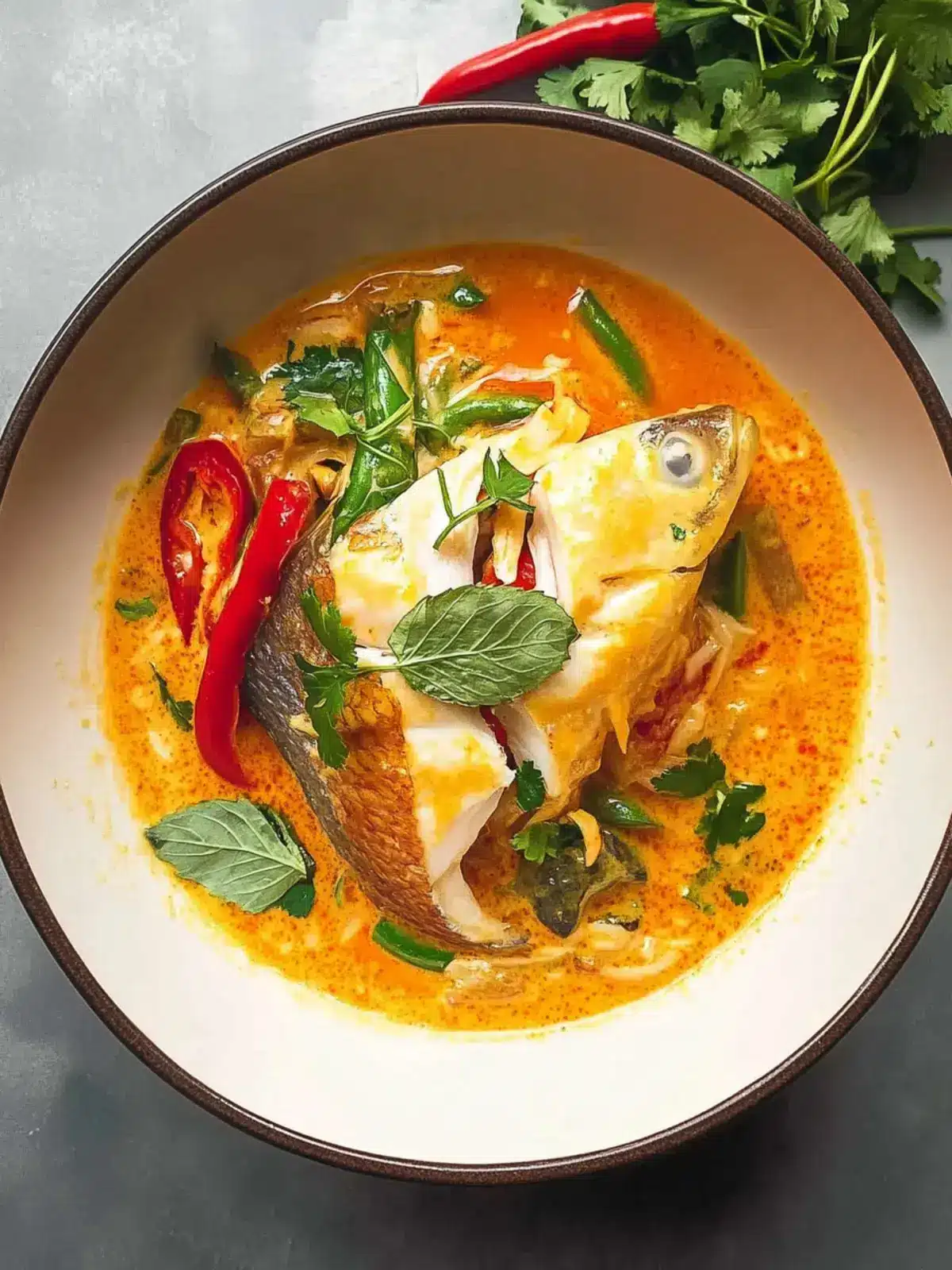
There’s nothing quite like the vibrant rush of flavors from a Thai Red Curry Poached Fish dish wafting through your kitchen. Just imagine the aroma of garlic and ginger mingling with the rich scent of coconut milk, transporting you to a bustling street market in Thailand. It’s a culinary experience that promises to delight your senses and satisfy your appetite.
On a busy weeknight when takeout is too easy—or maybe even a bit tiresome—this recipe proves to be a true game-changer, offering an impressive meal with minimal effort. In just a short time, you can have a delectable dish on the table that perfectly balances the warmth of spices with the invigorating freshness of lime and herbs, making it an ideal choice for any occasion.
Why You Will Love This Recipe
- Incredibly Flavorful: This dish masterfully combines the aromatic depth of garlic and ginger with the luxurious creaminess of coconut milk, creating a complex and satisfying taste profile that is uniquely Thai.
- Remarkably Quick Preparation: You can whip up this impressive meal in approximately 15 minutes from start to finish, making it perfect for busy weeknights or when you need a delicious dinner in a flash.
- Highly Customizable: The beauty of this recipe lies in its flexibility; feel free to incorporate your favorite vegetables or adjust the spice level to suit your personal preferences, ensuring a dish that’s perfectly tailored to you.
- Wholesome and Balanced: Packed with lean protein from the fish and beneficial nutrients from any added vegetables, this dish offers a healthy and satisfying meal option that nourishes your body.
- Impressive Presentation: With its vibrant colors and aromatic appeal, Thai Red Curry Poached Fish is a dish that is sure to impress your guests, offering a taste of exotic cuisine that feels both sophisticated and comforting.
Ingredients You Need
The success of any remarkable dish often hinges on the quality of its ingredients, and this Thai Red Curry Poached Fish is no exception. By selecting fresh, vibrant components, you ensure a depth of flavor that truly sings. From the tender fish fillets to the aromatic spices and creamy coconut milk, each element plays a crucial role in creating this culinary masterpiece, promising an authentic taste of Thailand right in your own home. The thoughtful combination of these elements results in a harmonious blend of sweet, savory, and spicy notes that dance on your palate.
Thai Red Curry Poached Fish

Enjoy the vibrant flavors of Thai Red Curry Poached Fish in just 10 minutes. This quick and easy recipe delivers a burst of exotic tastes, perfect for a busy weeknight meal.
- 1.5 pounds white fish filets (cod, tilapia, seabass, or halibut work well)
- 1 tablespoon neutral oil
- 1 small white onion (diced)
- 4 cloves garlic (minced)
- 1 tablespoon ginger (minced)
- 3 tablespoons red curry paste
- 1 can full-fat coconut milk (13.5 fl oz)
- 1 cup chicken or seafood broth
- 3 tablespoons fish sauce
- 1 tablespoon granulated sugar
- 1 lime (juiced)
- Salt (to taste)
- Red chilis (thinly sliced, for garnish)
- Chopped cilantro (for garnish)
- Chili oil (for garnish)
- White rice (for serving)
- Vegetables of choice (for serving)
- 1Pat the fish fillets dry with a paper towel and lightly season both sides with salt.
- 2In a large shallow pan, heat the neutral oil over medium heat. Add the diced onion, minced garlic, and ginger. Sauté for 1–2 minutes until fragrant and the onion is softened.
- 3Stir in the red curry paste and cook for another 30 seconds to release its vibrant aroma.
- 4Pour in the coconut milk and broth. Add the fish sauce, sugar, lime juice, and a pinch of salt to taste. Stir until combined and bring to a gentle simmer.
- 5Carefully add the fish filets into the simmering curry broth. Reduce the heat to low and poach, covered, for 7–10 minutes, or until the fish is opaque and flakes easily with a fork.
- 6Carefully transfer the fish to serving plates. Spoon the rich curry broth over the top and garnish with sliced red chilis, chopped cilantro, and a drizzle of chili oil. Serve with steamed white rice and your favorite vegetables for a complete meal.
Keywords: Thai, Curry, Fish, Poached, Red Curry, Coconut Milk, Quick Dinner, Weeknight Meal, Seafood
- white fish filets: cod, tilapia, seabass, or halibut all work wonderfully for this recipe, providing a delicate texture that absorbs the curry flavors beautifully.
- neutral oil: this helps to sauté the aromatics without altering the distinct flavors of the curry base.
- white onion: adds a sweet, soft undertone to the curry, forming a foundational layer of flavor.
- garlic: infuses the dish with a robust, savory essence that is characteristic of Thai cuisine.
- ginger: introduces a fresh, zesty kick that perfectly complements the warmth of the curry paste.
- red curry paste: this key ingredient brings the authentic Thai flavor profile right to your kitchen, delivering its signature heat and fragrance.
- full-fat coconut milk: creates a creamy, luxurious sauce that beautifully binds all the complex flavors together.
- chicken or seafood broth: enhances the depth of flavor in the curry, adding another layer of savory richness.
- fish sauce: provides a salty, umami note that is essential for rounding out and balancing the overall taste.
- granulated sugar: balances the spices and enhances the overall taste, preventing any single flavor from overpowering the others.
- lime: adds a bright, citrusy freshness that elevates and brightens all the other flavors in the dish.
- salt: essential for enhancing and adjusting all the flavors harmoniously, bringing the dish to its full potential.
- red chilis: thinly sliced for garnish, these deliver a spicy zing and a pop of vibrant color to the finished dish.
- cilantro: chopped for garnish, this adds a burst of fresh, herbaceous flavor and visual appeal.
- chili oil: drizzled on top for garnish, this adds an extra layer of heat and a touch of rich, spicy oil.
- white rice: a perfect, comforting base to soak up the luscious curry sauce, providing a satisfying foundation for the meal.
- vegetables of choice: customize your plate with your favorite veggies to add more nutrition, texture, and flavor to your dish.
The precise quantities for each ingredient are detailed within the recipe card provided, ensuring you have all the necessary information for a perfectly balanced dish.
Variations
This Thai Red Curry Poached Fish recipe is a fantastic canvas for creativity, inviting you to tailor it to your specific dietary needs and flavor preferences. Whether you’re aiming for a lighter meal, seeking an extra spicy kick, or simply want to explore different taste dimensions, there are numerous ways to adapt this dish.
For those looking to embrace a plant-based lifestyle, a vegan variation is easily achievable. Simply substitute the white fish with firm tofu or tempeh, ensuring it’s pressed to remove excess water before poaching. Use vegetable broth instead of chicken or seafood broth, and ensure your fish sauce is replaced with a vegan alternative or tamari for that essential umami depth. This vegan version maintains the rich, aromatic curry base while offering a delicious plant-forward option.
If you’re managing carbohydrate intake, a low-carb twist is also straightforward. Serve the poached fish and its flavorful curry sauce over cauliflower rice instead of traditional white rice. Cauliflower rice offers a light, neutral base that perfectly absorbs the exquisite flavors of the curry without adding significant carbohydrates. You can also load up on non-starchy vegetables like bell peppers, broccoli florets, or snap peas to create a satisfying and nutrient-dense low-carb meal that doesn’t compromise on taste.
Another exciting avenue for customization involves playing with the aromatics and heat. For an intensified spicy experience, you can increase the amount of red curry paste or add finely chopped fresh chilies like serrano or bird’s eye chilies directly into the curry base during the sautéing stage. Conversely, if you prefer a milder dish, use a less spicy variety of red curry paste or reduce the overall quantity. You might also consider adding a touch of lemongrass or kaffir lime leaves to the poaching liquid for an added layer of authentic Thai fragrance and citrusy notes, transforming the flavor profile in subtle yet significant ways.
How to Prepare Thai Red Curry Poached Fish
Step 1: Prepare the Fish
Begin by selecting high-quality white fish fillets, such as cod, tilapia, sea bass, or halibut, which are ideal for their firm texture and ability to hold up during the poaching process. Thoroughly pat the fish fillets dry using paper towels; this simple step is crucial for achieving a better sear if you choose to lightly pan-fry them beforehand, although for poaching, it helps the seasoning adhere better and prevents the fish from becoming waterlogged. Lightly season both sides of the fish fillets with salt. This initial seasoning is important because it enhances the natural flavor of the fish and provides a foundation for the overall taste of the dish, ensuring that each bite is perfectly balanced.
The importance of patting the fish dry cannot be overstated, as excess moisture can inhibit the absorption of flavors and create a less satisfying texture. Think of it as preparing a canvas for the vibrant flavors to come; a dry surface allows for better interaction with the surrounding curry broth. Seasoning with salt at this stage ensures that the flavor permeates the fish from the inside out, rather than just being on the surface. This creates a more nuanced and enjoyable eating experience, where the fish itself is as flavorful as the sauce it’s cooked in.
Consider the thickness of your fish fillets; thicker pieces will require slightly longer poaching times. By ensuring the fish is dry and well-seasoned, you are setting the stage for a perfectly cooked, flaky, and flavorful final product. This attention to detail in the initial preparation makes a significant difference in the overall quality of the finished dish, turning a simple meal into a culinary delight.
Step 2: Sauté Aromatics
In a large, shallow pan or skillet, heat a tablespoon of neutral oil over medium heat. The use of a neutral oil, such as vegetable, canola, or grapeseed oil, is recommended here because it allows the distinct flavors of the aromatics and curry paste to shine without any competing oil flavors. Once the oil is shimmering, add the finely diced white onion. Sauté the onion for about 1 to 2 minutes, stirring occasionally, until it begins to soften and become translucent. This process helps to release the onion’s natural sweetness and creates a tender base for the subsequent ingredients.
Next, add the minced garlic and minced ginger to the pan with the softening onions. Continue to sauté for another minute or so, until the garlic and ginger are fragrant. Be careful not to burn the garlic, as burnt garlic can impart a bitter taste to the dish; this aromatic blend is the heart of the curry’s flavor profile and sets the stage for the vibrant spices to come. The combined aroma of sautéing onion, garlic, and ginger is incredibly inviting and signifies the beginning of a truly flavorful dish.
The goal at this stage is to gently cook down the aromatics, releasing their essential oils and building a complex flavor foundation. The heat should be moderate to prevent scorching, ensuring that the ingredients soften and meld together harmoniously. This fragrant base is what will infuse the entire curry sauce with its characteristic depth and warmth, making it absolutely essential for achieving an authentic and delicious Thai red curry.
Step 3: Incorporate Curry Paste
Once the aromatics have softened and become fragrant, it’s time to introduce the star of the show: the red curry paste. Add approximately 3 tablespoons of your preferred red curry paste directly into the pan with the sautéed onions, garlic, and ginger. Stir the curry paste into the mixture, and continue to cook for about 30 seconds to a minute, stirring constantly. This brief cooking period is crucial for “blooming” the curry paste, which means toasting it slightly in the oil. Toasting the paste helps to deepen its flavor, release its aromatic oils, and mellow out any raw, sharp edges, resulting in a richer, more complex, and incredibly vibrant base for your curry sauce.
As the curry paste cooks, you will notice a significant change in its aroma; it becomes more intense and fragrant, filling your kitchen with the unmistakable scent of Thai spices. This step is key to unlocking the full potential of the curry paste, transforming it from a simple paste into a foundational flavor element that will define the entire dish. It’s important to keep stirring during this phase to prevent the paste from sticking to the bottom of the pan or burning, which could impart an undesirable bitter taste.
The goal here is to integrate the curry paste thoroughly with the sautéed aromatics, creating a cohesive and intensely flavored mixture. This toasted paste will then serve as the primary flavor carrier for the coconut milk and broth, infusing them with its characteristic spicy, savory, and fragrant notes. This careful integration ensures that every spoonful of the finished curry will be packed with authentic Thai red curry flavor.
Step 4: Make the Sauce
Now that the curry paste has been beautifully bloomed, it’s time to create the luscious sauce for your poached fish. Pour in one can (approximately 13.5 fluid ounces) of full-fat coconut milk. Full-fat coconut milk is essential here as it provides the rich, creamy texture that defines Thai curry sauces and helps to balance the heat of the curry paste. Follow this by adding one cup of chicken or seafood broth. The broth adds another layer of savory depth and helps to achieve the perfect sauce consistency, ensuring it’s not too thick.
Next, stir in the flavor-enhancing liquids and seasonings: three tablespoons of fish sauce, one tablespoon of granulated sugar, and the freshly squeezed juice of one lime. The fish sauce is a critical ingredient in Thai cooking, providing a crucial umami and salty element that balances the sweetness and spice. The sugar helps to round out the flavors and temper the heat, while the lime juice adds a bright, zesty counterpoint that cuts through the richness of the coconut milk and lifts all the other flavors. Finally, season with salt to taste. Remember that fish sauce is already salty, so it’s best to start with a smaller amount of salt and adjust as needed after tasting the sauce.
Bring the mixture to a gentle simmer over medium heat, stirring occasionally to ensure all the ingredients are well combined and the sugar has dissolved. Allow the sauce to simmer for a few minutes, letting the flavors meld together beautifully. This simmering period is important for developing the sauce’s depth and ensuring a harmonious blend of sweet, salty, spicy, and sour notes, creating a perfectly balanced and aromatic liquid base for poaching the fish.
Step 5: Poach the Fish
With the fragrant curry sauce gently simmering in the pan, it’s time to introduce the fish. Carefully place the prepared fish fillets into the simmering curry broth. Ensure that the fish is mostly submerged in the sauce; if your pan is not deep enough, you can add a little more broth or coconut milk to ensure adequate coverage. Once the fish is in the pan, reduce the heat to low, cover the pan with a lid, and let the fish poach gently. This low and slow cooking method is perfect for delicate fish as it cooks the fish evenly and keeps it incredibly moist and tender.
Poach the fish for approximately 7 to 10 minutes. The exact cooking time will depend on the thickness of your fish fillets. The key indicator of doneness is that the fish should become opaque throughout and flake easily when tested with a fork. It is crucial not to overcook the fish, as this can lead to a dry and tough texture. Keep a close eye on it during the last few minutes of cooking and check for flakiness regularly.
The gentle poaching process allows the fish to absorb the delicious flavors of the red curry sauce, infusing it with the aromatic spices and creamy coconut milk. This method ensures that the fish remains incredibly tender and succulent, a perfect contrast to the rich sauce. The visual cue of opacity and the ease with which it flakes are your best indicators that the fish is perfectly cooked and ready to be served, ensuring a delightful culinary experience.
Step 6: Serve
Once the fish is perfectly poached and flakes easily with a fork, it’s time to plate this exquisite dish. Carefully transfer the tender fish fillets from the curry sauce to individual serving plates. Use a slotted spoon or spatula to gently lift the fish, ensuring it remains intact. The visual appeal of the bright red curry sauce against the white fish is striking, hinting at the vibrant flavors to come.
Generously spoon the rich, aromatic curry broth over the top of the poached fish. Ensure that each serving gets a good amount of the flavorful sauce, as this is where much of the dish’s magic lies. To finish the dish and add both visual appeal and an extra layer of flavor, garnish generously. Sprinkle thinly sliced red chilis over the fish for a touch of heat and color, add a scattering of freshly chopped cilantro for a burst of freshness and herbal notes, and finish with a tantalizing drizzle of chili oil for an added spicy kick and visual flair.
Serve the Thai Red Curry Poached Fish immediately with steamed white rice, which is perfect for soaking up the delicious curry sauce, and any of your favorite complementary vegetables. The combination of tender fish, flavorful curry, fluffy rice, and fresh garnishes creates a complete and utterly satisfying meal that transports you straight to the bustling street markets of Thailand, offering a true explosion of flavor at home.
Pro Tips for Thai Red Curry Poached Fish
Choose the Right Fish: Selecting the correct type of fish is paramount for this recipe. Opt for firm, white fish such as cod, halibut, snapper, or tilapia. These varieties have a solid flesh structure that stands up well to the gentle poaching process, preventing them from breaking apart into an unappealing mush. A fish that holds its shape ensures an elegant presentation and a satisfying texture in every bite, allowing you to fully appreciate the delicate flakiness.
Master the Seasoning: Before introducing the fish to the curry broth, always taste and adjust the seasoning of the sauce. This is your final opportunity to fine-tune the balance of flavors – ensure it has the perfect harmony of sweet, salty, spicy, and sour notes. A well-seasoned broth is the foundation of a great dish; it will permeate the fish and elevate the entire culinary experience, making it truly memorable.
Don’t Overcook: Overcooking is the enemy of tender, flaky fish. Keep a close watch on the poaching time, typically 7-10 minutes. Test the fish for doneness by gently probing it with a fork; it should flake easily. Overcooked fish can become dry and tough, detracting from the beautiful texture you’re aiming for, so vigilance is key.
Customize Wisely with Vegetables: While this recipe is wonderfully versatile, be mindful of the cooking times of any vegetables you add. Quick-cooking vegetables like bell peppers, snap peas, broccoli florets, or spinach can be added during the last few minutes of poaching or even stirred in just before serving to retain their crispness and vibrant color. This ensures a delightful textural contrast and maintains the fresh vibrancy of your additions.
Enhance the Garnish: The garnishes are not just for show; they play a vital role in the overall flavor profile and presentation. A drizzle of chili oil adds both beautiful color and an extra layer of heat, allowing you to tailor the spice level precisely to your preference. Fresh cilantro provides a bright, herbaceous lift, and sliced red chilis offer a visual pop and a mild spicy counterpoint. Don’t underestimate the power of these finishing touches to elevate your Thai Red Curry Poached Fish.
Serving Suggestions for Thai Red Curry Poached Fish
Decoration
Elevate the visual appeal of your Thai Red Curry Poached Fish with thoughtful garnishes that complement its vibrant flavors and colors. A sprinkle of freshly chopped cilantro adds a burst of green freshness, providing a beautiful contrast to the rich red curry sauce. Thinly sliced red chilies not only introduce a lively pop of color but also offer a subtle hint of heat for those who appreciate it. A delicate drizzle of chili oil over the top adds a glossy sheen and an extra layer of spicy indulgence, making the dish as visually stunning as it is delicious.
Side Dishes
To complete this delightful meal, consider serving your Thai Red Curry Poached Fish with classic accompaniments that enhance its exotic flavors. Steamed jasmine rice is the quintessential pairing; its fluffy texture and delicate aroma provide the perfect neutral canvas to soak up every drop of the rich coconut curry sauce. For a refreshing counterpoint, a crisp cucumber salad, perhaps dressed with lime juice and a hint of chili, offers a cooling contrast to the warmth of the curry. Stir-fried vegetables, such as crisp bell peppers, snap peas, or broccoli florets, add delightful texture and additional nutrients, creating a well-rounded and satisfying dining experience.
Creative Serving Ideas
Think outside the traditional plate for an even more memorable meal. Consider serving the poached fish and its sauce directly from a beautiful communal serving bowl placed in the center of the table, encouraging a more interactive dining experience. For an elegant presentation, arrange the fish fillets artfully on individual plates and then artfully spoon the curry sauce around them. You could also serve the dish in individual small earthenware pots, keeping it warm and adding a rustic charm. For a lighter, more contemporary approach, serve the curry over a bed of lightly wilted spinach or a mix of vibrant greens, allowing the sauce to lightly coat them.
Preparation & Storage
Storing Leftovers
Should you be fortunate enough to have any Thai Red Curry Poached Fish leftovers, storing them correctly is key to maintaining their delicious flavor and texture. Allow the dish to cool completely at room temperature before transferring it to an airtight container. This is important to prevent condensation from forming inside the container, which can affect the quality of the food. Once sealed, store the container in the refrigerator. Properly stored, the leftovers will remain delicious and safe to consume for up to 3 days. The flavors often meld even further during this time, making the dish potentially even more flavorful upon reheating.
Freezing
This flavorful Thai Red Curry Poached Fish can also be frozen for longer storage, allowing you to enjoy its delightful taste at a later date. It’s best to freeze the fish and sauce separately if possible, or ensure the fish is well coated in the sauce to prevent it from drying out. Place the cooled dish into freezer-safe containers or heavy-duty freezer bags. Ensure you remove as much air as possible from the packaging before sealing to prevent freezer burn, which can degrade the quality and taste of the fish. Properly frozen, the dish can be stored for up to 2 months.
Reheating
When you are ready to enjoy your frozen or refrigerated Thai Red Curry Poached Fish, proper reheating is essential to bring it back to its delicious best. If the dish was frozen, the best method is to thaw it in the refrigerator overnight. This gradual thawing helps to maintain the integrity of the fish’s texture. Once thawed, gently reheat the dish in a saucepan over low to medium-low heat. Stir frequently and avoid high heat, as this can cause the fish to become tough or break apart. The goal is to warm it through gently, preserving the tender, flaky texture of the fish and the integrity of the rich curry sauce.
Frequently Asked Questions
- What type of fish works best for this recipe?
For Thai Red Curry Poached Fish, it’s recommended to use firm white fish varieties that hold their shape well during the poaching process. Excellent choices include cod, tilapia, sea bass, and halibut. These fish have a dense enough flesh to remain intact while absorbing the flavorful curry broth, resulting in tender, flaky pieces that are a pleasure to eat. Avoid delicate, flaky fish like sole or flounder, as they tend to break apart too easily when submerged in liquid.
- How should I store leftovers from the Thai Red Curry Poached Fish?
To store leftovers, allow the dish to cool completely before transferring it to an airtight container. Refrigerate the container promptly. Properly stored, the leftovers will retain their best quality for up to 3 days. The flavors often deepen and meld further over time, making reheated portions just as delicious, if not more so, than when they were first prepared. Ensure the container is well-sealed to prevent odor transfer and maintain freshness.
- Can I freeze Thai Red Curry Poached Fish?
Yes, you can freeze Thai Red Curry Poached Fish, but it’s important to do so correctly to maintain quality. It’s best to let the dish cool completely before freezing. Transfer it to a freezer-safe container or heavy-duty freezer bag, ensuring you remove as much air as possible to prevent freezer burn. The dish can be stored in the freezer for up to 2 months. When you’re ready to enjoy it, thaw the dish overnight in the refrigerator before gently reheating it on the stovetop over low heat to preserve the fish’s texture.