Kalua Pork Recipe – The Best Hawaiian Pulled Pork!
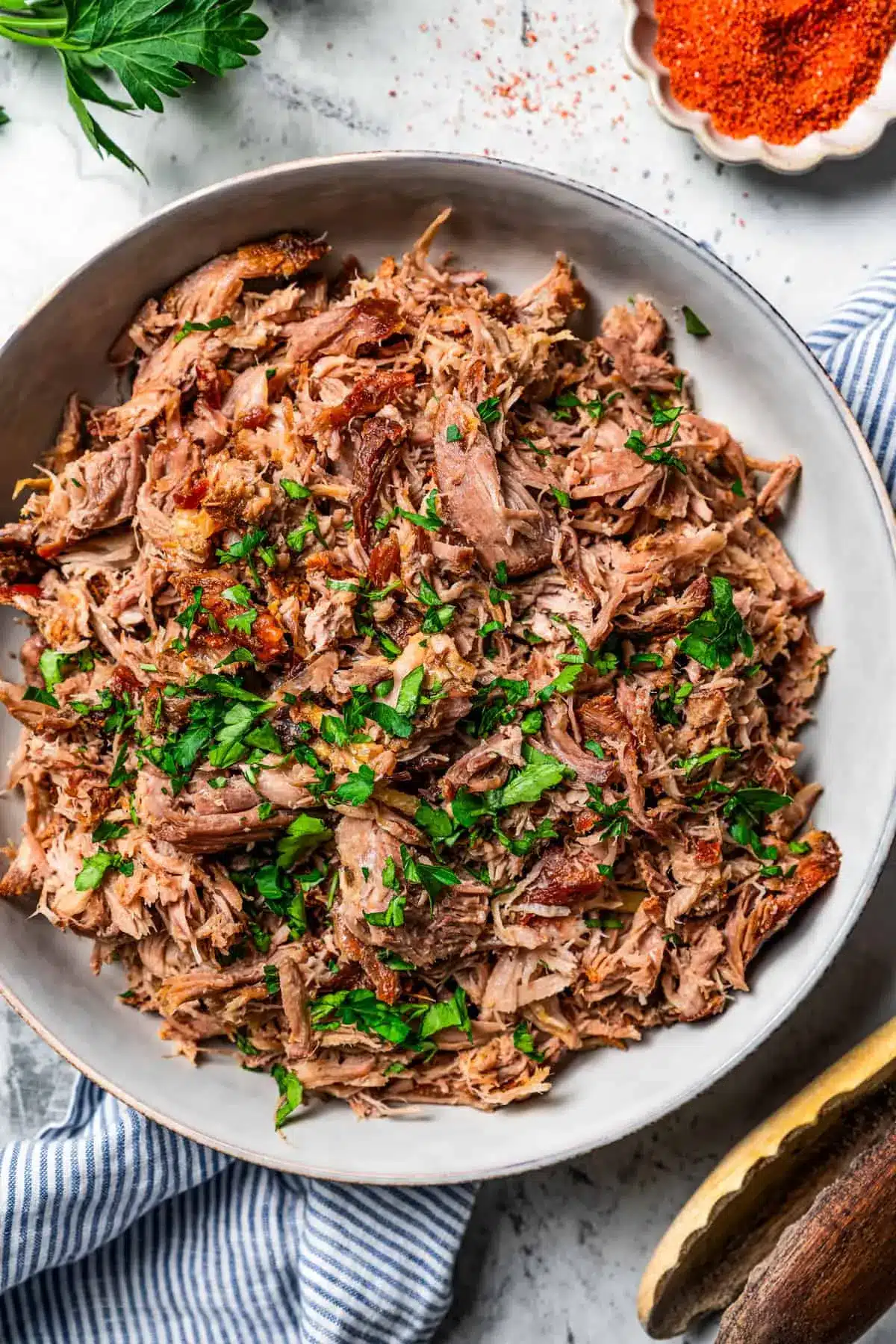
The aroma of slow-cooked pork, infused with the subtle sweetness of ginger and garlic, is a culinary invitation to paradise. This Kalua Pork recipe transports you straight to the Hawaiian Islands with its incredibly tender, flavorful, and melt-in-your-mouth texture.
Imagine a dish that requires minimal hands-on time but delivers maximum impact, perfect for both casual weeknight dinners and impressive gatherings. This authentic-style Hawaiian Pulled Pork is a testament to the magic that happens when simple ingredients are treated with patience and low, slow heat.
Why You Will Love This Recipe
- Authentic Flavor: Experience the true taste of Hawaii with traditional seasonings and a slow-roasting method that mimics the imu.
- Incredibly Tender: The pork shoulder becomes fall-apart tender, making it exceptionally easy to shred and a joy to eat.
- Versatile: Serve it in sandwiches, over rice, in tacos, or as part of a larger luau feast; the possibilities are endless.
- Minimal Effort, Maximum Reward: While it takes time to cook, the active preparation is surprisingly quick, freeing you up to enjoy your guests or relax.
- Crowd-Pleaser: This dish is a guaranteed hit for any occasion, bringing a taste of aloha to your table.
Ingredients You Need
The secret to exceptional Kalua Pork lies in selecting the right ingredients and allowing them to work their magic over time. High-quality pork shoulder is paramount for achieving that signature tender and juicy texture that defines this Hawaiian classic.
Kalua Pork (Hawaiian Pulled Pork)
This slow-roasted Hawaiian kalua pork is made from juicy pork shoulder rubbed with sea salt and seasonings and baked until it’s fall-apart tender. Pile this flavorful pulled pork into sandwiches or over rice, topped with a fried egg.
- 1 tablespoon olive oil
- 3 pounds pork shoulder, cut into 3 pieces
- 5 cloves garlic, halved
- 1 inch piece of fresh ginger, cut into sticks
- chopped fresh parsley, for serving
- 1Preheat your oven to 325ºF.
- 2Pierce the pork all over with a carving fork. Insert ginger and garlic into the holes you made with the fork. Rub the pork with Hawaiian salt and then with liquid smoke.
- 3Heat the olive oil in a large pan over medium-high heat. Sear the pork on all sides.
- 4Place the pork on a large piece of parchment paper and wrap it around. Then, wrap the meat with aluminum foil, sealing it tightly. Place the pork on a rimmed baking sheet.
- 5Bake the pork for 3-4 hours or until the inner temperature reaches 165ºF and the meat shreds easily.
- 6Remove the pork from the oven. Carefully open the aluminum foil and parchment paper and collect all the cooking juices. Shred the pork with meat claws or two forks. Then add it to a large bowl or serve it on a baking tray. Drizzle and toss the pork with the cooking juices.
- 7Just before serving, garnish the pulled pork with chopped parsley.
Keywords: Kalua Pork, Hawaiian Pulled Pork, Pork Shoulder, Slow Cooker Pork, Hawaiian Food, Luau Food
- olive oil: a small amount to get a good sear on the pork.
- pork shoulder: the star of the show, this cut offers the perfect balance of fat and meat for slow cooking.
- garlic: fresh cloves are essential for infusing the pork with aromatic depth.
- fresh ginger: adds a warm, zesty note that complements the richness of the pork.
- Hawaiian sea salt: while any good sea salt will work, Hawaiian alaea salt offers a unique minerality.
- liquid hickory smoke: a clever shortcut to achieve that smoky flavor without an underground oven.
- fresh parsley: a bright, herbaceous garnish to finish the dish beautifully.
The exact quantities for these ingredients are detailed in the recipe card for your convenience.
Variations
While the classic Kalua Pork is undeniably delicious, you can easily adapt this recipe to suit different dietary preferences or flavor profiles. Experimentation is encouraged, and these variations offer exciting new ways to enjoy this beloved Hawaiian dish.
For a vegan twist, you could explore jackfruit as a meat substitute. Young jackfruit, when cooked and shredded, mimics the texture of pulled pork remarkably well. Sauté it with onions and garlic, then braise it in a savory broth seasoned with liquid smoke, soy sauce, and a touch of maple syrup. Serve this vegan Kalua Jackfruit on buns or over rice for a satisfying plant-based option.
If you are following a low-carb lifestyle, enjoy your Kalua Pork served over cauliflower rice or with a side of steamed greens. You can also skip the buns entirely and create substantial lettuce wraps. Top with avocado slices and a sprinkle of chili flakes for added flavor and healthy fats. This ensures you can still indulge in the rich, smoky taste without compromising your dietary goals.
Another delightful variation involves adding a touch of sweetness and tang. Consider incorporating a glaze made from pineapple juice, brown sugar, and a splash of rice vinegar during the last hour of cooking. This creates a beautifully caramelized exterior and a sweet-savory profile that is utterly irresistible. It adds another layer of complexity to the traditional flavors, making it a unique treat.
How to Prepare Kalua Pork Hawaiian Pulled Pork
Step 1: Prepare the Pork for Roasting
Begin by preheating your oven to a gentle 325°F (160°C). This low temperature is crucial for achieving that incredibly tender, slow-cooked texture that makes Kalua Pork so special. It allows the connective tissues in the pork shoulder to break down gradually, resulting in melt-in-your-mouth meat.
Next, take your pork shoulder and cut it into three roughly equal pieces. This step isn’t just for aesthetics; it helps to ensure more even cooking and can slightly reduce the overall cooking time. By having smaller, more manageable portions, the heat can penetrate more effectively throughout the meat.
Once the pork is cut, use a carving fork or a sharp skewer to pierce the meat all over. Make deep holes, about an inch or so apart. These perforations are like little flavor highways, allowing the aromatics to deeply penetrate the pork as it cooks. Don’t be shy with the fork; the more holes, the more flavor infusion.
Now, it’s time to introduce the aromatics. Carefully tuck pieces of fresh garlic and sticks of fresh ginger into the holes you’ve created. Ensure they are pushed in deep enough so they won’t fall out during the cooking process. The combination of garlic and ginger is a classic pairing that adds a wonderful depth of flavor to the pork.
With the aromatics in place, it’s time for the seasoning. Generously rub the pork pieces all over with Hawaiian sea salt. If you don’t have Hawaiian alaea salt, a good quality coarse sea salt will work beautifully. The salt not only seasons the meat but also helps to draw out moisture and tenderize it further during the long cooking process.
Follow the sea salt by rubbing the pork with liquid hickory smoke. This is your secret weapon for achieving that authentic smoky flavor that is so characteristic of traditional Kalua pig cooked in an imu. Make sure to coat all sides of the pork evenly. If you prefer not to use liquid smoke, you can substitute it with smoked paprika for a similar smoky essence.
Step 2: Sear the Pork to Seal in Juices
Heat one tablespoon of olive oil in a large, heavy-bottomed pan or Dutch oven over medium-high heat. The oil should be shimmering but not smoking. A good sear is essential for developing a rich, browned exterior on the pork. This Maillard reaction not only adds visual appeal but also contributes significantly to the overall flavor profile.
Carefully place the seasoned pork pieces into the hot pan. You may need to do this in batches to avoid overcrowding the pan, which can steam the meat rather than sear it. Allow each side of the pork to brown for about 2-3 minutes, ensuring you get a nice crust forming on all surfaces. Use tongs to turn the pieces, making sure to brown every edge.
The goal here is not to cook the pork through, but simply to create a beautiful, flavorful crust. This step helps to lock in the juices and adds an extra layer of complexity to the final dish. Once all sides are nicely browned, remove the pork from the pan and set it aside momentarily.
This searing process is a critical step that sets the stage for the slow roasting to come. It builds a foundation of flavor that will permeate the entire cut of pork as it cooks. The rendered fats from the searing will also contribute to the delicious cooking juices collected later.
Once all the pork pieces have been seared, they are ready to be wrapped and placed in the oven. This careful preparation ensures that every step contributes to the final, succulent outcome of your Kalua Pork.
Step 3: Wrap and Bake the Pork
Lay out a large piece of parchment paper on your work surface. Place the seared pork pieces onto the parchment paper, arranging them so they are close but not overlapping too much. The parchment paper helps to create a sealed environment, retaining moisture and preventing the pork from sticking.
Carefully fold the parchment paper over the pork, ensuring it is completely enclosed. Then, take a large sheet of aluminum foil and wrap the parchment-wrapped pork even more tightly. You want to create a very secure packet to prevent any steam or juices from escaping during the long cooking time. Sealing it tightly is paramount for achieving that fall-apart tender texture.
Place the tightly wrapped pork package onto a rimmed baking sheet. The rimmed baking sheet is important for catching any potential leaks, though a well-sealed packet should minimize this risk. It also makes it easier to transfer the pork in and out of the oven.
Transfer the baking sheet with the wrapped pork into the preheated oven at 325°F (160°C). Let the pork slow roast for a substantial amount of time, typically between 3 to 4 hours. The exact cooking time will depend on the size and thickness of your pork pieces, as well as your oven’s calibration.
The key indicator of doneness is the internal temperature of the pork. Use a meat thermometer to check, and it is ready when the internal temperature reaches at least 165°F (74°C). However, for Kalua Pork, you are aiming for even more tenderness, so checking for shreddability is just as important as the temperature. The meat should easily pull apart with a fork.
During this long, slow bake, the magic truly happens. The low, consistent heat gently breaks down the tough collagen in the pork shoulder, transforming it into succulent, tender meat that practically melts in your mouth. Patience is a virtue here, and the reward is well worth the wait.
Step 4: Shred the Pork to Perfection
Once the pork has reached its optimal tenderness and internal temperature, carefully remove the baking sheet from the oven. Place it on a heatproof surface and allow it to rest for about 10-15 minutes before unwrapping. This resting period allows the juices to redistribute throughout the meat, ensuring maximum moisture and flavor.
Wearing heat-resistant gloves or using oven mitts, carefully open the aluminum foil and the parchment paper. Be cautious of the hot steam that will escape. As you unwrap, you will notice a pool of flavorful cooking juices collecting in the foil and on the baking sheet. This liquid gold is packed with flavor and will be used to moisten the shredded pork.
Carefully transfer the cooked pork to a large bowl or a rimmed baking tray. You can use two forks or meat claws to shred the pork. For meat claws, simply twist and pull them through the meat to shred it into strands. If using forks, insert them into the pork and pull them in opposite directions.
Shred the pork until it reaches your desired consistency. Some prefer larger chunks, while others like it finely pulled. The meat should be so tender that it shreds effortlessly with very little resistance.
Once the pork is shredded, drizzle all the collected cooking juices back over the meat. Use a spoon or a spatula to toss the shredded pork, ensuring it is evenly coated with the flavorful liquid. This step is crucial for adding moisture and intensifying the delicious taste of the Kalua Pork. It transforms dry, shredded meat into a moist, succulent delight.
Finally, garnish the pulled pork with chopped fresh parsley. This adds a touch of freshness and a vibrant visual contrast to the rich, savory pork. Serve immediately and enjoy the incredible flavors of your homemade Hawaiian Kalua Pork.
Step 5: Garnish and Serve Your Kalua Pork
The final touch to your magnificent Kalua Pork is a vibrant garnish. Sprinkle the freshly chopped parsley generously over the shredded pork. The bright green flecks not only add a beautiful pop of color but also provide a subtle, fresh herbaceous note that cuts through the richness of the pork.
Serve the Kalua Pork immediately while it’s warm and incredibly moist. The aroma alone is enough to make mouths water, and the texture is simply divine. This dish is incredibly versatile and can be enjoyed in numerous ways, making it a perfect centerpiece for any meal.
Whether you’re piling it high on toasted Hawaiian sweet rolls for sliders, serving it alongside fluffy white rice, or incorporating it into tacos, the deliciousness of the Kalua Pork shines through. Its tender, juicy nature makes it a forgiving dish that always satisfies.
This culinary creation is more than just a meal; it’s an experience. The combination of slow-cooked tenderness and authentic Hawaiian flavors brings a taste of the islands right to your dining table. It’s a dish that fosters connection and creates lasting memories.
Enjoy sharing this flavorful, easy-to-prepare Kalua Pork with your loved ones, and savor every single bite. It’s a true taste of aloha that’s sure to become a favorite in your recipe repertoire.
Pro Tips for Kalua Pork Hawaiian Pulled Pork
- Don’t Rush the Roasting: The low and slow cooking method is non-negotiable for authentic Kalua Pork. Resist the temptation to increase the oven temperature, as this will result in tougher, less tender meat. Patience truly is a virtue here, yielding an incredibly succulent result.
- Use a Meat Thermometer: While shreddability is a great indicator, using a meat thermometer ensures your pork is cooked to the correct safe internal temperature of 165°F (74°C). This guarantees both safety and optimal tenderness.
- Save Those Juices: Do not discard the cooking liquid! It is packed with rendered fat and pork essence. Reincorporating these juices into the shredded pork is essential for maintaining moisture and maximizing flavor.
- Embrace the Fat: Pork shoulder has a good amount of fat, which is essential for keeping the meat moist and tender during the long cooking process. Don’t trim too much of it off before cooking.
- Rest is Best: Allowing the pork to rest briefly after cooking before shredding helps the juices settle back into the meat, resulting in a more succulent final product.
Serving Suggestions for Kalua Pork Hawaiian Pulled Pork
Decoration
The simple addition of freshly chopped parsley provides a beautiful contrast of color and a hint of freshness that elevates the presentation of the Kalua Pork. This herbaceous garnish adds visual appeal without overpowering the savory flavors of the meat. A few extra sprigs can be placed around the serving dish for a more abundant look.
Side Dishes
Kalua Pork pairs wonderfully with classic Hawaiian accompaniments. Fluffy white rice is a staple that soaks up the delicious juices perfectly. For a refreshing contrast, a crisp, creamy coleslaw is an excellent choice, cutting through the richness of the pork. Grilled pineapple slices offer a sweet and tangy counterpoint, reminiscent of tropical flavors.
A Hawaiian macaroni salad, creamy and slightly sweet, is another fantastic option that complements the savory pork. Fresh ceviche provides a light, zesty appetizer that balances the heartier main dish. Consider serving it with a side of steamed cabbage for a simple, healthy vegetable option that absorbs the pork’s flavors beautifully.
For a truly authentic luau experience, include a vibrant poke bowl alongside your Kalua Pork. The fresh, seasoned raw fish offers a delightful textural and flavor contrast. Don’t forget a side of roasted sweet potatoes for a touch of natural sweetness and earthy depth.
Creative Serving Ideas
Transform Kalua Pork into crowd-pleasing sliders by piling generous portions onto toasted Hawaiian sweet rolls. Top with a dollop of coleslaw and a drizzle of your favorite barbecue sauce for an irresistible bite. Tacos are another fantastic application; fill warm corn or flour tortillas with the shredded pork, and top with fresh salsa, avocado, and a squeeze of lime.
Consider making a hearty Kalua Pork mac and cheese, stirring the shredded pork into a creamy cheese sauce for an indulgent comfort food dish. For a unique breakfast or brunch option, serve the Kalua Pork topped with a perfectly fried or poached egg. The runny yolk mixes beautifully with the savory pork.
Another idea is to use it as a filling for savory pastries or empanadas. Its rich flavor makes it a fantastic component in savory pies or as a topping for loaded baked potatoes. The versatility of Kalua Pork truly allows for endless culinary creativity.
Preparation & Storage
Storing Leftovers
Once cooled, store leftover Kalua Pork in an airtight container in the refrigerator. It will remain fresh and flavorful for up to 3 to 4 days. Ensure the container is properly sealed to prevent the pork from drying out and to maintain its delicious moisture.
The reserved cooking juices are also worth saving if they haven’t been fully absorbed. Store them in a separate small container alongside the pork. Adding a bit of this liquid back when reheating can revive the pork’s tenderness and flavor.
Leftovers are incredibly versatile, making them perfect for quick and easy meals throughout the week. They retain their rich flavor and tender texture, ready to be repurposed into new dishes.
Freezing
For longer storage, Kalua Pork freezes exceptionally well. Allow the cooked and shredded pork to cool completely before portioning it into freezer-safe bags or airtight containers. For best quality, consume within 2 to 3 months.
When freezing, try to remove as much air as possible from the packaging to prevent freezer burn. You can also freeze the reserved cooking juices separately to add back when reheating for optimal moisture. This step ensures that when you thaw it, the pork will be as flavorful and moist as when it was freshly made.
Freezing is a great way to ensure you always have a delicious, homemade meal on hand. It’s a convenient option for busy weeks or when you want to prepare a large batch ahead of time.
Reheating
Reheating Kalua Pork is straightforward and helps to restore its original succulence. The microwave is a quick option; place the pork in a microwave-safe dish, add a tablespoon or two of water or reserved cooking juices, cover, and heat on medium power until thoroughly warmed through, stirring halfway.
For a more even reheat, you can use the oven. Place the pork in a baking dish, add a splash of water or broth, cover tightly with foil, and reheat in a 300°F (150°C) oven until hot. This method helps to gently warm the pork without drying it out.
If the pork seems a bit dry after reheating, a small amount of extra liquid can revive its moist texture. Stirring in some Hawaiian barbecue sauce or even just a bit of water can make a difference. The key is to heat it gently to avoid overcooking.
Frequently Asked Questions
-
What is the best cut of pork for making authentic Kalua Pork?
The most traditional and highly recommended cut for Kalua Pork is pork shoulder, also known as pork butt or Boston butt. This cut is rich in fat and connective tissue, which breaks down beautifully during the long, slow cooking process. This results in the signature fall-apart tender and incredibly moist texture characteristic of authentic Kalua Pork. While other cuts can be used, they may not yield the same level of succulence and authentic flavor profile that pork shoulder provides. Its marbling ensures that the meat stays moist and flavorful throughout the extended cooking time, making it the ideal choice for this Hawaiian delicacy.
-
Can I make Kalua Pork without liquid smoke, and what are the alternatives?
Yes, you absolutely can make delicious Kalua Pork without liquid smoke, though it will have a slightly different smoky profile. The traditional method of cooking in an imu (underground oven) imparts a deep, natural smokiness that liquid smoke aims to replicate. If you prefer to avoid liquid smoke or simply don’t have it on hand, a fantastic alternative is to use smoked paprika. Substitute about 1.5 to 2 teaspoons of smoked paprika for the liquid smoke, rubbing it into the pork along with the sea salt. Another option is to use a combination of regular paprika and a pinch of chipotle powder for a bit of smoky heat. Some recipes also suggest using a small amount of bacon fat or rendering some bacon to achieve a smoky essence. Experimentation with these alternatives will help you find the smoky flavor that best suits your palate while still honoring the spirit of the dish.
-
How do I ensure my Kalua Pork is tender and not dry?
Achieving tender, non-dry Kalua Pork hinges on several key factors, primarily the cooking method and the cut of meat. Using pork shoulder is paramount due to its high fat content, which bastes the meat as it cooks, preventing dryness. Secondly, the low and slow cooking temperature (around 325°F or 160°C) is crucial for allowing the collagen to break down into gelatin, making the meat incredibly tender. Ensure the pork is tightly wrapped in parchment paper and aluminum foil to create a steamy environment that retains moisture throughout the entire cooking process. Finally, don’t skip the step of reserving and reincorporating the cooking juices back into the shredded pork; this liquid gold adds essential moisture and flavor, ensuring every bite is succulent. Resting the pork after cooking also allows the juices to redistribute, preventing moisture loss when shredding.