Easy Tres Leches Cake Recipe – Authentic Mexican Dessert!
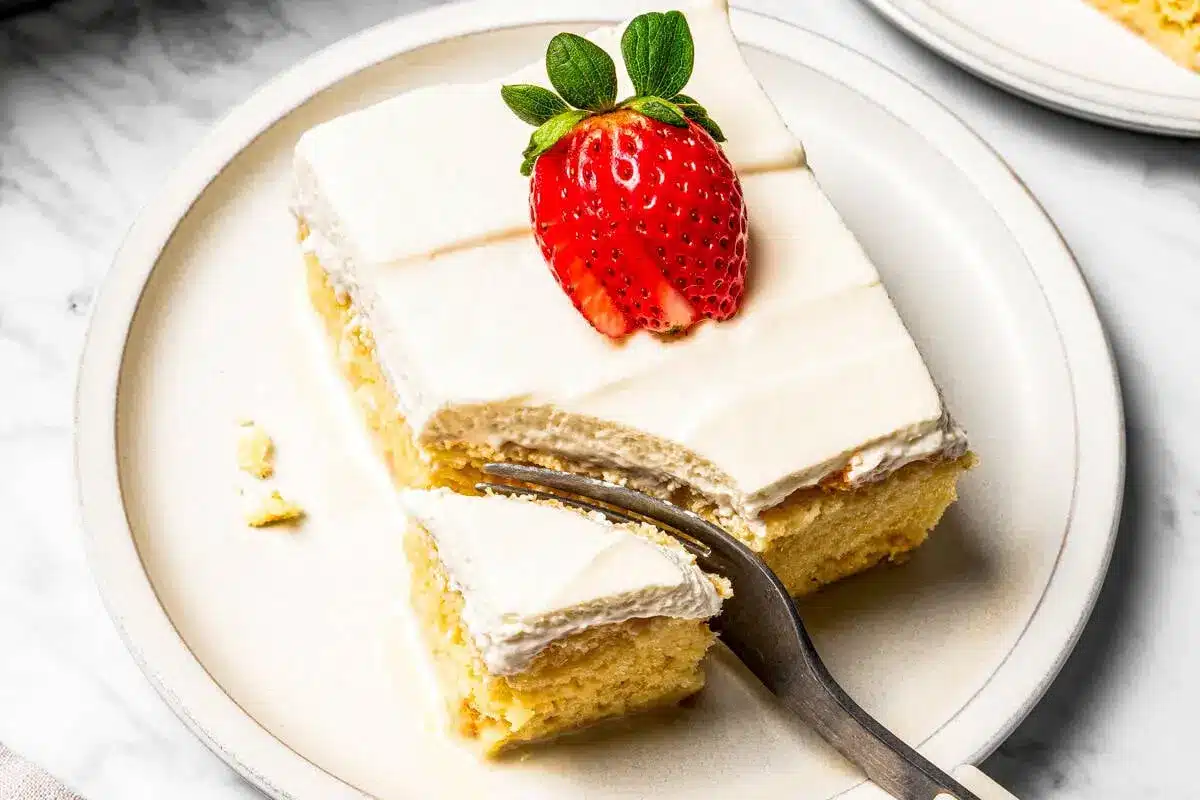
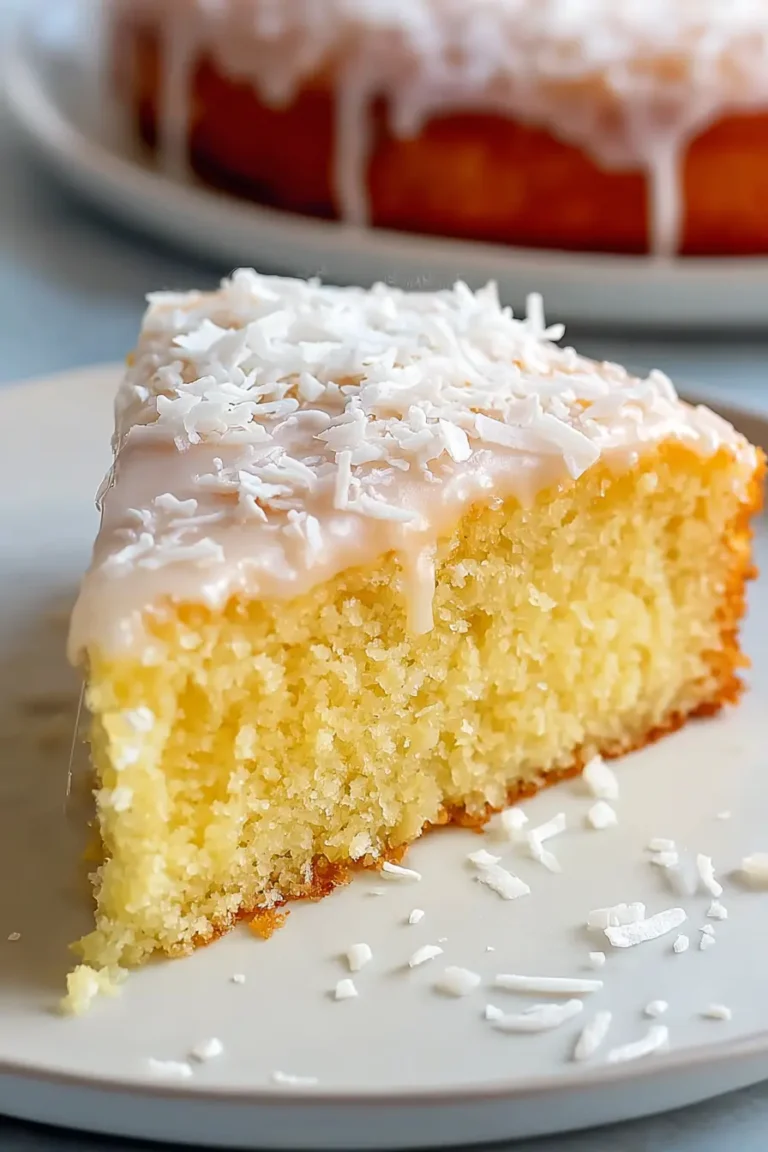
This authentic tres leches cake recipe delivers a delightful culinary experience, combining a light, airy sponge cake with a luxuriously sweet milk mixture and a cloud-like homemade whipped cream topping. It’s a quintessential Mexican dessert, celebrated for its straightforward preparation and incredibly satisfying flavor profile.
When the craving for something sweet strikes, this homemade tres leches cake consistently tops my list, with a delectable slice of berry tart often a close contender. My family, particularly my daughter Ana, adores this cake, making it a go-to dessert whenever we enjoy Mexican cuisine, much like the joy it brings alongside other cherished desserts. Its classic appeal, wonderful taste, and the convenience of making it ahead of time are precisely why it remains a staple in our home.
Why You Will Love This Recipe
- Effortless Preparation: Despite its impressive presentation, this tres leches cake is surprisingly simple to assemble, making it perfect for both novice bakers and seasoned pros.
- Intensely Flavorful: The magic lies in the three milks soaking into the cake, creating a moist, tender crumb infused with a delicate sweetness that is utterly irresistible.
- Make-Ahead Marvel: This cake benefits from time, allowing the flavors to meld beautifully in the refrigerator, making it an ideal dessert to prepare in advance for any gathering.
- Versatile Dessert: It’s a crowd-pleaser that pairs wonderfully with a variety of accompaniments, from fresh fruit to a scoop of homemade ice cream, offering endless serving possibilities.
- Authentic Taste: Crafted with care to remain true to its origins, this recipe captures the essence of a traditional tres leches, delivering a truly genuine and satisfying dessert experience.
Ingredients You Need
The foundation of an exceptional tres leches cake lies in the quality of its ingredients. For this recipe, we rely on pantry staples and a few key dairy components that come together to create its signature flavor and texture. Ensuring your ingredients are fresh, particularly your baking powder, will contribute significantly to the final outcome of this delightful dessert.
Tres Leches Cake
This authentic tres leches cake recipe is a light, spongy cake soaked in a sweet milk mixture and topped with fluffy homemade whipped cream. It’s a favorite Mexican dessert, and so easy to make!
- For the cake:
- 1 cup all purpose flour
- 1½ teaspoons baking powder
- ¼ teaspoon salt
- 1 cup granulated sugar
- 4 eggs
- ¼ cup milk
- 1½ teaspoons pure vanilla extract
- Butter, for greasing the baking dish
- For the milk sauce:
- 14 ounce can condensed milk
- 12 ounce can evaporated milk
- 3 tablespoons milk
- For the topping:
- 1½ cups heavy cream
- 3 tablespoons powdered sugar
- 1 teaspoon pure vanilla extract
- 1Make the sponge cake: Prepare to bake. Preheat the oven to 350°F.
- 2Mix the dry ingredients. In a medium bowl, whisk the flour, baking powder, and salt. Set aside.
- 3Beat the eggs. In a separate bowl, using an electric mixer, beat the sugar with the eggs until fluffy and pale, about 2 to 3 minutes.
- 4Combine. Whisk the milk and vanilla into the egg mixture until smooth. Using a spatula, gently fold in the flour mixture just until the batter is smooth and lump-free.
- 5Bake the cake. Grease your 9×13-inch baking dish with some butter. Pour in the prepared cake batter and tap gently onto the kitchen counter to remove air bubbles. Bake the cake for 30-35 minutes, or until a toothpick inserted into the center comes out clean.
- 6Prepare the milk mixture: Combine the milks. Meanwhile, whisk together the condensed milk, evaporated milk, and plain milk in a bowl until combined.
- 7Drizzle the cake. Remove the cake from the oven and allow it to cool down completely. Then, use a fork to poke holes in the cake. Pour the milk mixture all over the cake, especially saturating the edges, as they are the firmest.
- 8Refrigerate the cake for at least 2 to 3 hours, but overnight is best.
- 9Add the topping: Whip the cream. Add heavy cream, powdered sugar, and vanilla extract to a large bowl. Whip with a handheld mixer until stiff peaks form.
- 10Finish and serve. Top the tres leches cake with the whipped cream. Cut the cake into squares and serve.
Keywords: tres leches, mexican dessert, cake, sponge cake, milk cake, whipped cream, Katerina Petrovska
The full list of ingredients, including precise quantities, is readily available in the recipe card at the end of this article, guiding you through each step for a perfect bake.
Variations
While the classic tres leches cake is a masterpiece on its own, the beauty of this dessert lies in its adaptability. Experimenting with slight modifications can lead to exciting new flavor profiles, catering to different dietary preferences or simply adding a personal touch to this beloved treat.
For a delightful vegan version, the transformation is quite achievable. Substitute the dairy milk with a rich, unsweetened almond or soy milk. The evaporated and condensed milks can be replaced with full-fat coconut milk and a vegan condensed milk substitute, respectively, often found in specialty grocery stores or easily made at home. Ensure your vegan whipped topping is made from coconut cream or another plant-based alternative for a fully plant-powered indulgence.
A low-carb adaptation offers a way to enjoy tres leches without the sugar rush. This involves using a sugar substitute like erythritol or stevia in both the cake batter and the milk soak. The cake itself can be made with almond flour or a combination of almond and coconut flour, replacing the traditional all-purpose flour. While the texture might be slightly denser, the rich, milky flavor profile remains remarkably intact, offering a guilt-free treat.
Introducing a hint of caramel flavor can elevate the dessert even further. This variation involves swapping out the standard condensed milk for dulce de leche in the milk soak. You may also need to slightly increase the amount of plain milk to balance the richness and sweetness of the dulce de leche, creating a deeper, more complex caramel note that pairs beautifully with the sponge cake.
How to Prepare tres leches cake recipe
Step 1: Prepare the Sponge Cake Batter
The journey to a perfect tres leches cake begins with crafting its delicate sponge. This is where the foundation of its airy texture is laid, ensuring it can absorb the rich milk mixture without becoming dense or heavy. Precision in this initial stage is key to achieving that signature melt-in-your-mouth consistency that makes this dessert so beloved.
Start by preheating your oven to a steady 350°F (175°C). This consistent temperature is crucial for even baking, preventing the cake from developing an overly brown exterior before its interior is fully cooked. While the oven heats, prepare a 9×13-inch baking dish by generously greasing it with butter. This step is vital to ensure the cake releases cleanly after baking, maintaining its beautiful form.
In a medium bowl, combine the dry ingredients: all-purpose flour, baking powder, and salt. Whisking them together thoroughly ensures that the leavening agent and salt are evenly distributed throughout the flour. This uniform distribution is essential for a consistent rise and balanced flavor in the finished cake, preventing any pockets of saltiness or a flat texture.
In a separate, larger bowl, take four large eggs and beat them with the granulated sugar. An electric mixer is highly recommended for this step, as you want to achieve a mixture that is not just combined but thoroughly beaten until it becomes pale, fluffy, and significantly increases in volume. This process, often referred to as creaming the eggs and sugar, incorporates air into the batter, which is a primary contributor to the cake’s lightness.
Once the egg and sugar mixture is gloriously fluffy and light in color, it’s time to introduce the wet ingredients. Gently whisk in ⅓ cup of milk and 1½ teaspoons of pure vanilla extract into the egg mixture until it is smooth. The vanilla extract will impart a warm, comforting aroma and flavor that complements the milky sweetness of the dessert.
Now, it’s time to bring the dry and wet components together. Using a spatula, carefully and gently fold the whisked dry ingredients into the wet mixture. The key here is to fold, not stir vigorously, to preserve the air that was incorporated into the eggs. Continue folding just until the batter is smooth and lump-free; overmixing can toughen the cake.
Step 2: Bake the Sponge Cake
With the batter prepared, the next step is to bake it into the light, airy sponge that will form the base of our tres leches cake. This process transforms the liquid batter into a delicate structure capable of soaking up the rich milk mixture without disintegrating. Attention to baking time and temperature is paramount for achieving the ideal texture.
Pour the prepared cake batter evenly into the buttered 9×13-inch baking dish. Gently tap the baking dish on the kitchen counter a few times. This simple action helps to release any trapped air bubbles within the batter, leading to a more uniform crumb structure and preventing large voids in the cake after it’s soaked.
Place the baking dish into the preheated oven. Bake for approximately 30 to 35 minutes. The cake is ready when it’s golden brown on top and a toothpick inserted into the center comes out clean. If you notice the top browning too quickly before the center is cooked, you can loosely tent the cake with aluminum foil.
Allow the cake to cool completely in the baking dish after removing it from the oven. This cooling period is essential before proceeding to the soaking stage. Rushing this step can lead to the cake breaking apart when you attempt to poke holes or pour the milk mixture, compromising the final presentation and texture.
Once the cake has cooled entirely, it’s time to prepare it for its milky bath. Use a fork or a skewer to poke holes all over the surface of the cake. You want to create a network of openings that will allow the milk mixture to penetrate deeply into the cake, ensuring every bite is moist and flavorful. Be thorough but gentle to avoid breaking through the bottom of the cake.
Step 3: Prepare and Apply the Milk Sauce
This stage is where the “tres leches” truly comes to life, infusing the baked sponge cake with its signature lusciousness. The harmonious blend of three milks creates a rich, sweet liquid that transforms the cake’s texture into something extraordinarily tender and decadent. Patience during this soaking process is rewarded with an unparalleled dessert.
In a medium bowl, whisk together the three essential milks: one 14-ounce can of condensed milk, one 12-ounce can of evaporated milk, and 3 tablespoons of regular milk. Ensure these ingredients are thoroughly combined to create a smooth, homogenous sauce. This mixture is the heart of the tres leches flavor, providing sweetness and creamy richness.
Once the cake has completely cooled and has been poked with holes, it’s time to generously pour the milk mixture over it. Start by pouring about half of the milk mixture, ensuring it covers the entire surface of the cake. Pay special attention to the edges, as they tend to be the firmest part of the cake and will benefit greatly from the soak.
Allow the cake to absorb the initial pour for about 10-15 minutes. Then, pour the remaining milk mixture over the cake. Continue to ensure that all areas, especially the edges, are well-saturated. The cake will visibly soak up the liquid, and you might see some pooling, which is perfectly normal and indicates good saturation.
Cover the baking dish tightly with plastic wrap or a lid. Refrigerate the cake for at least 2 to 3 hours. However, for the absolute best results, allowing it to soak overnight is highly recommended. This extended chilling period gives the milks ample time to fully penetrate the cake, creating an incredibly moist and tender texture and allowing the flavors to meld beautifully.
Step 4: Prepare the Whipped Cream Topping
The crowning glory of any tres leches cake is its fluffy, cloud-like whipped cream topping. This element provides a delightful contrast in texture and a touch of ethereal sweetness that perfectly balances the rich, milky cake beneath. Making your own whipped cream from scratch elevates the dessert from delicious to truly exceptional.
In a large, chilled bowl, combine 1½ cups of heavy whipping cream. Ensure the bowl and whisk attachment of your electric mixer are also chilled; this helps the cream whip up faster and achieve firmer peaks. Cold temperatures are crucial for successful whipping.
Add 3 tablespoons of powdered sugar to the heavy cream. The powdered sugar not only sweetens the cream but also helps to stabilize it, contributing to its fluffy texture. If you prefer a less sweet topping, you can slightly reduce this amount to your preference.
Finally, add 1 teaspoon of pure vanilla extract to the mixture. Vanilla enhances the overall flavor profile, adding a warm, aromatic note that complements the sweetness of the cream and the milky cake. Begin beating the mixture with an electric mixer on medium speed.
Gradually increase the speed to high. Continue beating until stiff peaks form. Stiff peaks mean that when you lift the beaters out of the cream, the cream holds its shape and stands straight up without drooping. Be careful not to overbeat, as this can turn the cream into butter.
Step 5: Assemble and Serve
The final steps bring together all the elements of this beloved dessert. With the cake perfectly soaked and chilled, and the whipped cream ready, you are just moments away from presenting a show-stopping treat that is sure to impress.
Once the tres leches cake has chilled sufficiently and absorbed the milk mixture, it’s time to add the finishing touch. Gently spread the freshly prepared whipped cream evenly over the entire surface of the chilled cake. Use an offset spatula or the back of a spoon to create a smooth, even layer, ensuring it covers the entire cake from edge to edge.
For an optional, yet classic, decorative flourish, you can lightly dust the top of the whipped cream with a sprinkle of ground cinnamon. This not only adds a subtle aroma but also a touch of color, enhancing the visual appeal of the dessert. Alternatively, fresh berries or a drizzle of caramel can also be used as elegant garnishes.
To serve, use a sharp knife to cut the cake into individual squares. The size of the squares can be adjusted based on your preference and the occasion. Serve immediately and watch as your guests savor every delicious bite of this iconic Latin dessert.
Pro Tips for tres leches cake recipe
Achieving a truly exceptional tres leches cake involves more than just following the basic steps; a few insider tips can elevate your creation to bakery-worthy perfection. These small adjustments and considerations can make a significant difference in the final texture, flavor, and overall success of your dessert.
Freshness is Key: Always ensure your baking powder is fresh. Stale baking powder will not provide the necessary lift, resulting in a denser cake. Check the expiry date and store it in an airtight container.
Don’t Overmix the Batter: When combining the dry and wet ingredients for the cake, fold them gently. Overmixing develops the gluten in the flour, leading to a tougher cake texture that won’t absorb the milk as effectively.
Thorough Soaking is Crucial: Poking ample holes in the cooled cake is vital. Don’t be shy! A fork or a skewer should create a dense pattern of holes to allow the milk mixture to penetrate deeply. This is what gives tres leches its signature moistness.
Patience with Chilling: While a minimum of 2-3 hours of chilling is recommended, allowing the cake to soak overnight in the refrigerator yields the best results. This extended period allows the milks to fully saturate the cake, creating an incredibly tender and flavorful dessert.
Quality of Milks Matters: While any milk will work for the third milk component, using whole milk can contribute to a richer flavor profile. Similarly, using good quality condensed and evaporated milk will enhance the overall taste of your tres leches cake.
Sweetness Adjustment: Taste your milk mixture before pouring it over the cake. Depending on your preference and the sweetness of your condensed milk, you might want to adjust the amount of powdered sugar in the whipped cream topping. Remember, the cake itself will be quite sweet from the milk soak.
Serving Suggestions for tres leches cake recipe
Decoration
The final touches on a tres leches cake are as important as its preparation. A beautiful presentation enhances the anticipation and enjoyment of this decadent dessert. For a classic and elegant look, a generous, even layer of homemade whipped cream is paramount.
Consider a light dusting of ground cinnamon over the whipped cream for an aromatic and visually appealing finish. This simple addition adds a warm spice note that complements the sweetness of the cake. Alternatively, a sprinkle of toasted shredded coconut can offer a delightful textural contrast and a hint of tropical flavor.
For a more vibrant presentation, fresh berries such as strawberries, raspberries, or blueberries make for a stunning topping. Arrange them artfully over the whipped cream. A drizzle of caramel sauce or a few chocolate shavings can also add a touch of indulgence and visual interest, making each slice a work of art.
Side Dishes
While tres leches cake is a perfectly complete dessert on its own, it can be beautifully complemented by certain accompaniments that enhance the overall dining experience. Its rich sweetness pairs wonderfully with lighter, brighter flavors.
Fresh fruit salads, particularly those featuring tropical fruits like mango, pineapple, or papaya, offer a refreshing counterpoint to the cake’s richness. The natural sweetness and slight tartness of these fruits cut through the dessert beautifully, cleansing the palate between bites. This is especially fitting for a dessert with Latin American roots.
A small scoop of homemade ice cream or sorbet can also be a delightful addition. Consider a flavor like lime sorbet for a zesty contrast, or a simple vanilla bean ice cream to complement the cake’s creamy notes. The contrast in temperatures and textures between the chilled cake and the cold ice cream is always a welcome sensation.
Creative Serving Ideas
Beyond the traditional slice, tres leches cake lends itself to creative serving ideas that can elevate its appeal for special occasions or simply add a fun twist. Think about individual portions or unique presentations that cater to different settings.
Consider serving individual portions in elegant glasses or ramekins. This allows each guest to have their own perfectly portioned dessert, showcasing the layers of cake and cream beautifully. It’s an especially lovely approach for dinner parties or formal gatherings, adding a touch of sophistication.
Another creative idea is to transform the tres leches into a trifle. Layer chunks of the soaked cake with the whipped cream and perhaps some fresh fruit or a berry compote in a large glass bowl. This layered approach creates a visually stunning and delightfully textural dessert that’s perfect for sharing.
For a more casual gathering, consider making mini tres leches cakes in muffin tins or small square molds. This makes them easy to handle and perfect for parties or potlucks. Guests can grab one as a sweet treat without needing a fork and plate, offering a convenient and delightful dessert option.
Preparation & Storage
Storing Leftovers
Proper storage is essential to maintain the deliciousness and texture of your tres leches cake. Due to its milky components, it requires refrigeration to prevent spoilage and preserve its intended moistness. It’s always best to store the cake once it has fully cooled and been soaked.
The most ideal way to store leftover tres leches cake is in an airtight container or well-covered with plastic wrap. This prevents the cake from drying out and also stops it from absorbing any unwanted odors from other items in the refrigerator. Ensure the whipped cream topping is also protected to maintain its fluffy texture.
When stored correctly in the refrigerator, tres leches cake can typically be enjoyed for up to 3 days. The flavor and moisture tend to meld even further on the second day, making leftovers often as delicious, if not more so, than when freshly made. Always check for any signs of spoilage before consuming leftovers, although its high sugar content and refrigeration usually keep it fresh.
If you plan to store the cake for an extended period, it’s advisable to keep the whipped cream topping separate until just before serving. Applying the topping closer to consumption helps it maintain its optimal airy consistency. The soaked cake base itself, when covered, holds up well for the stated duration.
Freezing
Freezing tres leches cake is a viable option for preserving it for longer periods, allowing you to enjoy this delightful dessert at a later date. However, there are specific steps to follow to ensure the cake thaws beautifully and retains its characteristic moistness and texture.
It is highly recommended to freeze the tres leches cake *before* adding the whipped cream topping. The creamy topping can change texture and become watery upon thawing, whereas the soaked cake base freezes and thaws exceptionally well. This separation is key to a successful freezing and thawing process.
Once the cake has been baked, soaked, and completely cooled, wrap it tightly. Use multiple layers of plastic wrap to encase the cake securely, ensuring there are no air gaps. Follow this with a layer of aluminum foil for added protection against freezer burn. Proper wrapping is crucial to maintain the cake’s moisture.
Place the wrapped cake in the freezer. It can typically be stored frozen for up to 2 months. When you are ready to enjoy it, the best method is to transfer the frozen cake to the refrigerator and allow it to thaw slowly. This gradual thawing process helps the cake retain its structure and moisture. Once thawed, you can then prepare fresh whipped cream and add it as a topping before serving.
Reheating
Reheating tres leches cake is generally not necessary and often not recommended, as it is designed to be served chilled and its texture is compromised by heat. The milky soak and creamy topping are best enjoyed cold, allowing the flavors to meld and the cake to remain moist.
However, if you have removed the cake from the refrigerator and it has become too cold for your liking, a very brief period at room temperature might suffice. Allowing it to sit out for about 15-20 minutes can take the chill off without significantly altering its texture. This is usually the extent of “reheating” you should consider.
Applying heat to the cake, such as in an oven or microwave, will melt the whipped cream topping and can cause the milky soak to separate or become unpleasantly warm and liquidy. This would fundamentally change the dessert’s intended character. Tres leches is a chilled dessert through and through.
Therefore, the best approach is to serve the cake directly from the refrigerator. If you’ve thawed a frozen cake, ensure it has completed its thawing in the fridge before adding fresh toppings and serving. Embracing its chilled nature is the secret to enjoying tres leches cake at its finest.
Frequently Asked Questions
-
What exactly are the “three milks” in Tres Leches cake, and why are they important?
The “three milks” that give this beloved dessert its name are condensed milk, evaporated milk, and regular milk. These three dairy components are combined to create a rich, sweet liquid that is poured over the baked sponge cake. Condensed milk provides a deep, sugary sweetness and a thick, creamy texture. Evaporated milk contributes a concentrated, slightly caramelized dairy flavor and a smooth consistency. Regular milk, typically whole milk, is used to slightly dilute the intensity of the other two milks, making the soaking liquid more evenly distributed and preventing it from being overly sweet or dense. The importance of these milks lies in their transformative power; they soak into the porous sponge cake, infusing it with moisture and flavor, turning a simple cake into an exceptionally tender, decadent, and signature tres leches experience that is undeniably its hallmark.
-
Can I use a boxed cake mix instead of making the sponge cake from scratch? If so, what adjustments are needed?
While a homemade sponge cake provides the ideal light and airy texture for tres leches, you can technically use a boxed cake mix, although some adjustments and considerations are necessary. Opt for a white or vanilla cake mix, as these tend to have a lighter flavor and texture that works best. Prepare the cake mix according to the package directions, but consider using milk instead of water for the liquid component, and perhaps add an extra egg yolk to enrich the batter. Once baked and cooled, you will still need to poke holes thoroughly, as boxed cake mixes can sometimes be denser than homemade sponges. The milk soak might need to be slightly adjusted in terms of quantity depending on how absorbent the boxed cake proves to be. While it can be a time-saver, be aware that the final texture and subtle flavor nuances might differ from a cake made entirely from scratch, which is specifically designed for optimal milk absorption and a delicate crumb.
-
My Tres Leches cake seems too dry or too soggy. What could have gone wrong, and how can I fix it for next time?
Achieving the perfect balance of moisture in tres leches cake is crucial, and issues with dryness or sogginess often stem from a few common mistakes. If your cake is too dry, it might be due to insufficient soaking time, not poking enough holes in the cake, or baking the cake for too long. Ensure you allow the cake to soak for at least 2-3 hours, preferably overnight, and use a fork to create a dense network of holes across the entire surface before pouring the milk mixture. Baking it until just golden and a toothpick comes out clean, rather than over-baking, will also help retain moisture. Conversely, if your cake is too soggy, it could mean the milk mixture was too concentrated (too much condensed milk relative to evaporated and regular milk), or the cake was left to soak for an excessive amount of time without proper chilling, or the cake itself had a very dense crumb to begin with. For the milk mixture, ensure you are using the recommended ratios. If the cake seems overly wet after chilling, it might absorb some of that excess moisture if you let it sit uncovered in the fridge for a short while longer, though this is less common. The most effective fix is to pay close attention to the poking and soaking times, and to ensure your cake batter is light and airy, which is best achieved with a scratch-made sponge.