Bacon and Cabbage
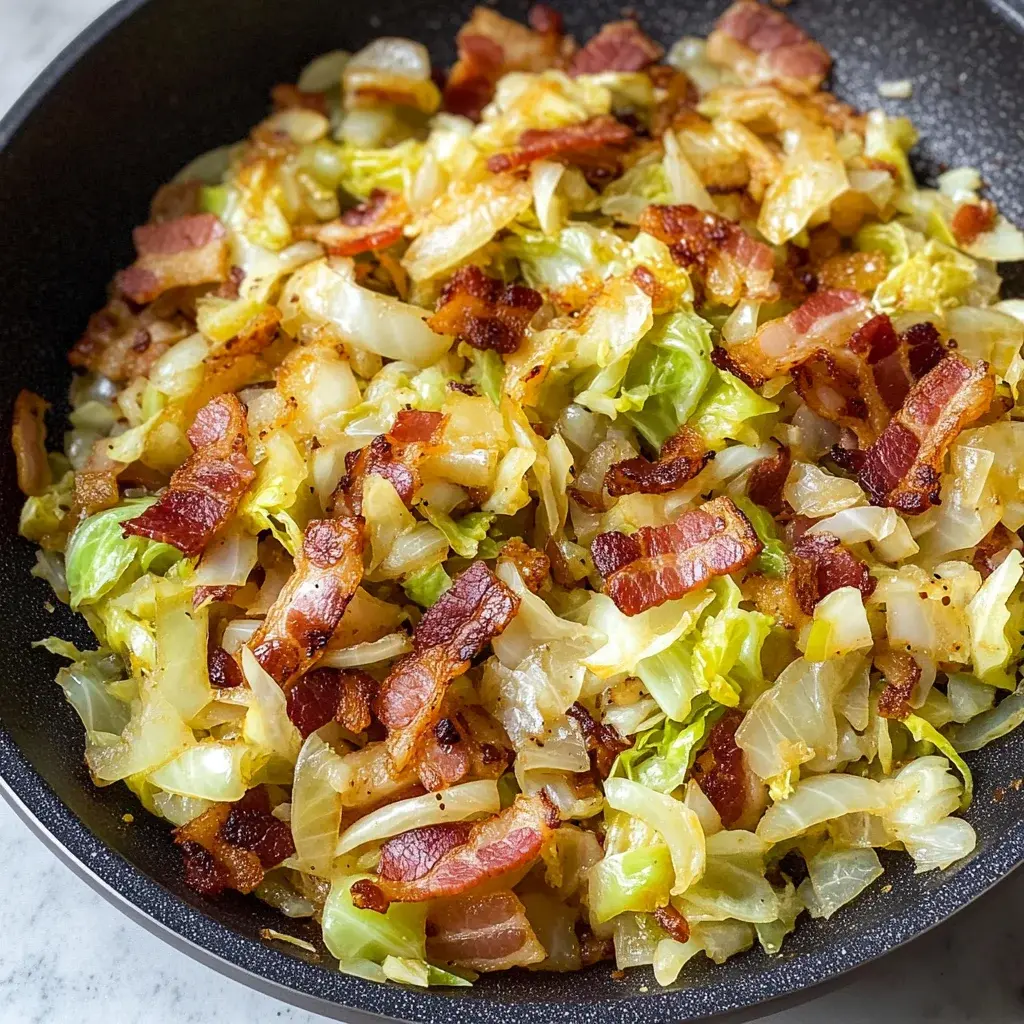
Welcome to a culinary adventure that promises simplicity, flavor, and incredible satisfaction! This chicken bacon and cabbage dish is more than just a meal; it’s a testament to how a few humble ingredients can transform into something truly spectacular with minimal effort. Prepare to be delighted by the harmonious blend of savory, slightly sweet, and comforting notes that will have you reaching for seconds.
Designed for the modern cook who values both taste and time, this recipe is your new go-to for weeknight dinners or delightful weekend lunches. We’ll guide you through each step, ensuring a delicious outcome that’s perfect for any occasion and customizable to your unique palate. Get ready to experience a dish that’s as enjoyable to make as it is to eat.
Why You Will Love This Recipe
- Quick Preparation: This entire dish comes together in about 30 minutes, making it an ideal solution for busy weeknights when you need a delicious meal without the long wait.
- Simple Ingredients: You won’t need to embark on an extensive grocery hunt; the recipe utilizes common pantry staples and easily accessible fresh produce.
- Flavorful Combination: The savory depth of chicken bacon melds beautifully with the natural sweetness of tender cabbage, creating a balanced and incredibly satisfying taste profile.
- Versatile Meal: Enjoy it as a standalone low-carb option, or serve it over your favorite grains or starches for a more substantial and varied dining experience.
- Customizable: Easily adapt the seasonings and add extra vegetables to tailor the dish perfectly to your personal preferences and dietary needs.
Ingredients You Need
The beauty of this chicken bacon and cabbage recipe lies in its straightforward ingredient list, focusing on quality and freshness to bring out the best flavors. Choosing good-quality chicken bacon and a fresh, crisp cabbage will elevate the final dish significantly, ensuring a delightful texture and taste. Remember, simple ingredients often yield the most profound culinary results when treated with care and attention during the cooking process.
Chicken Bacon and Cabbage
This Cabbage and Chicken Bacon dish delivers a delightful blend of flavors that’s both quick and satisfying. In just 30 minutes, you can prepare this easy weeknight meal that highlights the natural sweetness of sautéed cabbage, paired with crispy chicken bacon. Perfect as a standalone dish or served over noodles, potatoes, or rice, this recipe is adaptable to fit your culinary needs. The combination of savory chicken bacon and tender cabbage makes for a hearty and nourishing option without compromising on taste. With simple ingredients and minimal prep, you’ll love how effortlessly this dish comes together, making it ideal for busy nights or family gatherings.
- 6 strips chicken bacon (cut into smaller pieces)
- 1 medium cabbage (cored & chopped)
- 1 medium onion (chopped)
- 1/2 teaspoon smoked paprika (optional)
- Salt & pepper (to taste)
- 1In a deep skillet over medium-high heat, fry the chicken bacon pieces until crispy, about 10 minutes. Remove and set aside, leaving about 2 tablespoons of fat in the skillet.
- 2Sauté the chopped onion in the same skillet for about 3 minutes until translucent.
- 3Add the chopped cabbage and cook for 10-15 minutes, stirring occasionally until desired tenderness is reached.
- 4Stir in smoked paprika and return the cooked chicken bacon to the skillet. Season with salt and pepper as needed before serving.
Keywords: chicken bacon, cabbage, quick dinner, weeknight meal, low-carb, comfort food, easy recipe
The specific quantities for each ingredient are clearly detailed within the recipe card for your convenience.
Variations
This versatile dish opens the door to a world of creative variations, allowing you to adapt it to various dietary preferences and flavor profiles. Whether you’re aiming for a plant-based option, a low-carbohydrate indulgence, or simply want to introduce new tastes, there’s an exciting modification waiting to be explored.
For a delightful vegan twist, you can omit the chicken bacon entirely and introduce smoked tofu or tempeh, pan-fried until crispy and seasoned with a touch of liquid smoke and a pinch of paprika. This adds a satisfying chewiness and smoky essence that beautifully complements the tender cabbage and onions.
If a low-carb lifestyle is your focus, this dish is already a fantastic contender, but you can further enhance it by adding a medley of low-carb vegetables. Think finely chopped bell peppers, zucchini ribbons, or even shredded Brussels sprouts for an extra layer of texture and nutrients. The key is to maintain the balance of flavors while boosting the nutritional content.
Another exciting avenue is exploring different flavor boosters. Consider adding a splash of apple cider vinegar or a squeeze of lemon juice towards the end of cooking to introduce a bright acidity that cuts through the richness of the bacon. A sprinkle of fresh herbs like dill or parsley just before serving also adds a burst of freshness and visual appeal.
How to Prepare chicken bacon cabbage
Step 1: Prepare the Chicken Bacon
Begin by gathering your chicken bacon and a sharp pair of kitchen shears or a trusty knife. The goal here is to cut the chicken bacon into bite-sized pieces, which will ensure even cooking and a delightful crispiness throughout the dish. Smaller, uniform pieces are key to achieving that perfect texture without any single strip becoming overcooked or undercooked.
Once cut, heat a deep skillet over medium-high heat. You want the pan to be hot enough to render the fat from the chicken bacon effectively, creating a foundation of flavor for the rest of the ingredients. Add the cut chicken bacon to the hot skillet in a single layer, allowing it to cook undisturbed for a few minutes to develop a nice sear.
Continue to fry the chicken bacon, stirring occasionally, until it reaches a desirable level of crispiness, typically around 10 minutes. The exact time may vary depending on the thickness and fat content of your bacon. Once perfectly crispy, use a slotted spoon to carefully remove the chicken bacon from the skillet and set it aside on a plate lined with paper towels to drain. This step helps remove excess grease and ensures the bacon remains delightfully crunchy.
Crucially, do not discard all the rendered fat left behind in the skillet. This flavorful chicken bacon fat is liquid gold for sautéing your onions and cabbage, imparting a wonderful savory depth that forms the base of this dish’s exquisite taste. Aim to leave approximately 2 tablespoons of this rendered fat in the pan; it’s the secret to unlocking the full potential of your ingredients.
Step 2: Sauté the Onion
With the crispy chicken bacon removed, the skillet should still contain a small amount of flavorful rendered fat. Now it’s time to introduce the chopped onion to this savory foundation. Add your finely chopped medium onion to the skillet with the reserved chicken bacon fat. Ensure the heat remains at a medium level to prevent the onions from burning too quickly.
Gently stir the onions into the hot fat, allowing them to begin softening and releasing their sweet aroma. The residual heat from the skillet and the rendered bacon fat will work together to create a perfect environment for sautéing. You’ll want to cook the onions, stirring them occasionally, for about 3 minutes.
During this time, the onions will gradually become translucent, transforming from their raw, pungent state into something wonderfully sweet and tender. This gentle sautéing process is vital for developing a complex flavor profile, as it mellows the onion’s sharpness and brings out its natural sugars. The translucent appearance signifies they are ready to be combined with the next key ingredient, setting the stage for a truly delicious meal.
Step 3: Cook the Cabbage
Now it’s time to introduce the star of the show: the cabbage. Take your cored and chopped medium cabbage and add it directly into the skillet with the softened, translucent onions and the delicious rendered chicken bacon fat. The skillet should have enough space to accommodate the cabbage, allowing for even cooking and easy stirring. If your skillet seems a bit crowded, you can add the cabbage in batches.
Stir the cabbage well to ensure it’s coated in the flavorful fat and mingled with the sautéed onions. The cabbage will initially appear quite voluminous, but it will begin to wilt down as it cooks. Maintain a medium heat and stir the cabbage occasionally to promote even cooking and prevent any sticking to the bottom of the pan.
Continue to cook the cabbage for approximately 10 to 15 minutes. The exact duration for cooking the cabbage is a matter of personal preference and the desired texture. If you prefer your cabbage with a bit of a bite and a slight crispness, aim for the shorter end of the cooking time. For a softer, more tender cabbage that melts in your mouth, extend the cooking time, ensuring you stir frequently.
As the cabbage cooks, it will soften, reduce in volume, and begin to absorb the wonderful flavors from the chicken bacon fat and onions. Taste a piece of the cabbage periodically to check for your preferred level of tenderness. This step is crucial for achieving the perfect mouthfeel, balancing the savory elements with the natural sweetness of the cabbage.
Step 4: Combine Ingredients
As the cabbage reaches your desired level of tenderness, it’s time to bring all the elements of this delicious dish together. This final stage is where the magic truly happens, blending the savory, the sweet, and the smoky into a harmonious bite.
In the last minute or two of the cabbage’s cooking time, introduce the optional yet highly recommended smoked paprika. Stir it into the mixture thoroughly, allowing its warm, smoky notes to infuse the cabbage and onions. Smoked paprika adds a wonderful depth of flavor that complements the chicken bacon beautifully, giving the dish an extra layer of complexity without overpowering the other ingredients.
Next, return the pre-cooked, crispy chicken bacon to the skillet. Give everything a good stir to ensure the bacon is evenly distributed throughout the cabbage and onion mixture. The heat from the skillet will gently warm the bacon, bringing back some of its crispiness while allowing its savory essence to meld with the other components.
Finally, season the dish with salt and pepper to your taste. It’s important to taste as you go, as the chicken bacon can already be quite salty. Adjust the seasoning until it perfectly balances the flavors. Once everything is heated through and beautifully combined, serve your delicious chicken bacon and cabbage immediately. Enjoy this comforting and flavorful meal, perfect for any occasion!
Pro Tips for chicken bacon cabbage
To truly elevate your chicken bacon and cabbage dish from good to absolutely spectacular, consider these expert tips that focus on maximizing flavor, texture, and overall culinary success. These small adjustments can make a significant difference in the final outcome, ensuring you impress yourself and your guests with every bite.
Use Fresh, High-Quality Ingredients: The foundation of any great dish is the quality of its components. Opt for fresh, crisp cabbage that has a good weight to it and onions that are firm and free from blemishes. Similarly, selecting a good-quality chicken bacon with a nice balance of meat and fat will significantly impact the final flavor and texture; a higher-quality bacon will render more flavor and achieve a superior crispiness.
Master the Cabbage Texture: The cooking time for cabbage is a critical factor in achieving your desired texture. If you enjoy a slight crunch, reduce the cooking time. For a softer, more yielding cabbage, extend the cooking time, stirring frequently to prevent it from becoming mushy. A good trick is to taste a piece of cabbage as it cooks to gauge its tenderness.
Experiment with Seasonings and Aromatics: While the recipe calls for salt, pepper, and optional smoked paprika, don’t be afraid to explore other flavor additions. A pinch of garlic powder added with the onions can impart a lovely savory note. Fresh herbs like chives, parsley, or dill, stirred in at the very end, add a bright, fresh contrast. A small amount of red pepper flakes can introduce a gentle heat if you like a bit of spice.
Don’t Underestimate Acidity: A common pitfall in richer dishes is a lack of brightness to balance the savory and fatty elements. Just before serving, a small splash of apple cider vinegar or a squeeze of fresh lemon juice can work wonders. This touch of acidity cuts through the richness of the bacon and cabbage, lifting the overall flavor profile and making the dish taste even more vibrant and complex.
Consider the Fat Content: Ensure you leave adequate chicken bacon fat in the pan after rendering it. This fat is crucial for sautéing the onions and cabbage, imparting essential flavor. If you feel there’s too much fat, you can drain some off, but aim to leave at least a couple of tablespoons to lubricate and flavor the vegetables properly. Conversely, if your bacon is very lean, you might need to add a touch of oil to ensure the vegetables don’t stick.
Serving Suggestions for chicken bacon cabbage
Decoration
Elevate the visual appeal of your chicken bacon and cabbage with simple yet impactful garnishes that add both color and freshness. A sprinkle of finely chopped fresh parsley or chives right before serving provides a vibrant green contrast to the earthy tones of the dish. For a touch more elegance, consider a light dusting of paprika or a few crispy fried shallots as a topping. These small decorative touches not only make the dish look more appetizing but also add subtle layers of flavor and texture.
Side Dishes
This hearty chicken bacon and cabbage dish pairs wonderfully with a variety of complementary side dishes, creating a complete and satisfying meal. For a classic comfort food experience, consider serving it alongside creamy mashed potatoes or fluffy white rice, which are perfect for soaking up the flavorful juices. A simple green salad with a light vinaigrette offers a refreshing counterpoint to the richness of the main dish, adding a much-needed element of crispness.
If you’re looking for a low-carb accompaniment, steamed green beans or roasted asparagus are excellent choices that add color and nutrients without adding significant carbohydrates. Garlic bread, with its irresistible aroma and satisfying crunch, is another popular option that complements the savory flavors of the bacon and cabbage beautifully. For a truly comforting meal, a side of cornbread muffins, slightly sweet and tender, provides a delightful textural and flavor contrast.
Exploring international flavors can also lead to interesting pairings. Consider a side of perfectly cooked egg noodles, which will absorb the delicious flavors from the chicken bacon and cabbage mixture. Alternatively, a light and zesty quinoa salad studded with cucumber and tomatoes can offer a healthy and flavorful addition. Even a simple bowl of steamed broccoli drizzled with olive oil adds a nutritious and colorful element to the plate, balancing the savory richness of the main course.
Creative Serving Ideas
Beyond the traditional plate, this chicken bacon and cabbage recipe offers exciting possibilities for creative presentation and unique meal ideas. Transform it into a delightful filling for savory crepes or delicate lettuce wraps, offering a fresh and portable dining experience. The combination of tender cabbage and crispy bacon makes an excellent addition to quesadillas or even as a flavorful topping for baked potatoes, adding an unexpected twist to familiar favorites.
Consider incorporating it into a hearty soup by adding vegetable or chicken broth and simmering until heated through for a comforting, bowl-warming meal. It can also be a fantastic component in a flavorful frittata or quiche, providing a savory depth that complements the eggs and other fillings. Another innovative idea is to use it as a rich and satisfying stuffing for baked bell peppers or portobello mushrooms, creating a visually appealing and delicious vegetarian-friendly main course when the bacon is omitted or replaced.
For a truly rustic presentation, serve the chicken bacon and cabbage in a cast-iron skillet, allowing it to retain heat and adding a charming, home-style appeal. You could also layer it into a shepherd’s pie, replacing the traditional meat filling for a unique take on this classic dish. The versatility of this recipe truly shines when you think outside the box, turning a simple dish into a culinary masterpiece for any occasion.
Preparation & Storage
Storing Leftovers
Should you find yourself with delicious chicken bacon and cabbage leftovers, proper storage is key to maintaining its quality and flavor for future enjoyment. Once the dish has cooled to room temperature, transfer it into an airtight container. This step is crucial to prevent the food from drying out and to keep it protected from any odors in the refrigerator.
Store the airtight container in the refrigerator. Properly stored, this dish will remain at its best for up to 3 to 4 days. It’s always a good practice to consume leftovers within this timeframe to ensure optimal taste and food safety. Before serving, always check for any signs of spoilage, such as off-odors or changes in texture, though with proper storage, this is unlikely.
When you are ready to enjoy the leftovers, it’s best to reheat them gently to restore their original appeal. Avoid leaving the container out at room temperature for extended periods before refrigeration, as this can promote bacterial growth. A swift transition from cooking to cooling and storing is always recommended for the safest and most delicious results.
Freezing
While chicken bacon and cabbage is best enjoyed fresh, it can also be frozen to extend its shelf life considerably, making it a convenient option for future meals. Ensure that the dish has completely cooled down before you begin the freezing process. This prevents the formation of ice crystals, which can affect the texture upon thawing.
Portion the cooled leftovers into freezer-safe containers or heavy-duty freezer bags. It’s important to remove as much air as possible from the containers or bags before sealing them. This air removal is critical for preventing freezer burn, which can dry out the food and impart an undesirable flavor. If using bags, you can place them flat in the freezer to save space and ensure even freezing.
Properly packaged, chicken bacon and cabbage can be stored in the freezer for up to 2 months. While the texture might change slightly upon thawing compared to fresh, the flavors will largely remain intact. Labeling the containers with the date of freezing will help you keep track of your frozen inventory and ensure you use the oldest items first.
Reheating
Reheating your chicken bacon and cabbage leftovers is a straightforward process, designed to bring back the comforting warmth and delicious flavors of the original dish. The best method often depends on your preference and the equipment available, with stovetop, microwave, and oven all being viable options for achieving a satisfying result.
Stovetop Reheating: This is often considered the best method for retaining texture and flavor. Place the desired portion of leftovers in a skillet over medium heat. Add a splash of water, broth, or even a tiny bit of oil if the mixture seems dry. Stir occasionally, allowing the food to heat through evenly. This method helps re-crisp the bacon slightly and prevents the cabbage from becoming mushy.
Microwave Reheating: For a quick and convenient option, transfer the leftovers to a microwave-safe container. Cover the container loosely with a microwave-safe lid or plastic wrap, leaving a small vent for steam to escape. Heat in short intervals of 1-2 minutes, stirring the food in between each interval. This ensures even heating and prevents hot spots. Continue until the dish is heated thoroughly.
Oven Reheating: If you have a bit more time and prefer a gentler reheating method, the oven is a good choice. Preheat your oven to 350°F (175°C). Place the leftovers in an oven-safe dish and cover it with foil to trap moisture. Reheat for about 10-15 minutes, or until the dish is warmed through. You can remove the foil for the last few minutes if you wish to crisp up any elements, like the bacon, slightly.
Frequently Asked Questions
-
How do I make my Chicken Bacon and Cabbage more flavorful?
To boost the flavor of your chicken bacon and cabbage, consider incorporating additional aromatic ingredients during the cooking process. Adding a clove or two of minced garlic along with the onions can introduce a wonderful depth of flavor. For a more complex savory profile, a teaspoon of soy sauce or Worcestershire sauce can be added towards the end of cooking. Experimenting with different herbs, such as thyme or rosemary, can also impart unique and delightful tastes. Finally, a pinch of red pepper flakes can provide a subtle warmth that awakens the palate and enhances the overall taste experience.
-
Can I use other meats instead of Chicken Bacon?
Absolutely! While chicken bacon offers a unique combination of leanness and savory flavor, this recipe is wonderfully adaptable to other protein sources. You can easily substitute it with regular pork bacon, which will lend a richer, smokier flavor and a crispier texture. Turkey bacon is another excellent alternative, providing a lighter option with a similar taste profile. If you prefer not to use bacon, cooked chicken pieces, such as shredded or diced chicken breast, can also be incorporated, though you may need to add a tablespoon or two of olive oil or butter to the pan to sauté the vegetables properly.
-
What can I serve with Chicken Bacon and Cabbage?
This versatile dish pairs beautifully with a wide array of accompaniments, making it suitable for various dining occasions. For a hearty and classic meal, serve it alongside fluffy white rice or creamy mashed potatoes; these starches are perfect for soaking up the delicious rendered bacon fat and savory juices. If you’re seeking a lighter option, a simple side salad with a tangy vinaigrette provides a refreshing contrast. Steamed or roasted vegetables, such as broccoli, asparagus, or green beans, also complement the dish wonderfully, adding color and nutritional value. For those following a low-carb lifestyle, enjoying the chicken bacon and cabbage on its own or with a side of cauliflower mash is an excellent choice.