This is the BEST oven roasted vegetables recipe!
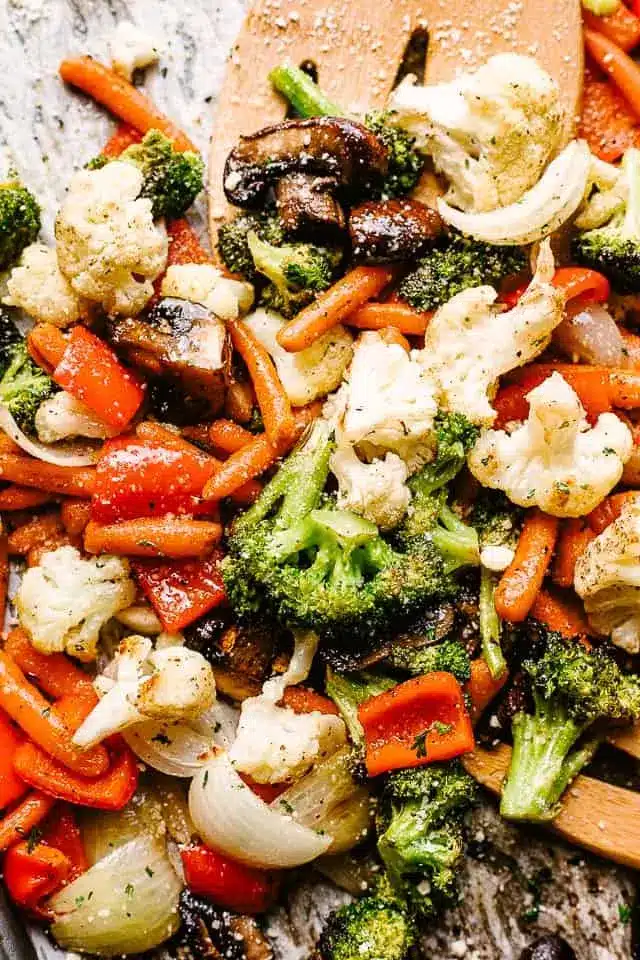
Embarking on a culinary journey with simple ingredients often yields the most delightful results, and these oven-roasted vegetables are a testament to that principle. This recipe transforms humble produce into a symphony of flavors and textures, making it a universally loved side dish. It’s incredibly versatile, allowing for endless creativity and adaptation to suit any palate or occasion.
The magic of oven roasting lies in its ability to caramelize the natural sugars within vegetables, creating a depth of flavor that is both sweet and savory. This process also results in a pleasing tender-crisp texture, offering a satisfying bite that complements a wide array of main courses. Whether you’re a seasoned cook or just starting, this method is foolproof and immensely rewarding, promising a delicious outcome every time.
Why You Will Love This Recipe
- Effortless Preparation: With minimal chopping and a hands-off cooking process, this recipe is perfect for busy weeknights or when you simply want a delicious side without the fuss.
- Flavorful Infusion: The combination of olive oil, Italian seasoning, and garlic powder, enhanced by the natural sweetness of caramelized vegetables, creates an irresistible taste profile that will have everyone asking for seconds.
- Remarkable Versatility: This recipe acts as a fantastic canvas, welcoming a variety of vegetables and seasonings. You can easily adapt it to what’s in season or what you have on hand, making it a go-to for any meal.
- Healthy and Nutritious: Packed with vitamins, minerals, and fiber from a colorful assortment of vegetables, this dish is as good for you as it is delicious, offering a guilt-free way to enjoy a satisfying side.
- Impressive Presentation: The vibrant colors and slightly charred edges of the roasted vegetables make for a visually appealing dish that can elevate any meal, from casual family dinners to more formal gatherings.
Ingredients You Need
The foundation of exceptional oven-roasted vegetables lies in selecting fresh, high-quality produce. While this recipe calls for a specific medley, feel free to explore other seasonal vegetables that roast well, ensuring a delightful culinary experience. Using good quality olive oil also makes a significant difference in achieving that perfect caramelized finish and imparting a rich flavor. Remember that the quality of your ingredients directly impacts the final taste of your dish, so opt for the freshest options available.
Oven Roasted Vegetables
These easy Oven Roasted Vegetables are perfectly tender and packed with flavor! This method for roasting vegetables can be adapted to fit any veggies you've got on hand!
- 2 cups broccoli florets
- 2 cups cauliflower florets
- 2 cups sliced baby portobello mushrooms
- 1 cup thin baby carrots
- 1 red bell pepper, chopped
- 1 small yellow onion, cut into 6 wedges
- 2 tablespoons olive oil
- salt and fresh ground pepper, to taste
- 1½ teaspoons Italian Seasoning
- ½ teaspoon garlic powder
- grated parmesan cheese, for garnish (optional)
- chopped fresh parsley, for garnish (optional)
- 1Preheat oven to 425°F. Line a large baking sheet with foil or parchment paper.
- 2Add all the vegetables to the baking sheet. Drizzle olive oil over the veggies and mix with either a wooden spoon or just use your hands.
- 3Season the vegetables with salt, black pepper, Italian Seasoning, and garlic powder; gently toss until thoroughly combined.
- 4Arrange all the veggies in a single layer and bake for 15 to 20 minutes, stirring halfway through cooking. You want to roast the vegetables until they are fork-tender and lightly browned.
- 5Remove the roasted vegetables from the oven. Garnish with parmesan cheese and parsley, and serve.
Keywords: roasted vegetables, side dish, vegetarian, easy recipe, healthy
The quantities for these delightful ingredients are detailed within the provided recipe card, ensuring precision in your preparation.
Variations
For those following a plant-based lifestyle, transforming this dish into a vegan masterpiece is wonderfully simple. Omit the optional Parmesan cheese and ensure your seasoning blend is entirely plant-derived. You can enhance the umami notes with a splash of soy sauce or a sprinkle of nutritional yeast before roasting, adding another layer of savory depth. This vegan version remains as vibrant and flavorful as the original, offering a satisfying plant-powered side.
If you’re managing carbohydrate intake, this recipe offers excellent low-carb potential with minor adjustments. Focus on non-starchy vegetables like broccoli, cauliflower, bell peppers, mushrooms, and zucchini. Avoid root vegetables like carrots or potatoes, which have higher carbohydrate counts. A sprinkle of herbs like rosemary or thyme can add complexity without adding carbohydrates. This approach keeps the dish light, flavorful, and perfectly aligned with low-carb eating principles.
To introduce a touch of Mediterranean flair, consider infusing your roasted vegetables with classic Greek or Italian herbs and spices. A blend of dried oregano, thyme, and a pinch of red pepper flakes can offer a delightful warmth. A squeeze of fresh lemon juice just before serving brightens the flavors beautifully, while a sprinkle of crumbled feta cheese (if not strictly vegan) adds a briny tang. This variation brings a vibrant, sun-kissed character to your roasted vegetables, reminiscent of coastal cuisine.
How to Prepare Oven Roasted Vegetables
Step 1: Preheat the Oven and Prepare the Baking Sheet
The journey to perfectly roasted vegetables begins with preheating your oven to the optimal temperature. A high heat, specifically 425°F (220°C), is crucial for achieving that desirable caramelization and tender-crisp texture. This high temperature allows the exterior of the vegetables to brown and develop a slightly crispy edge while ensuring the interior becomes tender and cooked through.
Simultaneously, prepare a large baking sheet. Lining it with aluminum foil or parchment paper is highly recommended. This not only prevents the vegetables from sticking to the pan, making cleanup a breeze, but also helps to contain any residual oils or juices that may accumulate during the roasting process. Ensure the lining covers the entire surface of the baking sheet to maximize its protective and non-stick benefits.
A well-prepared baking sheet ensures that the vegetables can roast evenly without becoming stuck, which is a common issue that can lead to uneven cooking and presentation. This initial step sets the stage for success, guaranteeing that your vegetables will roast beautifully and release easily once they are done.
Step 2: Prepare the Vegetables
Begin by washing all your chosen vegetables thoroughly under cool running water. This ensures that any dirt or residues are removed. Pat them completely dry with clean kitchen towels or paper towels; excess moisture can cause vegetables to steam rather than roast, hindering the development of those coveted crispy edges.
Next, prepare the vegetables according to their type and size. Broccoli and cauliflower should be cut into bite-sized florets, ensuring uniformity for even cooking. Mushrooms can be halved or quartered if they are particularly large, while baby carrots can be left whole or thinly sliced lengthwise for quicker cooking. Bell peppers should be deseeded and cut into roughly one-inch pieces, and onions can be wedged or sliced into sizable pieces that will hold their shape during roasting.
The goal is to have all the vegetable pieces relatively uniform in size. This consistency is key to ensuring that all the vegetables cook at the same rate, preventing some from becoming overcooked and mushy while others remain undercooked. If you’re including vegetables with different cooking times, consider cutting denser vegetables into smaller pieces. For instance, if adding heartier root vegetables like sweet potatoes (though generally not recommended for this recipe due to longer cooking times), cut them into very small cubes.
Step 3: Season the Vegetables
Once your vegetables are prepped and ready, it’s time to introduce them to the flavors that will make them shine. Transfer all the prepared vegetables directly onto the lined baking sheet. This makes it easy to toss and season them without making a mess in a separate bowl. Ensure there’s enough space for easy handling during this seasoning stage.
Drizzle the olive oil generously over the entire collection of vegetables. The oil acts as a crucial carrier for the seasonings and helps to facilitate the caramelization process, ensuring that the vegetables develop a beautiful golden-brown hue and a tender texture. Using your hands is often the most effective way to ensure every piece is evenly coated. Gently toss and massage the oil into the vegetables, making sure each floret, slice, and wedge is lightly coated.
After the oil has coated everything, it’s time for the dry seasonings. Sprinkle salt, freshly ground black pepper, Italian seasoning, and garlic powder evenly over the oiled vegetables. The salt enhances the natural flavors, while the pepper adds a subtle kick. Italian seasoning provides a wonderful blend of herbs, and garlic powder offers a convenient way to infuse garlic flavor without burning fresh garlic. Toss the vegetables again with your hands until all the seasonings are thoroughly distributed and clinging to the oiled surfaces.
Step 4: Arrange for Roasting
This is a critical step for achieving perfectly roasted vegetables that are tender and slightly caramelized, rather than steamed. Carefully arrange all the seasoned vegetables in a single, even layer on the prepared baking sheet. It is absolutely essential that the vegetables are not overcrowded and that there are no overlapping pieces. Overcrowding causes the vegetables to steam in their own moisture, which prevents them from browning and developing that desirable crisp texture.
If your baking sheet is not large enough to accommodate all the vegetables in a single layer, do not be tempted to pile them up. Instead, use a second baking sheet. This ensures adequate space for air circulation around each piece of vegetable. Good air circulation is paramount for roasting; it allows the hot air in the oven to reach all surfaces of the vegetables, promoting even cooking and caramelization.
Taking the time to spread the vegetables out properly will significantly impact the final outcome. Each piece needs direct contact with the hot air and the baking sheet to achieve the perfect balance of tender interior and slightly crispy exterior. This step is a hallmark of truly exceptional roasted vegetables and is often the secret to professional-looking results at home.
Step 5: Bake and Stir Midway
Once the vegetables are artfully arranged in a single layer, they are ready for the oven. Place the baking sheet in the preheated 425°F (220°C) oven. Allow the vegetables to roast for approximately 15 to 20 minutes. This initial baking time begins the process of softening the vegetables and encouraging the edges to start browning.
However, the magic of roasting doesn’t happen without a little intervention. After about half of the recommended cooking time has elapsed, carefully remove the baking sheet from the oven. Using a spatula or tongs, gently stir the vegetables. This step is vital for ensuring that all sides of the vegetables are exposed to the heat and have a chance to develop that beautiful, caramelized exterior. It also helps to promote even cooking throughout.
Return the baking sheet to the oven to continue roasting for the remaining time. Continue to monitor the vegetables for doneness. You are looking for them to be tender when pierced with a fork or knife, and to have appealing, slightly charred edges that indicate successful caramelization. The exact cooking time can vary slightly depending on your oven and the size of your vegetable pieces.
Step 6: Check for Doneness and Finish
As the roasting time nears completion, it’s time to assess the vegetables for their perfect stage of doneness. Gently pierce a few of the larger vegetable pieces with the tip of a sharp knife or a fork. They should be easily pierced, indicating that they are tender on the inside. Simultaneously, visually inspect the edges of the vegetables; you are looking for those delightful golden-brown and slightly charred spots that signify rich flavor development.
Some people prefer their vegetables crisp-tender, meaning they still have a slight bite. Others enjoy them softer and more yielding. Adjust the roasting time slightly based on your personal preference. If they are not yet tender or browned enough, return them to the oven for an additional 3-5 minutes, keeping a close eye to prevent burning.
Once they have reached your desired level of tenderness and caramelization, carefully remove the baking sheet from the oven. At this point, you can add the optional finishing touches. Sprinkle the grated Parmesan cheese and chopped fresh parsley over the hot vegetables. The residual heat will gently melt the cheese, and the parsley will add a burst of fresh color and aroma. A final drizzle of balsamic glaze or a squeeze of lemon juice can also add an extra layer of complexity and brightness, elevating the dish even further before serving.
Pro Tips for Oven Roasted Vegetables
Don’t Overcrowd the Pan: This is arguably the most important tip for achieving beautifully roasted vegetables. Overcrowding leads to steaming, not roasting, resulting in soggy, unappealing produce. Use a large enough baking sheet, or multiple sheets if necessary, to ensure all vegetables are in a single layer with ample space between them for air circulation.
High Heat is Key: Roasting vegetables at a high temperature, ideally 400-425°F (200-220°C), is essential for caramelization. This heat sears the exterior, bringing out the natural sugars and creating those delicious crispy edges and tender interiors. Lower temperatures may cook the vegetables, but they won’t achieve the same depth of flavor or appealing texture.
Even Size Matters: Cut your vegetables into uniform, bite-sized pieces. This ensures that they cook evenly. If you have a mix of vegetables with different densities, consider cutting denser items like carrots or potatoes into smaller pieces than softer ones like zucchini or bell peppers. This promotes consistent cooking times across the board.
Embrace the Stir: Midway through the roasting process, give the vegetables a good stir or toss. This simple action exposes different sides of the vegetables to the heat, promoting even browning and preventing any single side from becoming overly charred or undercooked. It’s a small step that makes a significant difference in the final appearance and texture.
Season Generously and Appropriately: Don’t be shy with your seasonings! Olive oil is a must for helping flavors adhere and for achieving that lovely crispness. Salt and pepper are foundational, but feel free to experiment with dried herbs like rosemary, thyme, or oregano, spices like paprika or chili powder, or even a touch of garlic or onion powder. Taste and adjust seasoning as needed before roasting, and consider a final flourish after cooking.
Serving Suggestions for Oven Roasted Vegetables
Decoration
To elevate the visual appeal of your oven-roasted vegetables, consider a thoughtful garnish. A scattering of freshly chopped herbs like parsley, chives, or cilantro adds a vibrant pop of color and a burst of freshness. For a touch of sophistication, a few strategically placed edible flowers can provide an elegant touch. A sprinkle of toasted sesame seeds or a drizzle of balsamic glaze can also add visual interest and an extra layer of flavor.
Side Dishes
These versatile roasted vegetables serve as an exceptional accompaniment to a wide variety of main courses. They pair beautifully with grilled or roasted meats, such as steak, chicken, or pork. For seafood lovers, they are a perfect match for salmon, cod, or shrimp dishes, offering a fresh counterpoint to the richness of the fish. They also complement vegetarian and vegan mains wonderfully, adding color and substance to lentil loaves, tofu steaks, or hearty grain bowls.
Consider serving them alongside a perfectly cooked baked lemon chicken for a bright and zesty meal. Alternatively, they can be a delightful partner to a comforting bowl of easy lobster bisque, providing a textural contrast. Their adaptability makes them suitable for virtually any cuisine, from Mediterranean to simple American fare, making them a true culinary workhorse in your kitchen rotation.
Creative Serving Ideas
Beyond a simple side, oven-roasted vegetables can be incorporated into more elaborate dishes. Toss them into a pasta salad for added texture and flavor, or layer them into a frittata or quiche for a delicious brunch or light dinner option. They also make a fantastic filling for wraps, sandwiches, or quesadillas, offering a healthy and flavorful component. Furthermore, they can be a key ingredient in a vibrant grain bowl, served over quinoa, farro, or rice with a complementary dressing.
For a more substantial meal, consider using them as a topping for pizzas or flatbreads, perhaps with a drizzle of pesto or a sprinkle of goat cheese. They can also be blended into soups for an added depth of flavor and richness, or even pureed into a flavorful dip or spread. Their adaptability is truly boundless, offering endless possibilities for creative culinary expression, and they are a fantastic way to incorporate more vegetables into your diet in a delicious and engaging manner.
Preparation & Storage
Storing Leftovers
Leftover oven-roasted vegetables can be stored in an airtight container in the refrigerator for up to 3 to 4 days. Ensure the vegetables have cooled completely before transferring them to the container to prevent condensation buildup, which can make them soggy. Proper storage is key to maintaining their quality and flavor for later enjoyment. This makes them an excellent candidate for meal prepping lunches or quick dinner additions throughout the week.
When storing, it’s best to avoid adding any fresh herbs or delicate sauces until just before serving, as these can degrade in quality over time in the refrigerator. If you plan on using them in a dish where moisture is a concern, like a stir-fry, you might consider draining off any accumulated liquid before reheating. This simple step helps preserve their texture and overall appeal.
For optimal results, consider storing different types of vegetables separately if they have significantly different moisture contents or textures, although for most home cooking purposes, a single container is usually sufficient. The goal is to minimize their exposure to air to prevent them from drying out or absorbing other odors from the refrigerator.
Freezing
Freezing oven-roasted vegetables is possible, but it’s important to manage expectations regarding texture. While they will retain much of their flavor, the freezing and thawing process can soften them, making them less crisp. To freeze, spread the cooled roasted vegetables in a single layer on a baking sheet and freeze until solid. This flash-freezing prevents them from clumping together into a solid block.
Once frozen solid, transfer the vegetables to freezer-safe bags or airtight containers, removing as much air as possible. They can be stored in the freezer for up to 2-3 months. For best results, consider using frozen roasted vegetables in dishes where their texture will be less noticeable, such as in soups, stews, casseroles, or blended into sauces, rather than as a standalone side dish.
When you’re ready to use them, thaw them in the refrigerator overnight or gently reheat them directly from frozen. Be aware that they may release more liquid than fresh roasted vegetables when cooked, so you might need to adjust cooking times or drain excess moisture. Using them in cooked applications rather than trying to serve them cold is generally recommended.
Reheating
To reheat oven-roasted vegetables and best preserve their texture and flavor, the oven is your best bet. Preheat your oven to a moderate temperature, around 350-400°F (175-200°C). Spread the leftover vegetables in a single layer on a baking sheet, similar to how you initially roasted them. This allows hot air to circulate around them, helping to revive some of their original crispness.
Roast for about 5-10 minutes, or until they are heated through and have regained some of their appealing texture. Keep a close eye on them to prevent them from becoming overcooked or dry. If they seem a little dry, you can add a tablespoon of olive oil or a splash of water to the pan before reheating to help them along. This method is far superior to microwaving, which tends to make them soft and rubbery.
If you are in a hurry, a quick sauté in a skillet over medium-high heat can also work. Add a little oil and toss the vegetables until they are heated through and slightly crisped. This method can often bring back a good amount of their texture. Regardless of the reheating method, aim to serve them immediately after heating to enjoy them at their best. Proper reheating is key to enjoying leftovers as much as the freshly made dish.
Frequently Asked Questions
-
What are the best vegetables to roast, and how do I ensure they all cook evenly?
A wide variety of vegetables roast beautifully, including broccoli, cauliflower, bell peppers, onions, zucchini, asparagus, green beans, Brussels sprouts, carrots, and mushrooms. The key to even cooking is cutting them into uniform, bite-sized pieces, ensuring that denser vegetables like carrots or Brussels sprouts are cut smaller than softer ones like zucchini or bell peppers. Always arrange them in a single layer on the baking sheet, allowing for adequate air circulation. If you are including vegetables with significantly different cooking times, such as root vegetables alongside quicker-cooking greens, consider adding the denser vegetables to the pan first, allowing them to roast for 10-15 minutes before adding the quicker-cooking ones.
-
Can I use different seasonings or herbs for my roasted vegetables?
Absolutely! The provided Italian seasoning and garlic powder are a fantastic starting point, but the possibilities are virtually endless. For a smoky flavor, add smoked paprika or chipotle powder. For an aromatic touch, consider dried rosemary, thyme, or Herbes de Provence. A pinch of red pepper flakes can add a pleasant warmth, while curry powder or garam masala can bring an Indian-inspired twist. Fresh herbs like rosemary, thyme, or sage can be added during the last 10 minutes of roasting, or chopped parsley, cilantro, or chives can be tossed in just before serving for a fresh finish. Lemon zest or a squeeze of fresh lemon juice can also brighten the flavors wonderfully.
-
What is the best way to make oven-roasted vegetables crispy, not soggy?
Achieving crispiness is all about heat, space, and dryness. Ensure your oven is preheated to a high temperature, ideally 425°F (220°C), as this high heat promotes caramelization and evaporation of moisture. Crucially, do not overcrowd the baking sheet; spread the vegetables in a single layer with space between each piece. Overcrowding causes vegetables to steam, releasing moisture and making them soggy. Also, ensure the vegetables are thoroughly dried after washing before tossing them with oil and seasonings. Using enough olive oil to lightly coat each piece is also important for achieving that desired crisp exterior.