Tasty Korean Winter Soup Recipe – Cozy & Irresistible Delight
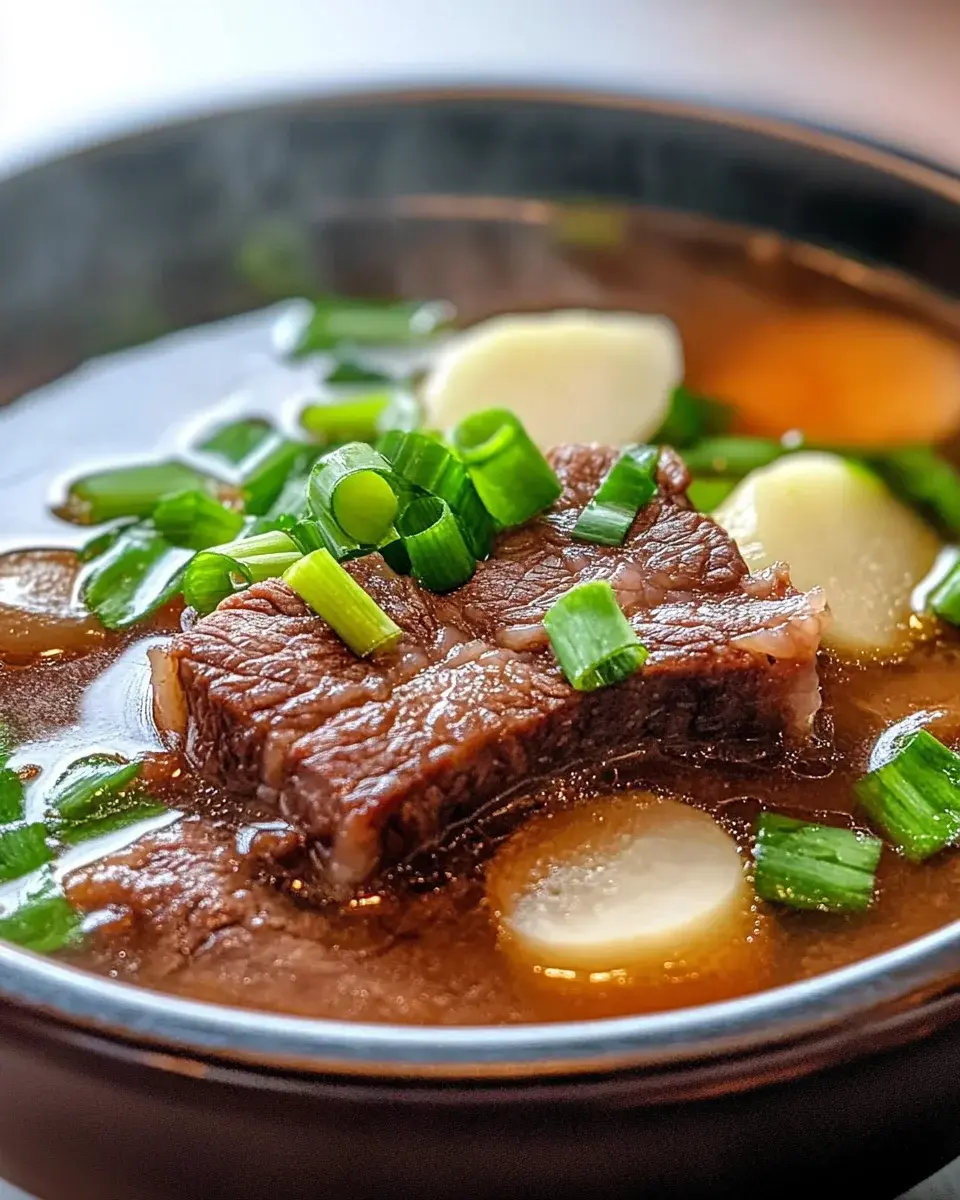
As the chill of winter descends, there’s nothing quite like a steaming bowl of soup to bring warmth and comfort to your soul. This Tasty Korean Winter Soup is more than just a meal; it’s an embrace in a bowl, rich with tradition and bursting with savory flavors. Imagine tender pieces of beef short ribs, slow-simmered in a deeply aromatic broth, creating a culinary experience that nourishes both body and spirit.
This recipe offers a delightful journey into Korean home cooking, perfect for those seeking a hearty and satisfying dish that’s both accessible and deeply rewarding. Its comforting nature makes it an ideal centerpiece for family dinners on cold evenings, or a soothing companion for a quiet night in, proving that the best meals are often the ones that feel like a warm hug.
Why You Will Love This Recipe
- Effortless Preparation: Despite its complex flavor, this soup is surprisingly easy to make, requiring minimal active cooking time and straightforward steps that even novice cooks can master.
- Deep, Satisfying Flavor: The slow simmering of beef short ribs with aromatics like ginger and onion creates an unparalleled depth of taste that permeates every spoonful.
- Ultimate Comfort Food: This soup is designed to combat the coldest days, providing a genuinely comforting and soul-warming experience with every single bite.
- Adaptable to Your Taste: The beauty of this recipe lies in its flexibility; you can easily incorporate your favorite vegetables or adjust the seasonings to perfectly match your personal preference.
- Nutritionally Rich: Beyond its delicious taste, this soup is packed with protein from the beef and beneficial nutrients from the vegetables, making it a wholesome choice for a satisfying meal.
Ingredients You Need
Crafting this exceptional Korean Winter Soup begins with selecting the finest ingredients, as their quality directly influences the final outcome. Freshness and good sourcing are key to unlocking the soup’s full potential, ensuring a broth that is both clear and deeply flavorful. The beef short ribs should be well-marbled for maximum tenderness, and the aromatics vibrant and aromatic to infuse the broth with their essence.
Tasty Korean Winter Soup
A comforting and flavorful Korean winter soup featuring tender beef short ribs simmered in a rich broth, perfect for chilly nights.
- 1.5 lbs beef short ribs
- 10 cups water
- 1 whole yellow onion, with skin (if organic)
- 2 green onions or 1 Korean leek (for broth)
- 2 thick slices of ginger
- 1/2 medium radish, quartered into thin slices
- 2 tablespoons chopped garlic or 5-6 whole cloves
- 1 tablespoon soy sauce for soup (guk ganjang)
- 1 1/2 teaspoons sea salt
- For topping: 2 green onions or 1 Korean leek, sliced; 3-4 dried or fresh green onion roots (optional)
- 1Place beef short ribs in a large pot and cover with water.
- 2Add yellow onion, green onions or leek, ginger slices, and optional green onion roots. Bring to a boil over medium heat.
- 3Reduce heat to low and simmer for about 90 minutes, skimming off any foam that rises.
- 4Remove beef short ribs and strain the broth into another pot.
- 5Return the clear broth to heat and stir in soy sauce and sea salt to taste.
- 6Add sliced radish and shredded beef from the ribs back into the broth.
- 7Garnish with sliced green onions before serving hot.
Keywords: Korean soup, winter soup, beef soup, beef short ribs, hearty soup, comfort food, traditional Korean
These are the foundational elements that will transform simple components into a culinary masterpiece. Remember, the exact quantities for these ingredients are detailed within the provided recipe card for your convenience.
Variations
While the classic Korean Winter Soup is undeniably superb, its inherent adaptability allows for exciting variations that cater to diverse dietary needs and flavor preferences. This versatility ensures that everyone can enjoy a comforting bowl, regardless of their culinary constraints or desires.
For those embracing a plant-based diet, transforming this soup into a vegan delight is wonderfully straightforward. Simply substitute the beef short ribs with hearty mushrooms like shiitake or king oyster, and opt for a rich vegetable broth as the base. Adding ingredients such as firm tofu, daikon radish, and an array of vibrant greens like spinach or bok choy will create a satisfying and deeply flavorful vegan rendition that captures the essence of the original.
A low-carb approach can also be beautifully integrated into this soup’s framework. To achieve this, omit traditional starches like rice or noodles and focus on a medley of low-carbohydrate vegetables. Think cauliflower florets, broccoli, zucchini, and bell peppers. For added protein and richness, consider incorporating chicken or pork belly, ensuring they are simmered until wonderfully tender within the savory broth. The key is to maximize flavor from the broth and complementary low-carb ingredients.
Furthermore, you can explore global influences by adding a twist. Imagine infusing the broth with a touch of lemongrass and galangal for a subtle Southeast Asian flair, or perhaps incorporating a hint of smoked paprika for a Spanish-inspired warmth. These creative additions demonstrate how a foundational recipe like this Korean Winter Soup can serve as a canvas for culinary exploration, leading to unique and delightful flavor profiles.
How to Prepare Korean Winter Soup Recipe
Step 1: Preparing the Beef for the Broth
The foundation of any rich soup lies in its broth, and for this Korean Winter Soup, that means starting with high-quality beef short ribs. Begin by rinsing the beef short ribs under cold running water to remove any surface impurities. Pat them thoroughly dry with paper towels; this step is crucial for achieving a clean-tasting broth later on.
Place the prepared beef short ribs into a large, heavy-bottomed pot or Dutch oven. Ensure the pot is spacious enough to comfortably accommodate the meat and the subsequent water without overcrowding, which is vital for even cooking. The initial visual appeal of the meat is the first indicator of the quality of the soup you are about to create.
Now, generously cover the beef short ribs with approximately 10 cups of cold water. Using cold water is important as it allows the impurities from the meat to gradually rise to the surface as the water heats up, making them easier to skim off later. This meticulous approach to the initial stage sets the stage for a clear and profoundly flavorful broth.
Step 2: Infusing the Broth with Aromatics
Once the beef is submerged in water, it’s time to introduce the aromatic elements that will imbue the broth with its characteristic depth and warmth. This stage is where the magic truly begins to unfold, transforming simple water and meat into a fragrant elixir.
Add a whole yellow onion, keeping the skin on if it’s organic, as the skin contributes to the broth’s beautiful golden hue and imparts subtle earthy notes. Alongside the onion, toss in two green onions or one Korean leek, roughly chopped. You’ll also add two thick slices of fresh ginger, which are essential for their pungent warmth and digestive properties.
If you have them available, incorporating three to four dried or fresh green onion roots can add another layer of subtle, savory flavor to the broth. These often-discarded parts of the vegetable hold a surprising amount of taste, contributing to a more complex and authentic final product. Together, these aromatics will work harmoniously with the beef to create a foundation of unparalleled flavor.
Step 3: The Art of Slow Simmering
With all the primary ingredients now in the pot, the next phase is the patient and crucial process of slow simmering. This is where the beef will tenderize beautifully and its savory essence will meld with the aromatics to create the soup’s signature rich broth.
Bring the contents of the pot to a rolling boil over medium heat. Once a vigorous boil is achieved, immediately reduce the heat to low. The goal is to maintain a gentle simmer, where only a few bubbles occasionally break the surface, rather than a rapid boil which can make the broth cloudy and toughen the meat.
Let the soup simmer undisturbed for approximately 90 minutes. During this extended cooking period, it is important to periodically skim off any foam or impurities that rise to the surface using a fine-mesh sieve or a large spoon. This step is vital for ensuring a clean, clear broth that is free from any undesirable off-flavors or textures.
Step 4: Refining the Broth and Preparing the Beef
After the dedicated 90-minute simmering period, the broth will have developed a wonderfully deep flavor, and the beef short ribs will be exceptionally tender. The next steps focus on separating these elements and preparing them for the final assembly of the soup, ensuring a refined texture and presentation.
Carefully remove the beef short ribs from the pot using tongs or a slotted spoon. Place them on a clean plate or cutting board to cool slightly. While the beef is still warm enough to handle but not scalding hot, you can begin to shred or cut it into bite-sized pieces, separating the meat from any excess fat or bones. This preparation ensures that the beef is ready to be incorporated back into the soup for optimal enjoyment.
Next, strain the rich broth through a fine-mesh sieve into a clean pot or a large heatproof bowl. Discard the cooked aromatics (onion, green onion, ginger, etc.) as their flavorful essence has now been fully extracted into the liquid. This straining process removes any small bits of solids, ensuring a crystal-clear and pure broth, which is characteristic of a well-made Korean soup.
Step 5: Seasoning and Final Flavor Development
Now that you have a beautifully clear and flavorful broth, it’s time to season it perfectly and bring all the components together for the final stage of cooking. This is where the soup truly comes alive with its distinctive Korean taste profile.
Return the strained, clear broth to the stovetop over medium heat. Allow it to come to a gentle simmer. At this point, you will introduce the primary seasonings: one tablespoon of Korean soup soy sauce (also known as guk ganjang) and one and a half teaspoons of sea salt. These specific ingredients are chosen for their nuanced flavor, with soup soy sauce offering a saltier, lighter profile than regular soy sauce, perfect for broths.
Stir these seasonings into the broth until they are fully dissolved. It is crucial to taste the broth at this stage and adjust the seasoning as needed. Depending on the saltiness of your soy sauce and your personal preference, you may wish to add a little more salt or soy sauce to achieve the perfect balance. This step ensures that the soup is not only rich but also perfectly seasoned to your liking.
Step 6: Assembling and Serving the Soup
The final step involves bringing all the prepared elements together to create the iconic Korean Winter Soup, ready to be served piping hot. This is the culmination of all your efforts, resulting in a visually appealing and incredibly comforting dish.
Gently place the thinly sliced radish back into the simmering broth. The radish will soften slightly, absorbing some of the broth’s flavor while adding its own mild, pleasant crunch. Then, add the shredded or bite-sized pieces of beef short rib back into the pot. Allow these additions to heat through for a few minutes, ensuring they are warmed and ready to be enjoyed.
Ladle the steaming soup generously into individual serving bowls. Garnish each bowl with a sprinkle of freshly sliced green onions just before serving. This final touch not only adds a burst of fresh, slightly sharp flavor but also provides a beautiful pop of color, signaling that your delicious Korean Winter Soup is ready to be savored. Enjoy this deeply satisfying meal that warms you from the inside out.
Pro Tips for Korean Winter Soup Recipe
Elevating your Korean Winter Soup from delicious to absolutely extraordinary is an achievable goal with a few expert insights. These tips focus on enhancing flavor, texture, and overall presentation, ensuring every bowl is a triumph.
Prioritize Quality Ingredients: Always begin with the freshest possible ingredients. For the beef short ribs, seek out well-marbled cuts for maximum tenderness and rich flavor. Similarly, ensure your ginger is plump and fragrant, and your onions and green onions are crisp and vibrant. The quality of your foundation ingredients will directly translate into the quality of your soup, making this the most important tip.
Extend the Simmering Time: While 90 minutes is a solid starting point, allowing the broth to simmer for even longer, perhaps up to two or even three hours on a very low heat, can unlock deeper, more complex flavors. This extended period allows the bones to release more collagen and marrow, resulting in a richer, more unctuous broth that is incredibly satisfying.
Regularly Skim the Broth: Don’t underestimate the importance of skimming. As the soup simmers, impurities and excess fat will rise to the surface. Regularly removing this foamy residue with a fine-mesh skimmer or a large spoon is crucial for achieving a clean, clear broth that is not only visually appealing but also tastes lighter and more refined. This step prevents any undesirable “gamey” flavors from lingering.
Season Incrementally: When it comes to adding salt and soy sauce, it’s always best to do so gradually. Different brands of soy sauce have varying salt levels, and personal taste preferences differ significantly. Add a portion of the seasoning, stir well, and then taste. Repeat this process until you achieve the perfect balance of savory, salty, and umami flavors that suits your palate precisely.
Consider a Broth Boost: For an extra layer of umami and depth, consider adding a small piece of dried kelp (dashima) to the broth during the last 30 minutes of simmering. Remove the kelp before straining. This addition imparts a subtle oceanic savoriness that complements the beef beautifully. Alternatively, a dash of fish sauce can also be used sparingly to enhance the savory notes, but use it with caution as it’s potent.
Serving Suggestions for Korean Winter Soup Recipe
Decoration
The final flourish of any dish lies in its presentation, and this Korean Winter Soup is no exception. Thoughtful garnishing not only enhances visual appeal but also adds fresh textures and aromatic notes that complement the rich broth. A vibrant sprinkle of freshly chopped green onions is the classic and most effective garnish, providing a welcome pop of color and a subtle, fresh onion flavor that cuts through the richness of the soup. Toasted sesame seeds can also be added for a nutty aroma and a delightful textural contrast, offering a delicate crunch with every spoonful.
Side Dishes
Korean cuisine is renowned for its array of complementary side dishes, known as banchan, which are essential for a complete dining experience. Kimchi, in its various forms (spicy cabbage, radish, or cucumber), is almost mandatory, its fermented tang and spice providing a perfect counterpoint to the comforting warmth of the soup. Steamed white rice is another perfect accompaniment, ideal for soaking up every last drop of the flavorful broth. For those seeking variety, consider a simple pickled radish salad (danmuji muchim) for a refreshing crunch, or perhaps some pan-fried dumplings (mandu) for an added protein boost and satisfying chew.
Creative Serving Ideas
To elevate the serving experience, think beyond the traditional bowl. Presenting the soup in individual earthenware pots (ttukbaegi) keeps it piping hot at the table, allowing diners to enjoy the warmth for longer. For a more casual gathering, serve the soup buffet-style with a selection of pre-shredded beef and sliced radishes on the side, allowing guests to customize their bowls. You could also offer a small side of steamed rice mixed with a touch of seasoned seaweed (gim) for a delightful textural and flavor combination, enhancing the overall meal with a sense of interactive enjoyment.
Preparation & Storage
Storing Leftovers
Should you be fortunate enough to have any of this delicious Korean Winter Soup left over, proper storage is key to maintaining its quality. Ensure the soup has cooled down to room temperature before transferring it to an airtight container. This prevents condensation from forming, which can lead to a less desirable texture upon reheating. Once properly sealed, the soup can be safely stored in the refrigerator for up to 3 to 4 days, retaining its rich flavor and comforting essence.
Freezing
This hearty soup is an excellent candidate for freezing, making it perfect for future convenient meals. Once the soup has cooled completely, ladle it into freezer-safe containers or heavy-duty freezer bags. It’s advisable to portion the soup into serving sizes before freezing, as this makes thawing and reheating much more manageable. Properly frozen, this Korean Winter Soup can maintain its quality for up to 3 months, offering a comforting meal whenever the craving strikes.
Reheating
Reheating this flavorful soup is a straightforward process that can be accomplished using several methods. On the stovetop, gently warm the soup in a pot over medium-low heat, stirring occasionally to ensure even heating and prevent sticking. In the microwave, reheat in a microwave-safe bowl, stirring every minute or so until thoroughly heated through. If you prefer using the oven, preheat it to 350°F (175°C) and place the soup in an oven-safe dish, allowing it to warm up gradually until it reaches your desired temperature.
Frequently Asked Questions
-
What makes this Tasty Korean Winter Soup Recipe so comforting?
The profound comfort derived from this Korean Winter Soup stems from a harmonious blend of deeply savory, slow-cooked beef short ribs and a rich, aromatic broth infused with ginger and onion. This combination creates a warming, hearty dish that is particularly soul-soothing during colder months. The tender meat and the nourishing liquid work in synergy to provide a sense of deep satisfaction and well-being, making it an ideal meal for relaxation and replenishment.
-
Can I customize the Tasty Korean Winter Soup Recipe with different vegetables or proteins?
Absolutely! The beauty of this Korean Winter Soup lies in its inherent adaptability. You can readily incorporate a wide array of vegetables such as carrots, daikon radish, mushrooms (like shiitake or enoki), or leafy greens such as spinach or bok choy. For protein variations, consider using chicken thigh, pork shoulder, or even adding firm tofu for a vegetarian-friendly option, ensuring they are cooked to tenderness within the flavorful broth.
-
How can I enhance the flavor profile of my Tasty Korean Winter Soup Recipe beyond the basic ingredients?
To further elevate the flavor, consider a few sophisticated additions. A small amount of Korean chili paste (gochujang) can add a subtle spicy kick and depth, while a splash of toasted sesame oil right before serving imparts a wonderful nutty aroma and rich flavor. For an umami boost, a small piece of dried kelp (dashima) simmered in the broth for the last 30 minutes (and then removed) can add a delicate, oceanic savoriness. A sprinkle of finely minced garlic or a pinch of red pepper flakes can also be added to the broth during the final seasoning for an extra layer of zest.