Mozzarella Chicken in Tomato Sauce – Easy Dinner Idea!
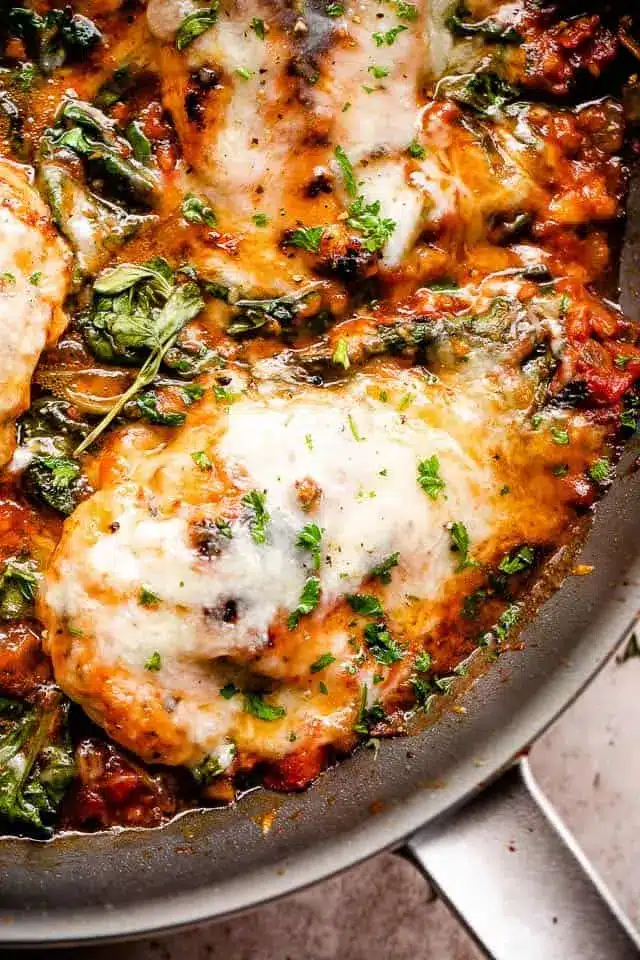
Embarking on a culinary journey doesn’t always require exotic ingredients or hours spent in the kitchen. This delightful chicken in tomato sauce recipe proves that simplicity can indeed be the ultimate sophistication, delivering a symphony of flavors that will transport your taste buds straight to an authentic Italian trattoria.
Imagine tender, juicy chicken breasts enveloped in a vibrant, rich tomato sauce, crowned with bubbling, melted mozzarella cheese. This dish is not just a meal; it’s an experience, perfect for a weeknight dinner that feels special or a gathering of loved ones who appreciate good food made with love.
Why You Will Love This Recipe
- Effortless Preparation: Designed for busy home cooks, this recipe minimizes prep time and utilizes a single pan for maximum flavor and minimal cleanup. You can create a restaurant-quality dish without the fuss.
- Incredible Flavor Profile: The combination of fresh tomatoes, aromatic garlic and onion, savory herbs, and creamy mozzarella creates a layered taste experience that is both comforting and exciting. It’s a testament to how simple ingredients can harmonize beautifully.
- Customizable Versatility: While this recipe is delicious as is, it also offers a fantastic canvas for your personal culinary creativity, allowing for easy adaptations to suit various dietary needs and preferences. You can truly make it your own.
- Family-Approved Delight: This dish is consistently a hit with all ages, making it a go-to option for ensuring everyone at the table enjoys their meal with enthusiasm. Its universally appealing taste makes it a winner every time.
- Visually Appealing Presentation: The vibrant red of the tomato sauce, the bright green of the spinach, and the golden-brown, melted cheese create a visually stunning plate that is as delightful to look at as it is to eat. It’s a dish that truly sings on the table.
Ingredients You Need
Crafting this exquisite chicken in tomato sauce begins with selecting high-quality, fresh ingredients. The beauty of this dish lies in its ability to elevate humble staples into something truly extraordinary, ensuring a memorable dining experience for you and your family. Each component plays a vital role in building the complex yet harmonious flavor profile.
Easy Cheesy Chicken in Tomato Sauce

This super simple Chicken in Tomato Sauce recipe is so easy to make, and it uses only one pan, but the amazing flavors and cheesy finish taste as if they came from an authentic Italian Cucina! Fresh tomatoes, spinach, rich mozzarella, and pungent herbs make a truly special meal. Versatile and delicious chicken breasts get a light and fresh Italian finish in this easy pan-seared dish of chicken in tomato sauce. The chicken breasts are cooked to a tender and juicy deliciousness, layered in a sauce of fresh onions, garlic, and tomatoes cooked gently in butter, and then topped with melted mozzarella! Bellissimo!
- 4 (1 pound, total) boneless skinless chicken breasts, about ½-inch thick
- Cooking oil spray
- Salt and freshly ground black pepper, to taste
- 1 tablespoon vegetable oil, or avocado oil
- 1½ tablespoons butter, divided
- 1 small yellow onion, finely diced
- 4 cloves garlic, minced
- 3 to 4 fresh tomatoes, about 1 pound, chopped (or 14.5 ounces canned fire roasted diced tomatoes)
- 4 cups fresh baby spinach
- 1 to 1 ½ cup shredded mozzarella cheese
- Fresh chopped parsley, for garnish
- 1Preheat the oven to BROIL and lightly spray chicken breasts with cooking oil.
- 2In a small mixing bowl combine basil, oregano, garlic powder, onion powder, sweet paprika, salt, and pepper. Rub the chicken breasts with the seasoning mix.
- 3Heat vegetable oil and ½ tablespoon butter in a large, 12-inch oven-safe skillet set over medium heat. Add chicken to the hot oil and cook for 5 to 7 minutes on each side or until cooked through and browned. Cooking time depends on the thickness of the chicken breasts. Chicken is cooked through when internal temperature registers at 165°F. Use an Instant Read Thermometer for accuracy. Remove the cooked chicken from the skillet and set aside; keep covered.
- 4Add the remaining butter to the skillet and melt over medium heat. Add onion and cook for 2 minutes, or until it starts to soften. Stir in garlic and cook for 15 seconds or until fragrant.
- 5Add the tomatoes, increase heat to medium-high, and continue to cook for 4 to 5 minutes or until the tomatoes break down and release their juices. If using canned tomatoes, cook until heated through and bubbling.
- 6Stir in the chicken broth or wine and cook for 3 minutes. Add the spinach and cook for a minute, or until the spinach is wilted.
- 7Transfer the chicken back to the skillet and top each chicken breast with shredded cheese.
- 8Broil in the oven for 2 to 3 minutes or until the cheese is melted. Remove from oven, garnish with parsley, and serve.
Keywords: Chicken, Tomato Sauce, Mozzarella, Spinach, Italian, One Pan, Easy, Quick
The precise quantities for these delightful ingredients are readily available in the detailed recipe card above, ensuring you have all the necessary information for a perfectly executed dish. Remember, using the freshest ingredients will always yield the most exceptional results.
Variations
This adaptable chicken in tomato sauce recipe serves as a fantastic starting point for numerous delicious variations, catering to diverse tastes and dietary requirements. You can easily transform it to fit your specific needs, proving its remarkable versatility.
For a vibrant Vegan Delight, swap the chicken breasts for thick slices of firm tofu or portobello mushrooms. Sauté them until golden brown and tender, then proceed with the tomato sauce. Ensure you use vegetable broth instead of chicken broth. The mozzarella can be replaced with a generous sprinkle of nutritional yeast for a cheesy flavor, or a dairy-free mozzarella alternative that melts beautifully.
If you’re following a Low-Carb Lifestyle, this dish is already quite accommodating. However, you can further enhance its low-carb appeal by omitting any starchy sides and focusing on a hearty helping of steamed or sautéed vegetables like broccoli, cauliflower, or zucchini noodles. A sprinkle of Parmesan cheese can add an extra layer of savory depth without adding significant carbohydrates.
To introduce a different dimension of flavor, consider a Spicy Kick. Add a pinch of red pepper flakes to the tomato sauce while it simmers, or incorporate a finely minced jalapeño pepper along with the garlic and onion. This simple addition can elevate the dish from comforting to exhilarating, offering a delightful warmth with every bite.
Another exciting variation involves embracing Mediterranean flavors. After broiling the chicken, stir in Kalamata olives, capers, and a squeeze of fresh lemon juice into the tomato sauce. This zesty twist adds a briny complexity that perfectly complements the richness of the sauce and cheese.
Finally, for a lighter yet equally satisfying meal, you might opt for a Herb-Infused Sauce. Before adding the spinach, stir in a handful of fresh basil leaves, a sprig of fresh thyme, or a tablespoon of chopped fresh dill. These fresh herbs will infuse the sauce with an incredible aroma and a more pronounced herbaceous character, making the dish even more fragrant and delightful.
How to Prepare Chicken in Tomato Sauce
Step 1: Season the Chicken Breasts
The journey to a perfect Chicken in Tomato Sauce begins with meticulously preparing the chicken. This initial step is crucial for infusing the protein with deep flavor right from the start, ensuring every bite is a culinary delight.
First, ensure your boneless, skinless chicken breasts are uniformly thick, ideally around half an inch. This uniformity is key for even cooking. If they are thicker, gently pound them to the desired thickness using a meat mallet or the flat side of a heavy pan, placing them between sheets of parchment paper or plastic wrap to avoid mess and tearing.
In a small, dry mixing bowl, combine the dried basil, dried oregano, garlic powder, onion powder, sweet paprika, salt, and freshly ground black pepper. This fragrant blend will form the flavorful crust on your chicken. It’s important to have all these dry spices pre-mixed so you can apply them evenly and efficiently in the next step.
Next, lightly brush or spray the chicken breasts with cooking oil spray. This acts as a binder for the spice mixture. Then, generously rub the prepared spice blend all over each chicken breast, ensuring all sides are well-coated. This step is where the magic truly begins, laying the foundation for the incredible taste of the final dish. The adherence of the spices is paramount for flavor.
Step 2: Cook the Chicken
With the chicken beautifully seasoned, the next critical phase is to achieve that perfect golden-brown sear, locking in the juices and building a foundation of flavor for the entire dish. This stage requires careful attention to heat and timing to ensure the chicken is cooked through but remains incredibly tender.
In a large, oven-safe skillet, heat one tablespoon of vegetable oil (or avocado oil for a higher smoke point) along with half of the butter over medium-high heat. You want the oil and butter to shimmer and be hot, but not smoking. A proper sizzle is what you’re aiming for when the chicken hits the pan, indicating the skillet is at the optimal temperature for searing.
Carefully place the seasoned chicken breasts into the hot skillet. Resist the urge to move them immediately. Allow them to cook undisturbed for about 5 to 8 minutes on each side, or until they are deeply golden brown and cooked through. The exact cooking time will vary depending on the thickness of your chicken breasts. It’s essential to avoid overcrowding the pan, as this can steam the chicken instead of searing it.
The chicken is cooked through when it reaches an internal temperature of 165°F (74°C) when checked with an instant-read thermometer inserted into the thickest part. Once cooked, remove the chicken breasts from the skillet and set them aside on a plate. Tent them loosely with foil to keep them warm and allow them to rest while you prepare the sauce. This resting period is vital for reabsorbing juices, ensuring the chicken remains moist and tender.
Step 3: Make the Sauce
Now that the chicken has been beautifully seared and set aside, it’s time to transform the same skillet into a vessel for creating a luscious, vibrant tomato sauce. This process involves layering flavors, starting with aromatics and building to a rich, savory base that will complement the chicken perfectly.
Return the skillet to medium heat, and add the remaining half tablespoon of butter. Once melted, add the finely diced yellow onion to the skillet. Sauté the onion for approximately 2 minutes, stirring occasionally, until it becomes softened and translucent, releasing its sweet aroma. Be careful not to brown it too much at this stage.
Next, stir in the minced fresh garlic. Cook for about 20 seconds, or until it becomes fragrant. Garlic burns very quickly, so it’s essential to monitor it closely to avoid any bitterness. The aroma that fills your kitchen at this point is simply intoxicating.
Add the chopped fresh tomatoes to the skillet. Increase the heat slightly to medium-high. Cook the tomatoes for about 4 to 5 minutes, stirring occasionally, until they begin to soften, break down, and release their natural juices. This process creates the rich, tomato-based foundation of your sauce. If you are using canned diced tomatoes, cook them until they are heated through and bubbling.
Pour in the low-sodium chicken broth or dry white wine. Stir well to combine, scraping up any browned bits from the bottom of the skillet, as these bits are packed with flavor. Let this simmer for about 2 minutes, allowing the liquid to reduce slightly and the flavors to meld together.
Finally, add the fresh baby spinach to the sauce. Stir gently until the spinach wilts down into the sauce, which should only take about a minute. The spinach adds a beautiful color, a touch of freshness, and a boost of nutrients. The sauce is now ready for the chicken to return.
Step 4: Broil the Chicken and Mozzarella in the Sauce
This is the crowning moment where the chicken and sauce unite, culminating in a molten, cheesy topping that makes this dish utterly irresistible. The broiler’s intense heat transforms the mozzarella into a golden, bubbly blanket, infusing the chicken and sauce with its delightful flavor.
Carefully transfer the seared chicken breasts back into the skillet, nestling them into the warm tomato and spinach sauce. Arrange them evenly so each piece of chicken is nestled comfortably in its saucy bed. Ensure the sauce surrounds the chicken without completely submerging it, allowing the cheese to melt directly onto the chicken’s surface.
Generously top each chicken breast with the shredded mozzarella cheese. Distribute the cheese evenly, ensuring a good coverage over the entire surface of each piece. Don’t be shy with the cheese; this is what creates that iconic, decadent finish that everyone loves.
Place the oven-safe skillet under the broiler. Broil for 2 to 3 minutes, keeping a very close eye on it. The goal is to melt the cheese until it is bubbly and lightly golden brown. Watch carefully to prevent the cheese from burning, as broilers can vary in intensity. The sight of the cheese melting and bubbling is a visual promise of the deliciousness to come.
Once the cheese is perfectly melted and beautifully golden, carefully remove the skillet from the oven. The aroma at this stage is incredible, a perfect blend of savory chicken, tangy tomato, and creamy cheese. Let it sit for just a moment before garnishing.
Step 5: Garnish and Serve
The final flourish before serving involves adding a touch of freshness and color that elevates the presentation and adds a subtle but important aromatic note. This last step ensures your dish is as visually appealing as it is delicious.
Sprinkle the freshly chopped parsley over the chicken and sauce. The vibrant green of the parsley provides a beautiful contrast to the rich red sauce and golden cheese, making the dish even more appetizing. Parsley also adds a subtle, fresh herbal note that cuts through the richness.
Allow the dish to rest for a minute or two after removing it from the broiler. This brief resting period allows the cheese to set slightly and the flavors to meld even further, preventing the sauce from being too runny when served.
Serve the Chicken in Tomato Sauce immediately while it is hot and the cheese is perfectly melted. Ladle generous portions of the rich tomato sauce and wilted spinach alongside each piece of chicken. This is a dish best enjoyed fresh off the heat, when all the flavors are at their peak and the textures are at their most delightful.
Pro Tips for Chicken in Tomato Sauce
Elevating this already delicious dish from great to absolutely spectacular often comes down to a few key techniques and thoughtful considerations. These expert tips are designed to help you achieve perfection with every preparation.
Pat the Chicken Dry Thoroughly: Before seasoning, it’s crucial to pat your chicken breasts completely dry with paper towels. Moisture is the enemy of a good sear; a dry surface allows the spices to adhere better and promotes the development of a beautiful, flavorful crust. This simple step makes a significant difference in texture.
Control the Heat Precisely: When searing the chicken and cooking the sauce, maintaining the correct heat is vital. You want a lively sizzle, but if the butter and oil start to brown too quickly or smoke excessively, the heat is too high. If this happens, carefully remove the pan from the heat for a moment, wipe out any burnt residue with caution, and add a touch of fresh oil and butter before continuing. This prevents bitterness.
Don’t Overcrowd the Pan: When searing the chicken breasts, it’s tempting to fit as many as possible into the skillet. However, overcrowding will lower the pan’s temperature, causing the chicken to steam rather than sear. Cook in batches if necessary to ensure each piece gets a proper, golden-brown crust. This is essential for developing those deep, caramelized flavors.
Fresh vs. Canned Tomatoes: While fresh tomatoes offer a brighter, more vibrant flavor, canned diced tomatoes (especially fire-roasted ones) can provide a deeper, more concentrated tomato essence. If using fresh tomatoes, ensure they are ripe and juicy. If using canned, drain off excess liquid if the sauce seems too watery. The choice can subtly alter the final taste profile.
Broiler Watchfulness is Key: The broiler is your friend for achieving that perfectly melted, slightly browned cheese, but it works very quickly. Always stay by the oven and watch the chicken intently during the broiling phase. A minute too long can turn a beautiful golden topping into a burnt one, so vigilance is absolutely essential here.
Taste and Adjust Seasoning: Before serving, always taste the sauce and adjust the salt and pepper as needed. Different brands of broth or canned tomatoes can vary in salt content, and personal preferences differ. A final taste test ensures your dish is perfectly balanced and seasoned to your liking. This is a crucial step for any chef.
Serving Suggestions for Chicken in Tomato Sauce
Decoration
The visual appeal of your Chicken in Tomato Sauce can be significantly enhanced with simple, elegant garnishes. These finishing touches not only make the dish look more inviting but also add subtle layers of aroma and flavor.
Freshly chopped parsley is the classic choice, offering a vibrant green contrast to the rich red sauce and melted cheese. Its bright, herbaceous notes provide a refreshing counterpoint to the savory elements of the dish. Ensure the parsley is finely chopped for an even distribution across the plate.
For a touch of Italian authenticity, a sprinkle of fresh basil leaves, torn or thinly sliced (chiffonade), can be added just before serving. The sweet, slightly peppery aroma of basil complements the tomato sauce beautifully, adding a fragrant dimension that awakens the senses. A light drizzle of high-quality extra virgin olive oil over the top can also add a lovely sheen and a subtle peppery finish.
Consider adding a few toasted pine nuts or slivered almonds for a delicate crunch and a nutty flavor. This adds an unexpected textural element that complements the softness of the chicken and sauce. A final dusting of grated Parmesan or Pecorino Romano cheese can also enhance the umami factor and add a salty tang, making the dish even more irresistible.
Side Dishes
Chicken in Tomato Sauce is wonderfully versatile and pairs exceptionally well with a variety of side dishes, making it suitable for any occasion. These accompaniments can range from simple starches to fresh, vibrant vegetables, ensuring a well-rounded meal.
For a classic Italian-inspired meal, serve this dish with a side of perfectly cooked pasta, such as spaghetti, linguine, or penne. The pasta readily absorbs the delicious tomato sauce, making every bite a flavorful experience. You could also opt for garlic butter pasta for an extra layer of richness, a popular choice that complements the main dish beautifully. Consider pairing it with this delectable German pancake recipe as a surprise side if you’re feeling adventurous.
A heartier, gluten-free option would be fluffy quinoa or couscous. These grains provide a wonderful texture and absorb the sauce without becoming mushy. For a lighter, low-carb alternative, zucchini noodles (zoodles) or steamed broccoli florets are excellent choices. They offer a fresh, vibrant contrast to the rich sauce and tender chicken.
Crusty bread, such as a baguette or focaccia, is essential for soaking up every last drop of the flavorful tomato sauce. Consider serving it warm, perhaps lightly brushed with garlic-infused olive oil for an extra burst of flavor. Another delightful option is a side of easy lobster bisque if you’re looking to impress with multiple courses, although this is quite a departure from the main dish’s flavor profile.
Vegetable sides like roasted asparagus, green beans almondine, or a simple garden salad with a light vinaigrette can provide a refreshing and nutritious balance to the meal. These vibrant additions cut through the richness of the chicken and sauce, creating a more complete and satisfying dining experience. Even simple baked lemon chicken could be reimagined with a side of this tomato sauce.
Creative Serving Ideas
Beyond the traditional plate, there are numerous creative ways to present and enjoy Chicken in Tomato Sauce that can add an element of surprise and delight to your dining experience. These ideas cater to different occasions and preferences, making the dish even more memorable.
Consider transforming this dish into a comforting casserole. Layer the sauced chicken and vegetables in a baking dish, top with a generous amount of cheese, and bake until bubbly. This makes for an excellent make-ahead meal, perfect for busy evenings or potlucks. You could also serve it open-faced on toasted ciabatta bread for a delicious twist on a sandwich.
For a more elegant presentation, serve the chicken and sauce in individual ramekins or small cast-iron skillets. Top with extra mozzarella and broil for a minute more until the cheese is beautifully browned and caramelized. This creates a restaurant-quality presentation that is sure to impress your guests. You might even pair it with a delightful easy berry tart for dessert.
A fun idea for family dinners is a “build-your-own” pasta bar. Serve the chicken in tomato sauce in a communal bowl, alongside various pasta shapes, fresh toppings like basil and Parmesan, and perhaps a side of funfetti cookies for a sweet treat. This interactive approach allows everyone to customize their meal to their liking, making it an engaging experience for all ages.
If you’re hosting a brunch or a more casual gathering, this saucy chicken can be served over fluffy scrambled eggs or even as a topping for a savory Dutch baby pancake. This unexpected pairing creates a delightful savory breakfast or brunch option that is sure to be a conversation starter. Remember to check out breakfast recipes for more inspiration.
Finally, for a delightful appetizer, serve smaller portions of the chicken in tomato sauce in mini-tart shells or on slices of toasted baguette. This transforms the main course into an elegant bite-sized appetizer, perfect for parties and gatherings. The rich flavors translate wonderfully into a smaller format, offering a burst of deliciousness in every bite.
Preparation & Storage
Storing Leftovers
The deliciousness of Chicken in Tomato Sauce often extends beyond the first meal, making proper storage of leftovers a key concern. Fortunately, this dish stores remarkably well, allowing you to enjoy its flavors for days to come with minimal effort.
Once the dish has cooled down to room temperature, transfer any remaining chicken and sauce into an airtight food storage container. Ensure the container is clean and dry to prevent spoilage. If you don’t have an airtight container, you can cover a regular container tightly with plastic wrap, pressing it down to minimize air exposure, and then secure it with aluminum foil.
Refrigerate the leftovers promptly. For optimal freshness and to maintain the best quality of the chicken and sauce, it’s recommended to consume leftovers within 3 to 4 days of storage. Beyond this timeframe, the quality may degrade, and it’s safer to discard any remaining portions. Always check for any signs of spoilage before reheating.
When storing, try to keep the chicken and sauce together in the same container. This helps to keep the chicken moist and flavorful. If you find there is a lot of excess sauce, you can store it separately, but it’s generally best to keep them combined to ensure the chicken remains saucy and appealing when reheated. This method ensures ease of reheating and serving.
Freezing
Chicken in Tomato Sauce freezes exceptionally well, making it an ideal candidate for meal prepping or stocking up on convenient, delicious meals for future enjoyment. Freezing helps to preserve the flavors and textures for extended periods.
Allow the cooked chicken and sauce to cool completely before attempting to freeze it. Freezing warm food can raise the temperature inside your freezer, potentially affecting other frozen items and promoting bacterial growth. Ensure the mixture is at room temperature, which typically takes about 1 to 2 hours.
Transfer the cooled mixture into freezer-safe containers or heavy-duty freezer bags. If using bags, press out as much air as possible before sealing to prevent freezer burn. You can also portion the chicken and sauce into individual servings, which makes reheating much quicker and easier later on. This portioning is a great time-saver.
Label the containers or bags with the contents and the date of freezing. This helps you keep track of what you have and when it was frozen. Properly stored, Chicken in Tomato Sauce can maintain its excellent quality in the freezer for up to 2 months. Beyond this period, while still safe to eat, the quality might begin to diminish.
When you are ready to enjoy your frozen Chicken in Tomato Sauce, it’s best to thaw it in the refrigerator overnight before reheating. This gradual thawing process helps maintain the integrity of the chicken and sauce, preventing it from becoming watery or mushy upon reheating. Avoid thawing at room temperature for extended periods.
Reheating
Reheating Chicken in Tomato Sauce is straightforward and can be done using various methods, ensuring you can enjoy this delightful dish again with its original flavors and textures largely intact. The goal is to warm it through without drying out the chicken or compromising the sauce’s consistency.
The most recommended method for reheating is on the stovetop. Place the leftover chicken and sauce in a skillet or saucepan over medium-low heat. Cover the pan to help trap moisture and heat evenly. Stir occasionally, ensuring the chicken is heated through and the sauce is bubbling gently. Avoid high heat, as this can toughen the chicken.
If you’re reheating a larger portion or prefer to use your oven, preheat it to a moderate temperature, around 325°F (160°C). Transfer the chicken and sauce to an oven-safe dish, cover it tightly with foil, and bake until heated through. This method ensures even heating and keeps the chicken moist. It’s a good alternative to the stovetop if you have multiple servings to reheat.
For a quick reheat, you can use the microwave. Place the chicken and sauce in a microwave-safe dish. Cover it loosely to allow steam to escape. Microwave on medium power in short intervals, stirring between each interval, until the dish is hot throughout. Be cautious not to overheat, as this can make the chicken rubbery.
Regardless of the reheating method, always ensure the chicken and sauce are heated to an internal temperature of 165°F (74°C) to guarantee food safety. Check the temperature with a food thermometer. Adding a splash of water or broth during reheating can help revive a slightly dried-out sauce, ensuring it remains luscious and appealing. This is a great trick for making leftovers taste almost as good as fresh.
Frequently Asked Questions
-
Can I use chicken thighs instead of chicken breasts?
Absolutely! Chicken thighs are a fantastic alternative to chicken breasts in this recipe. They are naturally more forgiving and tend to stay exceptionally moist and tender due to their higher fat content. If you opt for boneless, skinless thighs, you can sear them similarly to the breasts, though they may require a slightly longer cooking time to ensure they are cooked through. Bone-in, skin-on thighs can also be used, but you’ll need to adjust the cooking method and time, possibly finishing them in the oven after searing to ensure the meat is cooked through and the skin is rendered crispy. The rich flavor of chicken thighs will beautifully complement the tomato sauce, creating an even more robust and satisfying dish.
-
What kind of tomatoes are best for this recipe? Can I use canned tomatoes?
Fresh, ripe tomatoes are ideal for this recipe as they provide a vibrant, fresh flavor and lovely texture to the sauce. Roma tomatoes (also known as plum tomatoes) are an excellent choice due to their lower water content and fewer seeds, which results in a thicker, more concentrated sauce. However, if fresh tomatoes are out of season or unavailable, canned diced tomatoes are a perfectly acceptable substitute. Fire-roasted diced tomatoes can add a wonderful smoky depth to the sauce, while regular diced tomatoes will still yield a delicious result. When using canned tomatoes, drain off any excess liquid if your sauce seems too watery, and cook them for a few minutes to allow them to break down and release their juices, mimicking the effect of fresh tomatoes.
-
How can I make the tomato sauce richer or more complex in flavor?
There are several ways to enhance the richness and complexity of the tomato sauce. For a deeper flavor, consider adding a splash of red wine (like a Chianti or Merlot) along with or in place of the chicken broth; let it simmer and reduce to cook off the alcohol before adding other liquids. A teaspoon of tomato paste, sautéed briefly with the onions and garlic, can also significantly deepen the tomato flavor and color. For an umami boost, stir in a tablespoon of Worcestershire sauce or a pinch of anchovy paste (which dissolves and doesn’t impart a fishy taste, but rather a savory depth). A small knob of butter stirred in at the end of cooking the sauce can also add a luxurious richness and smooth texture, making the overall dish even more decadent and satisfying.