Honey Roasted Carrots and Parsnips
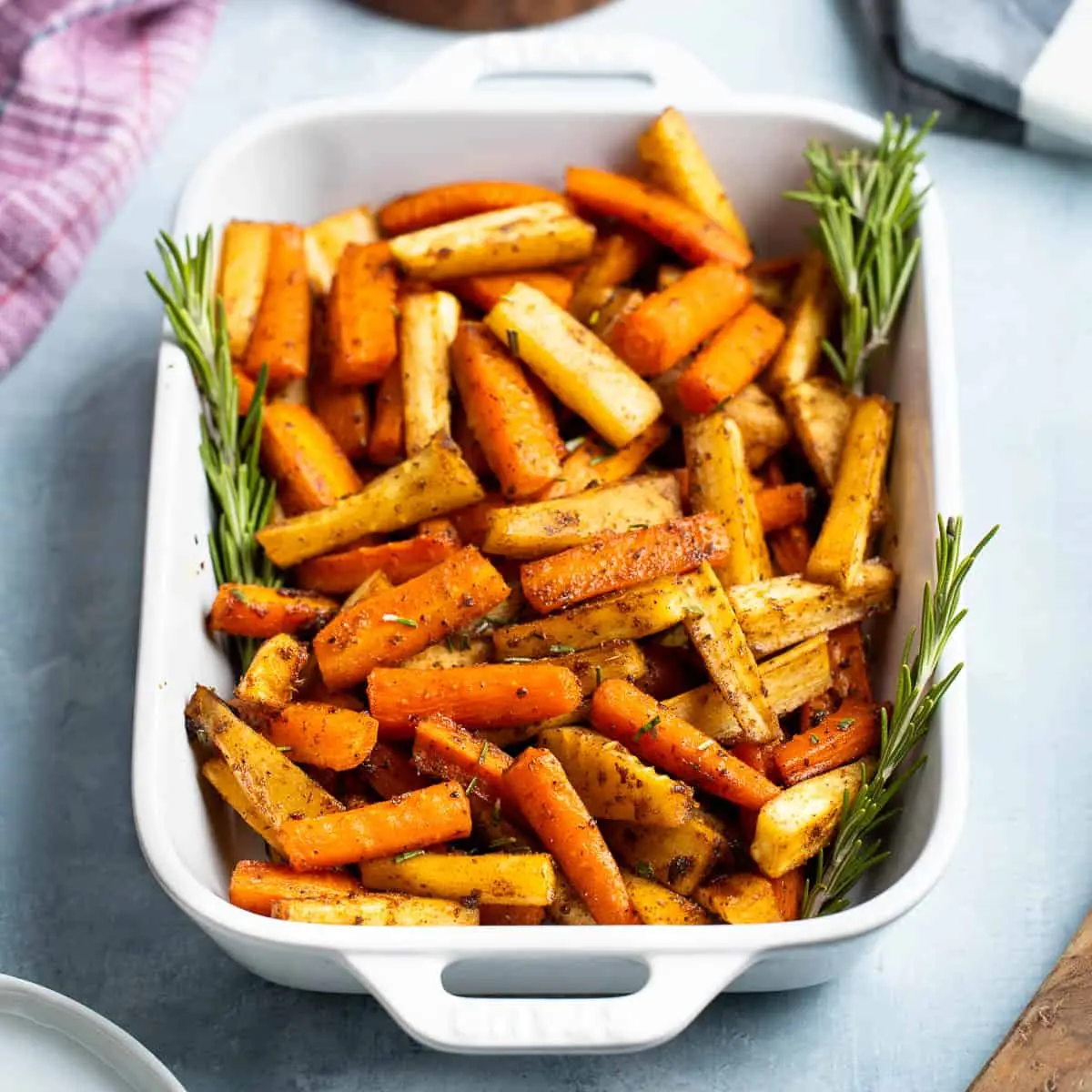
Embarking on a culinary adventure often leads to discovering simple yet profoundly satisfying dishes that become staples in any home cook’s repertoire. This particular recipe for honey roasted carrots and parsnips stands out as one such gem, offering a delightful balance of sweetness and earthy undertones enhanced by a sophisticated spice blend. It’s a side dish that effortlessly elevates a weeknight dinner or shines brightly as a star at any festive gathering.
The beauty of this dish lies not only in its delicious outcome but also in its straightforward preparation, proving that gourmet flavors don’t require complex techniques or extensive time commitments. It’s a testament to how basic ingredients, when treated with care and combined thoughtfully, can transform into something truly extraordinary, inviting everyone to the table with its warm aroma and appealing presentation.
Why You Will Love This Recipe
- Effortless Preparation: Skip the tedious parboiling and staggered roasting times; this recipe focuses on simple slicing and roasting, ensuring everything is ready simultaneously.
- Exceptional Flavor Profile: The harmonious blend of sweet honey with warming spices like cinnamon and nutmeg creates a complex taste that complements the natural sweetness of the root vegetables beautifully.
- Versatile Side Dish: These roasted carrots and parsnips pair wonderfully with a vast array of main courses, making them a go-to option for holidays, Sunday dinners, or any occasion.
- Nutrient-Rich Ingredients: Beyond their taste, carrots contribute essential beta-carotene and parsnips offer valuable vitamin C and fiber, making this a nutritious addition to your meal.
Ingredients You Need
Selecting the freshest, highest-quality ingredients is paramount to achieving the best flavor in this honey roasted carrots and parsnips recipe. Opt for carrots that are firm and vibrant orange, avoiding any that appear limp or have soft spots. For the parsnips, choosing thinner ones is often preferable, as they tend to be less woody and more tender when roasted, ensuring a more pleasant texture in the final dish.
Honey Roasted Carrots and Parsnips
Easy prep and a warm, robust seasoning blend make these honey roasted carrots and parsnips a holiday side dish winner. There's no parboiling necessary!
- 1 pound carrots
- 1 pound parsnips
- 3 Tablespoons olive oil
- 2 Tablespoons honey
- 1 teaspoon kosher salt
- 1 teaspoon garlic powder
- 1 teaspoon dried marjoram
- ½ teaspoon ground black pepper
- ½ teaspoon paprika
- ¼ teaspoon ground cinnamon
- ¼ teaspoon ground nutmeg
- ¼ teaspoon ground allspice
- 1Preheat oven to 425°F.
- 2Peel carrots and parsnips and slice each into segments roughly 1 ½-inches long and ½-inch thick. For carrots this means you'll likely need to halve the widest sections (quartered if very large), while the thicker parsnips will require quartering or more. Slice away and discard the thick, fibrous inner core of the parsnips.
- 3Place sliced carrots and parsnips in a large mixing bowl.
- 4Pour oil and honey over the vegetables and toss well to combine.
- 5Add all seasonings to a small bowl and stir to evenly mix, then scatter them over the carrots and parsnips, stirring to evenly coat.
- 6Turn out vegetables onto a large rimmed sheet pan (use two if necessary to not crowd the pan). Arrange them in a single layer with a little bit of room between each vegetable.
- 7Roast on the middle rack of the oven for 25-30 minutes or until fork-tender and turning golden-brown around the edges, flipping them over halfway through the cook time.
Keywords: carrots, parsnips, roasted vegetables, holiday side dish, honey, spices, easy
- carrots: aim for medium to large carrots that are relatively straight for easier slicing into uniform pieces.
- parsnips: select thinner parsnips if available, as they are generally more tender and easier to prepare.
- olive oil: a good quality extra virgin olive oil provides a rich base for roasting and carries the spices well.
- honey: this natural sweetener caramelizes beautifully, adding a lovely glaze and enhancing the inherent sweetness of the vegetables.
- kosher salt: essential for bringing out the flavors and balancing the sweetness of the honey.
- garlic powder: adds a subtle savory depth without the risk of burning raw garlic during the high-heat roasting process.
- dried marjoram: offers a mild, slightly minty and peppery herbaceous note that complements root vegetables.
- ground black pepper: provides a gentle warmth and pungency that rounds out the spice blend.
- paprika: imparts a mild sweetness and a touch of color, contributing to the overall visual appeal.
- ground cinnamon: introduces a warm, sweet aroma and flavor that harmonizes with the honey and other spices.
- ground nutmeg: adds a cozy, aromatic depth and a hint of earthy spice that is classic in roasted root vegetables.
- ground allspice: brings a complex aroma reminiscent of cloves, cinnamon, and nutmeg, tying the entire spice profile together.
The precise quantities for each ingredient are detailed within the provided recipe card, ensuring you have all the necessary measurements for success.
Variations
The beauty of this honey roasted carrots and parsnips recipe lies in its inherent adaptability, allowing for creative twists that cater to various dietary preferences and flavor profiles. You can effortlessly transform this dish into a vegan delight with a simple substitution, maintaining its caramelized sweetness and warm spice notes. This adaptability ensures that everyone can enjoy this comforting and flavorful side.
For a vegan version, the honey can be seamlessly replaced with a robust maple syrup or agave nectar. These sweeteners offer a similar viscosity and caramelization potential, ensuring that the vegetables achieve that desirable glossy finish and sweet essence. Ensure the vegan sweetener is of good quality to impart the best flavor, and proceed with the rest of the recipe as usual. The resulting vegan roasted carrots and parsnips will be just as delightful.
Those adhering to a low-carb lifestyle can also enjoy a modified version by focusing on the spices and savory elements. While carrots and parsnips have natural sugars, opting for smaller portions and enhancing the spice blend can make them fit into a low-carb eating plan. Consider increasing the garlic powder and pepper, and perhaps adding a pinch of cayenne for a touch of heat. This approach allows for the enjoyment of roasted root vegetables without a significant carbohydrate impact, focusing on the earthy flavors and aromatic spices.
Another exciting variation involves incorporating a touch of citrus or a different herb for added complexity. A squeeze of fresh orange or lemon juice tossed with the vegetables before roasting can introduce a bright, zesty counterpoint to the sweetness. Alternatively, fresh rosemary or thyme, added towards the end of the roasting time, can infuse the dish with a fragrant, savory dimension that perfectly complements the root vegetables. These small additions can significantly alter the flavor profile, offering a fresh perspective on a beloved classic.
How to Prepare honey roasted carrots and parsnips
Step 1: Prepping the Root Vegetables
The initial step in preparing your honey roasted carrots and parsnips involves meticulous cleaning and uniform slicing of the vegetables. Begin by thoroughly washing both the carrots and parsnips under cool running water to remove any soil or debris. A vegetable brush can be helpful in ensuring they are completely clean without needing to peel if the skins are thin and blemish-free, which can also contribute to the final texture and nutrient content.
Once cleaned, proceed with peeling the carrots. While parsnips can sometimes be left unpeeled if they are young and tender, it’s often best to peel them as well to remove any toughness or residual dirt. Then, it’s time to slice them into consistent portions. Aim for segments that are approximately 1.5 inches long and about ½ inch thick. This uniform size is crucial for ensuring that all pieces cook evenly in the oven, preventing some from becoming mushy while others remain undercooked.
For carrots, this usually means halving larger ones lengthwise and then cutting them into these segments. If you encounter particularly thick carrots, quartering them lengthwise before cutting into shorter pieces might be necessary. Parsnips, which often have a tougher, woody core, require a bit more attention. After peeling and slicing them lengthwise, carefully cut away and discard this fibrous central core. This ensures that the entire piece of parsnip is tender and palatable after roasting.
Step 2: Creating the Flavorful Coating
With your vegetables prepped and ready, the next crucial step is to create the luscious coating that will infuse them with flavor and contribute to their caramelized finish. In a large mixing bowl, combine the olive oil and honey. The olive oil provides a smooth base for the honey and spices to adhere to, while the honey will caramelize during roasting, creating a wonderfully sweet glaze.
Whisk these two ingredients together until they are well incorporated, forming a slightly thickened liquid. Now, it’s time to introduce the symphony of spices. In a separate small bowl, combine all the dry seasonings: kosher salt, garlic powder, dried marjoram, ground black pepper, paprika, ground cinnamon, ground nutmeg, and ground allspice. Mixing them in a separate bowl ensures that they are evenly distributed before being added to the vegetables, preventing clumps of any single spice.
Once the spice blend is uniform, scatter it over the olive oil and honey mixture in the large bowl. Toss everything together gently with a spoon or spatula until the spices are fully integrated into the liquid. This creates your flavor base, ready to envelop the prepared carrots and parsnips. The aroma alone at this stage is incredibly enticing, hinting at the deliciousness to come.
Step 3: Coating the Vegetables
Now, it’s time to bring the vegetables and the flavor coating together for a thorough embrace of deliciousness. Add the uniformly sliced and cored carrots and parsnips directly into the large mixing bowl containing the olive oil, honey, and spice mixture. Ensure that the bowl is large enough to comfortably accommodate all the vegetables without overcrowding, allowing for easy and even coating.
Using a spatula or your hands (if you don’t mind a bit of a sticky situation), gently toss the vegetables. Continue mixing until every single piece of carrot and parsnip is generously coated with the glistening, spiced mixture. Make sure to scrape the bottom of the bowl to ensure all the flavorful oil and honey has been used and distributed. This thorough coating is essential for ensuring that each bite is packed with the intended sweet, savory, and aromatic notes.
Observe how the spices cling to the surfaces of the vegetables, creating a vibrant and inviting hue. This visual cue indicates that the vegetables are perfectly primed for their transformation in the oven. The slight tackiness from the honey and oil ensures that the spices adhere beautifully, creating a rich crust as they roast.
Step 4: Arranging for Optimal Roasting
The success of achieving perfectly roasted vegetables hinges significantly on how they are arranged on the baking sheet. For this recipe, it is imperative to transfer the coated carrots and parsnips onto a large, rimmed baking sheet. Using a rimmed pan is a critical safety measure, as it will contain any potential drips of oil or honey that might escape during the high-heat roasting process, preventing a mess in your oven.
Once the vegetables are on the pan, spread them out into a single, even layer. This is a crucial step; overcrowding the pan will cause the vegetables to steam rather than roast, leading to a less desirable texture and a lack of browning. If your batch of vegetables is too large to fit comfortably in a single layer on one pan, do not hesitate to use two baking sheets. This ensures adequate air circulation around each piece, promoting efficient caramelization and a beautiful golden-brown exterior.
Arrange them with a little bit of breathing room between each piece. This space allows the hot air to circulate effectively, drawing out moisture and concentrating the natural sugars in the carrots and parsnips. The goal is for each segment to have direct contact with the hot air on most of its surfaces, leading to tender interiors and delightfully crispy edges. Consider positioning the oven racks so that one pan is slightly above the middle and another slightly below to promote even cooking if using two sheets.
Step 5: Roasting to Perfection
Preheat your oven to a relatively high temperature of 425°F (220°C). This high heat is essential for achieving that coveted caramelization and tender texture in a reasonable amount of time. Place the prepared baking sheet(s) in the center of the preheated oven. The intense heat will quickly begin to work its magic on the vegetables.
Allow the carrots and parsnips to roast for an initial period of 25 to 30 minutes. During this time, the sugars in the vegetables will start to break down and caramelize, creating those wonderfully sweet and slightly browned edges that are characteristic of perfectly roasted root vegetables. The spices will become fragrant and meld beautifully with the natural flavors of the carrots and parsnips.
About halfway through the roasting time, it’s important to flip the vegetables. Use a spatula to gently turn each piece over. This ensures that they brown evenly on all sides and prevents any single side from becoming too dark or burnt. Continue roasting for the remainder of the time, or until the vegetables are fork-tender and exhibit those appealing golden-brown edges. A fork should easily pierce through the thickest part of a carrot or parsnip segment when they are perfectly cooked.
Step 6: Final Touches and Serving Readiness
Once the honey roasted carrots and parsnips have reached their peak of tenderness and golden-brown perfection, carefully remove the baking sheet(s) from the oven. The aroma filling your kitchen at this point will be absolutely divine, a testament to the wonderful combination of sweet honey, warm spices, and earthy root vegetables.
Allow the roasted vegetables to rest on the baking sheet for a minute or two. This brief resting period allows the flavors to settle and any excess moisture to evaporate, ensuring a slightly crisper exterior. While they are delightful served directly from the pan, a final flourish can elevate them even further. A light sprinkle of fresh chopped parsley can add a pop of color and a hint of freshness, creating a visually appealing contrast.
Taste one of the pieces to ensure the seasoning is to your liking. You can always adjust with a tiny pinch more salt or pepper if needed, though the balance achieved through the initial spice blend is usually spot on. These beautifully roasted carrots and parsnips are now ready to be presented as a stunning and delicious side dish, perfectly complementing a wide range of main courses.
Pro Tips for honey roasted carrots and parsnips
Selecting the Best Parsnips: When buying parsnips, always try to select the thinnest ones you can find at the market. These tend to be sweeter and less woody in texture, making them ideal for roasting. If, however, you can only find larger, thicker parsnips, don’t be discouraged; simply pay extra attention to slicing away and discarding the tougher, fibrous inner core to ensure optimal tenderness and a pleasant eating experience.
The Bowl Method is Key: While it might seem like an extra dish to wash, tossing your vegetables in a large mixing bowl first, rather than directly on the baking sheet, is a crucial step. This method ensures that the oil, honey, and spices coat every piece of carrot and parsnip evenly and thoroughly. Furthermore, it helps to minimize the amount of excess liquid that can pool on the bottom of the pan during roasting, which can otherwise lead to steaming instead of caramelization.
Don’t Skimp on the Pan: Always use a baking sheet with a rim for this recipe. The combination of olive oil and honey, especially at higher temperatures, can sometimes cause the mixture to bubble and drip. A rimmed pan acts as a barrier, preventing this sugary mixture from making a mess in the bottom of your oven and potentially causing smoke or burning.
Embrace the Two-Pan Approach: If you find your vegetables are too crowded on a single baking sheet, it’s a clear indicator that you should use two pans. Overcrowding leads to steaming, which is the enemy of perfectly roasted vegetables. By giving each piece enough space, you encourage proper air circulation, allowing the edges to crisp up and the natural sugars to caramelize beautifully. Positioning the racks strategically in the oven and rotating the pans halfway through can ensure even cooking.
Spice Blend Mastery: While salt and pepper are the fundamental seasonings for roasted vegetables, the specific spice blend in this recipe is what elevates it to something truly special. The warm notes of cinnamon, nutmeg, and allspice, combined with garlic, marjoram, and paprika, create a depth of flavor that is both comforting and sophisticated. Feel free to experiment slightly with these spices, perhaps adding a pinch of ginger for extra warmth or a touch of smoked paprika for a deeper savory note, but always ensure a balanced application.
Serving Suggestions for honey roasted carrots and parsnips
Decoration
The visual appeal of honey roasted carrots and parsnips can be significantly enhanced with simple decorative touches. A scattering of fresh, finely chopped flat-leaf parsley or chives just before serving adds a vibrant splash of green that contrasts beautifully with the warm, caramelized hues of the roasted vegetables. For a slightly more elegant presentation, a few fresh thyme sprigs or rosemary leaves can be tucked amongst the vegetables during the last few minutes of roasting, infusing them with an aromatic essence and providing a lovely visual element.
If you’re serving this dish during the fall or winter holidays, a light dusting of pomegranate seeds can offer a burst of color and a delightful tartness that complements the sweetness of the roasted roots. A very light drizzle of balsamic glaze over the top can also add a sophisticated sheen and a tangy counterpoint. Avoid overcrowding the garnish; a few well-placed elements will have a greater impact than an excessive amount.
Side Dishes
These honey roasted carrots and parsnips are exceptionally versatile and pair wonderfully with a wide array of main courses, making them an ideal addition to any menu. They are a classic accompaniment to roasted poultry, such as a succulent roast chicken or a beautifully browned turkey, their sweetness cutting through the richness of the meat. Similarly, they complement pork dishes wonderfully, whether it’s a tender pork loin roast or crispy pork belly.
For those who prefer beef, these roasted root vegetables are an excellent match for hearty cuts like a prime rib or a classic pot roast, providing a lighter, sweeter element to balance the savory depth of the beef. They also serve as a fantastic vegetarian or vegan side dish when paired with a lentil loaf, a mushroom wellington, or a stuffed acorn squash, offering a comforting and flavorful contribution to a plant-based meal. Their inherent sweetness also makes them a pleasant contrast to more robust flavors, such as those found in spiced lamb dishes or flavorful curries.
Creative Serving Ideas
Beyond traditional plating, consider incorporating these roasted carrots and parsnips into more dynamic culinary creations. They can be finely diced and folded into a creamy risotto or a hearty grain pilaf for added texture and sweetness. Imagine them mixed into a festive stuffing for a holiday bird or a vegetarian centerpiece, their caramelized notes adding an unexpected depth.
Another creative approach is to blend them into a smooth, velvety soup. After roasting, purée them with vegetable broth, a touch of cream (or coconut milk for a vegan option), and perhaps some ginger for an extra zing. The natural sweetness and spice will create an incredibly comforting and flavorful soup. They can also be mashed with a bit of butter and seasoning to create a unique twist on mashed root vegetables, offering a delightful alternative to potatoes.
Preparation & Storage
Storing Leftovers
Should you find yourself with any delectable honey roasted carrots and parsnips remaining, proper storage is key to preserving their quality. Once the vegetables have cooled down to room temperature, transfer them into an airtight container. This prevents them from drying out and absorbs any unwanted odors from other foods in the refrigerator. They can be stored in the refrigerator for approximately 3 to 4 days.
It’s worth noting that roasted vegetables, especially those with a higher sugar content like these, tend to soften and can become slightly less appealing in texture after refrigeration. While they remain perfectly safe and edible, they may lose some of their initial crispness and appealing bite. For the best experience, it’s always recommended to consume them as freshly roasted as possible, but proper storage ensures you can still enjoy them for a few days.
Freezing
While carrots and parsnips are generally good candidates for freezing when they are in their raw state, the process of roasting significantly alters their cellular structure. The high heat causes them to break down and become more porous. Consequently, freezing roasted vegetables is generally not recommended if you wish to maintain their optimal texture upon thawing.
When frozen, the water content within the roasted carrots and parsnips is likely to expand, forming ice crystals that can rupture the cell walls even further. Upon thawing, this typically results in a mushy, waterlogged texture that is quite different from their appealing roasted form. While they might still be usable in certain applications like soups or purées where texture is less critical, their appeal as a standalone side dish will be diminished.
Reheating
Reheating your leftover honey roasted carrots and parsnips is a straightforward process, although it’s important to manage expectations regarding texture. The most effective method to revive them and achieve a semblance of their original appeal is to use your oven or an air fryer.
For oven reheating, spread the cooled leftovers in a single layer on a baking sheet. Reheat in a preheated oven at around 350°F (175°C) for 5-10 minutes, or until they are warmed through. Keep a close eye on them to prevent them from becoming too dry or overly soft. An air fryer can also work wonderfully, using a similar temperature and checking for warmth every few minutes.
Using the microwave is the quickest method, but it often leads to a softer, less appealing texture. If you choose this route, reheat in short bursts, stirring occasionally, until they are heated through. Regardless of the method, the flavors will still be present, making them a perfectly acceptable, albeit slightly texturally altered, treat.
Frequently Asked Questions
-
Can I use just carrots or just parsnips instead of a mix?
Absolutely! This recipe is incredibly forgiving and delicious whether you use only carrots or only parsnips, or adjust the ratio to your preference. If you’re not a fan of parsnips, simply double the amount of carrots. Conversely, if parsnips are your favorite, you can use them exclusively, perhaps increasing the roasting time slightly if they are thicker pieces. The core flavors of honey and spices will still shine through beautifully, creating a wonderful side dish regardless of the specific root vegetable composition.
When opting for a single vegetable, consider the characteristics of each. Carrots are inherently sweeter and hold their shape well, offering a lovely caramelization. Parsnips, with their earthier, slightly peppery notes, provide a different dimension of flavor that pairs exceptionally well with sweet and savory spices. Regardless of your choice, ensuring uniform slicing is still key to even cooking and achieving the desired tender, slightly caramelized result.
-
Do I need to use all of the specified seasonings for the best flavor?
While the recipe provides a comprehensive blend of spices designed to create a complex and harmonious flavor profile, you can certainly adjust them based on your personal preferences and pantry staples. At its most fundamental, roasting root vegetables benefits immensely from just salt and pepper, which will enhance their natural sweetness. However, the additional spices play a significant role in elevating these honey roasted carrots and parsnips from simple to sublime.
The warm spices like cinnamon, nutmeg, and allspice are particularly noteworthy for their ability to round out the sweetness of the honey and the earthiness of the parsnips, creating a comforting and aromatic experience. Garlic powder adds a savory depth without the risk of burning, while marjoram offers a subtle herbaceous note. If you’re missing a particular spice, consider what flavor profile it brings and if another herb or spice could offer a similar contribution. For instance, a pinch of ginger could add warmth, or a touch of thyme could offer a different herbaceous element, though sticking close to the suggested blend will yield the most balanced and intended outcome.
-
How far in advance can I prepare or make this recipe, and how should I store it?
For the best quality and presentation, it is highly recommended to prepare and roast these honey carrots and parsnips as close to serving time as possible. Parsnips, in particular, can begin to brown after being peeled, which can affect their visual appeal. While they are still perfectly edible after browning, roasting them soon after preparation ensures a fresher, more vibrant look.
If you must prepare them ahead, you can peel and slice the vegetables, toss them with the oil and honey mixture, but hold off on adding the dry spices until just before roasting. Store the coated vegetables in an airtight container in the refrigerator for no more than 12-24 hours. Add the spices and roast as directed. Leftovers, if any, will keep in an airtight container in the refrigerator for 3-4 days. However, be aware that roasted root vegetables tend to become softer and slightly soggy upon refrigeration, so they are best enjoyed fresh.