Monterey Chicken Spaghetti: The Ultimate Comfort Food Mashup
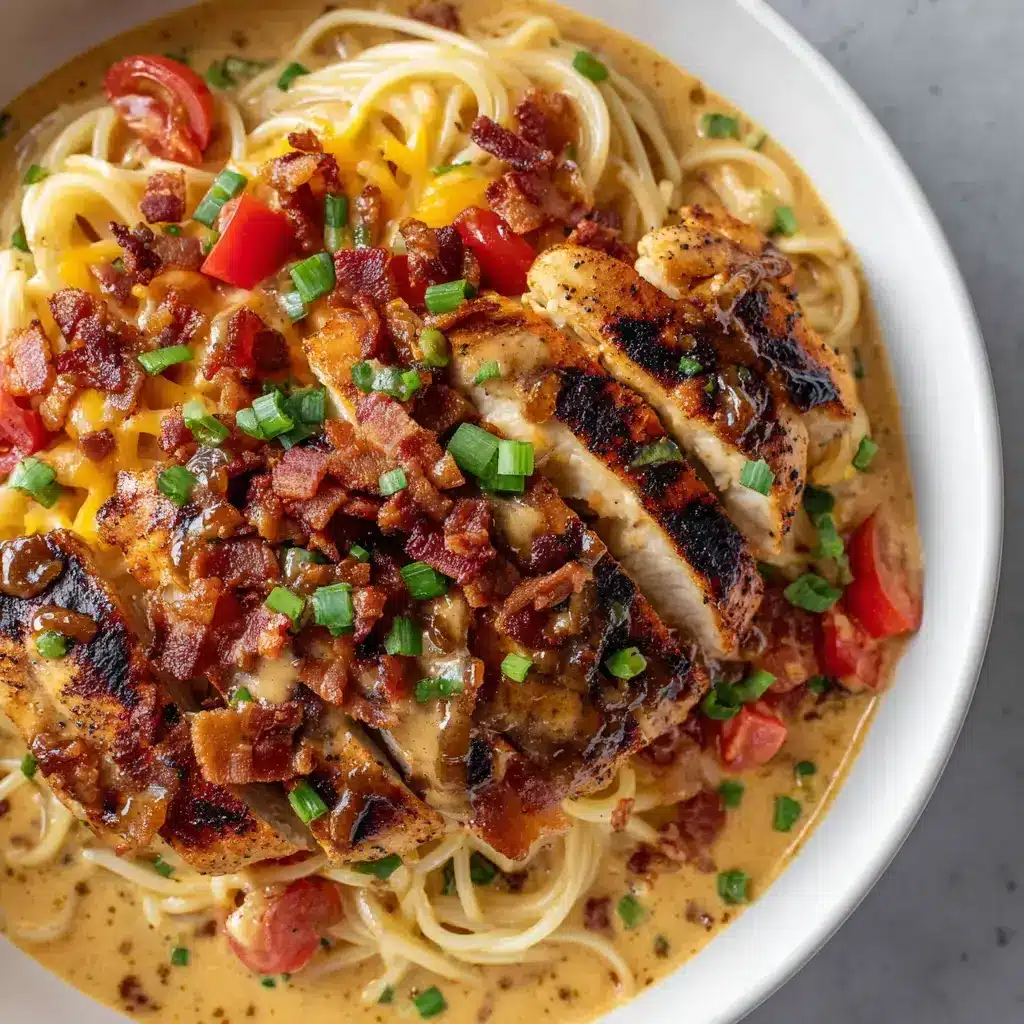
Prepare to meet your new weeknight dinner obsession: this incredible Monterey Chicken Spaghetti. This isn’t just another pasta dish; it’s a culinary masterpiece that perfectly marries the smoky, sweet flavors of classic Monterey chicken with the comforting embrace of a rich, creamy spaghetti.
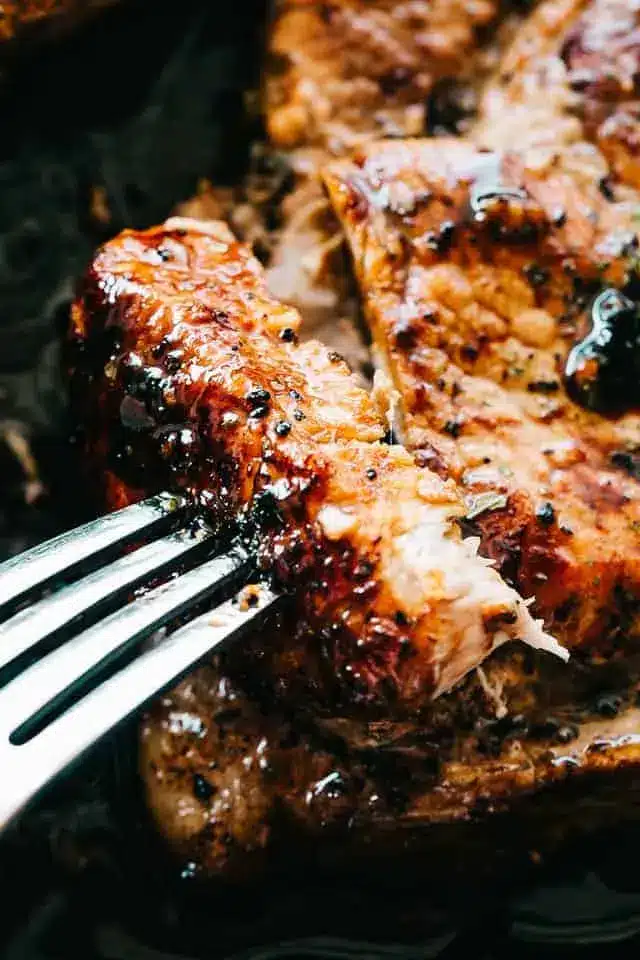
Every single bite is a journey, starting with perfectly al dente noodles coated in a glossy, beige cheese sauce that clings to every strand. Imagine thick, juicy slices of pan-seared chicken breast, boasting those irresistible golden-brown charred edges, all smothered in a sticky, dark mahogany BBQ sauce. Just when you think it can’t get any better, it’s blanketed in a layer of gooey, perfectly melted Monterey Jack and cheddar cheese.
Why You Will Love This Recipe
- Unforgettable Texture Combination: You get the perfect chew from al dente spaghetti, the tender bite of juicy chicken, the gooey pull of melted cheese, and the satisfying crunch of crispy bacon. It’s a symphony of textures in every forkful, making each bite a delightful experience.
- Rich & Glossy Two-Cheese Sauce: We’re not just melting cheese here; we’re building a classic, creamy sauce that serves as the luxurious foundation for the entire dish. This ensures every single noodle is draped in velvety goodness, creating a truly decadent experience.
- Smoky, Sweet & Savory Flavors: The deep, sticky BBQ sauce provides a beautiful contrast to the creamy pasta and savory chicken. Fresh tomatoes and scallions add a burst of brightness that ties it all together, creating a wonderfully complex and satisfying flavor profile.
- Visually Stunning Presentation: Following this recipe will produce a dish that looks just as good as it tastes. The detailed presentation, from the charred chicken to the glistening sauce, makes it a feast for the eyes first, promising an exceptional dining experience.
Ingredients You Need
Each ingredient plays a crucial role in building the final flavor and texture profile of this spectacular dish. Choosing high-quality components will elevate your culinary creation from good to absolutely unforgettable. For the Pasta Foundation, we use 1 lb (450g) of quality spaghetti, which serves as our perfect canvas for all the delicious layers to come. Cooking it to a perfect al dente is absolutely key, as it will continue to soften slightly when combined with the hot sauce, ensuring an ideal texture throughout. Salt is essential for seasoning the pasta water, a non-negotiable step for infusing the pasta itself with flavor from the inside out, making every strand a delight.
Monterey Chicken Spaghetti
Prepare to meet your new weeknight dinner obsession: this incredible Monterey Chicken Spaghetti. This dish perfectly marries the smoky, sweet flavors of classic Monterey chicken with the comforting embrace of a rich, creamy spaghetti. Every single bite is a journey, starting with perfectly al dente noodles coated in a glossy, beige cheese sauce that clings to every strand. Imagine thick, juicy slices of pan-seared chicken breast, boasting those irresistible golden-brown charred edges, all smothered in a sticky, dark mahogany BBQ sauce. Just when you think it can't get any better, it's blanketed in a layer of gooey, perfectly melted Monterey Jack and cheddar cheese. To finish, a generous scattering of crispy, salty bacon, vibrant diced Roma tomatoes, and fresh, sharp green scallions cuts through the richness, creating a perfectly balanced and utterly addictive meal.
- 1 lb Spaghetti (450g)
- 1.5 lbs Boneless, Skinless Chicken Breast (about 2 large breasts (680g))
- 1 tbsp Olive Oil (15ml)
- Salt and Black Pepper to taste
- 6 slices Thick-cut Bacon
- 4 tbsp Unsalted Butter (57g)
- 1/4 cup All-Purpose Flour (30g)
- 2 cups Whole Milk (480ml)
- 1 cup Heavy Cream (240ml)
- 1 tsp Garlic Powder
- 1 tsp Onion Powder
- 1.5 cups Shredded Monterey Jack Cheese (170g)
- 1.5 cups Shredded Sharp Cheddar Cheese (170g)
- 1 cup BBQ Sauce (thick and sticky style (240ml))
- 2 Roma Tomatoes (diced)
- 1/4 cup Green Scallions (freshly chopped (25g))
- 1Cook spaghetti in heavily salted water until al dente. Reserve 1 cup of pasta water before draining. Cook bacon in a skillet until crispy, then drain and crumble. Dice tomatoes and chop scallions.
- 2Pat chicken dry and season with salt and pepper. Heat olive oil in a large skillet over medium-high heat. Sear chicken for 5-7 minutes per side until golden-brown and cooked through. Rest on a cutting board for 5 minutes, then slice into thick strips.
- 3In the same skillet, melt butter over medium heat. Whisk in flour and cook for 1 minute to form a roux. Slowly whisk in milk and heavy cream until smooth. Bring to a simmer to thicken, then reduce heat to low. Stir in garlic powder, onion powder, and both cheeses until smooth and melted. Do not boil. Season with salt and pepper.
- 4Add the drained spaghetti to the cheese sauce and toss to coat, adding reserved pasta water if needed to adjust consistency. Top the pasta with the sliced chicken. Smother the chicken with BBQ sauce, sprinkle with remaining cheese, and then garnish with crumbled bacon, diced tomatoes, and chopped scallions before serving.
Don't Overcook the Pasta: Cooking the spaghetti to al dente is critical to prevent it from becoming mushy.
Rest Your Chicken: Letting the chicken rest before slicing is the secret to keeping it juicy.
Control Your Heat: Never let the cheese sauce boil after adding the cheese to prevent it from separating.
Keywords: Monterey Chicken Spaghetti, BBQ Chicken Pasta, Creamy Pasta, Cheesy Chicken, Weeknight Dinner, Comfort Food
For the Pan-Seared Chicken, we select two large boneless, skinless chicken breasts, approximately 1.5 lbs (680g) total. We’ll pan-sear these to develop a beautiful golden-brown crust, which adds immense flavor and a delightful textural contrast. A tablespoon (15ml) of a neutral oil like olive or avocado oil is needed for searing, its high smoke point ensuring a great crust without burning the delicate chicken. Salt and black pepper are foundational seasonings, essential for making the chicken flavorful on its own before any sauces are added, providing a solid base for the complex flavors to follow. For the Creamy Two-Cheese Sauce & Toppings, we start with 6 slices of thick-cut bacon, cooked until crispy and then crumbled. This adds a salty, smoky crunch that contrasts beautifully with the creamy elements. Then, 4 tablespoons (57g) of unsalted butter form the base of our roux, which will thicken the cheese sauce to a perfect, glossy consistency. A quarter cup (30g) of all-purpose flour is used with the butter to form the roux that gives our sauce its essential body and velvety texture. We use a combination of 2 cups (480ml) whole milk and 1 cup (240ml) heavy cream; this duo creates a sauce that is both luxuriously rich and perfectly fluid, coating every strand of pasta. A teaspoon each of garlic powder and onion powder are crucial aromatics, providing a savory backbone to the cheese sauce without overpowering it. For the cheese, you’ll need 1.5 cups (170g) of shredded Monterey Jack and 1.5 cups (170g) of shredded sharp cheddar; shredding your own from a block is highly recommended for the smoothest, gooiest melt. Finally, 1 cup (240ml) of your favorite thick, sticky BBQ sauce is essential for that signature Monterey flavor, ideally one with a dark mahogany color and a sweet, smoky profile. Two medium Roma tomatoes, diced, add their bright, fresh acidity to cut through the richness, and a quarter cup (25g) of freshly chopped green scallions provides a final pop of vibrant color and a mild, sharp onion flavor. The specific quantities for all ingredients are readily available in the detailed recipe card.
Variations
Vegan Delight: To transform this dish into a plant-based wonder, swap the chicken for pan-fried firm tofu or seitan, ensuring it’s well-seasoned and crisped to perfection. The creamy sauce can be recreated using a cashew cream base or a blend of silken tofu and plant-based milk, thickened with nutritional yeast for a cheesy flavor. Omit the bacon and use smoked mushrooms or crispy tempeh bits for a similar savory crunch. Ensure your BBQ sauce is also vegan-friendly.
Low-Carb Twist: For a lighter, carb-conscious version, substitute the spaghetti with zucchini noodles (zoodles) or spaghetti squash. Prepare the chicken and sauce as directed, but be mindful of the BBQ sauce’s sugar content, opting for a low-sugar variety. The richness of the cheese sauce will beautifully coat the vegetable “noodles,” providing a satisfying and flavorful meal without the traditional pasta.
Spicy Kick: If you love a little heat, amp up the spice factor considerably. Use a spicier BBQ sauce, or consider adding a pinch of cayenne pepper or red pepper flakes directly into the cheese sauce for an extra layer of warmth. You could also garnish the finished dish with thinly sliced jalapeños or a drizzle of your favorite hot sauce for an immediate spicy punch that complements the smoky and savory notes perfectly.
How to Prepare Monterey Chicken Spaghetti
Step 1: Prepare Your Components
Begin by filling a large pot with water and adding a generous amount of salt to bring it to a rolling boil. This initial seasoning is vital for flavor. Cook your spaghetti according to the package instructions, aiming for that perfect al dente texture—firm but with a slight chew. Just before you drain the pasta, carefully reserve about 1 cup (240ml) of the starchy pasta water; this liquid gold will be your secret weapon for adjusting sauce consistency later. While the pasta is diligently cooking, turn your attention to the bacon. Place it in a cold skillet and cook over medium heat, allowing it to render its fat slowly and achieve a deep reddish-brown crispness. Once perfectly crisp, transfer the bacon to a plate lined with paper towels to drain and cool completely; it will be crumbled later for that essential salty crunch. Finally, for the fresh components, dice your Roma tomatoes into small, bite-sized pieces and chop your green scallions finely, preparing them for their role as vibrant garnishes.
The Importance of Pasta Water: That reserved cup of pasta water isn’t just a byproduct of cooking; it’s an emulsifier and a thickener. Its starch content helps to bind the cheese sauce to the pasta, making it cling beautifully and ensuring a luxurious coating. Don’t underestimate its power in achieving the perfect sauce consistency, preventing it from being too dry or too thin.
Achieving Perfect Bacon Crispness: Starting the bacon in a cold pan allows the fat to render slowly and evenly, resulting in uniformly crispy bacon. Rushing this process can lead to unevenly cooked or chewy bacon, which is precisely what we want to avoid for that delightful crunch.
Prepping Garnishes: Dicing tomatoes and chopping scallions in advance ensures that when it’s time to assemble, these fresh elements can be added immediately. This maintains their vibrant color and crisp texture, providing a crucial counterpoint to the rich, cooked components of the dish.
Step 2: The Art of the Perfect Pan-Sear
Start by thoroughly patting your chicken breasts dry with paper towels. This is a critical step for achieving a beautiful sear, as moisture on the surface will steam the chicken rather than brown it. Once dry, season both sides generously with salt and freshly ground black pepper, ensuring an even coating for maximum flavor penetration. Next, heat 1 tablespoon of olive oil in a large skillet over medium-high heat. You’ll know the oil is perfectly hot when it shimmers slightly; this indicates it’s ready to create that sought-after crust. Carefully place the seasoned chicken breasts into the hot skillet. Listen for that immediate, satisfying sizzle – a sure sign you’re on your way to a perfectly seared exterior. Allow the chicken to sear undisturbed for 5-7 minutes per side. Resist the urge to move them around too much during this initial searing phase, as this is what allows the golden-brown crust to develop properly. The chicken should be cooked through, reaching an internal temperature of 165°F (74°C). Once cooked, transfer the chicken to a clean cutting board. Let it rest for at least 5 minutes before slicing it into thick, juicy strips. This resting period is absolutely crucial for retaining the chicken’s moisture.
The Science of Searing: Searing meat is a culinary technique that utilizes high heat to create the Maillard reaction, a complex chemical process that browns the exterior of the food and develops deep, savory flavors. This browning process is essential for the overall taste profile of the dish, adding a depth that cannot be achieved through other cooking methods.
Why Rest Your Chicken?: When meat cooks, the muscle fibers tighten, forcing moisture towards the center. Resting allows these fibers to relax, and the juices to redistribute evenly throughout the chicken. Skipping this step results in juices running out onto the cutting board, leaving you with dry chicken.
Selecting the Right Pan: A heavy-bottomed skillet, such as cast iron or stainless steel, is ideal for searing. These materials distribute heat evenly and retain it well, which is essential for developing a consistent, beautiful brown crust on the chicken without hot spots that can lead to uneven cooking or burning.
Step 3: Building the Glossy Two-Cheese Sauce
In the same skillet used for searing the chicken (or a clean one if preferred), melt 4 tablespoons of unsalted butter over medium heat. Once the butter is fully melted and beginning to shimmer, whisk in 1/4 cup of all-purpose flour. Cook this mixture, stirring constantly with a whisk, for about one minute. You are looking to create a smooth, pale blonde paste known as a roux; this is the foundation of your sauce’s thickness and creamy texture. Slowly, and I mean *slowly*, begin to pour in 2 cups of whole milk and 1 cup of heavy cream, whisking continuously as you add the liquid. This continuous whisking is paramount to prevent any lumps from forming, ensuring a silky-smooth sauce. Continue to cook the sauce over medium heat, stirring frequently with your whisk, until it has thickened enough to coat the back of a spoon beautifully. Once thickened, reduce the heat to low. Stir in 1 teaspoon of garlic powder and 1 teaspoon of onion powder, incorporating these essential aromatics into the base. Now, for the cheese magic: gradually add 1.5 cups of shredded Monterey Jack cheese and 1.5 cups of shredded sharp cheddar cheese, a handful at a time. Stir gently and continuously until each addition of cheese is fully melted and the sauce achieves a smooth, glossy, and luscious consistency. It is incredibly important that you do not let the sauce boil after adding the cheese, as this can cause it to separate and become oily or grainy. Finally, season the sauce with salt and freshly ground black pepper to your personal taste, ensuring all the flavors are perfectly balanced and harmonious.
Mastering the Roux: The roux is the cornerstone of many classic sauces. Cooking the flour and butter together for at least a minute before adding liquid “cooks out” the raw flour taste, ensuring a clean flavor. The longer you cook it (without burning), the deeper the flavor, but for a cheese sauce, a blonde roux is ideal.
The Art of Cheese Melting: Adding shredded cheese gradually and stirring constantly allows it to melt evenly into the sauce without clumping or becoming stringy. Shredding cheese from a block is superior to using pre-shredded cheese, as pre-shredded varieties often contain anti-caking agents that can hinder a smooth melt and potentially make the sauce grainy.
Preventing a Broken Sauce: Boiling dairy-based sauces, especially those with cheese, can cause the proteins to curdle and the fat to separate, resulting in an unappealing texture. Keeping the heat on low and stirring gently after the cheese is added is the key to maintaining that desirable smooth, emulsified consistency.
Step 4: The Final Assembly
Now it’s time to bring all these incredible components together in a glorious symphony of flavor and texture. Carefully add the drained al dente spaghetti directly into the skillet containing the warm, glossy cheese sauce. Using a pair of tongs, gently but thoroughly toss everything together. Ensure that every single strand of spaghetti is generously and evenly coated in the creamy, luscious beige sauce. If, at this stage, you find the sauce is a little too thick for your liking, don’t hesitate to add a small splash of the reserved pasta water. Continue to toss until you reach your desired perfect consistency, which should be rich and flowing but not watery. Once the pasta is perfectly coated, artfully arrange the sliced, pan-seared chicken strips on top of the sauced spaghetti. Next, generously smother the chicken with the sticky, dark mahogany BBQ sauce. Ensure you get a good, even layer that drips appealingly over the chicken and pasta below. Sprinkle any remaining shredded cheese over the BBQ-sauced chicken; the residual heat from the dish will work its magic, melting the cheese into a gooey, irresistible topping. Finally, for the crowning glory and essential textural contrast, evenly scatter the crumbled crispy bacon, the bright diced Roma tomatoes, and the freshly chopped green scallions across the entire surface of the dish. Serve immediately and watch your guests marvel.
The Perfect Coat: Tossing the pasta directly in the sauce pan ensures that every piece is enveloped in flavor. If you were to simply pour the sauce over the pasta in a serving dish, some strands might be left with less sauce, diminishing the overall richness and experience.
Balancing Flavors and Textures: The final garnishes of bacon, tomatoes, and scallions are not just for show. The smoky saltiness of the bacon, the fresh acidity of the tomatoes, and the mild bite of the scallions all work in harmony to cut through the richness of the cheese and BBQ sauce, creating a perfectly balanced and multi-dimensional flavor profile.
Immediate Gratification: This dish is a celebration of melted cheese and warm pasta, best enjoyed the moment it’s assembled. While leftovers are good, the initial presentation and textural interplay are at their absolute peak when served fresh from the skillet.
Pro Tips for Monterey Chicken Spaghetti
Shred Your Own Cheese for Maximum Gooeyness: Always opt for blocks of Monterey Jack and cheddar cheese and shred them yourself just before you plan to make the sauce. Pre-shredded cheeses are coated with anti-caking agents, such as cellulose or potato starch, which can prevent them from melting smoothly and can result in a gritty or oily sauce. Using block cheese ensures a superior, velvety melt and a much more luxurious texture for your final dish.
Don’t Overcook the Pasta, Seriously: This is perhaps the most critical tip for pasta perfection. Cook your spaghetti until it is just shy of being fully done – al dente is the key term here. Remember that the pasta will continue to cook slightly when tossed with the hot cheese sauce and while resting under the toppings. Overcooked pasta will become mushy and unappealing, losing its delightful bite and texture.
Rest Your Chicken for Ultimate Juiciness: Just as with a perfectly cooked steak, allowing your pan-seared chicken breasts to rest after cooking is non-negotiable for maintaining their moisture. This resting period, typically 5-10 minutes, allows the juices that have been pushed to the center during cooking to redistribute throughout the meat, ensuring each slice is tender, succulent, and flavorful.
Control Your Heat for a Silky Sauce: When making the cheese sauce, especially after adding the cheese, keep the heat very low. Never allow the sauce to come to a vigorous boil once the cheese is incorporated. High heat can cause the proteins in the milk and cheese to break down, leading to a separated, oily, or grainy sauce. Gentle simmering is your friend here.
Taste and Adjust Seasonings: Don’t be shy about tasting your sauce as you go. Adjust the salt and pepper until the flavors sing. The BBQ sauce you use will also have varying salt and sweetness levels, so tasting and adjusting ensures your final dish is perfectly balanced and delicious. A little pinch of this or that can make a world of difference.
Serving Suggestions for Monterey Chicken Spaghetti
Decoration
Elevate the visual appeal of your Monterey Chicken Spaghetti with thoughtful garnishes that add both color and freshness. A generous sprinkle of finely chopped fresh parsley or cilantro can provide a vibrant green contrast to the rich, creamy colors of the pasta and sauce. For an added textural and visual flair, consider a few extra crumbles of crispy bacon placed strategically on top, or a light dusting of paprika for a warm, inviting hue. Thinly sliced red onions, soaked in ice water for 10 minutes to mellow their sharpness, can offer a beautiful pink-purple contrast and a pleasing crunch.
Side Dishes
While this Monterey Chicken Spaghetti is a substantial meal on its own, a few carefully chosen side dishes can complete the dining experience. A light, crisp green salad with a zesty vinaigrette is an excellent counterpoint to the richness of the pasta and chicken, cleansing the palate with every bite. For a touch of comforting familiarity, consider serving it alongside a simple basket of warm, crusty garlic bread, perfect for sopping up any leftover delicious sauce. Roasted or steamed asparagus or broccoli also offer a healthy, vibrant green addition that complements the dish beautifully without overpowering its flavors.
Creative Serving Ideas
For a more interactive dining experience, consider serving the Monterey Chicken Spaghetti family-style in a large, shallow platter or a rustic cast-iron skillet. This allows everyone to serve themselves and appreciate the layered presentation. You could also individualize the dish by serving it in shallow bowls or even large ramekins, ensuring each portion is perfectly plated with all the garnishes. Another fun idea is to offer a “topping bar” where guests can customize their own spaghetti with extra bacon, cheese, tomatoes, scallions, or even a dollop of sour cream or a dash of hot sauce.
Preparation & Storage
Storing Leftovers
This delicious Monterey Chicken Spaghetti is indeed a dish that holds up well to refrigeration, making it a perfect candidate for planned leftovers. To store any remaining portions, ensure they are cooled to room temperature before transferring them to an airtight container. This prevents condensation buildup, which can lead to sogginess. Store the container in the refrigerator, where the dish should remain fresh and flavorful for up to 3 days. Proper sealing is key to maintaining the quality and preventing any unwanted absorption of other refrigerator odors.
Freezing
While it’s always best enjoyed fresh, freezing this particular dish is not generally recommended for optimal texture. The creamy, dairy-based sauce can change significantly upon thawing and reheating, potentially becoming grainy or separated. The delicate balance of textures, particularly the crisp bacon and fresh tomatoes, can also be compromised by the freezing and thawing process. Therefore, it’s advisable to consume any leftovers within a few days rather than attempting to freeze them for longer storage.
Reheating
To reheat your leftover Monterey Chicken Spaghetti and bring it back to its former glory, the gentlest approach is usually best. The most effective method is to reheat it slowly in a skillet over low heat. Add a small splash of milk or cream to the skillet before adding the pasta. This liquid will help to loosen the sauce, restore its creamy consistency, and prevent it from drying out or becoming clumpy. Stir frequently to ensure even heating and to re-emulsify the sauce. Alternatively, you can reheat it in the microwave, covered loosely with a microwave-safe lid or plastic wrap, at 50% power, stirring halfway through to ensure even warming and to maintain the sauce’s texture.
Frequently Asked Questions
-
Can I make the components of this Monterey Chicken Spaghetti ahead of time?
Absolutely! This dish is designed to be assembled fresh for the best creamy texture, but preparing some elements in advance can significantly speed up your dinner preparation. You can cook and crumble the bacon up to two days ahead and store it in an airtight container at room temperature. The chicken can be pan-seared, cooled, sliced, and refrigerated for up to a day. The vegetables for garnish, like the tomatoes and scallions, can be diced and chopped a few hours beforehand and stored in separate small containers in the refrigerator. The cheese can also be shredded ahead of time and kept in a sealed bag or container in the fridge. This allows for a much quicker assembly when it’s time to cook and serve.
-
What other types of pasta can I use for this recipe, and will it affect the outcome?
While spaghetti is the classic choice and is wonderful for its ability to be coated evenly, this recipe is quite versatile when it comes to pasta shapes. Fettuccine, linguine, or even thicker strands like bucatini would work beautifully and provide a similar satisfying mouthfeel. For shapes that hold sauce exceptionally well, consider penne, rotini, fusilli, or rigatoni. These corkscrew or ridged shapes are excellent at trapping the creamy cheese sauce and any small bits of chicken or bacon within their nooks and crannies. The primary consideration is choosing a pasta that has enough surface area to cling to the rich sauce, ensuring every bite is packed with flavor.
-
How do I ensure my cheese sauce remains smooth and doesn’t separate or become grainy?
The key to a smooth, unseparated cheese sauce lies in temperature control and the emulsification process. First, ensure you have made a proper roux by cooking the flour and butter together for at least a minute. When adding your liquids (milk and cream), do so gradually while whisking constantly to prevent lumps. Once the sauce has thickened to your desired consistency, reduce the heat to its lowest setting *before* adding the cheese. Add the shredded cheese in small batches, stirring gently until each addition is fully melted before adding more. Never allow the sauce to boil vigorously after the cheese has been incorporated, as this can cause the fats and proteins to break apart, leading to a grainy or oily texture. Using good quality cheese that you shred yourself from a block is also crucial, as pre-shredded cheeses contain anti-caking agents that can interfere with a smooth melt.