Pico de Gallo – Easy and Classic Pico de Gallo Recipe!
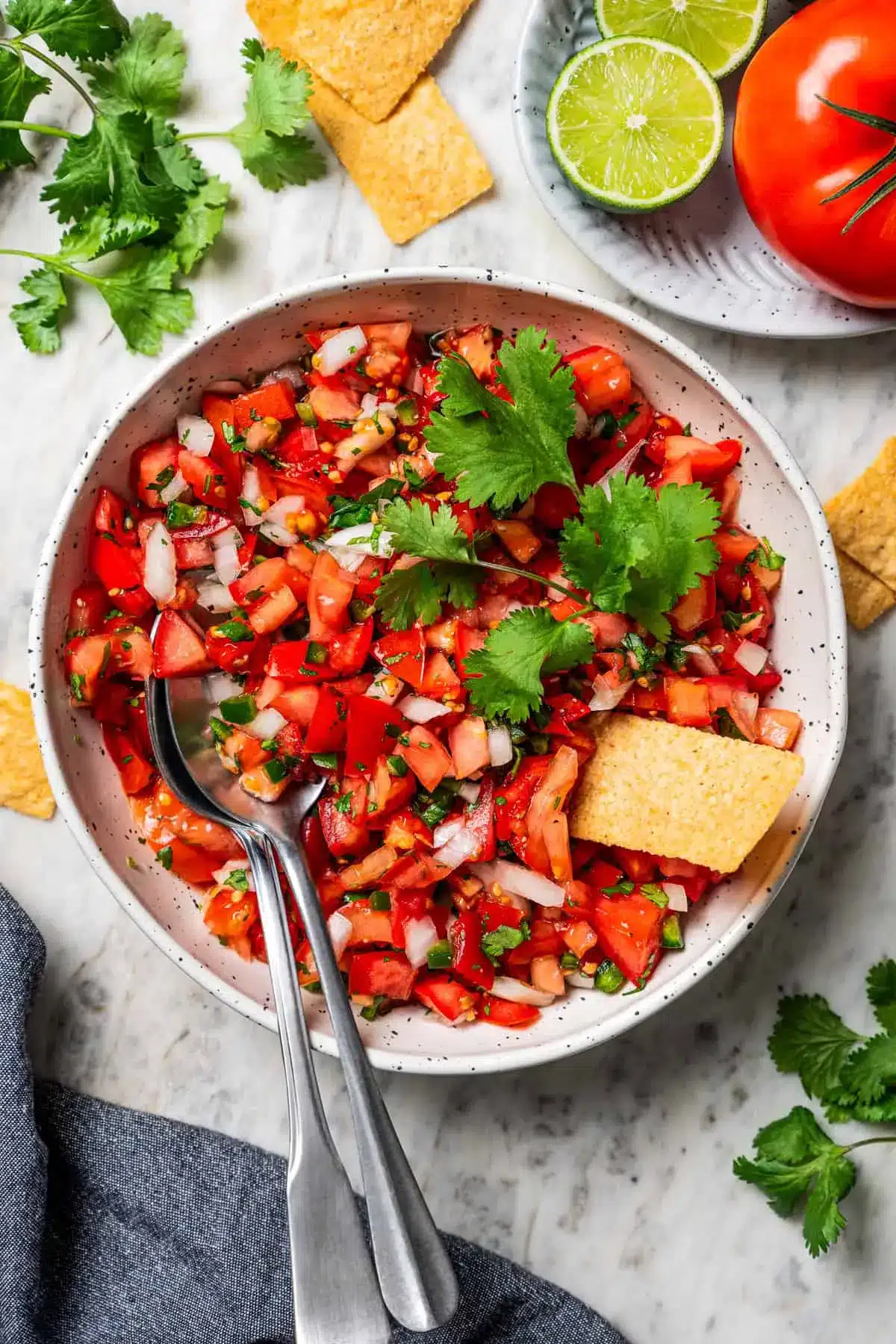
The vibrant colors and fresh, zesty taste of pico de gallo are undeniably appealing, especially during the warmer months. This iconic Mexican salsa fresca is more than just a condiment; it’s a celebration of simple, high-quality ingredients coming together in perfect harmony. Its chunky texture and bright, refreshing flavor make it a versatile addition to countless dishes, bringing a burst of sunshine to any meal.
Mastering the art of homemade pico de gallo is surprisingly straightforward, requiring minimal effort and a handful of accessible ingredients. Whether you’re a seasoned cook or just starting your culinary journey, this recipe offers a delightful and rewarding experience. It’s the perfect way to elevate your everyday meals and impress your guests with its authentic, homemade charm. Get ready to discover why this classic salsa will become a staple in your kitchen.
Why You Will Love This Recipe
- Incredibly Fresh Flavor: Bursting with the taste of ripe tomatoes, crisp onions, zesty lime, and aromatic cilantro, this pico de gallo offers unparalleled freshness.
- Quick to Prepare: With just a few minutes of chopping, you can whip up this delicious salsa, making it an ideal last-minute addition to any meal.
- Highly Versatile: Beyond chips and dip, pico de gallo enhances tacos, grilled meats, salads, eggs, and so much more, adding a vibrant punch to every bite.
- Customizable Heat Level: Easily adjust the spice by controlling the amount of jalapeño, or omitting it entirely, to suit your personal preference.
- Simple Ingredients: Relying on just a few core, fresh components, this recipe highlights the beauty of natural flavors without needing complex techniques.
Ingredients You Need
The beauty of authentic pico de gallo lies in its simplicity and the quality of its ingredients. Each component plays a vital role in creating its signature fresh and lively taste. Choosing the freshest, ripest produce will undoubtedly elevate your salsa to new heights, ensuring a truly delightful culinary experience that celebrates natural flavors. The fewer ingredients you use, the more each one must shine.
Pico de Gallo
Fresh and authentic pico de gallo with only 5 ingredients: tomatoes, onion, jalapeño, cilantro, and lime. It’s quick and easy!
- 1 to 1.5 pounds ripe tomatoes, diced (use room temperature tomatoes)
- 1 jalapeño, finely diced (ribs and seeds removed)
- 3 tablespoons fresh lime juice
- 1In a bowl, combine the diced tomatoes, onions, jalapeño, salt, and pepper. Let it sit for about 5 minutes.
- 2Stir in the lime juice and cilantro and toss to combine. Taste and adjust accordingly.
- 3Let it rest for about 15 to 20 minutes before serving. You can also refrigerate it, covered, for up to 4 days.
Keywords: Pico de Gallo, Salsa Fresca, Mexican, Tex-Mex, Appetizer, Dip, Side Dish, Tomato, Cilantro, Jalapeno, Lime
- ripe tomatoes: select ripe, firm tomatoes for the best texture and flavor; Roma tomatoes are ideal due to their lower water content and meaty texture, but any ripe, flavorful tomato will work beautifully.
- white onion: finely diced white or yellow onion offers a sharp, clean bite that balances the sweetness of the tomatoes.
- jalapeño pepper: this brings a welcome kick of heat; remember to remove the seeds and ribs for a milder flavor or leave some in for more spice.
- fresh lime juice: freshly squeezed lime juice is essential for its bright, acidic tang that cuts through the richness and ties all the flavors together.
- fresh cilantro: finely chopped cilantro adds a distinctive herbaceous and slightly peppery note that is characteristic of authentic pico de gallo.
- salt: essential for enhancing all the other flavors and drawing out moisture from the ingredients.
- black pepper: freshly ground black pepper adds a subtle warmth and complexity.
The exact quantities for each ingredient can be found in the accompanying recipe card, which also provides detailed instructions and visual aids.
Variations
While the classic pico de gallo is perfection in its simplicity, there are numerous exciting ways to adapt it to suit different tastes and dietary needs. These variations can introduce new flavor profiles and textures, making this versatile salsa even more dynamic.
For a delightful vegan twist that’s brimming with tropical sweetness, consider a mango pico de gallo. Simply replace some of the tomatoes with ripe, diced mango. You can also add a pinch of chili powder for an extra layer of warmth that complements the fruit beautifully. This version is particularly wonderful alongside grilled fish or chicken, adding a sweet and tangy counterpoint.
If you’re following a low-carb lifestyle, you can still enjoy the vibrant flavors of pico de gallo by making a few smart adjustments. Focus on the core ingredients like tomatoes, onions, jalapeños, cilantro, and lime. You might want to reduce the quantity of tomatoes slightly and increase the proportion of finely diced bell peppers (any color will do) or even add some finely shredded jicama for extra crunch. This keeps the carb count low while maintaining that essential fresh zestiness.
Another creative approach involves adding a touch of smokiness and depth. Incorporating roasted corn kernels, whether fresh or canned and grilled, adds a wonderful sweetness and a slightly charred flavor that pairs exceptionally well with the other ingredients. A small amount of diced avocado, added just before serving, can also introduce a creamy richness and a luxurious texture, transforming your pico de gallo into a more substantial accompaniment.
How to Prepare pico de gallo recipe
Step 1: Prepare the Foundation
Begin by gathering all your fresh ingredients. The quality of your produce is paramount to achieving an authentic and delicious pico de gallo. Select tomatoes that are ripe but still firm to the touch; overripe tomatoes can make the salsa too watery. Roma tomatoes are a popular choice for their meaty texture and lower seed count, but any flavorful, ripe tomato will suffice.
Next, finely dice your tomatoes. Aim for a uniform, small dice; this ensures that you get a balanced mix of flavors in every spoonful. If you have the time and inclination, you can also gently scoop out the watery seeds and pulp before dicing, which further helps to control the moisture content of your salsa. This meticulous step contributes to a more refined texture and prevents a watery end product, making it ideal for serving alongside other dishes without making them soggy.
The finely diced tomatoes form the bulk of your pico de gallo, providing its characteristic chunky texture and vibrant red color. This initial preparation step sets the stage for the other ingredients, ensuring they can be evenly incorporated and marinate effectively. The careful dicing of each component is crucial for the overall balance and mouthfeel of the finished salsa.
Step 2: Introduce the Aromatics and Heat
Once your tomatoes are diced, it’s time to add the other essential components that build the flavor profile of pico de gallo. Finely dice your onion; white or yellow onions are typically preferred for their crispness and sharp flavor, though red onion can also be used for a milder, slightly sweeter taste and a beautiful color contrast. The key is to dice the onion very finely, similar to the tomatoes, to ensure it melds seamlessly into the salsa.
Next comes the jalapeño pepper, the source of the salsa’s signature warmth. Carefully mince the jalapeño. For a milder heat, it’s crucial to remove the seeds and the white pithy membranes inside the pepper, as these areas contain most of the capsaicin, the compound responsible for spiciness. If you enjoy a spicier kick, you can leave some or all of the seeds and membranes in, adjusting to your personal heat tolerance. Remember that Serrano peppers can be substituted for a more intense heat if desired, but exercise caution.
Combine the finely diced onion and minced jalapeño with the diced tomatoes in a medium-sized mixing bowl. Gently toss these ingredients together to distribute them evenly. This initial mixing allows the raw flavors of the onion and jalapeño to begin integrating with the tomatoes, starting the process of flavor development even before the dressing is added. The sharp bite of the onion and the subtle heat of the jalapeño are foundational elements that make pico de gallo so distinctly delicious.
Step 3: Season and Enhance
With the base ingredients combined, it’s time to introduce the elements that will truly awaken the flavors and bring the pico de gallo to life. Season the mixture generously with salt and freshly ground black pepper. The salt not only enhances the natural sweetness of the tomatoes and balances the sharpness of the onion but also begins to draw out excess moisture from the vegetables. This process of osmosis is vital for creating a pico de gallo with the right consistency, preventing it from becoming too watery.
Allow the seasoned vegetables to rest for about five minutes. This brief resting period gives the salt ample time to work its magic, softening the onions slightly and beginning to meld the flavors. It’s a small but impactful step that contributes to a more cohesive and flavorful final product. Pay attention to the moisture that begins to pool at the bottom of the bowl; this is a good sign that your pico de gallo is developing beautifully.
Following the resting period, it’s time to add the crucial liquid elements that provide brightness and freshness. Squeeze fresh lime juice directly into the bowl. The amount of lime juice can be adjusted to your preference, but three tablespoons is a good starting point for a balanced acidity. Fresh lime juice is non-negotiable for authentic pico de gallo; bottled juice simply doesn’t deliver the same vibrant, zesty punch. Taste and adjust the salt, pepper, and lime juice as needed until the flavors are perfectly balanced to your liking.
Step 4: Add Fresh Herbs and Citrus Zest
The final key ingredient that elevates pico de gallo from good to exceptional is fresh cilantro. Wash and thoroughly dry your cilantro before finely chopping the leaves and tender stems. If you are part of the population for whom cilantro tastes like soap, you can substitute it with fresh flat-leaf parsley, though the flavor profile will be different. For those who love cilantro, use it generously to impart its distinctive aromatic essence.
Add the finely chopped cilantro to the bowl with the tomato, onion, and jalapeño mixture. Gently toss everything together to ensure the cilantro is evenly distributed throughout the salsa. The bright green flecks of cilantro not only add visual appeal but also contribute a crucial herbaceous note that is characteristic of this classic Mexican condiment. This step brings a fresh, garden-like aroma to the salsa, complementing the acidity of the lime and the earthiness of the tomatoes.
Consider adding a touch of lime zest along with the juice for an extra burst of citrus fragrance and flavor. The zest contains the flavorful oils of the lime peel, offering a more intense and aromatic citrus note without adding more liquid. This combination of fresh lime juice and zest creates a truly vibrant and invigorating flavor profile that perfectly encapsulates the essence of pico de gallo.
Step 5: Marinate for Maximum Flavor
This is perhaps the most important step in achieving truly fantastic pico de gallo: allowing the ingredients to marinate. Once all the components – tomatoes, onion, jalapeño, lime juice, cilantro, salt, and pepper – have been thoroughly combined, cover the bowl tightly with plastic wrap or transfer the salsa to an airtight container. This allows the flavors to meld together beautifully and the ingredients to soften slightly, creating a harmonious blend.
Let the pico de gallo sit at room temperature for at least 15 to 20 minutes before serving. During this time, the salt will continue to draw out moisture, the lime juice will tenderize the vegetables, and all the individual flavors will begin to marry. This marinating period is what transforms a simple mix of chopped ingredients into a cohesive and deeply flavorful salsa fresca. The longer it rests, the more the flavors will deepen.
If you are preparing the pico de gallo ahead of time, you can refrigerate it after the initial 20-minute marination period. It can be stored in an airtight container in the refrigerator for up to 3 to 4 days. While it’s delicious freshly made, many people find that the flavors develop even further after a day or two in the fridge. Be sure to give it a good stir before serving, as some separation of liquid may occur.
Step 6: Serve and Enjoy
Once your pico de gallo has had adequate time to marinate and the flavors have had a chance to meld, it’s ready to be served. Before presenting it, give it a final taste and adjust the seasoning if necessary. You might want to add a touch more salt to enhance the flavors, a squeeze more lime juice for brightness, or even a pinch more chili for extra heat. This final adjustment ensures that the salsa is perfectly balanced to your palate.
When serving, be mindful of the liquid that has accumulated at the bottom of the bowl. While this liquid is packed with flavor, it can make dishes like tacos or nachos soggy if added in large quantities. It is often recommended to serve pico de gallo with a slotted spoon, allowing the excess liquid to remain in the bowl while serving the chunky salsa. This technique ensures that your other dishes maintain their desired texture.
Pico de gallo is incredibly versatile and can be used in countless ways. It’s the classic pairing for tortilla chips, providing a fresh, zesty alternative to heavier dips. Pile it generously onto tacos, burritos, quesadillas, or nachos. It also makes a fantastic topping for grilled meats, fish, or chicken, adding a bright, refreshing contrast. Don’t forget to try it with eggs, in salads, or even as a vibrant relish for sandwiches.
Pro Tips for pico de gallo recipe
Use the Freshest Ingredients Possible: The mantra for pico de gallo is “fresh is best.” This means opting for ripe, vibrant tomatoes, crisp onions, and freshly chopped cilantro and lime. The quality of your produce will directly translate into the flavor of your salsa, so choose wisely.
Uniform Dicing is Key: Aim for a consistent, fine dice for all your solid ingredients – tomatoes, onions, and jalapeños. This uniformity ensures that every bite delivers a balanced combination of flavors and textures, making the salsa more enjoyable and easier to eat.
Control the Heat Wisely: If you’re sensitive to spice, meticulously remove the seeds and white membranes from the jalapeño. For those who crave more heat, consider leaving some seeds in or even using a spicier pepper like a Serrano, but always start with less and add more if needed.
Don’t Skip the Marinating Time: Allowing the pico de gallo to rest for at least 15-20 minutes after mixing is crucial. This period lets the flavors meld and the salt to draw out excess moisture, resulting in a more cohesive and flavorful salsa. Ideally, make it a few hours ahead or even the day before.
Serve with a Slotted Spoon: As the salsa rests, the tomatoes will release their juices. To prevent your other dishes from becoming soggy, serve the pico de gallo with a slotted spoon, leaving the excess liquid behind. This liquid can be saved and added to salad dressings or soups.
Serving Suggestions for pico de gallo recipe
Decoration
Pico de gallo’s vibrant colors make it a natural and attractive garnish. Sprinkle it generously over tacos, enchiladas, or fajitas for an immediate visual upgrade. The bright red of the tomatoes, the white of the onion, and the green of the cilantro create a beautiful contrast that enhances the presentation of any dish. Consider adding a few whole cilantro sprigs or a thin lime wedge to the side of the serving bowl for an extra touch of elegance.
Side Dishes
While pico de gallo is often the star side dish itself, especially when served with tortilla chips, it also complements a wide array of other dishes. It’s the perfect partner for grilled meats like steak, chicken, or pork, cutting through the richness with its fresh acidity. It also pairs wonderfully with seafood, particularly grilled fish or shrimp, adding a zesty counterpoint. Consider serving it alongside rice and bean dishes for an authentic Mexican dining experience.
Creative Serving Ideas
Move beyond the tortilla chip bowl and explore the versatility of pico de gallo. Layer it into breakfast burritos or spread it over avocado toast for a healthy and flavorful start to the day. It can be used as a vibrant topping for baked potatoes or sweet potato fries. For a unique appetizer, try spooning it onto crostini for a Tex-Mex twist on bruschetta. It also makes a fantastic addition to pasta salads or grain bowls, infusing them with a fresh, lively flavor.
Preparation & Storage
Storing Leftovers
Pico de gallo is best enjoyed fresh, but leftovers can be stored effectively to maintain their quality. Ensure the salsa is stored in an airtight container to prevent it from absorbing odors from other foods in the refrigerator. Keeping it well-sealed will also help to minimize oxidation and maintain its vibrant color and flavor for as long as possible. Properly stored, it can typically last for 3 to 4 days in the refrigerator.
Freezing
Unfortunately, pico de gallo does not freeze well. The high water content of the tomatoes and other fresh vegetables means that when frozen and thawed, the ingredients will become mushy and lose their desirable chunky texture. The fresh, crisp quality that defines pico de gallo is significantly compromised by the freezing process. It is much better to make smaller batches more frequently to ensure you always have the freshest possible salsa.
Reheating
Reheating pico de gallo is generally not recommended, as it is meant to be served fresh and cold or at room temperature. The process of reheating would cook the ingredients, altering the texture and dulling the bright, fresh flavors that are the hallmark of this salsa. If you find you have excess liquid after marinating, it’s best to strain it off before storing the chunky salsa, rather than attempting to reheat the entire mixture.
Frequently Asked Questions
-
What is the literal meaning of “pico de gallo” and why is it called that?
The literal translation of “pico de gallo” from Spanish to English is “rooster’s beak.” The origin of this name is not definitively known and is subject to various interesting theories. One popular explanation suggests that the name comes from the way people would eat the salsa, picking at it with their fingers as a rooster might peck at food. Another theory posits that the vibrant, colorful mixture resembles the comb of a rooster. Regardless of the precise etymology, the name has become synonymous with this beloved fresh salsa, evoking imagery of its bright colors and bold flavors.
-
Can I make pico de gallo without jalapeño or if I’m sensitive to spice?
Absolutely! The beauty of making pico de gallo at home is its adaptability to your personal taste preferences. If you are sensitive to spice or simply prefer a milder salsa, you can omit the jalapeño pepper entirely. Alternatively, you can use a very small amount of jalapeño, ensuring you remove all seeds and membranes, which contain the majority of the heat. For a subtle hint of pepper flavor without the spice, some people mince a small piece of bell pepper instead, or simply enjoy the salsa with just tomatoes, onions, cilantro, and lime.
-
How does pico de gallo differ from other salsas, and when should I use it instead of a cooked salsa?
The primary difference between pico de gallo and many other salsas lies in the preparation method and texture. Pico de gallo is always made with raw, fresh ingredients that are finely diced, resulting in a chunky texture with minimal liquid. In contrast, many other salsas, like salsa roja or salsa verde, often involve cooking and blending ingredients, leading to a smoother, more liquid consistency. You should use pico de gallo as a fresh topping or dip for dishes like tacos, grilled meats, nachos, and salads where its bright, chunky texture and zesty flavor are desired. It’s not ideal for recipes that rely on the liquid content of salsa for cooking, such as slow-cooker salsa chicken or enchilada sauces, where a smoother, cooked salsa would be more appropriate.