Sheet Pan Chicken Dinner – Easy Meal Prep Idea!
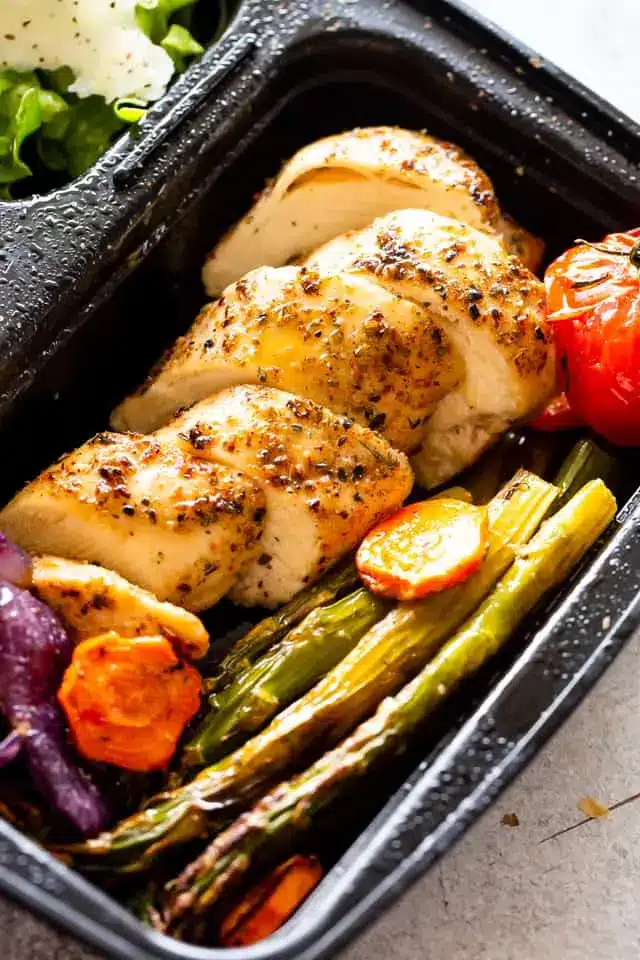
Welcome to a culinary adventure that promises simplicity, flavor, and a stress-free cooking experience. We’re diving into the world of sheet pan dinners, a method that has revolutionized weeknight meals for countless home cooks. This particular recipe, Sheet Pan Chicken, is designed to deliver maximum taste with minimal fuss, making it an ideal choice for busy individuals and families alike.
Imagine a single pan, beautifully laden with perfectly seasoned, juicy chicken alongside a medley of tender, roasted vegetables. It’s a symphony of textures and tastes, all coming together harmoniously in your oven. Get ready to discover why this dish is about to become your new go-to for delicious and effortless meals.
Why You Will Love This Recipe
- Effortless Preparation: With just a few simple steps, you can have a complete, delicious meal ready to go. The beauty of this recipe lies in its straightforward approach, minimizing active cooking time and maximizing your enjoyment.
- One-Pan Wonder: Say goodbye to piles of dirty dishes! This entire meal cooks on a single sheet pan, meaning less cleanup and more time to savor your culinary creation. It’s the ultimate in convenient cooking.
- Customizable Flavors: While this recipe offers a fantastic combination of ingredients, it’s incredibly adaptable. Feel free to swap out vegetables or adjust seasonings to perfectly suit your personal taste preferences.
- Healthy and Wholesome: Packed with lean protein from the chicken and a rainbow of nutrient-rich vegetables, this dish is a fantastic option for a balanced and healthy meal. It’s a guilt-free indulgence that nourishes your body.
- Perfect for Meal Prep: This recipe shines as a meal prep champion. Cook a batch on the weekend, and you’ll have delicious, ready-to-eat lunches or dinners for the week ahead.
Ingredients You Need
The success of any fantastic dish begins with the quality of its ingredients. For this sheet pan chicken, we’re focusing on fresh, vibrant produce and good-quality chicken. Opting for organic vegetables when possible can enhance both flavor and nutritional value. Remember that the subtle differences in ingredient quality can indeed elevate the final outcome of your meal.
Sheet Pan Chicken
This flavorful sheet pan chicken recipe is ready in under an hour, with juicy seasoned chicken breasts, tender potatoes, and vegetables all baked together. It's perfect for an easy weeknight chicken dinner, and I love it as a meal prep idea!
- 4 boneless, skinless chicken breasts (about 1 to 1½ pounds total)
- 3 cups diced potatoes
- 1 pound asparagus, ends trimmed
- 2 large carrots, diced or thinly sliced
- 1 large red onion, quartered
- 2 cups cherry tomatoes (optional)
- 2 tablespoons olive oil, divided
- 2 cloves garlic, minced, divided
- 1 teaspoon garlic powder
- 1½ teaspoons dried rosemary, divided
- 1½ teaspoons dried thyme, divided
- salt and freshly ground black pepper, to taste
- 1 tablespoon butter, cut into 4 pats
- 1Preheat oven to 425°F. Line a large sheet pan with parchment paper or foil; set aside.
- 2Cut up the potatoes, Brussels sprouts, asparagus, carrots, and red onion. Place each in a separate corner of the prepared sheet pan. Do not add the cherry tomatoes yet.
- 3Drizzle olive oil over the veggies. Season with garlic powder, ½ teaspoon dried rosemary, ½ teaspoon dried thyme, salt, and pepper.
- 4Place 2 chicken breasts over a large piece of parchment paper. Rub both sides of the chicken with a bit of olive oil, and season with salt, pepper, ½ teaspoon rosemary, ½ teaspoon thyme, and half of the minced garlic.
- 5Place a pat of butter on top of each chicken breast and tightly seal the parchment paper around the chicken breasts. Repeat the same process with the remaining 2 chicken breasts.
- 6Bake for 30 minutes, or until the chicken is cooked through. Chicken is done when its internal temperature reaches 165°F.
- 7Optionally, 10 minutes before it’s done cooking, add cherry tomatoes to the sheet pan.
- 8Remove from oven and let stand 5 minutes. Unwrap the chicken and serve.
Keywords: Sheet Pan Chicken, Easy Weeknight Dinner, Chicken Recipe, Roasted Vegetables, Meal Prep
The exact quantities for each ingredient are conveniently listed in the recipe card below, ensuring you have everything you need for a perfect bake.
Variations
One of the most exciting aspects of this sheet pan chicken is its incredible versatility. You can easily transform this base recipe into something entirely new with just a few smart swaps. Consider a vibrant Mediterranean twist by adding Kalamata olives, sun-dried tomatoes, and a sprinkle of feta cheese in the last 10 minutes of baking. The salty brine of the olives and the sweet intensity of the tomatoes create a delightful flavor profile.
For those seeking a low-carb option, simply omit the potatoes and replace them with extra broccoli florets, cauliflower, or zucchini slices. You can also boost the protein and healthy fats by adding some halved Brussels sprouts which get wonderfully crispy. Ensure these lower-carb vegetables are cut to a similar size to the chicken pieces for even cooking.
Another fantastic variation involves a touch of global inspiration. Imagine infusing your sheet pan chicken with Asian flavors by marinating the chicken in a mixture of soy sauce, ginger, garlic, and a touch of honey before baking. Then, add bell peppers, snow peas, and sliced red onions to the pan for a colorful and flavorful dinner that’s both healthy and satisfying.
How to Prepare sheet pan chicken
Step 1: Prepare to Bake
The first crucial step is to preheat your oven to a robust 425°F (220°C). This high temperature is essential for achieving beautifully roasted vegetables and perfectly cooked chicken with lovely caramelized edges. Simultaneously, prepare your baking sheet by lining it with parchment paper or aluminum foil. This not only prevents sticking but also makes the post-meal cleanup an absolute breeze.
Using parchment paper is often preferred as it provides a non-stick surface without imparting any metallic taste, ensuring the pure flavors of your ingredients shine through. Foil can also be used, but ensure it’s heavy-duty to prevent tearing. Set this prepared pan aside, ready for the assembly of your delicious ingredients.
Step 2: Cut the Veggies
Now, it’s time to prepare the vibrant assortment of vegetables that will accompany your chicken. The key to achieving perfectly cooked vegetables alongside your chicken is uniform sizing. Aim to cut your potatoes, Brussels sprouts, carrots, and red onion into roughly uniform, bite-sized pieces, approximately 1-inch cubes or halves for the sprouts. This ensures they will all roast evenly in the same amount of time.
For instance, potatoes and carrots, which tend to be denser, should be cut into smaller chunks to ensure they become tender. Brussels sprouts can be halved, and onions quartered or cut into thick wedges. Asparagus should have its woody ends trimmed to make it more palatable. It’s important to keep the cherry tomatoes separate for now, as they cook much faster and would become mushy if added at this stage.
Step 3: Season the Veggies
Once your vegetables are prepped and ready, it’s time to infuse them with flavor. Arrange the cut vegetables – excluding the cherry tomatoes – in separate sections on your prepared baking sheet. This allows for even distribution of seasonings and prevents them from overcrowding, which can lead to steaming rather than roasting.
Drizzle the vegetables generously with about 1 tablespoon of olive oil. This oil acts as a conductor for heat, helping to crisp up the vegetables and distribute the seasonings evenly. Then, sprinkle them with garlic powder, half a teaspoon of dried rosemary, half a teaspoon of dried thyme, and a good pinch of salt and freshly ground black pepper. Toss everything together gently with your hands or a spatula until each piece is lightly coated.
Step 4: Season the Chicken
For the chicken, we’re going to create individual flavor packets that lock in moisture and ensure maximum tenderness. Take two boneless, skinless chicken breasts and place them onto a large piece of parchment paper. Drizzle each chicken breast with a little olive oil, ensuring they are lightly coated on all sides. This helps the seasonings adhere and promotes browning.
Now, season the chicken generously with salt, freshly ground black pepper, the remaining half teaspoon of rosemary, the remaining half teaspoon of thyme, and half of the minced garlic. Rub the seasonings into the chicken to ensure a thorough coating. This step is crucial for developing a rich, savory flavor that complements the roasted vegetables beautifully.
Step 5: Wrap the Chicken
To ensure incredibly moist and flavorful chicken, we’re using a technique similar to en papillote. After seasoning the chicken breasts on their parchment paper, place a small pat of butter on top of each one. The butter will melt as the chicken cooks, basting it and adding a wonderful richness and preventing it from drying out. Carefully fold the parchment paper up and around the chicken breasts, sealing it tightly to create a packet.
The goal is to create a sealed pouch that traps the steam and juices released during cooking. Repeat this entire process with the remaining two chicken breasts, ensuring each pair is individually wrapped. This method not only infuses the chicken with flavor but also keeps it incredibly tender and juicy throughout the cooking process. This is a wonderful technique that can also be used for other proteins, such as fish or pork.
Step 6: Bake and Finish
Now, carefully place the wrapped chicken packets directly in the center of the baking sheet, surrounded by the seasoned vegetables. Place the entire sheet pan into the preheated oven. Bake for approximately 30 minutes. The high heat of 425°F ensures that the vegetables will roast and caramelize nicely, while the chicken cooks through to a perfect internal temperature.
To check for doneness, carefully unwrap one of the chicken packets (watch out for hot steam!) and insert an instant-read thermometer into the thickest part of a chicken breast. It should register 165°F (74°C). If you are including the optional cherry tomatoes, scatter them around the vegetables during the last 10 minutes of baking, allowing them to soften and burst slightly. Once cooked, remove the pan from the oven and let the chicken rest in its packets for about 5-10 minutes. This resting period allows the juices to redistribute, resulting in even more tender and flavorful chicken.
Pro Tips for sheet pan chicken
Even Sizing is Key: For consistent cooking, ensure all your vegetables are cut into roughly the same size. This prevents some from being overcooked while others are still raw. Smaller pieces cook faster, so adjust accordingly based on the vegetable’s density.
Don’t Overcrowd the Pan: Give your ingredients ample space on the baking sheet. Overcrowding leads to steaming instead of roasting, resulting in soggy vegetables and less flavorful chicken. Use a large enough pan or two smaller ones if necessary.
High Heat for Roasting: Don’t be afraid of a high oven temperature, like 425°F. This is crucial for achieving those desirable caramelized edges on your vegetables and a nicely browned exterior on the chicken.
The Power of Parchment: Using parchment paper is a game-changer for cleanup. It prevents sticking and makes transferring food on and off the pan a breeze. Plus, it helps create a little steam pocket for the chicken, keeping it incredibly moist.
Rest Your Chicken: Just like with any roasted meat, letting the chicken rest for a few minutes after cooking is vital. This allows the juices to settle back into the meat, ensuring every bite is succulent and flavorful. This simple step makes a significant difference in the final texture.
Serving Suggestions for sheet pan chicken
Decoration
A sprinkle of fresh, finely chopped parsley or chives over the finished dish adds a burst of color and a hint of freshness. You could also add a few thin slices of lemon to the pan during the last 5 minutes of baking for a subtle citrus aroma and visual appeal. A tiny drizzle of balsamic glaze just before serving can also offer a beautiful finishing touch and a hint of sweetness.
Side Dishes
This sheet pan chicken is incredibly versatile and pairs beautifully with a variety of sides. Consider serving it alongside fluffy quinoa or a light, fresh salad for a complete and balanced meal. Garlic butter noodles or a simple side of rice are also excellent accompaniments that soak up any delicious pan juices. For a more substantial meal, a side of crusty bread is perfect for sopping up any residual sauce.
Creative Serving Ideas
Deconstruct the sheet pan components and serve them in a hearty grain bowl. Layer your chicken and roasted vegetables over a bed of brown rice or farro, and top with a dollop of your favorite sauce, such as a creamy avocado dressing or a spicy sriracha mayo. You can also shred the chicken and mix it with the vegetables, then use the mixture as a filling for wraps or pita pockets for a delightful lunch option.
Preparation & Storage
Storing Leftovers
To store your delicious sheet pan chicken and vegetables, allow them to cool completely before transferring them to an airtight container. Refrigerate promptly. Properly stored, leftovers can be enjoyed for up to 4-5 days. This makes it an excellent option for meal prepping lunches or dinners for the upcoming week, saving you time and effort.
Freezing
For longer storage, this dish freezes exceptionally well. Once cooled, portion the chicken and vegetables into freezer-safe containers or heavy-duty freezer bags. Ensure they are well-sealed to prevent freezer burn. Frozen leftovers will maintain their quality for up to 2 months. Thawing overnight in the refrigerator is the best method before reheating.
Reheating
Reheating is straightforward and aims to bring back the dish’s delicious texture and warmth. You can reheat individual portions in the microwave until heated through, which is the quickest option. Alternatively, for a crispier result, spread the leftovers on a baking sheet and warm them in a 350°F (175°C) oven for about 10-15 minutes. You can also reheat gently in a skillet on the stovetop over medium-low heat, stirring occasionally.
Frequently Asked Questions
-
Can I use chicken thighs instead of chicken breasts?
Absolutely! Chicken thighs, especially boneless and skinless ones, are a fantastic substitute for chicken breasts. They tend to be more forgiving and can result in an even juicier final product because of their higher fat content. However, they may require a slightly longer cooking time than chicken breasts to reach the safe internal temperature of 165°F (74°C). It’s always best to use a meat thermometer to ensure they are cooked through properly. Keep an eye on them towards the end of the cooking time to prevent them from becoming overcooked.
-
What other vegetables can I use in this recipe?
The beauty of sheet pan dinners is their adaptability! You can swap in a wide variety of vegetables based on what’s in season or what you have on hand. Excellent choices include broccoli florets, cauliflower florets, zucchini, bell peppers (add these in the last 15 minutes as they cook quickly), green beans, parsnips, sweet potatoes, and even butternut squash. Just remember to cut harder vegetables like potatoes and squash into smaller pieces and softer vegetables like broccoli and zucchini into similar-sized portions to ensure even cooking alongside the chicken. Consider the cooking times of different vegetables when assembling your pan.
-
How do I prevent the chicken from drying out?
There are several strategies to ensure your chicken remains moist and succulent. Firstly, avoid overcooking it; use a meat thermometer to pinpoint the exact moment it reaches an internal temperature of 165°F (74°C). Secondly, the butter pats in the parchment paper packets act as a built-in basting mechanism, keeping the chicken moist. Cutting the chicken breasts into smaller, uniform pieces can also reduce cooking time and minimize the risk of drying out. Finally, allowing the chicken to rest for a few minutes after cooking helps redistribute its juices, ensuring every bite is tender.