Pineapple Glazed Pound Cake
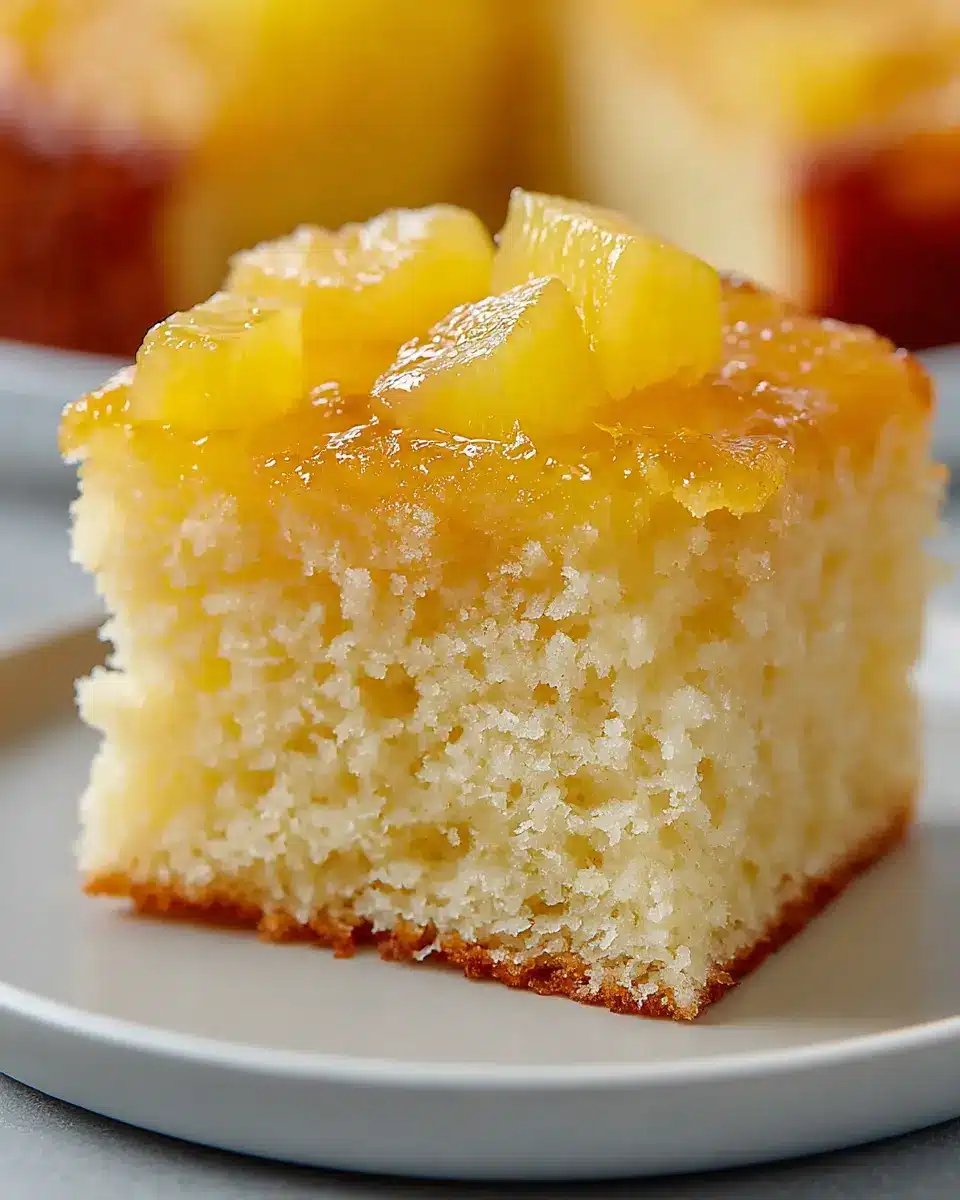
This Pineapple Pound Cake is the epitome of comforting, classic baking, offering a delightfully moist crumb that’s infused with sweet, tropical pineapple flavor. It’s a cake that not only tastes divine but also holds its structure beautifully, making it perfect for any occasion where a slice of pure, unadulterated joy is needed.
From holiday gatherings to casual potlucks, this dependable dessert promises a consistent, crowd-pleasing result every time. Its rich, buttery foundation, enhanced by the tender pockets of pineapple and a glossy, warm glaze, makes it an irresistible treat that feels both familiar and special.
Why You Will Love This Recipe
- Exceptional Moisture: The inclusion of undrained crushed pineapple and buttermilk ensures that every bite is incredibly soft, tender, and moist, preventing the dense dryness sometimes associated with pound cakes.
- Classic Comfort Flavor: It perfectly balances the rich, buttery notes of a traditional pound cake with the bright, sweet tang of pineapple, creating a harmonious and universally loved taste profile.
- Sturdy Yet Tender: This cake boasts the satisfying density of a pound cake, allowing for clean slicing and elegant presentation, while remaining wonderfully tender thanks to its moist ingredients.
- Visually Appealing Finish: The warm pineapple glaze adds a beautiful glossy sheen and an extra layer of sweetness that seeps into the cake’s surface, elevating its appeal and deliciousness.
- Make-Ahead Friendly: Its excellent stability when cooled makes it an ideal candidate for baking ahead, reducing stress on serving days and ensuring a delicious dessert is always on hand.
Ingredients You Need
The success of any great cake lies in the quality of its ingredients, and this Pineapple Pound Cake is no exception. Opting for fresh, high-quality components will truly elevate its flavor and texture. Using room-temperature dairy and eggs is crucial for ensuring they emulsify properly with the butter and sugar, leading to a smoother batter and a more even bake.
Pineapple Pound Cake

A rich, buttery pound cake made especially moist with crushed pineapple and finished with a warm pineapple glaze for added sweetness and flavor. It's a classic, dependable, and sliceable dessert perfect for holidays, potlucks, and make-ahead baking.
- For the cake:
- 3 cups granulated sugar
- 6 large eggs
- 1/2 cup buttermilk, room temperature
- 2 teaspoons vanilla extract
- 1 3/4 cups salted butter, softened
- 20 ounces crushed pineapple in juice, undrained
- 4 cups all-purpose flour
- For the glaze:
- 1 tablespoon butter
- 1 cup granulated sugar
- Pineapple and pineapple juice (as used in the glaze preparation)
- 1Preheat oven to 325°F (160°C). Generously coat a 10-inch tube pan with non-stick spray. Ensure all refrigerated ingredients are at room temperature.
- 2In a stand mixer bowl, combine flour, sugar, softened butter, buttermilk, eggs, 1/2 cup pineapple juice, and vanilla in that order. Mix on low speed for 1 minute.
- 3Scrape down the bowl, then increase speed to medium and beat for 4 minutes until the batter is smooth and fully blended.
- 4Gently fold in the crushed pineapple, ensuring it's evenly dispersed. Avoid overmixing.
- 5Spoon the batter into the prepared pan and smooth the top. Bake for 1 hour and 20 minutes to 1 hour and 30 minutes, or until a wooden pick inserted near the center comes out clean or with dry crumbs.
- 6Let the cake cool in the pan on a wire rack for 20-30 minutes before carefully inverting it onto a serving plate.
- 7To make the glaze, combine pineapple, pineapple juice, and sugar in a small saucepan. Bring to a boil, cook for 2 minutes, then simmer for another 2-3 minutes.
- 8Remove from heat and stir in the butter until melted and smooth.
- 9Pour the warm glaze evenly over the cooled cake. Allow it to settle slightly before serving.
Keywords: Pineapple Pound Cake, Pound Cake Recipe, Fruit Cake, Moist Cake, Make Ahead Cake, Holiday Baking, Potluck Dessert, German Dessert
The quantities for each ingredient are detailed in the accompanying recipe card, ensuring you have the precise measurements needed for a perfect bake every time.
Variations
While this Pineapple Pound Cake is perfection as is, there are delightful ways to put your own spin on this beloved dessert, catering to different dietary preferences and flavor profiles.
For a vibrant vegan twist, you can substitute the eggs with a flax egg (1 tablespoon ground flaxseed mixed with 3 tablespoons water, let sit for 5 minutes) or a commercial egg replacer. The buttermilk can be replaced with a plant-based milk (like almond or soy) mixed with a tablespoon of lemon juice or apple cider vinegar, allowing it to curdle for about 5-10 minutes. Ensure your butter is vegan as well; many margarines and plant-based butter alternatives work beautifully in baking, providing the necessary richness.
If you’re aiming for a low-carb version, the approach becomes a bit more involved but is certainly achievable. You would swap the all-purpose flour for a blend of almond flour and coconut flour, carefully balancing the ratios to maintain a good texture. Granulated sugar would be replaced with a sugar-free sweetener like erythritol, xylitol (use with caution around pets), or a monk fruit blend. You might also need to adjust the liquid content slightly, as low-carb flours absorb moisture differently, and perhaps add a touch more leavening to compensate for the lack of gluten. The pineapple might need to be omitted or replaced with a low-carb fruit extract for flavor, as fresh pineapple is high in natural sugars.
Another exciting variation could be a Tropical Pineapple Pound Cake, where you could enhance the pineapple flavor by adding a tablespoon or two of pineapple extract to the batter and perhaps a touch of coconut extract for an island vibe. You could also incorporate finely shredded unsweetened coconut into the batter for added texture and flavor. For the glaze, consider adding a hint of lime zest or a splash of rum for an adults-only treat. This version would be particularly delightful served with a dollop of whipped cream or even a scoop of coconut ice cream.
How to Prepare Pineapple Pound Cake
Step 1: Preparing the Pan and Oven
Begin by preheating your oven to the specified temperature, which is crucial for even baking. Simultaneously, thoroughly prepare your 10-inch tube pan. This involves greasing it generously with butter or non-stick spray, and then dusting it lightly with flour, ensuring all crevices are covered.
This meticulous preparation is key to preventing the cake from sticking. A well-greased and floured pan is your best defense against a beautiful pound cake breaking upon unmolding. Take this opportunity to also ensure your refrigerated ingredients, particularly the butter, eggs, and buttermilk, are at room temperature, as this aids in creating a smooth, homogenous batter.
Room temperature ingredients are far more forgiving and blend more easily with each other, creating an emulsion that is the foundation of a tender pound cake. Cold ingredients can cause the butter to seize, leading to a lumpy batter and an uneven texture in the final cake, so this preliminary step cannot be overstated for achieving that perfect crumb.
Step 2: Mixing the Main Batter Ingredients
In your stand mixer’s bowl, add the primary batter ingredients in the order specified: granulated sugar, softened salted butter, room-temperature eggs, buttermilk, and vanilla extract. Start beating these ingredients on a low speed for about one minute, just until they begin to combine into a cohesive mass. This initial gentle mixing helps to incorporate air without developing too much gluten too early.
Once they have just started to come together, stop the mixer and thoroughly scrape down the sides and bottom of the bowl with a spatula. This ensures that no pockets of unmixed ingredients remain, guaranteeing a uniform batter. After scraping, resume mixing on a medium speed for approximately four minutes. During this time, the butter and sugar will cream together beautifully, the eggs will emulsify, and the batter will transform into a smooth, creamy, and pale yellow mixture that is fully blended with no visible streaks of butter or flour.
This creaming process is vital for the texture of your pound cake. The air incorporated here creates lightness and contributes to the cake’s structure. Over-mixing at this stage can still be detrimental, so aim for that perfect, smooth consistency without going overboard. A well-creamed batter is a promise of a tender crumb and a cake that rises beautifully.
Step 3: Gently Folding in the Crushed Pineapple
Once your main batter is beautifully smooth and homogenous, it’s time to introduce the star ingredient: the crushed pineapple. Add the undrained crushed pineapple directly into the mixing bowl with the batter. The key here is to fold it in gently, rather than vigorously mixing or beating.
Use a rubber spatula or a large spoon to carefully incorporate the pineapple into the batter. You want to distribute the pineapple pieces and their juice evenly throughout the mixture, ensuring every slice of cake will have delightful bursts of fruit. Avoid overworking the batter at this stage, as excessive mixing can toughen the gluten in the flour, leading to a less tender final cake.
The goal is to create pockets of moist pineapple without breaking down the structure of the batter too much. Think of it as a delicate embrace, ensuring the pineapple is present without disturbing the smooth, creamy consistency of the batter you worked so hard to achieve. This gentle incorporation is what guarantees that signature moistness without compromising the cake’s integrity.
Step 4: Baking the Pound Cake
Carefully spoon the prepared batter into the meticulously prepared tube pan, spreading it evenly with your spatula. Once the batter is in the pan and smoothed on top, it’s ready for the oven. Place the pan in the preheated oven and begin the baking process, which is typically quite lengthy for a pound cake due to its density and moisture content.
Bake for approximately 1 hour and 20 minutes to 1 hour and 30 minutes. The exact time can vary based on your oven’s calibration. You will know the cake is done when it is deeply golden brown on top and a wooden skewer or toothpick inserted into the center comes out clean or with just a few dry crumbs attached. If it comes out with wet batter, it needs more time.
Since this is a large, moist cake, resist the urge to pull it out too early. Give it the full baking time it needs to ensure the center is fully cooked and set. An underbaked pound cake can be gummy and disappointing, so patience is a virtue here. The rich color and the clean tester are your definitive signs that this delicious bake is ready for the next stage.
Step 5: Cooling the Cake
Once the cake has finished baking and passed the tester test, carefully remove it from the oven. The initial cooling period is critical for the cake’s structure to stabilize. Leave the cake to rest in the pan on a wire cooling rack for about 20 to 30 minutes.
This short resting period allows the cake to firm up slightly. Pound cakes, especially those with fruit content, can be quite delicate when hot. Giving it this time in the pan helps the crumb set, making it much easier and safer to unmold without any part breaking away or sticking. It’s a brief but important pause before the cake is fully liberated from its baking vessel.
After this initial rest, it’s time to carefully invert the pan onto a serving plate or a clean wire rack. If you prepared your pan correctly, the cake should release with minimal effort. Allow it to cool completely on the wire rack before proceeding to the glaze. Cooling completely ensures the glaze adheres properly and doesn’t melt off or make the cake soggy.
Step 6: Preparing and Applying the Glaze
While the cake is cooling, prepare the luscious pineapple glaze. In a small saucepan, combine the butter, granulated sugar, and pineapple with its juice. Place the saucepan over medium heat and bring the mixture to a gentle simmer, stirring occasionally until the sugar is dissolved and the butter is melted.
Let this mixture simmer for about 2 to 3 minutes, allowing it to thicken slightly into a syrupy consistency. It should look glossy and inviting. Once it has reached the desired consistency, remove the saucepan from the heat. Stir in the tablespoon of butter until it is completely melted and incorporated, which will give the glaze a beautiful sheen and a silky texture.
Once the cake has cooled completely, it’s time to dress it up. While the glaze is still warm (but not piping hot), pour it evenly over the top of the cake. Use a spoon or spatula to gently guide it if needed, allowing it to drip down the sides in elegant rivulets. The warm glaze will soak slightly into the surface of the cake, adding an extra layer of moistness and sweetness for a truly decadent finish.
Pro Tips for Pineapple Pound Cake
Use Undrained Pineapple: For maximum moisture and flavor, always use crushed pineapple packed in its own juice, and do not drain it before adding it to the batter. The juice is essential for that tender, moist crumb characteristic of this cake.
Room Temperature is Key: Ensure all your refrigerated ingredients, especially butter, eggs, and buttermilk, are at room temperature. This allows them to emulsify properly with the sugar and fat, creating a smoother batter and a lighter cake texture.
Don’t Overmix: After adding the flour and especially after folding in the pineapple, mix only until just combined. Overmixing can develop the gluten too much, resulting in a tough, dense cake instead of a tender one.
Proper Pan Preparation: Greasing and flouring your tube pan meticulously is paramount. A well-prepared pan ensures easy release, preserving the cake’s beautiful shape upon unmolding. Consider using a baking spray with flour for an extra layer of insurance.
Glaze Temperature: When pouring the glaze, it should be warm, not hot. If it’s too hot, it might melt away too much; if it’s too cool, it will be too thick to spread evenly. Aim for a consistency that flows but coats nicely.
Serving Suggestions for Pineapple Pound Cake
Decoration
The Pineapple Pound Cake is beautiful in its simplicity, but a few decorative touches can elevate its presentation. A dusting of powdered sugar can offer a delicate, snowy finish that contrasts beautifully with the golden cake and glossy glaze. For a more elaborate look, consider garnishing the top with fresh pineapple wedges or slices, perhaps candied for an extra special touch. A scattering of toasted coconut flakes or slivered almonds can also add texture and visual appeal, complementing the tropical notes of the cake.
Side Dishes
While this cake stands magnificently on its own, certain accompaniments can create a truly memorable dessert experience. A dollop of freshly whipped cream, lightly sweetened and perhaps infused with a hint of vanilla or lime zest, provides a soft, creamy counterpoint to the cake’s dense texture. Fresh berries, such as sliced strawberries, raspberries, or blueberries, offer a burst of refreshing tartness that balances the cake’s sweetness. A small scoop of vanilla bean or coconut ice cream would also be a decadent and fitting accompaniment for those who love a classic dessert pairing.
Creative Serving Ideas
Beyond serving individual slices, this Pineapple Pound Cake can be transformed into other delightful desserts. Consider transforming leftovers into delicious trifles; layer cubed cake with pudding, fresh fruit, and whipped cream in individual glasses for a stunning layered dessert. Another idea is to create mini pineapple pound cake parfaits, perfect for a brunch or a tea party. You could also gently toast slices of the pound cake and serve them with a warm caramel sauce or a fruit compote for a deconstructed dessert, offering a slightly different textural experience while still showcasing the cake’s wonderful flavor.
Preparation & Storage
Storing Leftovers
Once the cake has completely cooled, it can be stored at room temperature for up to two days, provided your kitchen is cool. For optimal freshness and to prevent it from drying out, wrap the cake tightly in plastic wrap or place it in an airtight container. If your environment is warmer, or if you want to keep it for a longer period, refrigeration is recommended. Wrapped tightly, it can be stored in the refrigerator for up to five days.
Freezing
Pineapple Pound Cake freezes exceptionally well, making it an excellent candidate for baking ahead for future celebrations or simply to have a delicious treat on hand. You can freeze the entire cake, or for easier portioning, wrap individual slices securely in plastic wrap, then place them in a freezer-safe airtight container or a heavy-duty freezer bag. Properly stored, the cake or slices can maintain their quality in the freezer for up to two months.
Reheating
To enjoy your stored or frozen Pineapple Pound Cake, thawing is straightforward. If frozen, allow the cake or slices to thaw overnight in the refrigerator or at room temperature for a few hours. If you wish to reheat a slice slightly to soften the glaze and bring out its aroma, a few seconds in the microwave (about 10-15 seconds on low power) is usually sufficient. Be careful not to overheat, as this can dry out the cake and alter its tender texture.
Frequently Asked Questions
-
Why is my pound cake dense or heavy, even with pineapple?
A dense or heavy pound cake, even one with moistening ingredients like pineapple and buttermilk, can result from several common pitfalls. Overmixing the batter after the flour has been added is a primary culprit, as it develops gluten excessively, leading to toughness. Using cold ingredients instead of room-temperature ones can also hinder proper emulsification, resulting in a denser crumb. Furthermore, insufficient baking time means the cake may not set properly, appearing heavy. Another factor can be too much flour relative to the liquid and fat, so accurate measuring is crucial.
-
Can I use fresh pineapple instead of canned crushed pineapple?
Yes, you can absolutely use fresh pineapple, but it requires a bit more preparation and adjustment. If using fresh pineapple, ensure it is ripe and sweet. Chop it into small, fine pieces, similar in size to crushed pineapple from a can, and you will need to drain off any excess liquid after chopping and allow it to sit for a few minutes to further drain. While fresh pineapple is wonderful, canned crushed pineapple packed in juice is often preferred for its consistent moisture content and texture, which contributes reliably to the cake’s unique tenderness. If using fresh, you may find you need to slightly reduce other liquids in the recipe, depending on how juicy the pineapple is.
-
My glaze seems too thin or too thick; how can I adjust it?
Adjusting the consistency of the glaze is usually straightforward. If your glaze is too thin and doesn’t seem to be thickening enough after simmering, you can try simmering it for a few more minutes to allow more liquid to evaporate, which will concentrate the sugars and thicken it. Alternatively, you could whisk in a tiny bit more sugar, about a teaspoon at a time, while it’s warm. If the glaze is too thick, you can thin it out by stirring in a little more pineapple juice or a very small amount of warm water or milk, about a teaspoon at a time, until you achieve the desired pourable consistency. The goal is a glaze that is fluid enough to coat the cake evenly but thick enough to adhere without running off completely.