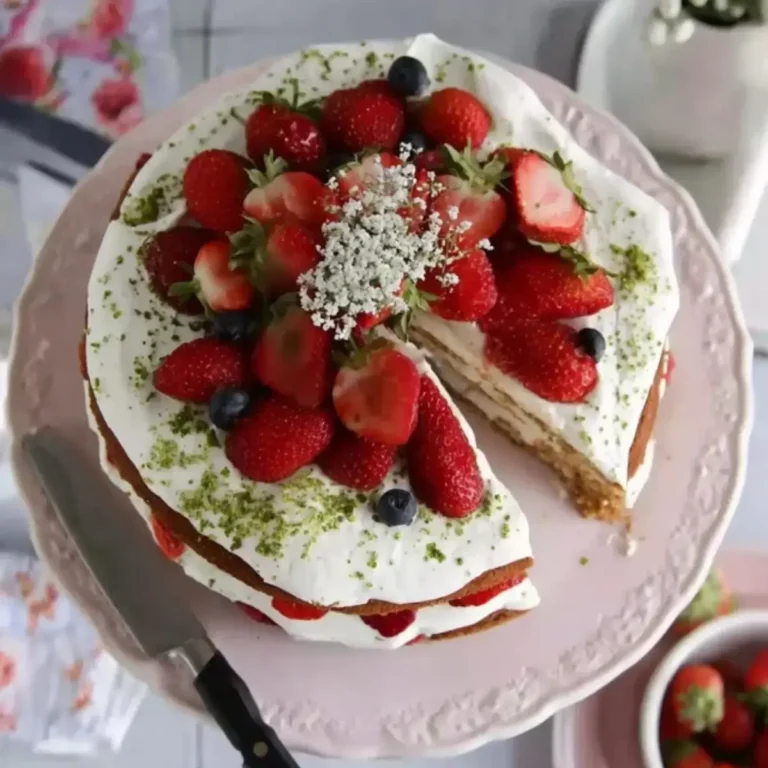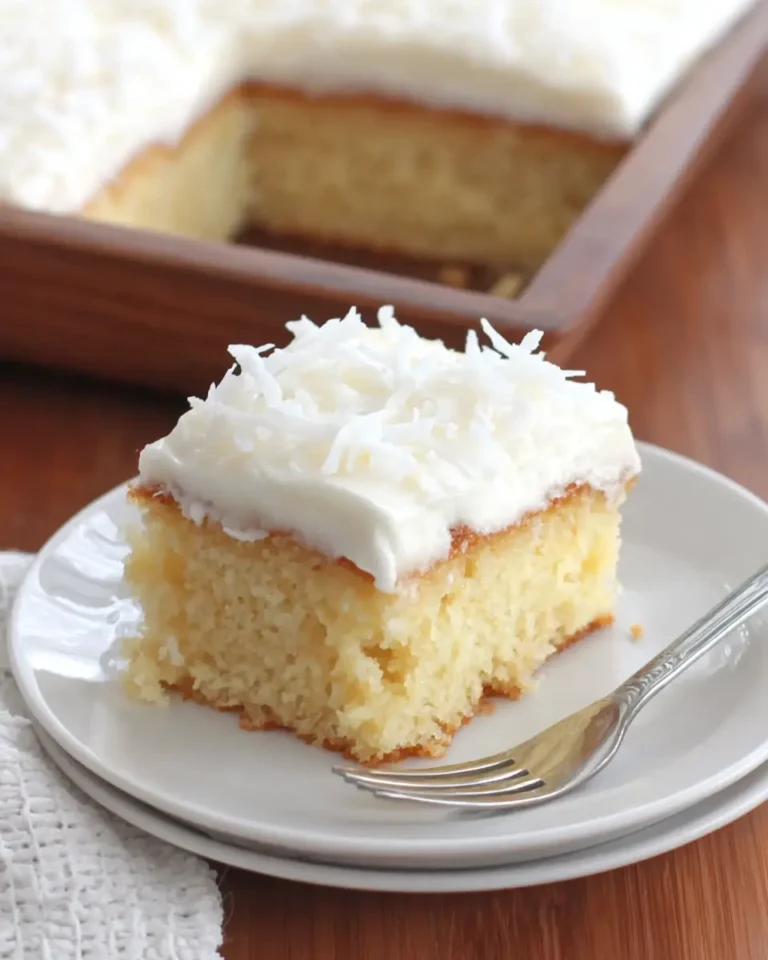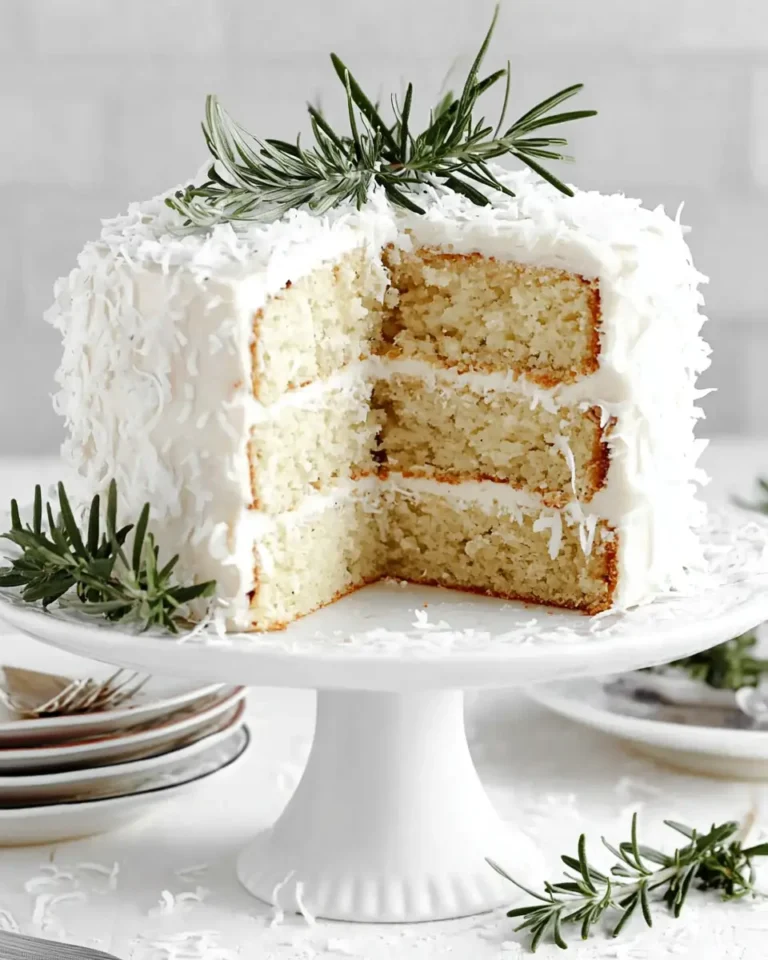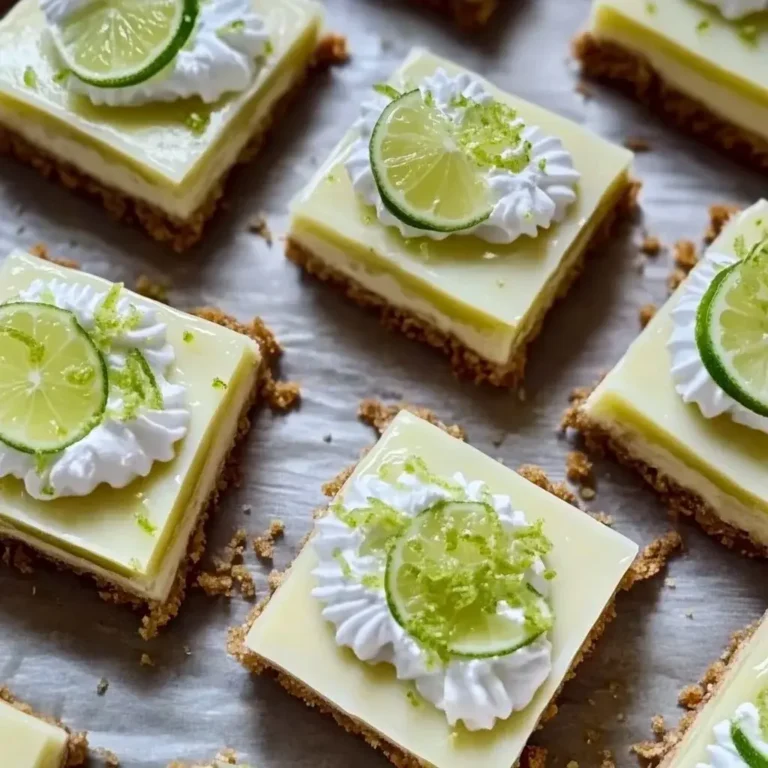
Glazed Pineapple Juice Bundt Cake
The aroma of warm, tropical sweetness is about to fill your kitchen, and the promise of a tender, moist crumb is just moments away. This Pineapple Juice Cake is more than just a dessert; it’s an experience, a delightful journey to a sun-kissed paradise with every single bite.
Crafted with simplicity in mind, this cake transforms everyday ingredients into something truly spectacular. It’s the kind of treat that brings smiles to faces and comfort to the soul, perfect for any occasion, from a casual afternoon tea to a festive holiday gathering.
Why You Will Love This Recipe
- Effortless Preparation: Utilizing a convenient cake mix as a base, this recipe significantly cuts down on prep time, making it ideal for busy bakers.
- Incredible Moisture: The magic of pineapple juice, both in the batter and the glaze, ensures an exceptionally moist and tender cake that stays delightful for days.
- Bright Tropical Flavor: Experience a burst of sunny pineapple goodness that is both refreshing and perfectly sweet, avoiding any cloying richness.
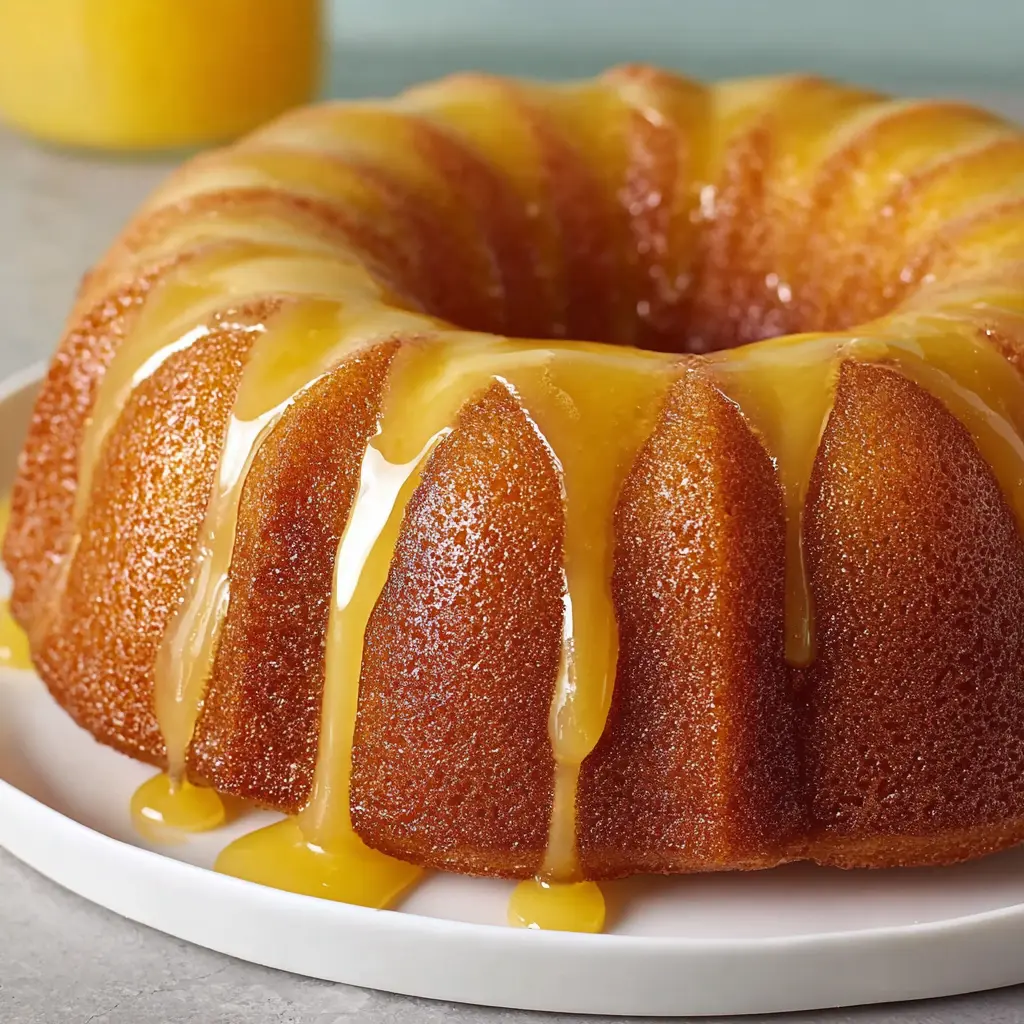
- Beautiful Presentation: The classic Bundt shape, enhanced by a glistening, buttery glaze, creates a stunning centerpiece that looks as good as it tastes.
- Make-Ahead Marvel: This cake truly improves with time, allowing the glaze to meld beautifully with the crumb, making it perfect for preparing a day in advance.
Ingredients You Need
The beauty of this Pineapple Juice Cake lies in its accessible ingredient list, which focuses on quality for the best flavor and texture. We’ll be leveraging a standard yellow cake mix for a foolproof foundation, ensuring a tender crumb and reliable bake every time. The true star, however, is the pineapple juice, which infuses the cake with a vibrant, tropical essence and contributes significantly to its signature moistness. Ensuring your eggs are at room temperature will help them emulsify more smoothly into the batter, leading to a more cohesive and even texture throughout the finished cake. For the glaze, simple pantry staples like butter and confectioners’ sugar, combined with more pineapple juice, create a luscious topping that elevates the entire dessert.
Pineapple Juice Cake
A tender Bundt cake prepared with yellow cake mix, pineapple juice, eggs, and vegetable oil, then saturated with a buttery pineapple glaze for a moist, richly flavored finish. This cake is quick, moist, and has bright tropical flavor.
- 1 package yellow cake mix (such as Duncan Hines Classic Yellow)
- 4 large eggs (brought to room temperature for improved blending)
- 3/4 cup pineapple juice
- 3/4 cup vegetable oil
- 4 tablespoons butter (melted, preferably Kerrygold)
- 3/4 cup pineapple juice
- 2 cups confectioners’ sugar
- 1Preheat the oven to 350°F. Thoroughly grease a standard Bundt pan so the cake releases cleanly after baking.
- 2Place the yellow cake mix, room-temperature eggs, pineapple juice, and vegetable oil in a large mixing bowl. Stir until the ingredients are just incorporated, taking care not to overmix.
- 3Pour the batter into the prepared Bundt pan and spread it into an even layer.
- 4Bake for 28 to 32 minutes, or until a toothpick inserted into the center comes out clean.
- 5Remove the cake from the oven and let it rest in the pan for 10 to 15 minutes.
- 6While the cake cools, prepare the syrup. In a bowl, combine the powdered sugar and pineapple juice with the hot melted butter. Whisk until the mixture is smooth and fully blended.
- 7With the cake still in the pan, use a fork or skewer to make holes across the surface.
- 8Pour approximately three-quarters of the syrup evenly over the cake, allowing it to seep into the holes and soak the crumb.
- 9Let the cake stand for 15 minutes so the syrup can absorb properly.
- 10Turn the cake out onto a serving plate. Spoon or drizzle the remaining syrup over the top, allowing it to run down the sides. Serve once ready.
Keywords: Pineapple Juice Cake, Bundt Cake, Tropical Cake, Easy Cake, Cake Mix Cake, Dessert, Vegetarian
You’ll find the specific quantities for all these delightful components listed within the comprehensive recipe card. This ensures you have all the precise measurements needed for baking success.
Variations
While this Pineapple Juice Cake is wonderfully delicious as is, its adaptable nature opens up a world of exciting variations to suit different dietary needs and flavor preferences. Imagine transforming this sunny treat into a delightful vegan indulgence. To achieve this, you would simply substitute the eggs with a flax egg (1 tablespoon flaxseed meal mixed with 3 tablespoons water, allowed to sit for 5 minutes) or a commercial egg replacer. The butter in the glaze could be swapped for a high-quality vegan butter alternative, ensuring that rich, creamy texture remains. This vegan version would still carry that beloved tropical tang, making it a fantastic option for those avoiding animal products.
For those looking to reduce their carbohydrate intake, a low-carb adaptation is entirely possible. You would start by selecting a low-carb yellow cake mix alternative, which often uses ingredients like almond flour or coconut flour and sugar substitutes. Then, you would need to replace the confectioners’ sugar in the glaze with a powdered sugar substitute, such as erythritol or a blend. While the texture might vary slightly, the bright pineapple flavor would still shine through, offering a guilt-free way to enjoy this tropical delight. Be sure to experiment with sweeteners to find your preferred level of sweetness and texture.
Another fantastic variation involves adding a hint of complementary spice to the cake batter. A touch of ground cinnamon or nutmeg, perhaps even a pinch of ground ginger, could add a warm, cozy dimension that beautifully balances the bright pineapple. For a more decadent twist, consider folding in some finely chopped macadamia nuts or shredded coconut into the batter before baking. These additions would introduce lovely textural contrasts and enhance the tropical theme, turning each slice into a delightful sensory experience. A drizzle of toasted coconut flakes over the glaze would also be a stunning and flavorful finishing touch.
How to Prepare Pineapple Juice Cake
Step 1: Preparing the Bundt Pan and Oven
The initial steps are crucial for ensuring your Pineapple Juice Cake releases flawlessly from its intricate mold. Preheat your oven to a consistent 350°F (175°C). This moderate temperature is key to baking the cake evenly without scorching the exterior before the interior is cooked through.
Next, it’s time to prepare your Bundt pan, and this step demands meticulous attention to detail. Using a generous amount of softened butter or baking spray, thoroughly grease every single nook and cranny of the pan. This includes the central tube and all the decorative ridges and valleys; these are the areas where the cake is most likely to stick. A common mistake is to not be thorough enough, which can lead to frustrating cake breakage upon unmolding.
For an extra layer of insurance against sticking, many bakers like to lightly dust the greased pan with a bit of all-purpose flour or even granulated sugar. Gently tap the pan to distribute the coating evenly, then invert it and tap out any excess. This creates a non-stick barrier that will help the beautifully formed cake slide out with ease. The goal is a clean release that preserves the cake’s stunning shape.
Step 2: Mixing the Cake Batter
In a large mixing bowl, you will combine the foundational elements of your cake batter. Begin by adding the contents of the yellow cake mix. This provides a reliable and consistent base, offering the perfect balance of flour, leavening agents, and sugar.
Next, incorporate the four large eggs. It’s highly recommended to have these eggs at room temperature before adding them to the mix. Room-temperature eggs blend more smoothly and evenly into the batter, contributing to a more cohesive mixture and a tender finished crumb. Follow this with the precisely measured 3/4 cup of pineapple juice. This is where the cake gets its signature moistness and a delightful hint of tropical flavor.
Finally, add the 3/4 cup of vegetable oil. Oil is crucial for ensuring a moist cake that stays tender, even after the glaze has been applied and absorbed. Stir these ingredients together using a whisk or an electric mixer on low speed. The key here is to mix *just until* everything is combined and the batter appears smooth. Overmixing can develop the gluten in the flour too much, resulting in a tougher, less tender cake. A few small lumps are perfectly acceptable.
Step 3: Baking the Cake
Carefully pour the prepared cake batter into the meticulously greased and floured Bundt pan. Use a spatula to gently spread the batter evenly, ensuring it fills all the decorative indentations. A smooth, even surface on top will help the cake bake more uniformly.
Place the filled Bundt pan into the preheated oven at 350°F (175°C). Bake for approximately 28 to 32 minutes. The exact baking time can vary depending on your oven and the specific Bundt pan you are using, so it’s important to keep an eye on it.
To check for doneness, insert a long wooden toothpick or a thin skewer into the thickest part of the cake, avoiding any deep crevices. If it comes out clean, with no wet batter clinging to it, your cake is ready. A few moist crumbs are perfectly fine, but if there’s wet batter, it needs a few more minutes. Once baked, carefully remove the pan from the oven and place it on a wire rack to begin the cooling process.
Step 4: Initial Cooling and Glaze Preparation
Allow the cake to rest in its Bundt pan for about 10 to 15 minutes after removing it from the oven. This brief cooling period is essential for several reasons. It allows the cake structure to set slightly, making it more stable and less likely to break when you attempt to unmold it.
Furthermore, this initial cooling time is perfectly timed to allow the cake to absorb the forthcoming glaze more effectively. A cake that is too hot might cause the glaze to become too thin and runny, while a completely cooled cake won’t absorb it as readily. This intermediate temperature is the sweet spot for maximizing glaze absorption.
While the cake is undergoing its initial rest, prepare the luscious glaze. In a medium bowl, whisk together the 4 tablespoons of melted butter, the 3/4 cup of pineapple juice, and the 2 cups of confectioners’ sugar. Ensure the butter is fully melted and the ingredients are thoroughly combined until you achieve a smooth, glossy, and pourable consistency. If the glaze seems too thick, you can add another teaspoon or two of pineapple juice; if it’s too thin, add a bit more confectioners’ sugar.
Step 5: Glazing the Cake
With the cake still warm and nestled within its Bundt pan, it’s time for the magic of the glaze. Take a fork or a long skewer and carefully poke holes all over the surface of the cake. Focus on creating a network of small openings that will allow the glaze to penetrate deep into the crumb.
Begin pouring about three-quarters of the prepared glaze slowly and evenly over the top of the warm cake. Allow the glaze to drip down into the holes and soak into the cake’s warm interior. This slow absorption is what contributes to the cake’s exceptional moistness and ensures the pineapple flavor permeates every bite.
Let the cake stand in the pan for another 15 minutes after this initial glazing. This allows the majority of the glaze to be absorbed by the warm cake, creating that signature dense, moist texture. During this time, the cake continues to cool slightly, but remains warm enough for optimal syrup absorption.
Step 6: Final Unmolding and Glazing
After the 15-minute resting period, it’s time to reveal the beautiful Bundt cake. Carefully invert the pan onto a serving plate or a wire rack. Give the pan a gentle shake or tap; the cake should release cleanly if the pan was properly prepared. If it seems stuck in places, gently work around the edges with a thin knife or offset spatula.
Once the cake is successfully unmolded, take the remaining glaze and spoon or drizzle it over the top. Allow this final layer of glaze to cascade down the sides of the cake, coating its beautiful curves. This not only adds an extra layer of sweetness and flavor but also gives the cake a polished, professional finish.
Let the cake stand for a few more minutes to allow the final glaze to set slightly before slicing. This allows the glaze to adhere to the cake and prevents it from running off completely. The result is a stunning, incredibly moist, and flavorful Pineapple Juice Cake, ready to be enjoyed.
Pro Tips for Pineapple Juice Cake
Don’t Overmix the Batter: The mantra for a tender cake is “mix just until combined.” Overworking the batter develops gluten, leading to a tough, dense texture rather than the light, airy crumb we desire. Resist the urge to beat it endlessly; a few small lumps are perfectly fine and often preferable.
Generously Grease the Pan: This cannot be stressed enough, especially with intricate Bundt pans. Every crevice must be coated to ensure a clean release. Using a pastry brush to get into every ridge is far more effective than a quick spray.
Warm Cake, Warm Glaze: Pouring the glaze onto a warm cake is key. The heat opens up the cake’s pores, allowing the glaze to soak in deeply and create that incredibly moist, almost syrupy texture that makes this cake so special. Ensure your glaze isn’t piping hot, but rather at a temperature that’s easy to pour and pleasantly warm.
Let It Sit Before Serving: Patience is a virtue, especially with this cake. Allowing the glazed cake to rest for at least 15-30 minutes after the final glazing lets the syrup fully meld into the crumb, enhancing the flavor and texture. It also helps the glaze set slightly, preventing it from running off the slices.
Use Good Quality Pineapple Juice: The pineapple juice is a star ingredient here, so its flavor quality matters. Opt for 100% pure pineapple juice without added sugars or artificial flavors. This ensures a clean, bright tropical taste that shines through without being overly sweet or having artificial undertones.
Serving Suggestions for Pineapple Juice Cake
Decoration
The inherent beauty of a Bundt cake, especially with its glistening glaze, often requires minimal additional decoration. However, a few thoughtful touches can elevate its presentation further. Consider a light dusting of confectioners’ sugar through a delicate sieve for a snowy, elegant finish, reminiscent of a frosty morning. Alternatively, a scattering of toasted shredded coconut or finely chopped macadamia nuts over the wet glaze can enhance the tropical theme and add a delightful textural contrast.
Side Dishes
This Pineapple Juice Cake pairs wonderfully with a variety of accompaniments that complement its tropical sweetness. A dollop of lightly sweetened whipped cream is a classic choice, providing a creamy, cooling counterpoint to the cake’s richness. For a more intense tropical experience, serve slices with a small side of fresh pineapple chunks or a spoonful of pineapple salsa. These fresh elements add brightness and a delightful tang that balances the cake’s sweetness beautifully.
Creative Serving Ideas
For a brunch setting, consider serving thinner slices of the cake alongside a cup of freshly brewed coffee or a fragrant herbal tea. The buttery glaze and tender crumb create a delightful pairing with warm beverages, offering a comforting and satisfying start to the day. Another idea is to serve small wedges as part of a dessert platter, perhaps alongside some vanilla bean ice cream or a scoop of coconut sorbet for a delightful contrast in temperatures and flavors. This makes it perfect for parties and gatherings where a variety of sweet options are desired.
Preparation & Storage
Storing Leftovers
Once your delicious Pineapple Juice Cake has cooled completely, it’s important to store it properly to maintain its delightful moisture and flavor. The best method is to cover the cake tightly with plastic wrap or place it in an airtight cake keeper. This prevents the cake from drying out, which is especially important given its moist crumb.
At room temperature, the cake can be stored for up to 2 days in a cool, dry kitchen environment. If your kitchen tends to be warmer, or if you want to extend its shelf life, refrigerating the cake is a good option. In the refrigerator, properly covered, the cake will stay fresh for up to 5 days. The glaze helps to keep the cake moist, so it typically holds up well.
Freezing
Pineapple Juice Cake freezes remarkably well, making it an excellent candidate for baking ahead of time. For the best results, it’s recommended to freeze the cake *before* applying the glaze, if possible, or ensure the glaze has set completely and is no longer sticky. Wrap the cooled cake tightly in a layer of plastic wrap, followed by a layer of aluminum foil or place it in a freezer-safe container.
The cake can be frozen for up to 2 months. When you are ready to enjoy it, transfer the frozen cake to the refrigerator and allow it to thaw overnight. This slow thawing process helps maintain the cake’s texture and prevents condensation from making it soggy. If you have glazed the cake before freezing, ensure it’s wrapped extremely well to prevent freezer burn.
Reheating
Reheating this cake is simple and helps revive its moistness and brings out the buttery glaze. If the cake has been refrigerated, allow it to come to room temperature for about 30 minutes before serving. For a slightly warmed treat, you can reheat individual slices.
To reheat, place a slice on a microwave-safe plate and warm it in the microwave on low power for about 10 to 15 seconds. Be careful not to overheat, as this can dry out the cake. The goal is just to take the chill off and slightly soften the glaze, making it wonderfully gooey again. This brief warming period is perfect for a comforting dessert experience.
Frequently Asked Questions
-
Can I use fresh pineapple instead of pineapple juice?
While using fresh pineapple chunks in the cake batter might seem like a good idea, it’s not directly interchangeable with pineapple juice for this specific recipe. Fresh pineapple contains enzymes that can break down gluten and proteins, potentially affecting the cake’s structure and texture, making it gummy or too dense. The juice, however, provides essential moisture and flavor without these enzymatic complications. If you wish to incorporate fresh pineapple, it’s best used as a topping or a separate component, not a direct substitute for the juice within the batter and glaze.
-
Why is my Pineapple Juice Cake dense or gummy?
A dense or gummy texture in your Pineapple Juice Cake is often a result of overmixing the batter. When you overmix, the gluten in the flour becomes overdeveloped, leading to a tough and heavy cake rather than a light, tender crumb. Another common cause is not baking the cake long enough; an underbaked cake will naturally have a gummy center. Ensuring you mix only until the ingredients are just combined and performing the toothpick test accurately are critical steps to achieving the perfect, moist, yet tender crumb.
-
How can I make the glaze thicker or thinner?
Adjusting the glaze consistency is quite straightforward. If your glaze is too thin and runny, you can thicken it by gradually adding more confectioners’ sugar, one tablespoon at a time, whisking thoroughly after each addition until you reach your desired pouring consistency. Conversely, if the glaze is too thick and difficult to pour, you can thin it by adding a very small amount of additional pineapple juice, or even a splash of milk or water, a teaspoon at a time, until it is smooth and pourable. Always whisk well after each adjustment to ensure uniformity.