Texas Roadhouse Rolls – Easy Copycat Recipe!
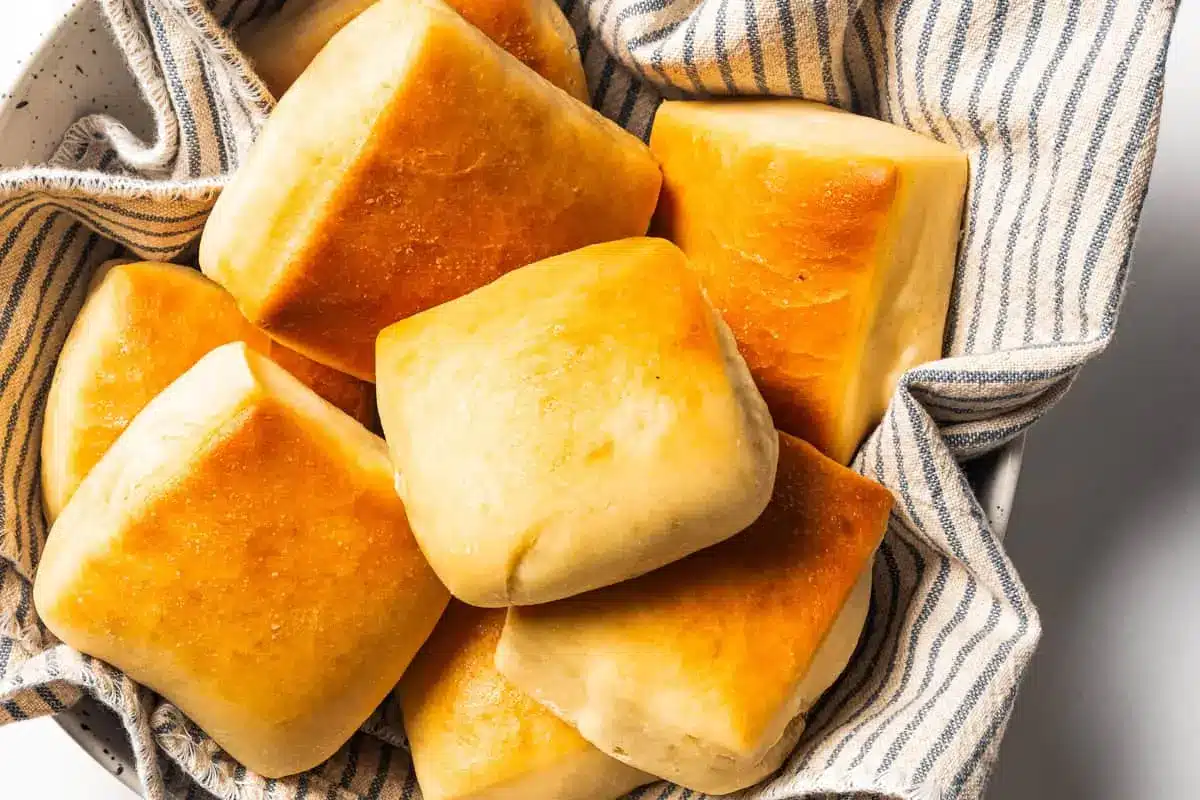
There’s a special kind of magic that happens when a warm, fluffy dinner roll emerges from the oven, filling your kitchen with an irresistible aroma. These copycat Texas Roadhouse rolls capture that exact magic, offering a taste of that beloved restaurant experience right in your own home. They are incredibly soft, delightfully sweet, and perfectly pillowy, making them an absolute showstopper for any meal.
Imagine serving these golden-brown beauties alongside your favorite hearty dinner, or perhaps slathered with sweet, cinnamon-spiced butter. They are so versatile and so incredibly satisfying that you’ll find yourself reaching for this recipe time and time again, whether you’re a seasoned baker or just starting your culinary journey. Get ready to impress yourself and your loved ones with these truly spectacular rolls.
Why You Will Love This Recipe
- Effortless Preparation: Even if you consider yourself a baker who enjoys shortcuts, these rolls are surprisingly simple to master, requiring minimal ingredients and straightforward steps.
- Superior Flavor and Texture: Forget store-bought or frozen options; these homemade rolls boast a tender crumb and a delicate sweetness that’s simply unmatched, making them infinitely better than any pre-packaged alternative.
- Incredible Versatility: Whether you crave a sweet indulgence with cinnamon butter or a savory companion to your main course, these rolls adapt beautifully, offering a delightful experience for any palate.
- Minimal Ingredients: You’ll be amazed at how few common pantry staples are needed to create these restaurant-quality rolls, making them an accessible treat for everyone.
Ingredients You Need
Crafting these phenomenal Texas Roadhouse rolls is a testament to the power of simple, high-quality ingredients coming together. The foundation of their amazing texture and flavor lies in the careful selection of each component. You’ll find that most of these are staples you likely already have on hand, which makes recreating this magic even easier.
Copycat Texas Roadhouse Rolls

These copycat Texas Roadhouse rolls are soft and fluffy, and you can serve them warm with homemade cinnamon butter as a side with any meal. They are better fresh from the oven!
- 2 teaspoons active dry yeast
- 1 cup milk (lukewarm, about 105˚F)
- 2 tablespoons unsalted butter (melted and cooled)
- 1 large egg
- 1 teaspoon salt
- 3¾ cup all purpose flour
- 1½ tablespoons unsalted butter (melted and cooled) for brushing
- Cinnamon butter (recipe in notes)
- 1Bloom the yeast: Add active dry yeast and sugar to a bowl. Add warm water and stir. Cover and set aside for 5-10 minutes, or until foamy.
- 2Add wet ingredients: To the bowl of a stand mixer, add warm milk, melted butter, and the yeast mixture. Add the egg and salt and mix until well combined.
- 3Add flour: Attach the dough hooks and gradually add the flour to the milk mixture while mixing. The dough should start to pull away from the sides of the bowl. Add more flour if needed.
- 4Rise the dough: Transfer the dough to a slightly oiled bowl and cover it with a clean kitchen towel. Let the dough rise for 1½ hours, or until doubled in size.
- 5Roll out the dough: Punch down the dough and roll it to a ½-inch thickness rectangle. Line a large baking sheet with parchment paper.
- 6Cut out the dough: Cut your dough into 15 squares or rectangles. Transfer the square rolls to the parchment paper-lined baking sheet.
- 7Second Rise: Cover them with a clean kitchen towel and let them rise until doubled in size, about 30 to 45 minutes.
- 8Baking time: Preheat your oven to 350ºF. Bake the rolls for 20 minutes.
- 9Serve: Once baked, remove the dinner rolls from the oven and immediately brush them with melted butter. Let them cool for about 5 to 10 minutes. Serve as desired or with cinnamon butter.
Keywords: Texas Roadhouse Rolls, Copycat Recipe, Dinner Rolls, Homemade Bread, Side Dish, Yeast Rolls, Sweet Rolls
For the exact quantities and precise measurements needed to achieve these perfect rolls, please refer to the detailed recipe card at the end of this article; it’s your indispensable guide to success.
Variations
While the classic Texas Roadhouse roll is undeniably perfect as is, there’s always room for a touch of creative flair to suit different dietary needs or flavor preferences. Exploring these variations can introduce new dimensions to your baking repertoire.
For a delightful vegan version, you can easily substitute the milk with unsweetened plant-based milk like almond, soy, or oat milk. The butter can be swapped out for vegan butter or coconut oil, and a flax egg (one tablespoon of ground flaxseed mixed with three tablespoons of water, left to sit for 10 minutes) can replace the traditional egg. The resulting rolls will still be wonderfully soft and fluffy, proving that deliciousness knows no bounds.
If you’re following a low-carb lifestyle, you might consider a keto-friendly adaptation. This would involve using almond flour or coconut flour as the base, along with a sugar substitute like erythritol or stevia to maintain sweetness without the carbs. While the texture might differ slightly from the original, you can still achieve a satisfying, subtly sweet bread-like experience that complements your dietary goals beautifully.
Another exciting twist could be to infuse the dough with subtle savory flavors. Imagine adding a pinch of garlic powder and dried herbs like rosemary or thyme directly into the dough mixture before the first rise. After baking, instead of cinnamon butter, you could brush them with a melted garlic-herb butter or even a drizzle of olive oil infused with sun-dried tomatoes for a Mediterranean flair, making them an exceptional accompaniment to a rich pasta dish or a hearty stew.
How to Prepare Texas Roadhouse Rolls
Step 1: Bloom the Yeast
The journey to perfect rolls begins with ensuring your yeast is alive and active, ready to work its magic. In a small bowl, combine the active dry yeast with a pinch of granulated sugar and the specified amount of warm water. This gentle environment, with the sugar acting as food for the yeast, encourages it to awaken.
You’ll know your yeast is ready when it becomes foamy and develops a pleasant, slightly bready aroma within about 5 to 10 minutes. If, after this time, you don’t see any signs of life – no foam, no aroma – it’s a clear indicator that your yeast may be expired or has been killed by water that was too hot. In this case, it’s essential to start over with a fresh packet of yeast to ensure your dough rises properly.
Crucially, the water temperature is key here; it should be warm, not hot, ideally between 100°F and 110°F (38°C to 43°C). Too hot, and you’ll extinguish the delicate yeast organisms; too cold, and they won’t activate effectively. This initial step is foundational for achieving that desirable fluffy texture.
Step 2: Combine the Wet Ingredients
Once your yeast is happily blooming, it’s time to bring together the other liquid components that will form the rich base of your dough. In the bowl of your stand mixer, or in a large mixing bowl if you’re kneading by hand, pour in the lukewarm milk. Ensure the milk is also within a safe temperature range, typically between 100°F and 105°F (38°C to 40.5°C), to avoid harming the yeast.
Next, add the melted and slightly cooled unsalted butter. It’s important that the butter isn’t hot, as this can also damage the yeast. Pour in the now-foamy yeast mixture, followed by the room-temperature egg and the salt. The egg contributes to the richness and helps bind the dough, while the salt enhances the overall flavor profile and controls yeast activity.
Gently whisk these ingredients together until they are thoroughly combined and the egg is fully incorporated into the milky mixture. This blend of liquid ingredients will create a wonderfully tender and flavorful dough, laying the groundwork for those irresistible rolls.
Step 3: Incorporate the Flour and Knead the Dough
Now, it’s time to introduce the structure to your wet ingredients by gradually adding the all-purpose flour. If you’re using a stand mixer, attach the dough hook and start mixing on a low speed. Add the flour a cup at a time, allowing it to incorporate before adding the next. This gradual addition helps the dough form correctly and prevents the mixer from becoming overloaded.
As you continue to mix, the dough will start to transform from a shaggy, wet mass into a cohesive ball that begins to pull away from the sides of the mixing bowl. This is the sign that your gluten is developing, which is essential for that chewy, elastic texture characteristic of good bread. If the dough seems too sticky and is refusing to come together, you can add a tablespoon of flour at a time, mixing well after each addition, until it reaches the desired consistency.
Once the dough has formed a ball, continue to knead it in the mixer for about 6-8 minutes, or by hand on a lightly floured surface for about 8-10 minutes. The dough should feel smooth, elastic, and slightly tacky to the touch but should not stick excessively to your hands. Proper kneading develops the gluten structure, which is vital for the rolls’ light and airy crumb.
Step 4: The First Rise (Proofing)
After the dough has been thoroughly kneaded and has achieved that beautiful, smooth elasticity, it’s time to let it rest and rise. Lightly grease a large, clean bowl with a neutral oil, such as vegetable or canola oil, or a small amount of melted butter. This prevents the dough from sticking to the bowl as it expands.
Carefully transfer the kneaded dough into the greased bowl, turning it once to ensure all sides are lightly coated with the oil. Cover the bowl tightly with a clean kitchen towel or plastic wrap. This covering traps moisture and heat, creating an ideal environment for the yeast to work its magic and produce carbon dioxide, which causes the dough to rise.
Place the covered bowl in a warm, draft-free spot in your kitchen. This could be near a preheating oven (turned off!), on top of a refrigerator, or in a slightly warmed, then turned-off oven. Allow the dough to rise for approximately 1.5 to 2 hours, or until it has at least doubled in size. The exact time can vary depending on the ambient temperature of your kitchen.
Step 5: Shape and Second Rise
Once your dough has impressively doubled in size, it’s time to punch it down gently to release the trapped gases and prepare it for shaping. Turn the risen dough out onto a lightly floured work surface. For these Texas Roadhouse style rolls, you’ll want to roll the dough into a uniform rectangle. Aim for a thickness of about half an inch; this ensures that each roll has a good height when baked.
Using a sharp knife or a pizza cutter, divide the rectangular dough into equal portions. The recipe yields about 15 rolls, so aim for roughly square shapes. Carefully transfer these cut pieces of dough onto a baking sheet that has been lined with parchment paper. Parchment paper is your friend here, preventing any sticking and making cleanup a breeze.
Arrange the dough pieces with a little space between them, as they will puff up and expand during their second rise. Once the rolls are on the baking sheet, cover them loosely with another clean kitchen towel. Let them rest and rise for a second time in a warm spot for about 30 to 45 minutes, or until they are visibly puffy and have nearly doubled in size again. This second rise is crucial for achieving that incredibly soft and airy texture.
Step 6: Bake to Golden Perfection
As your rolls are completing their second rise and nearing readiness, it’s time to preheat your oven. Set your oven to 350°F (175°C). Allowing the oven to reach the correct temperature ensures that the rolls bake evenly and develop that beautiful golden-brown crust we all love. Make sure your baking sheets are placed in the oven at the appropriate rack level, usually the center, for optimal heat circulation.
Once the oven is fully preheated and the rolls have finished their second proof, carefully place the baking sheets into the hot oven. Bake the rolls for approximately 20 minutes. You’ll know they are done when they are beautifully golden brown on top and sound slightly hollow when tapped on the bottom. The aroma filling your kitchen at this stage is simply divine!
As soon as the rolls are removed from the oven, they are ready for their final, delectable touch. Melt a little extra butter and generously brush it over the tops of the warm rolls. This not only adds a gorgeous sheen but also imparts extra richness and flavor. Let them cool on the baking sheet for about 5 to 10 minutes before serving to allow the interiors to set slightly. Serve them warm, and watch them disappear!
Pro Tips for Texas Roadhouse Rolls
Temperature Control is Key: Pay close attention to the temperature of your liquids – water and milk. They should be warm, not hot, to ensure the yeast activates properly without being killed. A kitchen thermometer is a valuable tool for this.
Don’t Over-Flour: While it’s tempting to add a lot of flour if the dough feels sticky, resist the urge to add too much. Over-flouring will result in dry, dense rolls. The dough should be slightly tacky but manageable.
The Warm Rising Environment: Yeast thrives in warmth. If your kitchen is cool, utilize your oven’s residual heat (turned off!) or a proofing drawer to create an ideal environment for the dough to rise effectively. This ensures a light and airy crumb.
Gentle Handling for Softness: After the first rise, punch down the dough gently. Over-kneading or rough handling at this stage can toughen the dough, leading to less tender rolls. Treat the dough with care throughout the process.
Fresh Yeast is Best: Always check the expiration date on your yeast. Old or dead yeast is the most common reason for dough not rising. If in doubt, test it in warm water with a pinch of sugar before you begin.
Serving Suggestions for Texas Roadhouse Rolls
Decoration
While these rolls are stunning in their simplicity, a touch of edible decoration can elevate their presentation. A light brushing of melted butter right after they come out of the oven provides a beautiful sheen and adds to their appeal. For an extra touch of sweetness and flavor, consider a sprinkle of coarse sugar crystals on top before baking, creating a delightful crunch.
Side Dishes
These rolls are the perfect vehicle for soaking up delicious sauces and gravies. They make an exceptional accompaniment to hearty stews, rich chili, flavorful soups like French onion or Italian wedding soup, and saucy main dishes such as pot roast, smothered chicken, or Salisbury steak. Their soft texture and slightly sweet profile complement savory dishes wonderfully.
Creative Serving Ideas
Beyond the classic cinnamon butter, why not get adventurous? Try a garlic herb butter infused with fresh rosemary and thyme, or a spicy cowboy butter with a hint of jalapeño and cilantro. For a brunch setting, serve them alongside eggs and bacon, or even transform them into mini sandwiches with your favorite fillings. Their versatility truly shines when paired with a variety of meals.
Preparation & Storage
Storing Leftovers
To keep your delicious Texas Roadhouse rolls fresh for as long as possible, store them in an airtight container or a resealable plastic bag at room temperature. They will maintain their delightful softness and flavor for up to 3-4 days when stored properly. Avoid refrigerating them, as this can sometimes dry out the bread and alter its texture.
Freezing
Should you find yourself with more rolls than you can enjoy within a few days, freezing is an excellent option. Wrap each cooled roll individually and tightly in plastic wrap to prevent freezer burn. Then, place the wrapped rolls in a heavy-duty freezer bag or an airtight container. Properly frozen, these rolls can be kept for up to 3 months.
Reheating
To bring your frozen or leftover rolls back to their former glory, reheating is simple and effective. For frozen rolls, allow them to thaw at room temperature first. Then, warm them in a preheated oven at around 300°F (150°C) for 5-10 minutes, or until heated through. You can also briefly warm them in a microwave, though be cautious not to overheat, as this can make them tough. A quick toast in a toaster oven also works wonders.
Frequently Asked Questions
-
Why aren’t my Texas Roadhouse rolls rising properly?
Several factors can contribute to dough that fails to rise. The most common culprit is inactive or dead yeast; always check the expiration date and test it first in warm water with sugar. Water or milk that is too hot can kill the yeast, while water that is too cold won’t activate it sufficiently. Insufficient kneading can also lead to poor gluten development, which is necessary for trapping the gases produced by the yeast. Additionally, a cool rising environment will significantly slow down or halt the proofing process; ensure the dough is placed in a consistently warm, draft-free spot.
-
Can I make these rolls ahead of time, and if so, how should I store them?
Absolutely, these rolls can be made ahead of time, offering great convenience. Once baked and completely cooled, store them in an airtight container or a resealable plastic bag at room temperature for up to 3-4 days. For longer storage, they freeze exceptionally well. Wrap individual cooled rolls tightly in plastic wrap, then place them in a freezer-safe bag or container for up to 3 months. This makes them perfect for preparing in advance for parties or busy weeknights.
-
What is the best way to reheat Texas Roadhouse rolls to maintain their soft texture?
Reheating these rolls is quite straightforward and aims to restore their fresh-from-the-oven warmth and softness. For best results, preheat your oven to a moderate temperature, around 300°F (150°C). Place the rolls directly on the oven rack or on a baking sheet and warm them for about 5-10 minutes, or until they are heated through. This gentle heating method helps to soften the interior without making the crust tough or dry. If you’re in a hurry, a microwave can be used, but be very careful not to overcook them, as this can quickly lead to a rubbery texture.