Ginger Lemongrass Soup with Coconut Milk: A Comforting Delight
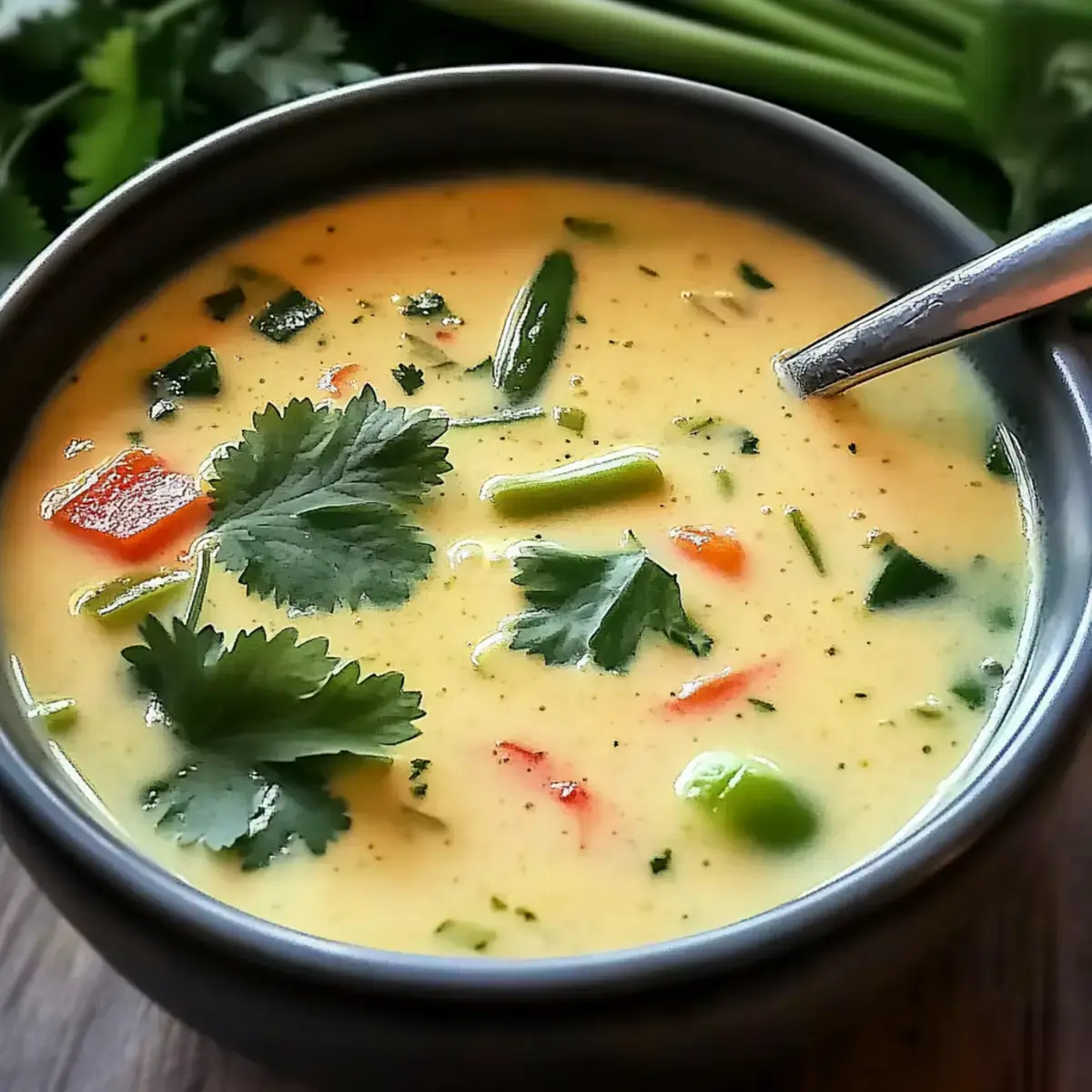
As I stirred the pot, the enticing aroma of Ginger Lemongrass Soup with Coconut Milk enveloped my kitchen, transporting me to a bustling market in Southeast Asia. This comforting, easy recipe is my go-to for those chilly evenings when all I crave is something warm and soothing.
Combining the zesty notes of ginger with the refreshing twist of lemongrass, this aromatic soup is not only a delightful escape but also caters to vegetarian and gluten-free friends alike! In just a few simple steps, you can whip up a delicious meal that pleases palates and warms the soul. Curious about how to create this creamy bowl of happiness in your own kitchen? Let’s dive in!
Why You Will Love This Recipe
- Comforting Warmth: This soup brings a luxurious, creamy texture that wraps around you like a cozy blanket on cold nights.
- Aromatic Delight: The vibrant scent of ginger and lemongrass will awaken your senses and elevate your dining experience.
- Easy and Quick: Perfect for busy weeknight dinners, this satisfying recipe takes minimal effort without sacrificing flavor.
- Customizable Goodness: Add your favorite seasonal vegetables or proteins, making it versatile for any palate.
- Crowd-Pleaser: Whether for a family meal or hosting guests, this soup is sure to impress everyone at the table.
Ingredients You Need
Gathering fresh, high-quality ingredients is paramount to achieving the authentic, vibrant flavors of this Ginger Lemongrass Soup with Coconut Milk. Opting for fresh ginger and lemongrass will truly unlock the aromatic potential, while choosing full-fat coconut milk ensures a rich, velvety texture that is utterly comforting. Don’t hesitate to customize the vegetables to your liking or what’s in season for a truly personal touch to this delightful dish.
Ginger Lemongrass Soup with Coconut Milk
Warm up with this delicious Ginger Lemongrass Soup with Coconut Milk, a comforting and aromatic dish perfect for chilly evenings. This recipe is vegetarian and gluten-free, and can be customized with your favorite vegetables and proteins.
- 2 tablespoons Vegetable Oil (Use coconut oil for richer flavor.)
- 1 medium Onion (Yellow or white onions work best.)
- 3 cloves Garlic (Fresh minced garlic is preferable.)
- 1 tablespoon Fresh Ginger (Grated fresh ginger preferred.)
- 2 stalks Lemongrass (Smash stalks to unleash oils.)
- 1 can (13.5 oz) Coconut Milk (Choose light or full-fat as per taste.)
- 4 cups Vegetable Broth (Can swap with chicken broth if not vegetarian.)
- 2-3 cups Mixed Vegetables (Customize with your favorites.)
- 2 tablespoons Soy Sauce/Tamari (Use tamari for gluten-free option.)
- 1 tablespoon Lime Juice (Feel free to use lemon juice if preferred.)
- 0.25 cup Fresh Cilantro (For garnish, basil is a lovely alternative.)
- Salt (Adjust to taste.)
- Pepper (Adjust to taste.)
- 1Heat the oil in a large pot over medium heat until shimmering, about 2-3 minutes.
- 2Add one finely chopped onion and sauté for 5 minutes until translucent. Then, incorporate 3 cloves of minced garlic and 1 tablespoon of grated ginger, cooking for an additional minute.
- 3Add two smashed lemongrass stalks and sauté for about 1 minute.
- 4Pour in 1 can of coconut milk and 4 cups of vegetable broth, stirring until well combined and allow to come to a gentle simmer.
- 5Add 2-3 cups of mixed vegetables and cook for about 10-15 minutes until tender.
- 6Stir in 2 tablespoons of soy sauce or tamari and the juice of one lime, adjusting with salt and pepper to taste.
- 7Garnish each bowl with freshly chopped cilantro and serve hot.
Keywords: ginger, lemongrass, coconut milk, soup, vegetarian, gluten-free, easy, comforting, aromatic
- vegetable oil: great for sautéing; use coconut oil for a richer flavor.
- onion: adds a touch of sweetness; yellow or white onions work best.
- garlic: infuses depth of flavor; always prefer fresh minced garlic.
- fresh ginger: the star ingredient for warmth; fresh is preferable but ground can substitute if needed.
- lemongrass: essential for citrusy aroma; smash fresh stalks to unleash its oils.
- coconut milk: provides a rich, creamy texture; decide between light or full-fat based on your taste.
- vegetable broth: forms the savory base; can swap with chicken broth if not vegetarian.
- mixed vegetables: customize with your favorites for nutrition and color; seasonal veggies are a perfect choice.
- soy sauce/tamari: adds depth and umami; use tamari for a gluten-free option.
- lime juice: brightens the soup; feel free to use lemon juice if you prefer.
- fresh cilantro: perfect garnish for freshness; basil is a lovely alternative if you like a different herb flavor.
- salt: essential for taste; adjust to your preference to enhance overall flavors.
- pepper: essential for taste; adjust to your preference to enhance overall flavors.
The exact quantities for these ingredients can be found within the recipe card, ensuring your measurements are precise for a perfectly balanced soup.
Variations
Vegan Delight: To make this soup entirely vegan, ensure you use vegetable broth exclusively and consider adding firm tofu cubes that have been lightly pan-fried for added texture and protein. This simple swap maintains the creamy, comforting nature of the soup while adhering strictly to vegan principles.
Low-Carb Option: For a lower-carbohydrate version, omit any starchy vegetables like potatoes or corn from your mixed vegetable selection. Instead, focus on non-starchy options such as broccoli florets, cauliflower, spinach, or zucchini. This keeps the soup light and suitable for those managing their carbohydrate intake.
Spicy Kick: If you crave a bit of heat, finely mince one or two fresh red chilies and sauté them along with the garlic and ginger. Alternatively, a generous swirl of sriracha or chili garlic sauce stirred in just before serving will provide a delightful warmth that complements the other flavors beautifully. You can explore more spicy dishes on our dinner section.
How to Prepare Ginger Lemongrass Soup with Coconut Milk
Step 1: Heat the Oil and Sauté Aromatics
Begin by heating 2 tablespoons of vegetable oil in a large, heavy-bottomed pot or Dutch oven over medium heat. Allow the oil to shimmer, which typically takes about 2 to 3 minutes, indicating it’s ready to receive the aromatics. This initial heating step is crucial for unlocking the full flavor potential of the ingredients that follow.
Once the oil is hot, add one finely chopped medium onion to the pot. Sauté the onion, stirring occasionally, for approximately 5 minutes until it becomes softened and translucent, releasing its inherent sweetness into the oil. This gentle cooking process prevents the onion from browning too quickly and ensures a mild, pleasant base for your soup.
Next, introduce 3 cloves of minced garlic and 1 tablespoon of grated fresh ginger to the pot. Continue to sauté for another minute, stirring constantly, until the garlic is fragrant but not yet browned. The combination of garlic and ginger creates an irresistible aroma that signals the authentic foundation of this Southeast Asian-inspired dish.
Step 2: Infuse with Lemongrass
Now, add two smashed lemongrass stalks to the pot, continuing to sauté them with the other aromatics for about 1 minute. Smashing the lemongrass stalks, often with the back of a knife or a rolling pin, helps to break down their tough outer layers and release their potent, citrusy oils. This crucial step infuses the soup base with its signature bright, refreshing fragrance.
Ensure you stir the lemongrass stalks frequently to prevent them from sticking to the bottom of the pot and to maximize the extraction of their flavor. The kitchen will begin to fill with an even more complex and enticing aroma as the lemongrass melds with the ginger and garlic. This brief sautéing period is essential for developing the soup’s unique flavor profile.
Take a moment to appreciate the developing scents; this is where the magic truly begins to happen. The gentle heat coaxes out the essential oils from the lemongrass, preparing it to infuse the entire soup with its distinctive zest. This foundational aromatic blend is what sets Ginger Lemongrass Soup apart from other soups.
Step 3: Combine Liquids for Creamy Base
Pour in one can of full-fat coconut milk (approximately 13.5 ounces) and 4 cups of vegetable broth into the pot with the sautéed aromatics. Stir everything together thoroughly until the coconut milk is completely incorporated into the broth, creating a smooth, creamy liquid base. Using full-fat coconut milk will yield the richest and most decadent texture for your soup.
Bring this mixture to a gentle simmer over medium-low heat. Watch for small bubbles to begin forming around the edges of the pot, indicating it has reached the ideal temperature for the next stage of cooking. Avoid boiling vigorously, as this can sometimes cause coconut milk to separate. The goal is a gentle, consistent warmth that allows flavors to meld.
This creamy liquid base is the canvas upon which the rest of the soup’s flavors will be built. The richness of the coconut milk provides a luxurious mouthfeel, beautifully balancing the sharp, zesty notes of ginger and lemongrass. This is the moment your soup truly starts to take on its signature character.
Step 4: Add Mixed Vegetables and Simmer
Once the liquid base is gently simmering, add your chosen 2 to 3 cups of mixed vegetables to the pot. Stir them in gently, ensuring they are fully submerged in the flavorful broth. The variety of vegetables will add not only nutrients and color but also delightful textural contrasts to the soup.
Allow the soup to simmer for approximately 10 to 15 minutes, or until the vegetables are tender-crisp. You want them to be cooked through but still retain a slight bite and their vibrant colors. Overcooking the vegetables can lead to a mushy texture and a loss of their fresh flavor, so keep a close eye on them.
As the vegetables cook, they will release their own subtle flavors into the broth, further deepening the complexity of the soup. This simmering period allows all the ingredients to harmonize, creating a cohesive and incredibly satisfying dish. The aroma in your kitchen will become even more captivating during this phase.
Step 5: Season and Balance Flavors
Now it’s time to season the soup and bring all the flavors into perfect harmony. Stir in 2 tablespoons of soy sauce or tamari for an added layer of umami and depth. If you are aiming for a gluten-free meal, tamari is an excellent choice that provides a similar savory note.
Next, add the juice of one fresh lime. The bright, citrusy acidity of the lime juice is essential for cutting through the richness of the coconut milk and awakening the palate. It provides a refreshing contrast that makes the soup incredibly vibrant and moreish.
Taste the soup and adjust the seasoning with salt and freshly ground black pepper as needed. This is your opportunity to fine-tune the flavor profile to your exact preference. You might find you need a little more salt to enhance the savory elements or a touch more lime juice to brighten it further. This final seasoning step is critical for achieving a perfectly balanced and delicious Ginger Lemongrass Soup.
Step 6: Garnish and Serve
Once the soup has been seasoned to perfection and the vegetables are tender, remove the pot from the heat. Ladle the hot, fragrant soup into individual serving bowls. Ensure each bowl gets a generous portion of the creamy broth and tender vegetables.
Garnish each serving generously with freshly chopped cilantro. The bright, herbaceous notes of cilantro add a final burst of freshness and a beautiful visual appeal to the soup. If cilantro isn’t your favorite, fresh basil or even a sprinkle of thinly sliced green onions can be used as alternatives.
Serve the Ginger Lemongrass Soup with Coconut Milk immediately while it’s piping hot. The warmth, aroma, and vibrant flavors are best enjoyed when fresh. This soup is a complete meal on its own but can also be paired with other dishes for a more elaborate dining experience.
Pro Tips for Ginger Lemongrass Soup with Coconut Milk
Use Fresh Ingredients: For the most vibrant and authentic flavor, always opt for fresh ginger and lemongrass whenever possible. Dried versions simply cannot replicate the bright, pungent notes of their fresh counterparts. The quality of your aromatics directly impacts the final taste of the soup.
Achieve Perfect Texture: If you find your soup is too thick after adding the vegetables, don’t worry! You can easily adjust the consistency by gradually stirring in more vegetable broth, a quarter cup at a time, until you reach your desired creaminess. This ensures the soup is perfectly palatable and enjoyable for everyone.
Elevate with Toppings: Consider adding a delightful crunch to your soup with toppings such as crispy fried shallots, toasted sesame seeds, or even some crunchy fried garlic. These additions not only provide textural contrast but also enhance the overall flavor profile, making each spoonful more interesting.
Customize the Heat: If you enjoy a spicier soup, you have several options. You can add a finely minced fresh red chili during the sautéing stage with the garlic and ginger, or simply swirl in a bit of sriracha or chili garlic sauce right before serving. Adjust the heat to your personal preference for a truly customized bowl.
Streamline with Make-Ahead Prep: Save time on busy weeknights by prepping your ingredients in advance. Chop your onions, mince your garlic, grate your ginger, and smash your lemongrass up to 24 hours ahead of time. Store these prepped ingredients in airtight containers in the refrigerator, ready to be thrown into the pot when you’re ready to cook.
Serving Suggestions for Ginger Lemongrass Soup with Coconut Milk
Decoration
A simple yet effective garnish can transform the appearance of your Ginger Lemongrass Soup. Fresh cilantro, with its vibrant green color, is a classic choice that adds a pop of freshness. For an extra touch of elegance, consider adding a few thinly sliced red chilies for color contrast and a hint of spice, or a swirl of chili oil for a visually appealing marbled effect. A few toasted sesame seeds or a sprinkle of microgreens can also provide a sophisticated finish.
Side Dishes
To complement the rich, aromatic flavors of the soup, consider serving it alongside a variety of side dishes. Crusty bread is perfect for dipping into the creamy broth, providing a satisfying textural contrast. Fluffy jasmine rice or coconut rice can absorb the delicious flavors, making for a more substantial meal. For a lighter pairing, a refreshing mango salad with its sweet and tangy notes offers a delightful counterpoint to the soup’s warmth.
Creative Serving Ideas
Elevate your soup experience with creative serving ideas that enhance both flavor and presentation. Serve individual portions in small, deep bowls for an intimate dining feel. For a more casual gathering, consider serving the soup buffet-style with a selection of toppings guests can add themselves, allowing for personalized bowls. You could also present the soup as a starter course for a multi-dish meal, perhaps followed by a flavorful baked lemon chicken dish.
Preparation & Storage
Storing Leftovers
Once cooled, store any leftover Ginger Lemongrass Soup with Coconut Milk in an airtight container in the refrigerator. It will remain fresh and delicious for up to 3 days. Ensure the container is properly sealed to prevent any odors from escaping or being absorbed by other food items in your fridge. The creamy texture and aromatic flavors tend to meld even further overnight, making leftovers sometimes even more delightful.
Freezing
This soup freezes exceptionally well, making it a fantastic candidate for batch cooking. Ladle the cooled soup into freezer-safe containers or heavy-duty zip-top bags, leaving a little headspace at the top to allow for expansion during freezing. It can be stored in the freezer for up to 3 months. Proper labeling with the date of freezing is always recommended for best inventory management.
Reheating
To reheat frozen soup, it’s best to thaw it overnight in the refrigerator before gently warming it on the stovetop over low heat. Add a splash of vegetable broth or water if the soup seems too thick after thawing, as some of the liquid may have been absorbed. Stir constantly to ensure even heating and to prevent the coconut milk from separating. Microwaving is also an option for reheating, using medium power and stirring frequently.
Frequently Asked Questions
-
How do I choose fresh ginger and lemongrass?
Absolutely! When selecting fresh ginger, look for firm pieces with smooth skin and no dark spots or signs of shriveling. The ginger should feel heavy for its size, indicating juiciness and a good flavor profile. For lemongrass, choose stalks that are firm, bright green, and have a pleasant citrusy aroma when bruised. The outer leaves should be tightly wrapped, and avoid any stalks that appear yellowed or dry, as these may be less flavorful and more fibrous.
-
How should I store leftovers of Ginger Lemongrass Soup with Coconut Milk?
Very importantly! Store your leftover soup in an airtight container in the refrigerator for up to 3 days. This keeps its flavors vibrant and its creamy texture intact, allowing you to enjoy a delicious meal without extra effort. If you plan to keep it longer than three days, transfer it to the freezer, where it can hold its goodness for up to 3 months. Just remember to let it cool completely before freezing to avoid condensation, which can impact texture.
-
Can I freeze Ginger Lemongrass Soup with Coconut Milk?
Yes, you can! To freeze your soup, ladle it into freezer-safe containers or heavy-duty zip-top bags, leaving some space at the top for expansion as it freezes. Make sure to label them clearly with the date so you know how long they’ve been stored. When ready to enjoy, thaw the soup overnight in the fridge for the best results, or use the microwave on a defrost setting for a quicker thaw. Reheat gently on the stovetop over low heat, adding a splash of broth if needed to restore creaminess and consistency.