This is the BEST oven roasted vegetables recipe!
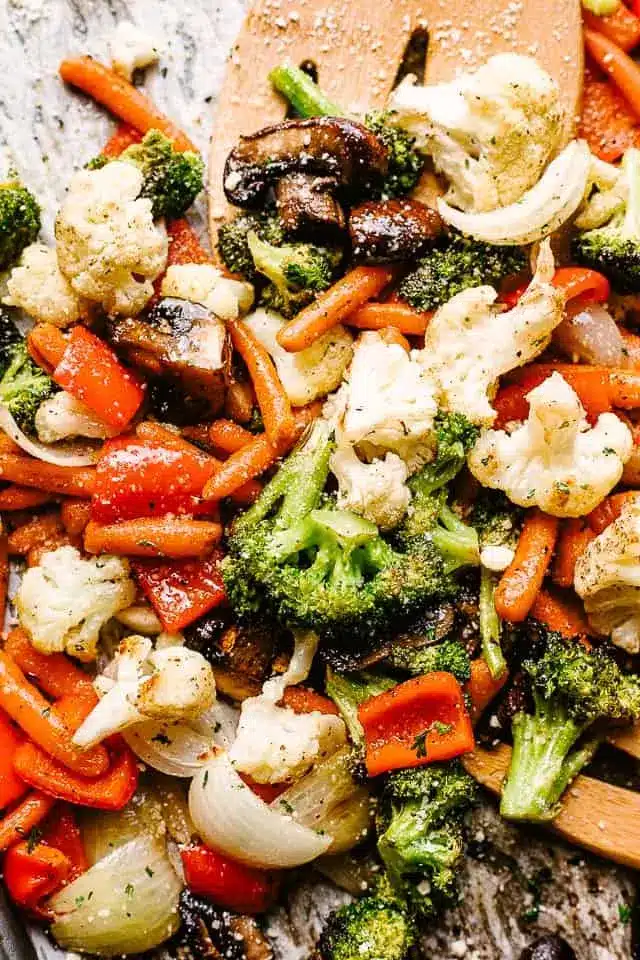
Embark on a culinary journey that celebrates the vibrant essence of fresh produce, transformed into a side dish of unparalleled deliciousness. Oven-roasted vegetables are more than just a simple accompaniment; they are a testament to how humble ingredients, when treated with heat and simple seasonings, can reach extraordinary heights of flavor and texture. This recipe is designed to bring out the natural sweetness and earthy notes of each vegetable, creating a symphony of tastes that will elevate any meal.
Imagine a medley of perfectly tender yet slightly crisp vegetables, kissed by the oven’s heat to achieve a beautiful caramelization. They boast a delightful char on the edges, offering a subtle bitterness that perfectly balances their inherent sweetness. This dish is incredibly versatile, acting as the ideal partner to a wide array of main courses, making it an indispensable part of your recipe repertoire.
Why You Will Love This Recipe
- Effortless Preparation: With minimal chopping and hands-off roasting, this recipe is perfect for busy weeknights or relaxed weekend cooking.
- Versatile Pairing: These roasted vegetables complement everything from grilled steaks and roasted chicken to fish and even vegetarian mains.
- Flavor Explosion: Simple seasonings like Italian herbs and garlic powder bring out the best in each vegetable, creating a deeply satisfying taste.
- Customizable: Easily adapt this recipe to include your favorite seasonal vegetables or whatever you have on hand in your refrigerator.
- Visually Appealing: The beautiful array of colors and the slightly charred edges make this dish a stunning addition to any plate.
The beauty of this oven-roasted vegetable recipe lies in its simplicity and the high-quality ingredients that form its foundation. We focus on fresh, vibrant produce, allowing their natural flavors to shine through. The blend of herbs and seasonings is carefully chosen to enhance, not overpower, ensuring a well-balanced and delightful eating experience for everyone.
Easy Oven Roasted Vegetables
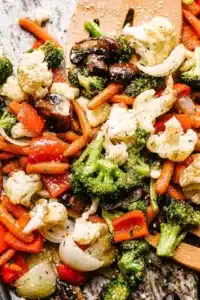
These easy Oven Roasted Vegetables are perfectly tender and packed with flavor! This method for roasting vegetables can be adapted to fit any veggies you've got on hand!
- 2 cups broccoli florets
- 2 cups cauliflower florets
- 2 cups sliced baby portobello mushrooms
- 1 cup thin baby carrots
- 1 red bell pepper, chopped
- 1 small yellow onion, cut into 6 wedges
- 2 tablespoons olive oil
- salt and fresh ground pepper, to taste
- 1½ teaspoons Italian Seasoning
- grated parmesan cheese, for garnish (optional)
- chopped fresh parsley, for garnish (optional)
- 1Preheat oven to 425˚F. Line a large baking sheet with foil or parchment paper.
- 2Add all the vegetables to the baking sheet. Drizzle olive oil over the veggies and mix with either a wooden spoon or just use your hands.
- 3Season the vegetables with salt, black pepper, Italian Seasoning, and garlic powder; gently toss until thoroughly combined.
- 4Arrange all the veggies in a single layer and bake for 15 to 20 minutes, stirring halfway through cooking. You want to roast the vegetables until they are fork-tender and lightly browned.
- 5Remove the roasted vegetables from the oven. Garnish with parmesan cheese and parsley, and serve.
Keywords: roasted vegetables, side dish, vegetarian, healthy, oven roasted
- broccoli florets: These green powerhouses become wonderfully tender with a slightly sweet, earthy flavor when roasted.
- cauliflower florets: Offering a delicate, nutty taste and a satisfyingly tender texture, cauliflower is a perfect companion to broccoli.
- baby portobello mushrooms: Their meaty texture and rich, umami depth add a sophisticated layer to the vegetable medley.
- baby carrots: These small carrots roast beautifully, intensifying their natural sweetness and becoming wonderfully tender.
- red bell pepper: Providing a pop of vibrant color and a sweet, slightly smoky flavor, bell peppers are a delightful addition.
- yellow onion: When roasted, onions transform, becoming sweet and tender with a pleasant, mild flavor.
- olive oil: This essential liquid gold coats the vegetables, ensuring even cooking and promoting that desirable caramelization.
- salt and fresh ground pepper: The fundamental flavor enhancers that awaken and balance the natural tastes of the vegetables.
- Italian Seasoning: A fragrant blend of herbs like oregano, basil, and thyme that imparts a classic, aromatic taste.
- garlic powder: Offering a convenient way to infuse a subtle, savory garlic essence throughout the dish.
- grated parmesan cheese: An optional but highly recommended garnish that adds a salty, nutty richness.
- chopped fresh parsley: A final flourish of green that brings freshness and a touch of visual elegance.
The quantities for these delightful ingredients are readily available within the accompanying recipe card, ensuring you have all the precise measurements needed for success.
Variations
This versatile recipe serves as a fantastic base for numerous delicious variations, allowing you to tailor it to specific dietary needs or flavor preferences. One popular adaptation is a vegan rendition, which is remarkably simple to achieve. By omitting the optional parmesan cheese and ensuring your Italian seasoning blend is also vegan-friendly, you retain all the wonderful roasted flavors and textures without any animal products. A touch of nutritional yeast can even be added for a cheesy, umami boost if desired, making it an equally satisfying plant-based delight.
For those following a low-carb lifestyle, this recipe is also incredibly adaptable. Focus on lower-carbohydrate vegetables like broccoli, cauliflower, bell peppers, zucchini, and Brussels sprouts. You might want to reduce or omit the carrots and onions, as they contain more natural sugars. Roasting these carefully selected vegetables will still yield a wonderfully flavorful and satisfying side dish that fits perfectly into a low-carb eating plan.
Another exciting variation involves incorporating different flavor profiles inspired by global cuisines. Consider adding a touch of curry powder and a sprinkle of chili flakes for an Indian-inspired kick, or perhaps a drizzle of soy sauce and a dash of sesame oil for an Asian twist. You could also toss the vegetables with smoked paprika and a pinch of cumin for a smoky, Southwestern flair. These simple additions can transform the humble roasted vegetable into an excitingly different culinary experience, showcasing the endless possibilities of this fundamental cooking technique.
How to Prepare Oven Roasted Vegetables
Step 1: Preheat Your Oven and Prepare the Baking Sheet
Begin by preheating your oven to a robust 425 degrees Fahrenheit (220 degrees Celsius). This high temperature is crucial for achieving that desirable caramelization and tender-crisp texture in the vegetables, preventing them from becoming mushy. While the oven heats up, prepare a large baking sheet. Lining it with aluminum foil or parchment paper is a highly recommended step. This not only makes the cleanup process significantly easier by preventing any sticky residue from adhering to the pan, but it also helps ensure the vegetables don’t stick directly to the metal.
Using a large baking sheet is key to achieving optimal roasting results. If the pan is too crowded, the vegetables will steam rather than roast, leading to a less desirable texture. Aim for a pan that is at least 12 by 16 inches to provide ample space for a single layer of vegetables. This space allows hot air to circulate freely around each piece, promoting even cooking and that sought-after browned exterior. If you don’t have one large sheet pan, it’s better to use two medium-sized ones to avoid overcrowding.
Ensure the foil or parchment paper covers the entire surface of the baking sheet, extending slightly up the sides if possible. This creates a clean, non-stick surface that will make transferring the roasted vegetables to a serving dish or for storage a breeze. Having everything prepared in advance allows for a smooth transition into the next steps of the recipe, setting you up for success.
Step 2: Prepare the Vegetables for Roasting
Now comes the fun part: preparing your chosen vegetables. For this specific recipe, we’re using a delightful combination of broccoli florets, cauliflower florets, baby portobello mushrooms, baby carrots, red bell pepper, and yellow onion. The key is to cut the vegetables into roughly uniform, bite-sized pieces. This ensures that they cook evenly in the oven; smaller, denser vegetables like carrots might benefit from being cut slightly smaller or thinner to match the cooking time of softer vegetables like bell peppers.
Wash all the fresh produce thoroughly under cool running water and pat them dry with a clean kitchen towel or paper towels. Removing excess moisture is important because water can hinder the browning process and lead to steaming. If using larger cauliflower or broccoli heads, break them down into manageable florets. Slice the baby portobello mushrooms, trim the baby carrots (peeling them is optional depending on preference and freshness), chop the red bell pepper into bite-sized pieces, and cut the yellow onion into wedges or thick slices.
The goal is to have pieces that are similar in size and thickness. This culinary principle of uniform cutting is fundamental in achieving perfectly cooked roasted vegetables where each piece is tender and slightly caramelized without any being undercooked or overcooked. Take your time with this step, as it directly impacts the final texture and appearance of your dish. A consistent size ensures a harmonious cooking experience for all the ingredients on the pan.
Step 3: Seasoning and Coating the Vegetables
Once your vegetables are prepped and ready, it’s time to infuse them with flavor. Transfer all the prepared vegetables directly onto the prepared baking sheet. Drizzle the olive oil generously over the entire assortment of vegetables. The amount of olive oil is important; too little and the vegetables might dry out, too much and they can become greasy. Two tablespoons is a good starting point for a standard baking sheet filled with vegetables.
Now, it’s time for the seasonings. Sprinkle the salt, freshly ground black pepper, Italian seasoning, and garlic powder evenly over the oiled vegetables. The salt is crucial for enhancing all the natural flavors, while the black pepper adds a subtle kick. The Italian seasoning blend brings a warm, aromatic complexity, and the garlic powder offers a convenient way to add a savory garlic note without the risk of burning fresh garlic.
After adding the oil and seasonings, it’s time to mix and coat. You can use a large spoon or spatula for this, but using your clean hands is often the most effective method. Gently toss and massage the vegetables, ensuring that every single piece is lightly and evenly coated with the olive oil and seasonings. This thorough coating is essential for even cooking and ensures that each bite is packed with delicious flavor. Make sure to get into all the nooks and crannies of the florets and wedges.
Step 4: Arranging for Optimal Roasting
This is arguably the most critical step for achieving perfectly roasted vegetables: arranging them in a single layer on the baking sheet. Resist the temptation to pile them up. Overcrowding the pan will cause the vegetables to steam, resulting in a soft, soggy texture instead of the desirable crispy and caramelized edges. The heat needs to circulate effectively around each piece of vegetable to achieve that beautiful browning and tenderness.
Spread out all the seasoned vegetables so that they are not touching each other. If your baking sheet is not large enough to accommodate a single layer, it is far better to use two baking sheets. This might seem like more dishes to wash, but the improved cooking results are well worth it. Ensure there’s a little bit of space between each piece, allowing the hot air to do its work efficiently. This even distribution ensures that every vegetable gets direct exposure to the heat, leading to uniform cooking.
Take a moment to visually inspect the pan. You should see distinct pieces of each vegetable, clearly separated. This careful arrangement is what transforms basic steamed vegetables into flavor-packed, oven-roasted delights. It’s the simple technique that makes all the difference in achieving that perfectly crisp-tender outcome that everyone loves. This step is fundamental for delicious, well-roasted produce.
Step 5: The Roasting Process
With the oven preheated and the vegetables perfectly arranged, place the baking sheet into the hot oven. The roasting time will typically range from 15 to 20 minutes, but this can vary slightly depending on your oven and the size of your vegetable pieces. Keep a close eye on them, especially as they approach the 15-minute mark. During this roasting period, it’s highly recommended to stir the vegetables about halfway through the cooking time, around the 8-10 minute mark.
Stirring the vegetables ensures that they cook evenly on all sides and promotes consistent caramelization. Use a spatula or tongs to gently toss them around on the baking sheet. This action also allows you to check for doneness. The vegetables are ready when they are fork-tender – meaning a fork or knife can easily pierce them – and they have developed attractive, slightly browned or charred edges. This browning is where much of the deep, delicious flavor comes from.
If, after 20 minutes, your vegetables are not yet tender or browned to your liking, you can continue to roast them for a few more minutes. However, be cautious not to overcook them, as they can quickly turn from perfectly roasted to burnt. The ideal texture is a delightful balance between tender interiors and crisp, slightly caramelized exteriors. This is the culmination of the roasting process, bringing out the best in each vegetable.
Step 6: Finishing Touches and Serving
Once the vegetables have reached your desired level of tenderness and caramelization, carefully remove the baking sheet from the oven. The aroma that will fill your kitchen at this stage is truly enticing. For an extra layer of flavor and visual appeal, this is the perfect time to add optional garnishes. Sprinkle the grated Parmesan cheese, if using, over the hot vegetables. The residual heat will help it melt slightly and adhere beautifully.
Follow this with a generous sprinkle of freshly chopped parsley. The vibrant green of the parsley adds a lovely burst of color and a hint of freshness that complements the richness of the roasted vegetables. Other herbs like fresh basil or chives would also be excellent choices for garnish. A final drizzle of balsamic glaze or a squeeze of fresh lemon juice can also add a delightful tangy note that cuts through the richness.
Gently toss the vegetables one last time to distribute the garnishes evenly. Serve the oven-roasted vegetables immediately while they are warm and at their peak deliciousness. They make a stunning and flavorful side dish that pairs wonderfully with a variety of main courses. This final step elevates the dish from simply cooked to beautifully presented and wonderfully seasoned.
Pro Tips for Oven Roasted Vegetables
Uniformity is Key: To ensure even cooking, cut all your vegetables into similar-sized pieces. This fundamental rule applies whether you’re roasting root vegetables or delicate greens, guaranteeing that nothing is overcooked or undercooked.
Don’t Crowd the Pan: As mentioned, giving your vegetables ample space on the baking sheet is crucial. A single layer allows for proper air circulation, leading to caramelization and crispiness rather than steaming.
High Heat is Your Friend: Roasting at a higher temperature, like 425°F (220°C), is essential for achieving those desirable browned and slightly charred edges. This high heat caramelizes the natural sugars in the vegetables, intensifying their flavor.
Experiment with Seasonings: While Italian seasoning is a classic, don’t be afraid to explore. Try herbs like rosemary, thyme, or sage, or add spices such as paprika, cumin, or chili powder for different flavor profiles. A pinch of red pepper flakes can add a nice subtle heat.
Consider the Cook Time: Some vegetables, like potatoes or butternut squash, require longer cooking times than others, such as bell peppers or asparagus. If you’re combining different types, you may need to add heartier vegetables to the pan later in the roasting process to ensure everything finishes cooking at the same time.
Serving Suggestions for Oven Roasted Vegetables
Decoration
To make your oven-roasted vegetables truly shine as a centerpiece or an eye-catching side, consider the decorative elements. A final flourish of vibrant, freshly chopped herbs like parsley, chives, or basil adds a pop of color and a hint of freshness that visually awakens the dish. A light dusting of flaky sea salt just before serving can add a sophisticated sparkle and a delightful textural contrast. For an extra touch of elegance, a light drizzle of balsamic glaze or a swirl of a flavorful infused oil, such as garlic or rosemary oil, can create beautiful patterns and add another dimension of flavor.
Side Dishes
The versatility of oven-roasted vegetables means they pair exceptionally well with a wide array of main courses. They are a classic accompaniment to any roasted or grilled meat, including succulent lemon chicken, hearty steaks, or tender pork chops. Fish dishes, from pan-seared salmon to baked cod, also find a perfect partner in these flavorful roasted vegetables. For a complete and satisfying meal, consider serving them alongside a creamy risotto or a fluffy grain like quinoa or rice. They also work beautifully as a substantial component of a vegetarian or vegan main, perhaps alongside a lentil loaf or stuffed bell peppers.
Creative Serving Ideas
Beyond being a simple side, oven-roasted vegetables can be transformed into exciting new dishes. They are fantastic folded into pasta dishes, adding texture and flavor to a simple marinara or a creamy Alfredo sauce. Incorporate them into a frittata or a quiche for a delightful brunch or light dinner option. These roasted gems also make an excellent addition to hearty soups and stews, adding depth and substance. Consider using them as a flavorful filling for wraps, sandwiches, or even pizza, offering a healthier and more vibrant alternative to typical toppings. They can even be mashed or pureed to create a flavorful vegetable base for sauces or dips.
Preparation & Storage
Storing Leftovers
Once your delicious oven-roasted vegetables have cooled completely, store them in an airtight container. This is the best way to preserve their texture and flavor and prevent them from absorbing odors from other foods in the refrigerator. Properly stored, leftovers can last for up to 3 to 4 days in the refrigerator. Ensure the container is sealed tightly to maintain freshness and prevent spoilage. Avoid storing them while still warm, as this can create condensation inside the container, leading to sogginess.
Freezing
While oven-roasted vegetables are best enjoyed fresh, they can be frozen for longer-term storage if needed, though there might be a slight change in texture upon thawing. To freeze, spread the cooled roasted vegetables in a single layer on a baking sheet and freeze until solid. Once frozen, transfer them to a freezer-safe bag or container. This flash-freezing step prevents them from clumping together. Frozen roasted vegetables can typically be stored for 2 to 3 months.
Reheating
The best method for reheating oven-roasted vegetables depends on your desired outcome. For the crispiest results, reheat them in a preheated oven at around 400-450°F (200-230°C) for about 5-10 minutes, or until heated through and slightly crisped up again. This method helps to revive their texture. Alternatively, you can reheat them in a skillet over medium heat with a splash of olive oil, stirring occasionally, for about 5-7 minutes. Microwaving is the quickest option, but it will likely result in a softer texture; reheat in 30-second intervals until warm.
Frequently Asked Questions
-
What is the ideal temperature for oven roasting vegetables to achieve the best caramelization?
The ideal temperature for oven roasting vegetables to achieve optimal caramelization is generally between 400°F and 450°F (200°C to 230°C). This high heat is crucial because it quickly evaporates moisture from the surface of the vegetables, encouraging the Maillard reaction. This chemical process is responsible for the browning and the development of complex, sweet, and savory flavors that are characteristic of well-roasted produce. Lower temperatures tend to cook the vegetables through without achieving the desired crispness and depth of flavor, often resulting in a steamed rather than roasted texture.
-
How can I prevent my oven-roasted vegetables from becoming soggy or steaming instead of roasting?
Preventing sogginess is primarily achieved by ensuring proper air circulation and avoiding overcrowding the baking sheet. Always arrange your vegetables in a single layer, making sure they have space between them so the hot air can circulate freely around each piece. Patting the vegetables dry after washing them is also very important, as excess moisture will lead to steaming. Using a baking sheet that is large enough, or even two smaller ones, is essential to avoid piling the vegetables on top of each other. If you notice a lot of moisture accumulating on the pan during cooking, you can carefully drain it off and continue roasting.
-
Can I use any type of oil for roasting vegetables, and are there specific vegetables that roast better than others?
Yes, you can use various types of oils for roasting vegetables, but it’s best to choose oils with a relatively high smoke point to withstand the high oven temperatures. Olive oil (especially extra virgin for flavor, though a lighter olive oil is fine too), avocado oil, grapeseed oil, and even canola oil are excellent choices. Regarding which vegetables roast best, most vegetables benefit from roasting, but some are particularly well-suited due to their texture and sugar content. Hearty vegetables like Brussels sprouts, broccoli, cauliflower, bell peppers, onions, sweet potatoes, carrots, and zucchini all develop wonderful flavors and textures when roasted. Delicate vegetables like asparagus or green beans may require slightly shorter roasting times.