Antipasto Salad with Grilled Chicken – Easy Summer Salad Recipe!
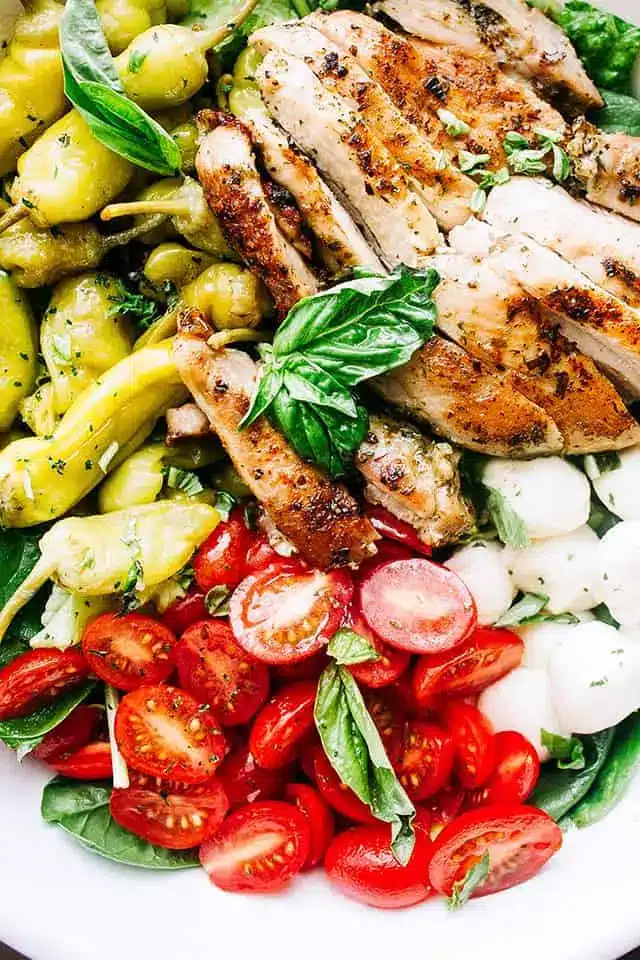
Embark on a culinary journey that celebrates the vibrant essence of Italian flavors with this exquisite antipasto salad featuring perfectly grilled chicken. This dish is more than just a meal; it’s an experience, a delightful fusion of fresh ingredients and zesty vinaigrette that will transport your taste buds straight to the Mediterranean.
Imagine a colorful mosaic of ripe tomatoes, creamy mozzarella pearls, and tangy pepperoncini, all harmoniously complemented by succulent, herb-infused grilled chicken. This salad promises a symphony of textures and tastes, making it an ideal centerpiece for any summer gathering or a satisfying, light dinner.
Why You Will Love This Recipe
- Bold Italian Flavors: Experience the authentic taste of Italy with every bite, from the fresh produce to the herbaceous pesto dressing.
- Versatile Meal: This salad is perfectly balanced to serve as an impressive appetizer or a complete, nourishing main course.
- Quick & Easy Preparation: Despite its sophisticated profile, the recipe comes together quickly, making it ideal for busy weeknights or casual entertaining.
- Customizable Ingredients: Easily adapt the salad to your preferences by adding or substituting various Italian cured meats, cheeses, or pickled vegetables.
- Healthy & Wholesome: Packed with lean protein, fresh vegetables, and healthy fats, this salad is a delicious way to enjoy nutritious ingredients.
Ingredients You Need
The success of any dish hinges on the quality of its components, and this antipasto salad is no exception. Opting for the freshest produce and premium ingredients will elevate the final taste and texture. The vibrant colors themselves are a testament to the wholesome goodness packed into this recipe.
Antipasto Salad with Grilled Chicken
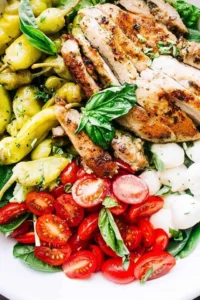
This fresh and delicious antipasto salad is packed with grilled chicken, mozzarella cheese, tomatoes, and pepperoncini, all tossed in a homemade basil pesto vinaigrette that doubles as a chicken marinade. It's perfect as a starter or a light meal.
- For the Vinaigrette Dressing: ½ cup store-bought Basil Pesto, ¼ cup extra virgin olive oil, 3 tablespoons white wine vinegar, 1 tablespoon fresh lemon juice, Salt and fresh ground pepper, to taste
- For the Chicken: 1 pound (4 pieces) boneless skinless chicken breasts
- For the Salad: 4 cups chopped Romaine lettuce, 1 cup cherry tomatoes (halved), 8 ounces fresh mozzarella cheese balls, 1 cup pickled pepperoncini
- 1Make the dressing: In a bowl, combine pesto, olive oil, vinegar, and lemon juice; add salt and pepper to taste, and whisk until combined. Pour half of the dressing into a ziploc bag. Place the other half in the fridge.
- 2Marinate the chicken: Add the chicken breasts to the ziploc bag, seal it, and shake it all up until well combined. Place the chicken in the fridge for 30 minutes, or for up to 2 hours.
- 3Prepare to grill: When you're ready to cook your chicken, preheat the grill to 400ºF. Brush grill grates with olive oil.
- 4Grill the chicken: Remove the chicken breasts from the marinade and place them on the hot grill. Cook without touching until the chicken breasts start getting some grill marks, about 5 minutes. Turn the chicken breasts over, cover the grill, and let them finish cooking, about 7 more minutes, depending on the thickness of the chicken. Chicken is done when a meat thermometer registers 165ºF.
- 5Rest: Remove the chicken from the grill. Cover and let it rest for 5 minutes before slicing.
- 6Assemble the Salad: Start with lettuce. In the meantime, prepare the salad and transfer the chopped lettuce to a large salad bowl.
- 7Add antipasto: Next, top the lettuce with tomatoes, cheese, and pepperoncini.
- 8Add the chicken: Cut the chicken breasts into strips and add them to the salad.
- 9Dress the salad: Pour the remaining basil pesto dressing over the salad; toss to combine.
- 10Serve.
Keywords: antipasto salad, grilled chicken, pesto, Italian, summer salad, appetizer, main course salad
- basil pesto: a key ingredient for the dressing and marinade, providing a herbaceous and nutty base
- extra virgin olive oil: essential for richness in the vinaigrette and for grilling
- white wine vinegar: adds a bright, acidic counterpoint to the pesto and olive oil
- fresh lemon juice: contributes a zesty, clean flavor that cuts through the richness
- salt and fresh ground pepper: to enhance all the other flavors and bring balance
- boneless, skinless chicken breasts: the lean protein star of the salad, perfect for grilling
- romaine lettuce: provides a crisp, refreshing crunch and a sturdy base for the toppings
- cherry tomatoes: halved for bursts of juicy sweetness
- fresh mozzarella cheese balls: small, creamy pearls that melt in your mouth
- pickled pepperoncini: offer a delightful tangy and slightly spicy kick that defines antipasto
The precise quantities for each ingredient are readily available in the accompanying recipe card, ensuring you have everything you need for a perfect execution.
Variations
To cater to diverse dietary needs and taste preferences, this antipasto salad offers a playground for creative variations. Consider transforming it into a delightful vegan feast by omitting the chicken and mozzarella, and instead incorporating grilled halloumi cheese or marinated artichoke hearts for protein and texture.
For those following a low-carb lifestyle, the salad base remains perfect. Simply skip any croutons or starchy additions and focus on the abundant vegetables, chicken, and cheese. You might also consider adding a sprinkle of toasted nuts like almonds or walnuts for extra healthy fats and crunch.
Another exciting avenue is to introduce a Mediterranean flair by adding ingredients like Kalamata olives, sun-dried tomatoes, and crumbled feta cheese. A drizzle of a lemon-herb vinaigrette instead of the pesto would also complement these additions beautifully, offering a fresh twist on the classic antipasto profile.
How to Prepare antipasto salad with grilled chicken
Step 1: Crafting the Flavorful Vinaigrette Dressing
The foundation of this remarkable salad lies in its dynamic vinaigrette, which ingeniously serves a dual purpose as both a marinade for the chicken and the dressing for the salad. Begin by gathering a medium-sized mixing bowl where you will combine the core elements of this flavorful elixir. Precision in measurement is beneficial here to ensure a balanced taste profile that harmonizes the herbaceous notes of the pesto with the bright tang of the vinegar and lemon.
Into this bowl, pour your store-bought basil pesto, a key ingredient that brings a rich, aromatic depth. Next, add the extra virgin olive oil, which provides a smooth, luxurious texture and carries the other flavors beautifully. Follow this with the white wine vinegar, introducing a crucial element of acidity that awakens the palate. A tablespoon of fresh lemon juice is then incorporated, lending a zesty brightness that cuts through any richness and enhances the overall freshness of the dressing.
Now comes the crucial step of seasoning. Sprinkle in salt and freshly ground black pepper to taste. The amount of salt will depend on the saltiness of your pesto, so it’s wise to start with a smaller amount and adjust as needed. Whisk all these components together vigorously until they are thoroughly combined into a cohesive, emulsified dressing. The goal is a smooth consistency where the oils and vinegars are well integrated, creating a uniform texture and flavor. This careful whisking ensures that every spoonful of dressing delivers the intended taste sensation.
Step 2: Marinating the Chicken for Maximum Flavor
Once your vibrant vinaigrette is perfectly mixed, it’s time to infuse the chicken with its delicious essence. This step is critical for ensuring the grilled chicken is as flavorful as the salad itself, making it a true star rather than a mere accompaniment. Take a clean resealable plastic bag, preferably a gallon-sized one, and carefully pour half of the prepared basil pesto vinaigrette into it. It’s important to reserve the other half of the dressing for later use as the salad’s topping.
Now, add the boneless, skinless chicken breasts to the bag containing the vinaigrette. Ensure that each piece of chicken is fully coated by the marinade. You can gently massage the bag to distribute the marinade evenly, ensuring that no part of the chicken is left untouched by the flavorful mixture. Seal the bag securely, pressing out any excess air to create a vacuum seal, which helps the marinade penetrate the meat more effectively.
Place the sealed bag of marinating chicken into the refrigerator. For optimal flavor infusion, allow the chicken to marinate for at least 30 minutes. This duration is sufficient to allow the pesto and citrus notes to subtly permeate the chicken. However, it’s generally recommended not to marinate for much longer than two hours. Prolonged exposure to the acidity from the vinegar and lemon juice can begin to break down the chicken’s proteins excessively, potentially leading to a mushy texture after grilling.
Step 3: Preparing the Grill and the Chicken for Cooking
As the chicken continues to soak up the delightful marinade, it’s time to turn your attention to the grilling process. A perfectly grilled chicken breast provides a succulent, slightly charred exterior and a juicy, tender interior that complements the fresh ingredients of the antipasto salad. Begin by preheating your grill to a medium-high heat, ideally around 400°F (200°C). Achieving this temperature ensures a good sear on the chicken, creating those desirable grill marks and preventing the chicken from steaming rather than grilling.
While the grill is preheating, it’s essential to prepare the grill grates. Once the grill has reached the desired temperature, use a grill brush to thoroughly clean the grates. This step prevents the chicken from sticking and ensures a clean release after cooking. After cleaning, it’s highly recommended to lightly oil the grates. You can do this by dipping a folded paper towel in a high-heat cooking oil, such as canola or vegetable oil, and carefully wiping it across the hot grates using long-handled tongs. This oily surface creates a non-stick barrier, further aiding in the prevention of sticking and promoting even cooking.
Now, carefully remove the marinated chicken breasts from the plastic bag, allowing any excess marinade to drip back into the bag. It is crucial to discard the marinade that has been in contact with the raw chicken; never reuse it for the salad dressing. Arrange the chicken breasts on the preheated and oiled grill grates. Ensure there is adequate space between each piece to allow for proper heat circulation and to prevent overcrowding, which can lead to uneven cooking. Your grill is now perfectly set up to cook the chicken to juicy perfection.
Step 4: Grilling the Chicken to Perfection
This is where the magic happens – transforming the marinated chicken into perfectly grilled, succulent pieces ready to grace your antipasto salad. Place the chicken breasts onto the hot, oiled grill grates, distributing them evenly. Resist the temptation to move or press down on the chicken immediately after placing it on the grill. Allowing the chicken to cook undisturbed for the initial period is key to developing a beautiful, seared crust and those sought-after grill marks. Let the first side cook for approximately 5 minutes, or until you can clearly see a well-defined pattern of grill marks forming and the edges of the chicken begin to look opaque.
Once the first side has achieved a good sear and is ready to be turned, use a pair of sturdy tongs or a spatula to carefully flip each chicken breast. The second side requires a similar cooking time, typically around 7 minutes, though this can vary slightly depending on the thickness of the chicken breasts. During this second phase of cooking, close the lid of the grill. This traps the heat and allows the chicken to cook through evenly and more quickly, ensuring that the inside becomes tender and juicy while the exterior develops a lovely char. The enclosed environment also helps to cook the chicken more uniformly.
To ensure the chicken is perfectly cooked and safe to eat, it’s essential to check for doneness. The most accurate way to do this is by using an instant-read meat thermometer. Insert the thermometer into the thickest part of the chicken breast, avoiding any bone if present. The chicken is fully cooked when it registers an internal temperature of 165°F (74°C). This temperature ensures that any harmful bacteria have been eliminated, guaranteeing a safe and delicious result. Once the chicken reaches this temperature, carefully remove it from the grill using your tongs.
Step 5: Resting and Slicing the Chicken
The crucial step of resting the grilled chicken is often overlooked, yet it plays a vital role in achieving that incredibly juicy and tender texture. After removing the perfectly cooked chicken breasts from the hot grill, transfer them to a clean plate or a cutting board. It’s highly recommended to cover the chicken loosely with aluminum foil. This simple act creates a warm, humid environment that allows the juices, which have been driven to the center of the meat during the high-heat cooking process, to redistribute themselves throughout the entire chicken breast. If you were to slice the chicken immediately after grilling, these precious juices would simply run out onto the plate, leaving the meat drier.
Allow the chicken to rest for at least 5 minutes. This resting period is non-negotiable for optimal juiciness. During this time, the muscle fibers relax, enabling them to reabsorb the moisture. This results in chicken that is not only moist but also incredibly tender and flavorful with every bite. Think of it as giving the chicken a chance to rehydrate and become even more delicious before it’s served.
Once the chicken has had adequate time to rest, it’s ready to be sliced. Use a sharp chef’s knife to cut the chicken breasts into uniform strips or bite-sized pieces. The size of the slices can be adjusted based on your personal preference and how you intend to serve the salad. For instance, wider strips might be visually appealing, while smaller pieces make it easier to incorporate into every forkful of salad. Arrange these perfectly sliced chicken pieces artfully over the assembled salad components in the next step.
Step 6: Assembling and Dressing the Salad
With the flavorful chicken expertly grilled and rested, the stage is set for the final act: assembling this vibrant antipasto salad. Begin by preparing your chosen serving bowl. A large, wide salad bowl is ideal for showcasing the colorful ingredients and making it easy to toss everything together. Start by layering the base of the salad with the chopped Romaine lettuce. Ensure the lettuce is clean, dry, and crisp, as this provides a refreshing foundation and a satisfying crunch that contrasts beautifully with the other elements.
Next, artfully arrange the antipasto components over the bed of lettuce. Scatter the halved cherry tomatoes, which will add bursts of sweetness and acidity. Distribute the fresh mozzarella cheese balls evenly throughout the salad; their creamy texture is a delightful counterpoint to the other ingredients. Finally, add the pickled pepperoncini, which bring their signature tangy and slightly spicy zest, a quintessential element of any antipasto dish. The visual appeal of these ingredients layered together is part of the salad’s charm.
Now, it’s time to introduce the star of the show: the perfectly grilled and sliced chicken. Arrange the chicken strips or pieces attractively over the top of the assembled vegetables and cheese. Ensure the chicken is distributed evenly so that every serving gets a generous portion of this delicious protein. This completes the visual masterpiece of your antipasto salad, making it look as good as it will taste. Take a moment to admire the colorful medley before proceeding to the final, crucial step of dressing the salad.
The final flourish that ties all these incredible flavors and textures together is the reserved basil pesto vinaigrette. Carefully retrieve the half of the dressing that you set aside earlier. Drizzle this flavorful dressing evenly over the entire salad. The herbaceous notes of the pesto, combined with the zesty vinegar and lemon, will coat every ingredient, infusing the salad with a unified and delicious taste. Once the dressing is applied, gently toss the salad to ensure all the ingredients are lightly coated. This ensures that each bite is a harmonious blend of flavors. Serve immediately to enjoy the utmost freshness and vibrancy.
Pro Tips for antipasto salad with grilled chicken
Quality Ingredients are Key: For the most authentic and delicious antipasto salad, prioritize using the freshest, highest-quality ingredients available. This means ripe, flavorful tomatoes, creamy fresh mozzarella, and good quality pepperoncini. Similarly, use a good extra virgin olive oil and a fresh white wine vinegar for the dressing to truly make the flavors sing.
Don’t Over-Marinate: While marinating is essential for infusing flavor into the chicken, be mindful of the time. As mentioned in the preparation steps, marinating for too long, especially with acidic ingredients like lemon juice and vinegar, can break down the chicken’s texture, making it mushy. Stick to the recommended time frame of 30 minutes to 2 hours for the best results.
Achieve Perfect Grill Marks: To get those attractive and flavorful grill marks, ensure your grill is properly preheated and the grates are clean and oiled. Avoid overcrowding the grill, as this can lead to steaming rather than searing. Let the chicken cook undisturbed on each side for the recommended time before flipping to achieve those beautiful char marks.
Resting is Essential: Never skip the resting period for the grilled chicken. This step is vital for retaining moisture and ensuring the chicken is tender and juicy. Tent the chicken loosely with foil after grilling, and allow it to rest for at least 5-10 minutes before slicing. This allows the juices to redistribute throughout the meat.
Taste and Adjust Dressing: Before dressing the salad, always taste the reserved vinaigrette and adjust the seasonings if necessary. Does it need a little more salt? A touch more pepper? Perhaps a tiny splash more vinegar for brightness? This small step ensures the dressing perfectly complements the salad’s components and your personal preference.
Serving Suggestions for antipasto salad with grilled chicken
Decoration
Elevate the visual appeal of your antipasto salad with simple yet elegant garnishes. A sprinkle of freshly chopped flat-leaf parsley or basil leaves adds a burst of vibrant green and a fresh aroma. You can also finely shave some Parmesan cheese over the top for an extra layer of savory flavor and a sophisticated finish. For a pop of color, consider a few additional pepperoncini slices or a drizzle of balsamic glaze just before serving.
Side Dishes
This antipasto salad, while a complete meal on its own, pairs wonderfully with crusty Italian bread for soaking up any delicious dressing left at the bottom of the bowl. Warm focaccia or simple baguette slices are excellent choices. A light, crisp white wine, such as a Pinot Grigio or Sauvignon Blanc, complements the salad’s flavors beautifully, making it an ideal accompaniment for a relaxed meal.
Creative Serving Ideas
For a more formal presentation, serve individual portions of the antipasto salad in shallow bowls or on large plates, carefully arranging the chicken strips over the salad components. You could also serve it family-style in a large platter, allowing guests to serve themselves. Another creative idea is to serve it as a hearty lunch option with a side of german pancake recipe for a unique brunch-style experience.
Preparation & Storage
Storing Leftovers
If you happen to have any delicious antipasto salad with grilled chicken leftover, proper storage is key to maintaining its freshness and flavor. It’s best to store the undressed components separately from the dressing if possible, to prevent the lettuce from wilting. However, if the salad is already dressed, transfer it to an airtight container. Ensure the container is well-sealed to prevent air from entering, which can accelerate spoilage and oxidation.
Store the container in the refrigerator. Leftovers are typically best consumed within 2 to 3 days. The texture of the lettuce and tomatoes might soften slightly over time, but the flavors will generally remain pleasant for a few days. Always check for any signs of spoilage, such as an off smell or slime, before consuming leftovers.
Freezing
Due to the fresh, delicate nature of many of the ingredients in this antipasto salad, such as fresh mozzarella, tomatoes, and crisp lettuce, this dish is not generally recommended for freezing. Freezing and thawing can significantly alter the texture of these components, making them watery and unappealing. The grilled chicken, however, can be frozen separately if cooked in a larger batch and then thawed and added to a freshly prepared salad.
If you must freeze components, it would be best to freeze only the grilled chicken and perhaps the vinaigrette dressing in a separate airtight container. The salad ingredients should be kept fresh. Freezing the entire assembled salad will likely result in a loss of quality and a less enjoyable eating experience. Therefore, it is advisable to prepare this salad fresh for optimal enjoyment.
Reheating
This antipasto salad with grilled chicken is best served cold or at room temperature, so traditional reheating methods are not applicable or recommended. The components are designed to be enjoyed fresh and crisp. If you have leftovers that were stored undressed, you can simply assemble them again and add a fresh drizzle of dressing. If the salad was already dressed, it’s best to consume it as is, straight from the refrigerator.
If the grilled chicken was frozen and then thawed, it can be gently warmed slightly in a pan over low heat with a touch of olive oil before being added to the salad, though this is entirely optional. The primary goal is to enjoy the salad’s refreshing qualities, so avoid any heating processes that would compromise the freshness of the vegetables and cheese. Embrace the chilled nature of this delightful dish for the best culinary experience.
Frequently Asked Questions
-
Can I make this antipasto salad ahead of time?
Yes, you can prepare some components of this antipasto salad ahead of time to streamline the assembly process. The basil pesto vinaigrette can be made up to 2 days in advance and stored in an airtight container in the refrigerator. The grilled chicken can also be cooked and cooled, then stored separately in the refrigerator for up to 2 days. You can also chop the lettuce and halve the tomatoes ahead of time, storing them in separate containers. However, it’s best to add the mozzarella balls and pepperoncini, and toss the salad with the dressing just before serving to maintain the optimal texture and freshness of all the ingredients.
-
What other types of greens can I use besides Romaine lettuce?
Romaine lettuce provides a sturdy and crisp base, but you have a variety of excellent alternatives for this antipasto salad. Mixed greens offer a convenient blend of textures and flavors. Arugula provides a peppery bite that complements the other ingredients well. Butter lettuce or Bibb lettuce offer a more delicate, tender texture. Spinach is another healthy and versatile option, though it can wilt more quickly when dressed. Feel free to experiment with your favorite leafy greens to customize the salad to your liking, ensuring they are fresh and crisp.
-
How can I make this antipasto salad vegetarian or vegan?
To make this antipasto salad vegetarian, you can simply omit the grilled chicken. To boost the protein and substance, consider adding grilled halloumi cheese, which offers a firm texture and salty flavor, or marinated artichoke hearts for a savory, tender element. For a fully vegan version, omit both the chicken and the fresh mozzarella. Replace these with plant-based alternatives like marinated tofu or tempeh, and a vegan mozzarella substitute. You could also add more robust vegetables like roasted red peppers or sun-dried tomatoes, and ensure your pesto is vegan-friendly by checking the ingredients or making it from scratch without cheese.