Ultimate Chicken Gizzard Recipe: Delicious Comfort Food
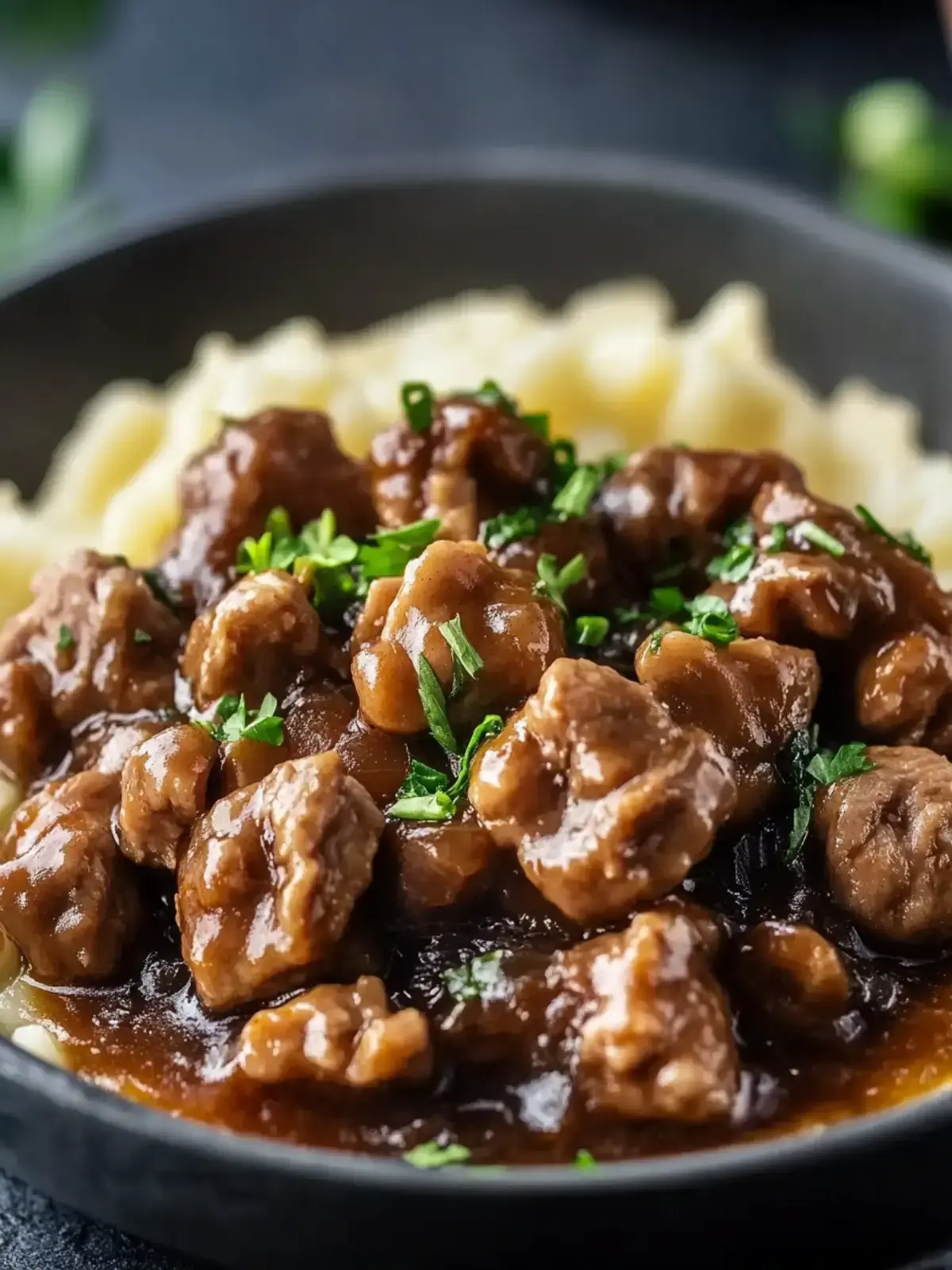
When I first discovered chicken gizzards, I was hesitant – after all, they don’t get the same spotlight as chicken breasts or thighs. But one evening, craving something different and budget-friendly, I decided to give them a shot. The moment those gizzards hit the hot skillet, a tantalizing aroma filled my kitchen, instantly drawing my family in for a taste.
What followed was a delightful journey of flavors as tender, slow-cooked gizzards met a rich, savory gravy. Now, these crispy chicken gizzards have become a beloved staple in my home, especially served over fluffy rice. They’re not only high in protein but also provide that comforting homemade vibe we often miss when resorting to fast food. This recipe is here to help you unlock the true potential of gizzards, making them your new go-to for a satisfying, hearty meal that won’t break the bank. Let’s dive into this culinary adventure!
Why You Will Love This Recipe
- Incredible Tenderness: Slow cooking transforms these often-tough cuts into melt-in-your-mouth delights that are incredibly satisfying.
- Rich Savory Flavor: The combination of spices, vegetables, and a well-developed gravy creates a deep, complex flavor profile that’s truly comforting.
- Budget-Friendly Star: Chicken gizzards are a fantastic way to enjoy a hearty, delicious meal without spending a fortune, making them ideal for family dinners.
- Versatile Comfort Food: This dish pairs perfectly with a variety of sides and can be adapted with different spices, making it a go-to for any occasion.
- Aromatic Appeal: The enticing smell that fills your kitchen as these gizzards simmer is simply irresistible and a true sign of home cooking at its finest.
Ingredients You Need
The secret to perfectly tender and flavorful chicken gizzards lies in using fresh, quality ingredients and a thoughtful selection of spices. Ensuring your gizzards are well-cleaned and trimmed is the crucial first step, setting the stage for a delightful culinary experience. We’ll then build layers of flavor with aromatic vegetables, rich broth, and a blend of spices that create that signature savory taste.
Savory Chicken Gizzard Delight
This hearty chicken gizzard recipe transforms an often-overlooked ingredient into a comforting feast packed with flavor. Crispy on the outside and tender on the inside, these gizzards are simmered in a rich, savory gravy and are perfect served over rice.
- 1 pound Chicken Gizzards, well-cleaned
- 1 teaspoon Salt, kosher preferred
- 1 teaspoon Black Pepper, freshly cracked
- 1 teaspoon Paprika, smoked for smoky flavor
- 1 teaspoon Garlic Powder
- 1 teaspoon Onion Powder
- 0.5 teaspoon Cayenne Pepper, adjust for desired heat
- 1 teaspoon Thyme
- 2 tablespoons Vegetable Oil
- 1 medium Onion, diced
- 1 medium Bell Pepper, diced
- 1 stalk Celery, diced
- 2 tablespoons Flour
- 3 cups Chicken Broth
- 1 leaf Bay Leaf, optional
- 1 tablespoon Worcestershire Sauce
- Hot Sauce, optional
- 1Clean the chicken gizzards thoroughly and pat them dry. Cut larger gizzards in half for even cooking.
- 2In a bowl, mix salt, black pepper, paprika, garlic powder, onion powder, cayenne, and thyme. Season gizzards with half of the seasoning mix.
- 3Dice onion, bell pepper, celery, and mince garlic.
- 4Heat vegetable oil in a large pot over medium-high heat.
- 5Sear gizzards for 3-4 minutes on each side until golden brown. Remove gizzards and set aside.
- 6In the same pot, sauté onion, bell pepper, and celery for 5 minutes until softened.
- 7Add minced garlic and cook for another minute until fragrant.
- 8Sprinkle in flour, stirring continuously for about 2 minutes to cook off the raw taste.
- 9Gradually whisk in the chicken broth until the mixture is smooth.
- 10Add the remaining seasoning, bay leaf, Worcestershire sauce, and hot sauce (if using).
- 11Return the seared gizzards and any juices they released to the pot. Mix well to ensure they are covered in gravy.
- 12Bring the mixture to a boil, then reduce the heat to low, cover, and let it simmer for at least 1 hour, stirring occasionally.
- 13Check the gizzards for tenderness. If they need more time, continue simmering until they are fork-tender.
- 14Adjust the seasoning and the thickness of the gravy as desired before serving.
Keywords: chicken gizzards, comfort food, southern, savory gravy, hearty meal, budget-friendly, protein-rich
You’ll find the exact quantities for all these wonderful ingredients listed in the recipe card below, ready for you to gather and prepare.
Variations
For those seeking a spicier kick, a Cajun twist is an absolute must-try. Amp up the heat by incorporating a generous tablespoon of your favorite Cajun seasoning blend into the spice mix, alongside an extra pinch of cayenne pepper. This infusion of smoky, peppery notes will transform the gizzards into a vibrant dish with an irresistible warmth that lingers delightfully on the palate.
If you’re leaning towards an Asian-inspired flavor profile, consider adding a splash of soy sauce and a teaspoon of grated fresh ginger to the gravy during the simmering process. A drizzle of sesame oil just before serving adds a nutty aroma that perfectly complements the savory notes. This variation offers a completely different, yet equally delicious, dimension to the humble gizzard, making it a versatile player in global cuisine.
For a richer, more complex taste, think about infusing Italian herbs and a small amount of red wine into the gravy. Oregano, basil, and a quarter cup of dry red wine simmered into the broth will lend a sophisticated depth. This Italian-inspired approach transforms the dish into something elegant, proving that gizzards can indeed be a star in more refined culinary creations.
How to Prepare chicken gizzards
Step 1: Preparation and Initial Seasoning
The journey to tender, flavorful chicken gizzards begins with meticulous preparation. Start by thoroughly cleaning the chicken gizzards, removing any excess fat, membranes, or tough bits that might detract from the final texture. A good rinse under cold water followed by a thorough patting dry with paper towels is essential. This drying step is crucial for achieving a beautiful sear later on.
If you are working with particularly large gizzards, consider cutting them in half or even quarters. This ensures more uniform cooking and allows the seasonings to penetrate more effectively. Smaller, bite-sized pieces will also become delightfully crispy during the searing process, offering a satisfying textural contrast.
In a medium-sized bowl, combine all the dry seasonings: salt, freshly cracked black pepper, paprika (smoked paprika adds a wonderful depth), garlic powder, onion powder, cayenne pepper for that subtle heat, and thyme. Whisk these spices together thoroughly to create an even blend. This aromatic mixture is the foundation for the gizzards’ delicious crust and overall flavor.
Now, take your cleaned and potentially cut gizzards and place them in a large bowl. Sprinkle about half of the prepared seasoning mixture over them. Using your hands, toss the gizzards until each piece is generously and evenly coated. Ensure there are no dry spots; this ensures maximum flavor in every bite.
Step 2: Searing for Crispy Perfection
Heat your chosen fat, such as vegetable oil, in a large, heavy-bottomed pot or Dutch oven over medium-high heat. You want the oil to be shimmering but not smoking – this indicates it’s at the perfect temperature for searing. A good sear is vital for developing a delightful crisp exterior on the gizzards, locking in their juices and adding a fantastic texture to the dish.
Working in batches is key here to avoid overcrowding the pot. Overcrowding lowers the oil temperature, leading to steaming rather than searing, and you’ll miss out on that desirable golden-brown crust. Carefully add a single layer of seasoned gizzards to the hot oil. Let them sear undisturbed for about 3 to 4 minutes on each side, until a beautiful, rich brown color develops.
Once seared to perfection, remove the gizzards from the pot using a slotted spoon or tongs. Transfer them to a clean plate or a baking sheet lined with paper towels. This allows any excess oil to drain off and keeps them from becoming soggy while you proceed with the next steps of the recipe.
Repeat this searing process with the remaining batches of gizzards, adding a little more oil if needed between batches. Once all the gizzards are seared, set them aside. Don’t clean the pot; the flavorful browned bits left at the bottom, known as fond, are essential for building the rich base of your gravy. They are packed with concentrated flavor.
Step 3: Building the Savory Gravy Base
Now, into the same pot with the rendered chicken fat and fond, add your diced aromatics: onion, bell pepper, and celery. Sauté these vegetables over medium heat for about 5 minutes, stirring occasionally. The goal here is to soften them and allow them to release their natural sweetness and moisture, which will form the flavor foundation for your gravy.
Next, stir in your minced garlic. Cook for just about one minute more until it becomes fragrant. Be careful not to burn the garlic, as this can impart a bitter taste. The fragrant aroma of the garlic mingling with the sautéed vegetables is a sure sign that you’re on the right track to a delicious gravy.
Sprinkle the flour evenly over the softened vegetables. Stir continuously for about 2 minutes, cooking the raw flour taste out and allowing it to meld with the vegetables and fat, creating a roux. This roux will act as a thickening agent for your gravy, giving it that perfect, luscious consistency.
Begin gradually whisking in the chicken broth, a cup at a time. Continue whisking vigorously to ensure there are no lumps and that the mixture becomes smooth. Scrape the bottom of the pot to incorporate all those flavorful browned bits from the searing step. This technique is crucial for developing a deep, rich flavor in your gravy.
Step 4: Simmering to Ultimate Tenderness
Once the broth is fully incorporated and the gravy base is smooth, it’s time to add the remaining seasonings. Stir in the rest of your pre-mixed spice blend, along with the bay leaf and Worcestershire sauce. If you are using hot sauce, add it now to allow its flavors to meld into the gravy.
Return the seared chicken gizzards to the pot. Make sure to include any accumulated juices from the plate they were resting on; these juices are full of flavor. Stir everything together gently to ensure the gizzards are well-coated in the developing gravy.
Bring the mixture to a gentle boil over medium heat. Once it begins to bubble, immediately reduce the heat to low, cover the pot tightly, and let it simmer. The low and slow cooking process is absolutely critical for tenderizing the gizzards. They need ample time to break down and become fork-tender, which can take at least one hour, and sometimes longer.
Stir the gizzards and gravy occasionally throughout the simmering period, checking to make sure nothing is sticking to the bottom of the pot. This gentle stirring also helps to redistribute the heat and ensure even cooking. The aroma that will fill your kitchen during this stage is truly mouthwatering, a testament to the slow transformation happening within the pot.
Step 5: Checking for Tenderness and Final Adjustments
After the initial hour of simmering, it’s time to check the gizzards for tenderness. Use a fork to gently pierce one of the gizzards. It should be easily pierced and feel tender, not tough or chewy. If they still have some resistance, it means they need more time to break down.
If the gizzards are not yet fork-tender, simply continue to simmer them on low heat, covered. You may need to add a little more chicken broth or water if the gravy has become too thick. Continue checking every 15-20 minutes until they reach your desired tenderness. Patience here is key to achieving that signature melt-in-your-mouth texture.
Once the gizzards are perfectly tender, it’s time to make any final adjustments to the gravy and seasoning. Taste the gravy and add more salt, pepper, or hot sauce if you feel it needs it. If the gravy is too thin for your liking, remove the lid and simmer uncovered for a few minutes to allow it to reduce and thicken naturally. If it’s too thick, a splash of broth or water can thin it out.
Remove and discard the bay leaf before serving. The gizzards are now ready to be served, typically over a bed of fluffy white rice, which perfectly soaks up the rich, savory gravy. A sprinkle of fresh herbs like chopped parsley or green onions can add a vibrant pop of color and a burst of freshness as a final garnish.
Step 6: Serving the Culinary Masterpiece
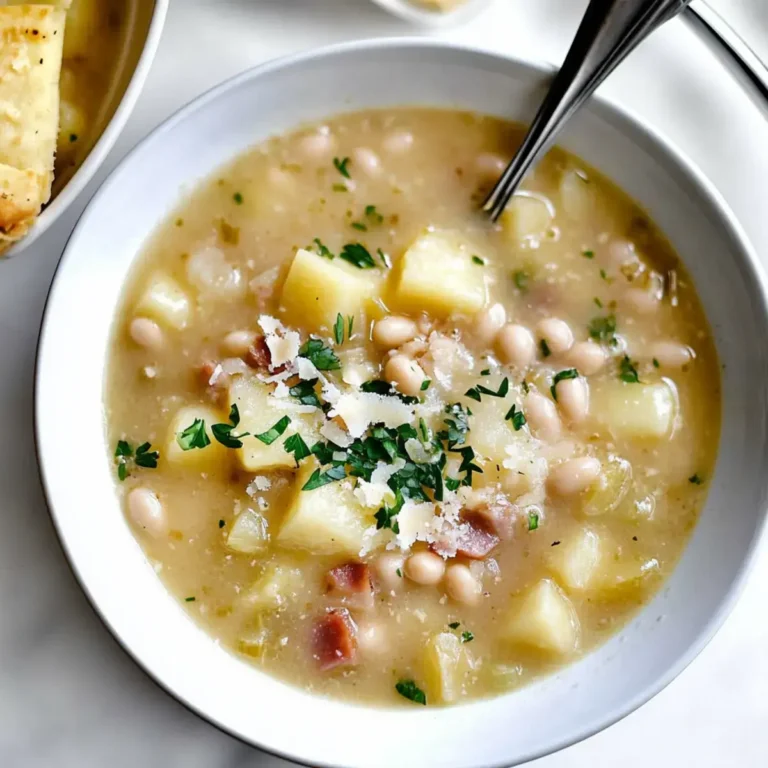
The moment of truth has arrived – your delicious chicken gizzards are ready to be served! The visual appeal of the golden-brown gizzards nestled in thick, savory gravy is enough to make anyone’s mouth water. This dish is hearty and comforting, designed to be the centerpiece of a satisfying meal.
The most classic and beloved way to enjoy this dish is spooned generously over a mound of perfectly cooked, fluffy white rice. The rice acts as a sponge, absorbing all the incredible flavors of the gravy, ensuring no drop of deliciousness is wasted. It’s a pairing that has stood the test of time for good reason; it’s simple, satisfying, and utterly delicious.
Consider presenting your gizzards with a sprinkle of fresh, finely chopped parsley or vibrant green onions. These simple garnishes not only add a beautiful contrast in color but also introduce a fresh, aromatic element that cuts through the richness of the dish. This final touch elevates the presentation from home-style to something truly special.
This dish is more than just food; it’s an experience. It’s about transforming an often-overlooked ingredient into something truly spectacular, a testament to the magic that can happen in your own kitchen with a little time and care. Enjoy sharing this delightful and comforting meal with your loved ones.
Pro Tips for chicken gizzards
Thorough Cleaning is Paramount: Never skip the step of thoroughly cleaning your chicken gizzards. Remove all excess fat, membranes, and any small connective tissues. This not only improves the texture but also prevents any unwanted flavors from lingering. Patting them completely dry after cleaning is also essential for achieving a good sear.
Don’t Overcrowd the Pan: When searing your gizzards, it’s absolutely vital to cook them in batches. Overcrowding the pan will lower the temperature of the oil, causing the gizzards to steam instead of sear. This results in a pale, rubbery exterior rather than the desired crispy, golden-brown crust that locks in flavor and adds delightful texture.
Patience is a Virtue with Gizzards: The key to tender gizzards is low and slow cooking. They require ample time to break down and become fork-tender. Resist the urge to rush the simmering process; at least an hour, and often longer, is necessary to achieve that perfect melt-in-your-mouth consistency. Don’t be afraid to let them simmer until they are truly tender.
Mastering Gravy Consistency: If your gravy ends up too thin, don’t fret. Simply remove the lid and let it simmer uncovered for a bit longer; the liquid will evaporate, naturally thickening the gravy. If, however, your gravy becomes too thick, a little extra chicken broth or even water whisked in will thin it out to your preferred consistency. Always stir frequently to prevent scorching.
The Magic of Resting: For an even deeper flavor, consider making this dish a day ahead. Allowing the cooked gizzards and gravy to cool completely and then refrigerating them overnight lets the flavors meld and intensify significantly. Reheating gently on the stovetop the next day will provide a taste experience that is arguably even better than when freshly made.
Serving Suggestions for chicken gizzards
Decoration
A sprinkle of fresh, finely chopped parsley offers a vibrant green contrast that brightens the rich, savory dish. This simple garnish adds a touch of freshness and visual appeal, making the plate look more inviting. The herbaceous notes of parsley also complement the savory flavors beautifully.
Thinly sliced green onions, both the white and green parts, can also be used for decoration. They provide a mild oniony flavor and a lovely pop of color. For a more sophisticated touch, consider a drizzle of a contrasting sauce or a dollop of sour cream on the side.
If you’re feeling creative, a few edible flowers can add an unexpected burst of elegance to the presentation. Ensure they are food-grade and complement the flavors of the dish. Ultimately, the goal is to enhance the visual appeal without overpowering the comforting essence of the gizzards.
Side Dishes
Fluffy white rice is the undisputed classic pairing for savory chicken gizzards, as it perfectly soaks up the luscious gravy. Its neutral flavor allows the richness of the gizzards to shine. Make sure to cook it until it’s light and tender for the best absorption.
Creamy polenta offers a wonderfully smooth and luxurious alternative to rice. The gentle corn flavor and velvety texture create a comforting contrast to the tender gizzards and savory sauce. It’s a hearty and satisfying combination that feels particularly indulgent.
Crusty garlic bread is an excellent choice for those who love to sop up every last bit of gravy. The buttery, garlicky crunch provides a fantastic textural element and a complementary flavor. It’s perfect for ensuring no delicious sauce goes to waste.
A light and refreshing coleslaw can offer a welcome contrast to the richness of the gizzards. The crisp, cool vegetables and tangy dressing provide a palate-cleansing element. This makes the entire meal feel more balanced and less heavy.
Creative Serving Ideas
Transform your chicken gizzards into a hearty appetizer by serving them in small, individual ramekins. Garnish with a tiny sprig of rosemary or thyme for an elegant presentation. This allows guests to enjoy a flavorful portion before the main meal.
Consider creating a “gizzard bowl” by layering the gizzards and gravy over mashed potatoes or sweet potato mash. This creates a substantial and comforting meal that’s both visually appealing and incredibly satisfying. The creamy mash acts as another excellent vehicle for the rich sauce.
For a more casual, family-style presentation, serve the gizzards in a large cast-iron skillet or a rustic ceramic bowl. Place it directly on the table, allowing everyone to serve themselves. This encourages communal dining and adds to the comforting atmosphere of the meal.
You could also use leftover chicken gizzards as a filling for savory pies or hand pies. Encased in a flaky pastry crust, they make for a delicious and portable meal. This is a fantastic way to repurpose leftovers into something entirely new and exciting.
Preparation & Storage
Storing Leftovers
Once your delicious chicken gizzards have cooled down to room temperature, they can be stored in an airtight container. This is crucial for maintaining their freshness and preventing them from drying out. Refrigerate them promptly after cooling.
Properly stored leftovers can be enjoyed for up to 4 to 5 days. The flavors tend to meld and deepen over time, making them just as tasty, if not more so, upon reheating. Always ensure the container is sealed tightly before placing it in the refrigerator.
Freezing
For longer-term storage, chicken gizzards freeze exceptionally well. Allow the cooked dish to cool completely before transferring it to freezer-safe containers or heavy-duty resealable freezer bags. Removing as much air as possible from the bags will help prevent freezer burn.
Label your frozen gizzards with the date of preparation. This helps you keep track of their shelf life. Cooked chicken gizzards can maintain their quality in the freezer for up to 2 to 3 months.
Reheating
When you’re ready to enjoy your frozen chicken gizzards, the best method is to thaw them overnight in the refrigerator. This slow thawing process helps maintain their texture and prevents them from becoming mushy upon reheating.
To reheat, gently warm the gizzards and gravy on the stovetop over low heat. Stir them frequently to ensure even heating and to prevent sticking. If the gravy has thickened considerably during storage or reheating, you can add a splash of chicken broth or water to loosen it up to your desired consistency.
Frequently Asked Questions
-
What is the best way to ensure my chicken gizzards are tender and not tough?
Achieving tender chicken gizzards is primarily a matter of cooking time and technique. The crucial step is slow simmering. After searing, the gizzards need to cook in a liquid base, such as broth and gravy, for an extended period at a low temperature. This allows the connective tissues to break down gradually, transforming them into a succulent, melt-in-your-mouth texture. Never rush this process; patience is truly rewarded with gizzards. If they feel tough after the initial cooking time, simply return them to the pot, add a little more liquid, cover, and continue to simmer until they are easily pierced with a fork.
-
Can I make chicken gizzards ahead of time, and how should I store them?
Absolutely! Chicken gizzards are an excellent candidate for meal preparation. You can prepare the entire dish and store it in the refrigerator for up to 4-5 days. Ensure that the gizzards have cooled completely before sealing them in an airtight container. The flavors actually tend to deepen and meld beautifully when stored, making them even more delicious upon reheating. If you need to store them for even longer, freezing is an option. Place cooled gizzards in a freezer-safe container or bag, and they should remain good for up to 2-3 months. Remember to label with the date.
-
What are some common issues people encounter when cooking chicken gizzards, and how can I avoid them?
The most common pitfall is serving tough gizzards, which usually stems from undercooking. As mentioned, low and slow simmering is the antidote. Another issue can be a lack of flavor, which is often remedied by not searing the gizzards properly or by not using enough seasoning. Ensuring a good sear in a hot pan and generously seasoning the gizzards before cooking are vital. Additionally, overcrowding the pan during searing can lead to steamed rather than browned gizzards, impacting both texture and flavor. Always cook in batches for optimal results. Finally, ensure your gizzards are thoroughly cleaned before cooking, as residual membranes can affect both texture and taste.