Kalua Pork Recipe – The Best Hawaiian Pulled Pork!
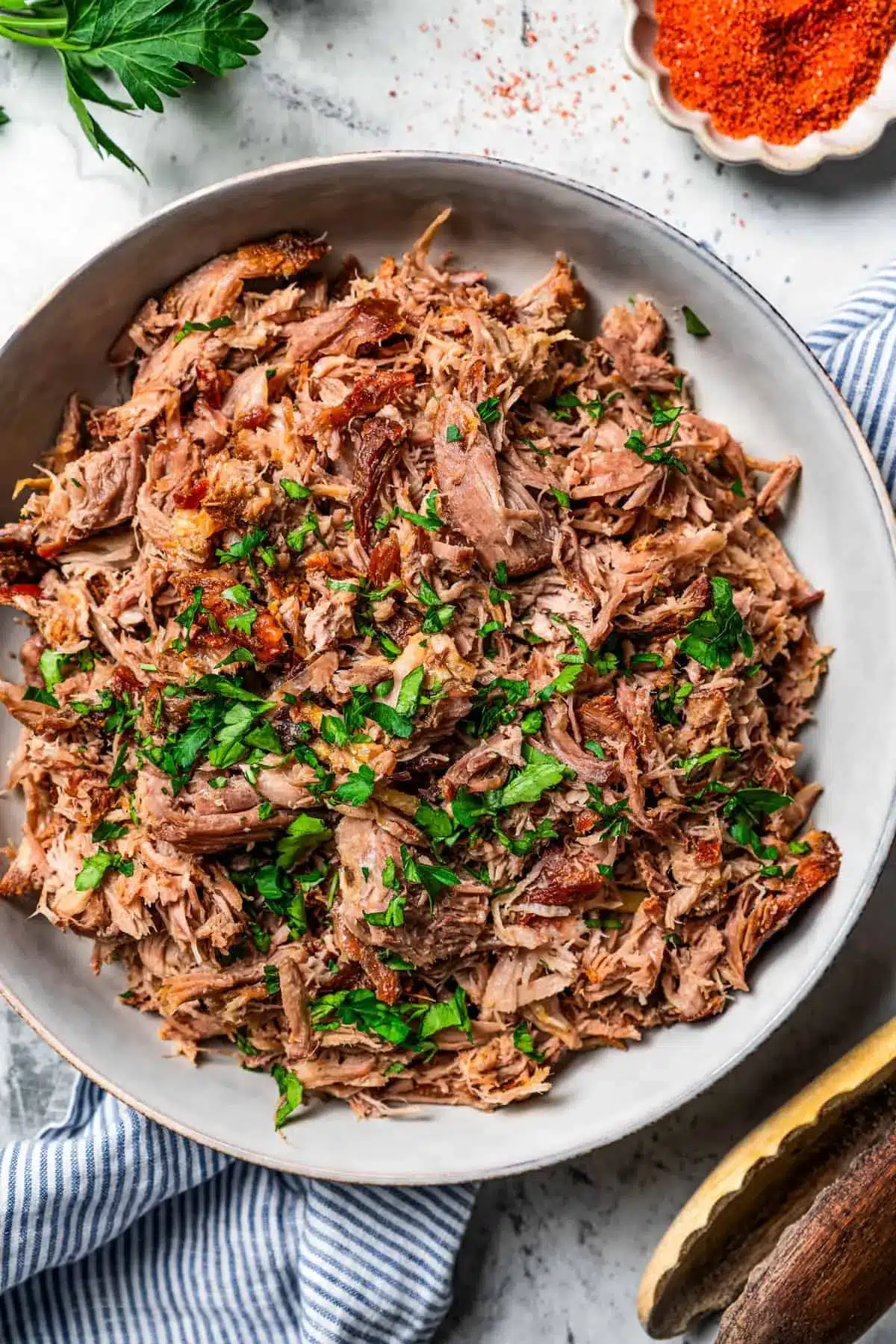
Embark on a culinary journey to the islands with this sensational Kalua Pork recipe, a true taste of Hawaiian tradition transformed for your home kitchen. This dish, characterized by its incredibly tender, slow-roasted pork shoulder infused with smoky, savory flavors, is perfect for any occasion, from casual weeknight dinners to festive gatherings.
Prepare to be transported to the sunny shores of Hawaii with every succulent bite. This recipe demystifies the authentic imu cooking method, bringing the essence of an underground oven into your conventional kitchen. It’s a celebration of simple ingredients and patient cooking, resulting in a dish that is both profoundly comforting and delightfully exotic.
Why You Will Love This Recipe
- Incredible Tenderness: The slow-roasting process breaks down the pork shoulder, resulting in meat so tender it practically melts in your mouth and shreds with minimal effort. This makes it a joy to eat and serve.
- Authentic Smoky Flavor: Achieved through a combination of sea salt and liquid smoke, this recipe expertly mimics the traditional imu cooking method, delivering that signature smoky essence without the need for an underground oven. It’s a clever shortcut to island authenticity.
- Versatile Serving Options: Whether piled high on a bun for a classic pulled pork sandwich, served Hawaiian-style with rice and a fried egg, or incorporated into tacos and bowls, this kalua pork adapts beautifully to a multitude of culinary creations. Its adaptability is a major plus.
- Simple Yet Flavorful Ingredients: The beauty of this dish lies in its straightforward seasoning. A few key ingredients like sea salt, garlic, and ginger infuse the pork with incredible depth, proving that complex flavors don’t always require complicated components.
- Effortless Preparation: Despite its impressive results, the actual hands-on preparation is minimal, allowing you to set it and forget it while the oven works its magic. This makes it an ideal choice for busy cooks.
Ingredients You Need
The foundation of any remarkable dish lies in the quality of its ingredients. For this Hawaiian Kalua Pork, we focus on select items that contribute to its signature tender texture and deep flavor profile. Choosing a good cut of pork is paramount, as is the quality of your seasonings to ensure an authentic and delightful culinary experience.
Kalua Pork (Hawaiian Pulled Pork)
This slow-roasted Hawaiian kalua pork is made from juicy pork shoulder rubbed with sea salt and seasonings and baked until it’s fall-apart tender.
- 1 tablespoon olive oil
- 3 pounds pork shoulder, cut into 3 pieces
- 5 cloves garlic, halved
- 1 inch piece of fresh ginger, cut into sticks
- chopped fresh parsley, for serving
- 1Preheat your oven to 325ºF. Pierce the pork all over with a carving fork. Insert ginger and garlic into the holes you made with the fork. Rub the pork with Hawaiian salt and then with liquid smoke.
- 2Heat the olive oil in a large pan over medium-high heat. Sear the pork on all sides.
- 3Place the pork on a large piece of parchment paper and wrap it around. Then, wrap the meat with aluminum foil, sealing it tightly. Place the pork on a rimmed baking sheet.
- 4Bake the pork for 3-4 hours or until the inner temperature reaches 165ºF and the meat shreds easily.
- 5Remove the pork from the oven. Carefully open the aluminum foil and parchment paper and collect all the cooking juices. Shred the pork with meat claws or two forks. Then add it to a large bowl or serve it on a baking tray. Drizzle and toss the pork with the cooking juices.
- 6Just before serving, garnish the pulled pork with chopped parsley.
Keywords: Hawaiian, Pulled Pork, Kalua Pork, Slow Cooker, Oven Baked, Pork Shoulder
- olive oil: a high-smoking point oil is ideal for achieving a good sear on the pork, locking in moisture and flavor.
- pork shoulder: this cut, also known as pork butt, is perfect for slow cooking due to its fat content, which renders beautifully and keeps the meat moist and tender.
- garlic: fresh garlic cloves, halved, are tucked into the pork to infuse it with aromatic flavor throughout the long cooking process.
- fresh ginger: small sticks of fresh ginger are also inserted into the pork, adding a subtle warmth and zing that complements the savory notes.
- Hawaiian sea salt: this traditional salt, often red due to volcanic clay, imparts a unique minerality and a satisfying crunch, though any good quality coarse sea salt will work.
- liquid hickory smoke: a key ingredient that provides the characteristic smoky flavor reminiscent of traditional imu-cooked pork, offering a shortcut to authentic island taste.
- chopped fresh parsley: used as a vibrant garnish, fresh parsley adds a touch of color and a hint of herbaceous freshness to the finished dish.
The precise quantities for these essential components can be found within the detailed recipe card provided below, ensuring you have everything needed for success.
Variations
While the classic Kalua Pork is undeniably divine, its adaptability opens doors to exciting variations that cater to diverse dietary preferences and flavor profiles. These creative twists ensure that everyone can enjoy a version of this beloved Hawaiian staple, proving its remarkable versatility in the culinary world.
For those seeking a plant-based option, the concept of Kalua Pork can be beautifully reimagined. A hearty block of firm or extra-firm tofu can be pressed to remove excess water, then scored deeply and marinated. The marinade would mimic the traditional flavors: soy sauce (or tamari for gluten-free), liquid smoke, a touch of maple syrup for sweetness, garlic powder, onion powder, and a hint of smoked paprika. The tofu would then be slow-roasted until firm and slightly crispy, offering a satisfying chew similar to shredded meat. This vegan Kalua “Pork” can be served in the same delightful ways as its animal-based counterpart, making it a fantastic option for dinner.
A low-carb enthusiast might find themselves drawn to a Cauliflower “Pulled Pork” variation. Large heads of cauliflower are broken down into generous florets, then tossed with a savory mixture of smoked paprika, garlic powder, onion powder, and a generous splash of liquid smoke. Roasting these florets until tender but not mushy, then finely chopping them with a knife or pulsing them in a food processor, creates a texture remarkably similar to pulled pork. This low-carb alternative is excellent served in lettuce wraps or as a topping for cauliflower rice, maintaining the spirit of the original dish with a focus on dietary needs.
Another creative avenue involves infusing the pork itself with additional layers of flavor before the slow roast. Consider adding a few strips of bacon to the foil packet with the pork shoulder during cooking. The rendered bacon fat and its smoky, salty essence will meld beautifully with the pork, creating an even more complex and decadent result. Alternatively, for a touch of sweetness and acidity, you could include chunks of fresh pineapple alongside the pork in the foil. The pineapple will caramelize slightly and release its juices, imparting a delightful tropical tang that perfectly balances the rich, savory pork, offering a unique spin on this classic Hawaiian delight.
How to Prepare Kalua Pork Hawaiian Pulled Pork
Step 1: Preparing the Pork for Flavor Infusion
The journey to tender, flavorful Kalua Pork begins with meticulous preparation of the pork shoulder. Begin by cutting the pork shoulder into three roughly equal pieces; this strategy significantly reduces the overall cooking time, allowing the heat to penetrate more efficiently. Next, arm yourself with a sturdy carving fork or skewer and systematically pierce the entire surface of each pork piece, creating numerous small holes.
These perforations are crucial for flavor absorption. Take your halved garlic cloves and the prepared sticks of fresh ginger, and carefully tuck them deep into as many of these created holes as possible. This ensures that the aromatic essence of the garlic and the subtle spice of the ginger will permeate the meat from the inside out as it slowly cooks. The more you can insert, the more profound the infusion will be.
With the aromatics firmly in place, it’s time to season. Generously rub the entire surface of the pork pieces with Hawaiian sea salt, ensuring an even coating. Following this, apply the liquid hickory smoke, also ensuring it is spread uniformly across all sides of the meat. This dual seasoning step is foundational to achieving that signature smoky and savory profile that defines authentic Kalua Pork.
Step 2: Searing for a Flavorful Crust
Before the slow, tenderizing roast, a crucial step involves searing the seasoned pork shoulder. This process creates a delicious crust, locking in moisture and adding a depth of flavor that slow-cooking alone cannot achieve. Heat one tablespoon of olive oil in a large, heavy-bottomed pan or Dutch oven over medium-high heat. The key here is to ensure the oil is hot but not smoking excessively, creating the perfect environment for searing.
Carefully place the prepared pork pieces into the hot pan, taking care not to overcrowd it; you may need to sear in batches. Allow each side of the pork to brown thoroughly, which typically takes a few minutes per side. You are looking for a rich, golden-brown color that signifies the Maillard reaction has taken place, developing complex flavors.
Once all sides of the pork have been beautifully seared, remove the pieces from the pan and set them aside. This step is vital for building the flavor foundation of your Kalua Pork, contributing significantly to the final taste and texture. The rendered bits left in the pan can be scraped up and incorporated into the braising liquid later, if applicable, or simply reserved for another use.
Step 3: Wrapping for the Slow Roast
With the pork beautifully seared and ready for its transformation, the next step involves preparing it for the long, slow cooking process. This stage is critical for maintaining moisture and ensuring the pork becomes incredibly tender and succulent. Lay out a large piece of parchment paper, ensuring it’s big enough to completely encase the pork pieces. Place the seared pork onto the center of the parchment paper.
Fold the parchment paper snugly around the pork, creating a sealed packet. To provide an extra layer of protection and to ensure even heat distribution, wrap the parchment-wrapped pork tightly with heavy-duty aluminum foil. Seal the edges of the foil securely, creating a robust, leak-proof package that will trap all the delicious juices released during cooking. This double wrapping method is key to achieving the fall-apart tender result.
Once the pork is completely encased, carefully transfer the foil-wrapped pork onto a rimmed baking sheet. A rimmed baking sheet is essential to catch any potential leaks and to keep your oven clean. This preparation ensures that the pork will cook evenly and remain moist throughout its extended time in the oven.
Step 4: The Long, Slow Bake to Perfection
Now comes the patient part: the slow baking process that will transform the pork shoulder into incredibly tender, shreddable Kalua Pork. Preheat your oven to a moderate 325°F (160°C). This lower temperature is crucial for slow and even cooking, allowing the connective tissues in the pork to break down gradually, resulting in maximum tenderness.
Place the baking sheet with the wrapped pork into the preheated oven. Allow the pork to bake for a generous 3 to 4 hours. The exact cooking time can vary depending on the size and thickness of your pork pieces, as well as the specific characteristics of your oven. It is important not to rush this process, as the low and slow method is the secret to achieving the desired texture.
To check for doneness, you can carefully unwrap a small portion of the pork and test its tenderness with a fork. The meat should easily pull apart. A more precise method is to use an instant-read meat thermometer; the pork is ready when its internal temperature reaches at least 165°F (74°C). The meat should be fork-tender and easily shredded at this point. If it’s not quite there, simply re-wrap and continue baking, checking every 30 minutes.
Step 5: Shredding and Reincorporating Juices
The moment of truth has arrived: transforming the cooked pork into luscious, shredded Kalua Pork. Carefully remove the baking sheet from the oven and, using oven mitts, cautiously unwrap the aluminum foil and parchment paper. Be mindful of the hot steam that will escape. The goal here is to preserve all the accumulated cooking juices that have pooled in the bottom of the foil packet and on the baking sheet, as these are packed with flavor.
Transfer the cooked pork to a large heatproof bowl or a clean rimmed baking tray. Now, using a pair of sturdy forks or specialized meat claws, begin to shred the pork. The meat should be so tender that it falls apart with very little effort. Continue shredding until you have a pile of delicious, tender pork strands. You can achieve a finer or coarser shred depending on your preference.
Once the pork is fully shredded, it’s time to bring back that wonderful moisture and flavor. Carefully pour all the collected cooking juices over the shredded pork. Gently toss the pork with the juices, ensuring each strand is coated. This step is vital for rehydrating the shredded meat and infusing it with the savory essence that developed during the slow roasting process, resulting in an incredibly moist and flavorful Kalua Pork.
Step 6: Garnishing and Serving
The final flourish for your Kalua Pork is a simple yet effective garnish that enhances its visual appeal and adds a touch of freshness. Just before serving, take your chopped fresh parsley and sprinkle it liberally over the shredded pork. The vibrant green flecks of parsley provide a beautiful contrast to the rich, savory tones of the pork, making it look as appetizing as it tastes.
This perfectly prepared Kalua Pork is now ready to be served and enjoyed in a multitude of ways. Its incredible tenderness and deep, smoky flavor make it a star on its own. You can present it family-style on the baking tray, allowing everyone to serve themselves, or artfully plate it according to your chosen serving suggestion. The aroma alone will have your guests eager to dig in.
Whether you’re creating mouth-watering sandwiches, building vibrant rice bowls, or serving it as a traditional Hawaiian side, this Kalua Pork is guaranteed to impress. The culmination of patient cooking and simple, high-quality ingredients results in a dish that is both profoundly satisfying and wonderfully authentic. Enjoy the fruits of your labor!
Pro Tips for Kalua Pork Hawaiian Pulled Pork
To elevate your Kalua Pork experience from great to absolutely extraordinary, consider these expert tips. These insights are born from experience and are designed to ensure your pork reaches peak tenderness and flavor every single time you make it.
Don’t Rush the Roast: The absolute cornerstone of achieving truly fall-apart tender Kalua Pork is patience. Resist the temptation to crank up the oven temperature in an effort to speed up the cooking process. Low and slow is not just a suggestion; it’s the golden rule for breaking down the connective tissues in the pork shoulder, which is what yields that signature melt-in-your-mouth texture. Stick to the recommended temperature of 325°F (160°C) for the full duration.
Monitor Internal Temperature: While the cooking time of 3-4 hours is a guideline, ovens can vary. The most reliable way to ensure your pork is perfectly cooked is by using an instant-read meat thermometer. Aim for an internal temperature of at least 165°F (74°C). This temperature indicates that the pork is cooked through and has reached a stage where it will be exceptionally tender and easy to shred. Checking this will prevent over or undercooking.
Embrace the Cooking Juices: Never, ever discard the liquid that collects in the foil packet and baking sheet during cooking. This liquid is a concentrated elixir of rendered pork fat, savory seasonings, and the infused essence of garlic and ginger. Stirring these juices back into the shredded pork after cooking is what ensures it remains moist, luscious, and deeply flavorful. It’s the secret to that restaurant-quality finish.
Consider a Slow Cooker Option: If you don’t have an oven available or prefer a hands-off approach, your slow cooker is an excellent alternative. Prepare the pork as instructed (searing is still recommended for flavor, though optional for slow cooker ease). Place the seasoned pork in the slow cooker and cook on low for 8 to 9 hours, or on high for 4 to 5 hours, until the meat easily shreds. This method delivers similarly tender results.
Quality of Salt Matters: While Hawaiian sea salt (alaea salt) is traditional and offers a unique mineral note and texture, don’t be discouraged if you can’t find it. Any coarse sea salt will provide the necessary crunch and salinity. Avoid using fine table salt, as its flavor is much sharper and it can lead to an overly salty dish. The texture of the salt plays a role in the overall eating experience.
Serving Suggestions for Kalua Pork Hawaiian Pulled Pork
Decoration
The simplest yet most effective garnish for Kalua Pork is fresh, finely chopped parsley. Its vibrant green hue provides a striking visual contrast against the savory, shredded pork, making the dish appear more appetizing and fresh. A few sprigs of fresh cilantro or even thinly sliced green onions can also add a pop of color and a subtle herbaceous note, enhancing the overall presentation.
Side Dishes
To create an authentic Hawaiian feast, serve your Kalua Pork with traditional accompaniments. Steamed white rice is a classic pairing, acting as a neutral base that perfectly soaks up the delicious juices. A simple, creamy Hawaiian macaroni salad, often made with mayonnaise, celery, and grated carrots, offers a delightful contrast in texture and temperature. Grilled or roasted pineapple slices, with their sweet and tangy caramelized flavor, cut through the richness of the pork beautifully, offering a taste of the tropics.
Creative Serving Ideas
Kalua Pork is incredibly versatile and lends itself to numerous creative serving applications. Pile it generously onto soft burger buns or slider rolls to create mouth-watering pulled pork sandwiches or mini sliders, perhaps topped with a tangy coleslaw. It’s also fantastic in a rice bowl, layered over a bed of sticky rice and adorned with fresh toppings like avocado, pickled onions, and a drizzle of sriracha mayo. For a lighter option, use the shredded pork as a filling for tacos or crisp lettuce wraps, offering a satisfying and flavorful meal that’s both healthy and delicious.
Preparation & Storage
Storing Leftovers
Once your delicious Kalua Pork has cooled down slightly after serving, it’s important to store any leftovers properly to maintain freshness and food safety. Transfer the cooled shredded pork into an airtight container, ensuring the lid is sealed tightly to prevent air exposure. Store the container in the refrigerator. Properly stored, Kalua Pork leftovers can be safely enjoyed for 3 to 4 days.
Freezing
If you have a larger batch of Kalua Pork than you anticipate consuming within a few days, freezing is an excellent option for long-term storage. Allow the cooked and shredded pork to cool completely before portioning it into freezer-safe bags or airtight containers. For optimal quality, press out as much air as possible before sealing the bags. Frozen Kalua Pork can be stored for up to 2 months.
Reheating
Reheating Kalua Pork is straightforward and can be done using a few different methods to ensure it’s delicious once again. The quickest method is in the microwave; simply place a serving in a microwave-safe dish, cover it loosely, and heat on medium power, stirring occasionally, until thoroughly warmed through. Alternatively, for a more even reheating, cover the pork with foil and place it in a preheated oven at around 300°F (150°C) until it’s hot throughout. Ensure the pork reaches a safe internal temperature before serving.
Frequently Asked Questions
-
What is the traditional method of cooking Kalua Pork?
Traditionally, Kalua Pork is cooked in a Hawaiian underground oven known as an “imu.” A whole pig is prepared with sea salt and other seasonings, then wrapped in banana leaves and ti leaves. It is then placed in a pit dug in the ground, where hot volcanic rocks are added to cook the pig slowly for many hours, resulting in incredibly tender and smoky meat.
-
Can I make Kalua Pork without liquid smoke?
Yes, while liquid smoke is a convenient way to achieve that signature smoky flavor in a home kitchen, it can be omitted or substituted. If you prefer to avoid liquid smoke, you can use about 1 ½ teaspoons of smoked paprika rubbed onto the pork along with the sea salt. This will impart a smoky note, although it might be less intense than that from liquid smoke. Some people also opt for a very small amount of chipotle powder for a smoky heat, but use it sparingly.
-
What is the best cut of pork for Kalua Pork?
The ideal cut of pork for Kalua Pork is pork shoulder, also commonly known as pork butt or Boston butt. This cut is rich in fat and connective tissue, which breaks down beautifully during the long, slow cooking process. This breakdown results in incredibly tender, moist, and easily shreddable meat that is the hallmark of authentic Kalua Pork. Other fatty cuts like pork belly could be used but will yield a different texture and richness.