Easy Tres Leches Cake Recipe – Authentic Mexican Dessert!
The aroma of sweet milk and tender sponge cake is an invitation to pure bliss, a sensory experience that defines true dessert perfection. This tres leches cake recipe promises a journey into a world of rich flavors and delightful textures, a classic treat that never fails to impress. It’s a dessert that whispers of home, celebration, and the simple joy of sharing something truly special with loved ones.
Prepare to be enchanted by a dessert that is both incredibly easy to make and utterly divine to consume. This recipe is designed to bring the authentic taste of this beloved Latin American classic right into your kitchen, ensuring every bite is a moment of pure culinary delight. Get ready to fall in love with every sweet, milky morsel of this exceptional cake.
Why You Will Love This Recipe
- Authentic Flavor: Experience the true taste of tres leches, a beloved Mexican dessert that balances sweetness and richness perfectly.
- Moist & Tender Texture: The unique soaking process ensures an unbelievably moist and tender cake that melts in your mouth.
- Easy to Make Ahead: This dessert is a fantastic choice for gatherings as it needs to chill, making your hosting duties stress-free.
- Simple Ingredients: Crafted with common pantry staples and easily found dairy, this recipe is accessible for any home baker.
- Crowd-Pleasing Appeal: Its universally loved flavor profile makes it a guaranteed hit for family dinners, parties, or any special occasion.
Ingredients You Need
The magic of this tres leches cake recipe lies in its simplicity and the quality of its core ingredients. We focus on essential components that work in harmony to create that signature moistness and delicate flavor. Ensuring your ingredients are fresh, especially your baking powder and eggs, will contribute significantly to the final texture and rise of your sponge cake. The richness comes from a thoughtful combination of three distinct dairy elements, each playing a vital role in the dessert’s iconic milky soak.
Tres Leches Cake
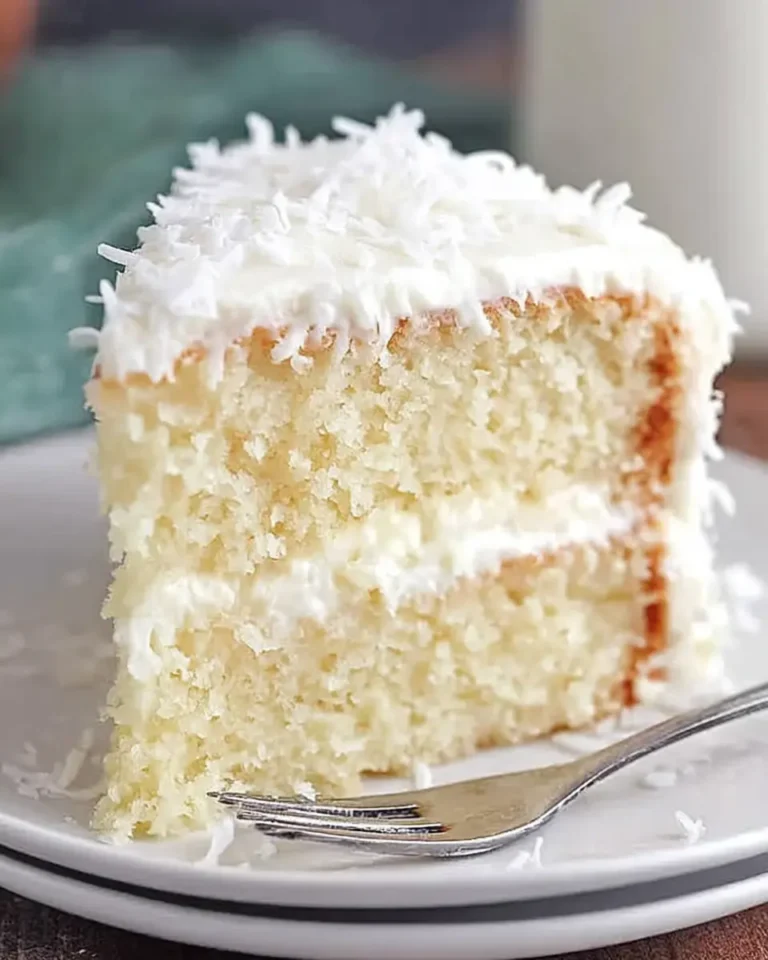
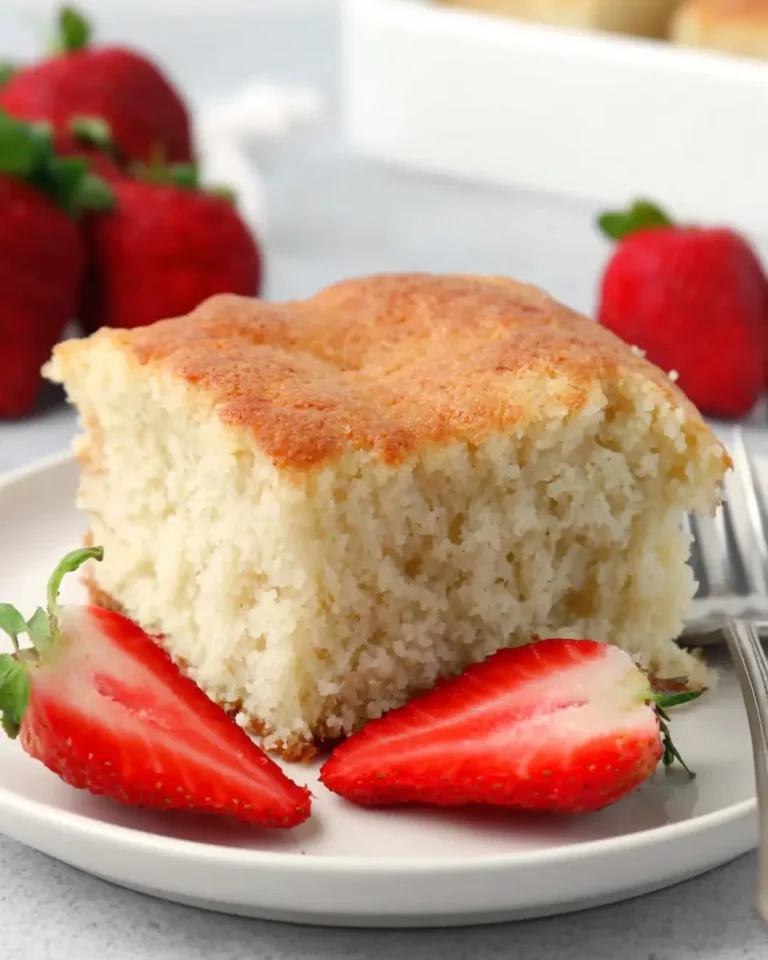
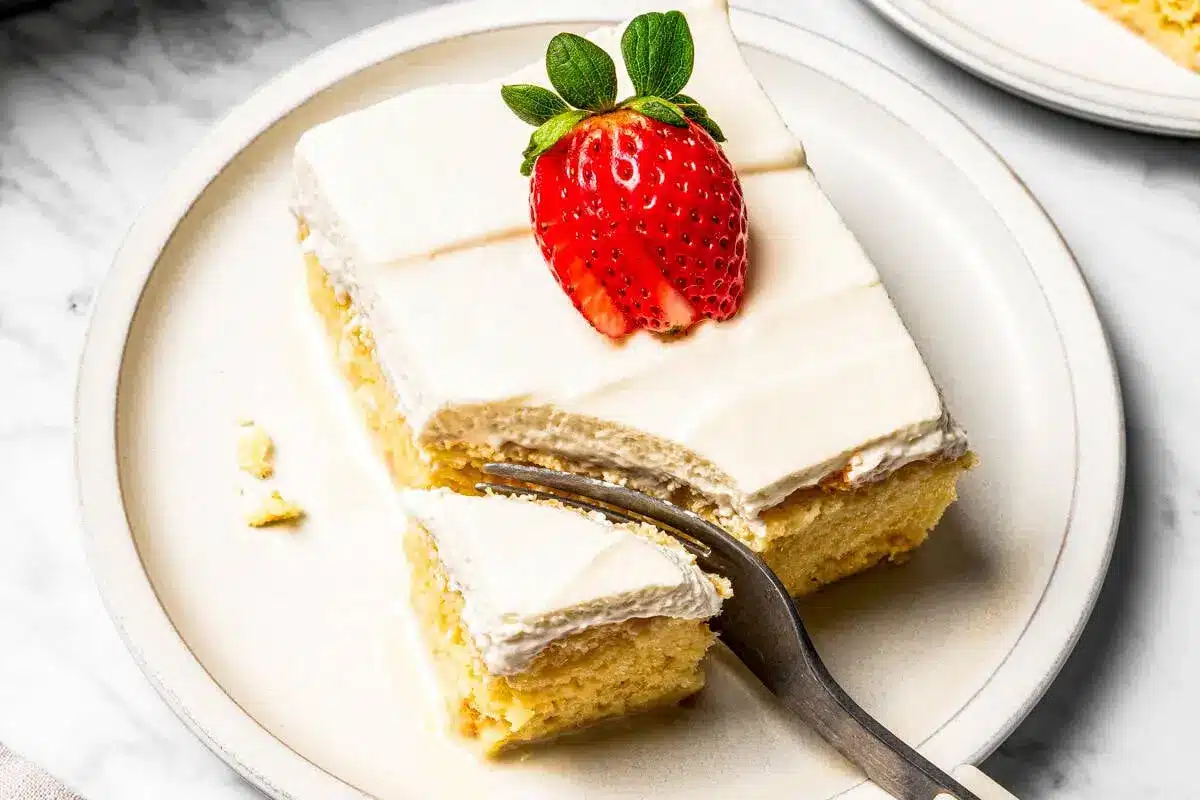
This Mexican tres leches cake is a light, airy sponge cake soaked in a sweet milk mixture and topped with fluffy homemade whipped cream. It's a classic Latin dessert, also popular in Mexican restaurants in the U.S.
- For the cake:
- 1 cup all purpose flour
- 1½ teaspoons baking powder
- ¼ teaspoon salt
- 1 cup granulated sugar
- 4 eggs
- ⅓ cup milk
- 1½ teaspoons pure vanilla extract
- butter, for greasing the baking dish
- For the milk sauce:
- 14 ounce can condensed milk
- 12 ounce can evaporated milk
- 3 tablespoons milk
- For the topping:
- 1½ cups heavy cream
- 3 tablespoons powdered sugar
- 1 teaspoon pure vanilla extract
- 1Make the sponge cake: Prepare to bake. Preheat the oven to 350°F. Mix the dry ingredients. In a medium bowl, whisk the flour, baking powder, and salt. Set aside. Beat the eggs. In a separate bowl, using an electric mixer, beat the sugar with the eggs until fluffy and pale, about 2 to 3 minutes. Combine. Whisk the milk and vanilla into the egg mixture until smooth. Using a spatula, gently fold in the flour mixture just until the batter is smooth and lump-free. Bake the cake. Grease your 9×13-inch baking dish with some butter. Pour in the prepared cake batter and tap gently onto the kitchen counter to remove air bubbles. Bake the cake for 30-35 minutes, or until a toothpick inserted into the center comes out clean.
- 2Prepare the milk mixture: Combine the milks. Meanwhile, whisk together the condensed milk, evaporated milk, and plain milk in a bowl until combined.
- 3Drizzle the cake: Remove the cake from the oven and allow it to cool down completely. Then, use a fork to poke holes in the cake. Pour the milk mixture all over the cake, especially saturating the edges, as they are the firmest. Refrigerate the cake for at least 2 to 3 hours, but overnight is best.
- 4Add the topping: Whip the cream. Add heavy cream, powdered sugar, and vanilla extract to a large bowl. Whip with a handheld mixer until stiff peaks form.
- 5Finish and serve: Top the tres leches cake with the whipped cream. Cut the cake into squares and serve.
Keywords: tres leches cake, Mexican dessert, sponge cake, milk cake, whipped cream, make ahead
You’ll find the precise measurements for all these delightful components within the detailed recipe card. This ensures you have exactly what you need to achieve a flawless tres leches cake every single time.
Variations
Elevating the classic tres leches cake can be a delightful culinary adventure, offering new dimensions of flavor and catering to diverse dietary preferences. One exciting variation is the vegan tres leches, which masterfully substitutes dairy with plant-based alternatives. For this, unsweetened almond or oat milk can replace regular milk, while a rich coconut cream or cashew-based cream mimics the condensed and evaporated milks, creating a similarly luscious soak without any animal products. The sponge cake itself can be made vegan by using a flax egg or commercial egg replacer and a plant-based milk, ensuring the entire dessert is cruelty-free and delicious.
For those adhering to a low-carb lifestyle, a keto-friendly tres leches is absolutely achievable, though it requires a bit more finesse. The sponge cake base would be crafted using almond flour and a sugar substitute like erythritol or xylitol, with eggs providing the necessary structure and richness. The milk soak would similarly employ sugar-free condensed milk alternatives, which can often be found in specialty stores or made at home by simmering heavy cream with a sugar substitute. The topping could be a sugar-free whipped cream made with heavy whipping cream and a keto-friendly sweetener. This version offers all the indulgent flavor with a fraction of the net carbs, perfect for guilt-free enjoyment.
Another delightful twist involves infusing the milk soak with warm, comforting spices, creating a cinnamon-kissed tres leches. A few cinnamon sticks and perhaps a star anise or a few cardamom pods can be gently simmered with the milk mixture before it’s poured over the cake, allowing the spices to infuse their aromatic essence. This adds a subtle layer of complexity that complements the sweet, milky cake beautifully. You could even introduce a touch of espresso powder to the milk soak for a mocha-inspired variation, or a hint of orange zest for a brighter, citrusy note. Each variation allows for personalization and a unique tasting experience, proving that this classic dessert is endlessly adaptable.
How to Prepare tres leches cake recipe
Step 1: Prepare the Cake Batter
Begin by preheating your oven to a steady 350°F (175°C), ensuring it’s at the optimal temperature for baking a light and airy sponge. While the oven heats up, gather your dry ingredients in a medium-sized bowl. This typically includes all-purpose flour, baking powder for lift, and a pinch of salt to balance the sweetness. Whisk these together thoroughly to ensure they are evenly distributed, which is a crucial first step for a consistent cake texture.
In a separate, larger bowl, it’s time to bring the wet ingredients to life. You’ll need your eggs and granulated sugar. Using an electric mixer, beat these together vigorously. The goal here is to whip them until the mixture becomes pale yellow and wonderfully fluffy; this process, often called creaming, incorporates air which is vital for the cake’s lightness. Aim for at least 2 to 3 minutes of beating, making sure no sugar granules remain undissolved. This fluffy egg mixture forms the airy foundation of your sponge cake.
Now, gently combine the wet and dry components. To the fluffy egg-sugar mixture, add the milk and pure vanilla extract. Whisk these in until just combined and smooth. Then, using a spatula or a gentle whisking motion, gradually fold in the dry ingredients you prepared earlier. Be careful not to overmix; the key is to incorporate the flour just until the batter is smooth and free of any dry pockets or lumps. Overworking the batter at this stage can develop the gluten too much, resulting in a tougher cake, so gentle folding is your best friend here.
Step 2: Bake the Cake
Prepare your baking dish by generously greasing it with butter, ensuring that no part of the cake will stick. A standard 9×13-inch baking dish is ideal for this recipe, providing ample space for the batter to spread and bake evenly. Pour the prepared cake batter into this greased dish, making sure to distribute it evenly across the bottom. Gently tap the pan on your kitchen counter a few times; this simple action helps to release any trapped air bubbles within the batter, promoting a more uniform texture once baked.
Carefully place the baking dish into the preheated oven. The cake will bake for approximately 30 to 35 minutes. During this time, it will puff up and turn a beautiful golden brown. To check for doneness, insert a toothpick or a thin knife into the center of the cake. If it comes out clean, without any wet batter clinging to it, your cake is perfectly baked. If there’s still some batter, allow it to bake for a few more minutes and test again.
Once the cake is baked, remove it from the oven. It’s important to let the cake cool down completely in the baking dish before proceeding to the next step. This cooling period allows the cake structure to set properly, making it easier to handle and ensuring it absorbs the milk mixture evenly without falling apart. Patience during this cooling phase is key to achieving that signature moist and tender tres leches texture.
Step 3: Prepare the Milk Mixture
While the cake is cooling, it’s time to prepare the luscious trio of milks that gives this dessert its name and its unforgettable moisture. In a medium-sized bowl, combine the sweetened condensed milk, the evaporated milk, and the regular milk. You can use any type of milk you prefer for the third component, whether it’s whole milk for extra richness, 2% for a lighter option, or even a non-dairy alternative if you’re adapting the recipe. Whisk these three liquids together until they are thoroughly combined into a smooth, homogeneous sauce.
This milk mixture is the heart of the tres leches, responsible for transforming the sponge cake into an incredibly moist and decadent dessert. The combination of sweetened condensed milk provides sweetness and a rich, creamy base, while evaporated milk adds a concentrated dairy flavor and smooth texture. The third milk thins out the mixture just enough to allow it to be absorbed evenly by the cake, ensuring every bite is infused with milky goodness.
Ensure the milk mixture is well-whisked and ready to be poured over the cake. The temperature of the milk mixture can be room temperature; it doesn’t need to be heated. Having it ready to go once the cake has cooled ensures you can proceed with the soaking process efficiently, maximizing the absorption and allowing the flavors to meld beautifully. This simple yet critical step is what defines the essence of a true tres leches cake.
Step 4: Soak the Cake
Once your sponge cake has cooled down completely in its baking dish, it’s time for the signature soaking process. This is where the magic truly happens, as the cake transforms into an incredibly moist and flavorful delight. Using a fork or a long skewer, carefully poke holes all over the surface of the cooled cake. Don’t be afraid to go relatively deep; you want to create an ample network of tiny tunnels for the milk mixture to seep into. Aim for a dense pattern of holes across the entire cake, ensuring that the milk will be distributed evenly.
Gently and evenly pour the prepared milk mixture over the entire surface of the poked cake. Make sure to saturate not only the center but also the edges of the cake, as the sides tend to be the firmest and benefit most from this infusion. You can use a ladle or a pitcher for this, pouring slowly and steadily to allow the liquid to be absorbed into the cake’s structure. You should see the milk mixture pooling slightly on top before it begins to be absorbed into the cake. This is a good sign that the cake is ready to drink up all that deliciousness.
After the initial pouring, allow the cake to sit for a few minutes to absorb the first wave of liquid. If there are any dry spots, you can pour a little more of the milk mixture over them. Once the cake has absorbed as much as it can initially, cover the baking dish tightly with plastic wrap or aluminum foil. Place the cake in the refrigerator to chill and allow the flavors to meld and the cake to fully soak. For the best results, let it chill for at least 2 to 3 hours, but leaving it overnight is highly recommended for maximum flavor development and an unbelievably moist texture. The longer it rests, the more decadent and infused it becomes.
Step 5: Prepare the Whipped Cream Topping
As the tres leches cake chills and absorbs the delicious milk mixture, it’s time to prepare the light and airy topping that crowns this dessert. In a large, chilled bowl, combine the heavy whipping cream, powdered sugar, and pure vanilla extract. Using a handheld electric mixer or a stand mixer with the whisk attachment, begin beating the ingredients together. Start on a lower speed to incorporate the ingredients, then gradually increase the speed.
Continue to whip the cream until stiff peaks form. This means that when you lift the beaters out of the cream, the peaks that remain stand up straight without drooping. Be careful not to over-whip, as this can turn the cream into butter. The goal is a fluffy, stable whipped cream that will hold its shape beautifully on top of the cake. The powdered sugar provides sweetness, and the vanilla extract adds a lovely fragrant note that complements the creamy flavor perfectly.
Once the whipped cream has reached stiff peaks, it’s ready to be spread over the chilled, soaked cake. Ensure the cake has had ample time to chill and soak thoroughly before adding the topping. This topping provides a delightful contrast in texture and flavor to the rich, milky cake underneath, creating a balanced and utterly irresistible dessert experience. Its lightness cuts through the sweetness of the cake, making each bite perfectly harmonious.
Step 6: Finish and Serve
Once your tres leches cake has chilled for the recommended minimum of 2-3 hours (or ideally, overnight) and the whipped cream topping is ready, it’s time for the grand finale. Remove the cake from the refrigerator. Take the bowl of freshly whipped cream and spread it evenly over the entire surface of the soaked cake. Use a spatula to create a smooth, even layer, ensuring the topping reaches all the edges for a beautiful presentation. This fluffy cloud of cream is the perfect counterpoint to the dense, moist cake beneath.
For an optional touch of elegance and flavor, you can dust the top of the whipped cream with a light layer of ground cinnamon or even some finely grated chocolate. This adds a hint of warmth and visual appeal. Then, using a sharp knife, cut the cake into individual servings. Traditionally, tres leches cake is served in squares, making it easy to portion and present. Each slice will reveal the layers of the sponge cake thoroughly infused with the milk mixture, topped with the luscious whipped cream.
Serve immediately and watch your guests delight in every spoonful. The combination of the tender, milk-soaked cake and the sweet, airy topping is a truly unforgettable dessert experience. You can also serve it with a simple garnish like a fresh berry or a sprig of mint for an extra pop of color. This cake is best enjoyed cold, so the chilled aspect enhances its refreshing quality, making it a perfect ending to any meal, especially after a flavorful Cajun Chicken Pasta dinner.
Pro Tips for tres leches cake recipe
Don’t Burn the Cake: Keep a close eye on your cake as it bakes. The top will naturally turn golden brown, which is a sign of doneness. However, if you notice it browning too quickly and you’re concerned it might burn before the inside is cooked, you can loosely cover the baking dish with aluminum foil. This shields the top from direct heat and allows the cake to finish baking through without excessive browning.
Poke Carefully: When you’re poking holes into the cake, use a fork or a skewer and aim for even distribution. While you want plenty of holes for the milk to soak in, avoid making them too large or too numerous. Overly large or dense holes can compromise the cake’s structure, making it crumbly or leading to it becoming overly saturated to the point of being soupy. A thoughtful pattern ensures the perfect balance of moisture and cake integrity.
Beat Eggs and Sugar Thoroughly: This step is non-negotiable for a light and airy sponge cake. Creaming the eggs and sugar until they are pale, fluffy, and significantly increased in volume is crucial for incorporating air. This air expands during baking, giving the cake its characteristic lightness. Don’t rush this process; it’s the foundation of a tender crumb that will absorb the milk beautifully.
Embrace the Chill Time: The refrigeration period is just as important as the baking. This is when the cake truly transforms. The milks soak deep into the sponge, creating that signature moist texture and allowing the flavors to meld together. For the absolute best results, plan to let your tres leches cake chill for at least 4-6 hours, or ideally, overnight. The extended chilling time results in a more uniform saturation and a richer, more developed flavor profile.
Experiment with Flavors: While the classic is divine, don’t hesitate to add your personal touch. For a delightful caramel twist, swap the sweetened condensed milk with dulce de leche and slightly increase the amount of plain milk in the soak. You can also infuse the milk mixture with spices like cinnamon or cardamom, or add a splash of coffee liqueur for an adult-friendly dessert. These variations can add exciting new dimensions to this beloved dessert, making it uniquely yours.
Serving Suggestions for tres leches cake recipe
Decoration
The topping of your tres leches cake is a canvas for culinary artistry. A generous layer of homemade whipped cream is the classic choice, providing a light, fluffy contrast to the dense, soaked cake. For an added touch of visual appeal and flavor, consider dusting the whipped cream with a fine layer of ground cinnamon, which complements the milky sweetness with a warm, aromatic spice. Another beautiful option is to sprinkle finely grated dark or milk chocolate over the cream; this adds a touch of richness and a delightful textural element.
Fresh fruit is also a wonderful addition to the decoration of tres leches cake. Bright red strawberries, sliced or quartered, offer a beautiful color contrast and a touch of tartness that cuts through the sweetness. Blueberries or raspberries can also be used, either scattered artfully or arranged in a pattern. For a more tropical flair, consider topping the cake with a few slices of fresh mango or passionfruit pulp. These natural decorations not only enhance the cake’s appearance but also add complementary flavors that elevate the overall tasting experience.
Edible flowers can lend an elegant and sophisticated touch to your tres leches cake presentation. Pansies, violets, or even rose petals can be carefully placed on top of the whipped cream for a stunning visual effect. If you want to get truly creative, you could pipe decorative borders around the edges of the cake using the whipped cream, or even create swirls and peaks to add dimension. A dusting of powdered sugar through a stencil can also create intricate patterns. The key is to keep the decorations light and complementary, allowing the beautiful texture and flavor of the cake to remain the star.
Side Dishes
While tres leches cake is a complete dessert in itself, it pairs wonderfully with certain accompaniments that can enhance the dining experience, particularly after a hearty Mexican meal. Fresh fruit platters are a natural fit; a vibrant assortment of melon, pineapple, berries, and citrus slices can offer a refreshing palate cleanser and a light counterpoint to the rich cake. This allows guests to enjoy a lighter option or to balance their dessert experience.
For those who enjoy a warm beverage alongside their dessert, a traditional Mexican coffee or a rich hot chocolate are excellent choices. The bold flavors of these drinks can stand up to the sweetness of the tres leches cake, creating a delightful flavor combination. A simple cup of hot, unsweetened tea or a glass of chilled milk can also serve as pleasant accompaniments, offering a more subtle pairing that allows the cake’s flavors to shine.
Considering the cake’s rich and sweet nature, pairing it with something that offers a slight contrast can be very effective. A small scoop of tart sorbet, such as lime or raspberry, can provide a refreshing burst of acidity that cleanses the palate and prepares it for another bite of the cake. Similarly, a very light, unsweetened cookie or a crisp tuile could offer a textural contrast without overwhelming the main dessert. These thoughtful pairings ensure a well-rounded and enjoyable dessert course.
Creative Serving Ideas
Moving beyond simply cutting squares, consider serving tres leches cake in individual portions for an elegant presentation. Small ramekins or elegant glasses are perfect for this. Layer the soaked cake pieces and whipped cream in these containers, allowing for an artful display of the cake’s moist interior and creamy topping. This individual serving method is ideal for dinner parties, ensuring each guest receives a perfectly portioned and beautifully presented dessert.
Another creative approach is to deconstruct the tres leches cake. This involves separating the elements and presenting them in a more abstract manner. For instance, you could serve a small piece of the soaked cake alongside a quenelle of whipped cream and a drizzle of the milk mixture. This allows guests to assemble their own perfect bite, emphasizing the textures and flavors individually. It’s a sophisticated way to present a classic dessert, appealing to those who appreciate culinary artistry.
For a fun and interactive serving style, consider a tres leches trifle. In a large, clear trifle bowl, layer chunks of the soaked cake with the whipped cream, perhaps adding a layer of fresh berries or a complementary fruit compote in between. This creates a visually stunning dessert that showcases the different components beautifully. Each scoop will reveal colorful layers, making it a delightful centerpiece for any gathering. This method also ensures that every bite contains a perfect ratio of cake, cream, and any added elements.
Preparation & Storage
Storing Leftovers
Tres leches cake is best stored in the refrigerator to maintain its optimal texture and freshness. After the cake has been served, cover any remaining portions tightly with plastic wrap or transfer them to an airtight container. The moisture from the milk soak means it’s crucial to keep it well-covered to prevent it from drying out or absorbing unwanted odors from other foods in the refrigerator. It’s important to note that the whipped cream topping can sometimes weep or become less stiff over time when refrigerated.
When properly stored in the refrigerator, leftover tres leches cake will typically remain delicious for up to 3 days. The flavors tend to deepen and meld even further during this time, making the second or third day almost as good as the first. However, after 3 days, the cake’s texture might start to degrade, becoming overly saturated or soggy. For the best quality, aim to consume any leftovers within this timeframe. Ensure the cake remains chilled throughout its storage period.
If you’ve prepared the cake but haven’t added the whipped cream topping yet, it can be stored for a slightly longer period. The un-frosted soaked cake will keep well in the refrigerator for about 4-5 days. This allows you to prepare the cake ahead of time and add the fresh whipped cream just before serving, ensuring a lighter and fluffier topping. This is a great strategy for making the cake ahead for an event.
Freezing
Freezing tres leches cake is a viable option if you need to prepare it further in advance, but it requires careful handling to preserve its delicate texture. The key is to freeze the cake *without* the whipped cream topping. The high moisture content of the cake can lead to ice crystals forming on the whipped cream, compromising its texture and making it watery upon thawing. Instead, focus on freezing the soaked cake itself.
To freeze, ensure the cake is completely cool and has had its initial chilling period. Wrap the cake tightly, first in a layer of plastic wrap, ensuring there are no gaps, and then in a second layer of aluminum foil. This double layer of protection is essential to prevent freezer burn and maintain the cake’s moisture. Label the package with the date to keep track of how long it has been in the freezer.
When properly wrapped and frozen, tres leches cake can be stored for up to 2 months. After this period, while it might still be safe to eat, the quality may begin to decline. When you’re ready to use it, the best way to thaw the cake is to remove it from the freezer and place it in the refrigerator. Allow it to thaw completely, which can take several hours or even overnight. Once thawed, you can then prepare and add fresh whipped cream before serving. This method ensures the best possible texture upon thawing.
Reheating
Reheating tres leches cake is generally not recommended, as it is designed to be served chilled and its structure relies on the milk soak and refrigeration. The act of reheating would likely melt the whipped cream topping and could make the cake soggy or mushy, fundamentally altering its intended texture. The milks are already fully incorporated and cooked into the cake during the soaking and chilling process, so there is no need to reheat it for food safety reasons.
Instead of reheating, the best approach for serving leftover tres leches cake is to ensure it is properly chilled. If you have stored it in the refrigerator, it should be ready to eat. If it has been frozen, follow the thawing instructions carefully by moving it to the refrigerator to thaw gradually. Once thawed, it should be eaten relatively soon after, ideally after adding fresh whipped cream.
If, for some reason, you find the cake has become too cold or perhaps has been in the refrigerator for a while and you’d like to serve it slightly less chilled, you can let it sit at room temperature for about 15-20 minutes. This will take the “fridge chill” off without warming it significantly. This approach helps to soften the texture slightly and can bring out the flavors more, but it should be done cautiously to avoid compromising the cake’s integrity. Remember, tres leches is a dessert that shines when it’s cool and moist.
Frequently Asked Questions
-
Can I make tres leches cake without an electric mixer?
Absolutely! While an electric mixer makes beating the eggs and sugar much easier and faster, you can achieve the same fluffy texture by hand. Use a sturdy whisk and a large bowl. It will require more effort and time, likely around 5-7 minutes of vigorous whisking, but the key is to incorporate as much air as possible into the egg and sugar mixture until it becomes light, pale, and significantly increased in volume. Combine your dry ingredients in a separate bowl and gently fold them into the hand-whipped egg mixture with a spatula. The rest of the process, including preparing the milk soak and chilling, remains the same. This traditional method can yield a beautifully tender cake with a little perseverance.
-
What is the best type of milk to use for the tres leches soak?
The traditional tres leches soak consists of three milks: sweetened condensed milk, evaporated milk, and whole milk. The sweetened condensed milk provides the essential sweetness and creamy richness, while the evaporated milk offers a concentrated dairy flavor without added sugar and a smooth texture. For the third milk, whole milk is generally recommended as it provides a good balance of fat and liquid, contributing to the overall richness and moisture of the cake without making it too heavy. However, you can use 2% milk for a slightly lighter version, or even half-and-half for an extra decadent treat. Some people also experiment with non-dairy milks like almond or oat milk for vegan adaptations, though this will alter the classic flavor profile. The key is to ensure a good balance of sweetness and liquid saturation.
-
My tres leches cake came out too dry. What could have gone wrong?
A dry tres leches cake is often a result of insufficient soaking or improper baking. Ensure you poke ample holes across the entire surface of the cake, reaching fairly deep into the sponge. When pouring the milk mixture, make sure to saturate the edges, as they tend to dry out first. Don’t be afraid to let the cake sit and absorb the liquid for a while before chilling. Another factor could be overbaking; the cake should be baked just until a toothpick inserted comes out clean, without being dry and crumbly. If the cake is slightly underbaked, it will continue to cook and absorb moisture in the refrigerator. Lastly, make sure you’re using the full amount of milk mixture specified in the recipe, as this is crucial for achieving that signature moistness that defines tres leches.